Discovering Mayan Cities in Mexico: A Journey Into an Ancient World
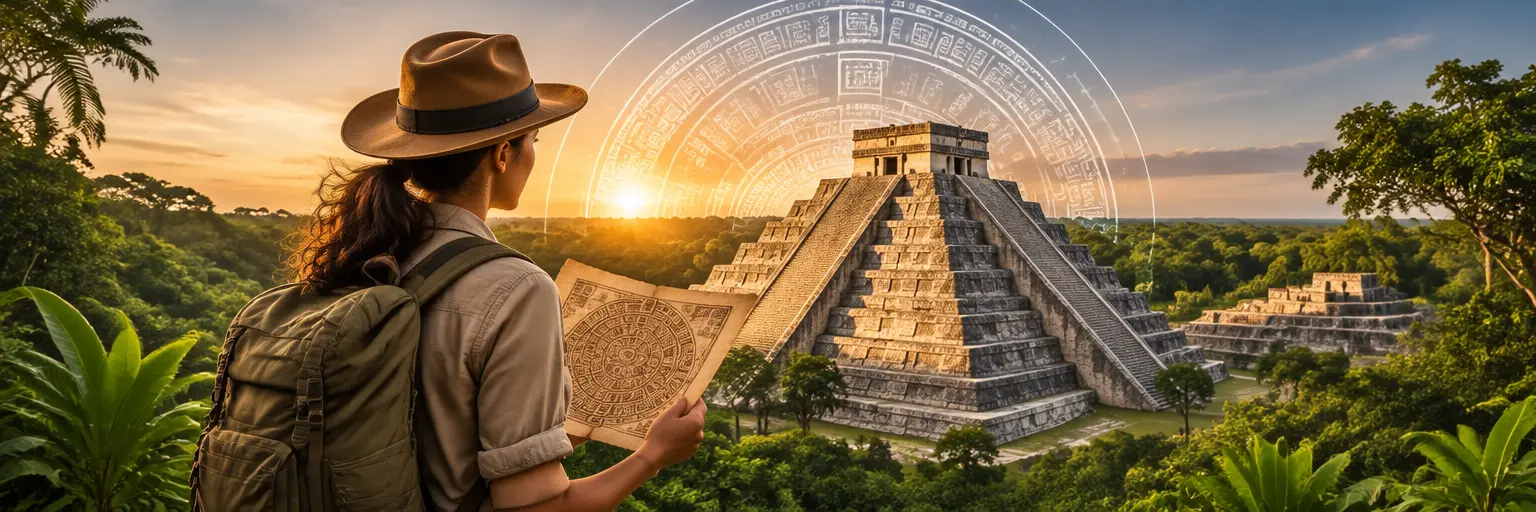
Embark on an unforgettable exploration of the most iconic Mayan cities in Mexico, where towering pyramids, intricate hieroglyphs, and sacred cenotes reveal the brilliance of one of history’s most advanced civilizations. This subcategory of Cultural Journeys immerses you in the archaeological wonders, historical narratives, and travel insights of sites like Chichén Itzá, Tikal (shared with Guatemala), Palenque, Uxmal, and Cobá. Whether you’re a history buff, an adventure traveler, or a spiritual seeker, you’ll uncover practical tips, cultural context, and hidden gems to make your visit truly transformative. From the Yucatán Peninsula’s limestone plains to Chiapas’ lush jungles, prepare to walk among the footsteps of Maya kings and priests whose legacy still echoes in modern Mexico.
🏛️ Iconic Mayan City Sites: What to See and Why They Matter
When you explore Mayan cities in Mexico, you’re not just visiting ruins—you’re entering ceremonial centers that once hosted astronomical observatories, ball games, and royal tombs. Chichén Itzá, a UNESCO World Heritage Site and one of the New Seven Wonders, dazzles with El Castillo pyramid, whose equinox shadows create a serpent illusion. Palenque, hidden in Chiapas’ rainforest, boasts the Temple of Inscriptions and the tomb of King Pakal, with intricate stucco reliefs unlike any other site. Uxmal, in the Puuc region, features the Governor’s Palace and geometric mosaics that reflect Mayan astronomy and architectural precision. Cobá offers the tallest pyramid in Yucatán (Nohoch Mul), best climbed at sunrise. Each city showcases distinctive regional styles, from Chenes to Rio Bec, yet all share a deep cosmic alignment with celestial bodies.
For first-time visitors, prioritize guided tours that explain the symbolism behind carvings, such as the descent of Kukulcán or the duality of Chaac, the rain god. Expect morning crowds at Chichén Itzá, so arrive early or late afternoon to capture dramatic light. At Palenque, bring insect repellent and waterproof shoes due to jungle humidity. Don’t miss the on-site museums—like the Museo de Sitio in Palenque—which house original stelae and jade masks, offering context that enriches your understanding of Mayan political and religious life. These cities are not static monuments; excavations continue, and every year new glyphs are deciphered, reshaping our knowledge of Mayan history.
🗺️ Planning Your Route: Classic Circuits for Every Traveler
To maximize your Mayan city discovery, plan a logical circuit that balances logistics and interest. The most popular route is the “Ruta Puuc,” covering Uxmal, Kabah, Sayil, and Labná in one day, all within a 30-mile radius near Mérida. This circuit is ideal for those who prefer quieter sites and stunning Puuc-style facades with masks of Chaac. Alternatively, the “Mundo Maya” route combines Chichén Itzá, Cobá, and Tulum (a coastal city) over three days, perfect for combining beach and archaeology. If you’re passionate about deep history, fly to Villahermosa and drive to Palenque, then continue to Bonampak and Yaxchilán for murals and river-side ruins. Each route offers distinct landscapes: scrub forest, dense jungle, or coastal cliffs, so choose based on your time and comfort with heat and humidity.
Public transportation, including ADO buses and colectivos (shared vans), links most sites, but renting a car offers freedom for off-the-beaten-path ruins like Ek Balam, famous for its open stucco façade. For a truly immersive experience, consider staying overnight in nearby towns like Valladolid for Chichén Itzá or Santa Elena for Uxmal, enabling early-morning entry before tour buses arrive. Always purchase tickets online in advance, as many sites now limit daily visitors. Hydrate frequently, wear a hat and sunscreen, and hire a certified guide (available at site entrances) to gain deeper insight into Mayan cosmology and recent archaeological discoveries, such as the 2020 discovery of the Sac Tunel under Chichén Itzá.
🌿 Cenotes and Natural Wonders: The Sacred Underworld
Mayan cities in Mexico are intimately linked with cenotes—natural sinkholes formed from collapsed limestone that expose groundwater. The Maya revered these as entrances to Xibalba, the underworld, and used them for rituals, including human sacrifice and water offerings. At Chichén Itzá, the Sacred Cenote (Cenote Sagrado) lies just north of the main plaza; you can see its murky green depths from a viewing platform. Near Cobá, the Cenote Multum-Ha offers a refreshing swim within walking distance of ruins. For a unique twist, visit the ancient city of Izamal, where several cenotes are hidden beneath colonial streets, or explore the underground river system at the recently accessible Cenote Choo-Ha in the Yaxchilán region. Combining archaeology with cenote dips creates a sensory experience linking natural and built heritage.
Beyond cenotes, the Yucatán’s karst terrain features caves like Loltún near Uxmal, where Mayan handprints and ancient ceramics were discovered. Ecotourism operators offer guided kayak tours through the Río Lagartos biosphere, but for Mayan city enthusiasts, focus on cenotes that are directly part of the archaeological zone’s ritual landscape. Many visitors overlook the ecological component—the Maya managed water via sophisticated reservoirs and chultuns (underground cisterns). Visiting a cenote with a local guide who explains hydrogeology and Mayan mythology enhances your appreciation. Remember to swim responsibly by wearing biodegradable sunscreen to protect these fragile ecosystems that still provide drinking water to communities today.
📜 History and Culture: Deciphering Maya Life and Beliefs
To truly discover Mayan cities, understand that these were not isolated pyramids but thriving urban centers with sophisticated writing, math, and calendar systems. The Maya developed the concept of zero independently and created the Long Count calendar that tracks vast time cycles. At Palenque, the Tablet of the 96 Glyphs and the Palace’s tower showcase their astronomical precision. Royal dynasties, such as the Kaanul (Snake) kingdom, waged wars and forged alliances across modern borders. At Bonampak, the famous murals depict a detailed battle scene, prisoner sacrifice, and court ceremony, offering a rare glimpse into elite life. Reading about the classic Maya collapse—perhaps due to drought and political fragmentation—adds a poignant layer to your walks among fallen stelae.
Modern Maya communities still maintain languages, weaving patterns, and agricultural practices rooted in ancient traditions. When visiting sites, engage respectfully with local vendors selling crafts; many use ancestral techniques. Consider visiting during a Mayan ceremonial day, such as Hanal Pixán (Day of the Dead) or equinox events, when archaeological sites become living stages for contemporary Maya rituals. Institutions like INAH (National Institute of Anthropology and History) offer free entry on Sundays for Mexican nationals and residents, but budget for weekday fees. For deeper learning, pre-read works by epigrapher David Stuart or archaeologist Simon Martin to recognize glyphs meaning “captured” or “dedication.” This background transforms ruins from stone piles into political narratives etched in limestone.
🎟️ Practical Tips, Tickets, and Sustainable Tourism
Navigating Mayan city sites requires savvy planning to avoid pitfalls. Most sites charge entrance fees ranging from 80 to 120 MXN, plus an additional fee for video cameras (often 45 MXN). Use official ticket counters only—scalpers sometimes offer “bundled” deals that may be overpriced. For Chichén Itzá, the combined fee covers the ruins and the cenote, but note that climbing pyramids is prohibited at most sites due to conservation; only a few like Cobá still allow ascent but have strict rules. Wear sturdy shoes, as some paths are uneven, and carry cash, as many rural sites lack ATMs. Sun protection, a reusable water bottle, and a small first-aid kit are essentials. For sustainable tourism, stick to marked trails, do not touch carvings, and avoid flash photography inside museums, which can degrade pigments.
Booking a guided tour through reputable agencies like Cultural Destinations Mexico ensures you contribute to local economies and hear accurate narratives. Alternatively, use audio guides available via apps like “Maya Ruins Guide” for self-paced exploration. During high season (December to April), expect large crowds at Chichén Itzá and Uxmal; visiting in May to November offers lush scenery but afternoon rains. Learn a few Spanish phrases—though many guides speak English—and always negotiate prices for souvenirs respectfully. Allocate at least half a day per major site; rushing ruins diminishes the experience. Finally, respect that these are sacred places for Maya descendants—avoid climbing on altars and leave no trace of your visit except footprints.
🌟 Hidden Gems and Off-the-Beaten-Path Ruins
Beyond famous sites, Mexico hides dozens of lesser-known Mayan cities rewarding those who venture further. Explore Calakmul, deep in the Calakmul Biosphere Reserve near the Guatemalan border, where structure II rises 45 meters and howler monkeys echo through the canopy. Or visit Becan, encircled by a moat and offering rare defensive architecture. For coastal flair, Tulum sits dramatically on cliffs above turquoise water, though its post-classic buildings are modest compared to interiors. The Puuc hills hide Sayil with its monumental palace and Labná’s intricate arch. Each hidden gem offers fewer crowds and, often, a more personal encounter with history. Some sites are still being excavated, and you might witness archaeologists in action, adding a thrill of discovery.
Reaching these remote ruins typically requires a rental car or hiring a private driver. For example, Calakmul is a 6-hour drive from Mérida, but the journey through jungle wildlife (including jaguars, though rarely seen) is part of the adventure. Entrance fees are lower, and you may have the site almost to yourself, especially on weekdays. Remember to bring your own food and water, as facilities are minimal. Local communities near these ruins often run cooperative guides—hiring them not only enriches your experience but also supports rural development. For photographers, early morning fog over the forest canopy surrounding ruins like Bonampak creates ethereal compositions. Embrace the unpredictability of jungle paths and let the spirit of exploration guide you.
Frequently Asked Questions
Are Mayan ruins in Mexico safe to visit?
Yes, archaeological zones are generally safe and well-maintained. Follow posted rules, stay on trails, and keep valuables secure. Remote sites like Calakmul have park rangers, but it’s wise to inform someone of your itinerary. Petty theft is rare but possible near busy parking areas, so lock your car.
What is the best time of year to visit Mayan cities?
The dry season (November to April) offers mild temperatures and less rain, ideal for exploring. However, expect larger crowds, especially at Chichén Itzá. The wet season (May to October) brings lush scenery and fewer tourists, but afternoon storms can interrupt hikes. Mornings are always best to avoid heat.
Can I climb the pyramids at Mayan sites?
Climbing is now prohibited at most major sites like Chichén Itzá, Uxmal, and Palenque due to erosion and safety. Cobá still permits climbing Nohoch Mul, but steps are steep and narrow—exercise caution. Check each site’s current regulations before visiting, as rules change.
Do I need a guide to enjoy the ruins?
While not mandatory, a certified guide greatly enhances understanding of glyphs, architecture, and cosmology. Guides wear official identification and are available at entrances for 300-600 MXN per group. Audio guides are cheaper alternatives, but personal anecdotes from local guides add unique insight.
What should I pack for a Maya city tour?
Bring lightweight, breathable clothing, a wide-brim hat, sunscreen, insect repellent, and comfortable closed-toe shoes. Water, snacks, and a compact camera are essential. For cenotes, pack a swimsuit and towel. Avoid wearing brightly colored clothing if you’re interested in wildlife, as it attracts insects.