Music and Dance of the Guarani: An Immersive Experience into Indigenous Expressions
Discover the vibrant world of Guarani indigenous music and dance, where rhythm and movement intertwine to express the rich cultural heritage of…
Read article
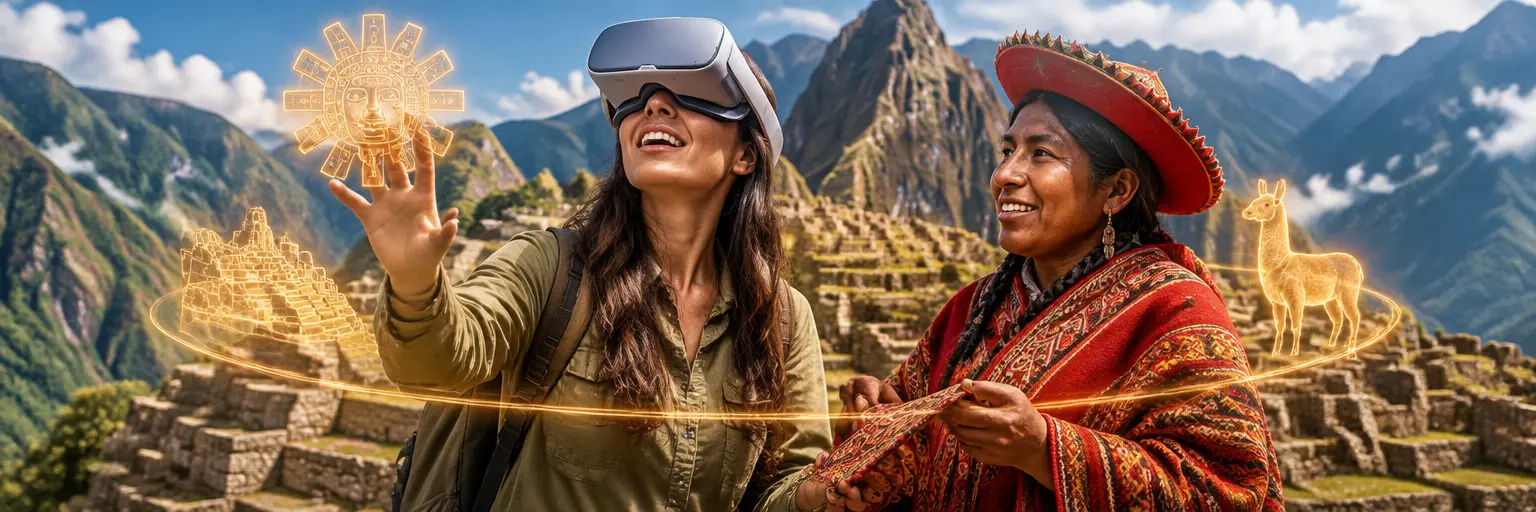
Step into a world where ancient traditions pulse beneath modern skies—South America’s immersive cultural experiences are your passport to living history 🌎. From the sacred peaks of the Andes to the Amazon’s whispering canopy, these journeys don’t just show you the past; they let you *feel* it. Walk alongside Quechua weavers as they spin alpaca wool with techniques passed down for centuries, share a ceremonial cacao brew with Amazonian elders, or trace the sun’s path through Inca stonework at Machu Picchu during the winter solstice 🔥. This is not tourism—it’s connection. You’ll sleep in community-run lodges, learn to cook native dishes over open fires, and listen to creation myths beneath a Milky Way undimmed by city lights. Every interaction supports living cultures—from Mapuche silversmiths in Patagonia to Kichwa healers in Ecuador—ensuring their voices echo into tomorrow. Whether you’re navigating the Uros floating islands on Lake Titicaca or joining a Kallawaya spiritual ceremony in Bolivia, these encounters are transformative, respectful, and unforgettable. Leave the postcard behind; here, you don’t observe culture, you *become* part of its story ✨.
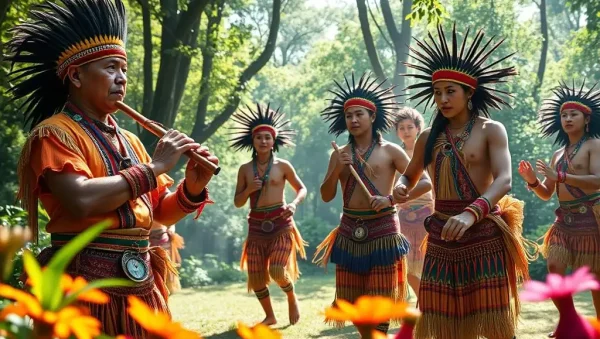
Discover the vibrant world of Guarani indigenous music and dance, where rhythm and movement intertwine to express the rich cultural heritage of…
Read article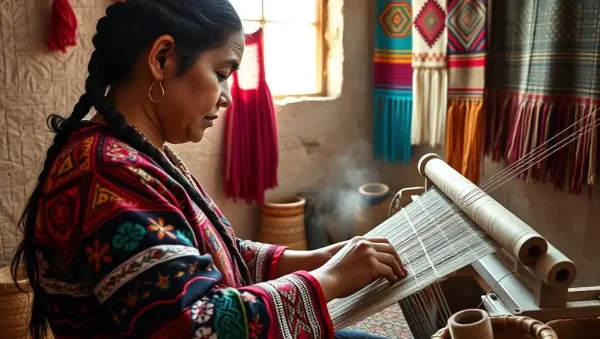
🌍 South American indigenous textile art serves as a vibrant tapestry of cultural identity, storytelling, and ancestral traditions. This article delves into…
Read article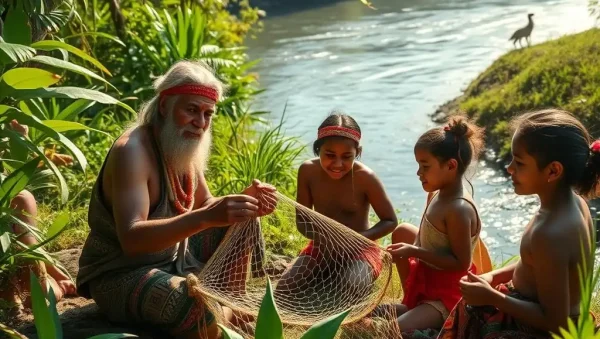
Discover how Traditional Ecological Knowledge of Amazonian tribes shapes their sustainable practices, deepens their connection to the land, and preserves invaluable wisdom…
Read article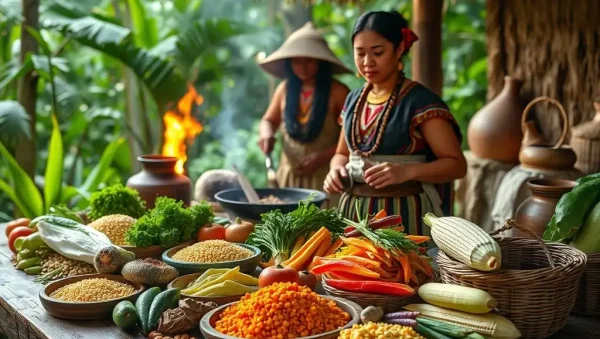
Discover the rich indigenous culinary traditions of South America, where ancient techniques and local ingredients blend to create vibrant flavors. This exploration…
Read articleSouth America is a living mosaic of ancient traditions, where indigenous communities continue to preserve their ancestral heritage against a backdrop of breathtaking landscapes. For travelers seeking more than a superficial visit, immersive cultural experiences offer a doorway into the soul of the continent. Whether you are walking through the sacred valleys of the Andes, navigating the Amazon’s tributaries, or exploring the high-altitude plains of the Altiplano, these journeys connect you directly with the descendants of the Inca, Quechua, Aymara, Mapuche, and Guarani peoples. This page serves as your guide to authentic, respectful, and transformative encounters that honor the past while supporting the present-day custodians of these rich cultures.
The Quechua people, heirs to the Inca Empire, invite you into their daily life in the Sacred Valley of Peru and the highlands of Bolivia. Participants stay in family-run lodges or village homestays, learning to weave with natural dyes, cook traditional dishes like pachamanca, and participate in agricultural rituals dedicated to Pachamama (Mother Earth). These experiences are designed to be reciprocal, with a portion of fees funding local schools and medical clinics. You will also witness vibrant festivals like Qoyllur Rit’i, where pilgrims trek to a glacier carrying crosses, blending Catholic and Andean spirituality. Expect a schedule that balances organized activities with free time to wander, converse, and simply observe the rhythms of rural highland life.
Key benefits include a deep understanding of ayllu (community) values and the importance of reciprocity in indigenous economics. Unlike passive sightseeing, these stays foster genuine friendships and a lasting appreciation for Quechua resilience. Ethical operators ensure your presence supports sustainable farming and the revival of traditional textile techniques, which are UNESCO-recognized. You’ll leave with handcrafted souvenirs that carry real stories, not factory replicas, and memories of shared laughter over a bowl of quinoa soup under a star-dusted sky.
Deep in the Peruvian and Ecuadorian Amazon, indigenous communities such as the Kichwa, Shipibo, and Asháninka offer immersive programs centered on their deep ecological knowledge. Spend days canoeing through flooded forests, learning to identify medicinal plants, and fishing with traditional spears. Nights are spent in communal longhouses, listening to elders recount creation myths and the cosmology of the river. For those seeking spiritual insight, voluntary participation in a shamanic ceremony using sacred plants like ayahuasca is possible, but always conducted with rigorous ethical safeguards and informed consent. Most reputable tours emphasize cultural exchange over spectacle, ensuring rituals are not performed for entertainment but shared as a sacred trust.
These immersive experiences highlight the urgent need for biocultural conservation, linking rainforest health with the survival of indigenous languages and lifeways. Visitors learn about common-pool resource management, sustainable harvesting of rubber and nuts, and the role of women in passing down botanical knowledge. You’ll participate in craft workshops creating pottery, beadwork, and woven palm bags, directly supporting micro-enterprises. The transformative power lies in understanding that the Amazon is not a wilderness but a cultivated garden, shaped over millennia by human hands guided by spiritual and ecological intelligence.
In northern Chile, the Lickan Antai (Atacameño) people offer intimate explorations of their ancestral homeland, one of the driest places on Earth. Tours include visits to ancient pukarás (fortresses), pre-Columbian irrigation channels, and the turquoise highland lagoons of Miscanti and Miñiques. Cultural facilitators explain the concept of suma qamaña (living well in harmony), which guides their relationship with water, llamas, and the stars. You may join a local astronomer who interprets constellations from a pre-Hispanic perspective, distinct from Western astrology. A highlight is the harvesting of chañar fruit and algarrobo, used to make syrup and flour, followed by a traditional cooking class using geothermal ovens.
These experiences are built on a foundation of self-governance, with the community-owned tourism cooperative managing every aspect, from guides to finances. This ensures that your visit directly funds archaeological preservation and the revival of the Kunza language, once nearly extinct. You’ll learn about the strategic salt trade that connected the Andes to the Pacific, and how the Lickan Antai adapted to extreme aridity with sophisticated agro-pastoralism. The stark beauty of the desert becomes a backdrop for reflecting on resilience, resourcefulness, and the delicate balance between human innovation and natural limits.
The Mapuche, the largest indigenous group in Chile and Argentina, welcome travelers to their rehues (ceremonial grounds) and ancestral territories along the Andean lakes and forests. Immersive programs cover their history of resistance, cosmology centered on Ngenechen (the divine being), and the central role of the machi (spiritual healer). You’ll participate in a nguillatún prayer ceremony, if timing aligns, and try your hand at traditional silverwork, which holds symbolic status. Homestays are common, allowing you to share meals of muday (fermented grain drink) and catuto (wheat porridge). Workshops on the medicinal use of the canelo tree and the art of witral (loom weaving) provide hands-on learning.
This subcategory emphasizes decolonizing tourism by centering Mapuche voices in their own narrative, countering the romanticized “noble savage” stereotype. You’ll learn about current land reclamation movements and the legal battles for water rights, gaining a nuanced understanding of contemporary indigenous politics. Operators like the Mapuche Tourism Network guarantee that 100% of profits stay within the community, funding youth leadership programs and cultural emergency reserves. Engaging with Mapuche culture is not merely an educational exercise but an act of solidarity, fostering a deep respect for their unbroken spiritual connection to the land.
South America’s festival circuit offers a dynamic entry into living cultures, blending indigenous roots with African and European influences. The Oruro Carnaval in Bolivia, a UNESCO Masterpiece, immerses you in the Aymara and Quechua worldview through devil dances (diablada) and ritual offerings. In Peru’s Cusco, Inti Raymi vividly reenacts the Inca sun festival with thousands of performers, but deeper immersion comes from smaller village celebrations like the Qoyllur Rit’i pilgrimage. Music workshops teach you to play the charango, zampoña, or wankara drum, while dance classes introduce the hypnotic steps of the huayno and caporales. These experiences reveal how cultural forms adapt, survive, and thrive.
Attendance at these events is a lesson in cultural hybridity, challenging the idea of “pure” traditions. You’ll learn the historical context of how Spanish colonization reshaped indigenous rituals, and how communities repurposed Catholic symbols to preserve pre-Hispanic beliefs. Ethnomusicologists often lead these immersions, providing scholarly insight while encouraging participatory engagement. Ensure you book through local agencies that respect festival protocols, such as not photographing sacred moments. Beyond the spectacle, you’ll gain an embodied understanding of how music and dance serve as repositories of memory, resistance, and joy.
The dry season (May to September) is ideal for Andean and desert regions, offering clear skies and easier trekking. For the Amazon, the high-water season (December to May) provides better canoe navigation and wildlife spotting. Festival-specific dates, like Carnaval (February) or Inti Raymi (June), require advance planning. Always check local community calendars for availability of homestays or ceremonies.
Basic Spanish is helpful but not mandatory, as most community-led tours include bilingual guides. For deeper homestay interactions, learning a few words of Quechua, Aymara, Mapudungun, or Kichwa will be greatly appreciated. Many operators offer a language primer before your arrival. Communication often transcends words through shared meals, laughter, and work, but a translation app can bridge essential gaps.
Choose operators that are community-owned or have transparent revenue-sharing agreements. Check for certifications like the World Indigenous Tourism Alliance (WINTA) or local fair-trade labels. Avoid tours that stage ceremonies purely for entertainment or sell sacred items. Ask about capacity limits, waste management, and whether meals and lodging are locally sourced. Booking directly with community cooperatives or respected NGOs ensures your money stays local.
Many experiences involve walking at high altitudes (3,000–4,000 meters) or in humid heat, so gradual acclimatization and physical fitness are advised. Culturally, respect dress codes—cover shoulders in villages, ask before photographing, and never touch ceremonial objects. Learn about ayni (reciprocity) and be ready to participate, not just observe. Carry small gifts like school supplies or non-perishable foods if offered, but avoid giving money directly to children.
Yes, but only when conducted by recognized elder shamans within safe, consent-based settings. Reputable tours will provide thorough medical and psychological screening, explain potential risks, and never pressure participation. Avoid street-level “retreats” that offer cheap, unsupervised sessions. The ceremony is serious, potentially life-altering, and should be approached with humility and respect for its sacred context, not as a casual tourist activity.