Engaging with Indigenous Art and Crafts: Incorporating Local Experiences into Your Tour
Discover the rich tapestry of indigenous art and crafts experiences that showcase the vibrant cultures of the Americas. Engage with local artisans,…
Read article
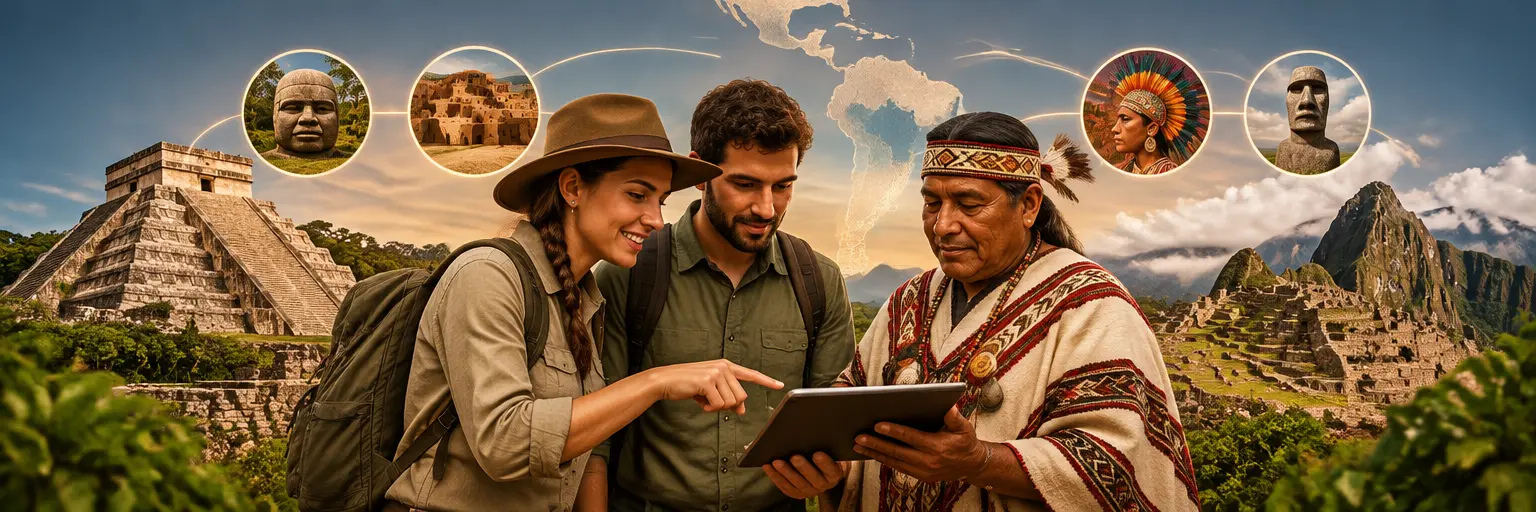
Planning Authentic Tours for Indigenous Insights goes beyond sightseeing—it’s a respectful immersion into living traditions, ancestral wisdom, and the vibrant heritage of Native American, First Nations, and Indigenous communities across the Americas. Our curated guidance helps you design journeys that prioritize cultural accuracy, community-led experiences, and meaningful engagement with elders, artisans, and storytellers. Whether you’re exploring Ancestral Puebloan ruins, Amazonian river villages, or Andean highland ceremonies, you’ll learn to choose partners who honor sovereignty, support local economies, and protect sacred sites. With an emphasis on ethical travel, seasonal calendars, and protocols for photography and participation, these tours transform passive visits into dialogues of respect and discovery. From small-group workshops on traditional crafts to guided walks along ancient trade routes, each itinerary is crafted to foster mutual understanding and lasting appreciation. Dive in to uncover community-based tourism models, indigenous-owned accommodations, and festival dates that bring authentic connection—not just postcard views—to the heart of your journey.
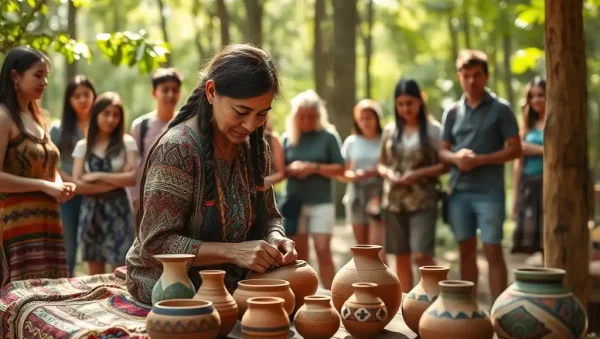
Discover the rich tapestry of indigenous art and crafts experiences that showcase the vibrant cultures of the Americas. Engage with local artisans,…
Read article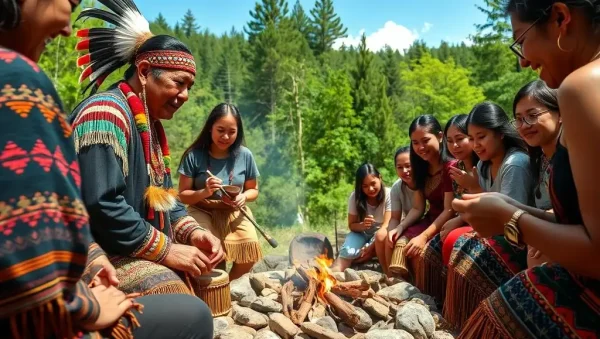
Participating in indigenous cultural programs benefits individuals by fostering a deeper understanding of pre-colonial societies, promoting cultural appreciation, and enhancing community bonds.…
Read article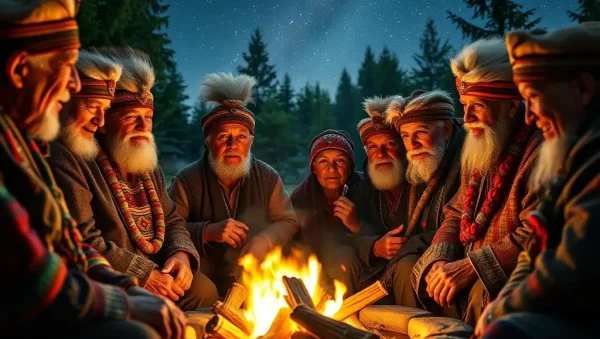
🌍 Discover how to create authentic Indigenous cultural tours that honor the rich heritage of pre-colonial societies. Our essential tips guide you…
Read article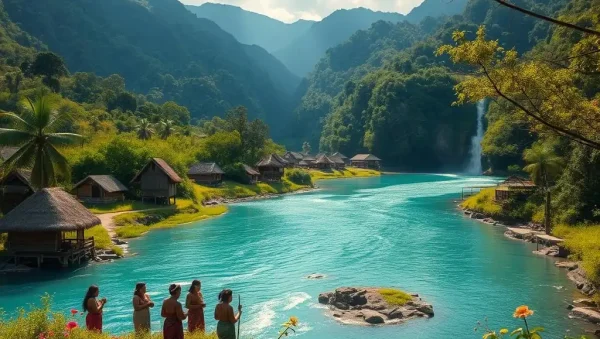
🌍 Discover the allure of hidden indigenous travel destinations that showcase the rich tapestry of pre-colonial cultures. From remote villages to sacred…
Read articleEmbarking on a cultural journey through the Americas offers more than sightseeing—it’s a chance to connect deeply with living traditions, ancestral knowledge, and resilient communities. Planning authentic tours for indigenous insights means prioritizing respect, reciprocity, and meaningful engagement over superficial visits. By choosing community-led experiences, you not only gain profound perspectives on pre-Columbian civilizations but also support cultural preservation and economic empowerment. This guide helps you design transformative itineraries that honor indigenous sovereignty, foster cross-cultural understanding, and create unforgettable, ethical travel memories.
Authentic tours begin with who leads them. Indigenous-owned and operated travel companies ensure that narratives are accurate, respectful, and beneficial to local communities. Look for certifications from tribal councils, cooperative alliances, or fair-trade tourism organizations. These operators often provide access to sacred sites, oral histories, and ceremonial practices that mainstream tours ignore or misrepresent. By booking directly, your investment circulates within the community, supporting language revitalization, youth education, and land stewardship. Expect deeper storytelling, smaller group sizes, and a welcoming atmosphere that values your curiosity over your wallet.
When researching, verify that the operator’s mission statement includes cultural protocols—such as photography restrictions, dress codes, and seasonal access. A trustworthy partner will openly discuss sustainability practices and community benefit sharing. Compare reviews from fellow travelers who emphasize learning and ethical conduct. Remember, the most authentic experiences often happen when you let the community set the pace, allowing spontaneous conversations, shared meals, and participation in daily rhythms. Prioritize operators who offer pre-trip briefings on etiquette, history, and contemporary issues, ensuring you arrive informed and humble.
From the Andean highlands of Peru to the pueblos of the American Southwest, each region offers unique insights into ancestral civilizations. Focus on areas with continuous cultural practice—for instance, the Quechua in the Sacred Valley, the Maya in Guatemala’s highlands, or the Hopi and Zuni in Arizona. These communities maintain agricultural cycles, weaving traditions, and ceremonial calendars that trace back centuries. Choosing such destinations ensures your tour supports living heritage, not just archaeological relics. Expect to witness terraced farming, ancestral cuisine, and craft techniques passed down through generations, all framed by elders’ narratives.
Diversify your itinerary between UNESCO World Heritage sites and off-the-beaten-path villages. While Machu Picchu or Chichen Itza are awe-inspiring, true insight emerges in smaller settlements where families welcome you into their homes. Consider seasonal festivals, like Inti Raymi in Cusco or the Day of the Dead in Mexico, which reveal cosmological beliefs in action. Pair visits with local museums run by indigenous curators, and stay in community-run eco-lodges. By spreading your footprint, you reduce the risk of overtourism while nurturing fragile economies. Always check travel advisories and respect any temporary closures due to weather or cultural observances.
Hands-on learning transforms passive observation into active connection. Engage in workshops led by master artisans—learn pottery from a Mata Ortiz potter, backstrap weaving from a Mayan weaver, or medicinal plant use from an Amazonian shaman. These activities, often half-day or full-day, allow skill-building while generating direct income. Expect to be treated as an apprentice, not a spectator, with ample time for questions and practice. Equally powerful are homestay experiences, where you share meals, chores, and evening storytelling. Such exchanges build mutual respect and dismantle stereotypes, offering a rare window into everyday indigenous life.
Strike a balance between structured learning and unstructured downtime. Volunteer opportunities—such as participating in a community reforestation project or helping with a school’s language class—can deepen your impact, but only if respectfully requested by hosts. Avoid “voluntourism” that displaces paid workers or creates dependency. Prioritize activities where the community defines the outcome, whether that’s a shared feast, a ceremonial farewell, or a collaborative art piece. Always ask, “How does this benefit the community?” If the answer is solely your entertainment, reconsider. Sustainable exchange leaves both sides enriched and eager for return visits.
Respecting indigenous customs is non-negotiable for authentic tourism. Learn local etiquette before arrival: how to greet elders, when to remove shoes, and appropriate gift-giving practices. Many communities have strict rules about entering ceremonial structures, photographing rituals, or touching artifacts. Your tour operator should provide a clear code of conduct, but you can also research via tribal websites or respected travel guides. Expect a welcome ceremony, often involving tobacco offerings or coca leaf exchanges, which signify your acceptance into their worldview. Participate with sincerity, not theatrical reverence.
Understanding sacred geography enhances your experience. Many indigenous peoples view mountains, rivers, and caves as living entities with agency. Your guide may ask you to refrain from certain actions—like climbing a particular peak or collecting stones—to maintain spiritual balance. Be prepared for silent moments of reflection at shrines, where verbal interpretation may pause. Ask permission before entering any private or ceremonial area, and always accept declining hospitality gracefully. By demonstrating humility, you build trust and gain access to intangible heritage—songs, prayers, and origin myths—that no book can capture.
Authenticity extends to your post-travel footprint. Support community enterprises by purchasing crafts directly from artisans or through cooperative stores that offer fair prices. Avoid bargaining aggressively, as it undermines livelihoods. Consider donating to cultural preservation funds, language revitalization programs, or land rights organizations that your tour operator recommends. Share your experience responsibly—use photography that respects privacy, and highlight contemporary indigenous achievements rather than exoticizing poverty. Write positive reviews and connect fellow travelers to ethical operators, building a network of responsible tourists.
Long-term impact requires ongoing advocacy. Stay informed about issues affecting the communities you visited, such as mining concessions, water rights, or educational access. Use your voice on social media, write to policymakers, or support cultural exchange programs. Plan return visits that deepen relationships, perhaps through mentorship or collaborative projects. Many indigenous communities welcome returning guests—they become part of the extended family, invited to weddings or harvests. By maintaining these bonds, you contribute to a tourism model that values continuity over extraction, ensuring that future generations can also share in the wisdom of ancient civilizations.
Start by consulting tribal tourism boards, cultural centers, or reputable platforms like the American Indian Alaska Native Tourism Association (AIANTA) or Latin American indigenous cooperatives. Look for operators that are 100% owned and staffed by indigenous people, and check for transparent benefit-sharing statements. Read reviews from travelers who emphasize ethical practices, and directly contact the operator with questions about cultural protocols.
Pricing varies widely based on destination, duration, and exclusivity. Community-based homestays and small-group tours typically range from $100–$250 per day, including meals and activities. High-end experiences—such as private ceremonies or remote Amazonian expeditions—may exceed $500 daily. Always ask what’s included and where your money goes; fair wages and community contributions justify higher costs.
Avoid pointing your feet at sacred objects, touching ceremonial items without permission, or photographing rituals without explicit approval. Never ask about personal finances or spiritual secrets. Respect silence and observation as teaching tools. If you’re unsure, ask your guide—most are happy to explain protocols, and your humility is appreciated.
Absolutely—many communities value cross-generational exchange. Look for family-friendly operators offering age-appropriate activities like craft-making, traditional games, or agricultural tasks. However, ensure your children understand basic etiquette and are prepared for limited Wi-Fi, rustic accommodations, and patience with cultural differences. Always confirm with the operator that children are welcomed and accommodated.
Choose operators that prioritize cultural and environmental sustainability. Avoid tours that promise “authentic shamanic ayahuasca ceremonies” unless properly vetted, as this can exploit sacred traditions. Respect no-go zones, minimize waste, and donate to community-run projects. After your trip, provide constructive feedback that helps operators refine ethical practices and share your positive experiences to promote responsible tourism.