Exploring Indigenous Heritage Sites: A Journey Through Time
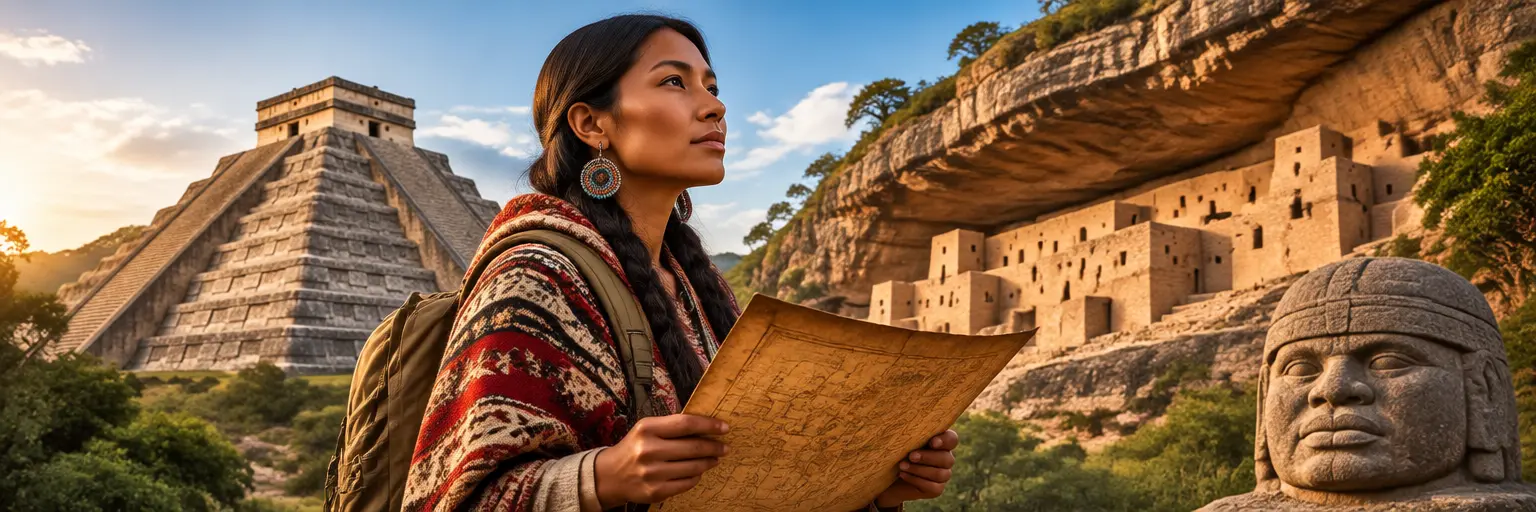
Welcome to our deep dive into Exploring Indigenous Heritage Sites, a cornerstone of your Cultural Journeys across the Americas. Here, we uncover the living stones, sacred landscapes, and enduring stories of the continent’s first peoples. From the towering adobe cities of the Southwest to the rainforest-shrouded temples of Mesoamerica, each site offers a portal into sophisticated civilizations that thrived long before 1492. This subcategory is your expert guide to planning meaningful visits, understanding archaeological context, and honoring the cultural significance that still resonates today. Let’s step off the beaten path and walk where history was made.
🏛️ Iconic Monumental Centers: From Cahokia to Cusco
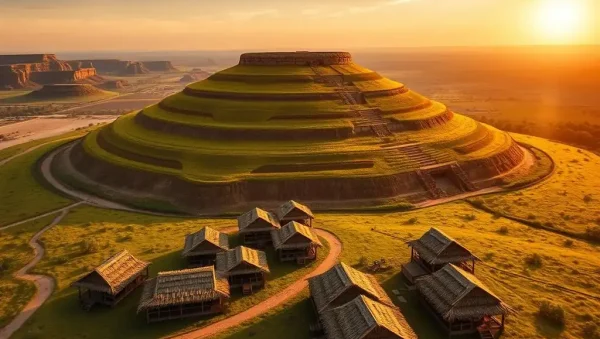
Delve into the grandest expressions of indigenous engineering and urban planning. Expect to explore Cahokia Mounds, the largest pre-Columbian city north of Mexico, with its massive Monk’s Mound, and the Incan citadel of Machu Picchu, a masterpiece of dry-stone construction perched on Andean ridges. These sites reveal advanced astronomical alignments, complex water management systems, and trade networks spanning thousands of miles. You’ll learn how urban centers were designed as cosmic maps, reflecting social hierarchies and religious cosmologies. Practical visitor information, seasonal accessibility, and lesser-known viewpoints are included to enhance your expedition.
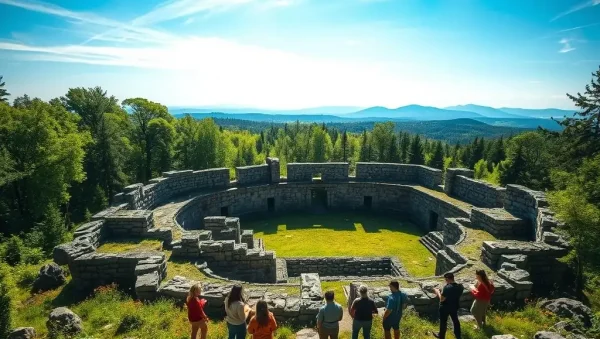
Beyond the famous landmarks, we highlight Chan Chan in Peru, the largest adobe city in the world, and Poverty Point in Louisiana, with its concentric earthen ridges dated to 1700 BCE. Each destination narrative explains current preservation challenges, UNESCO status, and ongoing indigenous stewardship roles. By understanding these places as active cultural hubs—not dead ruins—you’ll appreciate contemporary ceremonies and community-led tours. Our maps and suggested itineraries help you connect multiple sites within a single journey, maximizing both historical insight and scenic wonder.
🌿 Sacred Landscapes and Natural Sanctuaries
Many indigenous heritage sites are inseparable from their natural surroundings—mountains, rivers, and caves considered living entities. This section guides you to Chaco Canyon, where kivas align with solar events, and the Serpent Mound in Ohio, a snake effigy tied to lunar cycles. You’ll discover how geology, hydrology, and biology were interwoven into spiritual practices, such as the Mount Shasta trails sacred to multiple Californian tribes. Expect insights into ethical hiking, seasonal access restrictions, and the significance of offering sites that require visitor leave-no-trace protocols.
We also explore submerged or forested sites like Macchu Picchu’s royal tomb trail and the Everglades’ shell mounds, revealing how environment shaped settlement and vice versa. For each sanctuary, we detail how to engage with park rangers or tribal interpreters who share oral traditions, and we flag areas closed to the public for ceremonial reasons. Expect practical advice on gear, permits, and cultural etiquette—such as asking permission before photographing people or objects. This holistic approach enhances your appreciation of land as a cultural archive.
🏺 Rock Art, Petroglyphs, and Pictographs
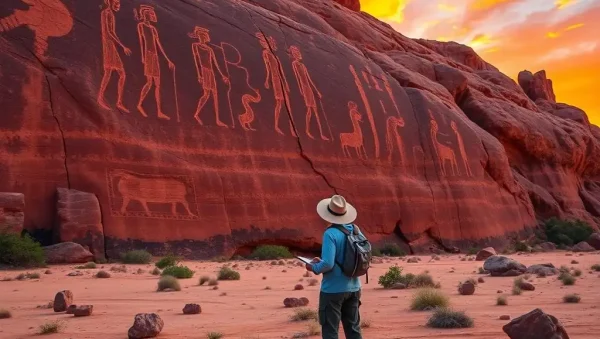
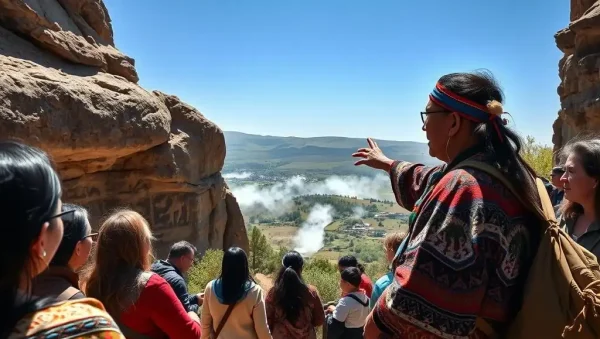
Unlock the world’s oldest visual messages etched into sandstone, basalt, and limestone. This subcategory covers premier rock art destinations including Utah’s Nine Mile Canyon, New Mexico’s Petroglyph National Monument, and British Columbia’s Keatley Creek. You’ll learn to identify styles like Hohokam, Fremont, and Hopewell motifs, plus decipher common symbols for water, game, and celestial events. We explain dating methods, preservation threats from graffiti and wildfires, and everything from boardwalk options to guided ranger programs.
Interpretation goes beyond glyph identification—we address meaning, including shamanic vision quests, clan markers, and winter solstice records. Expect site-by-site guidance on lighting conditions (best at sunrise or sunset) and where to find hidden panels without damaging fragile surfaces. We integrate recent archaeological research, including digital imaging that reveals faded pigments, and we link to tribal-approved resources for deeper learning. For photographers, we share tips for capturing these textures ethically, without flash or touch.
🛶 Waterways, Ports, and Coastal Civilizations
Indigenous cultures masterfully navigated rivers, lakes, and oceans, creating bustling ports and trade hubs. This section focuses on sites like the Moundville Archaeological Park in Alabama along the Black Warrior River, and the Maritime Archaic settlements of Newfoundland’s coast, where seal hunting shaped seasonal camps. You’ll discover reconstructed canoes, fish traps, and shell midden layers that reveal subsistence patterns. Expect details on boat tours, archaeological digs open to volunteers, and museum exhibits featuring recovered trade goods—from obsidian to marine shells.
Beyond the well-known, we highlight Caral, the oldest city in the Americas (circa 2600 BCE), located near the Supe River, and the Mississippian port of Cahokia’s riverfront. For each, we describe how river access facilitated cultural exchange and why waterways served as ceremonial processional routes. Practical information includes dockage, seasonal flooding, and modern flood-control impacts. We also discuss the importance of preserving underwater heritage sites, such as ancient coastal fish weirs now submerged, and how local indigenous communities collaborate with marine archaeologists.
🏺 Ceremonial Centers and Astronomical Observatories
Enter purpose-built spaces for rituals, calendrics, and cosmic alignment. This subcategory opens with Chichen Itza’s El Castillo, whose equinox shadows create a serpent illusion, and the Sun Dagger at Chaco Canyon. You’ll explore Teotihuacan’s Avenue of the Dead and the Mississippian Emerald Mound, one of the largest in North America. Expect detailed explanations of architecture built to mark solstices, equinoxes, and lunar standstills, plus how those alignments governed agricultural cycles and royal power. We provide dates for optimal celestial viewing and visitor access to restricted areas.
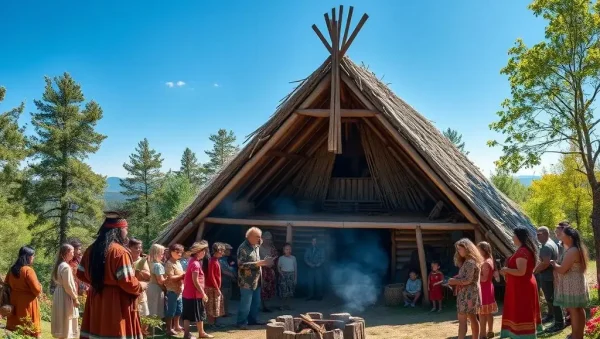
Beyond the primary monuments, we include Nazca Lines observation towers and Ancestral Pueblo great kivas, where acoustics and smoke holes enhanced ceremonies. Each site’s section covers scholarly debates about purpose, from calendar-keeping to ancestral communication, and contextualizes them within broader Mesoamerican and Andean philosophies. We also explain how modern descendant communities use these spaces for annual reaffirmations, and we advise on scheduling visits around such events for immersive cultural understanding. Ethical photography guidelines and self-guided tour apps are included.
Frequently Asked Questions
Do I need special permits to visit indigenous heritage sites?
Yes, many sites require timed entry tickets, tribal permits, or backcountry passes—for example, Chaco Canyon and some Hawaii heiau sites. Always check the official park website or tribal tourism office weeks in advance. Some sacred areas are permanently closed to non-tribal members; respect those boundaries. Fees range from free (often federal monument) to $100+ for guided tribal tours.
Can I take photos or drone footage at these sites?
Photography is generally allowed for personal use, but flash and tripods are prohibited inside caves or fragile areas. Drones are banned in most national parks and many tribal lands due to privacy and preservation concerns. For petroglyphs and pictographs, avoid touching or casting shadows. Always ask permission from on-site guides before photographing people or ceremonial items.
Are there guided tours led by indigenous community members?
Absolutely. Many sites offer tours by registered tribal citizens, such as at Taos Pueblo, Canyon de Chelly, and the Haida’s Watchmen sites in Gwaii Haanas. These tours provide authentic oral histories, cultural protocols, and access to restricted areas. They typically last 1–3 hours and require booking 1–2 weeks ahead, especially in summer.
What is the best time of year to visit these sites?
Spring (April–May) and fall (September–October) offer mild temperatures, fewer crowds, and clearer skies for astronomical events. Summer brings thunderstorms and heat, while winter may close high-elevation sites like Machu Picchu or Mesa Verde due to snow. Check specific site pages for seasonal closures and consider visiting before 10 AM or after 3 PM for optimal lighting and solitude.
How can I ensure my visit is respectful and culturally responsible?
Learn the site’s name in the local indigenous language, avoid climbing or removing artifacts, and refrain from offering tobacco or other items unless explicitly invited. Support nearby indigenous-owned businesses and donate to preservation funds. If you see damaged areas, report to staff. Above all, listen more and speak less—the land carries stories that deserve reverence.