The Secrets of Machu Picchu: Insights into Incan Architecture and Society
Discover the remarkable Incan architecture and society insights that shaped Machu Picchu, a testament to the ingenuity of indigenous cultures. This exploration…
Read article
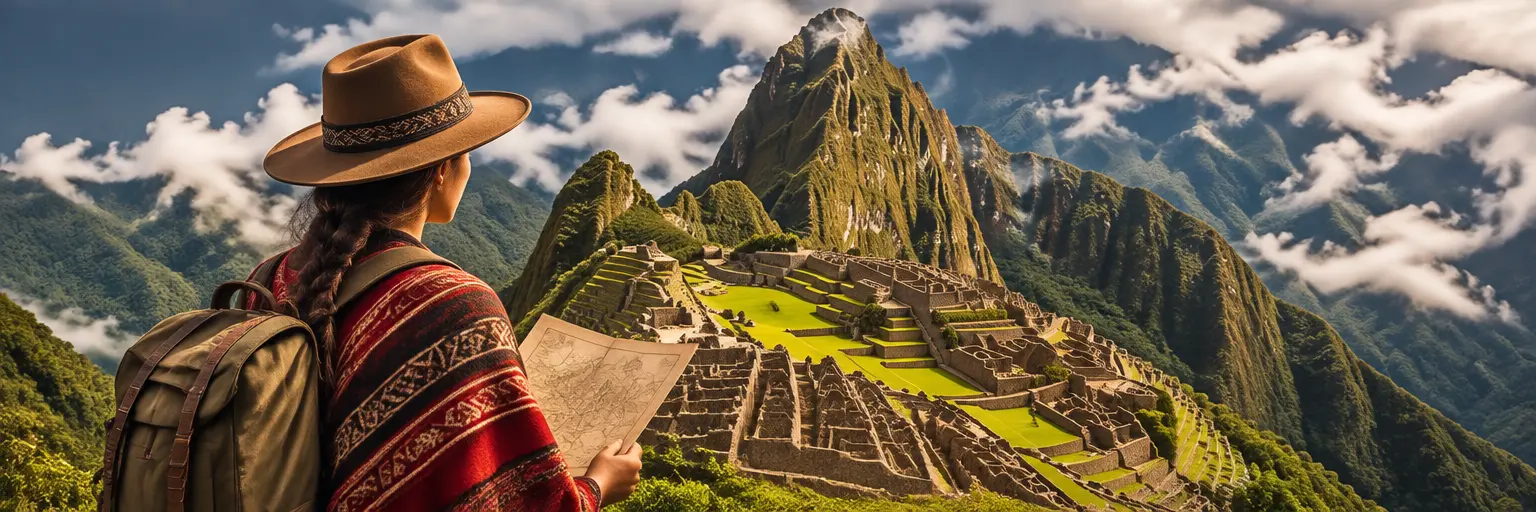
Step into the heart of the Andes and uncover the timeless wonder of Machu Picchu, the legendary Inca citadel perched high above the Urubamba River. As a cornerstone of Cultural Journeys, this guide illuminates the spiritual and architectural genius of the Inca Empire, offering practical insights for modern explorers while honoring the site’s profound indigenous heritage. Navigate ancient terraces, sacred temples, and panoramic sunrises with confidence—learn the best trekking routes, permit essentials, and hidden viewpoints that reveal the citadel’s mastery of astronomy and sacred geography. Whether you’re a history enthusiast or an intrepid traveler, this guide connects you to the living legacy of Quechua traditions, ensuring your visit is both respectful and unforgettable. Embark on a journey that transcends time—discover why Machu Picchu remains a global symbol of indigenous resilience and marvel.
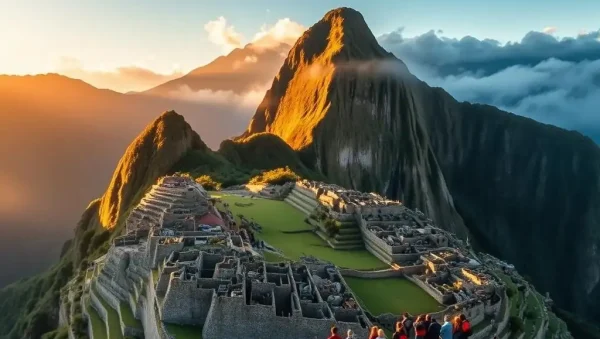
Discover the remarkable Incan architecture and society insights that shaped Machu Picchu, a testament to the ingenuity of indigenous cultures. This exploration…
Read article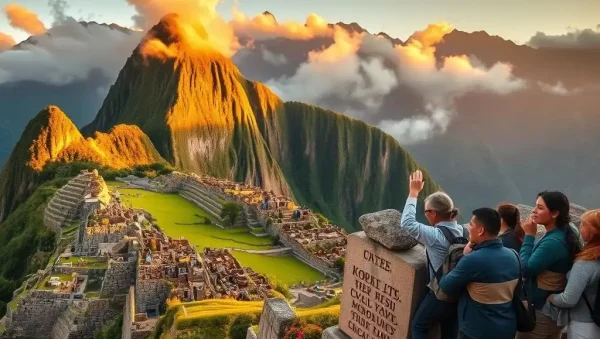
🌄 Machu Picchu stands as a testament to Incan civilization history, showcasing advanced agricultural practices, architectural genius, and spiritual significance. This iconic…
Read article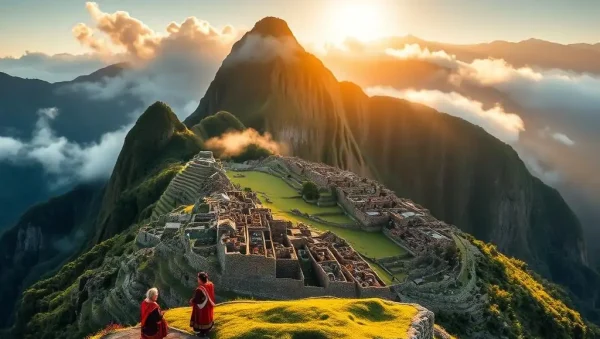
🌄 Uncover the rich Machu Picchu indigenous culture history as you traverse the breathtaking landscapes of the Lost City of the Incas.…
Read articleWelcome to our visitor’s guide to Machu Picchu, the crown jewel of the Inca Empire and a UNESCO World Heritage site nestled high in the Peruvian Andes. This guide is crafted for cultural journey seekers who want more than just a photo opportunity—you’ll uncover the sacred history, engineering marvels, and spiritual significance of this ancient citadel. Whether you’re planning your first trek along the Inca Trail or seeking practical tips for a seamless visit, this resource blends travel logistics with deep cultural context, ensuring your journey respects and honors the indigenous legacy of the Americas.
Machu Picchu’s high-altitude location (2,430 meters) means weather dictates your experience. The dry season (May to October) offers clear skies and optimal trekking conditions, but also larger crowds. The wet season (November to April) brings lush greenery and fewer visitors, though trails can be slippery. You must book entry tickets and the Inca Trail permit months in advance—these are limited to protect the site. Your journey typically begins in Cusco, the former Inca capital, where you’ll acclimatize for 2–3 days before taking a scenic train to Aguas Calientes or hiking the classic 4-day trail.
For cultural travelers, the best times are early morning or late afternoon, when tour groups thin out and the sacred energy feels palpable. Consider hiring a certified indigenous guide who can narrate the site’s ceremonial purpose, agricultural terraces, and astronomical alignments. This not only enriches your understanding but also supports local Quechua communities. Remember, the site has strict rules: no drones, no walking sticks without rubber tips, and a one-way circuit is enforced to preserve the ancient stones. Plan your day with a mix of iconic viewpoints like the Sun Gate and quieter corners like the Temple of the Condor.
Machu Picchu is not a random city—it’s a sacred landscape designed to mirror the surrounding mountains, particularly Huayna Picchu and Machu Picchu Mountain. The Intihuatana stone, or “hitching post of the sun,” was used by Inca astronomers to mark solstices, anchoring their agricultural and religious calendar. The Temple of the Sun, with its curved stone walls and trapezoidal windows, aligns perfectly with the rising sun during the June solstice, illuminating a ceremonial niche. These structures demonstrate the Inca’s advanced knowledge of astronomy, geology, and hydrology, seamlessly integrating natural rock formations with carved stone.
As you walk the agricultural terraces, notice how they prevented erosion and created microclimates for crops like maize and potatoes. The urban sector is divided into upper (Hanán) and lower (Hurin) zones, reflecting Inca social hierarchy and cosmological duality. The Sacred Plaza houses the Temple of the Three Windows, a masterpiece of polygonal masonry where stones fit together without mortar—a hallmark of Inca engineering. Each courtyard, fountain, and stairway has a purpose, from ceremonial bathing to water management. This guide encourages you to pause, observe the stone’s patina, and imagine the spiritual processions that once animated these plazas.
For those who climb Huayna Picchu (the steep peak behind the citadel), you’ll find the Temple of the Moon, a hidden cave complex with exquisite masonry and niches. This vantage point offers a bird’s-eye view of the site’s layout, revealing how the Inca shaped their “city in the clouds” to echo the surrounding Andean peaks. Remember to bring water and a steady head for heights—this trail is demanding but rewarding. Alternatively, the shorter Machu Picchu Mountain trail provides a broader panorama without the extreme vertigo, perfect for photographers seeking that iconic postcard shot.
The classic Inca Trail is a 4-day, 42-kilometer trek that follows ancient stone paths, passing through cloud forests, Andean passes, and several ruin complexes like Wiñay Wayna. This route requires a permit and a licensed porter team, and its 500-person daily limit means early booking is essential. For a less crowded but equally dramatic journey, the Salkantay Trek offers a 5-day adventure crossing a 4,600-meter pass with glacier views, descending into lush valleys and coffee farms before reaching Aguas Calientes. This trek is physically demanding but rewards with diverse ecosystems and far fewer tour groups.
Other options include the Lares Trek (ideal for cultural immersion in remote Quechua villages) and the short Inca Trail (2-day version) for those pressed for time. Whichever you choose, your porter and guide are likely Quechua descendants whose ancestors built these paths—treat them with respect, tip fairly, and follow Leave No Trace principles by carrying out all trash. The journey itself is a pilgrimage; each sunrise over snow-capped peaks and each meal of quinoa soup and coca tea connects you to the land’s original stewards. Consider arranging a homestay in a local community to share in traditional weaving or potato farming, deepening your cultural journey beyond the ruins.
Machu Picchu was built around 1450 AD under Emperor Pachacuti, but abandoned a century later during the Spanish Conquest—likely because its remote location kept it hidden from colonizers. The site was never “lost” to the indigenous people; local farmers knew of its existence, but it became globally famous after Hiram Bingham’s rediscovery in 1911. For the Quechua, Machu Picchu is not a dead ruin but a living huaca (sacred place) where the spirit of the earth, or Pachamama, resides. The name itself translates as “Old Peak” in Quechua, and ceremonies still occur here, especially during the June Inti Raymi festival.
Myths abound: some suggest it was a royal estate, others a pilgrimage center, and recent theories point to it as a mausoleum for Pachacuti. The citadel’s location, nestled between two fault lines, was chosen for its natural energy and defensive advantages. Its 200-plus structures include residences, workshops, and storage rooms, but all are aligned with solar and lunar events. Understanding this context transforms your visit—when you see the Sacred Rock that mimics the shape of the mountain behind it, you’ll recognize it as an in-situ carving meant to harmonize human creation with nature. Engage with local guides who share oral histories passed down generations, and you’ll hear stories of the Apus (mountain spirits) that protect the site.
Altitude sickness is a real concern; spend at least a day in Cusco, drink coca tea, and stay hydrated. Pack layers—mornings are cold, afternoons sunny—and strong sunscreen, a rain jacket, and sturdy hiking shoes. Bring your passport (required for entry), reusable water bottle, and small bills for tips. The site has no food or restrooms inside, so use facilities in Aguas Calientes before entering. Carry your own snacks like nuts or fruit, but pack out all wrappers. Responsible tourism means not climbing on walls, not touching carved stones (oils from skin degrade them), and staying on marked paths—even the terraces are off-limits for preservation.
To minimize your footprint, consider taking the bus from Aguas Calientes (a 25-minute switchback ride) rather than walking the steep road. Skip single-use plastics by buying a filtered water bottle. If you’re visiting during peak season (June–August), book your entry for the first time slot (6 AM) to enjoy softer light and fewer crowds. Also, know that the site’s ticket system requires you to choose a specific circuit (e.g., circuit 1 or 2), so decide if you want to see the Sun Gate or the Inca Bridge beforehand. Finally, respect local customs—remove your hat when entering the Temple of the Sun and ask permission before photographing indigenous locals. Your cultural sensitivity helps preserve this living heritage for future generations.
The ideal window is the dry season, from May to September, when rain is minimal and trails are stable. However, this coincides with peak tourist volume. For fewer crowds, consider late April or October, when weather remains pleasant but crowds thin. Always book tickets and permits 3–6 months in advance, especially for the Inca Trail.
Yes, since 2020, official regulations require visitors to be accompanied by a licensed guide, either privately or in a group. Guides are available at the entrance for a fee, but booking ahead ensures you get a knowledgeable English-speaking Quechua historian. Guided tours last 2–3 hours and cover the main circuits.
Most visitors stay 3–4 hours, which is sufficient to walk all circuits and take in the major structures. If you’re hiking Huayna Picchu or the Sun Gate, allow an additional 2–4 hours. Arrive at the opening gate (6 AM) to maximize your time and avoid mid-morning tour groups.
If you have severe acrophobia, it’s risky—the trail includes narrow ledges, steep staircases, and sections with sheer drops. However, the path has guardrails and ropes in most places. For a gentler alternative, the Machu Picchu Mountain trail offers panoramic views without the extreme exposure. Both require separate tickets.
Absolutely—it’s one of South America’s safest major sites, with well-maintained trails, medical posts in Aguas Calientes, and crowds during daylight hours. Solo visitors should join a group tour for context, keep valuables close, and carry a copy of their passport. Avoid hiking alone after dusk.