Colors of the Earth: The Natural Dyes Used by Indigenous Peoples in Clothing
🌍 Discover the vibrant world of natural dyes used by indigenous cultures in clothing, showcasing their deep connection to nature and rich…
Read article
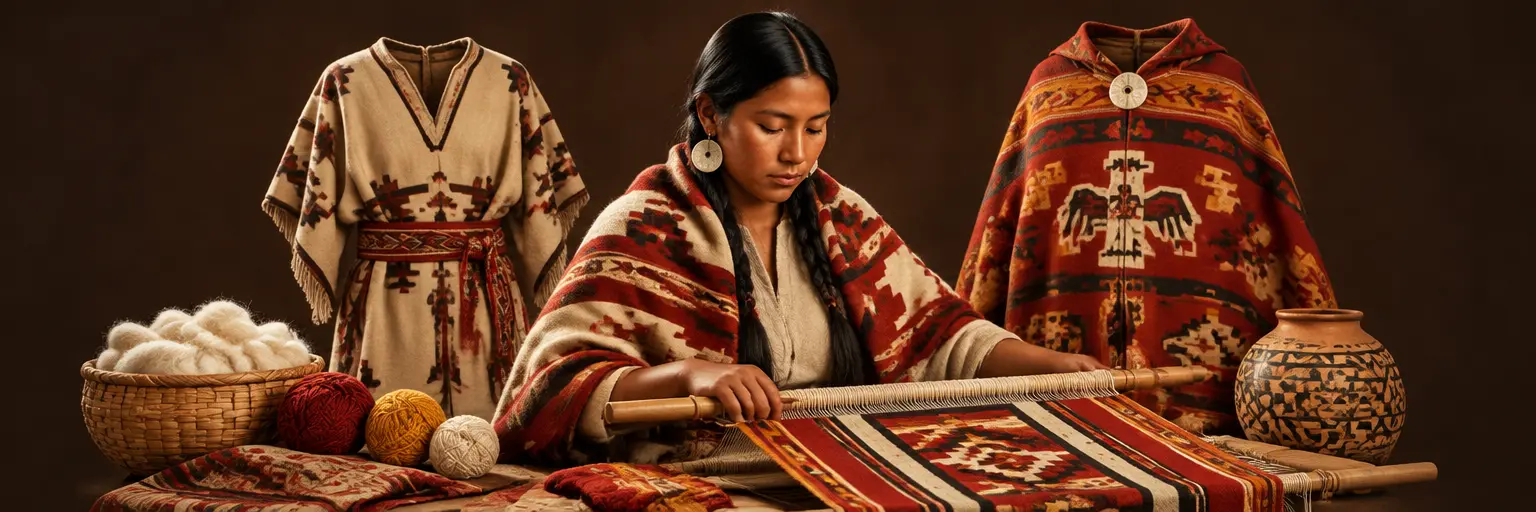
Explore the rich tapestry of Clothing and Textiles within the indigenous civilizations of the Americas, where every thread tells a story of ingenuity, identity, and resilience. From the intricate Andean weavings of the Inca, crafted from vibrant alpaca and cotton, to the feathered masterpieces of the Aztec and Maya, these garments were far more than protection—they were symbols of status, spirituality, and community. Discover how natural dyes, advanced looms, and regional materials like agave and bark cloth shaped unique styles across North, Central, and South America. Whether it’s the geometric patterns of Navajo rugs or the ceremonial regalia of the Plains peoples, each textile reflects deep ecological knowledge and artistic brilliance. Ideal for enthusiasts of history, fashion, or culture, this section highlights how traditional weaving techniques continue to inspire modern sustainable design and preserve ancestral heritage. Dive in to see how clothing served as a language of power, a medium of trade, and a living archive of indigenous worldviews—perfect for anyone seeking to understand daily life before 1492 and its enduring legacy today.
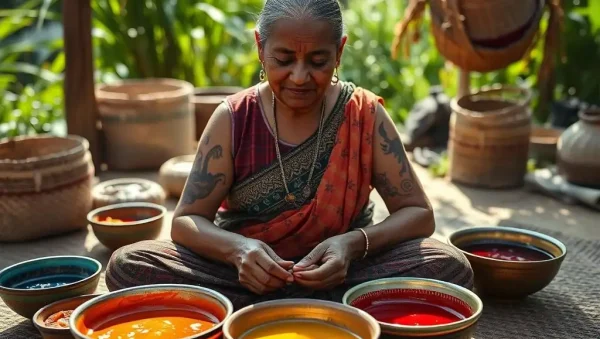
🌍 Discover the vibrant world of natural dyes used by indigenous cultures in clothing, showcasing their deep connection to nature and rich…
Read article
Indigenous clothing symbolism in the Americas reflects rich cultural identities and histories. Each garment tells a story, conveying social status, spiritual beliefs,…
Read article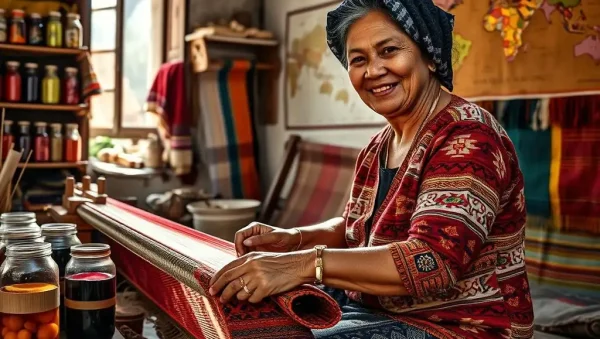
🌍 Indigenous textiles cultural influence extends beyond the Americas, showcasing the rich heritage and artistry of native communities. These vibrant fabrics not…
Read article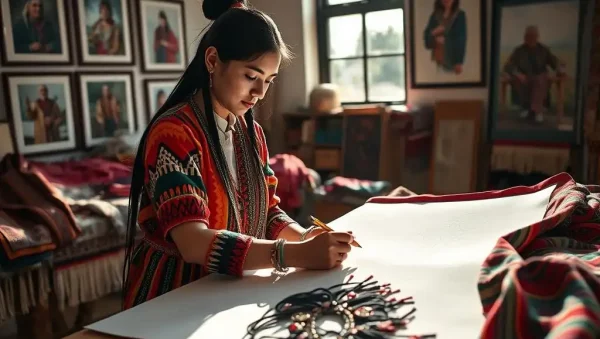
🌍 The legacy of Indigenous fashion influence today is profound, as modern designers draw inspiration from ancient styles, weaving traditional techniques and…
Read articleExplore the rich tapestry of Indigenous American clothing and textiles, where every weave and dye tells a story of identity, environment, and artistry. From Andean alpaca ponchos to Mesoamerican cotton mantles, this subcategory reveals how daily garments were not just practical but deeply symbolic, serving as markers of social status, spiritual beliefs, and regional trade networks. Discover the materials, techniques, and cultural meanings behind these enduring textile traditions that still inspire modern fashion and craftsmanship.
Indigenous weavers mastered a remarkable array of natural materials, including cotton, agave, maguey, and animal fibers like alpaca, llama, and wild silk. Each civilization adapted to its local ecosystem—coastal groups favored lightweight cotton, while highland Andeans prized warm, durable camelid wool. Dyeing was a sophisticated science, using cochineal insects for brilliant reds, indigo plants for deep blues, and mollusk secretions for royal purples, often requiring complex mordanting processes to fix colors.
Emphasize that these dyes were not mere aesthetics; they carried economic and ritual weight. Certain hues, like the Maya’s sacred blue, were reserved for elite ceremonial use, while others indicated clan or regional affiliation. Natural dye recipes were guarded knowledge, passed down through generations, and some, like the purple from the Pacific snail, were so labor-intensive that they were worth more than gold. Understanding these techniques reveals the deep ecological intelligence embedded in daily life.
From the backstrap loom of Mesoamerica to the vertical frame loom of the Andes, indigenous weavers developed diverse tools tailored to their textile goals. The backstrap loom, still used today, allowed for intricate patterning and portability, while the Andean loom produced wide, seamless cloth perfect for large mantles and tunics. Spindles with clay or stone whorls enabled fine thread production, and bone or wood picks created elaborate geometric designs.
Key insight: loom type influenced social organization—backstrap weaving was often a household activity, while large-scale loom work could be organized in specialized workshops, especially in the Inca empire, where state-run textile production (aqllawasi) employed dedicated weavers. The tools themselves were often considered extensions of the weaver’s body, and in some cultures, unfinished cloth was ritually burned as offerings. This section highlights the technical ingenuity that made American textiles among the most advanced in the pre-Columbian world.
Clothing was a primary marker of identity in Indigenous societies. Men and women wore distinct garments: Andean men donned breechcloths and tunics (unku), while women wrapped themselves in layered skirts and shawls (lliqlla). Mesoamerican men wore loincloths and tilma capes, while women wore huipil blouses and skirts. Headdresses, belts, and jewelry further encoded rank, marital status, and profession—warriors, priests, and nobles each had specified attire.
Ceremonial clothing often featured extra embellishments: featherwork, shell beads, gold plaques, and intricate embroidery. For example, Aztec emperor Moctezuma’s feathered cloak required thousands of quetzal and hummingbird feathers, each imbued with cosmic significance. In the Andes, the Inca ruler wore a special woven tunic of vicuña wool dyed in royal red, a textile so fine it was considered the empire’s highest treasure. These garments were not just worn; they were narratives of power, ancestry, and divine connection.
Textiles played a crucial defensive role, particularly quilted cotton armor (ichcahuipilli) used by Aztec and Maya warriors. Layers of salt-soaked cotton stitched between heavy fabric could stop arrows and obsidian-edged swords, offering protection without the weight of metal. Meanwhile, finely woven cloth was a major trade good—the Maya exported cacao and quetzal feathers for high-grade cotton, while Andean textiles were traded along routes from the Pacific to the Amazon.
Economic impact: textile production drove regional economies, with entire villages specializing in particular weaves or dyes. In the Inca state, cloth (cumbi) was used as tribute, payment, and diplomatic gift, functioning as a form of currency. European chroniclers noted that the Spanish conquest was partly motivated by the lure of these luxurious fabrics. This section underscores how daily apparel was interwoven with defense, commerce, and imperial administration, proving textiles were not passive goods but active shapers of history.
Each region developed iconic textile signatures. The Andes are famed for the poncho, a rectangular cloth with a central head slit, often woven in striped or checkerboard patterns that indicated community or rank. Mesoamerica favored the rectangular mantle (ayate) and the sleeveless huipil, embroidered with symbolic motifs like the sacred ceiba tree or maize deities. The Amazon basin produced bark-cloth (tapa), painted with geometric and zoomorphic designs.
Cultural preservation: many of these styles persist today in indigenous communities, such as the Maya women’s huipiles in Guatemala, where each town’s pattern is unique. Textile motifs often encoded historical events, environmental knowledge, or astronomical observations. By comparing regional styles, we see how shared techniques adapted to local resources, belief systems, and social structures, creating a diverse yet interconnected textile universe that spanned two continents before 1492.
Indigenous peoples used cotton, agave, maguey, palm fibers, and animal wool from alpacas, llamas, and wild vicuñas. They also utilized rabbit fur and feathers for decoration. Material choice depended on climate—cool highlands favored wool, while tropical lowlands used lightweight cotton or bark cloth, showing remarkable ecological adaptation.
Backstrap looms are portable and tied to a tree or post, using the weaver’s body tension to control threads, ideal for narrow, intricate pieces like belts or small cloths. Andean looms are fixed vertical frames, allowing wider, longer fabrics like tunics or blankets, enabling more efficient mass production and complex warp patterns.
Materials, colors, and decorations signaled rank. Nobles wore exclusive dyed feathers, gold, and fine vicuña wool, while commoners wore undyed cotton or coarse fibers. Specific headdresses, belts, and jewelry were restricted by law in Aztec and Inca societies, and only rulers could wear certain sacred symbols, making clothing a visible hierarchy.
Yes, quilted cotton armor (ichcahuipilli) was highly effective, absorbing arrow impacts and blunting obsidian-edged weapons. It was lighter than European metal armor and offered better mobility in tropical climates. Some layers were soaked in saltwater to harden, providing surprising durability, and it remained in use until the late colonial period.
Absolutely. Indigenous communities in Guatemala, Peru, Bolivia, and Mexico continue backstrap loom weaving, natural dyeing, and traditional garment making. For instance, the Maya of Chiapas and Guatemala still weave huipiles with ancient motifs, and Andean weavers produce ponchos using pre-Columbian patterns, preserving these techniques and selling them in global artisan markets.