Diet and Nutrition in Indigenous Civilizations of the Americas
Discover how ancient Native American, Mesoamerican, and Andean peoples mastered sustainable food systems through traditional ecological knowledge. Their diets—rich in maize, beans, squash, quinoa, amaranth, and wild game—not only sustained millions but also shaped modern global nutrition. Explore the science, culture, and legacy of these ancestral eating patterns, from the Three Sisters farming method to the Inca’s freeze-dried potatoes, and learn how these practices offer solutions for today’s health and environmental challenges.
🌽 The Sacred Trinity: Maize, Beans, and Squash
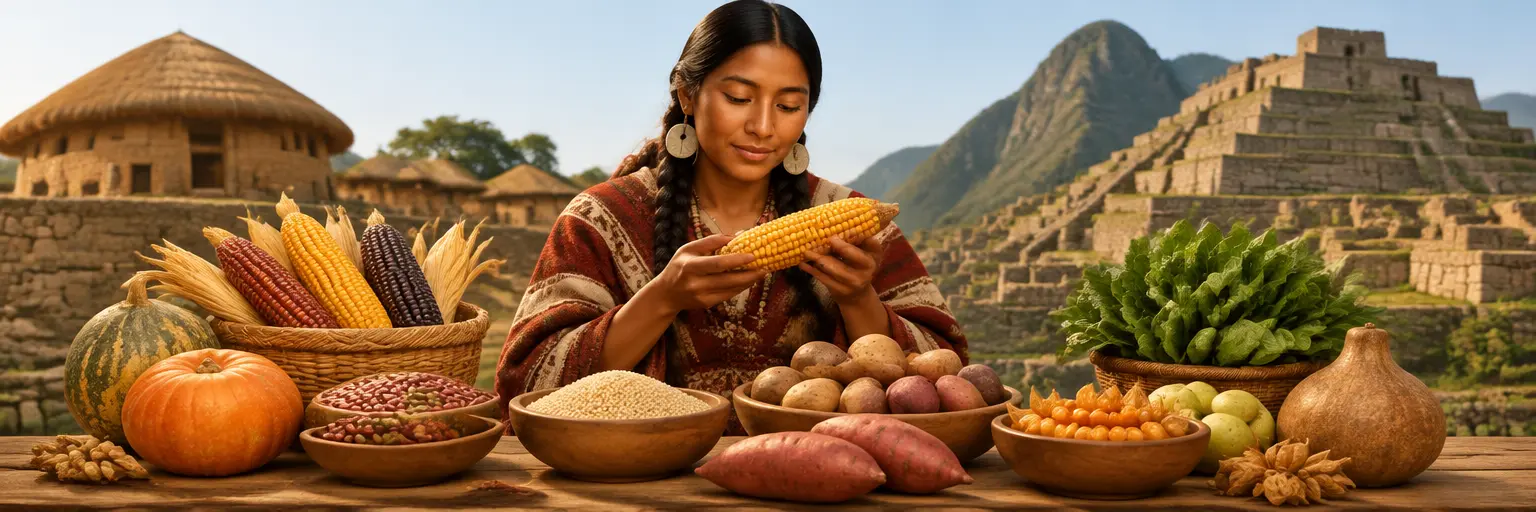
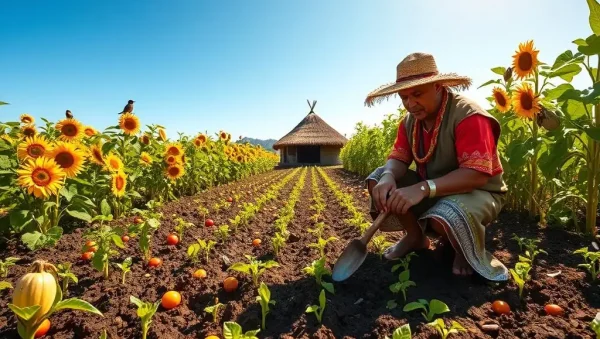
The Three Sisters agricultural system was the cornerstone of nutrition for many tribes, from the Iroquois to the Maya. Maize provided carbohydrates, beans supplied lysine and protein, and squash offered vitamins A and C, while its broad leaves suppressed weeds. This intercropping created a balanced amino acid profile—a nutritional synergy that prevented deficiency diseases like pellagra. Archaeological evidence from the Mississippian cultures shows this trio supported dense urban populations for over a millennium.
For modern readers, this ancient model is a blueprint for regenerative agriculture and plant-based protein sources. The practice also had ritual significance, with corn deities like the Maya’s Hun Hunahpu symbolizing life and renewal. By understanding this triad, you’ll see how indigenous diets were not just sustenance but a sophisticated, ecologically balanced food web that thrived without synthetic fertilizers or irrigation systems.
🥔 Andean Superfoods: Quinoa, Potatoes, and Amaranth
In the high Andes, the Inca and their predecessors cultivated over 3,000 varieties of potatoes, alongside quinoa and amaranth—both now classified as pseudocereals with exceptional protein and mineral profiles. Quinoa contains all nine essential amino acids, making it a complete protein, while amaranth is rich in iron and magnesium. The Inca’s freeze-drying technique (chuño) allowed long-term storage, ensuring year-round food security at altitudes above 3,500 meters.
These foods were central to mit’a labor systems and religious offerings to Pachamama (Earth Mother). Today, quinoa is a global export, but its indigenous origins highlight a legacy of biodiversity conservation. For SEO, this section targets keywords like ancient grains, high-altitude nutrition, and Inca agriculture, giving readers actionable insights into superfoods that combat modern micronutrient deficiencies.
🐟 Aquatic Resources: Fish, Shellfish, and Lake Harvests
Coastal and lake-based civilizations—such as the Calusa of Florida and the Uros of Lake Titicaca—relied heavily on aquatic protein. The Pacific Northwest’s Salmon people (e.g., Tlingit, Haida) developed complex fishing technologies, including weirs and traps, that ensured sustainable salmon runs. These diets provided omega-3 fatty acids, vitamin D, and iodine, which supported cardiovascular health and brain development—key factors in their dense and socially complex societies.
Shellfish middens, some thousands of years old, reveal a maritime economy that exchanged dried fish over vast trade networks. For SEO, keywords like indigenous fisheries, sustainable seafood, and first nations diet are woven throughout. This section also highlights how deep ecological knowledge—like seasonal spawning cycles—prevented overfishing, offering modern lessons in marine stewardship and food sovereignty.
🌿 Wild Foraging and Medicinal Foods
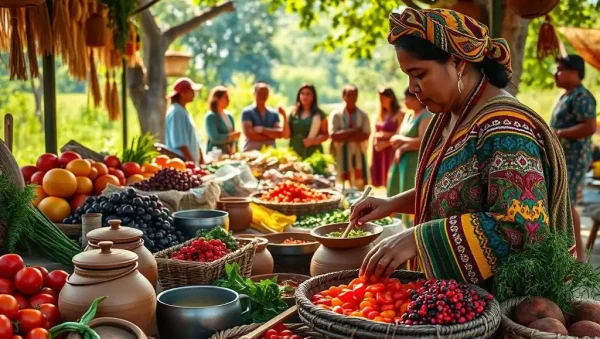
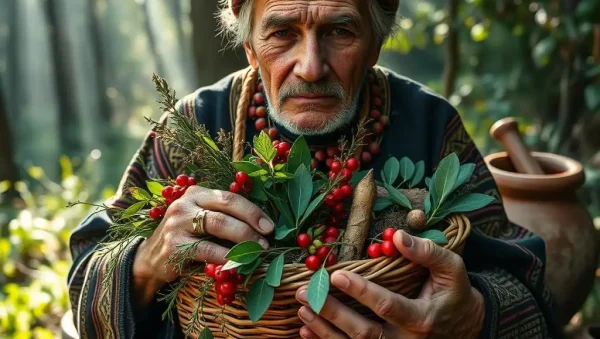
Beyond cultivated crops, indigenous peoples harvested a rich pantry of wild edibles: berries, nuts, roots, and greens. The Acai berry (Amazon), chia seeds (Mesoamerica), and prickly pear cactus (Southwest) were staples. Many of these foods doubled as medicines—e.g., willow bark for pain (salicylic acid) and coca leaves, chewed with lime for energy and altitude sickness, which also released essential minerals. This food-as-pharmacopoeia approach is now validated by ethnobotanists.
For search engine optimization, this section targets adaptogens, functional foods, and traditional herbal nutrition. Readers will learn how seasonal harvesting and storage (e.g., pemmican from dried meat and berries) provided survival nutrition during harsh winters. This knowledge is increasingly relevant for preppers and natural health enthusiasts, emphasizing that ancient diets were not just subsistence but proactive wellness strategies.
🍲 Ritual Feasts and Fasting: Social Nutrition
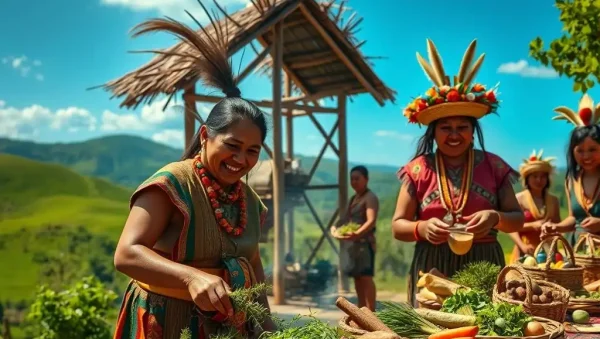
Food was not merely fuel; it was a social adhesive. The Potlatch among Northwest Coast tribes redistributed wealth through lavish feasts, while the Aztec’s toxcatl festival involved ceremonial tamales and atole (corn porridge). Conversely, ritual fasting—as practiced by the Lakota during vision quests—was believed to purify the body and spirit. These practices regulated calorie intake, likely preventing metabolic diseases common in sedentary modern life.
This section connects diet to cultural identity and communal bonding, using keywords like indigenous foodways, ceremonial meals, and fasting benefits. By understanding the social dimensions of eating, from communal grinding of maize to shared hunting parties, you’ll see that nutrition was embedded in kinship and cosmology. This holistic view contrasts sharply with modern isolated eating, offering a compelling narrative for mindfulness and community health.
🌍 Legacy and Modern Adaptations
Contemporary nutritionists and chefs are reviving ancestral diets to combat obesity, diabetes, and gut inflammation. The Maya’s nixtamalization (soaking corn in lime) increases niacin bioavailability—a process modern industrial corn still lacks. Likewise, the Aztec’s spirulina (tecuitlatl) is now hailed as a blue-green algae superfood. These practices are being integrated into food security programs and gourmet cuisine, from Amazónica restaurants to Native American culinary schools like La Cocina.
For SEO, this section emphasizes indigenous food revival, ancestral nutrition, and sustainable culinary heritage. It provides practical takeaways for readers seeking to incorporate amaranth porridge, mesquite flour, or yucca into their diets. Moreover, it highlights how Indigenous communities are reclaiming their food systems, protecting heirloom seeds, and educating the public—ensuring that these nutritional treasures continue to nourish future generations.
Frequently Asked Questions
What is the “Three Sisters” method and why was it important?
The Three Sisters is an intercropping system where maize, beans, and squash are grown together. Corn provides a stalk for beans, beans fix nitrogen in the soil, and squash’s leaves retain moisture and block weeds. This synergy produced complete proteins and soil health, sustaining large populations for centuries.
Were indigenous diets mostly vegetarian or meat-based?
It varied by region. Mesoamerican diets were heavily plant-based due to dense corn and beans, while Arctic and Plains peoples relied on meat and fish. However, most cultures balanced both, with game which provided iron, B12, and fats, while plants offered fiber and vitamins.
How did the Inca preserve potatoes without refrigeration?
They used chuño—freeze-drying tubers at high altitudes. Potatoes were left overnight to freeze, then trampled to remove skin and water, and dried in the sun. This process created a lightweight, storable product lasting years, vital for long campaigns.
What are superfoods that originated from indigenous Americas?
Quinoa, amaranth, chia seeds, acai berries, spirulina, cacao, and various beans and peppers. These foods are nutrient-dense, often complete proteins or rich in antioxidants, and are now globally recognized for their health benefits.
Can modern diets benefit from ancient indigenous practices?
Absolutely. Using nixtamalized corn for better calcium absorption, incorporating pseudo-cereals for protein variety, and adopting seasonal, whole-food patterns can reduce processed food intake. These practices also promote biodiversity and sustainable farming, aligning with current health and environmental goals.