
Cultural Appropriation vs. Appreciation: Navigating Indigenous Fashion Inspirations

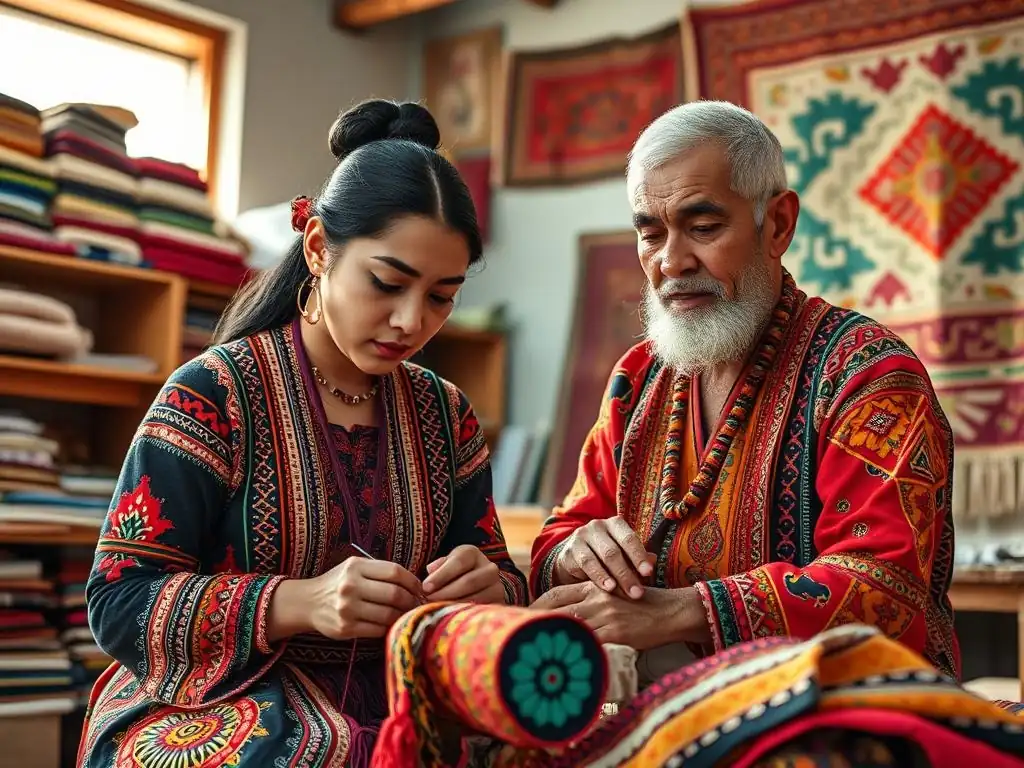
Welcome to Indigenous Civilizations of the Americas, where we invite you to embark on a fascinating journey through the rich tapestry of indigenous cultures that flourished long before European contact. In our featured article, “Cultural Appropriation vs. Appreciation: Navigating Indigenous Fashion Inspirations,” we delve into the intricate world of Indigenous fashion cultural differences—a subject that reveals not just creativity, but the deep-rooted significance behind traditional attire.
As you explore, prepare to uncover the stories and meanings that lie beneath the surface, challenging your perceptions and encouraging a deeper appreciation for these vibrant cultures. Join us as we navigate this complex landscape and discover the artistry that continues to influence contemporary fashion.
-
Cultural Appropriation vs. Appreciation in Indigenous Fashion Inspirations
- Understanding Indigenous Fashion Cultural Differences
- The Line Between Cultural Appropriation and Appreciation
- Real-World Examples of Indigenous Fashion Inspirations
- The Role of Indigenous Voices in Fashion
- Navigating Indigenous Fashion Inspirations Responsibly
- The Future of Indigenous Fashion Cultural Inspirations
- Conclusion: Fostering a Respectful Dialogue in Indigenous Fashion
- Additional Resources for Indigenous Fashion Enthusiasts
-
Frequently Asked Questions
- What is the difference between cultural appropriation and appreciation in the context of Indigenous fashion?
- How do Indigenous fashion designers incorporate cultural elements into their work?
- Why is understanding cultural differences important when discussing Indigenous fashion?
- What impact has European colonization had on Indigenous fashion?
- How can individuals support Indigenous fashion and its cultural significance?
- Final Reflection: Navigating the Fine Line Between Appropriation and Appreciation
- Embrace Authentic Cultural Connections Today!
Cultural Appropriation vs. Appreciation in Indigenous Fashion Inspirations
The interplay between culture and fashion is a complex tapestry woven with threads of history, identity, and creativity. In the context of Indigenous fashion, this relationship becomes even more intricate as contemporary designers draw inspiration from Indigenous cultures that have thrived in the Americas long before European colonization. However, the line between cultural appropriation and appreciation can often become blurred.
This article delves into the nuances of Indigenous fashion cultural differences, highlighting the significance of respecting and honoring the rich heritage of Indigenous peoples while navigating the contemporary fashion landscape. By exploring these themes, we aim to foster a deeper understanding of the respectful integration of Indigenous elements into modern fashion, offering insights that are both informative and thought-provoking.
Understanding Indigenous Fashion Cultural Differences
Indigenous fashion is not merely a visual aesthetic; it is a manifestation of identity, spirituality, and community. Each Indigenous group has its own unique cultural practices, symbols, and histories that are often reflected in their traditional attire. Understanding these cultural differences is essential for anyone looking to engage with Indigenous fashion authentically.
-
Cultural Significance:
Indigenous clothing often carries deep meanings and is used in various ceremonies, celebrations, and daily life. For instance, the use of specific colors, patterns, and materials can signify tribal affiliation, social status, or spiritual beliefs.
-
Diversity Among Indigenous Cultures:
The Americas are home to a myriad of Indigenous cultures, each with its own distinct fashion traditions. For example:
- The intricate beadwork of the Lakota people
- The vibrant textiles of the Maya
- The feathered headdresses of certain Plains tribes
-
Evolution of Fashion:
Indigenous fashion is not static; it evolves over time while remaining rooted in tradition. Contemporary Indigenous designers are redefining what Indigenous fashion looks like today, often blending traditional elements with modern aesthetics.
The Line Between Cultural Appropriation and Appreciation
Navigating the distinction between cultural appropriation and appreciation is crucial in today's fashion industry. While appreciation involves respecting and valuing another culture, appropriation often leads to exploitation and misrepresentation. Here are some key differences:
- Cultural Appreciation:
- Respectful Engagement: Engaging with Indigenous fashion in a manner that honors its origins, such as collaborating with Indigenous designers or artists.
- Education and Context: Understanding the history and significance behind the designs and motifs used.
- Cultural Appropriation:
- Exploitation for Profit: Using Indigenous designs without permission or compensation, often resulting in a diluted representation of the culture.
- Stereotyping: Reducing complex cultural symbols to mere fashion statements, stripping them of their meaning and significance.
Recognizing these differences is vital for fostering a respectful dialogue about Indigenous fashion and its role in contemporary society.
Real-World Examples of Indigenous Fashion Inspirations
Several contemporary designers and brands have successfully navigated the waters of cultural appreciation, showcasing Indigenous fashion in ways that celebrate and honor its origins:
-
Designer: Virgil Ortiz
Ortiz blends traditional Pueblo designs with modern fashion, creating pieces that tell stories of his heritage while reaching a global audience.
-
Brand: B. Yellowtail
Founded by Indigenous designer Bethany Yellowtail, this brand emphasizes storytelling and authenticity, featuring collections that highlight the beauty of Native American culture.
-
Collaborations:
Various high-profile collaborations have taken place, such as the partnership between Indigenous artists and mainstream fashion brands, which aim to uplift Indigenous voices and promote awareness about their cultures.
These examples illustrate how Indigenous fashion can inspire contemporary design while fostering respect and understanding of cultural differences. By emphasizing the importance of cultural context and collaboration, we can appreciate the beauty of Indigenous fashion without crossing the boundaries into appropriation.
The Role of Indigenous Voices in Fashion
Indigenous voices play a crucial role in the dialogue surrounding fashion and cultural expression. These voices provide authentic perspectives that reflect the values, traditions, and aesthetics of their cultures. The involvement of Indigenous designers, artists, and storytellers in the fashion industry is essential in ensuring that their narratives are accurately represented and respected.
One of the most significant contributions of Indigenous voices is the reclaiming of cultural symbols and practices. Many Indigenous creators are not only preserving traditional techniques but are also innovating by fusing these practices with contemporary styles. This blend allows them to engage with broader audiences while maintaining the integrity of their heritage. For example, designers like Christina King and Maraea Kereopa have garnered attention for their unique approaches, showcasing how Indigenous art can inform modern fashion without losing its cultural significance.
Moreover, Indigenous voices advocate for ethical practices within the fashion industry. They highlight the importance of consent when using traditional designs and motifs and emphasize the need for fair compensation for cultural contributions. This advocacy is not just about protecting cultural heritage but also about ensuring that Indigenous creators have a sustainable platform to thrive. As the fashion industry continues to evolve, it is imperative that Indigenous voices remain at the forefront of discussions regarding representation, creativity, and cultural integrity.
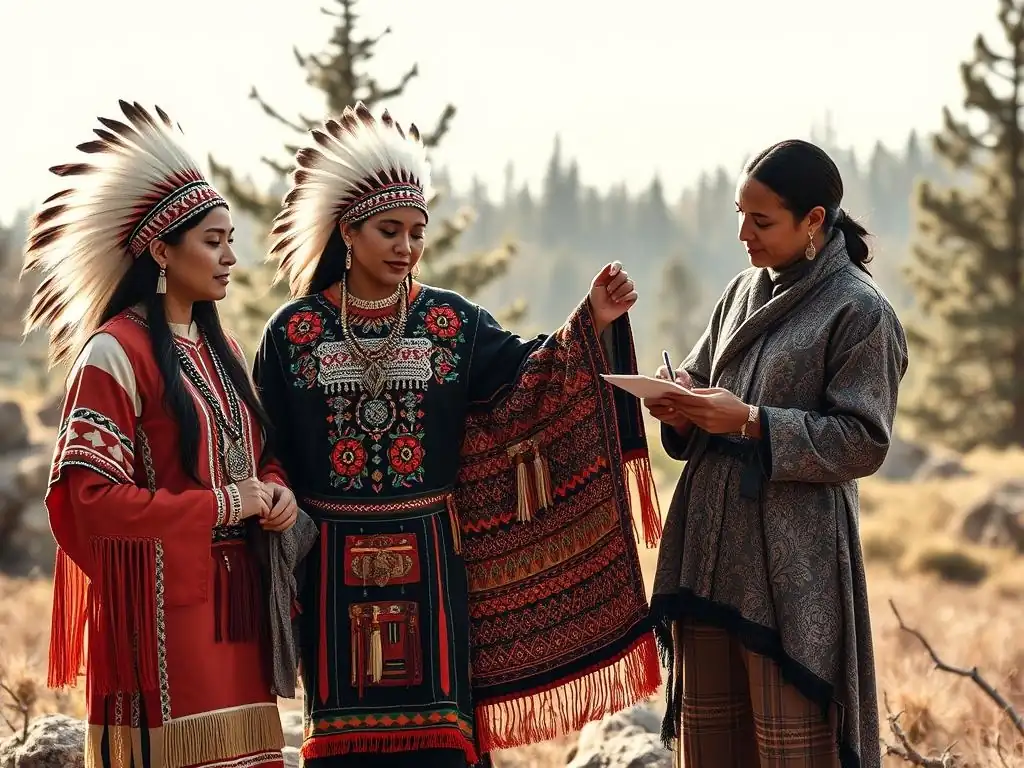
Navigating Indigenous fashion inspirations requires a thoughtful and respectful approach. It's essential to differentiate between cultural appreciation and cultural appropriation. Cultural appreciation involves recognizing and valuing the significance of Indigenous designs and practices, while cultural appropriation often entails the unauthorized use of these elements, typically for commercial gain, without understanding or respecting their cultural context.
To navigate these complexities responsibly, individuals and brands should take several key steps:
- Educate Yourself: Understanding the history and significance of Indigenous fashion elements is fundamental. Research the cultures you are inspired by, and engage with Indigenous communities to gain insight.
- Collaborate with Indigenous Creators: Partnering with Indigenous designers not only honors their expertise but also supports their livelihoods. This collaboration can lead to authentic, culturally rich creations that resonate with both Indigenous and non-Indigenous audiences.
- Seek Permission: When using specific motifs or designs, it is vital to seek permission from the relevant communities. This demonstrates respect and acknowledges their ownership of cultural expressions.
- Support Indigenous-led Initiatives: Contributing to Indigenous fashion initiatives, such as workshops or exhibitions, helps amplify their voices and fosters a more inclusive fashion landscape.
By taking these steps, individuals and brands can contribute positively to the fashion industry while honoring the rich tapestry of Indigenous cultures.
The Future of Indigenous Fashion Cultural Inspirations
The future of Indigenous fashion cultural inspirations appears promising as the industry increasingly recognizes the value of diversity and authenticity. There is a growing trend towards inclusivity, with more Indigenous designers gaining visibility on global platforms. This shift is not only beneficial for the designers themselves but also enriches the entire fashion landscape by introducing unique perspectives and aesthetics.
As technology continues to evolve, Indigenous designers are leveraging digital platforms to reach broader audiences. Social media, e-commerce, and online storytelling allow them to share their narratives and showcase their work without the barriers traditionally faced in the fashion industry. This digital presence empowers Indigenous creators to connect with consumers who are eager to learn and appreciate their cultures.
Furthermore, as conversations about sustainability and ethical fashion gain prominence, Indigenous practices—rooted in respect for the environment and community—are increasingly recognized as valuable models for the future. Many Indigenous cultures have long histories of sustainable practices, which can inform contemporary approaches to fashion production and consumption.
The future of Indigenous fashion cultural inspirations is likely to be characterized by greater collaboration, increased visibility, and a deeper understanding of the rich cultural heritage that informs these designs. By prioritizing Indigenous voices and practices, the fashion industry can move towards a more equitable and respectful future.
Conclusion: Fostering a Respectful Dialogue in Indigenous Fashion
Navigating the complexities of Indigenous fashion requires a thoughtful and respectful dialogue among all stakeholders. Acknowledging the cultural significance and historical context of Indigenous garments, patterns, and designs is essential in fostering understanding. This conversation must include Indigenous voices, ensuring that their perspectives and experiences are at the forefront.
To appreciate Indigenous fashion authentically, it is crucial to engage with the communities that create it. This includes recognizing the stories behind the designs and the meanings tied to specific symbols. By promoting collaboration rather than appropriation, fashion enthusiasts can contribute to a more inclusive dialogue that honors Indigenous heritage.
Furthermore, education plays a vital role in this dialogue. Encouraging discussions surrounding the distinction between cultural appreciation and appropriation can help demystify Indigenous fashion for a broader audience. This understanding can lead to greater support for Indigenous designers and artisans, ultimately fostering a fashion landscape that celebrates diversity and acknowledges its roots.
Additional Resources for Indigenous Fashion Enthusiasts
For those interested in exploring Indigenous fashion further, a wealth of resources is available that can provide insights and foster appreciation. Here are some valuable avenues to consider:
- Books and Publications:
- Indigenous Fashion: A Global Perspective - This book provides an overview of Indigenous fashion movements worldwide, highlighting key designers and cultural narratives.
- The Story of Fashion: Indigenous Perspectives - A resource focusing on the evolution of fashion through the lens of Indigenous cultures.
- Documentaries and Films:
- In Indigenous Style - This documentary showcases the journey of Indigenous designers and their contributions to contemporary fashion.
- Weaving the Future - A film that explores the intersection of tradition and modernity in Indigenous textile arts.
- Online Platforms:
- Social Media: Follow Indigenous designers and fashion influencers on platforms like Instagram and TikTok, where they share their work and cultural insights.
- Websites: Explore platforms dedicated to Indigenous fashion, such as the Indigenous Fashion Resource that features profiles of designers and information on upcoming events.
- Workshops and Events:
- Attend local or virtual workshops led by Indigenous artisans to learn about traditional techniques and the stories behind their crafts.
- Participate in cultural festivals that celebrate Indigenous heritage through fashion, art, and music.
Engaging with these resources can enhance understanding and appreciation of Indigenous fashion, encouraging an ongoing dialogue that respects and honors its cultural significance.
Frequently Asked Questions
What is the difference between cultural appropriation and appreciation in the context of Indigenous fashion?
Cultural appropriation involves taking elements of Indigenous culture without understanding or respecting their significance, while appreciation acknowledges and honors the traditions and meanings behind these cultural expressions.
How do Indigenous fashion designers incorporate cultural elements into their work?
Indigenous fashion designers often use traditional motifs, materials, and techniques that reflect their heritage, ensuring that their designs tell a story and maintain cultural significance.
Why is understanding cultural differences important when discussing Indigenous fashion?
Recognizing cultural differences is crucial to avoid misrepresentation and ensure that Indigenous voices are heard, preserving the integrity of their traditions and promoting respectful engagement with their fashion.
What impact has European colonization had on Indigenous fashion?
European colonization led to the disruption of Indigenous cultures, including their fashion practices, but many communities are now revitalizing traditional garments and styles to reclaim their identities and share their heritage.
How can individuals support Indigenous fashion and its cultural significance?
Individuals can support Indigenous fashion by purchasing from Indigenous designers, educating themselves about the cultural backgrounds of the pieces, and promoting respectful dialogue about the importance of these traditions.
Cultural appropriation vs. appreciation remains a pressing issue in today's globalized society. As we witness the increasing influence of Indigenous fashion on mainstream culture, it is crucial to recognize the significance of understanding and respecting the cultural differences that shape these expressions. The conversation surrounding Indigenous fashion is not merely a trend; it is a profound dialogue about identity, heritage, and the ethical responsibilities we hold as consumers and creators.
The impact of Indigenous fashion extends far beyond aesthetics; it is a powerful vehicle for storytelling and cultural preservation. As we embrace these inspirations, we must remain vigilant about the narratives we amplify and the voices we uplift. The ongoing discourse around cultural appropriation serves as a reminder that fashion can both celebrate and exploit cultural identities. Fashion is a language that creates itself in clothes to interpret reality.
– Karl Lagerfeld. This quote encapsulates the essence of how fashion can reflect and respect cultural narratives when approached with sensitivity and awareness.
As you reflect on the themes presented in this article, consider how you can contribute to a more respectful and informed appreciation of Indigenous fashion. Challenge yourself to engage with these cultures authentically, seeking to learn and support rather than appropriate. By doing so, you not only enrich your own understanding but also honor the rich tapestry of cultural differences that make our world vibrant. Let us move forward with intention, ensuring that our admiration for Indigenous fashion fosters respect and collaboration rather than appropriation.
Embrace Authentic Cultural Connections Today!
Thank you for taking the time to explore the rich complexities of cultural appropriation and appreciation in Indigenous fashion. Your commitment to understanding these vital themes empowers not only your perspective but also supports Indigenous creators and their stories. Now is the perfect moment to take meaningful action that honors these cultures.
Here are some focused steps you can take:
- Engage with Indigenous Artists: Seek out and invest in clothing and accessories crafted by Indigenous designers. Supporting their work not only sustains their craft but also fosters a deeper appreciation for the cultural narratives behind these creations.
- Educate Yourself and Others: Share this article and discuss its themes with your friends and family. Engaging in conversations about cultural sensitivity can enhance awareness and promote mutual respect.
- Explore Local Indigenous Events: Attend fashion shows or cultural festivals that celebrate Indigenous heritage. Participating in these events will deepen your understanding and connection to the culture.
How will you ensure that your choices inspire respect and appreciation for Indigenous fashion? We invite you to share your thoughts below!