
Symbolism in Space: Understanding the Meaning Behind Indigenous Patterns in Decor

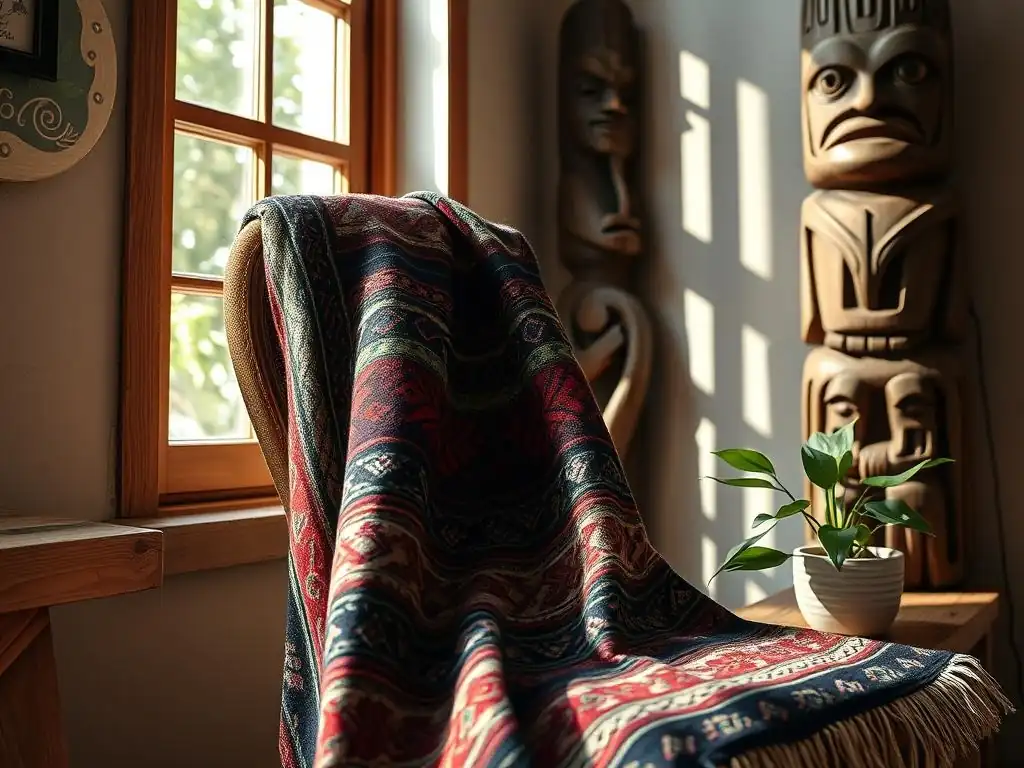
Welcome to Indigenous Civilizations of the Americas, where we invite you to embark on a journey through the vibrant tapestry of cultures that flourished long before European contact. In our featured article, “Symbolism in Space: Understanding the Meaning Behind Indigenous Patterns in Decor,” we delve into the rich significance of indigenous patterns in decor that not only beautify spaces but also tell stories of heritage, identity, and connection to the land.
Prepare to uncover the layers of meaning behind these intricate designs and discover how they continue to inspire contemporary creativity. Dive deeper with us and let the wisdom of the past illuminate your understanding of the present!
- Introduction to Indigenous Patterns in Decor
- Historical Context of Indigenous Patterns
- Understanding the Meaning Behind Indigenous Patterns
- Popular Indigenous Patterns in Decor
- Integrating Indigenous Patterns into Modern Home Decor
- Best Options for Indigenous Pattern Decor Products
- Myths and Realities About Indigenous Patterns in Decor
- Conclusion: The Lasting Impact of Indigenous Patterns in Decor
- Frequently Asked Questions
- Final Reflection: Embracing the Depth of Indigenous Patterns in Decor
- Unveil the Hidden Meanings of Indigenous Patterns!
Introduction to Indigenous Patterns in Decor
Indigenous patterns in decor are more than mere aesthetic choices; they are rich narratives that encapsulate the history, beliefs, and values of diverse cultures that flourished across the Americas before European colonization. This article delves into the intricate world of these patterns, exploring how they have transcended time and geography to influence modern home décor.
By understanding the symbolism behind these indigenous designs, we can appreciate their profound significance and the stories they tell about the communities that created them. From textiles to pottery, these patterns serve as a vibrant connection to the past, infusing contemporary spaces with cultural meaning and depth.
The Significance of Indigenous Patterns in Modern Home Décor
Indigenous patterns in decor play a pivotal role in modern interior design, offering a unique blend of tradition and innovation. Here are some key aspects to consider:
- Cultural Heritage: These designs are often rooted in the historical and spiritual beliefs of indigenous peoples, making them a representation of cultural identity. Integrating these elements into home decor honors and preserves these rich traditions.
- Aesthetic Appeal: The bold colors, intricate designs, and natural motifs commonly found in indigenous patterns add a striking visual element to any space. Homeowners increasingly seek to create environments that reflect their values and appreciation for diversity.
- Symbolism and Meaning: Many patterns carry specific meanings, such as:
- Nature Connection: Patterns inspired by flora and fauna symbolize a deep respect for the environment.
- Spiritual Significance: Some designs represent spiritual beliefs and practices, promoting a sense of mindfulness and connection to the universe.
- Sustainability: Embracing indigenous patterns often aligns with sustainable practices, as many traditional crafts emphasize the use of natural materials and methods passed down through generations.
Exploring Cultural Inspirations from Indigenous Civilizations
The influence of indigenous civilizations on modern decor extends beyond mere patterns; it encompasses a broader cultural inspiration that shapes design philosophies today. Here are some noteworthy points:
- Diverse Origins: Indigenous cultures across the Americas, from the Navajo in North America to the Mapuche in South America, have developed distinct patterns that reflect their unique environments and experiences. Understanding these origins enriches our appreciation for the designs.
- Contemporary Adaptations: Designers and artists are increasingly drawing inspiration from indigenous motifs, creating contemporary pieces that respect traditional aesthetics while appealing to modern sensibilities. This fusion can be seen in textiles, wall art, and furniture.
- Educational Value: Incorporating indigenous patterns into decor serves an educational purpose, inviting conversations about heritage, history, and the ongoing impact of colonialism on indigenous communities.
Indigenous patterns in decor are a vibrant testament to the rich tapestry of cultures that have shaped the Americas. By understanding and embracing these designs, we not only enhance our living spaces but also honor the legacies of the civilizations that created them. As we explore the significance and cultural inspirations behind these patterns, we contribute to a broader appreciation of indigenous artistry and its relevance in contemporary home décor.
Historical Context of Indigenous Patterns
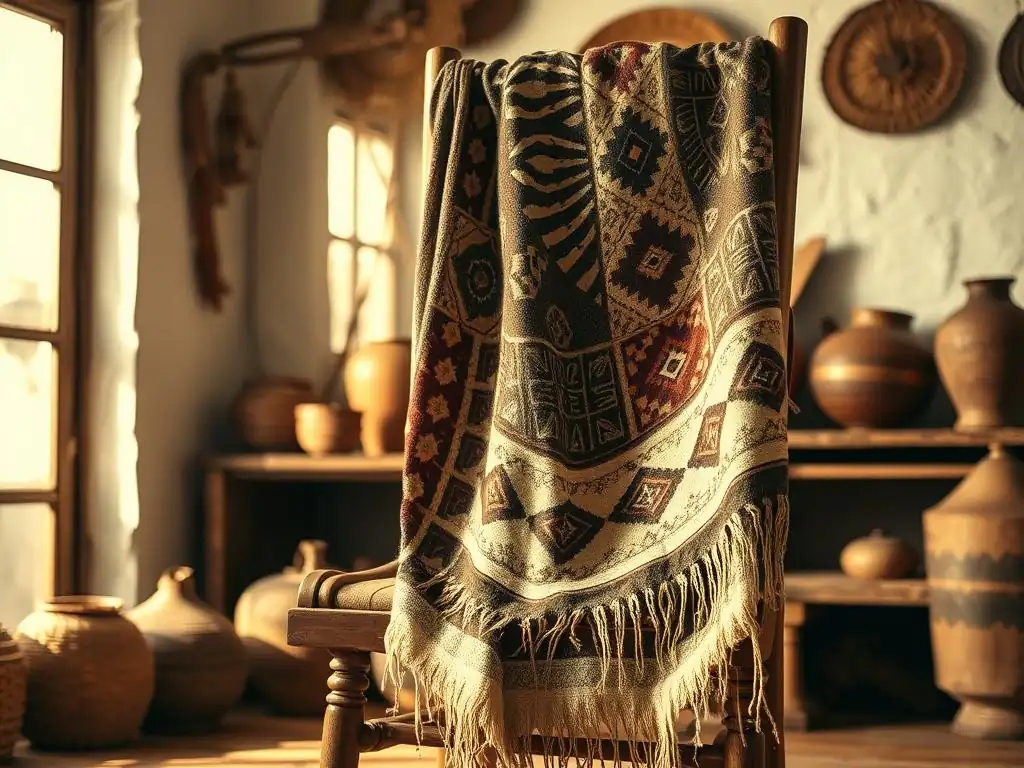
Indigenous patterns in decor are deeply rooted in the historical contexts of the cultures that created them. Each pattern serves as a visual language that conveys significant cultural narratives, spiritual beliefs, and social values. Understanding these historical contexts helps us appreciate the richness of indigenous art and its enduring influence.
The Role of Symbols in Indigenous Cultures
Indigenous cultures across the Americas utilized symbols in their art and decor to represent various concepts, from nature to spirituality. These symbols often serve specific functions within their communities. Here are some key aspects:
- Cultural Identity: Symbols are a means of expressing the unique identity of a tribe or community. For instance, the intricate designs of the Navajo weave tell stories of their ancestry and cultural heritage.
- Spiritual Significance: Many patterns are imbued with spiritual meanings. For example, the use of the spiral symbol in some indigenous cultures represents the cycle of life, death, and rebirth, connecting the earthly with the spiritual.
- Communication: Before the advent of written language, symbols served as a form of communication. Patterns depicted on pottery or textiles were not merely decorative; they conveyed messages about social status, relationships, and community events.
- Connection to Nature: Indigenous patterns often reflect the natural world, using motifs inspired by plants, animals, and celestial bodies. For example, the intricate feather designs in Central American textiles symbolize the connection to the sky and the divine.
How Indigenous Patterns Influence Contemporary Design
Today, indigenous patterns in decor are experiencing a resurgence in popularity as designers seek to incorporate culturally rich elements into modern aesthetics. This influence is evident in various aspects of contemporary design:
- Textiles: Designers are increasingly using traditional indigenous patterns in textiles, such as upholstery and drapery. The vibrant colors and intricate designs add a layer of depth and storytelling to modern interiors.
- Home Accessories: Items such as pottery, wall art, and rugs often feature indigenous motifs, bridging the gap between historical significance and contemporary style. These pieces serve as conversation starters and educational tools about indigenous cultures.
- Sustainable Practices: Many contemporary designers are inspired by indigenous philosophies of sustainability and respect for nature. This influence encourages the use of natural materials and traditional crafting techniques, promoting environmentally friendly practices in decor.
- Cultural Fusion: The integration of indigenous patterns into modern design allows for a fusion of cultures, creating unique spaces that honor and celebrate diversity. This approach encourages a broader understanding and appreciation of the rich histories embedded within these patterns.
Indigenous patterns in decor not only serve as aesthetic elements but also as vessels of cultural heritage, bridging past and present. Their influence on contemporary design fosters a greater respect for the achievements and traditions of indigenous peoples, ensuring that their stories continue to be told and celebrated.
Understanding the Meaning Behind Indigenous Patterns
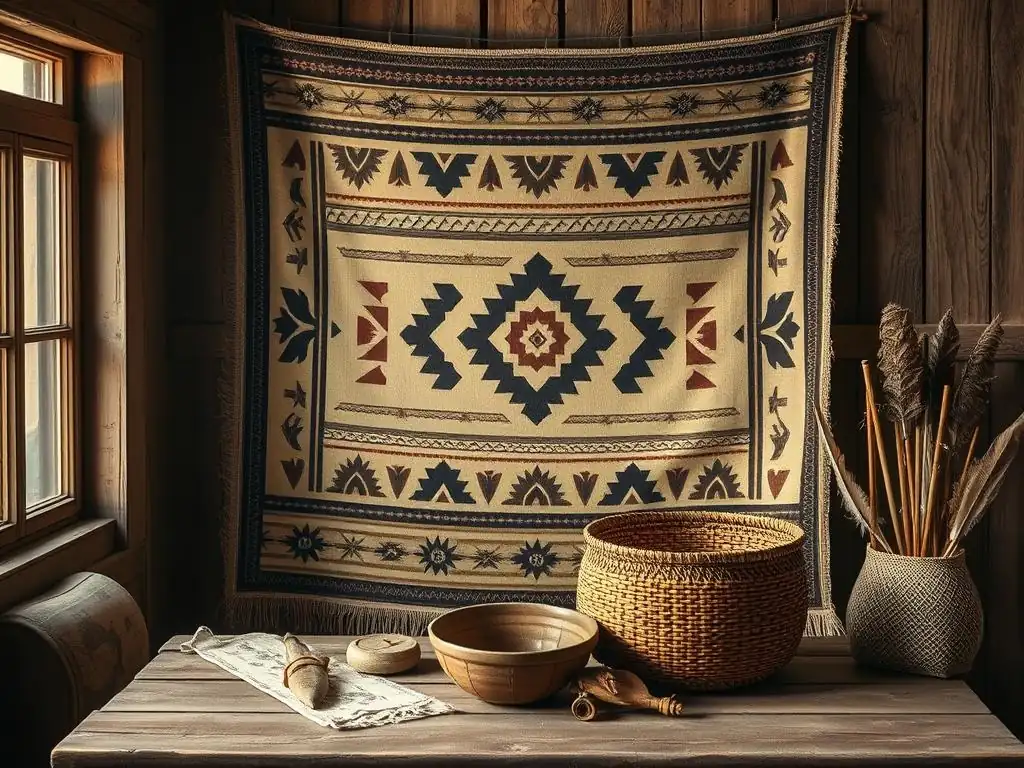
Indigenous patterns in decor serve as more than mere aesthetic choices; they are rich tapestries woven from the cultural, spiritual, and historical narratives of various indigenous communities across the Americas. These patterns often embody the beliefs, practices, and natural surroundings of the cultures from which they originate. Understanding the meaning behind these patterns allows us to appreciate their significance and the stories they tell.
Indigenous patterns are frequently characterized by their intricate designs and vibrant colors, each element carefully chosen to convey specific meanings or represent different aspects of life. These designs are derived from a deep understanding of nature, spirituality, and community, reflecting the interconnectedness of all things. As such, they can serve as a bridge between the past and the present, offering insights into the values and traditions of indigenous peoples.
Common Themes in Indigenous Patterns
Indigenous patterns often emerge from common themes that resonate across various cultures. Here are some prevalent motifs:
- Nature and Elements: Many indigenous patterns draw inspiration from the natural world, reflecting the environment in which the community resides. This includes:
- Floral Designs: Representing growth, renewal, and the cycle of life.
- Animal Imagery: Symbolizing strength, guidance, or specific traits associated with particular animals.
- Geometric Shapes: Often mimicking the landscapes, such as mountains, rivers, and the sun.
- Spirituality and Beliefs: Patterns can also convey spiritual significance, showcasing the belief systems of different cultures:
- Cosmic Symbols: Representing the universe and the connection between the earth and the heavens.
- Cultural Icons: Specific figures or symbols that embody stories, legends, or ancestral connections.
- Community and Identity: Patterns often serve to express a community's identity and collective memory:
- Tribal Symbols: Unique designs that represent a specific tribe or community, fostering a sense of belonging.
- Ritualistic Patterns: Used in ceremonial contexts, these patterns may hold specific meanings pertaining to rites of passage or cultural celebrations.
This thematic richness is what makes indigenous patterns in decor not just visually appealing but also deeply significant. They invite us to explore and respect the cultural heritage they represent.
Colors and Shapes: Their Symbolic Representations
The use of color and shape in indigenous patterns is intentional and meaningful, with each element contributing to the overall narrative. Color choices often reflect the natural resources available in the region, as well as the emotional and spiritual connotations associated with them.
- Color Symbolism:
- Red: Often signifies strength, life, and the earth.
- Blue: Represents water, peace, and serenity.
- Yellow: Associated with energy, light, and warmth.
- Black: Symbolizes the unknown, the past, and resilience.
- Shape Symbolism:
- Circles: Frequently represent unity, wholeness, and the cyclical nature of life.
- Triangles: Can denote stability, as well as the connection between the spiritual and physical worlds.
- Lines and Waves: Often depict movement and flow, reflecting the dynamic aspects of life and nature.
The interplay of colors and shapes in indigenous patterns creates a visual language that speaks to the viewer on multiple levels. These patterns are not only decorative but also educational, serving as a means of storytelling and cultural expression. By incorporating indigenous patterns in decor, one can celebrate and honor the rich tapestry of history and tradition that they represent, fostering a deeper connection to the cultural inspirations of the Americas.
Popular Indigenous Patterns in Decor
Indigenous patterns in decor are a vibrant expression of cultural identity, storytelling, and the deep connections that Indigenous peoples have with their environment. These patterns often reflect a rich tapestry of history, beliefs, and artistic traditions that have been passed down through generations. From geometric designs that symbolize order and balance to motifs inspired by nature and animals, each pattern carries significance and meaning. Below, we explore some of the most popular indigenous patterns that are commonly found in decor, shedding light on their origins and the stories they tell.
Geometric Patterns: Stories of Order and Balance
Geometric patterns are a cornerstone of many Indigenous cultures, embodying principles of order, harmony, and balance. These designs often feature repeating shapes such as triangles, circles, and squares, which create a sense of rhythm and structure in decor.
- Cultural Significance: In various Indigenous communities, geometric patterns are more than mere decoration; they serve as visual representations of cosmological beliefs and natural laws. For example, the Navajo people use geometric shapes in their rugs and textiles to symbolize the interconnectedness of all living things.
- Color Palette: The colors used in geometric patterns vary widely, often reflecting the natural materials available in the environment. Earthy tones like browns, greens, and reds are common, symbolizing the land and its resources.
- Applications in Decor: Geometric patterns can be found in various forms of decor, including textiles, pottery, wall art, and furniture. Their timeless appeal makes them suitable for both traditional and contemporary spaces.
Nature-Inspired Designs: Reflecting the Environment
Nature has always been a vital source of inspiration for Indigenous artists, leading to the creation of patterns that mirror the beauty and complexity of the natural world. These designs often draw upon elements such as flora, fauna, and landscapes.
- Symbolism of Elements: Each natural element depicted in Indigenous art carries its own significance. For instance, patterns featuring leaves or flowers may symbolize growth and renewal, while designs showcasing mountains could represent strength and stability.
- Cultural Representation: Many Indigenous cultures have a profound respect for the environment, and their nature-inspired designs often serve as a tribute to the landscapes they inhabit. The use of these motifs in decor not only beautifies a space but also honors the cultural relationship with nature.
- Home Decor Examples: Nature-inspired patterns can be seen in a variety of home decor items, such as woven baskets, cushions, and wall hangings. These designs bring a sense of tranquility and connection to the outdoors into modern living spaces.
Animal Motifs: Spiritual and Cultural Significance
Animal motifs are another prevalent feature in Indigenous patterns, representing not only the physical presence of these creatures in the environment but also their spiritual significance and cultural narratives.
- Symbolic Meanings: Different animals carry unique meanings across various Indigenous cultures. For example, the eagle is often seen as a symbol of strength and freedom, while the turtle may represent wisdom and longevity.
- Artistic Expression: Animal motifs often tell stories and convey teachings that are integral to Indigenous cultures. These stories can highlight the importance of coexistence with nature and the spiritual lessons that animals impart.
- Integration in Decor: You can find animal motifs in various decor items, from textiles to ceramics and artwork. These designs not only add visual interest but also invite a deeper understanding of the cultural narratives that shape Indigenous identities.
The incorporation of indigenous patterns in decor serves as a bridge between past and present, allowing for the celebration of cultural heritage while enriching the aesthetic of modern spaces. By understanding the significance behind these patterns, we can appreciate their role in telling the stories of Indigenous civilizations and their enduring impact on contemporary design.
Integrating Indigenous Patterns into Modern Home Decor
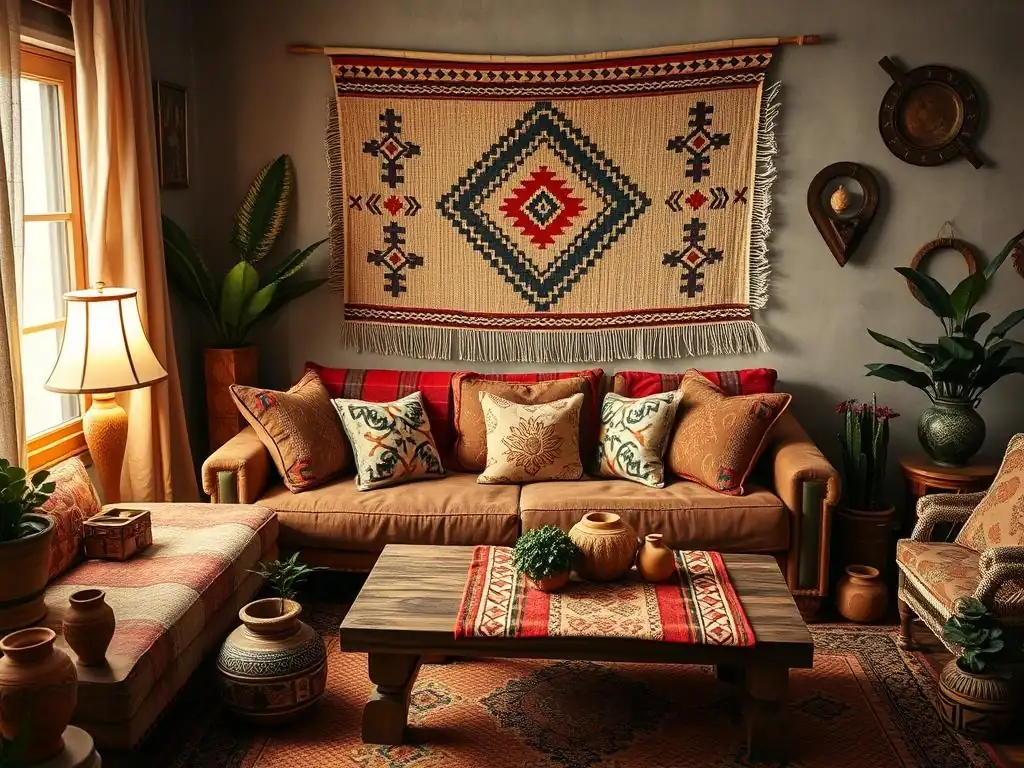
Integrating indigenous patterns into modern home decor is a thoughtful way to celebrate and honor the rich cultural heritage of the Americas. These patterns are not merely decorative but carry deep meanings and histories that reflect the lifestyle and beliefs of indigenous peoples. By incorporating these designs into contemporary spaces, homeowners can create a unique ambiance that pays homage to the artistry and traditions of indigenous cultures.
Choosing the Right Indigenous Patterns for Your Space
When selecting indigenous patterns for your decor, it's essential to understand the story and symbolism behind each design. Here are some factors to consider:
- Cultural Significance:
- Different tribes and regions have distinct patterns, each representing unique stories, beliefs, and histories. For example:
- Navajo Patterns: Often feature geometric designs that symbolize nature and the universe.
- Inca Textiles: Frequently use vibrant colors and motifs that tell tales of the Andean landscape.
- Different tribes and regions have distinct patterns, each representing unique stories, beliefs, and histories. For example:
- Color Palette:
- Indigenous patterns come in various colors, which can influence the mood of your space:
- Earthy Tones: Colors like browns, greens, and ochres evoke a sense of warmth and connection to nature.
- Vibrant Hues: Bright colors can energize a room and reflect the liveliness of indigenous art.
- Indigenous patterns come in various colors, which can influence the mood of your space:
- Functionality:
- Consider how you will use the space to integrate patterns effectively. For instance:
- Textiles: Use patterned cushions or throws to add a pop of color and texture.
- Wall Art: Hang woven tapestries or printed canvases that showcase intricate indigenous designs.
- Consider how you will use the space to integrate patterns effectively. For instance:
- Mixing and Matching:
- Feel free to combine indigenous patterns with contemporary designs. This can create a dynamic look that celebrates both traditional craftsmanship and modern aesthetics. Here’s how:
- Layering: Use indigenous patterned rugs under modern furniture to create a focal point.
- Accent Pieces: Select smaller items like pottery or decorative bowls featuring indigenous patterns to complement a minimalist decor.
- Feel free to combine indigenous patterns with contemporary designs. This can create a dynamic look that celebrates both traditional craftsmanship and modern aesthetics. Here’s how:
How to Style Indigenous Patterns with Modern Aesthetics
Styling indigenous patterns within a modern aesthetic requires a delicate balance to ensure that both elements harmonize. Here are effective strategies to achieve this:
- Focal Points:
- Create a statement by choosing one major piece that features indigenous patterns, such as a large wall hanging or an oversized patterned rug. This draws attention and sets the tone for the room.
- Neutral Backgrounds:
- Use a neutral color palette for walls and larger furniture pieces to allow the colorful indigenous patterns to stand out. Shades like white, beige, or gray can act as a canvas for vibrant decor.
- Incorporating Nature:
- Indigenous designs often draw inspiration from nature. Incorporating natural elements like plants, wood, and stone can enhance the aesthetic. For example:
- Planters: Use terracotta pots with indigenous patterns.
- Furniture: Opt for wooden pieces that echo the organic shapes found in indigenous art.
- Indigenous designs often draw inspiration from nature. Incorporating natural elements like plants, wood, and stone can enhance the aesthetic. For example:
- Textures and Layers:
- Mix different textures to create depth within your decor. Consider pairing smooth modern furniture with textured indigenous textiles, such as woven blankets or embroidered cushions.
- Artful Groupings:
- Arrange smaller items featuring indigenous patterns in groups to create visual interest. For example:
- Gallery Wall: Combine framed indigenous art with modern abstract pieces for a curated look.
- Shelf Displays: Layer books, pottery, and decorative items that showcase indigenous patterns.
- Arrange smaller items featuring indigenous patterns in groups to create visual interest. For example:
By thoughtfully integrating indigenous patterns into modern home decor, you not only enrich your space aesthetically but also contribute to the appreciation and preservation of indigenous cultures. Embrace these designs as a meaningful expression of history and artistry, making your home a reflection of diverse cultural inspirations.
Best Options for Indigenous Pattern Decor Products
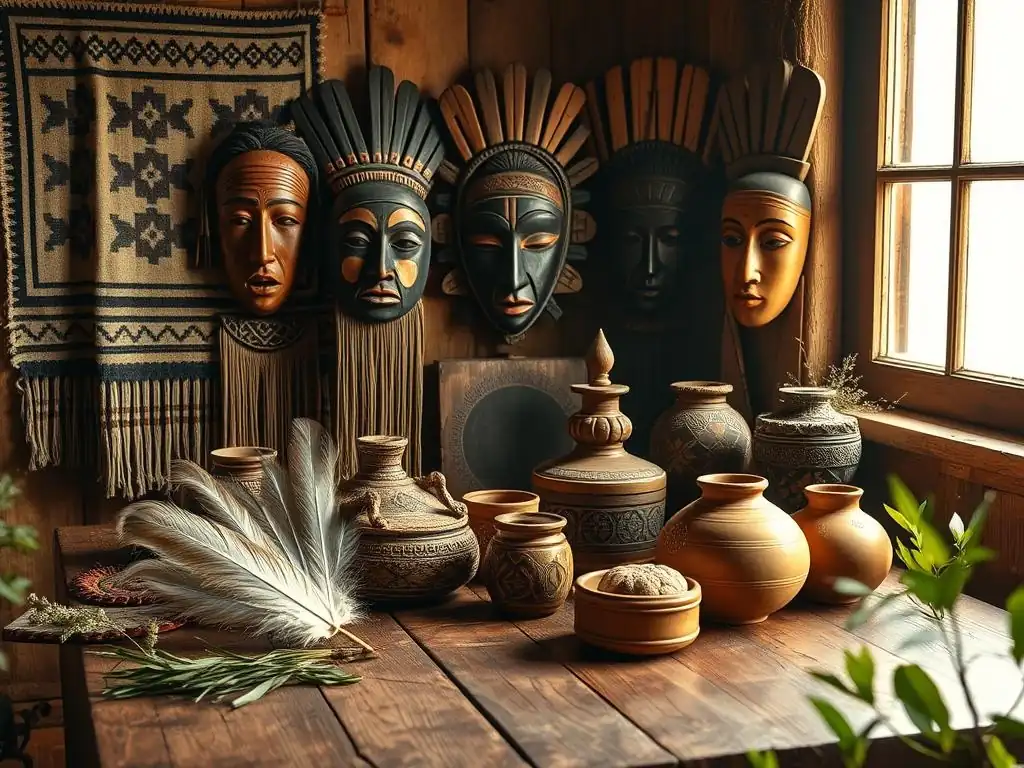
Incorporating indigenous patterns in decor is a wonderful way to celebrate and honor the rich heritage of Indigenous cultures in the Americas. From textiles to art pieces, there are numerous options available that not only enhance the aesthetic of a space but also tell a story of cultural significance and craftsmanship. Below are some of the best options for indigenous pattern decor products that can help elevate your home’s interior while paying homage to these vibrant traditions.
Top Indigenous-Inspired Textiles for Home Decor
Textiles are one of the most accessible and impactful ways to introduce indigenous patterns in decor into your home. These textiles often feature symbolic designs that reflect the culture, history, and values of the Indigenous peoples.
Pendleton Woolen Mills: Features and Benefits
Pendleton Woolen Mills is renowned for its high-quality wool blankets and textiles that are often inspired by Native American designs.
- Quality Materials: Pendleton uses 100% virgin wool, ensuring durability and warmth.
- Cultural Representation: Many of their patterns are inspired by Native American stories and traditions, making them not just decor items but also pieces of cultural art.
- Versatile Use: Their blankets can be used as throws, wall hangings, or even bedspreads, adding a touch of indigenous elegance to any room.
Example Patterns:
- The Chief Joseph Blanket features bold geometric designs and colors that reflect the heritage of the Nez Perce tribe.
- The Navajo Pattern collection showcases intricate motifs that celebrate the artistry of Navajo weaving.
Koko Company: Unique Selling Points
Koko Company specializes in handmade textiles that draw inspiration from various Indigenous cultures across the Americas.
- Handcrafted Quality: Each piece is crafted by skilled artisans, ensuring that every item is unique and of high quality.
- Eco-Friendly Practices: Koko Company emphasizes sustainability, using natural dyes and materials that respect the earth.
- Cultural Stories: Their textiles often tell stories or symbolize important aspects of Indigenous life, making them a meaningful addition to your decor.
Popular Items:
- Handwoven table runners featuring traditional designs that can serve as conversation starters.
- Cushions with embroidered patterns that reflect the flora and fauna significant to Indigenous cultures.
Indigenous Art Pieces: Adding Authenticity to Your Space
Art pieces that incorporate indigenous patterns not only beautify your home but also serve as a tribute to the rich histories and narratives of Indigenous peoples.
Norval Morrisseau Print: Pricing and Cultural Significance
Norval Morrisseau, often referred to as the "Picasso of the North," is a celebrated Indigenous artist known for his vibrant and symbolic paintings.
- Cultural Impact: His work is deeply rooted in Anishinaabe culture, often depicting spiritual themes and stories that resonate with Indigenous identity.
- Print Pricing: Pricing for Morrisseau prints can vary significantly based on size and rarity, with typical ranges from $100 to over $1,000 for limited editions.
Significance: Owning a Morrisseau print is not just an aesthetic choice; it is an investment in preserving Indigenous art and culture, allowing you to bring a piece of this narrative into your home.
Native American Pottery: Where to Buy
Native American pottery is another excellent way to incorporate indigenous patterns in decor, characterized by intricate designs and traditional techniques.
- Authenticity: When purchasing Native American pottery, it is essential to buy from reputable sources that guarantee the authenticity of the artisans.
- Shopping Options:
- Local Art Galleries: Many galleries feature collections from Indigenous artists, ensuring that the pieces are ethically sourced.
- Online Marketplaces: Websites like Etsy have sections dedicated to Indigenous pottery, allowing you to explore a variety of styles and prices.
Popular Styles:
- Pueblo Pottery: Known for its natural colors and geometric designs, often featuring traditional motifs.
- Hopi Kachina Dolls: These decorative pieces are intricately painted and represent various aspects of Hopi spirituality.
By choosing indigenous patterns in decor, you not only enhance your living space with unique and beautiful designs but also engage with the rich cultural narratives that these patterns represent.
Myths and Realities About Indigenous Patterns in Decor
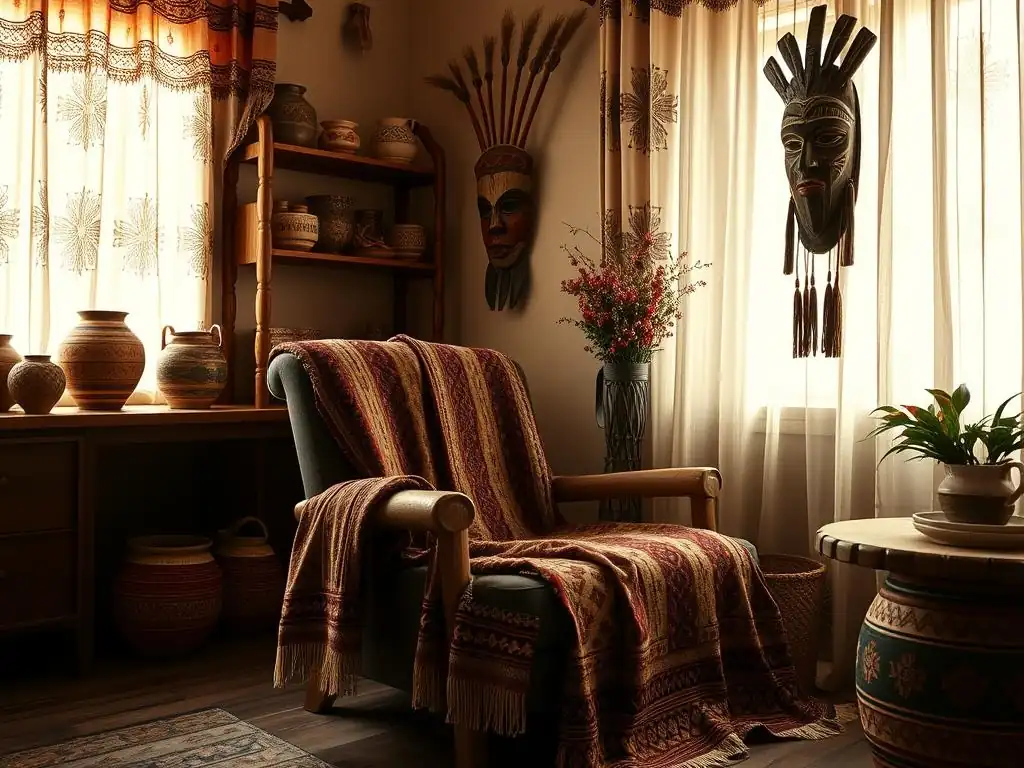
Debunking Common Misconceptions
Indigenous patterns in decor are often surrounded by a cloud of misconceptions that can obscure their true significance and cultural origins. One prevalent myth is that all indigenous designs are interchangeable or that they represent a homogenous culture. In reality, the Americas are home to a myriad of indigenous tribes, each with distinct languages, traditions, and artistic styles. For instance, the intricate geometric patterns of the Navajo textiles differ significantly from the vibrant colors and motifs found in the artwork of the Taino people.
Another misconception is that indigenous patterns are merely decorative elements devoid of deeper meaning. However, many indigenous designs are steeped in cultural narratives, spiritual beliefs, and historical contexts. For example, the spirals in Acoma pottery symbolize water and fertility, while certain motifs in Inuit art represent animals and their connection to the environment. Recognizing these meanings is crucial for appreciating the depth and richness of indigenous art.
Additionally, there is a tendency to romanticize indigenous patterns, attributing them to a simplistic, idealized past. This overlooks the dynamic nature of indigenous cultures, which have continuously evolved and adapted over time. Many contemporary indigenous artists blend traditional motifs with modern techniques, creating works that reflect both heritage and current societal issues.
Realities of Authentic Indigenous Art and Design
Understanding the realities of authentic indigenous art and design is essential for appreciating indigenous patterns in decor. Authentic indigenous art often emerges from a deep connection to the land, community, and ancestral traditions. Each pattern carries a story, a lesson, or a sacred significance that is passed down through generations.
One essential aspect is the relationship between the artist and their culture. Many indigenous artists undergo extensive training in traditional methods, which can include learning from elders or participating in communal workshops. This process is integral to preserving cultural heritage and ensuring that the meanings behind the patterns remain intact.
Moreover, the use of materials in indigenous patterns is often symbolic. Natural elements such as clay, wood, and textiles are not simply mediums; they are tied to the environment and resource management practices of the community. For example, the use of specific dyes derived from local plants not only reflects the natural landscape but also embodies traditional ecological knowledge.
| Aspect | Traditional Design | Contemporary Design |
|---|---|---|
| Cultural Context | Deeply rooted in ancestral traditions | Blends heritage with modern influences |
| Materials Used | Natural, locally sourced | Can include modern materials |
| Symbolism | Embedded with specific cultural meanings | May challenge or redefine traditional meanings |
| Technique | Passed down through generations | Innovatively adapted by contemporary artists |
In sum, indigenous patterns in decor are not merely artistic expressions; they are a profound reflection of the cultures from which they originate. By understanding the myths and realities surrounding these patterns, one can appreciate their significance and the rich narratives they embody.
Conclusion: The Lasting Impact of Indigenous Patterns in Decor
The influence of indigenous patterns in decor extends far beyond aesthetics; it encapsulates a rich tapestry of history, culture, and identity. As we explore the lasting impact of these patterns, it becomes evident that they serve as a bridge connecting contemporary society with the legacies of indigenous civilizations. These patterns, steeped in deep meanings and stories, invite us to reflect on the values and philosophies of the cultures from which they originate.
The incorporation of indigenous designs into modern home décor is not merely a trend but a testament to the resilience and adaptability of these cultures. By integrating these patterns into our living spaces, we acknowledge the profound narratives they carry and the artistry involved in their creation. This practice fosters a deeper appreciation for the indigenous peoples' perspectives, encouraging a dialogue between the past and the present.
Embracing Cultural Heritage in Modern Living Spaces
Incorporating indigenous patterns into modern décor is a powerful way to celebrate and honor cultural heritage. These designs often reflect the rich diversity and vibrancy of indigenous civilizations, showcasing their unique artistic expressions.
- Connection to Nature: Many indigenous patterns are inspired by the natural world, incorporating elements such as animals, plants, and landscapes. By embracing these motifs, modern homes can create a serene environment that honors the relationship between humanity and nature.
- Storytelling Through Design: Each pattern tells a story, representing significant cultural beliefs, historical events, or spiritual practices. For instance, Navajo textiles often convey themes of harmony and balance, while Mayan designs may symbolize the cosmos and the interconnectedness of life.
- Personal Expression: Utilizing indigenous patterns allows individuals to express their values and appreciation for cultural diversity. These designs can serve as conversation starters, inviting guests to learn about the meanings behind the artwork.
- Sustainable Practices: Many contemporary artisans and designers collaborate with indigenous communities to produce decor items that respect traditional methods and materials. This not only supports local economies but also promotes sustainability in design.
Encouraging Respect for Indigenous Traditions Through Design
As we embrace indigenous patterns in decor, it is crucial to approach this practice with respect and understanding. Here are some ways to encourage respect for indigenous traditions through design:
- Educate Yourself: Understanding the cultural significance of the patterns you choose is essential. Take the time to research their origins, meanings, and the communities they represent.
- Source Ethically: Whenever possible, purchase items directly from indigenous artisans or fair-trade organizations. This ensures that the profits benefit the creators and their communities.
- Advocate for Representation: Support initiatives that promote indigenous artists and their work. By amplifying their voices and contributions, we foster a more inclusive design landscape.
- Promote Cultural Sensitivity: Be mindful of appropriating indigenous symbols and patterns. Recognize that they hold deep meanings and should be used with care and respect.
- Create Spaces for Dialogue: Use your home as a platform for conversations about indigenous cultures. Displaying art or textiles can serve as an invitation for discussions about history, identity, and the importance of cultural preservation.
By embracing indigenous patterns in decor thoughtfully and respectfully, we not only enrich our living spaces but also honor the rich legacies of the indigenous peoples of the Americas. Through these practices, we contribute to a greater understanding and appreciation of their cultures, ensuring that their stories and artistry continue to thrive in modern society.
Frequently Asked Questions
What are indigenous patterns in decor?
Indigenous patterns in decor refer to traditional designs and symbols that represent the rich cultural heritage of various indigenous communities in the Americas, often reflecting their beliefs, stories, and connection to nature.
How do indigenous patterns convey cultural significance?
These patterns often carry deep meanings tied to the history, spirituality, and social structures of the indigenous peoples. They serve as a way to communicate identity and preserve cultural narratives through art.
Can indigenous patterns in decor be found in modern design?
Yes, many contemporary designers incorporate indigenous patterns into their work, blending traditional motifs with modern aesthetics while aiming to honor the original meanings and cultural significance behind the designs.
Are there specific materials commonly used in indigenous decor?
Indigenous decor often utilizes natural materials such as wood, clay, textiles, and stone. These materials not only emphasize sustainability but also enhance the aesthetic value of the patterns used.
How can I learn more about indigenous symbolism in decor?
To learn more, you can explore resources like books, documentaries, and websites dedicated to indigenous cultures, as well as visiting museums that showcase indigenous art and decor, providing insights into their symbolism and history.
Final Reflection: Embracing the Depth of Indigenous Patterns in Decor
The exploration of indigenous patterns in decor is not merely an aesthetic choice; it is a profound journey into the heart of cultural identity and history. Today, as we navigate a world increasingly defined by globalization, the significance of these patterns resonates more than ever. They serve as a bridge connecting us to the rich narratives and traditions of Indigenous peoples, reminding us that every design carries a story worth telling. In a time when cultural appropriation often overshadows appreciation, understanding the meaning behind these patterns is crucial for fostering respect and recognition.
The influence of indigenous patterns in decor extends beyond mere visual appeal; it shapes our cultural landscape and invites us to engage with the stories they tell. These patterns are not just decorative elements; they embody the wisdom, spirituality, and resilience of Indigenous communities. As we incorporate these designs into our spaces, we must acknowledge their origins and the voices behind them. Art is a reflection of the culture it comes from, and understanding that culture enriches our appreciation of the art.
This ongoing dialogue encourages us to honor the traditions while also challenging us to think critically about our role in preserving and promoting these narratives.
As you reflect on the significance of indigenous patterns in decor, I invite you to consider how you can incorporate this understanding into your own life. Take a moment to appreciate the stories behind the designs you encounter, and seek out ways to support Indigenous artisans and communities.
By doing so, you not only enrich your own space but also contribute to a broader movement of respect and recognition for the cultural heritage that these patterns represent. Let us celebrate the beauty of diversity and the power of storytelling through decor, ensuring that the legacies of Indigenous peoples continue to thrive in our modern world.
Thank you for taking the time to explore the rich symbolism embedded in Indigenous decor. You’ve uncovered valuable insights into how patterns communicate culture, traditions, and stories. Now, let's take those insights further!
Here are a few next steps you can take to deepen your appreciation and connection with Indigenous symbolism:
- Explore local artisans or online galleries to purchase authentic Indigenous decor items that resonate with you.
- Share your newfound knowledge with friends and family—host a discussion or create a social media post to inspire awareness!
- Engage with Indigenous communities or organizations; consider volunteering or participating in events that celebrate and promote Indigenous art.
Which aspects of Indigenous patterns hold special meaning for you based on your own life experiences?