
From Tradition to Trend: The Resurgence of Indigenous Ingredients in Fine Dining

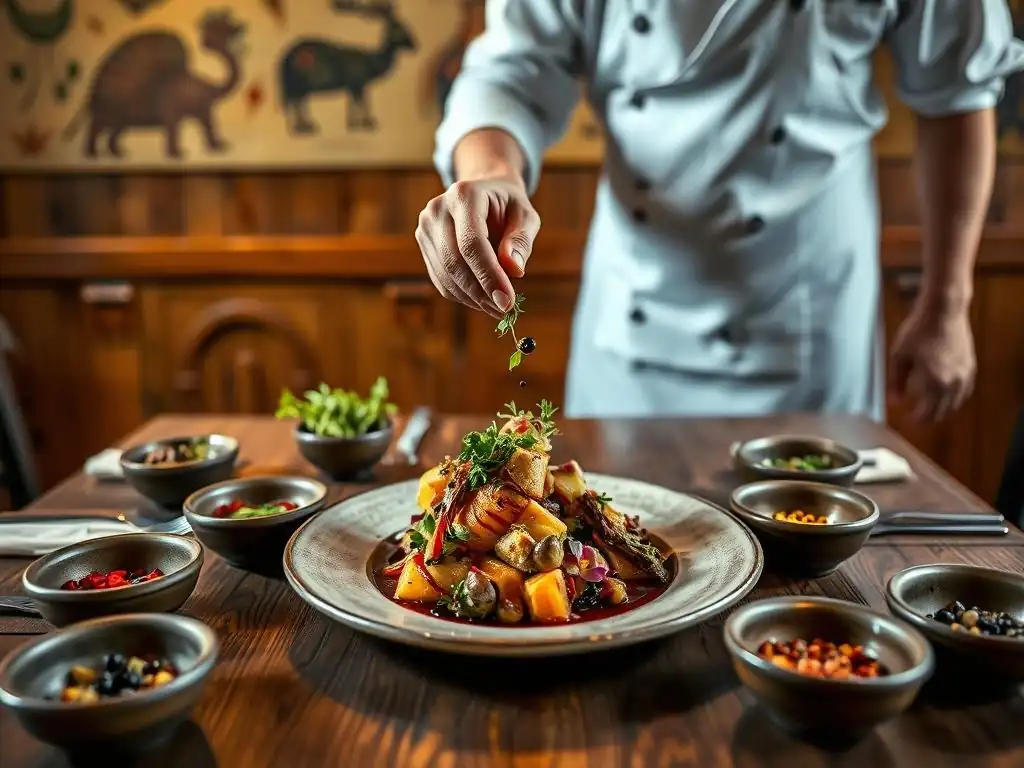
Welcome to Indigenous Civilizations of the Americas, where we invite you to embark on a journey through the rich tapestry of indigenous cultures that flourished long before European colonization. Here, we delve into the remarkable achievements and enduring legacies of these societies, illuminating their profound impact on our world today. In our featured article, "From Tradition to Trend: The Resurgence of Indigenous Ingredients in Fine Dining," discover how ancient culinary practices are making a vibrant comeback in contemporary kitchens.
Prepare to be inspired by the fusion of history and innovation as we explore the exquisite flavors and stories behind indigenous ingredients that are redefining fine dining. Join us as we uncover the deep connections between tradition and modernity!
Introduction to Indigenous Ingredients in Fine Dining
The culinary world is undergoing a significant transformation as chefs and food enthusiasts increasingly turn to indigenous ingredients to create unique and culturally rich dining experiences. These ingredients, which have been used for centuries by various Native American communities, are now making their way into fine dining establishments, celebrating the rich heritage and flavors of indigenous cultures.
This resurgence not only honors the traditions of these communities but also introduces diners to the diverse and vibrant flavors that have shaped the Americas long before European colonization. By integrating indigenous ingredients into their menus, chefs are tapping into a deep well of culinary knowledge that reflects the histories and identities of the people who have lived on this land for generations.
The Historical Context of Indigenous Ingredients
Understanding the resurgence of indigenous ingredients in fine dining requires a look into their historical significance and the profound relationship indigenous peoples have with the land. This relationship has cultivated a diverse array of ingredients that are not only unique but also sustainable and deeply rooted in tradition.
The Role of Indigenous Ingredients in Pre-Colonial Cuisines
Before European contact, indigenous populations across the Americas had developed intricate food systems that utilized local resources in innovative ways. Key ingredients included:
- Maize: A staple food that formed the basis of many diets, used in dishes like tortillas and tamales.
- Quinoa: A nutritious grain revered by the Andean cultures, known for its high protein content.
- Chiles: Varieties of peppers that added flavor and heat to many traditional dishes.
- Wild Game: Animals such as bison, deer, and various birds that were hunted sustainably.
- Fruits and Vegetables: A rich variety of berries, roots, and tubers that provided essential nutrients.
These ingredients were not just food; they were integral to cultural ceremonies, social gatherings, and communal identity. The methods of preparation and the knowledge of seasonal harvesting reflect a deep understanding of the ecosystem, which is now being rediscovered and celebrated in contemporary cuisine.
The Impact of Colonization on Indigenous Culinary Practices
The arrival of European colonizers had a devastating impact on indigenous culinary practices. The introduction of new ingredients, such as wheat and sugar, disrupted traditional diets and farming practices. Many indigenous communities faced significant challenges, including:
- Displacement: The forced removal from ancestral lands led to a loss of access to traditional food sources.
- Cultural Erasure: Colonization often sought to suppress indigenous identities, impacting the transmission of culinary knowledge.
- Health Issues: The disruption of traditional diets contributed to health problems among indigenous populations.
Despite these challenges, many indigenous communities have retained their culinary traditions and are now revitalizing their heritage in the face of modern culinary trends. The current focus on indigenous ingredients in fine dining serves as a powerful reminder of resilience, cultural identity, and the importance of sustainable practices in today's culinary landscape.
The Modern Resurgence of Indigenous Ingredients
In recent years, there has been a notable resurgence of indigenous ingredients in fine dining, reflecting a broader cultural movement towards recognizing and honoring the culinary practices of indigenous peoples. This trend is not merely a passing fad; it represents a growing appreciation for the historical significance and rich biodiversity of the ingredients that have been used for centuries by indigenous communities across the Americas.
From the incorporation of ancient grains like quinoa and amaranth to the use of native fruits such as prickly pear and chokecherry, chefs are increasingly looking to these ingredients to create dishes that are not only delicious but also steeped in cultural heritage.
This movement is closely linked to the global push for sustainability and ethical sourcing. As consumers become more conscious of their food choices, they are increasingly drawn to dishes that tell a story and honor the land from which they come. By integrating indigenous ingredients, chefs not only support local farmers and indigenous communities but also contribute to the preservation of biodiversity and traditional farming practices. The result is a dynamic culinary landscape that celebrates the past while innovating for the future.
Current Trends in Fine Dining: Embracing Indigenous Ingredients
The fine dining scene is witnessing a clear trend where chefs are prioritizing indigenous ingredients as a means of enhancing their menus. This shift is characterized by several key trends, including:
- Locally Sourced Ingredients: Many fine dining establishments are turning to local indigenous communities for their ingredients, fostering partnerships that benefit both chefs and farmers.
- Culinary Storytelling: Chefs are increasingly using indigenous ingredients to tell stories of cultural significance, enriching the dining experience by connecting guests to the history and traditions of the land.
- Highlighting Traditional Techniques: The resurgence of indigenous ingredients often involves the revival of traditional cooking techniques, such as smoking, fermenting, and stone-ground processing, adding unique flavors and textures to dishes.
These trends not only elevate the dining experience but also promote a deeper understanding of the cultural significance behind each ingredient, encouraging diners to appreciate the stories and traditions that come with their meals.
Case Studies: Restaurants Leading the Way
Several restaurants are at the forefront of this movement, successfully integrating indigenous ingredients into their fine dining offerings. Noteworthy examples include:
- Noma (Copenhagen, Denmark): Renowned for its innovative approach to Nordic cuisine, Noma has incorporated indigenous ingredients from Greenland, such as sea buckthorn and foraged herbs, showcasing the unique flavors of the region.
- Oaxaca (Mexico): This restaurant emphasizes the use of traditional ingredients, including heirloom corn and native chilies, to create authentic dishes that pay homage to the rich culinary heritage of the Zapotec and Mixtec peoples.
- Kaya (New York, USA): Focusing on indigenous North American ingredients, Kaya offers dishes that highlight the use of wild game and seasonal produce, fostering a connection to the land and its history.
These establishments not only serve exquisite meals but also play a crucial role in educating diners about the importance of indigenous ingredients and their cultural significance.
The Benefits of Using Indigenous Ingredients in Fine Dining
The incorporation of indigenous ingredients into fine dining not only enhances culinary experiences but also offers a plethora of benefits that resonate with contemporary dining philosophies.
Nutritional Value and Sustainability
Indigenous ingredients are often nutrient-dense, providing a range of health benefits that can enhance the overall quality of the dining experience. Many of these ingredients, such as wild rice, amaranth, and various native fruits, are rich in vitamins, minerals, and antioxidants, contributing to a balanced diet. Furthermore, the cultivation of indigenous crops is typically more sustainable, as they are adapted to local climates and ecosystems.
This promotes agricultural biodiversity and reduces the reliance on monoculture farming practices, which can deplete soil health and harm the environment. By choosing to feature these ingredients, chefs not only nourish their guests but also support sustainable food systems that respect and preserve the earth.
Enhancing Flavor Profiles and Culinary Creativity
Indigenous ingredients are celebrated for their unique flavors and textures, which can elevate dishes to new culinary heights. Ingredients such as mesquite flour, juniper berries, and various wild herbs offer complex profiles that can transform traditional recipes into innovative creations. This culinary creativity encourages chefs to experiment and push the boundaries of flavor, leading to a more dynamic and exciting dining experience. Moreover, by honoring these ingredients, chefs contribute to a greater appreciation of indigenous cultures and their contributions to the culinary world, fostering a deeper connection between food, culture, and community.
The resurgence of indigenous ingredients in fine dining not only celebrates the rich heritage of indigenous cultures but also offers numerous benefits that enhance the culinary landscape. As more chefs embrace these ingredients, the fine dining industry is transformed into a platform for cultural appreciation and sustainable practices.
Challenges and Considerations for Chefs
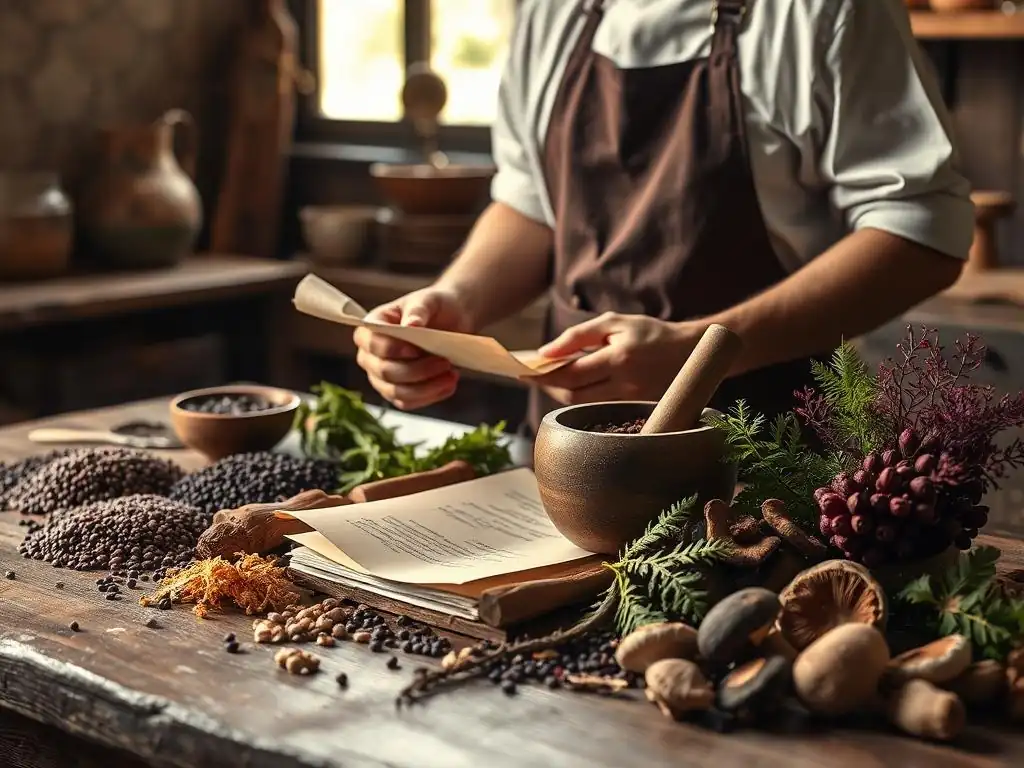
The integration of indigenous ingredients into fine dining presents a unique set of challenges and considerations for chefs. One of the primary concerns is sourcing. Many indigenous ingredients are not widely available in commercial markets, making it difficult for chefs to incorporate them consistently into their menus. This scarcity can lead to fluctuations in quality and availability, which can affect the dining experience.
Additionally, chefs must navigate the cultural significance of these ingredients. Understanding the historical and cultural contexts in which these ingredients are used is crucial. A lack of knowledge can lead to misrepresentation or appropriation, which can alienate the very communities these ingredients originate from. Therefore, chefs should engage with indigenous communities to ensure that they are using the ingredients respectfully and authentically.
Another challenge is the palate adaptation of diners. While many diners are becoming increasingly adventurous, the unique flavors and textures of indigenous ingredients may still be unfamiliar. Chefs need to skillfully introduce these ingredients, balancing familiar dishes with new elements to cultivate appreciation without overwhelming diners.
Sourcing Indigenous Ingredients Responsibly
Sourcing indigenous ingredients requires a thoughtful approach to ensure that the practices are both ethical and sustainable. Chefs should prioritize local suppliers who work directly with indigenous farmers and gatherers. This not only supports the local economy but also provides chefs with fresher ingredients while respecting traditional harvesting methods.
Moreover, chefs need to consider the environmental impact of sourcing these ingredients. Sustainable practices should be at the forefront of their procurement strategies. This includes avoiding overharvesting and ensuring that the ecosystems from which these ingredients are drawn remain intact. Collaborating with indigenous knowledge keepers can provide valuable insights into sustainable practices that have been used for generations.
Finally, transparency in sourcing is essential. Chefs can foster a connection between diners and the history of the ingredients by sharing stories about their origins and the communities involved in their production. This narrative approach not only enhances the dining experience but also encourages diners to appreciate the cultural significance behind the food they consume.
Educating Diners About Indigenous Ingredients
Educating diners about indigenous ingredients is a vital component of their successful integration into fine dining. Chefs and restaurant owners can implement a variety of strategies to enhance understanding and appreciation among diners.
- Menu Descriptions: Detailed descriptions of dishes that highlight the indigenous ingredients used can spark curiosity. Chefs should explain the origin of the ingredients and their cultural significance, making it a storytelling experience.
- Workshops and Events: Hosting workshops or special events focused on indigenous cooking can engage diners on a deeper level. These experiences allow diners to learn about traditional cooking methods and the importance of indigenous ingredients firsthand.
- Collaboration with Indigenous Chefs: Partnering with indigenous chefs to create special menus can provide authentic perspectives and educate diners about the proper use and significance of these ingredients. This collaboration not only enriches the culinary experience but also honors the source communities.
By taking an active role in educating diners, chefs can foster a greater appreciation for indigenous ingredients, encouraging a deeper connection to the food and the cultures from which it originates.
Conclusion: The Future of Indigenous Ingredients in Fine Dining

The resurgence of indigenous ingredients in fine dining represents a meaningful shift towards inclusivity and cultural respect in the culinary world. As chefs become more adept at sourcing these ingredients responsibly and educating diners about their significance, the potential for innovation and creativity in cuisine expands.
The future of indigenous ingredients in fine dining looks promising, with increasing awareness and interest among chefs and consumers alike. This trend not only enriches the dining experience but also supports the revitalization of indigenous cultures and traditions. By embracing these ingredients, the culinary community can help preserve the rich heritage of indigenous peoples while promoting sustainable practices and cultural appreciation.
As the movement towards indigenous ingredients gains momentum, it paves the way for a more diverse and respectful culinary landscape, where tradition meets contemporary dining trends. The result is a celebration of flavors and stories that honor the past while paving the way for a vibrant gastronomic future.
Call to Action
As we witness the resurgence of indigenous ingredients in fine dining, it’s essential to support and celebrate the culinary traditions that have been passed down through generations. By choosing to dine at restaurants that prioritize indigenous ingredients, you not only enjoy unique and authentic flavors but also help sustain the communities that cultivate these vital resources.
Here are some ways you can contribute to this movement:
- Explore Local Restaurants: Seek out fine dining establishments that incorporate indigenous ingredients into their menus. Many chefs are now highlighting these elements, bringing attention to their cultural significance and history.
- Participate in Workshops: Look for cooking classes or workshops that focus on indigenous culinary practices. Engaging with these traditions can deepen your understanding and appreciation of the flavors and techniques involved.
- Share Your Experience: Use social media platforms to showcase dishes that feature indigenous ingredients. By sharing your experiences, you raise awareness and encourage others to explore this culinary landscape.
Together, we can honor the rich heritage of indigenous cultures while enjoying the diverse and delicious offerings they bring to the table.
Recommended Products and Resources
To further immerse yourself in the world of indigenous ingredients and fine dining, consider exploring the following products and resources:
Books
- "The Sioux Chef's Indigenous Kitchen" by Sean Sherman: This book highlights traditional indigenous ingredients and offers recipes that celebrate Native American culinary practices.
- "Gathering: Memoir of a Native American Family" by Diane Glancy: A blend of memoir and recipes, this book provides insights into Native American culture alongside delicious dishes.
Online Resources
- Indigenous Food Network: An online platform that connects consumers with indigenous producers and restaurants, offering information about sourcing and cooking with indigenous ingredients.
- Native American Agriculture Fund: A resource that supports indigenous farmers and ranchers, providing information on sustainable practices and the importance of preserving indigenous crops.
Cooking Classes and Workshops
- Culinary Institute of America: Offers courses on indigenous ingredients and their applications in modern cooking, enabling chefs and home cooks to learn about these unique flavors.
- Local Indigenous Community Centers: Many communities host cooking classes focused on traditional recipes and ingredients, providing a hands-on experience in indigenous culinary arts.
By exploring these resources, you can deepen your understanding of indigenous ingredients and their place in the fine dining scene, ultimately enhancing your culinary journey.
- Introduction to Indigenous Ingredients in Fine Dining
- The Historical Context of Indigenous Ingredients
- The Modern Resurgence of Indigenous Ingredients
- The Benefits of Using Indigenous Ingredients in Fine Dining
- Challenges and Considerations for Chefs
- Sourcing Indigenous Ingredients Responsibly
- Educating Diners About Indigenous Ingredients
- Conclusion: The Future of Indigenous Ingredients in Fine Dining
- Call to Action
- Recommended Products and Resources
- What are indigenous ingredients in fine dining?
- Why is there a resurgence of indigenous ingredients in the culinary world?
- How do indigenous ingredients enhance fine dining experiences?
- What role do indigenous communities play in the resurgence of these ingredients?
- Can fine dining restaurants benefit from using indigenous ingredients?
Frequently Asked Questions
What are indigenous ingredients in fine dining?
Indigenous ingredients refer to food items that are native to a specific region and have been traditionally used by the local populations. These ingredients are gaining popularity in fine dining as chefs seek to highlight cultural heritage and sustainable practices.
Why is there a resurgence of indigenous ingredients in the culinary world?
The resurgence is driven by a growing interest in sustainability, local sourcing, and a desire to honor cultural traditions. Chefs are increasingly recognizing the importance of indigenous knowledge in food preparation and presentation.
How do indigenous ingredients enhance fine dining experiences?
Incorporating indigenous ingredients can elevate fine dining by offering unique flavors and textures. It also provides an opportunity to tell stories about cultural significance and the history of the ingredients used in dishes.
What role do indigenous communities play in the resurgence of these ingredients?
Indigenous communities are vital in sharing their culinary traditions and knowledge, ensuring that the use of these ingredients is respectful and authentic. This collaboration also helps promote economic opportunities for these communities.
Can fine dining restaurants benefit from using indigenous ingredients?
Absolutely! Utilizing indigenous ingredients can set restaurants apart by offering distinctive dishes and demonstrate a commitment to cultural appreciation and sustainability, appealing to a growing demographic of conscious diners.
Final Reflection: Embracing Indigenous Ingredients in Fine Dining
The resurgence of indigenous ingredients in fine dining is not just a culinary trend; it represents a profound reconnection to cultural heritage and sustainability. As chefs and diners alike increasingly seek authenticity and depth in their food experiences, the incorporation of these ingredients serves as a bridge between past and present, honoring traditions while innovating for the future. This movement is a powerful reminder that food is not merely sustenance but a narrative that reflects our values and identities.
The influence of indigenous ingredients extends far beyond the plate; it reshapes our cultural and social landscape. By embracing these ingredients, we acknowledge the wisdom of indigenous communities and their sustainable practices that have thrived for centuries. This recognition fosters a deeper appreciation for biodiversity and the importance of preserving culinary traditions. As chef Sean Sherman aptly stated, Food is a way to connect with culture, and by using indigenous ingredients, we can tell stories that have been forgotten.
This ongoing dialogue between tradition and modernity enriches our culinary experiences and encourages a more inclusive and respectful approach to gastronomy.
As we reflect on the significance of indigenous ingredients in fine dining, I invite you to explore how these lessons can resonate in your own life. Consider the stories behind the foods you consume and the cultural heritage they represent. Let this awareness inspire you to seek out and support local and indigenous producers, ensuring that their voices and traditions are celebrated in our modern culinary landscape. Together, we can honor the past while paving the way for a more sustainable and inclusive future in dining.
Unveil the Flavors: Embrace Indigenous Ingredients Today!
Thank you for diving into the fascinating world of Indigenous ingredients in fine dining! You've uncovered the vibrant flavors and rich heritage these elements bring to culinary creations. Now, it’s time to take that newfound knowledge and put it into action!
Here are a few steps you can take to celebrate and incorporate Indigenous ingredients into your life:
- Try a new recipe using Indigenous ingredients – Explore local markets or specialty shops for items like **amaranth**, **foraged herbs**, or **wild rice**, and cook something delicious!
- Share your journey – Post about your culinary adventures on social media and tag Indigenous chefs or organizations to help raise awareness about these rich traditions.
- Join a community cooking class – Look for workshops that focus on Indigenous culinary practices to deepen your understanding and enhance your skills.
What Indigenous ingredient are you most excited to experiment with, and how do you plan to incorporate it into your cooking?