
From Tradition to Trend: The Evolution of Indigenous Symbolism in Tattoos

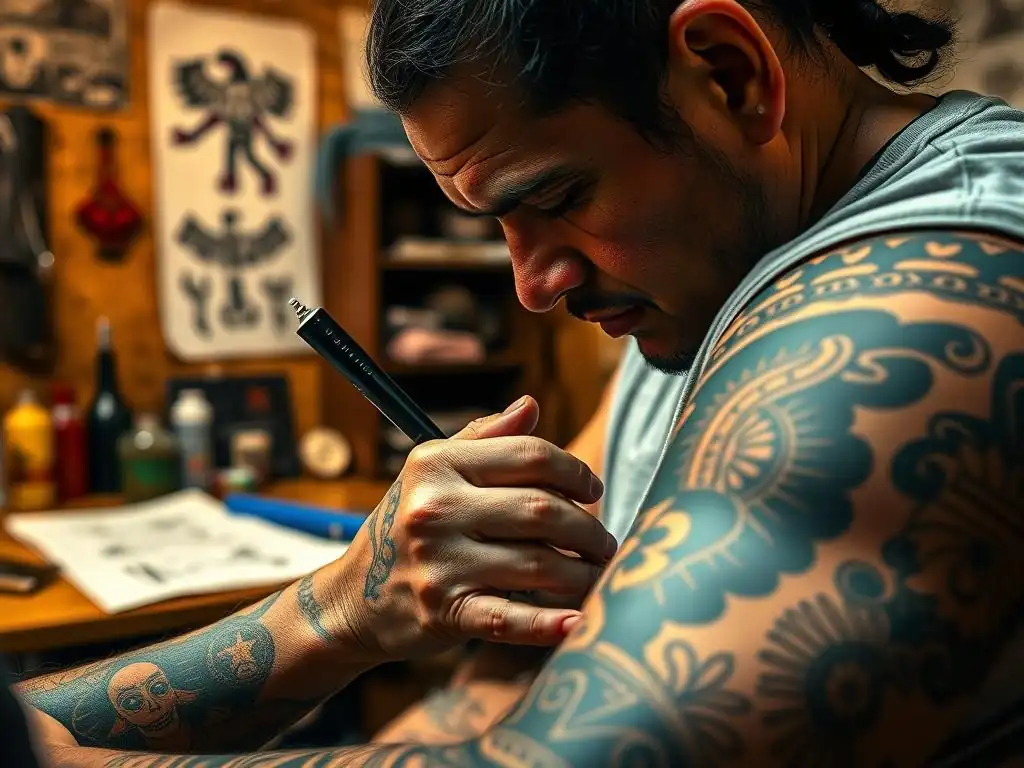
Welcome to Indigenous Civilizations of the Americas, where we invite you to journey through the rich tapestry of indigenous cultures that flourished long before European contact. In our featured article, "From Tradition to Trend: The Evolution of Indigenous Symbolism in Tattoos," we delve into the fascinating world of indigenous tattoo symbolism evolution.
Discover how these intricate designs reflect a deep cultural heritage, and learn how they have transformed into modern expressions of identity and artistry. Prepare to be inspired as you uncover the stories behind these powerful symbols, and let your curiosity guide you through the legacy of indigenous creativity and resilience.
- Introduction to Indigenous Tattoo Symbolism Evolution
- Historical Context of Indigenous Tattoo Symbolism
- The Transformation of Indigenous Tattoo Symbolism
- Key Elements of Indigenous Tattoo Symbolism
- Indigenous Tattoo Symbolism in Modern Society
- The Evolution of Indigenous Tattoo Trends
- Celebrating Indigenous Tattoo Artists
- Conclusion: Embracing the Evolution of Indigenous Tattoo Symbolism
- Resources for Further Exploration
-
Frequently Asked Questions
- What is the main focus of the article "From Tradition to Trend: The Evolution of Indigenous Symbolism in Tattoos"?
- How did indigenous tattoo symbolism originate?
- What are some common symbols found in indigenous tattoos?
- How has the perception of indigenous tattoos changed in modern society?
- What impact does the commercialization of indigenous tattoo symbolism have?
- Final Reflection: Embracing the Evolution of Indigenous Tattoo Symbolism
- Celebrate and Embrace Indigenous Tattoo Art!
Introduction to Indigenous Tattoo Symbolism Evolution
The world of tattoos has evolved dramatically over the centuries, transitioning from ancient forms of expression to contemporary art. Within this transformation lies a rich tapestry of indigenous tattoo symbolism, which reflects the deep cultural significance and historical roots of various indigenous communities across the Americas.
This article delves into the evolution of indigenous tattoo symbolism, examining how traditional designs have influenced modern tattoo practices and the resurgence of cultural pride among indigenous peoples. By exploring the intricate meanings behind these symbols, we can appreciate not only their aesthetic value but also their profound connections to identity, heritage, and storytelling.
Understanding the Roots of Indigenous Tattoo Art
Indigenous tattoo art dates back thousands of years, serving as a vital form of expression within various communities. Each design is steeped in history, often representing:
- Cultural Identity: Tattoos frequently signify a person's affiliation with their tribe or community, serving as a visual marker of belonging.
- Personal Stories: Many tattoos are imbued with personal narratives, illustrating significant life events, achievements, or milestones.
- Spiritual Connections: Numerous indigenous cultures view tattoos as a means of connecting with the spiritual realm, invoking protection, guidance, or blessings.
Historically, the methods of tattooing varied widely among indigenous peoples, utilizing natural materials such as:
- Pigments from plants and minerals for ink
- Bone or sharpened sticks for tools
- Techniques passed down through generations to ensure authenticity and adherence to tradition
As these practices evolved, they began to incorporate elements from the surrounding environment and the experiences of the tattooed individual, creating a unique blend of personal and cultural symbology.
Importance of Symbolism in Indigenous Cultures
Symbolism plays a crucial role in indigenous cultures, serving as a language of its own that conveys complex meanings and values. Tattoos often carry deep significance, including:
- Connection to Ancestors: Many designs honor ancestors, celebrating lineage and the continuation of cultural practices.
- Representation of Nature: Symbols derived from nature, such as animals or plants, reflect the community's relationship with the environment and its resources.
- Ritualistic Elements: Certain tattoos are linked to rites of passage, marking transitions in life such as coming of age, marriage, or healing.
Through these symbols, indigenous peoples maintain a connection to their past while navigating the contemporary world. In recent years, there has been a resurgence of interest in indigenous tattoo symbolism, with many individuals reclaiming their heritage and utilizing traditional designs to express their identity in today's society. This revival not only preserves cultural history but also fosters a greater understanding and appreciation of the rich tapestry of indigenous cultures and their contributions to the art of tattooing.
Historical Context of Indigenous Tattoo Symbolism
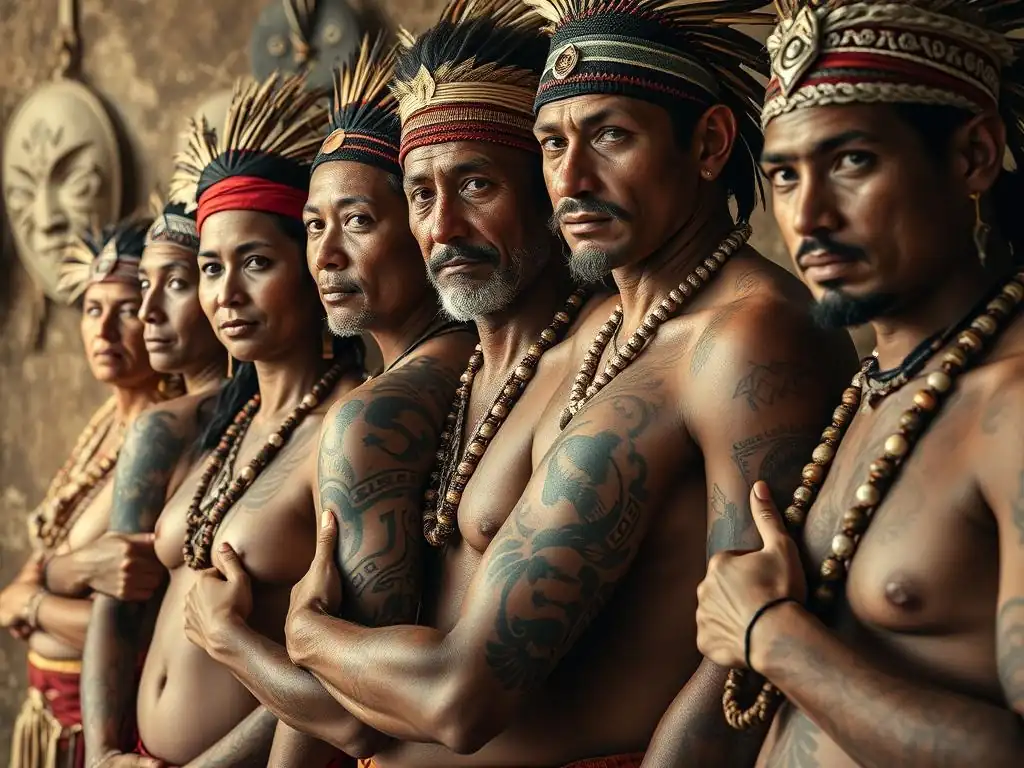
Ancient Practices of Indigenous Tattooing
The practice of tattooing among indigenous peoples of the Americas dates back thousands of years, serving as a crucial aspect of cultural expression and identity. Ancient tattooing techniques were highly sophisticated, often employing natural dyes and tools crafted from local materials. For instance, the Inuit used sharpened bones and ink made from soot, while the Maori of New Zealand, although not from the Americas, influenced some indigenous practices through their intricate designs and techniques.
Different tribes had unique motifs and styles that conveyed specific meanings. For example:
- Navajo tattoos often depicted geometric patterns that symbolized protection and guidance.
- The Samoan culture, though also not from the Americas, was known for tatau, where the designs represented genealogies and social status.
- Mayan civilization utilized tattoos to signify warrior status or spiritual connection, often using symbols associated with their gods and cosmology.
These practices were not merely decorative; they were deeply rooted in the spiritual and social fabric of indigenous life. Tattoos served as rites of passage, marking significant life events such as maturation, marriage, or achievement. Furthermore, they acted as a form of storytelling, reflecting personal and communal histories etched onto the skin.
Significance of Tattoos in Indigenous Identity and Heritage
Tattoos have long been a powerful statement of identity among indigenous peoples, representing not just individual stories but collective cultural narratives. The symbolism embedded in these tattoos often reflects the values, beliefs, and histories of the community. For many indigenous cultures, tattoos signify a connection to the ancestors and the earth, reinforcing a sense of belonging and continuity.
- Cultural Identity: Tattoos serve as a visual representation of cultural identity, showcasing heritage and traditions that may have been threatened by colonization. For instance, the Hopi tribe uses tattoos to express their ties to the land and their spirituality, distinguishing themselves from surrounding cultures.
- Ritual and Ceremony: The application of tattoos often involved rituals that honored the ancestors and the spiritual world. These ceremonies could include prayers, songs, and offerings, creating a sacred atmosphere in which the tattooing process was viewed as a transformative experience.
- Resistance and Resilience: In contemporary times, indigenous tattoo symbolism has evolved, often emerging as a form of resistance against cultural erasure. Many indigenous individuals are reclaiming traditional tattoo practices as a way to assert their identity and heritage in a modern context. This resurgence not only honors their ancestors but also educates others about their rich cultural histories.
The evolution of indigenous tattoo symbolism is a testament to the resilience and adaptability of indigenous cultures. As these symbols transition into modern tattoo art, they continue to carry profound meanings that connect the past with the present, illustrating the enduring impact of indigenous traditions in contemporary society.
The Transformation of Indigenous Tattoo Symbolism
From Traditional Designs to Contemporary Trends
Indigenous tattoo symbolism has undergone significant transformation over the centuries, evolving from deeply spiritual and culturally significant designs into contemporary expressions that often blend traditional motifs with modern aesthetics. Traditionally, indigenous tattoos served various purposes, such as denoting social status, marking milestones, or connecting individuals to their ancestral heritage. Each design was rich with meaning, often tied to the natural world, mythology, or tribal identity.
Historical Context
Historically, indigenous peoples utilized tattoos as a form of storytelling and a means of cultural preservation. For instance, the Maori of New Zealand, known for their intricate Ta Moko tattoos, used facial markings to express lineage and personal achievements. Similarly, the Inuit people employed tattoos as a way to showcase their connection to the environment and their community's spiritual beliefs.
Contemporary Adaptations
In recent years, there has been a resurgence of interest in indigenous tattoo symbolism, particularly among younger generations. This revival has led to a blend of traditional and contemporary styles. Artists often incorporate modern techniques and materials while respecting the original meanings behind the symbols. For example, traditional patterns may be adapted into minimalist designs that appeal to a broader audience, creating a bridge between the past and the present.
Influences of Modern Culture on Indigenous Tattoo Art
The evolution of indigenous tattoo symbolism has been significantly impacted by modern culture, which introduces new trends and influences that shape the way these symbols are perceived and created today.
Globalization and Cultural Exchange
Globalization plays a crucial role in the transformation of indigenous tattoo art. As cultures intersect, indigenous symbols are often reinterpreted and recontextualized. This cultural exchange can lead to a dilution of the original meanings, but it also provides an opportunity for revitalization and broader recognition of indigenous identities.
The Role of Social Media
Platforms like Instagram and TikTok have become vital in popularizing indigenous tattoo symbolism. Artists showcase their work to global audiences, often highlighting traditional meanings behind their designs. This visibility fosters appreciation and respect for indigenous cultures, while also creating a marketplace for tattoo enthusiasts seeking authentic representations.
Ethical Considerations
As modern influences permeate indigenous tattoo art, it’s important to address the ethical implications of cultural appropriation. Non-indigenous individuals adopting these symbols without understanding their significance can lead to misrepresentation and disrespect. Consequently, many indigenous artists advocate for education and awareness regarding the origins and meanings of their tattoo designs.
The evolution of indigenous tattoo symbolism reflects a dynamic interplay between tradition and modernity. While contemporary trends may alter the way these symbols are expressed, the essence of indigenous heritage remains a powerful influence, reminding us of the rich narratives and histories embedded within each design.
Key Elements of Indigenous Tattoo Symbolism
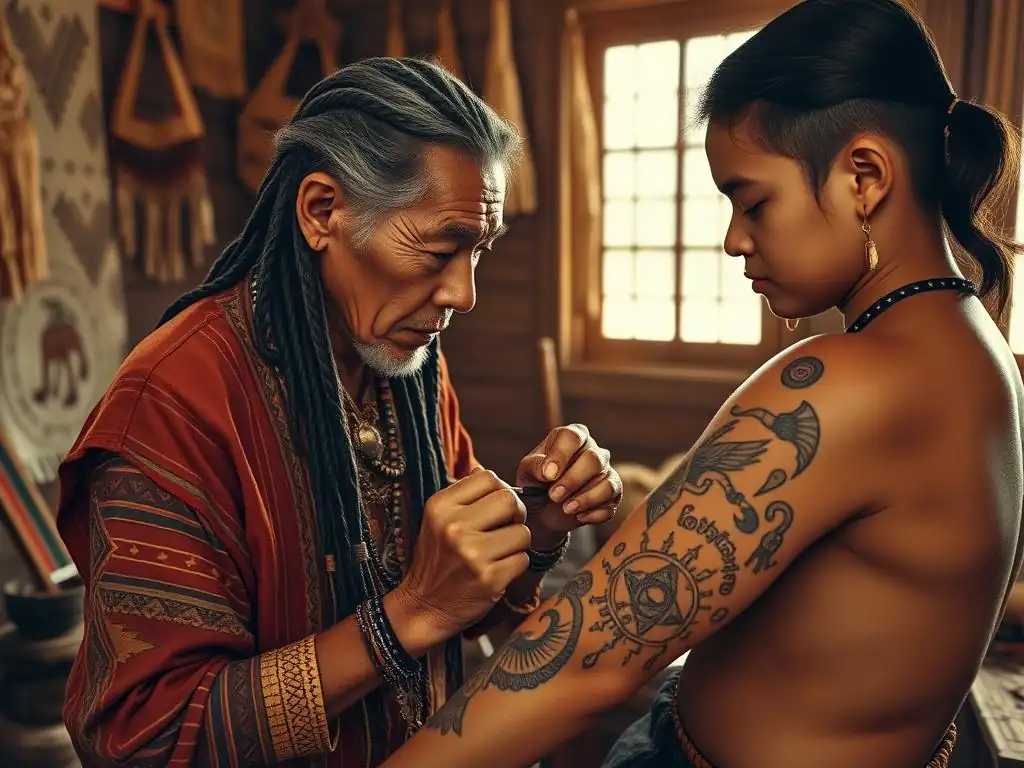
Indigenous tattoo symbolism is a profound and intricate aspect of cultural identity, representing a rich tapestry of beliefs, values, and traditions that have evolved over centuries. The significance of tattoos in indigenous cultures extends beyond mere decoration; they serve as powerful expressions of identity, spirituality, and social status. Understanding the key elements of this symbolism requires an exploration of common symbols, regional variations, and specific cultural practices.
Common Symbols and Their Meanings
Indigenous tattoos often feature a variety of symbols, each imbued with deep meanings and cultural significance. Here are some of the most prevalent symbols found in indigenous tattoo art:
- Animals: Many indigenous cultures use animal motifs to convey spiritual connections or personal traits. For example:
- Eagle: Symbolizes strength, freedom, and spiritual guidance.
- Bear: Represents courage, strength, and leadership.
- Wolf: Often signifies loyalty, family ties, and intuition.
- Nature Elements: Symbols derived from nature frequently appear, reflecting the deep connection many indigenous peoples have with their environment.
- Mountains: Symbolize stability and permanence.
- Water: Represents life, healing, and purification.
- Geometric Patterns: These designs are not only aesthetic but also carry specific meanings, often representing aspects of cosmology and the universe.
- Spirals: Can signify growth and the cyclical nature of life.
- Triangles: Often represent the interconnectedness of life and the three realms (spiritual, physical, and emotional).
- Cultural Icons: Many tattoos incorporate symbols specific to individual tribes or nations, reflecting unique histories and beliefs. For instance, the Zia sun symbol from the Zia Pueblo represents the sun and the four cardinal directions.
These symbols not only serve personal or aesthetic purposes but also act as visual storytelling tools, passing down narratives and cultural heritage from generation to generation.
Regional Variations in Indigenous Tattoo Designs
Indigenous tattoo symbolism is not monolithic; it varies significantly across different regions and cultures, reflecting the unique histories, beliefs, and artistic expressions of each group. Here are some notable regional variations:
- North America:
- In the Pacific Northwest, tattoos often feature intricate designs that reflect the natural world, such as totem animals and clan symbols. These tattoos are deeply connected to tribal identity and heritage.
- Among the Plains tribes, tattoos were often used to mark achievements and significant life events, with symbols denoting bravery in battle or rites of passage.
- Mesoamerica:
- The Aztecs and Mayans utilized tattoos as forms of ritualistic expression, often depicting gods, celestial bodies, and mythological creatures. These tattoos were believed to offer protection or blessings from the deities.
- South America:
- In the Amazon region, tribal tattoos can represent social status, tribal affiliation, and spiritual beliefs. For example, the Kuna people of Panama use tattoos to symbolize their connection to nature and the cosmos, often incorporating vibrant colors and patterns.
- Polynesia:
- While not part of the Americas, Polynesian tattoos have influenced many indigenous tattoo artists today. The intricate motifs and meanings behind Polynesian tattoos have inspired a resurgence in indigenous tattoo symbolism evolution across the Americas.
These regional differences highlight the diversity of indigenous tattoo practices, emphasizing the importance of context and meaning in the tattooing tradition.
Case Study: Haida Nation and Their Tattoo Practices
The Haida Nation, an indigenous group from the Pacific Northwest, exemplifies the rich tradition of tattoo practices within indigenous cultures. Historically, tattoos among the Haida served multiple purposes, including marking social status, clan identity, and spiritual beliefs.
Historical Context
- Cultural Significance: Tattoos were traditionally seen as markers of identity and belonging. Each design would often tell a story about the individual’s lineage, achievements, or spiritual connections.
- Rituals and Ceremonies: Tattooing was frequently part of larger cultural ceremonies, where the act itself was a rite of passage, often accompanied by songs and prayers.
Modern Adaptations
- Revival of Traditions: In recent years, there has been a resurgence of interest in traditional Haida tattooing. Artists are working to revive ancient designs and techniques, ensuring that the cultural heritage is not lost.
- Contemporary Symbolism: Modern Haida tattoos may combine traditional motifs with contemporary styles. This evolution reflects the ongoing journey of indigenous tattoo symbolism, blending the past with the present.
Conclusion
The Haida Nation's tattoo practices illustrate the enduring significance of indigenous tattoo symbolism and its evolution. The integration of traditional and modern elements not only preserves cultural heritage but also allows for personal expression and identity in contemporary society.
Through these explorations, we see how indigenous tattoo symbolism evolves while remaining deeply rooted in cultural identity, encapsulating the unique stories and beliefs of diverse indigenous communities across the Americas.
Indigenous Tattoo Symbolism in Modern Society
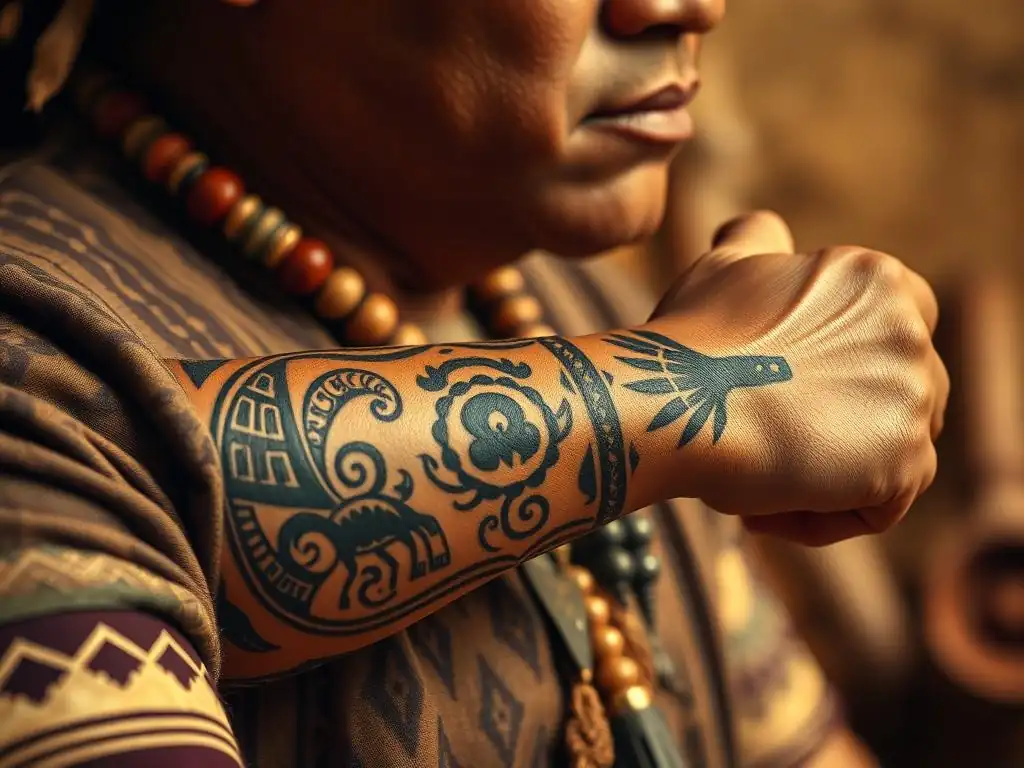
How Contemporary Artists Incorporate Indigenous Symbols
Contemporary tattoo artists are increasingly drawing inspiration from indigenous tattoo symbolism, blending traditional meanings with modern aesthetics. This fusion can be seen in various ways:
- Cultural Representation: Many artists aim to honor the cultural significance of indigenous symbols by researching their meanings and histories. This process ensures that the designs they use are not only visually appealing but also respectful and informed. For instance, symbols like the Kokopelli or Thunderbird are often utilized in designs that reflect their original cultural narratives.
- Personal Narratives: Artists frequently encourage clients to explore their own cultural backgrounds, prompting them to select symbols that resonate personally. This practice respects the original meanings while allowing for individual interpretation. By doing so, clients can create a unique narrative that connects their heritage to contemporary life.
- Collaboration with Indigenous Artists: Many modern tattoo studios prioritize collaboration with indigenous artists when incorporating traditional symbols. This partnership not only provides authenticity but also supports indigenous creators in sharing their cultural heritage. For example, artists like Chadwick Boseman collaborated with indigenous tattooists to ensure the accuracy of designs in their work.
- Innovative Techniques: Contemporary artists are employing new tattooing techniques that enhance the visibility of traditional symbols. Techniques such as dot work, watercolor, and even 3D effects allow these symbols to stand out while maintaining their cultural significance.
Ethical Considerations in Using Indigenous Tattoo Designs
The use of indigenous tattoo designs in contemporary art raises several ethical considerations that artists and clients must navigate carefully:
- Cultural Appropriation vs. Appreciation: One of the primary concerns is distinguishing between cultural appropriation and genuine appreciation. Appropriation often involves taking cultural elements without understanding or respecting their significance. In contrast, appreciation involves acknowledging and honoring the culture from which the symbols originate. Artists should strive to educate themselves and their clients about the origins and meanings of the symbols they use.
- Consent and Collaboration: Many indigenous cultures have specific protocols regarding the use of their symbols. Artists must seek consent from indigenous communities, especially when using sacred or significant symbols. Collaborating with indigenous artists can ensure that designs are used appropriately and can also help in educating clients about their meanings.
- Commercialization of Sacred Symbols: The commercialization of indigenous designs can dilute their cultural significance. Artists should be aware of the potential impact of their work on indigenous communities and strive to avoid creating designs that may be seen as trivializing sacred symbols. This includes avoiding mass production of designs that were traditionally unique to specific tribes or cultures.
- Educational Responsibility: Artists have a responsibility to educate their clients about the meanings behind the symbols they choose. This not only fosters respect for the culture but also encourages deeper connections between individuals and the symbols they wear.
- Support for Indigenous Communities: When possible, artists should consider donating a portion of their earnings from indigenous designs to organizations that support indigenous communities. This act can help address the historical injustices faced by these cultures and promote their revitalization efforts.
While the incorporation of indigenous tattoo symbolism in modern art provides exciting opportunities for cultural expression, it also demands a deep sense of responsibility, respect, and understanding from artists and clients alike. By navigating these ethical considerations thoughtfully, the evolution of indigenous tattoo symbolism can be a positive and enriching experience for all involved.
The Evolution of Indigenous Tattoo Trends
The evolution of indigenous tattoo trends reflects a rich tapestry of cultural significance and artistic expression that transcends mere aesthetics. Historically, indigenous tattoos served various purposes including rites of passage, spiritual beliefs, and social status. Today, these traditional practices are being reinterpreted and celebrated within contemporary contexts, leading to a resurgence of interest in indigenous tattoo symbolism evolution.
Tattooing techniques and designs have deep roots in the diverse cultures of the Americas. For instance, the Māori of New Zealand utilize ta moko, a traditional form of tattoo that tells stories of ancestry and personal achievements. Similarly, the Native American tribes have their own unique styles and meanings behind their tattoos, often linked to tribal identity and heritage. In recent years, the blending of indigenous symbols into modern tattoo artistry has sparked discussions about cultural appropriation, respect, and authenticity.
As indigenous tattoo symbolism evolves, it is crucial to recognize the importance of honoring the original meanings and contexts of these symbols. This evolution is not merely a trend but a dialogue between the past and present that seeks to preserve and celebrate indigenous cultural identities.
Popularity of Indigenous Tattoos in the Fashion Industry
The fashion industry's embrace of indigenous tattoos signifies a growing recognition of their cultural significance. High-profile celebrities and influencers are increasingly opting for indigenous-inspired designs, which has contributed to their mainstream popularity. However, this trend also raises questions about cultural appropriation and the ethical implications of using indigenous symbols without understanding their meanings.
- Cultural Acknowledgment: Many designers are now collaborating with indigenous artists to create collections that respect and highlight traditional designs. This collaboration fosters an appreciation for indigenous cultures and promotes the sharing of stories behind the tattoos.
- Market Growth: The rise of indigenous tattoos in fashion has led to an increase in demand for tattoo artists who specialize in these designs. This has resulted in a flourishing community of indigenous tattoo artists who are reclaiming their cultural heritage through their work.
- Trend vs. Tradition: While the popularity of indigenous tattoos is on the rise, it is essential to differentiate between trends and the deep-rooted traditions they stem from. Educating the public about the significance of these symbols helps to bridge the gap between appreciation and appropriation.
Social media platforms have played a pivotal role in the revival and promotion of indigenous tattoo art. Artists and enthusiasts use these platforms to showcase their work, share stories, and connect with a global audience.
- Visibility: Indigenous tattoo artists are using platforms like Instagram and TikTok to gain visibility and reach wider audiences than ever before. This increased exposure allows them to share the meanings behind their work and educate others about the cultural significance of indigenous tattoo symbolism.
- Community Building: Social media has facilitated the creation of communities where individuals can share their experiences, discuss the importance of indigenous tattoos, and celebrate their heritage. Hashtags such as #IndigenousTattoo and #CulturalTattoo have become popular, bringing together people who appreciate the artistry and history behind these tattoos.
- Cultural Education: Through tutorials, live sessions, and storytelling, artists on social media are able to educate their followers about the traditions, designs, and meanings of indigenous tattoos. This educational aspect is vital in fostering respect and understanding among diverse audiences.
The evolution of indigenous tattoo symbolism is an intricate journey that merges tradition with contemporary interpretations. The participation of both the fashion industry and social media in this evolution highlights the significance of cultural expression while also emphasizing the importance of respecting the origins and meanings behind indigenous symbols.
Celebrating Indigenous Tattoo Artists
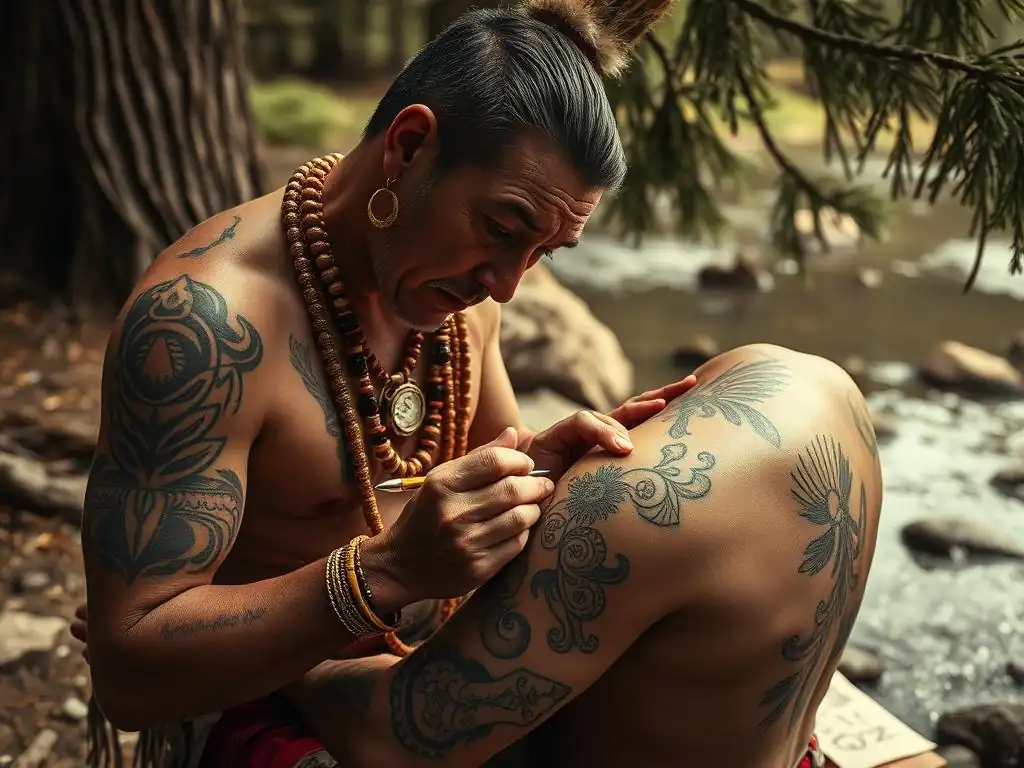
Indigenous tattoo artists play a vital role in revitalizing and celebrating the deep cultural significance of tattoo symbolism within their communities. These artists not only express their heritage through their work but also educate others about the rich histories and meanings behind the designs they create. As the demand for authentic indigenous tattoos grows, so does the visibility of talented Indigenous tattoo artists who are reclaiming their cultural narratives and inspiring a new generation.
Profiles of Notable Indigenous Tattoo Artists
Several Indigenous tattoo artists have gained recognition for their exceptional craftsmanship and dedication to cultural representation. Here are a few notable figures:
- Diana Huerta
- Background: Diana Huerta is a tattoo artist of Yaqui descent known for her intricate designs that often incorporate traditional symbols and storytelling elements.
- Signature Style: Her work blends contemporary tattooing techniques with traditional Indigenous motifs, creating pieces that are both visually stunning and deeply meaningful.
- Impact: Through her art, Huerta aims to educate her clients about the significance of the symbols she uses, fostering a greater appreciation for Indigenous cultures.
- Nick Zite
- Background: Nick Zite, of Lakota heritage, is celebrated for his striking use of color and bold lines, which reflect the vibrancy of his culture.
- Signature Style: His tattoos often feature animals and nature, symbolizing the deep connection between Indigenous peoples and the environment.
- Impact: Zite’s work has garnered attention for its authenticity, as he often collaborates with tribal elders to ensure the accuracy of the symbols he employs.
- Katrina D.
- Background: A member of the Ojibwe Nation, Katrina D. specializes in traditional hand-poked tattoos, a technique that has deep historical roots in Indigenous cultures.
- Signature Style: Her designs are characterized by their simplicity and elegance, often drawing from nature and Indigenous spirituality.
- Impact: By reviving traditional tattooing methods, Katrina D. serves as a bridge between past and present, encouraging younger generations to connect with their heritage.
These artists exemplify the dedication to preserving and innovating Indigenous tattoo symbolism, ensuring that these cultural narratives continue to thrive in modern contexts.
Platforms for Supporting Indigenous Tattoo Creators
Supporting Indigenous tattoo artists is crucial not only for their economic empowerment but also for the preservation of their cultural heritage. Several platforms and initiatives are dedicated to highlighting and promoting Indigenous tattoo creators:
- Indigenous Tattoo Networks
- Description: Online communities and networks specifically for Indigenous tattoo artists provide a space for collaboration, mentorship, and resource sharing. These platforms often host virtual events, workshops, and exhibitions to showcase artists' work.
- Examples: Initiatives like the Indigenous Tattoo Collective aim to connect artists and promote cultural education through tattooing.
- Social Media Platforms
- Description: Instagram, Facebook, and TikTok have become powerful tools for Indigenous tattoo artists to share their work and stories. These platforms enable artists to build a personal brand while engaging with a global audience.
- Impact: By sharing their artwork and cultural narratives, artists can reach potential clients who appreciate the significance of Indigenous tattoo symbolism.
- Crowdfunding and Patronage Sites
- Description: Websites like Patreon and GoFundMe allow Indigenous tattoo artists to receive financial support directly from their communities and patrons who value their work.
- Benefits: This financial backing helps artists sustain their practices, invest in their craft, and continue to educate others about their cultural heritage.
By utilizing these platforms, Indigenous tattoo artists not only gain visibility and support but also foster a deeper understanding of the cultural significance behind their art, ensuring that indigenous tattoo symbolism evolution remains vibrant and relevant in contemporary society.
Conclusion: Embracing the Evolution of Indigenous Tattoo Symbolism
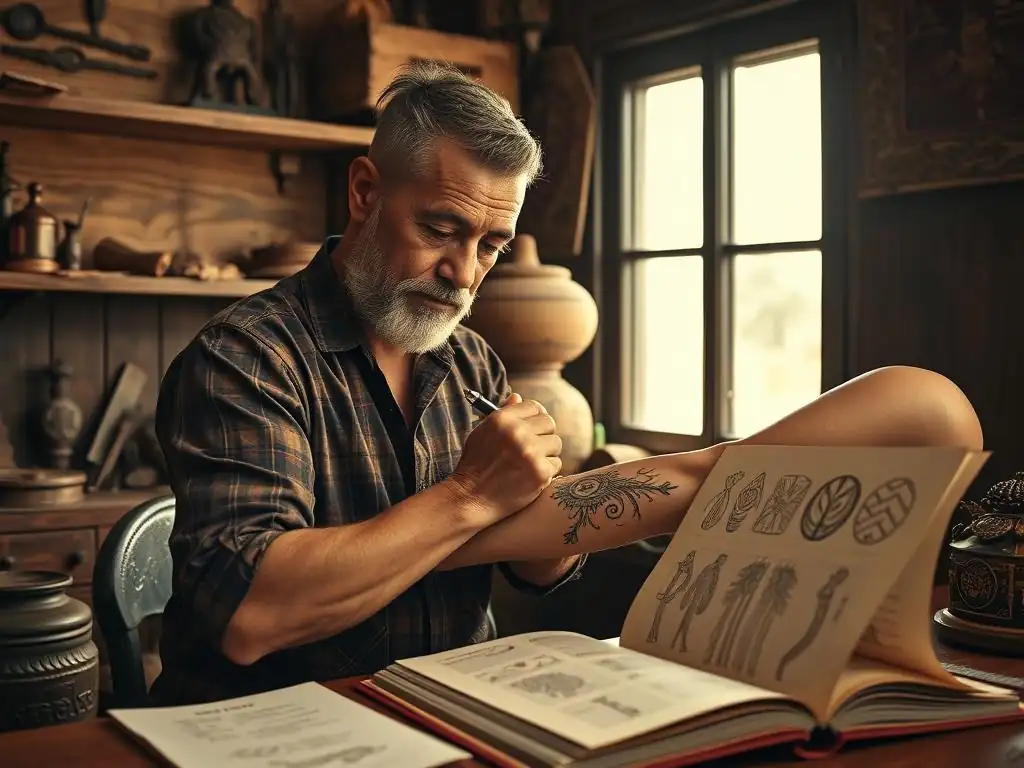
The evolution of indigenous tattoo symbolism is a testament to the resilience and adaptability of native cultures throughout history. As these societies faced external pressures from colonization and globalization, their tattoo practices transformed, blending traditional meanings with contemporary interpretations. This dynamic shift not only preserves the rich heritage of indigenous art forms but also recontextualizes them for modern audiences.
As we reflect on the journey of indigenous tattoo symbolism, it is crucial to recognize that these tattoos are not mere decorative elements; they carry profound meanings and stories that connect individuals to their ancestry, identity, and community. Embracing this evolution allows us to appreciate the complexities of cultural expressions and the significance behind each symbol etched into the skin.
The Future of Indigenous Tattoo Art and Its Cultural Significance
The future of indigenous tattoo art is poised for further innovation and recognition as artists and cultural custodians continue to reclaim and reinterpret traditional symbols. With the rise of awareness regarding cultural appropriation, there is a growing demand for authentic representations of indigenous cultures. As a result, many indigenous artists are stepping forward, sharing their stories and cultural knowledge through their art.
This burgeoning interest in indigenous tattoo symbolism can lead to a resurgence of traditional practices, as well as the development of new styles that respect and honor their origins. Collaborative efforts between indigenous artists and non-indigenous tattoo enthusiasts can foster a deeper understanding of the meanings behind these symbols, creating a space for education and dialogue.
Moreover, tattoo conventions and exhibitions focusing on indigenous art can provide platforms for showcasing the work of talented indigenous tattoo artists, allowing them to share their narratives and cultural significance with a broader audience. By engaging with these artists, enthusiasts can cultivate a more profound appreciation for the intricate relationship between tattoo art and indigenous identity.
Encouraging Respect and Understanding of Indigenous Traditions
As the popularity of indigenous tattoo symbolism grows, it becomes increasingly essential to encourage respect and understanding of these traditions. Individuals interested in indigenous tattoos should approach them with sensitivity and awareness of their cultural context. Here are some key considerations:
- Research and Education: Before getting an indigenous tattoo, take the time to learn about the specific cultural meanings and histories associated with the symbols you are interested in. Understanding the origins helps foster respect for the cultures from which these symbols derive.
- Support Indigenous Artists: Choose to work with indigenous tattoo artists who can provide authentic interpretations of the symbols. This not only ensures that the art is culturally accurate but also supports indigenous communities economically.
- Avoid Cultural Appropriation: Be mindful of the line between appreciation and appropriation. It's crucial to recognize that indigenous symbols are often deeply sacred and should not be used frivolously or without permission.
- Engagement and Dialogue: Participate in discussions about indigenous cultures and their art forms. Engaging with the community can lead to a more nuanced understanding and appreciation of the complexities involved in indigenous tattoo symbolism.
By fostering a respectful relationship with indigenous tattoo art, we can ensure that these beautiful expressions of identity and culture continue to thrive in a way that honors their origins and significance. As we navigate the evolving landscape of indigenous tattoo symbolism, let us do so with reverence and gratitude for the rich traditions that have shaped them.
Resources for Further Exploration
Recommended Books and Documentaries on Indigenous Tattoo Symbolism
The exploration of indigenous tattoo symbolism is enriched by various scholarly works and visual narratives that delve into the history, significance, and evolution of these practices. Below is a curated list of recommended books and documentaries that provide valuable insights into indigenous tattoo art:
-
Books:
-
"Tattooing in the Marquesas" by A. M. L. D. R. M. L.
This book provides an in-depth look at tattooing practices in the Marquesas Islands, exploring the cultural meanings behind specific designs and the historical context of tattooing in Polynesian societies.
-
"The Tattoo History Source Book" by Steve Gilbert
A comprehensive resource that covers the history of tattooing across various cultures, including indigenous practices. It offers photographs and stories that illuminate the significance of tattoos in different societies.
-
"Tattooing: A History" by L. A. K.
This book traces the history of tattooing from ancient times to modern interpretations, including indigenous symbolism and its transformations over the centuries.
-
-
Documentaries:
-
"Tatau: The Story of Samoan Tattooing"
This documentary explores the cultural importance of tattooing in Samoan society, emphasizing the rituals and symbolism that accompany the tattooing process.
-
"Tattoo: A Love Story"
A film that intertwines personal narratives with a broader look at the cultural significance of tattoos, including indigenous perspectives on body art as a form of identity and expression.
-
"The Secret World of Tattoos"
This documentary examines various tattoo traditions around the world, featuring segments on indigenous tattoo practices and their meanings within specific cultures.
-
Online Platforms for Learning More About Indigenous Tattoo Art
In addition to books and documentaries, there are several online platforms that provide extensive resources for those interested in indigenous tattoo art and its symbolism:
-
Cultural Heritage Websites
Many indigenous cultures have established online repositories or websites that share their traditions, including tattoo art. These platforms often feature articles, interviews, and galleries showcasing traditional designs and their meanings.
-
Social Media Groups and Pages
Platforms like Facebook and Instagram host numerous groups dedicated to indigenous tattoo art. These communities allow for sharing of artwork, stories, and discussions about symbolism and cultural significance.
-
YouTube Channels
There are several YouTube channels that focus on indigenous cultures and their practices. Channels often feature tattoo artists discussing their work, the meanings behind various symbols, and the importance of preserving indigenous tattoo traditions.
-
Online Courses and Workshops
Websites like Coursera and Skillshare may offer courses on indigenous art forms, including tattooing. These platforms can provide structured learning opportunities for those interested in understanding the intricacies of indigenous tattoo symbolism.
By exploring these resources, individuals can gain a deeper appreciation for the rich traditions and contemporary evolutions of indigenous tattoo symbolism, enhancing their understanding of its cultural significance.
Frequently Asked Questions
What is the main focus of the article "From Tradition to Trend: The Evolution of Indigenous Symbolism in Tattoos"?
The article explores the historical significance of indigenous tattoo symbolism and how it has evolved over time, highlighting its cultural importance before and after European colonization.
How did indigenous tattoo symbolism originate?
Indigenous tattoo symbolism originated as a form of cultural expression and identity, serving purposes such as spiritual protection, status indication, and tribal affiliation among various indigenous groups.
What are some common symbols found in indigenous tattoos?
Common symbols in indigenous tattoos often include nature elements, animal motifs, and geometric patterns, each carrying specific meanings related to heritage, belief systems, or life experiences.
How has the perception of indigenous tattoos changed in modern society?
In modern society, indigenous tattoos have transitioned from traditional art forms to trendy fashion statements, often losing their cultural significance and authenticity in the process.
What impact does the commercialization of indigenous tattoo symbolism have?
The commercialization can lead to cultural appropriation, where the true meaning and significance of indigenous tattoos are overlooked, potentially disrespecting the traditions and beliefs of the indigenous communities.
Final Reflection: Embracing the Evolution of Indigenous Tattoo Symbolism
The journey of indigenous tattoo symbolism evolution is not merely a historical account; it is a vibrant narrative that resonates deeply with contemporary society. Today, as we witness a resurgence of interest in cultural heritage and identity, the significance of these tattoos transcends mere aesthetics. They serve as powerful reminders of resilience, connection, and the ongoing dialogue between tradition and modernity. The evolution of indigenous tattoo symbolism is a testament to the enduring spirit of cultures that continue to thrive and adapt in an ever-changing world.
This topic has profoundly influenced our cultural landscape, sparking conversations about identity, appropriation, and respect for indigenous practices. As we navigate this complex terrain, it is crucial to honor the roots of these symbols while recognizing their modern interpretations. The words of artist and activist, J. M. L. K. resonate here: To wear a tattoo is to carry a story; to wear an indigenous tattoo is to carry a legacy.
This highlights the importance of understanding the stories behind the symbols, fostering a deeper appreciation for the cultures they represent.
As we reflect on the evolution of indigenous tattoo symbolism, I invite you to consider your own relationship with cultural expressions. How can you engage with these symbols in a way that honors their origins? Let this be a call to action: explore, learn, and celebrate the rich tapestry of indigenous cultures, ensuring that their stories are told with respect and authenticity. By doing so, we not only enrich our own lives but also contribute to a more inclusive and understanding world.
Celebrate and Embrace Indigenous Tattoo Art!
Thank you for taking the time to explore the fascinating journey of Indigenous symbolism in tattoos. By reading this article, you've uncovered the rich history and modern relevance of these beautiful designs. Now, let's harness that inspiration and dive deeper into your own exploration of Indigenous tattoo art!
Here are some actionable steps you can take right now:
- Research and Learn: Delve deeper into the stories behind specific Indigenous symbols. Choose a design that resonates with you and uncover its meaning and historical significance.
- Connect with Artists: Engage with local Indigenous tattoo artists who honor traditional techniques and narratives. Support their work and gain insight into the cultural importance of their craft.
- Share Your Journey: Document your explorations on social media to raise awareness about Indigenous tattoo art. Inspire others to appreciate and respect these traditions.
What Indigenous symbol resonates with you, and how might you integrate its meaning into your life or artistic journey?