
Nutritional Wisdom: Indigenous Understanding of Food as Medicine

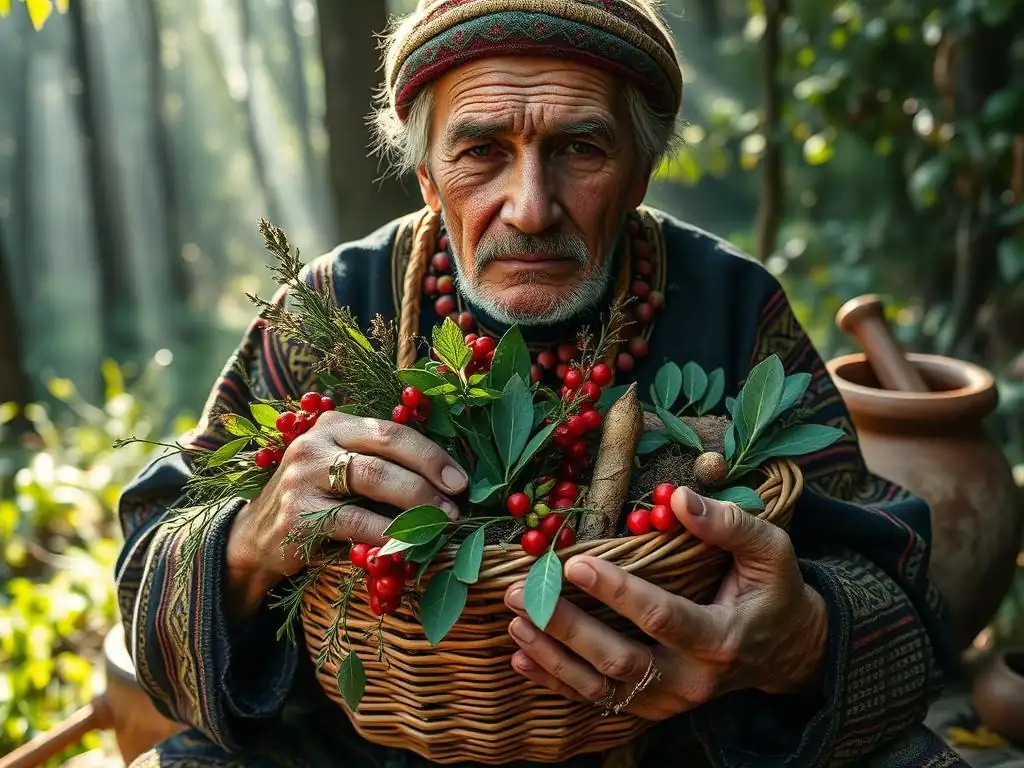
Welcome to Indigenous Civilizations of the Americas, where we embark on a captivating journey through the rich tapestry of indigenous cultures that flourished long before European colonization. Here, you will uncover the profound wisdom embedded in their daily lives, particularly through the lens of Indigenous food as medicine.
In our featured article, "Nutritional Wisdom: Indigenous Understanding of Food as Medicine," we invite you to explore how these ancient societies harmonized their diets with their health, revealing a treasure trove of knowledge that continues to resonate today. Prepare to be inspired as you delve deeper into the remarkable achievements and enduring legacies of these vibrant cultures!
Introduction to Indigenous Food as Medicine
The concept of Indigenous food as medicine is a profound aspect of the cultural heritage of various Indigenous societies in the Americas. These communities have long recognized the intrinsic connection between food, health, and the natural world.
Unlike the modern dichotomy of medicine and nutrition, Indigenous philosophies integrate these elements into a holistic understanding of well-being, where every food source holds significance not only for sustenance but also for healing and spiritual nourishment. This article explores the extensive knowledge these cultures possess about the healing properties of their traditional foods, shedding light on how their practices have shaped dietary habits and health outcomes.
The Concept of Food as Medicine in Indigenous Cultures
In Indigenous cultures, food is viewed not merely as a source of energy but as a vital component of health and spirituality. The principle that certain foods can heal ailments is deeply embedded in their traditions. For instance:
- Herbal Remedies: Many Indigenous groups utilize specific plants and herbs for medicinal purposes, often passed down through generations.
- Rituals and Ceremonies: Food consumption is often intertwined with spiritual practices, where particular meals are prepared and consumed during healing rituals.
- Community Knowledge: Elders play a crucial role in transmitting knowledge about which foods are beneficial for various health conditions, emphasizing collective wisdom.
This holistic view promotes an understanding of the body as part of the ecosystem, where balance and harmony are essential for health.
Importance of Nutritional Wisdom in Indigenous Societies
Nutritional wisdom in Indigenous societies extends beyond physical health; it embodies cultural identity and resilience. The knowledge surrounding food practices contributes to community cohesion and intergenerational learning. Key points include:
- Cultural Preservation: Traditional dietary practices help maintain cultural identities, linking contemporary Indigenous peoples to their ancestors.
- Sustainability: Indigenous methods of food gathering and preparation promote sustainable practices that respect the earth and its resources.
- Health Disparities: Understanding and implementing traditional food knowledge can address health disparities that Indigenous communities face today, particularly concerning nutrition-related diseases.
This wisdom is not only essential for survival but also for the promotion of overall well-being and cultural continuity.
Historical Context of Indigenous Nutrition
To appreciate the depth of Indigenous food as medicine, it is vital to understand the historical context surrounding their dietary practices. Before European colonization, Indigenous peoples had developed sophisticated systems of agriculture, hunting, and gathering that sustained their communities for centuries.
Pre-Colonial Dietary Practices and Food Sources
Prior to colonization, Indigenous diets varied significantly across regions, influenced by local ecosystems. Some notable practices included:
- Diverse Crops: From maize and beans in the Americas to wild rice in the northern regions, Indigenous agriculture focused on a variety of crops that were nutrient-rich.
- Foraging and Fishing: Many communities relied on foraging for wild plants, nuts, and berries, alongside fishing and hunting, contributing to a balanced diet.
- Fermentation and Preservation: Techniques such as fermentation and drying were used to preserve foods, ensuring year-round availability of essential nutrients.
These practices not only provided sustenance but also fortified communities against seasonal fluctuations in food supply.
Connection Between Culture and Nutrition in Indigenous Communities
The relationship between culture and nutrition in Indigenous communities is deeply intertwined. Food practices often reflect:
- Spiritual Beliefs: The foods consumed are often linked to creation stories and spiritual beliefs, reinforcing the importance of food in cultural identity.
- Social Structure: Meals serve as communal events, fostering relationships and reinforcing social bonds.
- Environmental Stewardship: Indigenous diets are closely linked to their stewardship of the land, emphasizing the importance of respecting and maintaining ecosystems.
Understanding this connection sheds light on why the knowledge of food as medicine is not just a dietary practice but a vital part of Indigenous identity and heritage.
Key Principles of Indigenous Food as Medicine
Indigenous cultures across the Americas have long understood food as a vital component of health and wellness. The principles of indigenous food as medicine are rooted in a holistic approach that encompasses physical, spiritual, and environmental dimensions. These principles emphasize balance, sustainability, and respect for nature, reflecting the interconnectedness of all living things.
Indigenous peoples believe that food is not merely a source of sustenance but a means of nurturing the body, mind, and spirit. This understanding has led to the preservation of traditional knowledge regarding the medicinal properties of various foods, with practices that have been passed down through generations. By prioritizing local and seasonal ingredients, indigenous diets promote not only individual health but also the health of the community and the ecosystem.
Holistic Approach to Health and Nutrition
The holistic approach to health and nutrition in indigenous cultures considers the individual as a part of a larger community and ecosystem. This perspective recognizes that physical health is intertwined with emotional, spiritual, and environmental well-being. Food is viewed as a source of nourishment that can heal and empower, with each meal being an opportunity to connect with ancestral traditions and the land.
This comprehensive view often includes rituals and practices surrounding food preparation and consumption. For example, many indigenous cultures engage in ceremonies that honor the plants and animals that provide sustenance, reinforcing the idea that food is sacred. Such practices not only enhance the nutritional value of the food but also foster a deep connection between the people, their heritage, and the natural world.
Role of Seasonal and Local Foods in Indigenous Diets
Seasonal and local foods play a crucial role in indigenous diets, which are designed to align with the natural cycles of the environment. By consuming foods that are in season, indigenous peoples ensure that their diets are not only nutritious but also sustainable. This practice reduces the ecological footprint and fosters a sense of stewardship toward the land.
Local foods are often rich in essential nutrients and are well-adapted to the regional climate, making them particularly beneficial for the health of the community. Indigenous communities have developed extensive knowledge about the seasonal availability of various plants and animals, allowing them to create diets that are diverse and balanced. This reliance on local ingredients also contributes to food sovereignty, ensuring that communities maintain control over their food sources and dietary practices.
Spiritual Significance of Food in Indigenous Cultures
In many indigenous cultures, food holds profound spiritual significance. It is often seen as a gift from the Earth, imbued with life force and energy. The act of preparing and sharing food is accompanied by rituals and prayers that express gratitude and reverence for the natural world. This spiritual connection enhances the healing properties of food, as it is believed that positive intentions and energy can be transferred to those who consume it.
Many indigenous peoples also practice reciprocal relationships with the land, which includes honoring the spirits of the plants and animals that provide sustenance. This spiritual aspect of food encourages mindfulness and respect, promoting not only physical health but also mental and emotional well-being. The combination of spirituality and nutrition creates a unique framework for understanding food as a powerful medicine within indigenous cultures.
Common Indigenous Foods and Their Medicinal Properties
Indigenous diets are rich in a variety of foods that possess significant medicinal properties. These foods are not only staples in their daily meals but also serve as powerful tools for healing. Understanding the common indigenous foods and their health benefits provides insight into the wisdom embedded in these traditional diets.
Healing Herbs and Plants Used in Traditional Medicine
Healing herbs and plants are central to indigenous medicinal practices. Various cultures utilize a wide range of botanical ingredients for their therapeutic properties. For example:
- Echinacea: Widely recognized for its immune-boosting properties, echinacea is often used to prevent and treat colds and infections.
- Sage: Known for its antimicrobial and anti-inflammatory properties, sage is commonly used in traditional rituals and as a remedy for respiratory issues.
- Cedar: Often utilized in steam baths and smudging ceremonies, cedar is believed to purify the body and spirit, while also providing respiratory relief.
These herbs are typically gathered from local environments, ensuring that they are fresh and potent, and are often prepared in teas, tinctures, or poultices to enhance their healing effects.
Nutrient-Dense Staples: Grains, Seeds, and Nuts
Indigenous diets include a variety of nutrient-dense staples that provide essential vitamins, minerals, and healthy fats. Some notable examples include:
- Quinoa: A highly nutritious grain known for its complete protein profile, quinoa is a staple in many Andean cultures and is celebrated for its health benefits.
- Amaranth: Rich in protein, fiber, and essential amino acids, amaranth has been cultivated for thousands of years and is valued for its nutritional properties.
- Pumpkin seeds (Pepitas): Packed with magnesium, zinc, and healthy fats, pumpkin seeds are often consumed as snacks or used in traditional dishes.
These staples form the foundation of many indigenous diets, promoting overall health and well-being while connecting individuals to their cultural heritage.
Fruits and Vegetables with Healing Properties
Fruits and vegetables have long been recognized for their healing properties in indigenous cultures. Many are consumed for their nutritional benefits as well as their medicinal uses. Examples include:
- Elderberry: Known for its antiviral properties, elderberries are often used to boost immunity and treat colds and flu.
- Wild berries (e.g., blueberries, raspberries): These nutrient-dense fruits are rich in antioxidants and are believed to support heart health and reduce inflammation.
- Chili peppers: Frequently used in traditional dishes, chili peppers contain capsaicin, which has anti-inflammatory effects and is known to relieve pain.
By incorporating these fruits and vegetables into their diets, indigenous peoples not only enhance their health but also honor their connection to the land and its offerings.
Indigenous Practices of Food Preparation and Preservation
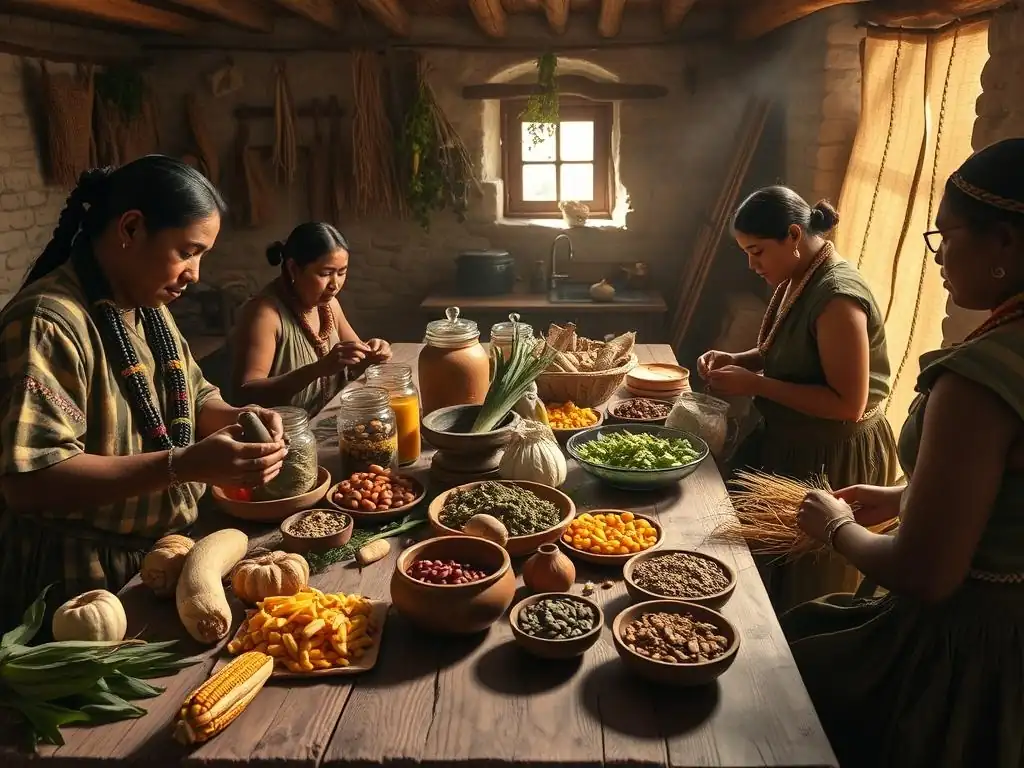
Indigenous cultures across the Americas have long understood that food is not merely sustenance but a vital component of health and medicine. Their practices of food preparation and preservation are deeply rooted in centuries of knowledge passed down through generations. These methods are often intertwined with spiritual beliefs, seasonal cycles, and community rituals, reflecting a holistic approach to nutrition.
Indigenous peoples utilized a variety of techniques to maximize the nutritional value of their food. By understanding the properties of local plants and animals, they developed practices that not only preserved food but also enhanced its medicinal qualities. For example, they would often select the best parts of plants and animals, utilizing them in ways that made them more digestible and nutrient-rich. Additionally, many communities engaged in communal food preparation and preservation, strengthening social bonds and cultural identity while ensuring that knowledge was shared and retained.
Traditional Cooking Techniques and Their Nutritional Benefits
Traditional cooking techniques among indigenous communities vary widely but often include methods such as steaming, roasting, and baking in underground ovens. These techniques are not only environmentally sustainable but also help retain the nutritional integrity of the food.
- Steaming: Commonly used in various cultures, steaming helps maintain water-soluble vitamins that can be lost through boiling. For instance, the use of basket steaming among the Indigenous peoples of the Pacific Northwest allows nutrients to be preserved while imparting flavor.
- Roasting: This technique, particularly prevalent among the Plains tribes, often involves cooking meats over open fires or hot stones, which enhances flavors and reduces the need for additional fats. Roasting also creates a Maillard reaction, which can improve the bioavailability of certain nutrients.
- Baking in Underground Ovens: Many Indigenous cultures, such as the Native Hawaiians, utilize underground ovens (imu) to cook large quantities of food, which allows for slow cooking and flavor infusion while preserving nutrients. This method is particularly effective for root vegetables and meats, creating a rich, flavorful dish that is both nutritious and culturally significant.
These traditional cooking methods serve not only to prepare food but also to create a shared experience that reinforces community ties and cultural practices.
Fermentation and Its Role in Enhancing Food as Medicine
Fermentation is a time-honored technique used by many Indigenous cultures to enhance food's nutritional and medicinal properties. This process transforms food through the action of beneficial microorganisms, resulting in enhanced digestibility, improved flavor, and increased shelf life.
For example, the Indigenous peoples of the Americas have historically fermented foods like maize and squash, creating dishes such as sourdough bread and fermented beverages. These fermented products are rich in probiotics, which support gut health and overall immunity. The fermentation process also increases the bioavailability of vitamins and minerals, making nutrients more accessible to the body.
Moreover, fermentation can reduce anti-nutritional factors found in some plants, such as phytic acid in grains, which can inhibit the absorption of essential minerals. By incorporating fermented foods into their diets, Indigenous peoples harness the power of microorganisms, transforming simple ingredients into potent nutritional allies.
Preservation Methods: Drying, Smoking, and Curing
Preservation methods such as drying, smoking, and curing are critical in Indigenous food practices, allowing communities to store food for long periods while maintaining its nutritional value.
- Drying: This method removes moisture from food, inhibiting the growth of spoilage microorganisms. Indigenous peoples would dry fruits, vegetables, and meats, creating nutrient-dense snacks that could be consumed throughout the year. For instance, the dried fish and jerky produced by various tribes are rich in protein and essential fatty acids.
- Smoking: Smoking not only adds flavor but also acts as a preservative. The smoke contains compounds that can inhibit the growth of bacteria and fungi, allowing foods like salmon and game meats to be stored safely for extended periods. This technique has been integral to the diets of many Indigenous communities, particularly along the coasts.
- Curing: Curing often involves the application of salt or sugar to preserve food. This technique has been used by Indigenous peoples to prepare foods such as cured meats and fish, which can be stored for long durations. The curing process enhances flavors while also providing essential nutrients.
These preservation methods reflect a deep understanding of food science and contribute to the resilience of Indigenous diets, allowing them to thrive despite seasonal variations and environmental changes.
Case Studies of Indigenous Food as Medicine
The Navajo Nation: Practices and Outcomes
The Navajo Nation utilizes traditional foods and medicinal plants as central components of their health practices. Foods such as corn, beans, and squash—known as the "Three Sisters"—are staples in their diet, providing essential nutrients and fostering community agriculture.
The Navajo also emphasize the use of medicinal herbs like juniper and sage, which have been employed for their antiseptic and anti-inflammatory properties. Integrative practices, such as the use of sweat lodges and ceremonial meals, emphasize the connection between food, health, and spirituality. As a result, these practices contribute to overall well-being, promote cultural identity, and help combat modern health issues such as diabetes and heart disease.
The Maori of New Zealand: The Role of Traditional Knowledge
The Maori of New Zealand have a rich tradition of using food as medicine, guided by their deep connection to the land and sea. Traditional knowledge surrounding food preparation and consumption is integral to their health practices. For example, kumara (sweet potato) is not only a dietary staple but also recognized for its healing properties.
Maori practices include the use of kai (food) in medicinal contexts, where specific foods are prescribed for their health benefits. The emphasis on seasonal eating and the sustainability of natural resources also reflects a holistic approach to health, enhancing both physical and spiritual well-being. This knowledge continues to be passed down, contributing to the resilience of Maori health practices today.
Lessons Learned from Indigenous Approaches to Nutrition
Indigenous approaches to nutrition offer valuable lessons that can be applied in contemporary contexts. The understanding of food as medicine promotes a holistic view of health, emphasizing the interconnectedness of diet, environment, and culture.
Key takeaways include:
- Diversity of Diet: Indigenous diets often consist of a wide variety of foods, which not only enhances nutrition but also supports biodiversity and sustainability.
- Seasonal and Local Eating: Eating in harmony with seasonal cycles fosters a connection to the land and optimizes nutritional intake, as foods are consumed at their peak ripeness.
- Cultural Significance: Food practices are deeply tied to cultural identity and community, promoting social cohesion and shared knowledge.
- Holistic Health Practices: The integration of food with spiritual and physical health practices underscores the importance of a comprehensive approach to well-being.
By learning from these Indigenous practices, modern societies can re-evaluate their understanding of food, health, and community, fostering a more sustainable and nourishing future.
Modern Relevance of Indigenous Food as Medicine
The concept of Indigenous food as medicine is not just a relic of the past; it is increasingly relevant in today's society as people seek holistic approaches to health and wellness. Indigenous cultures have long understood the intricate relationship between food, health, and the environment. This wisdom, rooted in centuries of observation and practice, offers valuable insights into nutrition and well-being that modern diets often overlook.
In recent years, there has been a resurgence in interest toward traditional food systems, as individuals and communities recognize the benefits of consuming local, seasonal, and culturally significant foods. Research has shown that many Indigenous foods are rich in nutrients, antioxidants, and bioactive compounds that promote health and prevent disease. As a result, integrating these traditional foods into contemporary diets can enhance not only individual health but also community resilience.
Reviving Traditional Practices in Contemporary Diets
Reviving traditional practices involves more than just incorporating Indigenous foods into diets; it requires a deeper understanding of the cultural significance and preparation methods associated with these foods. Many Indigenous communities are working towards re-establishing their food sovereignty by reclaiming traditional agricultural practices, such as permaculture, companion planting, and seasonal harvesting.
For example, the use of traditional crops like quinoa, amaranth, and various native beans is being promoted not only for their nutritional value but also for their roles in maintaining biodiversity and cultural heritage. Culinary workshops, community gardens, and educational programs are some of the ways communities are fostering a renewed appreciation for Indigenous food systems. This revival not only benefits health but also strengthens cultural identities and community bonds.
Integrating Indigenous Nutritional Wisdom into Modern Health Practices
Integrating Indigenous nutritional wisdom into modern health practices presents an opportunity to create a more inclusive and effective approach to health care. By acknowledging the knowledge that Indigenous peoples possess about food and medicine, health practitioners can develop more culturally competent dietary guidelines and interventions.
Healthcare professionals can benefit from collaborating with Indigenous knowledge keepers and nutritionists to promote plant-based medicines, herbal remedies, and the importance of holistic health. Additionally, incorporating Indigenous food practices into public health campaigns can help address contemporary issues such as obesity, diabetes, and mental health challenges, especially within Indigenous populations. The emphasis on preventative care through diet can lead to improved health outcomes and a reduction in healthcare costs.
The Impact of Indigenous Food Systems on Community Health
The impact of Indigenous food systems on community health is profound. Traditional diets that include a variety of local plants and animals contribute to better overall health and well-being. Studies have shown that communities that engage in traditional food practices experience lower rates of chronic diseases.
Furthermore, these food systems promote not only physical health but also mental and emotional wellness. The act of gathering, preparing, and sharing food fosters social connections and cultural continuity. Programs that encourage community involvement in food production and preparation can enhance food security and empower individuals to take control of their health. Moreover, supporting local Indigenous economies through food systems contributes to sustainable development and resilience against economic challenges.
Conclusion
Summary of Indigenous Understanding of Food as Medicine
Indigenous understanding of food as medicine emphasizes the interconnectedness of diet, health, and the environment. It champions the idea that food should not only nourish the body but also serve as a preventive measure against ailments. The knowledge of traditional food practices, the significance of seasonal eating, and the use of local medicinal plants are vital components of this wisdom.
As contemporary society grapples with health crises linked to modern diets, revisiting Indigenous food systems provides a pathway towards improved nutrition and well-being.
The Importance of Preserving Indigenous Nutritional Wisdom for Future Generations
Preserving Indigenous nutritional wisdom is crucial for future generations, as it embodies a wealth of knowledge that is essential for sustainable living and health. This preservation can take various forms, including the documentation of traditional practices, intergenerational knowledge transfer, and advocacy for Indigenous rights to land and resources.
By ensuring that these practices are passed down and respected, future generations can benefit from the holistic understanding of food as medicine. This preservation not only honors the legacies of Indigenous peoples but also enriches the broader narrative of humanity's relationship with food. As we move forward, embracing and integrating Indigenous food wisdom can lead to healthier communities and a more sustainable future for all.
- Introduction to Indigenous Food as Medicine
- Historical Context of Indigenous Nutrition
- Key Principles of Indigenous Food as Medicine
- Common Indigenous Foods and Their Medicinal Properties
- Indigenous Practices of Food Preparation and Preservation
- Case Studies of Indigenous Food as Medicine
- Modern Relevance of Indigenous Food as Medicine
- Conclusion
- What is the primary focus of the article "Nutritional Wisdom: Indigenous Understanding of Food as Medicine"?
- How did indigenous peoples view the relationship between food and health?
- What are some examples of indigenous foods considered medicinal?
- How does the article connect indigenous food practices to modern health?
- Why is it important to recognize indigenous food systems in today's context?
Frequently Asked Questions
What is the primary focus of the article "Nutritional Wisdom: Indigenous Understanding of Food as Medicine"?
The article emphasizes how indigenous cultures viewed food not just as sustenance, but as a form of medicine, showcasing their traditional practices and the nutritional values of their foods.
How did indigenous peoples view the relationship between food and health?
Indigenous peoples believed in a holistic approach to health, where food was intertwined with medicine. They maintained that certain foods could promote healing and overall well-being.
What are some examples of indigenous foods considered medicinal?
Examples include herbs, roots, and fruits that were used for their healing properties. Foods like blue corn and sage were often utilized for their nutritional benefits and spiritual significance.
How does the article connect indigenous food practices to modern health?
The article highlights the relevance of traditional diets today, suggesting that indigenous knowledge can inform contemporary health practices, particularly in the realm of nutrition and wellness.
Why is it important to recognize indigenous food systems in today's context?
Recognizing indigenous food systems is crucial for understanding their cultural heritage and for promoting biodiversity, sustainability, and healthier eating practices that align with traditional wisdom.
Final Reflection: Embracing Indigenous Food as Medicine for a Healthier Future
In today's world, where modern diets often overlook the profound connection between food and health, the wisdom of Indigenous cultures shines brightly. The understanding that food can serve as medicine is not just a relic of the past; it is a vital perspective that can guide us toward healthier lifestyles and sustainable practices. As we face increasing health challenges and environmental crises, the teachings of Indigenous peoples remind us of the importance of nurturing our bodies and the land through mindful eating and respect for nature.
The influence of Indigenous food as medicine extends far beyond individual health; it shapes our cultural and social landscapes, encouraging a return to holistic practices that honor the earth. By recognizing the value of traditional knowledge, we can cultivate a deeper appreciation for the foods we consume and their impact on our well-being. As the renowned Indigenous activist Winona LaDuke once said, Food is the foundation of our culture, and we must protect it.
This sentiment underscores the importance of preserving Indigenous wisdom and integrating it into our modern lives, fostering a sense of community and connection to our roots.
As we reflect on the lessons of Indigenous food as medicine, I invite you to explore your own relationship with food and consider how you can incorporate these teachings into your daily life. What changes can you make to honor the wisdom of Indigenous cultures and prioritize your health and the health of the planet?
By embracing this knowledge, we can not only enhance our well-being but also contribute to the preservation of a rich cultural heritage that holds the key to a sustainable future. Let us take these lessons to heart and embark on a journey toward a more mindful and nourishing way of living.
Embrace the Healing Power of Food Today!
Thank you for exploring the world of nutritional wisdom and the profound understanding of food as medicine within Indigenous cultures. Your curiosity opens the door to a lifestyle rich in tradition, healing, and community.
Now, it’s time to take what you've learned and transform it into action. Here are a few ways to embrace this vital knowledge:
- Start a “food as medicine” journal: Document the healing properties of the foods you consume and observe how they impact your well-being.
- Cook a traditional dish: Explore recipes that have been cherished through generations and share the cooking experience with family or friends.
- Join a local community gathering: Participate in groups that focus on Indigenous cooking or herbal medicine to learn more about these practices firsthand.
What new insights can you apply to your dietary choices that honor these traditions? Let’s discuss!