
The Legacy of Indigenous Diets: Lessons for Modern Nutrition

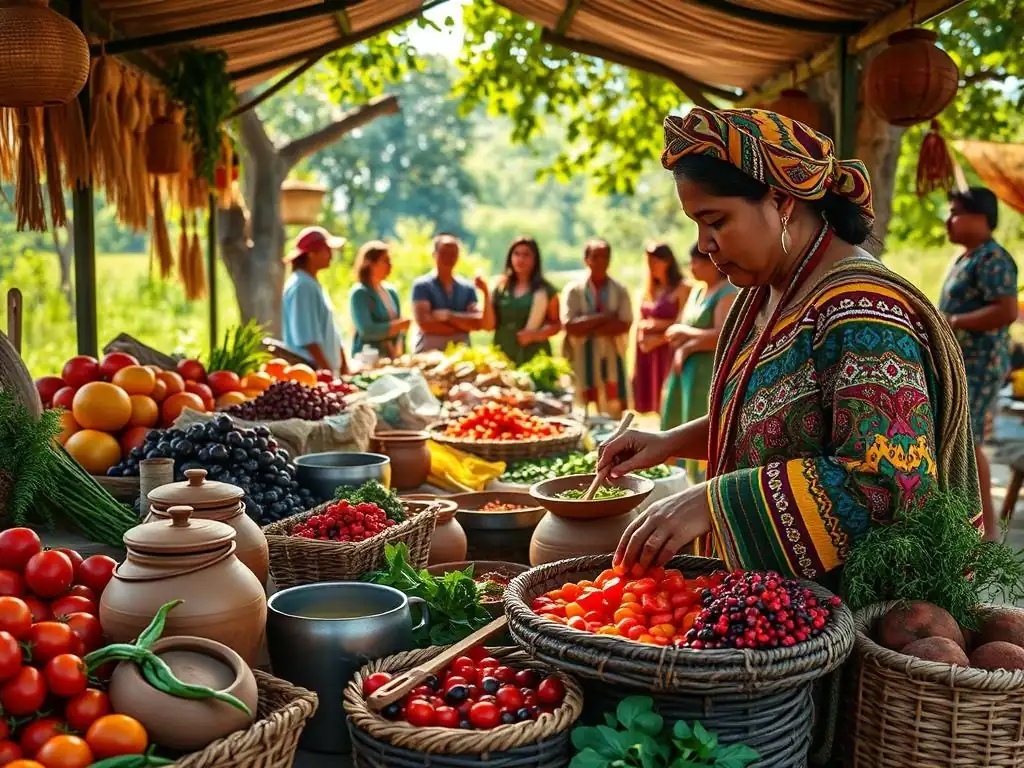
Welcome to Indigenous Civilizations of the Americas, where we embark on a captivating journey through the rich tapestry of pre-colonial cultures that flourished across the continent. In our featured article, "The Legacy of Indigenous Diets: Lessons for Modern Nutrition," we delve into the intricate wisdom of indigenous diets and nutrition, uncovering how these time-honored practices not only nourished communities but also shaped sustainable living.
Prepare to be intrigued as we explore the profound connections between traditional food systems and contemporary health, inviting you to rethink what nourishment truly means. Join us in uncovering the legacies that continue to impact our lives today—your exploration begins here!
Introduction to Indigenous Diets and Nutrition
Indigenous diets and nutrition encompass the rich tapestry of food systems developed by the myriad cultures that thrived across the Americas long before European colonization. These diets were not merely a means of sustenance; they were deeply intertwined with the social, spiritual, and environmental fabric of indigenous communities. Understanding the principles of indigenous diets can provide valuable insights into sustainable living and nutrition today. By exploring the diverse food practices of these civilizations, we can uncover lessons that inform modern dietary choices and promote health and wellness in contemporary society.
Understanding Indigenous Diets
Indigenous diets were characterized by a profound connection to the land, emphasizing local and seasonal foods. Many indigenous peoples cultivated crops such as maize, beans, and squash—often referred to as the "Three Sisters"—which complemented each other nutritionally and ecologically. Furthermore, the use of wild foraging, fishing, and hunting practices contributed to a diverse and nutrient-rich diet.
- Key components of indigenous diets:
- Whole grains: Such as quinoa and amaranth.
- Legumes: Beans and lentils provided essential proteins.
- Fruits and vegetables: A variety of seasonal produce enhanced nutrient intake.
- Animal proteins: Fish, game, and poultry were integral to many diets.
This holistic approach not only supported physical health but also fostered a deep respect for nature and biodiversity.
Importance of Nutrition in Indigenous Cultures
Nutrition played a vital role in the cultural identity and health of indigenous peoples. Food was often central to ceremonies and social gatherings, reinforcing community bonds and cultural traditions. Additionally, indigenous knowledge systems emphasized the importance of balance and harmony, which extended to dietary practices.
- Cultural significance of food:
- Ceremonial uses: Certain foods held spiritual meanings and were used in rituals.
- Social structures: Sharing food strengthened community ties and fostered cooperation.
- Traditional knowledge: Passed down through generations, this knowledge included information on sustainable practices and seasonal harvesting.
This emphasis on nutrition and its cultural relevance underscores the integrated nature of food and identity in indigenous societies.
Historical Context of Indigenous Diets
Pre-Colonization Nutritional Practices
Before European contact, indigenous populations had developed sophisticated agricultural systems, including advanced techniques for crop rotation, irrigation, and pest management. These practices ensured food security and allowed for population growth. The diets of these communities were diverse and varied significantly based on regional resources and climate conditions.
- Examples of pre-colonization practices:
- Maize cultivation: Central to Mesoamerican diets, providing essential calories.
- Wild rice harvesting: Critical for many tribes in the Great Lakes region.
- Hunting and fishing: Sustainable practices that honored animal populations.
These traditional practices not only sustained communities but also laid the foundation for future agricultural developments.
Regional Variations in Indigenous Nutrition
The Americas are home to a vast array of indigenous cultures, each with unique dietary practices shaped by their environments. From the Arctic tundra to the lush rainforests, the diversity of ecosystems influenced the foods available and the nutritional strategies employed.
- Regional highlights:
- Northwest Coast: Rich in seafood, such as salmon and shellfish, complemented by berries and roots.
- Plains: Focused on bison hunting, alongside the gathering of wild plants and grains.
- Amazon Basin: Utilized a vast array of fruits, nuts, and fish, with agriculture centered around cassava and tropical crops.
These regional variations reflect the adaptability and ingenuity of indigenous peoples in utilizing their environments to create robust and nutritious diets.
By examining the legacy of indigenous diets, we can gain critical insights into nutrition that resonate with contemporary health challenges, emphasizing the importance of diversity, sustainability, and cultural significance in our food choices.
Key Components of Indigenous Diets
Indigenous diets across the Americas were remarkably diverse, shaped by the unique environments, climates, and cultures of each region. These diets were not only a means of sustenance but also a rich tapestry of traditions, practices, and knowledge passed down through generations. Understanding the key components of indigenous diets can offer valuable insights into nutrition and sustainable eating practices today.
Staples of Indigenous Nutrition
At the core of many indigenous diets were staple foods that varied by region but commonly included:
- Maize (Corn): Central to many Native American tribes, maize was consumed in various forms, such as tortillas, tamales, and polenta. Its cultivation also fostered agricultural innovations.
- Beans: Often grown alongside maize in a practice known as companion planting, beans provided essential proteins, fiber, and various nutrients.
- Squash: This versatile vegetable complemented the nutritional profile of maize and beans, forming the famous “Three Sisters” trio, which symbolized harmony and interdependence in indigenous agriculture.
- Cassava (Manioc): In regions such as the Amazon and the Caribbean, cassava served as a primary carbohydrate source, rich in starch and vitamin C.
These staples were foundational, not just for their caloric content but also for their role in fostering community, trade, and cultural identity.
Foraged Foods and Wild Game
In addition to cultivated staples, indigenous diets heavily relied on foraged foods and wild game. The practice of foraging involved gathering wild plants, nuts, seeds, fruits, and mushrooms, which added variety and essential nutrients to their diets. Commonly foraged foods included:
- Berries: Such as blueberries, cranberries, and strawberries, which were rich in antioxidants and vitamins.
- Nuts: Including acorns, walnuts, and pecans, providing healthy fats and proteins.
- Wild Greens: Such as dandelion and purslane, which were high in vitamins and minerals.
Hunting also played a crucial role in these diets, with indigenous peoples utilizing sustainable practices to capture a variety of game, including deer, bison, and fish. This access to diverse protein sources contributed to a balanced diet rich in essential amino acids.
Nutritional Benefits of Indigenous Diets
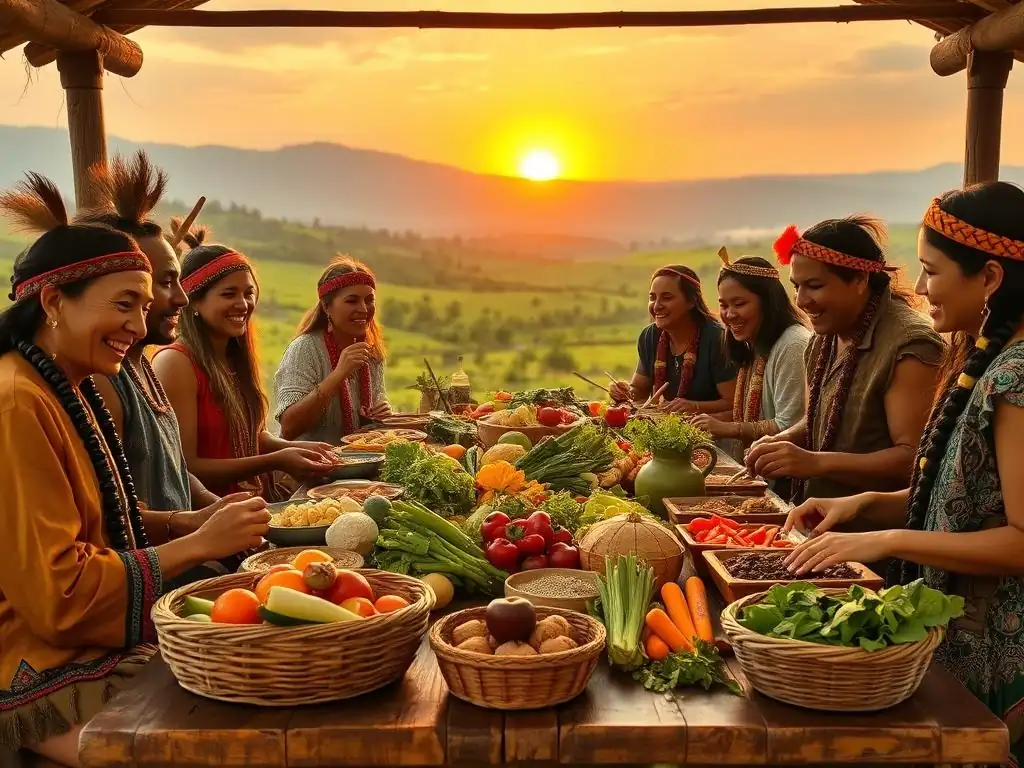
The nutritional philosophies behind indigenous diets emphasize whole foods, sustainability, and biodiversity, offering lessons for modern nutrition.
Whole Foods and Nutrient Density
Indigenous diets were primarily composed of whole, unprocessed foods, which are naturally nutrient-dense. This focus on whole foods means that indigenous peoples consumed:
- Minimal Refined Sugars and Fats: Traditional diets avoided processed ingredients, reducing the intake of unhealthy fats and sugars.
- High Fiber: The consumption of whole grains, legumes, and foraged plants provided significant dietary fiber, promoting digestive health and reducing chronic disease risks.
- Rich Micronutrients: Many indigenous foods are packed with vitamins and minerals, contributing to overall health and well-being.
The emphasis on whole foods has implications for contemporary dietary practices, highlighting the importance of nutrient-dense choices over processed alternatives.
The Importance of Seasonal and Local Eating
Indigenous diets were inherently tied to the seasons and local ecosystems, fostering a deep understanding of agriculture and sustainability. Key aspects include:
- Seasonal Eating: Indigenous peoples adapted their diets according to seasonal availability, which ensured a varied intake of nutrients and minimized waste.
- Local Sourcing: By relying on locally available foods, indigenous diets reduced the carbon footprint associated with transporting food long distances, promoting environmental sustainability.
This relationship with the land underscores the importance of seasonal and local eating in modern nutrition, encouraging individuals to reconnect with their food sources and make environmentally conscious choices.
Diversity of Ingredients in Indigenous Nutrition
The diversity of ingredients found in indigenous diets reflects the ecological richness of the Americas. This diversity offered multiple benefits:
- Broad Nutritional Spectrum: The variety of foods consumed ensured a wide range of vitamins, minerals, and phytochemicals, enhancing overall health.
- Culinary Innovation: Indigenous peoples developed unique cooking techniques and recipes that utilized local ingredients creatively, fostering cultural richness.
- Cultural Heritage: The diverse diets are intertwined with traditions and practices, preserving the cultural heritage of indigenous peoples and their relationship with the land.
Incorporating the principles of diversity found in indigenous diets can inspire modern eating habits that prioritize a wide variety of foods, promoting health and sustainability for future generations.
Lessons for Modern Nutrition from Indigenous Diets
Indigenous diets exemplify a profound understanding of nutrition that is rooted in sustainable practices, biodiversity, and the intimate relationship between food and cultural identity. By examining these traditional dietary patterns, modern nutrition can gain valuable insights into holistic health approaches. Indigenous diets typically emphasize whole foods, seasonal ingredients, and a variety of food sources, all of which contribute to balanced nutrition. Moreover, they highlight the significance of community and shared meals, fostering social bonds that are essential for mental and emotional well-being.
The diversity found in indigenous diets also underscores the importance of incorporating local foods, which often possess higher nutritional value than imported options. For example, many indigenous communities utilize native plants and animals that are well-adapted to their environments, providing a sustainable source of nutrition that modern diets often overlook. Overall, embracing the principles of indigenous diets can lead to improved health outcomes and a deeper appreciation for the nutritional wisdom passed down through generations.
Integrating Indigenous Food Practices into Contemporary Diets
Integrating indigenous food practices into modern diets involves recognizing the value of traditional ingredients and methods while promoting biodiversity and sustainability. This can be achieved through various means:
- Utilizing Local Ingredients: Incorporating locally sourced foods not only supports regional agriculture but also aligns with indigenous practices that prioritize the consumption of seasonal produce.
- Reviving Traditional Recipes: Bringing indigenous recipes back into modern kitchens allows for a fusion of flavors and a greater understanding of the nutritional benefits inherent in these dishes.
- Community Engagement: Encouraging community-based food initiatives that celebrate indigenous cooking fosters a sense of belonging and educates individuals about the importance of their local food systems.
This integration not only enhances dietary diversity but also contributes to the preservation of cultural heritage, making it an essential component of a modern, health-conscious diet.
Relevance of Traditional Cooking Methods
Traditional cooking methods used by indigenous cultures often emphasize techniques that enhance the nutritional value of food while minimizing waste. These methods include:
- Fermentation: This ancient technique not only preserves food but also enriches it with probiotics, aiding digestion and promoting gut health.
- Smoking and Drying: Such methods extend the shelf life of food without the need for modern preservatives, retaining flavor and nutrients.
- Slow Cooking: This allows flavors to meld and nutrients to be extracted, showcasing the depth of taste that can be achieved with simple ingredients.
By adopting these traditional methods, contemporary diets can benefit from enhanced nutritional profiles and a reduced environmental impact, demonstrating that ancient practices hold significant relevance in modern culinary contexts.
Challenges and Misconceptions about Indigenous Diets
Despite the wealth of knowledge embedded in indigenous diets, several challenges and misconceptions hinder their recognition and application in contemporary nutrition. Addressing these issues is crucial to fostering a deeper understanding of indigenous food practices.
Debunking Myths Surrounding Indigenous Nutrition
One prevalent myth is that indigenous diets are monolithic and lack diversity. In reality, the dietary practices of indigenous peoples are as varied as the ecosystems in which they live, reflecting a rich tapestry of ingredients and cooking methods. Additionally, another misconception is that traditional diets are outdated or impractical for modern lifestyles. However, many indigenous foods are not only nutritious but also easily adaptable to contemporary cooking, providing a bridge between past and present culinary practices.
Addressing Modern Misinterpretations of Indigenous Diets
Modern interpretations of indigenous diets often strip away their cultural significance, reducing them to mere trends or fads. This oversimplification ignores the intricate relationships between food, identity, and community that are central to indigenous cultures. Furthermore, there is a tendency to romanticize these diets without acknowledging the challenges indigenous communities face, such as food sovereignty and access to traditional foods.
To truly appreciate indigenous diets, it is essential to approach them with cultural sensitivity and an understanding of their historical and social contexts. By addressing these misconceptions, modern nutrition can better incorporate indigenous wisdom, leading to healthier and more culturally respectful dietary practices.
Case Studies of Indigenous Diets in Modern Context
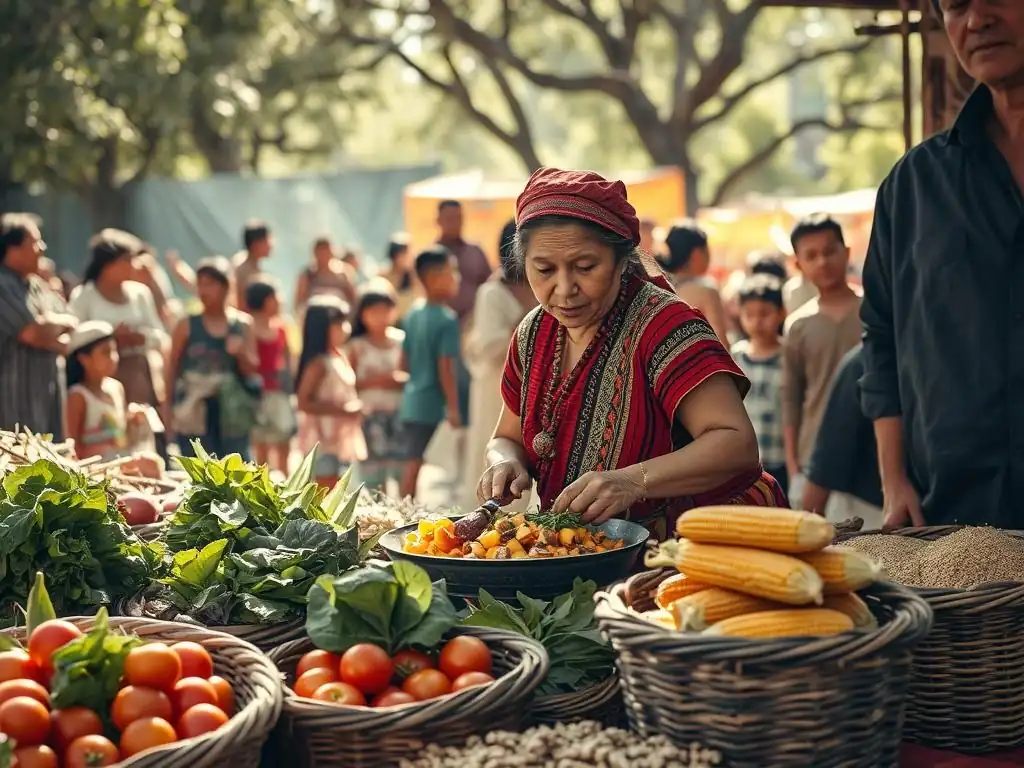
Indigenous diets, rich in local biodiversity and traditional practices, hold significant insights for contemporary nutrition. Various case studies illustrate how these traditional diets can be adapted and integrated into modern lifestyles. For example, the use of quinoa in the Andean regions of South America has gained global recognition, not only for its nutritional value but also as a sustainable crop that supports local farmers. This ancient grain is celebrated for being a complete protein, containing all nine essential amino acids, along with high fiber and various vitamins and minerals.
In North America, the revitalization of the Three Sisters agricultural method—corn, beans, and squash—serves as another compelling case study. This method emphasizes the interdependence of these crops, which together provide a well-rounded nutritional profile along with soil enrichment. Modern urban gardens and community farms are beginning to adopt these principles, highlighting a shift towards sustainable and healthy food systems rooted in indigenous practices.
Successful Integration of Indigenous Nutrition in Urban Areas
Urban areas, often characterized by their fast-paced lifestyles and reliance on processed foods, have begun to see a resurgence of indigenous nutrition through various initiatives. Programs that promote urban farming, community gardens, and local markets have successfully integrated traditional foods into the diets of city dwellers.
For instance, initiatives in cities like Toronto and Los Angeles focus on providing access to indigenous foods such as wild rice and various berries, which were historically significant to Native communities. These programs not only aim to improve nutrition but also foster a sense of community and cultural identity, allowing urban populations to reconnect with their indigenous heritage.
Moreover, restaurants and food trucks featuring indigenous cuisine are emerging, offering a modern twist on traditional recipes. These culinary ventures serve as a platform for educating the public about the health benefits of indigenous diets, while also promoting local and sustainable food sources.
Community-Based Approaches to Revitalizing Indigenous Diets
Community-based approaches play a crucial role in revitalizing indigenous diets. By engaging local populations, these initiatives focus on restoring traditional food practices and knowledge that have been lost or diminished over time. Various indigenous communities are spearheading programs that emphasize the importance of traditional foods, which are often more healthful and sustainable compared to processed alternatives.
One notable example is the "Indigenous Food Sovereignty" movement, which advocates for the right of communities to control their food systems. This movement emphasizes the importance of traditional knowledge in agricultural practices, foraging, and food preparation. Workshops and educational programs are being developed to teach younger generations about the significance of indigenous foods, enabling them to reclaim their culinary heritage and apply it in a modern context.
Additionally, partnerships with local schools and organizations can help facilitate access to indigenous foods, creating a supportive environment for community members to engage with their dietary traditions.
Conclusion: The Importance of Preserving Indigenous Diets and Nutrition
Preserving indigenous diets is not only about maintaining cultural heritage but also about enhancing public health and nutrition. These diets are characterized by their diversity, nutrient density, and reliance on local resources, making them valuable in the face of global dietary challenges, such as obesity and chronic diseases. Understanding and integrating indigenous nutritional practices can lead to improved health outcomes for all communities.
The Future of Indigenous Nutrition in Modern Society
The future of indigenous nutrition looks promising as more people recognize the value of traditional diets. With a growing interest in sustainability and health, there is an opportunity to revive these diets through education, policy changes, and community engagement. Collaborations between indigenous groups, nutritionists, and policymakers can help promote traditional foods and practices, ensuring they remain relevant and accessible in modern society.
Furthermore, modern culinary innovations that honor indigenous ingredients are being embraced, creating a fusion of traditional and contemporary food practices that appeal to diverse populations. This evolution can help bridge the gap between past and present, encouraging broader acceptance and consumption of indigenous foods.
Encouraging Inclusive Dietary Practices Through Education
Education is key to encouraging inclusive dietary practices that embrace indigenous nutrition. By integrating traditional food knowledge into school curriculums and community programs, we can foster an appreciation for the cultural significance of indigenous diets. Workshops, cooking classes, and informational campaigns can empower individuals to explore indigenous cuisines and understand their nutritional benefits.
Moreover, promoting the stories behind these foods helps in building respect for indigenous cultures and their contributions to global nutrition. By encouraging an inclusive approach to dietary practices, we can create a more equitable food system that honors and preserves indigenous culinary traditions for future generations.
Call to Action: Embracing Indigenous Wisdom in Nutrition
Indigenous diets are not merely a reflection of the past; they offer valuable insights that can enhance modern nutrition and food practices. As we face increasing challenges related to health, food security, and sustainability, it is crucial to look back and learn from the diverse culinary traditions of Indigenous peoples. By embracing these ancient wisdoms, we can cultivate healthier lifestyles and foster a deeper connection between our food choices and the environment.
To start incorporating Indigenous nutritional principles into our lives, consider the following actions:
- Explore Local Indigenous Foods: Visit local farmers' markets or specialty stores that focus on Indigenous ingredients. Try to integrate native grains, fruits, and vegetables into your meals.
- Learn Traditional Cooking Methods: Engage with Indigenous communities or cooking classes that teach traditional preparation techniques, emphasizing the importance of seasonal and local produce.
- Advocate for Indigenous Rights: Support policies and initiatives that recognize and protect Indigenous land rights, food sovereignty, and cultural heritage. Understanding the significance of these elements is vital for the continuation of Indigenous food systems.
By actively participating in these practices, we not only enhance our own nutrition but also honor and sustain the cultural legacies of Indigenous peoples.
Resources for Further Learning About Indigenous Diets and Nutrition
To deepen your understanding of Indigenous diets and their nutritional benefits, consider exploring the following resources:
- Books:
- The Sioux Chef's Indigenous Kitchen by Sean Sherman: This cookbook offers an array of recipes that reflect the traditional foods of the Sioux Nation, emphasizing seasonal and locally sourced ingredients.
- Eating on the Wild Side: The Missing Link to Optimum Health by Jo Robinson: This book discusses the nutritional aspects of wild foods and their relevance to Indigenous diets.
- Documentaries:
- Gather: This documentary highlights the movements of Indigenous people reclaiming their food systems and the importance of traditional diets for health and community wellness.
- The Second Harvest: A film that explores Indigenous food sovereignty and the practices that sustain it.
- Online Courses and Websites:
- The Indigenous Food Systems Network: This platform shares information, resources, and educational opportunities surrounding Indigenous food systems.
- Native American Food Sovereignty Alliance: Offers a wealth of resources, including webinars and workshops on Indigenous food practices and their impact on health.
By engaging with these resources, you can gain a more comprehensive understanding of the intersection of Indigenous diets and modern nutrition.
Supporting Indigenous Food Systems and Sustainability
Supporting Indigenous food systems is essential for promoting sustainability and preserving cultural heritage. Indigenous communities have long practiced sustainable agriculture and food sourcing techniques, which are crucial in combating current environmental challenges. Here’s how you can contribute:
- Purchase from Indigenous Farmers: Seek out products from Indigenous-owned farms and businesses. Supporting these enterprises helps sustain local economies and encourages the preservation of traditional agricultural practices.
- Participate in Community Events: Attend events focused on Indigenous food systems, such as potlucks, workshops, and festivals. These gatherings provide opportunities to learn about traditional foods and connect with the community.
- Advocate for Policy Changes: Engage in advocacy for policies that support Indigenous land rights and food sovereignty. This includes pushing for legislation that recognizes the importance of traditional food systems and protects Indigenous ways of life.
By actively supporting Indigenous food systems, we not only promote biodiversity and sustainable practices but also honor the rich cultural heritage that has shaped these diets for centuries. This collective effort is vital for creating a healthier and more equitable food landscape for all.
- Introduction to Indigenous Diets and Nutrition
- Understanding Indigenous Diets
- Historical Context of Indigenous Diets
- Key Components of Indigenous Diets
- Nutritional Benefits of Indigenous Diets
- Lessons for Modern Nutrition from Indigenous Diets
- Challenges and Misconceptions about Indigenous Diets
- Case Studies of Indigenous Diets in Modern Context
- Conclusion: The Importance of Preserving Indigenous Diets and Nutrition
- Call to Action: Embracing Indigenous Wisdom in Nutrition
- What are some key features of indigenous diets in the Americas?
- How did indigenous diets contribute to nutritional health?
- What lessons can modern society learn from indigenous nutrition practices?
- How do indigenous diets compare to modern nutrition trends?
- Why is understanding indigenous cultures important for modern nutrition?
Frequently Asked Questions
What are some key features of indigenous diets in the Americas?
Indigenous diets were diverse and region-specific, incorporating a variety of plants, animals, and traditional farming practices. They often emphasized sustainability and local resources.
How did indigenous diets contribute to nutritional health?
Indigenous diets were rich in whole foods, providing essential vitamins and minerals. These diets supported balanced nutrition and were tailored to the environmental conditions of each region.
What lessons can modern society learn from indigenous nutrition practices?
Modern society can learn the importance of seasonal eating, biodiversity, and the benefits of traditional methods that promote health and sustainability in food systems.
How do indigenous diets compare to modern nutrition trends?
Indigenous diets often prioritize natural, unprocessed foods, which contrasts with many modern trends that can rely heavily on processed ingredients. This highlights a potential shift back toward whole-food practices.
Why is understanding indigenous cultures important for modern nutrition?
Understanding indigenous cultures helps us recognize the historical context of food systems and the value of traditional knowledge, which can inform healthier and more sustainable dietary practices today.
Final Reflection: Embracing Indigenous Diets for a Healthier Future
The exploration of indigenous diets reveals a profound connection between food, culture, and health that is more relevant today than ever. In a world increasingly dominated by processed foods and fast diets, the wisdom embedded in indigenous nutritional practices offers a refreshing perspective on holistic well-being. These diets, rich in diversity and sustainability, challenge us to rethink our relationship with food and its impact on our health and the environment.
The influence of indigenous diets extends far beyond the plate; it resonates through our cultural and social landscapes. As we witness a growing movement towards plant-based and locally sourced foods, the principles of indigenous nutrition remind us of the importance of biodiversity and the deep-rooted knowledge of ancestral practices. Food is not just fuel; it's information. It talks to your DNA and tells it what to do.
This quote encapsulates the essence of how the foods we choose can shape our health and identity, urging us to honor and integrate these traditional practices into our modern lives.
As we reflect on the lessons of indigenous diets, I invite you to consider how you can incorporate these principles into your own life. What small changes can you make to embrace a more sustainable and nutritious way of eating? Whether it's supporting local farmers, exploring traditional recipes, or simply being more mindful of your food choices, every step counts. Let us honor the legacy of indigenous diets by not only learning from them but also by actively applying their wisdom to create a healthier future for ourselves and the planet.
Embrace the Wisdom of Indigenous Diets Today!
Thank you for taking the time to explore the rich legacy of Indigenous diets and the valuable lessons they offer for modern nutrition. We hope you’ve gained insights into how these diverse and sustainable food practices can elevate your health and well-being. Now, it's time to put that knowledge into action!
Here’s how you can start integrating Indigenous dietary principles into your life:
- Incorporate local, seasonal foods into your meals this week. Visit farmers' markets or local produce stands to discover fresh ingredients that reflect the heritage of your area.
- Experiment with traditional recipes by trying out dishes that highlight grains, legumes, and vegetables valued by Indigenous cultures. Share your culinary creations on social media to inspire others!
- Join a local food co-op or community garden to connect with like-minded individuals. This is a great opportunity to share knowledge and resources while supporting local, sustainable food systems.
How will you incorporate the sustainable practices of Indigenous diets into your daily routine? We invite you to share your ideas and start a conversation below!