
Education Beyond the Classroom: CommunityBased Learning in Indigenous Cultures

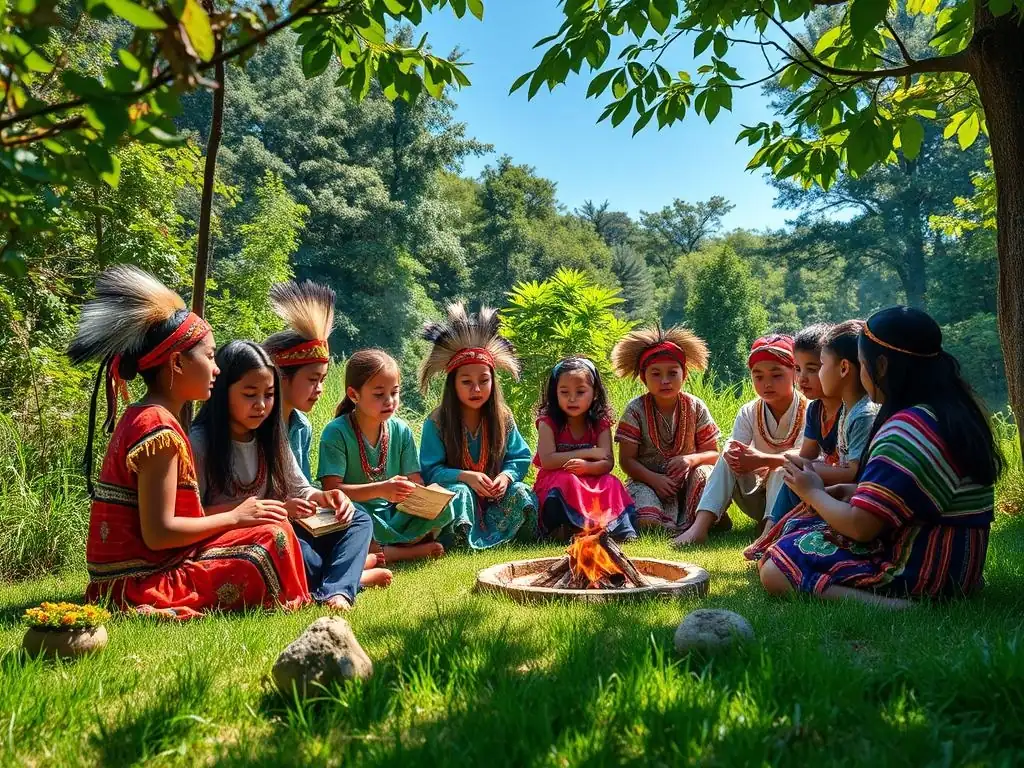
Welcome to Indigenous Civilizations of the Americas, where we invite you to dive deep into the rich tapestry of indigenous cultures that flourished across the continent long before European contact. Here, we explore the vibrant achievements and societal structures that shaped these communities, offering you a unique lens through which to understand their lasting influence on contemporary life. In our featured article, “Education Beyond the Classroom: Community-Based Learning in Indigenous Cultures,” we uncover the innovative educational practices rooted in community engagement that continue to inspire us today.
Join us on this enlightening journey and discover how the wisdom of the past informs the present. Are you ready to expand your horizons?
Introduction to Community-Based Learning in Indigenous Cultures
Community-based learning in indigenous cultures represents a profound and rich tapestry of educational practices that extend well beyond the confines of traditional classroom settings. This approach emphasizes the interconnectedness of community, culture, and learning, showcasing how indigenous societies have historically transmitted knowledge through direct engagement with their environments and social networks. In these cultures, education is not merely a process of acquiring information; it is a holistic experience that nurtures relationships, respects traditions, and promotes the well-being of the community as a whole.
As we explore this topic, we will delve into the unique characteristics of community-based learning within indigenous cultures, highlighting its significance in preserving cultural heritage and fostering resilience among indigenous peoples. Furthermore, we will examine how these educational practices serve as a counter-narrative to conventional education systems, offering valuable insights into alternative methods of knowledge transmission that are rooted in the lived experiences of these diverse cultures.
Definition of Community-Based Learning
Community-based learning can be defined as an educational approach that integrates real-world experiences with the learning process, often involving collaboration among community members. In indigenous contexts, this form of learning is characterized by:
- Experiential Learning: Knowledge is gained through hands-on experiences, such as hunting, fishing, gathering, and crafting.
- Cultural Relevance: The learning process is deeply tied to the cultural practices, languages, and worldviews of the community.
- Collaborative Engagement: Learners work alongside community members, fostering relationships and building a sense of collective responsibility.
This definition underscores the importance of environment, culture, and communal ties in shaping the educational experiences of indigenous individuals.
Importance of Community in Indigenous Education
The role of community in indigenous education is paramount. Unlike conventional educational frameworks that often prioritize individual achievement, indigenous learning emphasizes:
- Collective Knowledge: Knowledge is viewed as a communal asset, with the understanding that sharing wisdom strengthens the entire community.
- Cultural Identity: Education is a means of preserving and transmitting cultural identity, ensuring that future generations are grounded in their heritage.
- Social Cohesion: Through shared learning experiences, individuals foster a sense of belonging and solidarity, which is crucial for the community's resilience.
This strong emphasis on community not only enhances the learning process but also ensures that the values and traditions of indigenous cultures are upheld and passed down.
Historical Context of Indigenous Educational Practices
Traditional Learning Methods in Indigenous Societies
Indigenous societies have employed various traditional learning methods that reflect their unique cultural contexts. These methods often include:
- Storytelling: Oral traditions serve as a powerful tool for education, conveying morals, history, and cultural knowledge.
- Mentorship: Younger members learn through observation and guidance from elders and skilled practitioners within the community.
- Seasonal Activities: Learning is often aligned with seasonal cycles, where skills are taught in the context of seasonal practices like planting, harvesting, and hunting.
These methods provide a framework for understanding how indigenous peoples have effectively passed down knowledge through generations, ensuring the survival of their cultural practices.
Role of Elders in Knowledge Transmission
Elders hold a revered position in indigenous cultures, acting as custodians of knowledge and tradition. Their roles in knowledge transmission include:
- Teaching: Elders impart essential life skills and cultural practices, often through informal settings rather than structured classrooms.
- Storytellers: They share stories that encapsulate community values, history, and lessons learned, reinforcing moral and ethical guidelines.
- Community Leaders: Elders guide community decisions and serve as mediators in conflicts, demonstrating the integral role they play in both education and social cohesion.
The wisdom of elders is invaluable, as they bridge the past and the present, ensuring that cultural knowledge remains vibrant and relevant.
Comparison of Community-Based Learning and Formal Education
While formal education often focuses on standardized curriculums and individual achievement, community-based learning in indigenous cultures offers a contrasting approach that emphasizes:
| Feature | Community-Based Learning | Formal Education |
|---|---|---|
| Focus | Collective knowledge and cultural identity | Individual achievement |
| Methodology | Hands-on, experiential, and contextual | Theoretical, structured, and standardized |
| Environment | Community and nature | Classroom setting |
| Assessment | Community-based, holistic evaluation | Standardized testing |
This comparison highlights the unique strengths of community-based learning, revealing how it nurtures not only knowledge but also cultural continuity and community resilience. By prioritizing community engagement and cultural relevance, indigenous educational practices offer a powerful alternative to conventional education, emphasizing the importance of context in the learning process.
Key Elements of Community-Based Learning in Indigenous Cultures
Community-based learning in indigenous cultures is characterized by several key elements that reflect the values, traditions, and social structures unique to these societies. This approach emphasizes the importance of cultural relevance, experiential learning, and intergenerational mentorship, allowing community members to engage with their heritage while acquiring practical skills.
Cultural Relevance and Local Knowledge
Cultural relevance is a cornerstone of community-based learning in indigenous cultures. It involves integrating local knowledge systems, stories, and practices into educational experiences. This ensures that the learning process is not only meaningful but also reflective of the community's identity. For instance, indigenous storytelling traditions play a vital role in conveying moral lessons, historical events, and cultural values, fostering a deep connection between learners and their heritage.
Moreover, local knowledge encompasses the understanding of the land, flora, fauna, and traditional ecological practices that have been passed down through generations. By prioritizing this knowledge in educational settings, communities reinforce the significance of their environment and promote sustainable practices. This contextualized approach helps learners appreciate their cultural heritage, making education a living expression of their identity.
Experiential Learning and Practical Skills
Experiential learning is a fundamental aspect of community-based education, where knowledge is acquired through direct experience and reflection. Indigenous cultures often employ hands-on activities, such as hunting, fishing, crafting, and agriculture, which provide learners with practical skills relevant to their daily lives. This method not only reinforces theoretical knowledge but also cultivates a sense of competence and confidence among learners.
For example, participating in traditional ceremonies or community events allows individuals to learn about their cultural practices in a lively and engaging way. These experiences foster a deeper understanding of the community's values and traditions, while also encouraging active participation and collaboration among members. Thus, experiential learning serves as a vital tool for preserving indigenous knowledge and practices, ensuring that they are passed down to future generations.
Intergenerational Learning and Mentorship
Intergenerational learning is a hallmark of community-based education in indigenous cultures, where knowledge is transmitted between elders and younger members of the community. This mentorship model is built on respect and reciprocity, allowing learners to benefit from the wisdom and experience of their elders. Elders often serve as teachers, guiding youth through cultural practices, storytelling, and life skills.
This relationship not only enhances the educational experience but also strengthens community bonds. As younger generations learn from their elders, they develop a sense of belonging and responsibility towards their cultural heritage. This interconnection fosters a supportive environment where knowledge sharing becomes a communal practice, reinforcing the values of unity and respect within the community.
Benefits of Community-Based Learning
Community-based learning offers numerous benefits that extend beyond traditional education models. It fosters cultural identity, strengthens community ties, and enhances academic performance, creating a holistic learning environment that nurtures individuals and the community as a whole.
Strengthening Cultural Identity and Heritage
One of the primary benefits of community-based learning is its ability to strengthen cultural identity and heritage among indigenous peoples. By engaging with their history, language, and traditions, learners develop a strong sense of belonging and pride in their cultural background. This connection not only enhances individual identity but also promotes the survival of indigenous languages and practices, ensuring their continuation for future generations.
Moreover, community-based learning encourages the exploration of cultural expressions, such as art, music, and dance, allowing individuals to celebrate their heritage creatively. This active participation in cultural practices reinforces the community's sense of identity and fosters resilience against external pressures that may seek to undermine their traditions.
Fostering Community Cohesion and Resilience
Community-based learning plays a crucial role in fostering cohesion and resilience within indigenous communities. By emphasizing collaboration and shared experiences, individuals develop strong social bonds that contribute to a sense of belonging and mutual support. This collective approach not only enhances relationships among community members but also promotes a shared vision for the future.
Furthermore, the skills and knowledge acquired through community-based learning empower individuals to address challenges collectively. As community members work together to solve problems, they cultivate resilience and adaptability, ensuring their survival and prosperity in a rapidly changing world.
Enhancing Academic Achievement through Real-World Relevance
Integrating real-world experiences into education significantly enhances academic achievement among indigenous learners. Community-based learning allows students to see the relevance of their studies in everyday life, fostering motivation and engagement. When education is grounded in local context and culture, learners are more likely to excel academically.
Research has shown that when students can relate their learning to their cultural practices and community needs, they are more inclined to participate actively and retain information. This approach not only improves academic performance but also prepares learners for future opportunities within their communities and beyond. By bridging the gap between traditional knowledge and formal education, community-based learning creates a comprehensive educational framework that benefits both individuals and indigenous cultures as a whole.
Challenges Facing Community-Based Learning
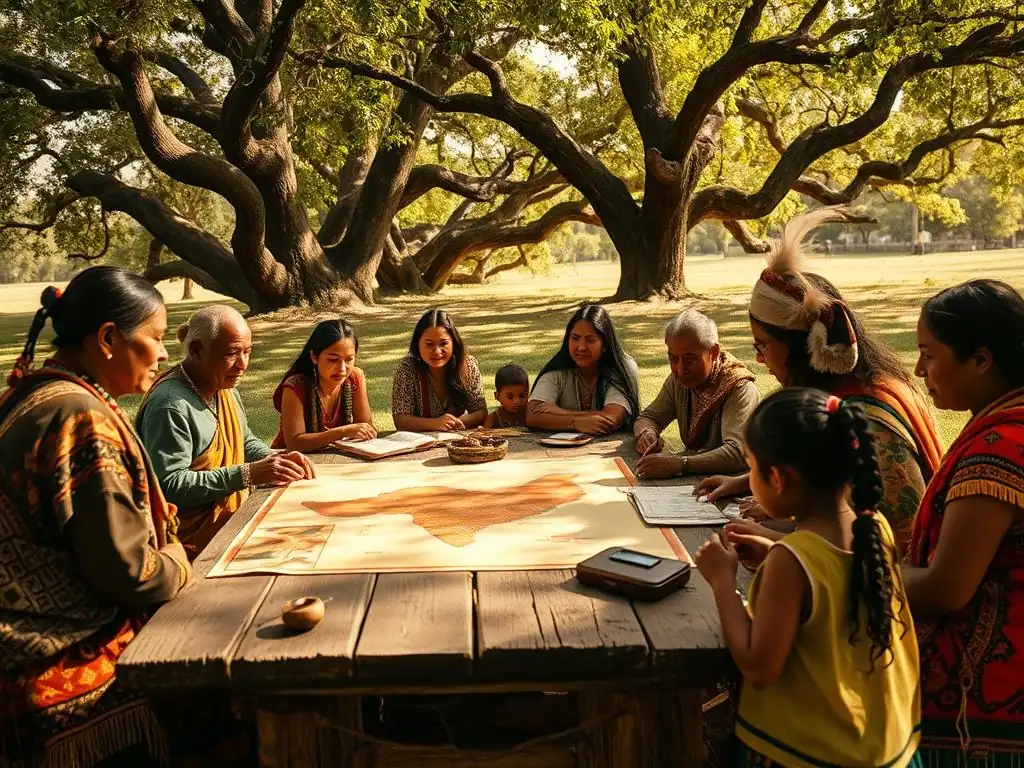
Community-based learning in indigenous cultures encounters several challenges that can hinder its effectiveness and sustainability. Understanding these obstacles is essential for developing strategies that support and enhance these educational practices.
Impact of Colonization on Indigenous Education
The legacy of colonization has profoundly affected indigenous education systems. Colonial powers often imposed their own languages, cultures, and educational frameworks, leading to the marginalization of indigenous knowledge and practices. This historical context has resulted in a significant loss of traditional learning methods, as many indigenous communities were forced to abandon their cultural practices in favor of Western education. Consequently, the transmission of indigenous knowledge has been disrupted, leading to a disconnect between generations and weakening the cultural identity of indigenous peoples.
Modernization and Loss of Traditional Knowledge
With globalization and modernization, many indigenous communities face the risk of losing traditional knowledge. The rapid influx of technology and Western educational models often prioritize formal education over traditional practices. As younger generations are drawn to global cultures and lifestyles, the invaluable wisdom, skills, and knowledge passed down through generations may become less relevant or forgotten. This shift not only threatens the survival of indigenous languages and customs but also undermines the holistic approach to learning that is inherent in many indigenous cultures.
Barriers to Accessing Resources and Support
Indigenous communities often encounter significant barriers when attempting to access resources and support for community-based learning initiatives. These barriers can include:
- Economic Constraints: Limited funding and resources can hinder the establishment and maintenance of educational programs.
- Geographical Isolation: Many indigenous communities are located in remote areas, making it difficult to access educational materials, technology, and external support.
- Institutional Challenges: There may be a lack of recognition or support from governmental and educational institutions, which can further marginalize community-led initiatives.
- Cultural Misunderstandings: Non-indigenous educators and organizations may not fully understand or appreciate the value of traditional knowledge systems, leading to ineffective collaboration and support.
Case Studies of Successful Community-Based Learning Initiatives
Examining successful case studies can provide valuable insights into effective community-based learning initiatives in indigenous cultures. These examples highlight the creativity and resilience of indigenous communities in preserving their knowledge and traditions.
Case Study 1: The Kamehameha Schools’ Hawaiian Studies Program
The Kamehameha Schools in Hawaii have developed a comprehensive Hawaiian Studies program that emphasizes community-based learning. This initiative integrates traditional Hawaiian practices with modern educational approaches, fostering a deep understanding of Hawaiian culture, language, and history. Students engage in hands-on learning experiences, such as traditional fishing, hula, and weaving, which not only promote cultural identity but also strengthen community ties. The program has shown remarkable success in enhancing students' academic performance and cultural pride, serving as a model for other indigenous education initiatives.
Case Study 2: The Blackfeet Nation’s Cultural Heritage Program
The Blackfeet Nation in Montana has implemented a Cultural Heritage Program aimed at revitalizing and preserving Blackfeet traditions and knowledge. This program involves community members in teaching traditional crafts, storytelling, and history to younger generations. By utilizing elders as educators, the program ensures that traditional knowledge is passed down in a culturally relevant context. The initiative has successfully fostered a sense of pride and identity among participants, while also addressing the challenges of modernity by blending traditional practices with contemporary educational methods.
Lessons Learned from Community-Based Learning Programs
The experiences from these community-based learning initiatives offer several key lessons:
- Cultural Relevance: Programs that prioritize culturally relevant curricula are more likely to engage students and foster a sense of identity and belonging.
- Elder Involvement: Involving elders as educators not only preserves traditional knowledge but also strengthens intergenerational bonds within the community.
- Flexibility and Adaptation: Successful initiatives demonstrate the importance of being adaptable, combining traditional methods with modern educational practices to meet the needs of the community.
- Community Engagement: Engaging the community in the design and implementation of educational programs ensures that they are responsive to local needs and values, enhancing their sustainability.
Future of Community-Based Learning in Indigenous Cultures
The future of community-based learning in Indigenous cultures is poised for transformation, driven by a resurgence of interest in traditional knowledge systems and a commitment to decolonizing education. As Indigenous communities increasingly assert their rights to self-determination, there is a growing recognition of the importance of culturally relevant pedagogies that honor local traditions and languages. This shift not only preserves Indigenous knowledge but also empowers future generations to engage with their heritage meaningfully.
Moreover, partnerships between Indigenous communities and educational institutions are becoming more common. These collaborations can lead to the co-creation of curricula that reflect Indigenous viewpoints and methodologies, fostering an environment where students learn from both community elders and contemporary educators. As these practices continue to evolve, it is essential to remain adaptable and responsive to the needs of the community, ensuring that the educational approaches are sustainable and effective.
Innovations and Adaptations in Educational Practices
Innovative educational practices within Indigenous cultures are reshaping the landscape of community-based learning. Many Indigenous groups are incorporating experiential learning techniques that emphasize direct engagement with the environment, storytelling, and traditional practices. For instance, programs that involve learning through land-based activities—such as hunting, fishing, or gathering—allow students to acquire practical skills while fostering a deep connection to their cultural heritage.
Additionally, there is a growing trend toward integrating art, music, and oral histories into educational frameworks. These creative expressions serve not only as tools for knowledge transmission but also as mediums for cultural preservation. By adapting conventional educational practices to include these elements, communities are able to provide a more holistic approach to learning that resonates with younger generations.
Role of Technology in Enhancing Community-Based Learning
Technology plays a pivotal role in the evolution of community-based learning in Indigenous cultures. With the increasing accessibility of digital tools, many communities are leveraging technology to enhance educational experiences. Online platforms can facilitate knowledge sharing, allowing elders to connect with youth and share traditional teachings regardless of geographical barriers.
Moreover, educational apps and virtual reality experiences are being developed to immerse students in Indigenous histories and cultures. These technological advancements not only make learning more engaging but also ensure that Indigenous perspectives are represented in contemporary educational resources. However, it is crucial to approach the integration of technology thoughtfully, maintaining a balance between traditional methods and modern tools to respect the essence of Indigenous knowledge.
Advocacy for Indigenous Education Policies
Advocacy for Indigenous education policies is essential in promoting community-based learning. Indigenous leaders and organizations are increasingly calling for reforms that prioritize culturally relevant education and support the revitalization of Indigenous languages and practices. This advocacy is crucial in dismantling systemic barriers that have historically marginalized Indigenous ways of knowing.
Policy changes can lead to increased funding for community-led educational initiatives, allowing for the development of programs that reflect the unique needs and values of Indigenous populations. Furthermore, empowering Indigenous voices in policy-making processes ensures that educational frameworks are designed with direct input from the communities they serve. As these advocacy efforts continue to gain momentum, they hold the potential to reshape the educational landscape for future generations.
Conclusion: The Lasting Impact of Community-Based Learning in Indigenous Cultures
The lasting impact of community-based learning in Indigenous cultures is profound, influencing not only educational practices but also the broader social fabric of Indigenous communities. By prioritizing culturally relevant knowledge transmission, these practices foster resilience and identity among Indigenous youth, equipping them with the skills and understanding needed to navigate contemporary challenges while honoring their heritage.
Summary of Key Points
Community-based learning in Indigenous cultures is characterized by innovative educational practices that integrate traditional knowledge with modern approaches. The role of technology enhances these learning experiences, while advocacy for Indigenous education policies is crucial in supporting and sustaining these practices. Collectively, these elements contribute to a richer understanding of Indigenous cultures and empower future generations to engage with their histories actively.
Call to Action for Supporting Indigenous Educational Methods
It is imperative for individuals, organizations, and policymakers to support Indigenous educational methods actively. This can be achieved through:
- Promoting Awareness: Share information about the importance of community-based learning and its impact on Indigenous cultures.
- Supporting Indigenous Initiatives: Contribute to or volunteer with organizations that focus on Indigenous education and cultural preservation.
- Advocating for Policy Changes: Engage in advocacy efforts that push for reforms in educational policies that prioritize Indigenous knowledge and practices.
By taking these steps, we can contribute to the revitalization of Indigenous cultures and ensure that the wisdom of these communities continues to thrive for generations to come.
- Introduction to Community-Based Learning in Indigenous Cultures
- Historical Context of Indigenous Educational Practices
- Key Elements of Community-Based Learning in Indigenous Cultures
- Benefits of Community-Based Learning
- Challenges Facing Community-Based Learning
- Case Studies of Successful Community-Based Learning Initiatives
- Future of Community-Based Learning in Indigenous Cultures
- Conclusion: The Lasting Impact of Community-Based Learning in Indigenous Cultures
Frequently Asked Questions
What is community-based learning in indigenous cultures?
Community-based learning refers to educational approaches that are deeply rooted in the experiences, traditions, and values of indigenous communities, emphasizing the importance of local knowledge and participation.
How do indigenous cultures approach education differently?
Indigenous cultures often utilize holistic methods that integrate spiritual, social, and practical knowledge, focusing on interconnectedness with the environment and the community rather than solely academic achievement.
Why is it important to study indigenous civilizations?
Studying indigenous civilizations provides insight into their achievements and societal structures, helping to preserve their heritage and understand their lasting impact on contemporary society.
What role does community involvement play in education?
Community involvement is crucial as it fosters collaboration between educators and community members, ensuring that the curriculum is relevant and respectful of cultural traditions and practices.
How can community-based learning benefit students?
Community-based learning enriches students' experiences by promoting cultural awareness, enhancing problem-solving skills, and encouraging a sense of belonging and responsibility within their communities.
Final Reflection: Embracing Community-Based Learning in Indigenous Cultures
Education is not confined to the walls of a classroom; it thrives in the rich tapestry of community and culture. The exploration of community-based learning in Indigenous cultures reveals a profound connection between knowledge and the environment, tradition, and collective identity. In today’s rapidly changing world, where conventional education systems often overlook the wisdom embedded in Indigenous practices, it is crucial to recognize the value of these holistic learning approaches. By embracing community-based learning, we can foster a deeper understanding of diverse perspectives and cultivate a more inclusive educational landscape.
The influence of community-based learning in Indigenous cultures extends far beyond the classroom, shaping social dynamics and cultural preservation. This approach not only honors the traditions and knowledge of Indigenous peoples but also serves as a model for collaborative learning that can benefit all communities.
As we witness a growing recognition of Indigenous rights and knowledge systems, we are reminded of the words of Vine Deloria Jr.: > “Education is not just a means to an end; it is a way of life.” This sentiment underscores the importance of integrating community values and experiences into the educational framework, ensuring that learning is relevant, respectful, and rooted in cultural identity.
As we reflect on the lessons drawn from community-based learning in Indigenous cultures, I invite you to consider how you can incorporate these principles into your own life and community. Think about the ways you can engage with local knowledge, honor diverse perspectives, and contribute to a more equitable educational environment.
By actively participating in this journey, we can all play a role in reshaping education to be more inclusive, culturally aware, and responsive to the needs of all learners. Let us embrace the wisdom of Indigenous cultures and commit to a future where education transcends boundaries and fosters a sense of belonging for everyone.
Unleash the Power of Community-Based Learning!
Thank you for taking the time to explore the rich tapestry of community-based learning within Indigenous cultures. You've uncovered valuable insights that can transform not only educational approaches but also foster personal growth and strengthen community connections. Now, let’s put that knowledge into action!
Here are some specific steps you can take to deepen your engagement with community-based learning:
- Connect with Local Indigenous Communities: Reach out to nearby Indigenous organizations or community centers to learn about their programs and discover ways to get involved.
- Participate in Cultural Workshops: Attend workshops that focus on traditional practices, languages, or stories. These experiences will enrich your understanding and appreciation of Indigenous knowledge.
- Share Your Journey: Discuss your learnings with friends and family! Whether through social media posts or casual conversations, spreading awareness is vital to celebrating Indigenous cultures.
What unique insights or experiences do you believe you could gain from engaging with community-based learning in Indigenous contexts? Share your thoughts below!