
The Spiritual Connection to Food: How Culture Influenced Indigenous Nutrition

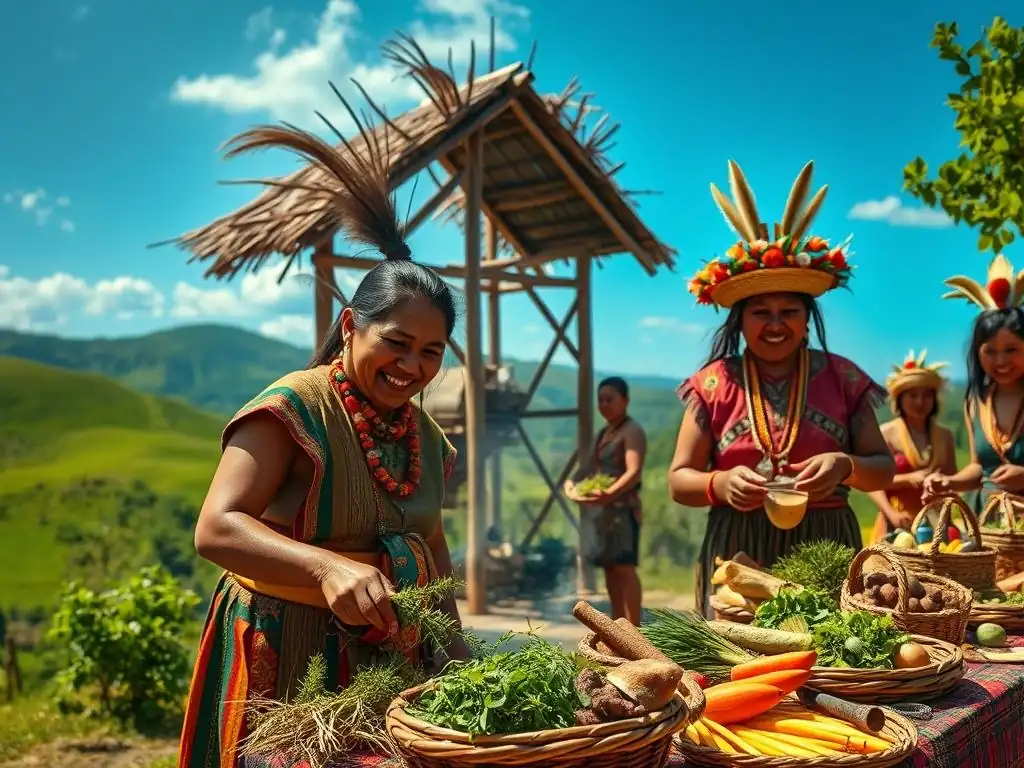
Welcome to Indigenous Civilizations of the Americas, where we invite you to embark on a profound journey through the rich tapestry of indigenous cultures that flourished long before European contact. In our featured article, “The Spiritual Connection to Food: How Culture Influenced Indigenous Nutrition,” we delve into the intricate ways in which cultural beliefs shaped the nutritional practices of these vibrant societies. Discover how the relationship between food and spirituality not only nourished the body but also connected communities to their ancestors and the natural world.
Curious about how these age-old traditions continue to resonate today? Join us as we uncover the remarkable legacies of indigenous nutrition and its enduring impact on modern culinary practices.
Introduction to Indigenous Nutrition Cultural Influences
The relationship between culture and nutrition in indigenous societies of the Americas is deeply rooted in spiritual beliefs and practices. Indigenous nutrition cultural influences encompass a wide array of traditions, rituals, and values that have shaped the way these communities interact with food. Understanding this intricate connection sheds light on how indigenous peoples not only sustained themselves through their diets but also fostered a holistic approach to health and well-being. This article will delve into the spiritual significance of food, the diversity of indigenous diets, and the historical context that has influenced these practices over centuries.
Understanding the Role of Spirituality in Food Practices
For many indigenous cultures, food is not merely a source of sustenance; it is a vital element of their spiritual identity. The act of preparing, sharing, and consuming food is often intertwined with ceremonial practices and community gatherings. Here are some key aspects of the spiritual connection to food:
- Sacred Offerings: Many indigenous groups perform rituals that honor the earth and the spirits of their ancestors when harvesting or preparing food. This can include offerings or prayers to express gratitude.
- Cultural Narratives: Food often carries significant stories and teachings that are passed down through generations, emphasizing the moral and spiritual lessons associated with different food sources.
- Seasonal Practices: Spirituality influences seasonal food practices, where specific times of the year are dedicated to certain foods, reflecting the cyclical nature of life and the importance of respecting natural rhythms.
Overview of Indigenous Diets and Cultural Significance
Indigenous diets varied widely across the Americas, shaped by geography, climate, and cultural practices. However, certain common themes emerge, highlighting the cultural significance of their nutritional choices:
- Locally Sourced Foods: Indigenous peoples relied heavily on locally sourced foods, such as fruits, vegetables, nuts, and game, which were integral to their survival. This practice is rooted in a deep respect for the land and its resources.
- Dietary Diversity: The diversity of indigenous diets reflects a rich tapestry of cultural influences, where each tribe or nation developed unique food systems that catered to their specific environmental conditions.
- Symbolism and Identity: Certain foods, such as maize, beans, and squash (often referred to as the "Three Sisters"), hold profound symbolic meanings and are central to the cultural identity of many indigenous communities.
Historical Context of Indigenous Nutrition
To fully appreciate the indigenous nutrition cultural influences, it is essential to explore the historical context that has shaped these practices over time.
Pre-Colonial Food Systems in the Americas
Before European colonization, indigenous societies in the Americas developed sophisticated food systems characterized by:
- Agricultural Innovation: Many indigenous groups practiced advanced agricultural techniques, such as crop rotation and intercropping, which maximized yields and maintained soil health.
- Hunting and Gathering: In addition to agriculture, hunting and gathering played a crucial role in sustaining communities, with established seasonal patterns and communal practices.
- Trade Networks: Indigenous peoples engaged in extensive trade networks, exchanging food and resources across vast distances, which enriched their diets and fostered cultural exchange.
The Intersection of Culture and Nutrition in Indigenous Societies
The intersectionality of culture and nutrition in indigenous societies reflects a complex interplay of environmental, social, and spiritual factors. Key points to consider include:
- Food as a Cultural Connector: Food serves as a bridge between generations, communities, and traditions, reinforcing social bonds and cultural heritage.
- Health and Well-Being: The holistic approach to nutrition emphasizes balance and health, where food is viewed as a means of nourishing not just the body, but also the spirit and mind.
- Resilience and Adaptation: Despite historical disruptions, many indigenous communities have retained their culinary traditions, adapting to contemporary challenges while honoring their ancestral practices.
Through this exploration of the spiritual connection to food and the cultural influences on indigenous nutrition, we gain a deeper understanding of how these elements are intricately woven into the fabric of indigenous life, enriching both their identities and their communities.
Spiritual Beliefs and Their Impact on Food Choices
Indigenous nutrition is deeply intertwined with spiritual beliefs that shape food choices across various cultures. For many indigenous peoples, food is not merely a source of sustenance; it is viewed as a vital part of their identity and existence. Spirituality influences the selection, preparation, and consumption of food, creating a holistic relationship with nature.
The belief systems often emphasize the interconnectedness of all beings, suggesting that food carries spiritual energy that nourishes the body and soul. Many communities practice gratitude and reverence towards the earth, animals, and plants that provide their sustenance. This respect manifests in various ways, such as through prayers and offerings before harvesting, which can help foster a sense of responsibility and sustainability.
Ultimately, these spiritual beliefs lead to a diverse array of dietary practices that reflect the unique cultural narratives of each indigenous group, influencing everything from the types of food consumed to the methods of preparation and sharing.
Sacred Foods and Their Cultural Meanings
Sacred foods hold significant cultural meanings in indigenous societies, often associated with creation stories, ancestral traditions, and spiritual ceremonies. For instance, corn is considered a sacred crop for many Native American tribes, representing life and sustenance. It is woven into cultural narratives, symbolizing growth, fertility, and community.
In addition, foods like cacao in Mesoamerica are revered not just for their nutritional value but also for their role in rituals and celebrations. Cacao was utilized in spiritual ceremonies, often consumed during important rituals to connect with the divine. Similarly, fish and game animals are frequently treated with respect and honor, reflecting the belief that these creatures have spirits and should be acknowledged as part of the community's wellbeing.
The cultural meanings attached to these foods often influence how they are prepared and consumed, with specific rituals or practices surrounding their use that emphasize their sacredness.
Rituals and Practices Surrounding Food Preparation and Consumption
Rituals and practices play a crucial role in the preparation and consumption of food in indigenous cultures. These rituals not only enhance the communal experience but also reinforce spiritual beliefs related to food. For example, many tribes engage in ceremonial practices, such as fasting or feasting, to mark significant events or transitions in life, such as harvests, births, or seasonal changes.
The preparation of food can also be a communal activity, where families and communities come together for collective cooking, fostering social bonds and shared values. Traditional methods of cooking, such as pit roasts or stone boiling, often reflect a deep understanding of local resources and environmental sustainability.
Moreover, the consumption of food often involves specific practices, such as sharing meals to symbolize unity and gratitude, which echoes the belief that food is a gift from the earth and should be enjoyed together. These rituals not only serve to enhance the nutritional experience but also to affirm the cultural identity and spiritual beliefs of indigenous peoples.
Regional Variations in Indigenous Nutrition
Indigenous nutrition exhibits a rich tapestry of regional variations that reflect the diverse cultures and environments across the Americas. Each region has developed unique dietary practices influenced by local resources, climate, and spirituality, resulting in distinct nutritional patterns.
North American Indigenous Diets: Cultural Influences
In North America, indigenous diets vary significantly among tribes, influenced by geography, climate, and available resources. For example, the Inuit people rely heavily on marine life, such as seal and whale, which are vital for their survival in the Arctic environment. Their diets are rich in omega-3 fatty acids, which are essential for health in extreme climates.
Conversely, the agricultural tribes of the Great Plains, such as the Lakota and Cheyenne, emphasize the importance of the bison, which not only provides food but also materials for tools and shelter. The reverence for bison is deeply rooted in their cultural and spiritual practices, with hunting rituals reflecting the community's respect for the animal.
These dietary practices highlight the adaptation of indigenous peoples to their environments and underscore the spiritual and cultural significance of their food choices.
Mesoamerican Nutrition: Spiritual and Cultural Practices
Mesoamerican indigenous cultures, such as the Maya and Aztec, had a complex understanding of nutrition intertwined with their spiritual beliefs. Maize, beans, and squash, known as the "Three Sisters," formed the cornerstone of their diet, symbolizing balance and interdependence. Each of these crops was cultivated with rituals that honored the earth and the spirits believed to inhabit it.
Cacao played a significant role in Mesoamerican societies, not only as a food but as a ceremonial drink used in rituals to honor gods and ancestors. The preparation of cacao often involved elaborate ceremonies, highlighting its importance in both daily life and spiritual practices.
Furthermore, the aztec practice of tlacatecolotl—a ritualistic offering of food to the deities—reflects the deep cultural connection between food, spirituality, and community cohesion. Such practices underscore the belief that proper nourishment is essential for maintaining balance within oneself and the universe.
South American Indigenous Food Traditions and Spirituality
In South America, indigenous food traditions are rich with spiritual significance, exemplified by the Andean cultures that revere the potato and quinoa. The Inca considered the potato a gift from Pachamama (Mother Earth) and integrated it into various rituals and ceremonies, emphasizing its importance in sustaining life.
Similarly, the use of coca leaves in spiritual practices among Andean peoples illustrates the cultural significance of local plants. Coca leaves are used in traditional medicine and ritual offerings, showcasing the deep-rooted belief in the spiritual properties of the food consumed.
Moreover, the Amazonian tribes, such as the Yanomami, rely on a diverse range of fruits, nuts, and fish, often accompanied by rituals that honor the spirits of the forest. These traditions not only reflect the ecological knowledge of these communities but also their understanding of the interconnectedness between food, health, and spirituality.
The diverse food traditions across South America highlight the rich cultural narratives that shape indigenous nutrition, emphasizing the role of spirituality in dietary practices.
The Role of Nature in Indigenous Nutritional Practices
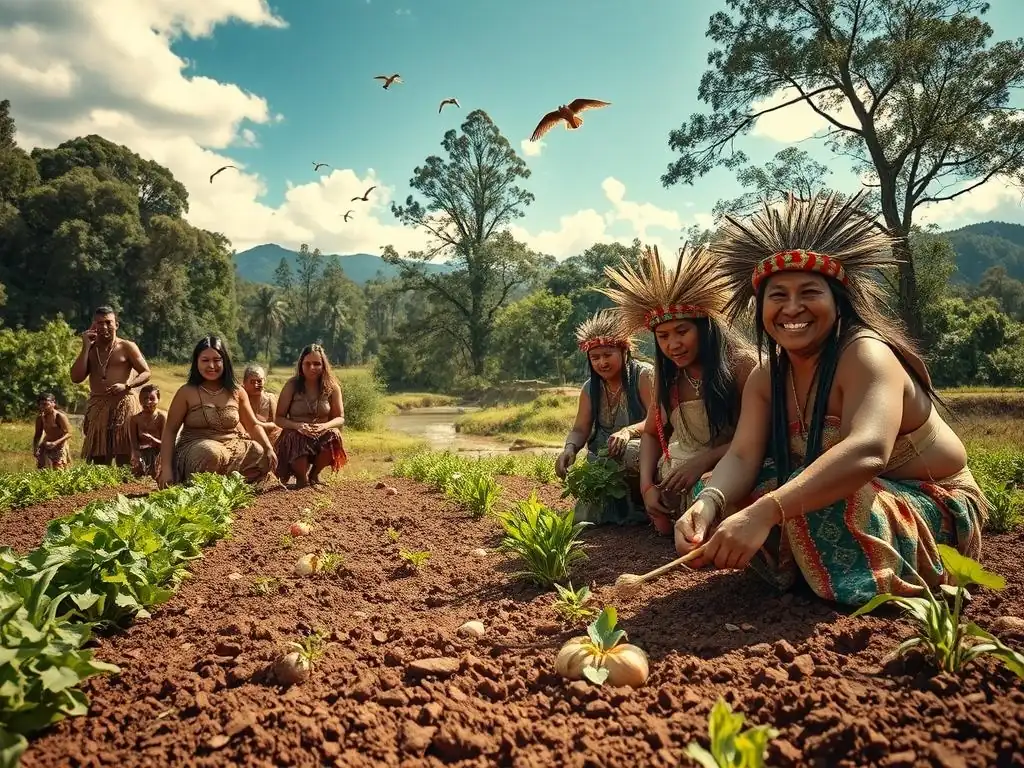
Indigenous nutrition is deeply intertwined with the natural world, reflecting a profound respect for and understanding of the ecosystems that sustain life. For many indigenous cultures across the Americas, food is not merely sustenance but a source of spiritual nourishment and cultural identity. This relationship with nature influences every aspect of their dietary practices, from the selection of ingredients to the methods of preparation and consumption.
Connection to Land and Ecosystems in Food Choices
The connection to land is paramount in indigenous cultures. Each community often has a unique relationship with its geographical environment, which shapes their food choices. Indigenous peoples have developed a keen understanding of local ecosystems—knowing which plants are edible, when to harvest them, and how to cultivate them sustainably. This knowledge is passed down through generations and is often embedded in their cultural narratives and practices.
For instance, the Pueblo peoples of the Southwest United States traditionally cultivate crops such as maize, beans, and squash, known as the "Three Sisters." This agricultural practice reflects not only a deep connection to the earth but also a sophisticated understanding of companion planting, where each crop supports the others' growth. Such practices highlight the intricate bond between indigenous nutrition and the surrounding environment.
Sustainable Practices Rooted in Spiritual Beliefs
Sustainable practices are not merely practical; they are often rooted in spiritual beliefs that honor nature's gifts. Many indigenous cultures view the act of farming and gathering as a sacred duty, emphasizing reciprocity with the land. Rituals and ceremonies are commonly performed to give thanks for the earth's bounty and to seek blessings for future harvests.
For example, the Lakota people engage in the ritual of the "Blessing of the Seeds," where seeds are honored before planting. This spiritual connection fosters a sense of responsibility to protect the land and its resources, ensuring that future generations can continue to benefit from these practices. Such sustainability is intrinsic to indigenous nutrition, reflecting a holistic worldview where human health is intimately connected to the health of the ecosystem.
The Impact of Colonization on Indigenous Nutrition
The arrival of European colonizers dramatically altered the nutritional landscape for indigenous peoples across the Americas. Colonization disrupted traditional food systems, leading to significant changes in dietary patterns and food availability. These changes had profound implications not only for nutrition but also for cultural identity and community cohesion.
Disruption of Traditional Food Systems
Colonial practices often involved the appropriation of land, disrupting the agricultural practices that indigenous peoples had developed over millennia. This loss of land led to a significant decline in the availability of traditional foods. The introduction of European crops and livestock altered indigenous diets, often leading to a reliance on non-native foods that were less suited to the nutritional needs and cultural practices of indigenous peoples.
Furthermore, the forced removal of indigenous populations from their ancestral lands severed their connection to traditional food sources. Many communities were displaced into areas where they could no longer access their traditional hunting, fishing, and gathering practices, leading to nutritional deficiencies and health issues.
Resilience and Adaptation in Indigenous Diets Post-Colonization
Despite the challenges posed by colonization, indigenous communities have shown remarkable resilience and adaptability in their dietary practices. Many have worked to reclaim traditional foods and revive ancient agricultural methods, integrating them into modern diets. This resurgence not only addresses nutritional needs but also serves as a form of cultural revitalization.
For instance, initiatives to restore the cultivation of traditional crops, such as quinoa among the Andean peoples or wild rice among the Ojibwe, exemplify how indigenous groups are reclaiming their nutritional heritage. These efforts often include educational programs that teach younger generations about traditional food practices and the cultural significance of indigenous nutrition.
The spiritual connection to food within indigenous cultures is profound and multifaceted, encompassing a deep respect for nature, sustainable practices, and resilience in the face of colonization. Understanding these cultural influences on indigenous nutrition is essential for appreciating the complexity and richness of these diverse societies before European contact and their ongoing legacy today.
Reviving Indigenous Nutrition Cultural Influences Today
Reviving indigenous nutrition cultural influences entails reconnecting with traditional food systems that have been largely neglected or overshadowed by modern dietary practices. This revival is crucial not only for preserving cultural heritage but also for enhancing health outcomes within indigenous communities. Many indigenous peoples are now emphasizing the importance of traditional foods, which are often more nutrient-dense than processed alternatives. These foods typically include a variety of local plants, fish, game, and grains that have been cultivated and harvested according to ancestral practices.
Efforts to revive these influences include community-led initiatives that advocate for the protection of traditional knowledge and practices. By reintroducing food sovereignty, indigenous communities aim to reclaim control over their food sources, which empowers them to nourish their bodies and spirits through culturally significant foods. The resurgence of these practices can also be seen in the growing popularity of indigenous cuisine in culinary spaces, showcasing the rich flavors and nutritional benefits of traditional ingredients.
Contemporary Movements in Indigenous Food Sovereignty
Contemporary movements in indigenous food sovereignty are gaining momentum as communities strive to reclaim their rights to traditional food systems. These movements emphasize the importance of local knowledge, sustainable practices, and the intrinsic relationship between food, culture, and identity. Organizations and coalitions are forming to advocate for policy changes that support indigenous farmers, protect ancestral lands, and ensure access to traditional foods.
One notable example is the Indigenous Food Sovereignty Movement, which seeks to address food insecurity and health disparities faced by many indigenous populations. This movement promotes agroecology, traditional farming techniques, and community gardens that not only provide access to nutritious foods but also foster cultural revitalization. Workshops and gatherings are being held to educate community members on traditional preparation methods and the significance of various foods, reinforcing the connection between diet and cultural identity.
Education and Awareness of Indigenous Nutritional Practices
Education and awareness of indigenous nutritional practices play a vital role in the revival of traditional food systems. Many organizations are working to create educational programs that highlight the nutritional benefits of traditional foods, as well as the cultural practices surrounding them. These programs often incorporate storytelling, cooking demonstrations, and hands-on experiences to engage participants and deepen their understanding of indigenous foodways.
Schools and community centers are beginning to integrate indigenous perspectives into their curricula, promoting the value of traditional knowledge among younger generations. This educational approach not only fosters pride in cultural heritage but also encourages healthier eating habits as individuals learn about the nutritional advantages of indigenous foods. By raising awareness, these initiatives aim to inspire a renewed appreciation for indigenous culinary traditions, ultimately leading to a more holistic understanding of nutrition that honors cultural influences.
Conclusion: The Enduring Legacy of Indigenous Nutrition
The enduring legacy of indigenous nutrition is rooted in the deep spiritual connection that many indigenous cultures have with food. This connection encompasses not just the physical act of eating but also the rituals, stories, and practices that surround food production and consumption. Traditional diets, rich in diversity, reflect a profound understanding of local ecosystems and a sustainable approach to living in harmony with nature.
As contemporary society grapples with issues of health and nutrition, there is a growing recognition of the wisdom embedded in indigenous food systems. By embracing these teachings, individuals and communities can cultivate a more sustainable and healthful relationship with food, one that respects both cultural heritage and environmental stewardship.
Reflections on the Spiritual Connection to Food
The spiritual connection to food among indigenous peoples is often characterized by a deep respect for nature and an understanding of the interconnectedness of all living beings. Foods are not merely sustenance; they are a means of honoring ancestors, celebrating community, and fostering a sense of identity. This spiritual aspect is reflected in various ceremonies and rituals that accompany food preparation and consumption, highlighting the importance of gratitude and reciprocity in the relationship with nature.
Reflecting on these connections can lead to a greater appreciation for the role of food in fostering community bonds and cultural continuity. It encourages a shift from viewing food as a commodity to recognizing it as a sacred gift that sustains and nourishes both body and spirit. This perspective can inspire individuals to cultivate healthier, more meaningful diets that honor indigenous traditions.
Embracing Indigenous Cultural Influences in Modern Diets
Embracing indigenous cultural influences in modern diets requires an openness to re-examine contemporary eating habits and incorporate traditional practices. This can involve integrating indigenous ingredients, such as wild rice, game meats, and native plants, into everyday meals, as well as adopting traditional cooking methods that enhance flavor and nutrition.
Nutritionists and chefs are increasingly recognizing the value of these ingredients, leading to a resurgence of indigenous cuisine in restaurants and home kitchens alike. By celebrating these cultural influences, individuals can enjoy the health benefits of traditional diets while also supporting indigenous communities and their culinary legacies. This fusion of ancient wisdom with modern dietary choices can create a more inclusive and sustainable food culture that honors the rich diversity of indigenous nutrition.
- Introduction to Indigenous Nutrition Cultural Influences
- Historical Context of Indigenous Nutrition
- Spiritual Beliefs and Their Impact on Food Choices
- Regional Variations in Indigenous Nutrition
- The Role of Nature in Indigenous Nutritional Practices
- The Impact of Colonization on Indigenous Nutrition
- Reviving Indigenous Nutrition Cultural Influences Today
- Conclusion: The Enduring Legacy of Indigenous Nutrition
Frequently Asked Questions
What are the main themes discussed in the article?
The article explores the spiritual connection to food within indigenous cultures, emphasizing how cultural influences shaped their nutrition and food practices.
How did indigenous cultures view food?
Indigenous cultures often viewed food as having a spiritual significance, believing that their sustenance was intertwined with nature and their cultural identity.
What role did traditional practices play in indigenous nutrition?
Traditional practices, such as farming techniques and hunting methods, were essential in shaping indigenous nutrition, ensuring a sustainable relationship with the land and resources.
How did European colonization impact indigenous nutrition?
European colonization disrupted traditional food systems, leading to a loss of cultural practices and nutritional knowledge, which had significant effects on indigenous health and diets.
Why is understanding indigenous nutrition important today?
Understanding indigenous nutrition highlights the importance of cultural diversity in food systems and can inform modern approaches to sustainable practices and nutritional health.
Final Reflection: Embracing the Sacred Ties Between Culture and Nutrition
The exploration of indigenous nutrition cultural influences reveals a profound truth: food is not merely sustenance; it is a vessel of identity, spirituality, and connection to the earth. In today's fast-paced world, where convenience often overshadows tradition, understanding the sacred ties between culture and nutrition is more relevant than ever. As we navigate the complexities of modern diets, we must remember that the food we consume carries stories, rituals, and ancestral wisdom that deserve our respect and recognition.
Cultural influences on indigenous nutrition continue to shape our social landscape, reminding us of the importance of community, sustainability, and reverence for nature. The practices of indigenous peoples are not just relics of the past; they are living traditions that offer valuable lessons for contemporary society. As we witness a growing movement towards organic farming and local food systems, we can draw inspiration from the words of Winona LaDuke: Food sovereignty is about the right of people to healthy and culturally appropriate food produced through ecologically sound and sustainable methods.
This perspective emphasizes the need to honor the cultural significance of food while advocating for sustainable practices that benefit both people and the planet.
As we reflect on the insights shared in this article, I invite you to consider how you can incorporate the lessons of indigenous nutrition into your own life. Take a moment to explore the cultural narratives behind the foods you consume, seek out local and sustainable sources, and engage with your community to foster a deeper connection to the land.
By embracing these practices, we not only honor the rich heritage of indigenous peoples but also cultivate a more mindful and meaningful relationship with the food that nourishes us. Let us move forward with intention, recognizing that every meal is an opportunity to celebrate culture, history, and our shared humanity.
Embrace Your Food Heritage and Transform Your Plate!
Thank you for exploring the profound connections between spirituality, culture, and nutrition within Indigenous communities. By understanding these relationships, you've uncovered valuable insights into how food shapes identity and well-being. Now, it’s time to take meaningful action!
Here are some ways you can connect further with your cultural food practices:
- Research and try a traditional Indigenous recipe from your heritage; celebrate the flavors and stories behind the ingredients!
- Engage your friends and family by hosting a potluck featuring dishes inspired by Indigenous cuisines; share the rich histories tied to each dish.
- Visit local farmers' markets or Indigenous food cooperatives; discover and support growers who honor and preserve traditional agricultural practices.
What new culinary traditions or ingredients are you excited to explore or reconnect with on your journey?