
The Influence of Agriculture: How Farming Practices Informed Indigenous Knowledge Systems

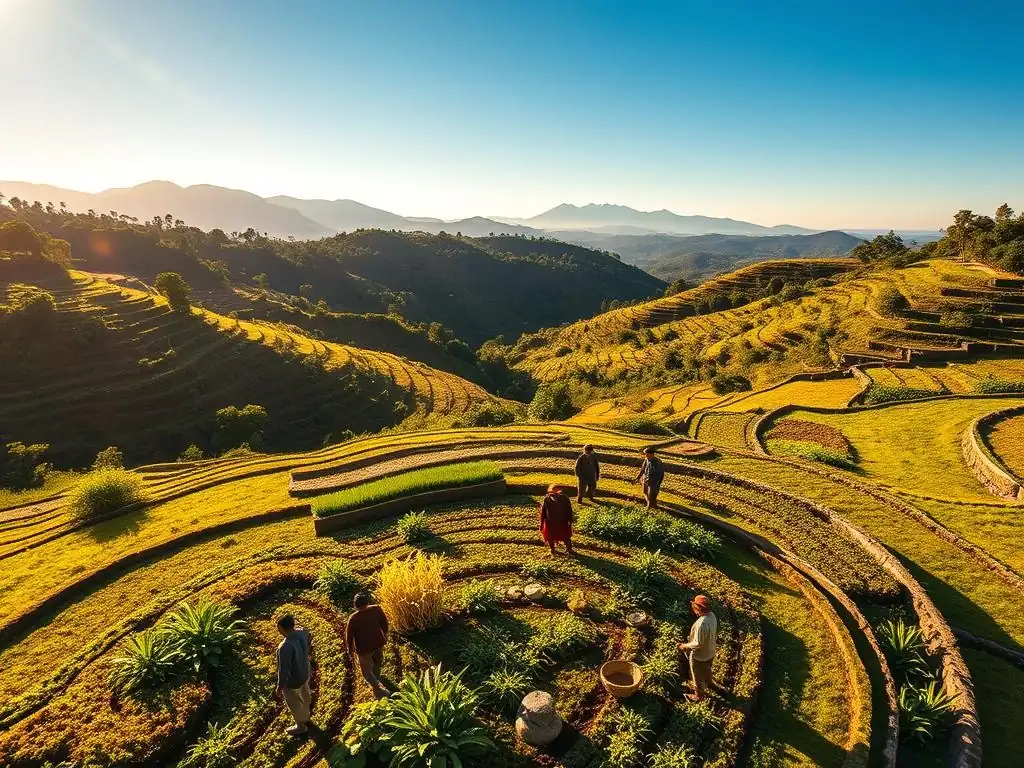
Welcome to Indigenous Civilizations of the Americas, where we invite you on an enlightening journey through the rich tapestry of indigenous cultures that flourished across the continent long before European contact. In our featured article, "The Influence of Agriculture: How Farming Practices Informed Indigenous Knowledge Systems," we delve into the profound connection between indigenous agriculture knowledge systems and the very fabric of daily life for these remarkable societies. Discover how their innovative farming practices not only sustained their communities but also shaped their spiritual beliefs and social structures.
Prepare to uncover the wisdom that has endured through generations and inspired modern agricultural practices. Your exploration begins here!
Introduction to Indigenous Agriculture Knowledge Systems
The intricate relationship between agriculture and indigenous knowledge systems forms a foundational aspect of understanding the diverse cultures that flourished in the Americas prior to European colonization. Indigenous agriculture was not merely a means of sustenance; it was deeply intertwined with the social, spiritual, and economic fabrics of indigenous societies.
This article delves into how farming practices shaped indigenous knowledge systems, reflecting not only the environmental conditions of various regions but also the cultural beliefs and practices of the people. By exploring the multifaceted influence of agriculture, we can gain valuable insights into the sophisticated systems of knowledge that were developed and transmitted across generations.
Definition of Indigenous Agriculture
Indigenous agriculture refers to traditional farming practices developed by native peoples that are adapted to the unique ecosystems of the Americas. These practices often include:
- Crop Diversification: Cultivating multiple species to enhance resilience and nutritional value.
- Sustainable Techniques: Employing methods such as crop rotation, companion planting, and agroforestry to maintain soil health and biodiversity.
- Cultural Significance: Integrating agricultural activities with spiritual beliefs and community rituals.
Through these practices, indigenous peoples not only cultivated the land but also forged a profound connection with it, fostering a sustainable relationship that honored nature's cycles.
Importance of Agriculture in Indigenous Cultures
Agriculture played a pivotal role in the development of indigenous civilizations, influencing various aspects of daily life, including:
- Social Structure: The establishment of permanent settlements around agricultural lands led to complex societal hierarchies and community organization.
- Trade Networks: Surplus production facilitated trade with neighboring tribes, contributing to economic interdependence and cultural exchange.
- Cultural Identity: Agricultural practices were often linked to spiritual beliefs and traditions, reinforcing a sense of community and identity among indigenous peoples.
As such, agriculture was not merely an economic activity but a cornerstone of cultural identity and social cohesion.
Overview of Knowledge Systems in Indigenous Societies
Indigenous knowledge systems encompass a wide range of information, beliefs, and practices that guide communities in their interactions with the environment. Key components include:
- Oral Traditions: Storytelling and oral histories that convey agricultural techniques and ecological wisdom.
- Rituals and Ceremonies: Practices that honor the agricultural cycles and the spirits associated with the land.
- Intergenerational Knowledge Transfer: The passing down of agricultural knowledge and practices from elders to younger generations, ensuring cultural continuity.
These systems reflect a deep understanding of local ecosystems and highlight the importance of maintaining sustainable practices that respect both the land and the community's cultural heritage.
Historical Context of Indigenous Agriculture
Evolution of Farming Practices among Indigenous Peoples
The evolution of agriculture among indigenous peoples can be traced back thousands of years, marked by innovations and adaptations to diverse environments. Early agricultural practices included the domestication of native plants such as maize, beans, and squash, often referred to as the "Three Sisters." This symbiotic planting technique exemplifies the sophisticated understanding indigenous peoples had of crop interdependence and ecological balance.
Regional Variations in Agriculture Across the Americas
Indigenous agricultural practices were not uniform; they varied significantly across different regions. For instance:
- Mesoamerica: Known for the cultivation of maize, beans, and chili peppers, with advanced techniques like terracing and irrigation.
- The Andes: Indigenous peoples developed potato farming and quinoa cultivation, utilizing high-altitude farming methods.
- North America: Diverse practices included the cultivation of wild rice in the Great Lakes region and the use of fire to manage land for hunting and gathering.
These regional variations highlight the adaptability and ingenuity of indigenous agricultural systems in response to their unique environments.
Key Crops Cultivated by Indigenous Communities
Indigenous communities cultivated a wide variety of crops that not only sustained their populations but also shaped their societies. Some key crops include:
| Crop | Region | Significance |
|---|---|---|
| Maize | Mesoamerica | Central to diet; linked to cultural identity. |
| Potatoes | Andes | Nutritional staple; diverse varieties developed. |
| Quinoa | Andes | Highly nutritious; integral to traditional diets. |
| Wild Rice | North America | Important for sustenance and trade. |
| Beans | Various Regions | Complementary crop to maize; high in protein. |
These crops not only provided sustenance but also played vital roles in the cultural and economic lives of indigenous peoples, fostering a rich agricultural heritage that continues to influence contemporary practices.
The Role of Agriculture in Knowledge Transmission
Agriculture played a pivotal role in shaping the knowledge systems of indigenous cultures across the Americas. These communities developed a profound understanding of their environments, which was intricately linked to their agricultural practices. This relationship fostered a wealth of knowledge that was not only essential for survival but also for the continuation of cultural identity and social cohesion. By cultivating crops, managing resources, and adapting to changing climates, indigenous peoples were able to pass down vital information through generations, ensuring that their agricultural heritage was preserved and adapted over time.
Farming Practices as a Source of Knowledge
Farming practices among indigenous communities were often deeply rooted in observation and experimentation, leading to the development of sophisticated agricultural techniques. For instance, the cultivation of maize, beans, and squash—often referred to as the "Three Sisters"—demonstrates a profound understanding of companion planting, where each plant supports the growth of the others. This method not only maximizes yield but also maintains soil fertility.
Such practices were meticulously documented through oral traditions, allowing future generations to learn from the successes and failures of their ancestors. Moreover, the selection of seeds for planting was guided by traditional knowledge, which emphasized the importance of biodiversity and resilience against pests and diseases.
Oral Traditions and Agricultural Wisdom
Oral traditions served as the primary means of knowledge transmission in many indigenous cultures. Stories, songs, and rituals encapsulated agricultural wisdom, ensuring that critical farming techniques and seasonal practices were communicated effectively. These narratives often included detailed instructions on planting times, harvesting rituals, and the significance of certain crops in cultural and spiritual life. The oral transmission of knowledge not only preserved agricultural practices but also reinforced communal identity and values, linking the people to their ancestors and the land. Through storytelling, elders imparted critical lessons about sustainability, respect for nature, and the interconnectedness of all living things.
Intergenerational Learning in Indigenous Agriculture
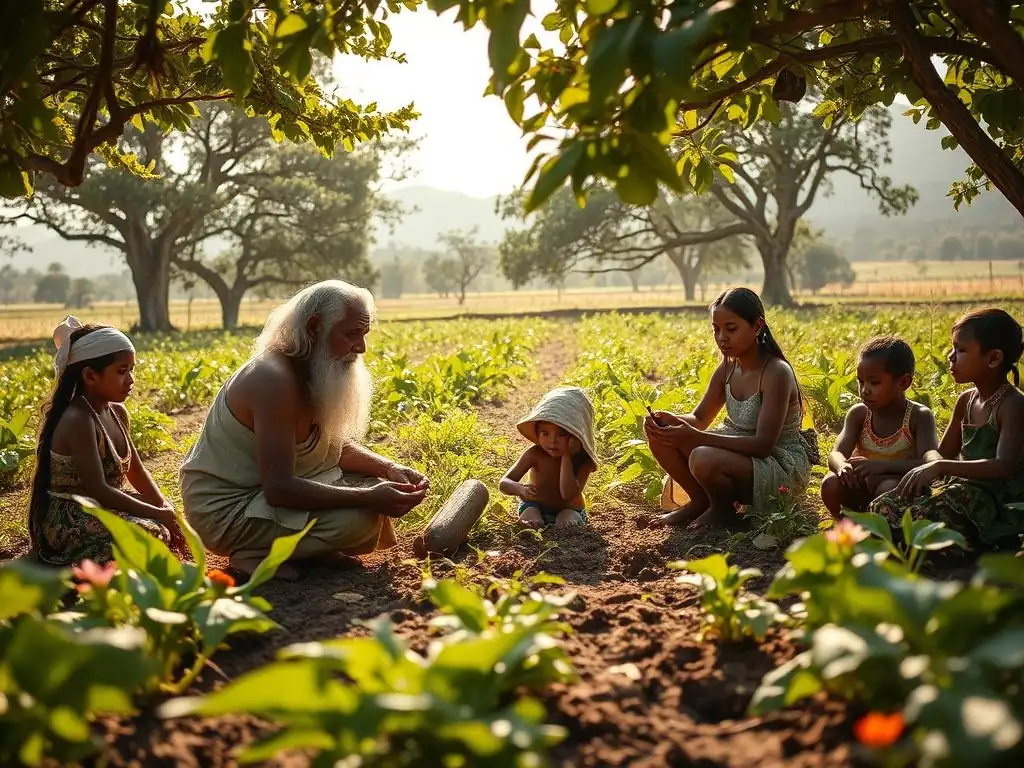
Intergenerational learning is a cornerstone of indigenous agriculture, where knowledge is shared through hands-on experiences. Elders often take on the role of teachers, guiding younger generations in the intricacies of farming. This mentorship fosters a deep respect for the land and instills a sense of responsibility towards its stewardship.
Activities such as planting, harvesting, and preparing food are communal events that reinforce familial bonds and cultural traditions. As children participate in these practices, they absorb not only agricultural skills but also the values and philosophies that underpin indigenous knowledge systems. This experiential learning model ensures that agricultural practices remain dynamic and responsive to changing environmental conditions.
Sustainable Practices in Indigenous Farming
Sustainable practices are integral to indigenous agriculture, reflecting a profound understanding of ecological balance and resource management. Indigenous peoples have developed methods that promote sustainability, often long before contemporary environmental movements emerged. Their agricultural systems prioritize the health of ecosystems, recognizing that the well-being of the land directly impacts the community's health and survival.
Techniques for Soil Health and Crop Diversity
Indigenous farmers employ a variety of techniques to maintain soil health and promote crop diversity. Practices such as crop rotation, intercropping, and the use of organic fertilizers, including compost and animal manure, help to replenish soil nutrients and prevent degradation. By cultivating a wide range of crops, indigenous communities enhance biodiversity, which contributes to ecosystem resilience and reduces the risk of total crop failure. These techniques reflect a deep understanding of ecological principles, illustrating how indigenous agriculture knowledge systems have been honed over centuries to adapt to local conditions and challenges.
Water Management Practices in Indigenous Agriculture
Water management is another critical aspect of indigenous agriculture, with various communities developing innovative practices to harness and conserve water resources. Techniques such as terracing, the construction of check dams, and the use of traditional irrigation systems exemplify their commitment to sustainable water use. These methods not only maximize water efficiency but also mitigate erosion and promote soil health. Indigenous knowledge systems emphasize the importance of maintaining water quality and availability, recognizing the vital role water plays in agricultural success and community well-being.
The Role of Traditional Ecological Knowledge (TEK)
Traditional Ecological Knowledge (TEK) encompasses the cumulative body of knowledge, practices, and beliefs developed by indigenous peoples through generations of interaction with their environments. TEK plays a crucial role in indigenous agriculture, guiding practices that harmonize with natural ecosystems. This knowledge is often embedded in cultural narratives and rituals, reflecting a worldview that prioritizes respect for nature and the interconnectedness of all life forms.
By integrating TEK into agricultural practices, indigenous communities not only enhance food security but also contribute to biodiversity conservation and ecosystem health. The recognition and application of TEK in contemporary agricultural systems underscore its relevance and importance in addressing modern environmental challenges.
Case Studies of Indigenous Agriculture Knowledge Systems
Indigenous agriculture knowledge systems represent a rich tapestry of practices and ideologies developed over millennia. These systems not only facilitated food production but also shaped social structures, spiritual beliefs, and ecological stewardship. Below are several notable case studies that illuminate the diverse agricultural practices and knowledge systems of indigenous cultures across the Americas.
The Three Sisters: Corn, Beans, and Squash
The "Three Sisters" is a term used to describe the intercropping of corn, beans, and squash, a practice that has been fundamental to many indigenous peoples in North America, particularly among the Haudenosaunee (Iroquois) and various tribes in the Great Lakes region. This technique is celebrated for its ecological and agricultural benefits:
- Symbiotic Relationships: Each plant contributes to the growth of the others. Corn provides a natural pole for the beans to climb, beans fix nitrogen in the soil, enhancing fertility, while squash spreads across the ground, blocking sunlight and suppressing weeds.
- Nutritional Completeness: Together, these crops offer a balanced diet, providing essential amino acids, vitamins, and minerals.
- Cultural Significance: The Three Sisters are deeply embedded in the spiritual and cultural narratives of many tribes, often symbolizing the interconnectedness of life and community.
This method showcases a profound understanding of biodiversity and sustainable agriculture, reflecting indigenous knowledge systems that prioritize harmony with the environment.
The Importance of Milpa in Mesoamerican Cultures
Milpa is a traditional Mesoamerican agricultural system characterized by the cultivation of crops in a cyclical manner. This practice has been pivotal for indigenous peoples, particularly in regions such as Mexico and Central America. Key aspects of the milpa system include:
- Crop Rotation: Farmers typically plant a variety of crops in a field for a few years, then allow the land to rest, promoting soil health and reducing pest populations. This rotation supports biodiversity and sustains yields over time.
- Cultural Practices: Milpa is not just an agricultural technique; it is intertwined with cultural rituals, community gatherings, and traditional knowledge transfer among generations.
- Biodiversity Conservation: The milpa system encourages the cultivation of a wide range of crops, which helps maintain genetic diversity and resilience against climate change.
Through milpa, indigenous communities demonstrate a sophisticated grasp of ecological principles, showcasing their ability to adapt agricultural practices to their environments.
Aquaponics and Fishing in Coastal Indigenous Communities
Coastal indigenous communities have developed unique agricultural practices that integrate aquaponics and fishing. These systems exemplify the blending of terrestrial and aquatic food production. Key features include:
- Sustainable Practices: Many coastal tribes utilized natural resources responsibly, employing techniques that ensured the longevity of fish populations and plant growth. For instance, the use of fish waste as fertilizer in aquaponics systems maximizes resource efficiency.
- Cultural Traditions: Fishing practices are often steeped in cultural significance, with rituals and community laws governing sustainable harvesting. This reflects a deep respect for natural resources and the ecosystems that support them.
- Food Security: These practices not only provided nourishment but also fostered social cohesion within communities, as fishing and farming activities often involved collective efforts and shared knowledge.
By integrating agriculture with fishing, coastal indigenous communities illustrate a holistic approach to food production that is both sustainable and culturally relevant.
Agriculture has profoundly influenced the social structures of indigenous communities, shaping everything from family organization to trade networks. The development of farming practices has fostered interconnectedness among individuals and communities, leading to complex societal dynamics.
Community Organization Around Agricultural Cycles
The agricultural calendar dictated the rhythms of life for many indigenous cultures, influencing community organization and social roles. Key points include:
- Seasonal Activities: Communities often organized themselves around planting, harvesting, and preparation seasons. This seasonal rhythm fostered cooperation and collective labor, reinforcing social bonds.
- Division of Labor: Different roles emerged based on agricultural needs, with some community members focused on cultivation while others engaged in food preservation, trading, or ritual practices.
- Cultural Celebrations: Agricultural cycles often culminated in festivals and ceremonies that celebrated harvests, reinforced communal ties, and honored the earth's cycles.
This organization reflects a deep integration of agriculture into the fabric of social life, where farming practices shaped communal identity.
Trade and Exchange Systems Related to Farming
The development of agriculture led to the establishment of intricate trade networks among indigenous peoples. These systems of exchange were vital for economic and social interactions, characterized by:
- Surplus Production: Agricultural advancements allowed communities to produce surplus goods, which facilitated trade with neighboring groups. This exchange not only included food but also tools, textiles, and cultural artifacts.
- Cultural Exchange: Trade routes became conduits for not just goods but also ideas, technologies, and cultural practices, enriching the social fabric of the involved communities.
- Economic Interdependence: As communities engaged in trade, they developed interdependent relationships that strengthened alliances and fostered cooperation.
Trade systems rooted in agricultural practices exemplify the complexity and dynamism of indigenous societies, highlighting how agriculture served as a catalyst for broader social networks.
Spirituality and Agriculture in Indigenous Beliefs
Agriculture is often deeply intertwined with spirituality in indigenous cultures, reflecting a worldview that sees the land, plants, and animals as sacred. Key elements include:
- Ritual Practices: Many indigenous cultures incorporate agricultural practices into their spiritual rituals, offering thanks to the earth and performing ceremonies to ensure bountiful harvests.
- Ancestral Knowledge: The transmission of agricultural knowledge often involves spiritual teachings and narratives, connecting generations to the land and its resources.
- Respect for Nature: Indigenous belief systems frequently emphasize a reciprocal relationship between humans and the natural world, where agriculture is practiced with respect and mindfulness towards ecological balance.
Through agriculture, indigenous peoples express their spirituality, linking their sustenance to a broader cosmology that honors the interconnectedness of all life.
Contemporary Relevance of Indigenous Agriculture Knowledge Systems
Indigenous agriculture knowledge systems are not only historical legacies but remain deeply relevant in contemporary discussions around sustainability, food security, and biodiversity. As modern societies grapple with the implications of climate change and industrial agriculture, the wisdom embedded in indigenous farming practices offers invaluable insights. These knowledge systems prioritize harmony with nature, emphasizing sustainable land management, crop diversity, and the preservation of traditional ecological knowledge. This relevance is reflected in the increasing interest among farmers, researchers, and policymakers in integrating indigenous practices into contemporary agricultural frameworks.
Revitalization of Traditional Farming Practices
The revival of traditional farming practices among indigenous communities is gaining momentum as a response to the environmental challenges posed by conventional agriculture. Practices such as companion planting, crop rotation, and the use of indigenous seeds are being actively promoted. These methods not only enhance soil health and increase resilience against pests and diseases but also foster a deeper connection to cultural heritage.
For instance, certain Native American tribes are reintroducing the "Three Sisters" planting method—corn, beans, and squash—demonstrating how traditional wisdom can address modern agricultural challenges. This revitalization not only aids in food production but also strengthens community ties and cultural identity.
Integration of Indigenous Knowledge in Modern Agriculture
The integration of indigenous knowledge systems into modern agricultural practices is a growing trend that recognizes the value of traditional wisdom. This integration often involves collaborative approaches where indigenous farmers work alongside scientists and agricultural experts. By combining traditional ecological knowledge with contemporary agricultural science, innovative solutions to crop management, soil conservation, and sustainable farming techniques are being developed.
For example, some agricultural programs incorporate indigenous methods to manage water resources more effectively, helping to address issues related to drought and water scarcity. Such partnerships not only enhance agricultural productivity but also validate the importance of indigenous perspectives in shaping sustainable futures.
Advocacy for Indigenous Rights and Food Sovereignty
An essential aspect of contemporary discussions surrounding indigenous agriculture knowledge systems is the advocacy for indigenous rights and food sovereignty. Food sovereignty emphasizes the right of communities to control their own food systems, which includes the ability to cultivate traditional crops and preserve indigenous agricultural practices. Advocacy efforts focus on protecting land rights, ensuring access to resources, and promoting policies that support indigenous farmers.
Organizations are working tirelessly to raise awareness about the importance of indigenous knowledge in combating food insecurity and promoting sustainable agriculture. This advocacy is crucial in empowering indigenous communities, allowing them to reclaim their agricultural heritage and influence food systems that affect their well-being.
Conclusion: The Lasting Influence of Indigenous Agriculture Knowledge Systems
The influence of indigenous agriculture knowledge systems on contemporary practices cannot be overstated. These systems have shaped the agricultural landscape for centuries and continue to inspire modern approaches to farming, sustainability, and community resilience. By recognizing and valuing indigenous knowledge, societies can move towards more sustainable and equitable food systems.
Summary of Key Insights
Indigenous agriculture knowledge systems provide important lessons on sustainability, biodiversity, and community well-being. The revitalization of traditional practices, integration with modern techniques, and advocacy for rights and food sovereignty highlight the ongoing relevance of these knowledge systems. Together, these elements underscore the potential for indigenous wisdom to inform contemporary agricultural practices and policies.
Future Directions for Learning from Indigenous Practices
Looking ahead, there is significant potential for further research and collaboration between indigenous communities and agricultural scientists. Future directions could include more extensive documentation of traditional practices, educational programs that promote indigenous knowledge, and participatory research that empowers indigenous voices. By fostering these collaborations, the agricultural sector can better address the challenges of food security, climate change, and ecological degradation.
Call to Action for Preservation of Indigenous Knowledge
It is crucial for all stakeholders, including governments, educational institutions, and the public, to actively support the preservation and revitalization of indigenous agriculture knowledge systems. This can be achieved through policies that protect indigenous lands, funding for traditional farming initiatives, and platforms that amplify indigenous voices. By valuing and incorporating indigenous knowledge, we not only honor the past but also pave the way for a sustainable and equitable future in agriculture.
- Introduction to Indigenous Agriculture Knowledge Systems
- Historical Context of Indigenous Agriculture
- The Role of Agriculture in Knowledge Transmission
- Sustainable Practices in Indigenous Farming
- Case Studies of Indigenous Agriculture Knowledge Systems
- The Impact of Agriculture on Indigenous Social Structures
- Contemporary Relevance of Indigenous Agriculture Knowledge Systems
- Conclusion: The Lasting Influence of Indigenous Agriculture Knowledge Systems
Frequently Asked Questions
What are indigenous agriculture knowledge systems?
Indigenous agriculture knowledge systems encompass the traditional practices and understanding of farming that indigenous communities developed over centuries, tailored to their specific environments and cultures.
How did agriculture influence indigenous societies?
Agriculture played a pivotal role in shaping social structures, economic systems, and cultural practices among indigenous societies, fostering community development and stability.
What crops were central to indigenous agriculture?
Key crops included maize, beans, and squash, often referred to as the "Three Sisters," which were fundamental to the diet and agricultural practices of many indigenous peoples.
How did indigenous knowledge systems contribute to sustainability?
Indigenous knowledge systems promoted sustainable farming practices that respected the land, ensuring the biodiversity and health of ecosystems, which have proven effective for centuries.
What is the lasting impact of indigenous agriculture today?
The lasting impact includes the preservation of traditional farming techniques and the recognition of the importance of biodiversity, which continue to influence modern agricultural practices and sustainability initiatives.
Final Reflection: The Enduring Legacy of Indigenous Agricultural Knowledge Systems
In exploring the intricate relationship between agriculture and indigenous knowledge systems, we uncover a profound truth: the wisdom of indigenous farming practices is not merely a relic of the past but a vital resource for our present and future. As we face unprecedented challenges such as climate change, food insecurity, and biodiversity loss, the insights gleaned from these traditional practices offer innovative solutions that can guide us toward sustainable living. The time has come to recognize and elevate these invaluable systems, as they hold the key to fostering resilience in our ecosystems and communities.
The influence of indigenous agricultural knowledge systems extends far beyond the fields; it shapes our cultural and social landscapes, reminding us of the interconnectedness of all life. These practices are not just methods of cultivation; they embody a holistic understanding of nature that has been passed down through generations. As we witness a resurgence of interest in sustainable practices, it is essential to honor the voices of indigenous communities. Indigenous knowledge is not only a way of knowing but a way of being in the world.
This quote encapsulates the essence of how these systems continue to inform and enrich our understanding of agriculture, ecology, and community well-being.
As we reflect on the lessons embedded in indigenous agricultural knowledge systems, I invite you to consider how you can integrate these principles into your own life. Let us commit to learning from these traditions, advocating for their recognition, and applying their wisdom in our daily practices. By doing so, we not only honor the past but also pave the way for a more sustainable and equitable future. Together, we can cultivate a deeper appreciation for the land and its resources, ensuring that the legacy of indigenous knowledge thrives for generations to come.
Embrace Our Agricultural Heritage Today!
Thank you for exploring the intricate relationship between agriculture and Indigenous knowledge systems. Your engagement with this vital subject enhances our understanding of cultural legacies and sustainable practices. Now, let’s take the next step together to deepen our appreciation and involvement in these traditions.
- Visit local farms or community gardens that honor Indigenous agricultural practices and learn directly from those who nurture these traditions.
- Share your insights from this article with friends and family—start a conversation about the importance of preserving Indigenous knowledge in agriculture!
- Participate in a workshop or webinar focused on sustainable farming methods inspired by Indigenous wisdom to actively engage in these teachings.
How can you incorporate Indigenous agricultural knowledge into your daily life or community practices?