
Symbols and Stories: The Use of Art in Teaching Indigenous Histories

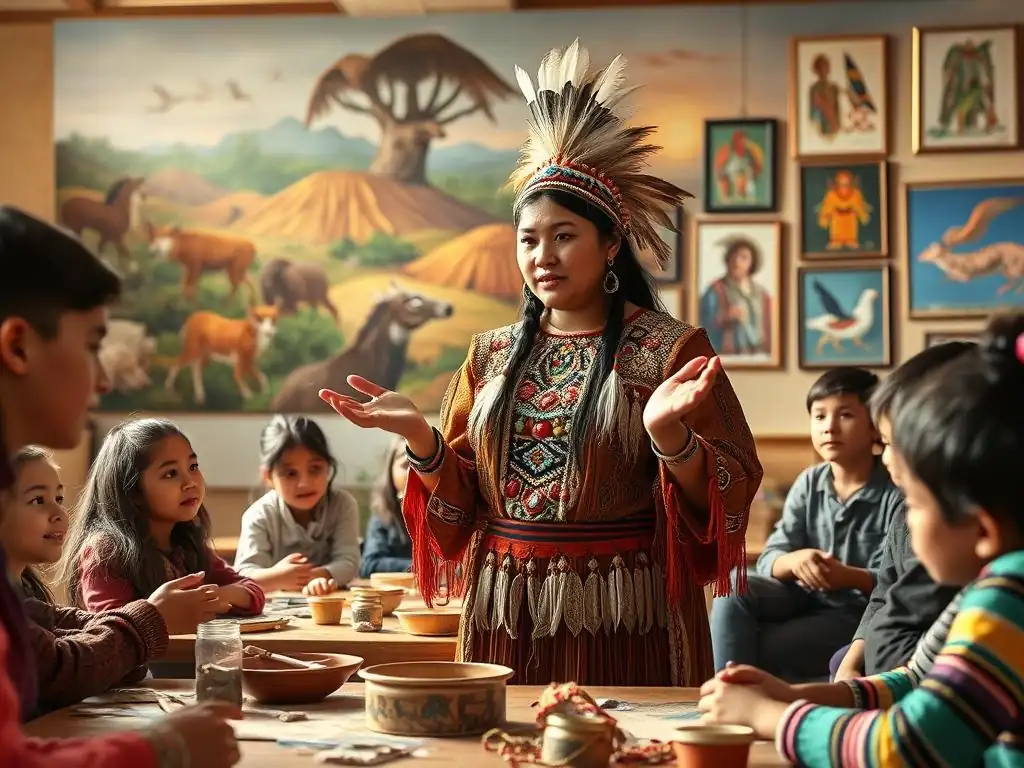
Welcome to Indigenous Civilizations of the Americas, where we invite you to embark on a fascinating journey through the rich tapestry of cultures that flourished long before European contact. In our featured article, "Symbols and Stories: The Use of Art in Teaching Indigenous Histories," we delve into the profound role of indigenous art teaching methods—a vibrant medium through which history, values, and stories are passed down through generations.
Prepare to uncover how these creative expressions not only reflect the diverse identities of indigenous peoples but also serve as powerful tools for education and cultural preservation. Join us as we explore the incredible legacies that continue to shape our understanding of indigenous civilizations today!
- Introduction to Indigenous Art Teaching Methods
- The Role of Symbols in Indigenous Art
- Stories as a Teaching Tool in Indigenous Education
- Integrating Indigenous Art in Contemporary Education
- Benefits of Using Art in Teaching Indigenous Histories
- Challenges in Implementing Indigenous Art Teaching Methods
- Conclusion: The Future of Indigenous Art in Education
-
Frequently Asked Questions
- What is the focus of the article "Symbols and Stories: The Use of Art in Teaching Indigenous Histories"?
- How does art contribute to understanding Indigenous cultures?
- What are some effective Indigenous art teaching methods mentioned in the article?
- Why is it important to teach Indigenous histories through art?
- How can educators implement these teaching methods in their classrooms?
- Final Reflection: Embracing Indigenous Art as a Pathway to Understanding
- Unveil the Power of Art: Engage with Indigenous Histories Today!
Introduction to Indigenous Art Teaching Methods
Indigenous art serves as a vital medium for teaching and preserving the rich histories and cultures of the diverse indigenous civilizations of the Americas. Through visual storytelling and symbolic representation, indigenous art not only reflects the unique identities of various tribes and nations but also acts as a powerful educational tool.
This article delves into the significance of art as a teaching method within indigenous communities, highlighting its role in knowledge transmission and cultural continuity. By exploring various indigenous art forms and their educational implications, we aim to shed light on the innovative teaching approaches that leverage these artistic expressions to foster a deeper understanding of indigenous histories.
Importance of Art in Indigenous Education
Art is not merely an aesthetic pursuit within indigenous cultures; it is deeply intertwined with education and the transmission of knowledge. The significance of art in indigenous education can be understood through several key aspects:
- Cultural Identity: Art serves as a medium through which indigenous peoples express their cultural identity, values, and beliefs. It encapsulates stories passed down through generations, reflecting the unique experiences and worldviews of each community.
- Storytelling: Visual art often tells stories that convey important lessons, moral values, and historical events. These narratives are essential for teaching younger generations about their heritage and the wisdom of their ancestors.
- Multisensory Learning: Indigenous art incorporates various sensory elements, engaging learners in a holistic educational experience. This multisensory approach enhances understanding and retention of knowledge, allowing students to connect emotionally with the content.
- Community Engagement: Artistic practices often involve communal participation, fostering collaboration and a sense of belonging among community members. This collective approach to learning reinforces social bonds and shared responsibilities in preserving cultural traditions.
- Innovative Teaching Methods: By integrating art into educational frameworks, educators can adopt innovative teaching methods that resonate with indigenous students. These methods honor indigenous epistemologies and provide culturally relevant contexts for learning.
Overview of Indigenous Art Forms
Indigenous art is a vast and varied domain, encompassing numerous forms and styles that reflect the diversity of cultures across the Americas. Here’s a brief overview of some prominent indigenous art forms that have played a significant role in teaching and cultural expression:
- Pottery: Many indigenous cultures create intricate pottery that tells stories or represents aspects of their daily lives. For instance, Pueblo pottery is renowned for its beautiful designs and is often used to teach traditional techniques and cultural narratives.
- Weaving: Textile arts, such as weaving, are fundamental to many indigenous communities. Through weaving, artisans convey stories, spiritual beliefs, and community values, making it an effective teaching tool.
- Painting: From mural art to canvas paintings, indigenous artists use vivid colors and symbols to represent their histories and beliefs. These artworks serve as visual aids in classrooms, helping students connect with their heritage.
- Sculpture: Carving and sculpture are prominent in many indigenous cultures, with works often depicting animals, spirits, or historical figures. These sculptures can be used to teach about cultural significance and the relationship between people and nature.
- Dance and Performance Art: Performance art, including traditional dances, often incorporates costumes and music that are rich in symbolic meaning. These performances can convey teachings about history, spirituality, and community values.
By understanding and utilizing these various indigenous art forms, educators can create a more engaging and culturally relevant curriculum that respects and honors the histories of indigenous peoples. Through the lens of art, learners can gain a profound appreciation for the complexities and contributions of indigenous cultures throughout history.
The Role of Symbols in Indigenous Art
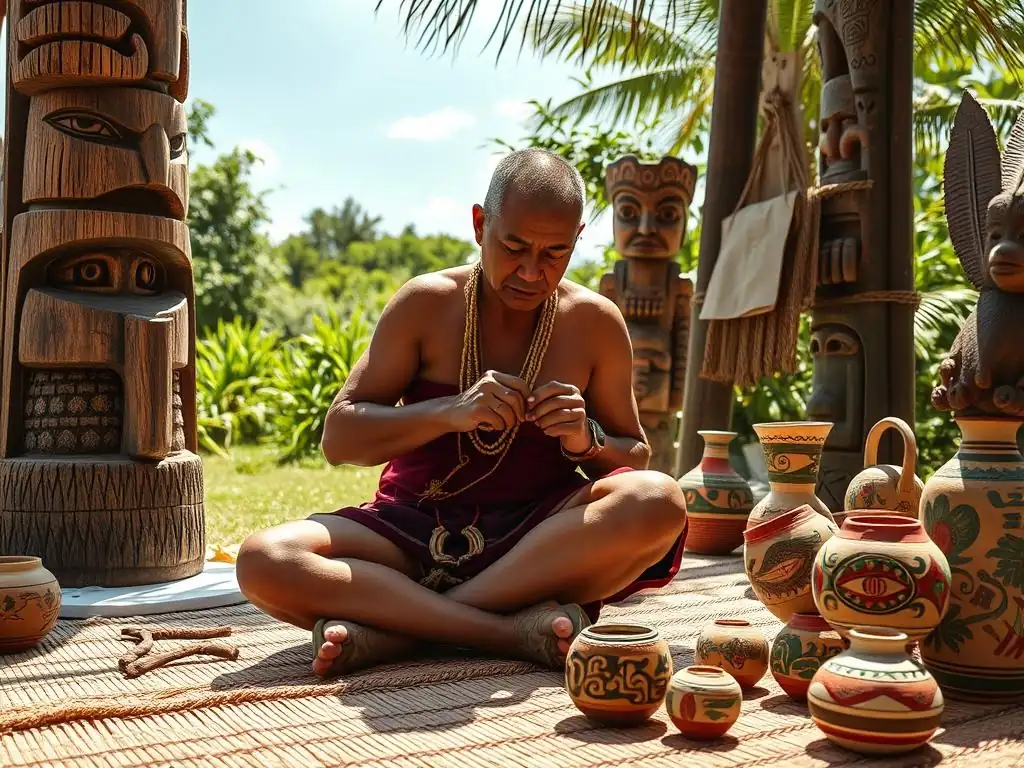
Indigenous art serves as a vital medium for preserving and transmitting cultural knowledge, history, and identity among various communities across the Americas. At the heart of this artistic expression lies the role of symbols, which encapsulate profound meanings and narratives that resonate deeply within indigenous cultures. These symbols often convey stories of creation, ancestry, and the interconnectedness of life, serving as educational tools that enhance the understanding of indigenous histories.
Understanding Symbolism in Indigenous Cultures
In many indigenous cultures, symbols are not merely decorative elements; they are imbued with significance and are pivotal in communicating complex ideas. Each symbol can represent various aspects of life, including relationships with nature, spiritual beliefs, and social values.
- Cultural Context: The meaning of symbols can vary widely between different tribes or nations. For example, the spider might symbolize creativity and patience in some cultures, while in others, it could represent a connection to the web of life.
- Material Significance: The materials used in creating these symbols—such as clay, wood, or textiles—often hold their own significance, reflecting the resources available in a particular region and the cultural practices of its people.
- Oral Traditions: Many symbols are linked to oral traditions, where stories passed down through generations help to explain their meanings. This intertwining of art and narrative underscores the importance of storytelling in indigenous education.
By utilizing these symbols, indigenous artists create a visual language that speaks to both their community and outsiders, fostering a greater appreciation for their rich cultural heritage.
How Symbols Convey Historical Narratives
Symbols in indigenous art often serve to recount historical events and experiences, acting as a bridge between the past and present. They encapsulate stories that might otherwise be lost to time, illustrating the resilience and adaptability of indigenous societies.
- Historical Events: Many symbols reference specific events, such as migrations, treaties, or conflicts. For instance, the eagle might symbolize freedom and bravery, often used in artwork depicting the struggles and triumphs of a community.
- Identity and Resistance: Symbols can also convey themes of identity and resistance against colonization. The use of traditional motifs in contemporary art can be a powerful statement of cultural pride and endurance, reinforcing a collective memory of struggle and survival.
- Educational Impact: In educational settings, the study of these symbols can enhance understanding of indigenous histories. By examining the meanings behind the symbols, students can gain insight into the values and worldviews of indigenous peoples, fostering a deeper respect for their cultures.
In essence, the use of symbols in indigenous art is a dynamic method of teaching that transcends mere aesthetics. It invites engagement with history, encourages critical thinking, and promotes a respectful dialogue about indigenous cultures and their contributions to the broader narrative of human history. Through indigenous art teaching methods, educators can leverage these powerful symbols to create a more inclusive and holistic understanding of the past.
Stories as a Teaching Tool in Indigenous Education
Oral Traditions and Storytelling Techniques
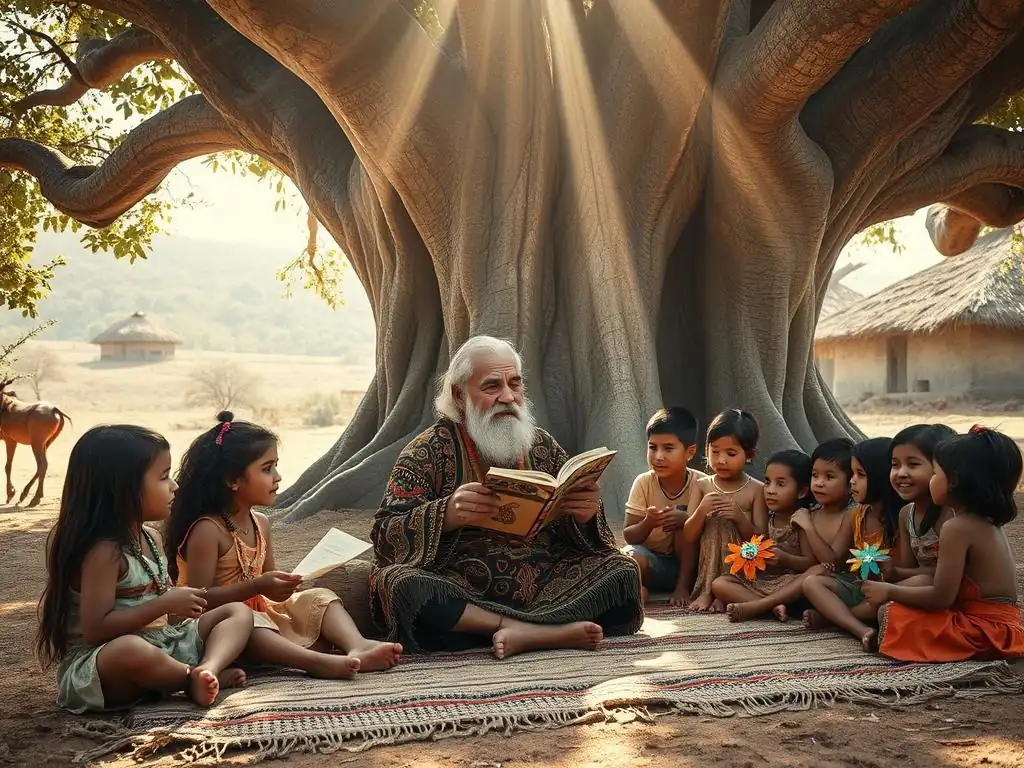
Oral traditions serve as a foundational element in the educational frameworks of many Indigenous cultures across the Americas. These traditions encompass a variety of storytelling techniques, which are not only artistic expressions but also vehicles for transmitting knowledge, values, and cultural heritage.
The techniques often include:
- Narrative Techniques:
- First-Person Perspectives: Many stories are told from the perspective of a character within the tale, allowing listeners to immerse themselves in the experiences of others.
- Symbolism: Common objects, animals, or natural elements in stories frequently symbolize deeper meanings and lessons, providing layered insights into Indigenous worldviews.
- Performance Elements:
- Voice Modulation: Storytellers often use varied tones and pitches to convey emotions and emphasize key points in the narrative.
- Physical Gestures: The incorporation of movements and expressions enhances the storytelling experience, allowing for a deeper emotional connection with the audience.
- Interactive Engagement:
- Call-and-Response: This technique encourages audience participation, fostering a communal learning environment where everyone feels involved and invested in the story.
- Cultural Rituals: Stories may be shared during ceremonies or community gatherings, reinforcing social bonds and collective memory.
Through these techniques, oral traditions not only preserve historical narratives but also adapt to contemporary contexts, making them relevant for future generations. The emphasis on storytelling as a pedagogical tool highlights the importance of narrative in Indigenous art teaching methods, enabling learners to engage with their heritage in dynamic and meaningful ways.
The Impact of Stories on Cultural Identity
Stories play a vital role in shaping and reinforcing cultural identity among Indigenous peoples. They serve as a mirror reflecting community values, beliefs, and historical experiences, allowing individuals to connect with their roots and understand their place within the larger tapestry of their culture.
- Cultural Continuity: Through storytelling, Indigenous communities pass down significant historical events, creation myths, and moral lessons. This continuity fosters a sense of belonging and pride in one’s heritage, vital for the survival of cultural identity in the face of external pressures.
- Social Cohesion: Shared stories create common narratives within communities, strengthening interpersonal bonds and collective identity. When individuals engage in storytelling, they reinforce their connections not only to the past but also to each other, creating a unified sense of purpose.
- Adaptation and Resilience: Stories often illustrate themes of resilience in the face of adversity. They recount struggles, triumphs, and the lessons learned from them. This adaptability is crucial for cultural identity, allowing communities to evolve while maintaining their core values.
The use of stories in Indigenous education is a powerful method for teaching and preserving cultural identity. By integrating art in these storytelling practices, educators can effectively utilize Indigenous art teaching methods to foster a deeper understanding of the rich histories and traditions that define Indigenous civilizations in the Americas.
Integrating Indigenous Art in Contemporary Education
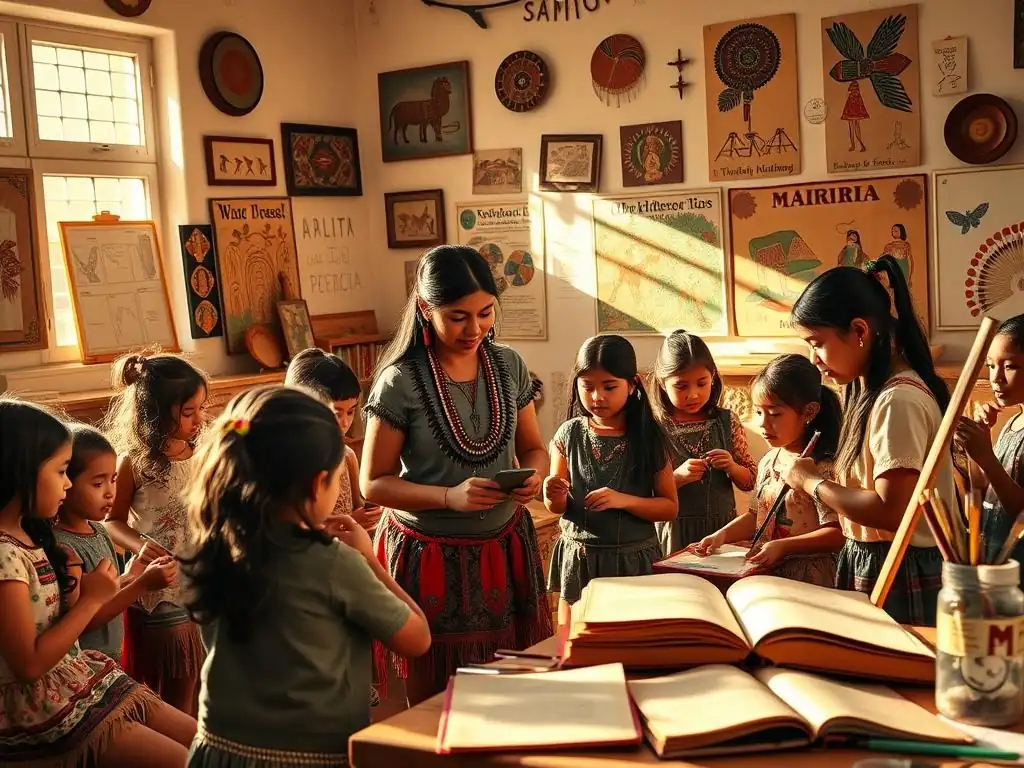
Indigenous art serves as a vital tool for both cultural preservation and education, particularly in contemporary settings. By integrating Indigenous art into educational frameworks, educators can foster a deeper understanding of Indigenous histories, values, and perspectives. This approach not only enriches the curriculum but also promotes inclusivity and respect for diverse cultures.
In contemporary education, the integration of Indigenous art involves a multifaceted approach that recognizes the significance of artistic expression in conveying historical narratives and cultural teachings. Incorporating Indigenous art into educational practices requires sensitivity and collaboration with Indigenous communities to ensure authenticity and respect for traditions.
Methods for Incorporating Indigenous Art Teaching Methods
- Collaborative Curriculum Design
- Engagement with Indigenous Artists: Collaborate with Indigenous artists to co-create curriculum materials that reflect authentic artistic practices.
- Community Involvement: Involve local Indigenous communities in the educational process, ensuring their voices and perspectives are integral to the learning experience.
- Art-Based Learning Activities
- Hands-on Workshops: Organize workshops where students can learn traditional art techniques, such as weaving, pottery, or painting, directly from Indigenous artists. This experiential learning fosters connection and understanding.
- Creative Projects: Encourage students to create their own art pieces inspired by Indigenous themes, utilizing materials and techniques that are culturally significant.
- Storytelling through Art
- Visual Storytelling: Use Indigenous art to narrate stories, legends, and histories. This can include analyzing artworks to uncover the stories they tell and the cultural lessons they impart.
- Multimedia Presentations: Incorporate digital platforms to showcase Indigenous artists and their work, allowing students to explore the intersection of tradition and modernity.
- Interdisciplinary Approaches
- Integrating Subjects: Combine art education with history, language arts, and social studies to create a holistic understanding of Indigenous cultures. For example, students can research the history behind a specific art form and create their own interpretations.
- Cultural Comparisons: Facilitate discussions on the similarities and differences between Indigenous art forms and those of other cultures, promoting broader cultural awareness.
- Critical Reflection
- Discussion and Analysis: Encourage students to critically analyze Indigenous art within its historical and cultural contexts. Promote discussions on the impact of colonialism on Indigenous artistic traditions and the resilience of these cultures.
- Reflective Journals: Have students maintain journals to reflect on their learning experiences and the significance of Indigenous art, fostering personal connections to the material.
Successful Case Studies in Indigenous Art Education
-
The Native American Art Education Program
This program, implemented in various schools across the United States, emphasizes the integration of Native American art into the curriculum. Through partnerships with local tribes, students engage in hands-on art projects, learning about traditional techniques and the cultural significance behind them. Feedback from educators indicates that students demonstrate increased respect for Indigenous cultures and improved engagement in their learning.
-
The Canadian Indigenous Art Education Initiative
In Canada, this initiative focuses on incorporating Indigenous art into K-12 education. It features a comprehensive curriculum guide that includes lessons on various Indigenous art forms, histories, and cultural practices. Schools that have adopted this program report enhanced student understanding of Indigenous perspectives, as well as increased interest in pursuing art as a form of expression.
-
Art and Indigenous Knowledge Integration in Higher Education
Several universities have developed programs that integrate Indigenous art into their art and education departments. For example, a program at a major university allows students to work directly with Indigenous artists and scholars, leading to the creation of community-based art projects. This collaboration not only enriches students' academic experiences but also fosters meaningful relationships between educational institutions and Indigenous communities.
-
Cultural Exchange Programs
Some educational institutions have established cultural exchange programs that allow students to visit Indigenous communities and participate in art-making processes. These experiences provide students with a firsthand understanding of Indigenous art practices and their cultural significance, promoting empathy and respect for diverse traditions.
Through these methods and case studies, it becomes clear that Indigenous art teaching methods are not only effective educational tools but also crucial in fostering cultural understanding and appreciation among students. By embracing these approaches, educators can help ensure that Indigenous histories and perspectives are honored and preserved for future generations.
Benefits of Using Art in Teaching Indigenous Histories
Enhancing Engagement Through Visual Learning
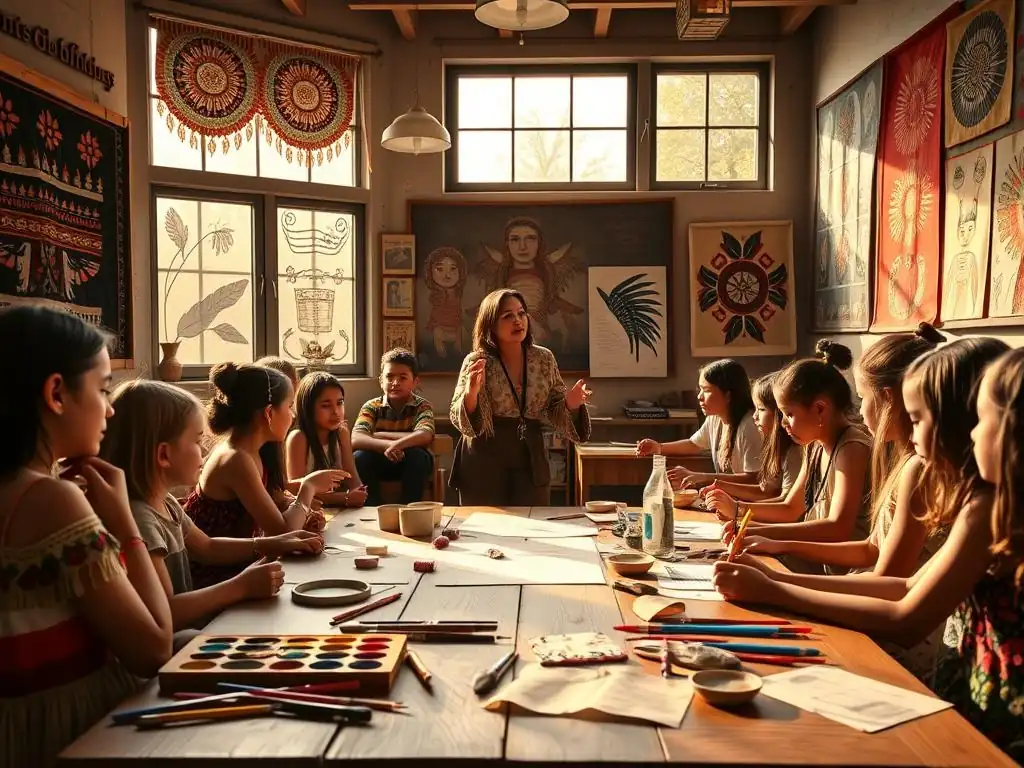
Art serves as a powerful medium for visual learning, making it an effective tool in teaching the histories of indigenous cultures. When students engage with indigenous art, they are not merely observing; they are participating in a dialogue that transcends time and cultural boundaries. This engagement is crucial for several reasons:
- Stimulates Interest: Art captures attention. Vibrant colors, intricate designs, and unique forms pique curiosity and invite deeper exploration of the narratives behind the artwork. For instance, a stunning piece of Navajo weaving might prompt discussions about the significance of patterns and colors in their culture.
- Facilitates Memory Retention: Research indicates that visual stimuli enhance memory retention. When students see representations of historical events or cultural practices through art, they are more likely to remember these concepts. For example, a mural depicting the Taino people's history can serve as a visual anchor, helping students recall details about their society and interactions with European colonizers.
- Encourages Critical Thinking: Analyzing art encourages students to think critically. They learn to interpret symbols, understand context, and make connections to broader historical themes. For instance, examining the symbolism in a Haida totem pole can lead to discussions about the relationship between the Haida people and their environment, as well as the stories represented in the carvings.
Fostering Cultural Appreciation and Awareness
Utilizing indigenous art in educational settings fosters a deeper appreciation and awareness of diverse cultures, which is vital in today's multicultural society. This approach offers several key benefits:
- Promotes Respect for Diversity: By exploring indigenous art, students learn to appreciate the rich diversity of cultures that existed in the Americas. This understanding fosters respect and empathy, countering stereotypes and misconceptions. For example, learning about the intricate beadwork of the Lakota Sioux can help students recognize the skill and tradition behind indigenous craftsmanship.
- Highlights Indigenous Perspectives: Art often conveys the values, beliefs, and experiences of a culture. By studying indigenous art, students gain insights into the worldviews of these communities. This can lead to discussions about the significance of nature in indigenous spirituality, as seen in the artwork of the Ojibwe, which often features natural elements that reflect their connection to the land.
- Encourages Interdisciplinary Learning: Incorporating art into the curriculum allows for interdisciplinary approaches that connect history, sociology, and visual arts. For instance, a project that combines researching the history of the indigenous peoples of the Andes with creating their own textiles can deepen understanding while also fostering creativity.
The integration of indigenous art into teaching methods not only enhances engagement through visual learning but also fosters cultural appreciation and awareness. These approaches contribute significantly to a well-rounded education that respects and honors the rich histories of indigenous civilizations.
Challenges in Implementing Indigenous Art Teaching Methods
Addressing Misconceptions About Indigenous Histories
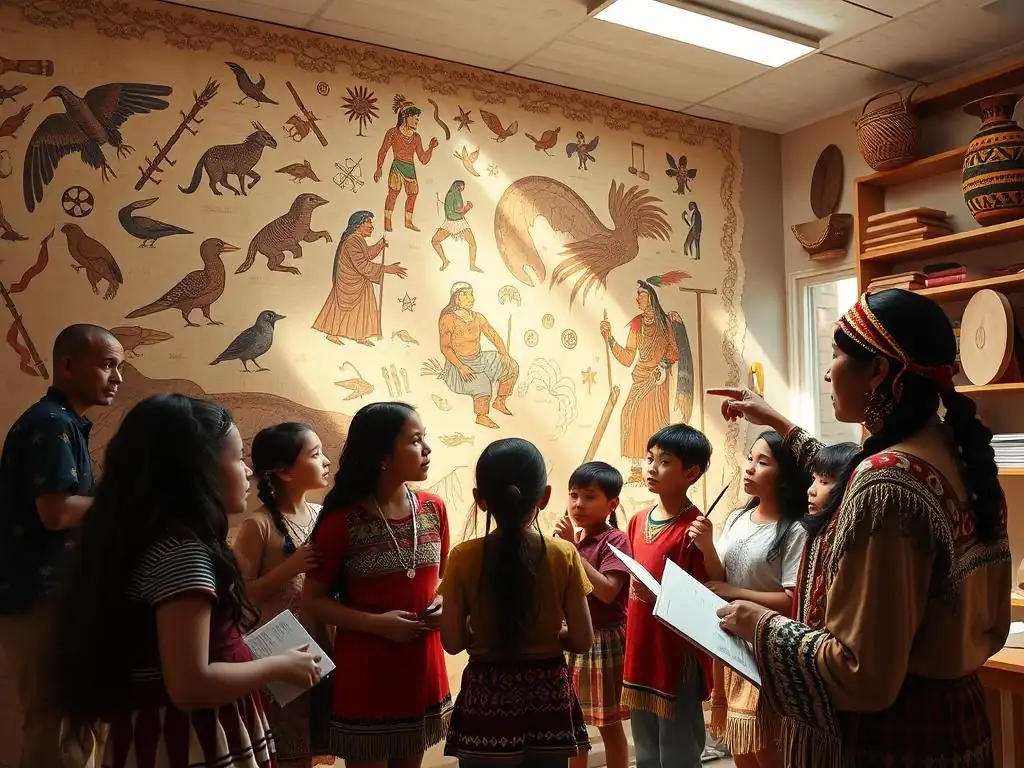
One of the most significant challenges in implementing Indigenous art teaching methods lies in addressing pervasive misconceptions about Indigenous histories. Many educational systems have historically presented Indigenous peoples as static or homogeneous cultures, overlooking the rich diversity and dynamic nature of their histories and arts. This misrepresentation can lead to several issues:
- Stereotyping: Indigenous art is often reduced to clichés or stereotypes, which can distort the true cultural significance and context of these works. For example, the use of totem poles is sometimes generalized to represent all Indigenous cultures, despite their specific significance to certain tribes.
- Historical Erasure: Many curricula fail to adequately cover the impact of colonization on Indigenous communities, leading to a lack of understanding about the historical contexts that shaped their art and cultures. This can result in students viewing Indigenous art as merely historical artifacts rather than living traditions that continue to evolve.
- Cultural Appropriation: When educators or students engage with Indigenous art without a proper understanding of its significance, it can lead to cultural appropriation. This occurs when elements of Indigenous culture are used outside of their intended context, often stripping them of their meaning and reducing them to mere aesthetics.
To combat these misconceptions, educators must prioritize accurate representation and contextual learning. This can involve:
- Collaborating with Indigenous artists and community members to create a curriculum that reflects their histories and perspectives.
- Implementing critical discussions that challenge stereotypes and promote a deeper understanding of the diverse experiences of Indigenous peoples.
- Utilizing resources that highlight contemporary Indigenous art, showcasing how these practices are not only historical but also a vital part of current cultural expression.
Implementing Indigenous art teaching methods also necessitates a careful navigation of cultural sensitivity and authenticity. As educators seek to incorporate Indigenous art into their teaching, it is crucial to respect the cultural protocols and meanings associated with these artworks. Here are key considerations to keep in mind:
- Cultural Protocols: Different Indigenous communities have unique cultural protocols regarding the sharing of their art and stories. Educators should familiarize themselves with these protocols to ensure that they are honoring the traditions and beliefs of the communities they represent. This respect might include seeking permission before using certain symbols or stories in an educational setting.
- Authenticity in Representation: It is vital to accurately represent Indigenous art and its meanings. This can involve:
- Engaging with Indigenous artists to ensure that their perspectives are reflected in the teaching materials.
- Avoiding the commodification of Indigenous art by presenting it in a way that respects its cultural significance rather than merely as a subject for artistic imitation.
- Educator Training: Teachers must receive adequate training on Indigenous histories and cultures, which can help to foster a more respectful and informed approach to teaching these subjects. Professional development workshops led by Indigenous scholars or artists can provide essential insights and techniques for effectively conveying Indigenous narratives through art.
By addressing these challenges, educators can create a learning environment that not only teaches about Indigenous art but also fosters respect, understanding, and appreciation for the rich cultural heritage of Indigenous peoples in the Americas. This approach not only enhances students' knowledge but also contributes to a more inclusive and accurate portrayal of Indigenous histories in educational contexts.
Conclusion: The Future of Indigenous Art in Education
The integration of Indigenous art in educational frameworks represents a vital pathway for preserving and disseminating the rich histories of Indigenous peoples. As we move forward, it is crucial to recognize how these artistic expressions can serve as dynamic teaching methods that not only foster cultural awareness but also promote critical thinking and creativity among students. By embedding Indigenous art into curricula, educators can create a more inclusive learning environment that respects and honors diverse perspectives.
The future of Indigenous art in education lies in developing programs that encourage collaboration between Indigenous artists, educators, and students. This collaborative approach not only enriches the learning experience but also provides Indigenous communities with a platform to share their narratives and cultural significance.
Encouraging Collaborative Learning Through Art
Collaborative learning through Indigenous art can take many forms, fostering engagement and deeper understanding among students. Here are some effective methods to implement:
- Workshops with Indigenous Artists: Inviting Indigenous artists to conduct workshops allows students to learn directly from those who carry the traditions and stories associated with their art. This hands-on experience encourages interaction, questions, and insights.
- Community Art Projects: Engaging students in community art projects that reflect Indigenous themes and values promotes teamwork and shared learning. Such projects can include murals, sculptures, or even digital art that tells a story relevant to local Indigenous cultures.
- Interdisciplinary Approaches: Incorporating Indigenous art into various subjects — like history, science, and literature — enables students to see the interconnectedness of Indigenous knowledge systems. For example, students could explore the ecological wisdom reflected in traditional art forms, linking it to environmental science.
- Digital Platforms for Sharing: Utilizing technology to create virtual galleries or interactive platforms where students can showcase their work inspired by Indigenous art allows for broader reach and community involvement. It creates an ongoing dialogue that can extend beyond the classroom.
Through these methods, students not only learn about Indigenous cultures but also develop a sense of empathy and respect for diversity, preparing them to be more culturally competent global citizens.
The Lasting Impact of Indigenous Art Teaching Methods on Future Generations
The impact of Indigenous art teaching methods extends far beyond the classroom. By incorporating these practices into education, we can:
- Foster Cultural Resilience: Teaching Indigenous histories through art empowers Indigenous students to connect with their heritage, fostering pride in their identity. This resilience is essential for sustaining cultural practices and languages.
- Promote Inclusive Narratives: Indigenous art teaching methods encourage the inclusion of multiple narratives in education, challenging dominant historical perspectives. This promotes a more nuanced understanding of history and the complexities of cultural interactions.
- Encourage Critical Thinking: Engaging with art that embodies Indigenous stories allows students to critically analyze the context, symbolism, and meanings behind various art forms. This skill is vital for their development as thoughtful, informed citizens.
- Inspire Future Artists and Educators: By witnessing the value and beauty of Indigenous art, students may be inspired to continue these traditions as artists, storytellers, or educators. This perpetuates a cycle of cultural transmission that benefits future generations.
Embracing Indigenous art teaching methods in education is not just about learning; it's about building a foundation for understanding, respect, and collaboration that will echo through generations. By celebrating these art forms, we honor Indigenous histories and pave the way for a more inclusive and diverse educational landscape.
Frequently Asked Questions
What is the focus of the article "Symbols and Stories: The Use of Art in Teaching Indigenous Histories"?
The article focuses on how art serves as a powerful tool in conveying Indigenous histories and cultures, highlighting its significance in education.
How does art contribute to understanding Indigenous cultures?
Art encapsulates cultural narratives and historical contexts, allowing learners to grasp the diversity and richness of Indigenous experiences through visual storytelling.
What are some effective Indigenous art teaching methods mentioned in the article?
The article discusses methods such as storytelling through visual arts, collaborative projects, and integrating traditional techniques, which enhance cultural appreciation and understanding.
Why is it important to teach Indigenous histories through art?
Teaching Indigenous histories through art promotes cultural preservation, fosters respect for diverse perspectives, and encourages critical thinking about historical narratives and their impacts.
How can educators implement these teaching methods in their classrooms?
Educators can incorporate local Indigenous art, invite community artists, and engage students in hands-on projects that connect them with Indigenous narratives, promoting a deeper cultural connection.
Final Reflection: Embracing Indigenous Art as a Pathway to Understanding
In today's world, where cultural narratives often clash, the integration of Indigenous art teaching methods offers a profound opportunity for reconciliation and understanding. As we navigate a landscape marked by historical injustices and ongoing cultural erasure, the stories told through Indigenous art serve as vital conduits for education and empathy. These artistic expressions not only preserve rich histories but also challenge us to confront our own biases and assumptions, fostering a more inclusive society.
The influence of Indigenous art on our cultural and social landscape is undeniable. Through the lens of art, we gain access to the wisdom and resilience of Indigenous peoples, which continues to shape our collective consciousness. As we engage with these narratives, we are reminded of the importance of honoring diverse perspectives. Art is the most beautiful of all lies.
– Pablo Picasso. This quote resonates deeply, as it underscores the power of art to convey truths that may not be visible in conventional historical accounts. By embracing Indigenous art teaching methods, we not only enrich our understanding of history but also cultivate a deeper respect for the cultures that have shaped our world.
As we reflect on the lessons embedded within Indigenous art, I invite you to take action in your own life. Consider how you can incorporate these teaching methods into your personal or professional spaces, fostering an environment of learning and respect for Indigenous histories. Whether through art workshops, community discussions, or simply by exploring Indigenous artists' works, each step you take contributes to a broader movement of understanding and appreciation. Let us commit to being active participants in this journey, ensuring that the stories and symbols of Indigenous cultures continue to resonate for generations to come.
Unveil the Power of Art: Engage with Indigenous Histories Today!
Thank you for taking the time to dive into the enriching world of Indigenous art and history in our latest article! You've discovered how powerful symbols and stories can enhance our understanding of these rich cultures. Now, it’s time to turn that knowledge into action!
Here’s how you can deepen your engagement with Indigenous histories:
- Explore local Indigenous art exhibits or museums in your area to immerse yourself in the culture and narratives firsthand.
- Join a workshop or community event that focuses on Indigenous storytelling and artistic expression—connect with artists and learn from their experiences.
- Share your favorite insights from this article on social media to encourage others to appreciate and respect Indigenous histories. Tag us; we’d love to hear your thoughts!
How will you incorporate these stories and symbols into your daily life or share them with your community? Let’s continue the conversation!