
Resistance and Resilience: Indigenous Responses to the Spanish Conquest of the Aztecs

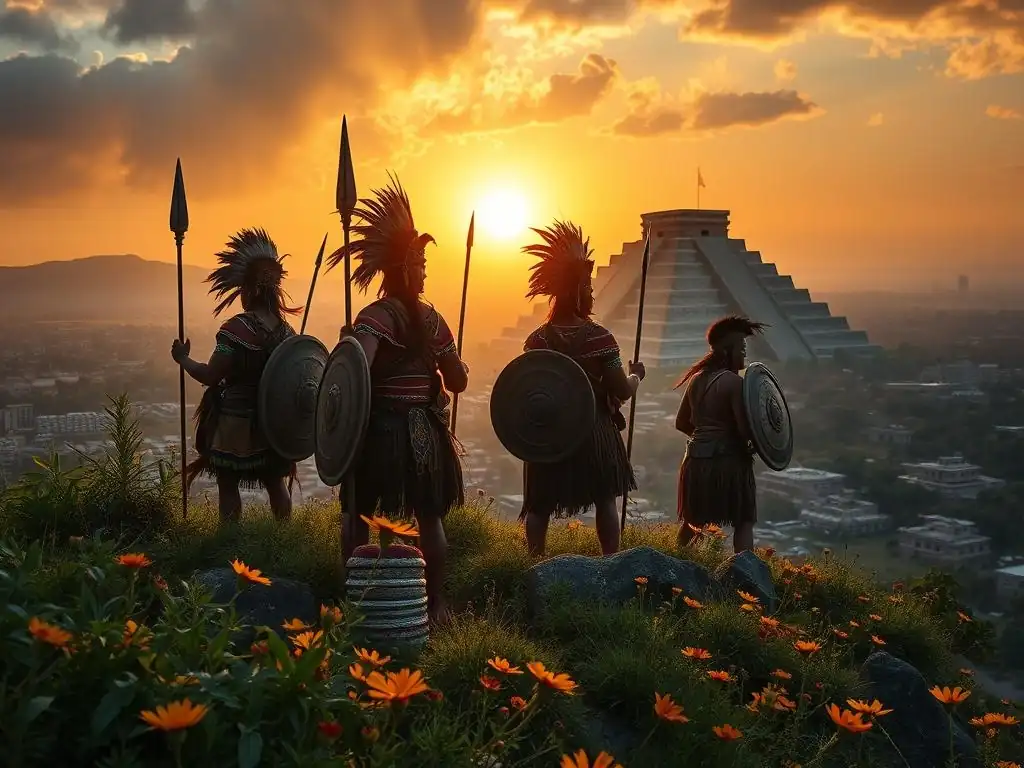
Welcome to Indigenous Civilizations of the Americas, where we delve into the rich tapestry of indigenous cultures that flourished long before European influence transformed the landscape. In our featured article, “Resistance and Resilience: Indigenous Responses to the Spanish Conquest of the Aztecs,” we unveil the compelling stories of bravery and tenacity that defined the indigenous resistance to Spanish conquest. As you explore the intricate narratives of these civilizations, prepare to discover how their legacies continue to shape our understanding of history and identity today. Join us on this enlightening journey and uncover the profound impact of these resilient societies!
- Introduction to Indigenous Resistance to Spanish Conquest
- Historical Background of the Aztec Empire
- Indigenous Resistance Strategies Against Spanish Conquest
- Case Studies of Indigenous Leaders and Their Responses
- Resilience of Indigenous Cultures Post-Conquest
- The Legacy of Indigenous Resistance to Spanish Conquest
- Conclusion: The Importance of Understanding Indigenous Resistance
- Call to Action: Further Exploration of Indigenous Civilizations
-
Frequently Asked Questions
- What were the primary forms of indigenous resistance to the Spanish conquest?
- How did the Aztec society respond to the initial Spanish invasion?
- What role did alliances play in indigenous resistance?
- Can you provide examples of key figures in indigenous resistance?
- What were the long-term impacts of indigenous resistance on colonization?
- Final Reflection: The Enduring Spirit of Indigenous Resistance
- Embrace the Legacy: Take Action for Indigenous Voices!
Introduction to Indigenous Resistance to Spanish Conquest
The encounter between Indigenous civilizations and European colonizers marked a pivotal moment in history, reshaping societies and cultures across the Americas. Among these encounters, the Spanish conquest of the Aztec Empire stands out as a significant event that illustrates the complexities of Indigenous resistance.
The Aztecs, a sophisticated civilization with a rich cultural and political heritage, faced the invasion led by Hernán Cortés in the early 16th century. However, this article will delve deeper into the multifaceted responses of the Indigenous peoples, highlighting their resilience and strategies in the face of overwhelming odds.
The theme of Indigenous resistance to Spanish conquest is not only relevant to understanding this historical episode but also essential for recognizing the enduring legacies of these cultures today. Through an exploration of the Aztec response and other Indigenous perspectives, we can gain insight into how these societies navigated the challenges of colonization and preserved their identities amid turmoil.
Overview of the Spanish Conquest of the Aztecs
In 1519, Hernán Cortés set his sights on the Aztec Empire, a powerful civilization located in present-day Mexico. The conquest was marked by a series of calculated moves, alliances, and brutal confrontations. Cortés, with a small contingent of Spanish soldiers and Indigenous allies, initially sought to exploit existing rivalries among Indigenous groups to gain entry into the Aztec capital, Tenochtitlán.
The Aztecs, led by Emperor Moctezuma II, initially welcomed the Spanish, mistaking them for divine beings due to their advanced weaponry and horses. However, this initial hospitality quickly turned to hostility as the Spanish aimed to subjugate the Aztecs and seize their wealth.
The conquest resulted in devastating consequences for the Aztec Empire, including widespread death from warfare and diseases brought by the Europeans, such as smallpox. Between 1519 and 1521, Tenochtitlán fell after a prolonged siege, leading to the collapse of the Aztec civilization. However, this narrative often overlooks the complexities of Indigenous responses during this turbulent period.
Importance of Indigenous Responses in Historical Context
Understanding Indigenous responses to the Spanish conquest is crucial for several reasons:
- Agency and Resilience: Indigenous peoples were not passive victims; they actively resisted colonization through various means, including armed conflict, diplomacy, and cultural preservation. This resistance reflects their agency and the rich tapestry of their societies.
- Cultural Continuity: Despite the catastrophic impacts of conquest, many Indigenous groups adapted and maintained elements of their cultural identity. This resilience showcases their ability to navigate and survive in a rapidly changing environment.
- Historical Reinterpretation: Recognizing Indigenous responses challenges traditional Eurocentric narratives that often marginalize the experiences and perspectives of Indigenous peoples. It highlights the importance of inclusive historical discourse that acknowledges the full scope of the impact of colonization.
- Lessons for the Present: The stories of resistance and resilience are not just historical but offer valuable lessons for contemporary struggles against oppression and the preservation of Indigenous rights. Understanding these narratives can inspire current movements advocating for justice and recognition of Indigenous sovereignty.
Through this exploration of Indigenous resistance to the Spanish conquest, we can appreciate the complexities of history and the enduring legacies of Indigenous civilizations in the Americas.
Historical Background of the Aztec Empire
The Rise of the Aztec Civilization
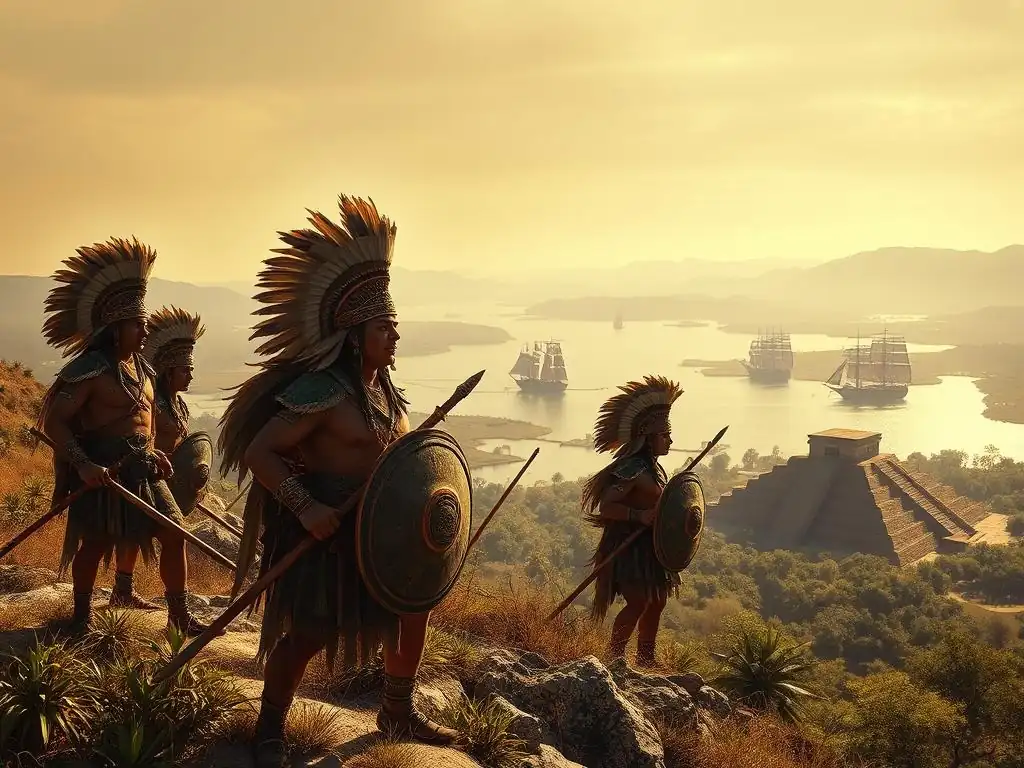
The Aztec civilization, also known as the Mexica, emerged in the 14th century in the Valley of Mexico. Their rise to power can be traced back to the formation of the Triple Alliance in 1428, which included the city-states of Tenochtitlan, Texcoco, and Tlacopan. This alliance allowed the Mexica to dominate the region, establishing a powerful empire through military conquest and strategic marriages.
The Aztecs were adept at agriculture, utilizing techniques such as chinampas—floating gardens that enhanced food production. By the early 1500s, they had expanded their territory to include much of central Mexico, bringing various peoples under their rule. This expansion was not without resistance, as the conquered tribes often resented Aztec domination, setting the stage for future conflicts during the Spanish conquest.
Key Features of Aztec Society and Culture
Aztec society was highly structured and stratified, with a rigid class system that included nobles, priests, warriors, and commoners. The Tlatoani, or emperor, served as the supreme leader, supported by a council of nobles. Religion played a crucial role in daily life, with a pantheon of gods governing various aspects of existence. Rituals, including human sacrifices, were performed to appease these deities, particularly the sun god Huitzilopochtli.
Economically, the Aztecs thrived through tribute from conquered territories, trade, and advanced agricultural practices. The bustling marketplace of Tlatelolco was a hub for commerce, where goods such as cacao, textiles, and pottery were exchanged.
| Aspect | Details |
|---|---|
| Political Structure | Centralized under the Tlatoani and noble council |
| Religious Practices | Polytheistic, with human sacrifices and rituals |
| Economic Activities | Tribute, agriculture, and trade |
| Social Classes | Nobles, priests, warriors, commoners |
Initial Contact with Europeans
The initial contact between the Aztecs and Europeans occurred in 1519 when Hernán Cortés and his expedition arrived on the shores of Mexico. The Aztecs, initially unaware of the full intentions of the Spanish, were curious about these newcomers. Cortés leveraged this curiosity and formed alliances with various indigenous groups who were discontented with Aztec rule.
The Spaniards, armed with advanced weaponry and horses, posed a formidable threat. The Aztecs, led by Montezuma II, initially attempted diplomacy, inviting Cortés to Tenochtitlan. However, the arrival of the Spanish marked the beginning of a turbulent period characterized by miscommunication, cultural misunderstandings, and eventual violence.
Despite the initial hospitality, tensions escalated, leading to the Noche Triste (Sad Night) in 1520, when the Spanish were forced to retreat from Tenochtitlan. This event exemplified the complexities of indigenous resistance to Spanish conquest, as various groups within the Aztec Empire reacted differently to the presence of the Europeans.
The historical background of the Aztec Empire sets the stage for understanding the multifaceted indigenous resistance to the Spanish conquest, showcasing their rich culture, societal structures, and the challenges they faced during this pivotal moment in history.
Indigenous Resistance Strategies Against Spanish Conquest

Military Tactics Employed by Indigenous Forces
Indigenous resistance to the Spanish conquest of the Aztecs was marked by innovative military strategies that leveraged their understanding of the terrain and their existing warfare techniques. The Aztecs were not merely passive victims; they actively engaged in combat to protect their sovereignty.
- Terrain Utilization: The mountainous and lake-filled landscapes of the Valley of Mexico provided the Aztecs and their allies with natural defensive advantages. They used the geography to stage ambushes and surprise attacks on Spanish forces, who were less familiar with the environment.
- Guerrilla Warfare: Indigenous forces employed guerrilla tactics, including hit-and-run attacks, which allowed them to confront the better-armed Spanish troops effectively. These tactics relied on speed and mobility, disrupting the Spanish supply lines and communication.
- Alliance with Other Indigenous Groups: The Aztecs formed strategic partnerships with other indigenous groups who were also threatened by Spanish expansion. For instance, the Tlaxcalans, who were traditional enemies of the Aztecs, allied with the Spanish initially but later participated in forming a more unified resistance against the common enemy.
- Adaptation of Weaponry: While the Spanish possessed advanced weaponry such as guns and steel swords, indigenous combatants adapted their techniques, utilizing their traditional weapons like atlatls (spear-throwers) and bows effectively. They also incorporated captured Spanish weapons into their arsenals, which enhanced their fighting capabilities.
Diplomatic Alliances: Unity Among Indigenous Peoples
Diplomatic efforts played a crucial role in facilitating indigenous resistance to the Spanish conquest. As the Spanish advanced, many indigenous groups recognized the need for unity to counter the common threat posed by the foreign invaders.
- Formation of Coalitions: Various indigenous tribes, including the Tlaxcalans, Purépechas, and others, formed coalitions to resist the Spanish. These alliances were often based on shared grievances against the Aztec Empire, which had previously dominated them.
- Negotiation and Betrayal: Diplomatic negotiations sometimes involved complex strategies. While some tribes initially allied with the Spanish, hoping to use them as a counterbalance against the Aztecs, many switched sides when it became clear that Spanish conquest posed a greater threat. This shifting loyalty highlighted the dynamic political landscape of the time.
- Cultural Diplomacy: Indigenous leaders utilized cultural practices and ceremonies to forge alliances, emphasizing their shared heritage and mutual interests. This approach helped to foster trust and solidarity among diverse groups.
- Intelligence Sharing: Allied groups shared crucial information about Spanish movements and tactics, enabling better-prepared responses. This intelligence network proved vital in coordinating resistance efforts and launching effective counterattacks.
Psychological Warfare: Resistance through Belief Systems
Psychological warfare was another significant aspect of indigenous resistance to the Spanish conquest, as it involved the manipulation of beliefs and cultural narratives to undermine the Spanish invaders' morale and legitimacy.
- Spiritual Resilience: Indigenous peoples drew upon their rich spiritual traditions to bolster their resolve. The belief in the power of their gods and the sacredness of their land inspired warriors to fight fiercely against the Spanish, who they viewed as desecrators of their beliefs.
- Propaganda and Symbolism: Indigenous leaders employed propaganda to rally their people. They used symbols and stories that resonated with their cultural identity, framing the struggle against the Spanish as a righteous battle for freedom and survival.
- Manipulating Spanish Perceptions: Indigenous groups sometimes exploited the Spanish belief in omens and prophecies. By playing into these beliefs, they created an atmosphere of uncertainty among the invaders, which contributed to their psychological instability.
- Cultural Resistance: Despite the overwhelming military force of the Spanish, indigenous peoples maintained their cultural practices, languages, and traditions. This cultural continuity acted as a form of resistance, demonstrating their resilience against assimilation and conquest.
Indigenous resistance to the Spanish conquest of the Aztecs was multifaceted, incorporating military tactics, diplomatic alliances, and psychological warfare. These strategies not only showcased the ingenuity and resilience of the indigenous peoples but also highlighted the complex interactions that defined this turbulent period in history.
Case Studies of Indigenous Leaders and Their Responses
Cuauhtémoc: The Last Emperor's Struggle
Cuauhtémoc, the last Huey Tlatoani (great speaker) of the Aztec Empire, emerged as a pivotal figure during the Spanish conquest. Following the death of Moctezuma II and the subsequent chaos unleashed by Spanish forces, Cuauhtémoc took command of the resistance against Hernán Cortés and his troops. His leadership was characterized by strategic acumen and an unwavering commitment to defending Aztec sovereignty.
- Strategic Defense: Cuauhtémoc organized the defense of Tenochtitlan, employing guerrilla tactics to counter the Spanish military's superior weaponry. He coordinated with local warriors, reinforcing their spirits and uniting various factions within the empire to resist the invaders.
- Symbol of Resilience: His resilience became a symbol of indigenous resistance to Spanish conquest. Cuauhtémoc’s determination to protect his people and culture resonated throughout the region and inspired later generations to continue the fight against colonial oppression.
In the final stages of the siege of Tenochtitlan, Cuauhtémoc was captured by the Spanish. Despite facing torture, he remained defiant, refusing to betray his people or divulge secrets about potential indigenous allies. His eventual execution in 1525 marked a tragic end to a significant chapter of indigenous resistance, but his legacy lived on, symbolizing the struggle against colonial forces.
Tlaxcalans: Allies or Enemies of the Conquistadors?
The Tlaxcalans, a powerful indigenous group located near the Aztec Empire, played a complex role during the Spanish conquest. Initially, they opposed the Aztecs, who had been their historical adversaries. However, their relationship with the Spanish was multifaceted and evolved throughout the conflict.
- Strategic Alliance: The Tlaxcalans allied with Hernán Cortés, viewing the Spanish as potential liberators from Aztec domination. This alliance was not without its challenges, as many Tlaxcalans harbored deep mistrust towards the Spanish, fearing their true intentions.
- Military Contributions: The Tlaxcalans provided crucial military support to the Spanish, contributing thousands of warriors during the siege of Tenochtitlan. Their intimate knowledge of the land and warfare tactics significantly aided the Spanish forces, demonstrating how indigenous groups could leverage alliances for their own strategic objectives.
- Consequences of Alliance: Despite their initial cooperation, the alliance with the Spanish ultimately led to the oppression of the Tlaxcalans. Once the Aztec Empire fell, the Spanish sought to dominate their new allies, leading to tensions and skirmishes. This dynamic serves as a stark reminder of how alliances during the conquest were often fraught with peril and betrayal.
Other Notable Indigenous Figures in the Resistance Movement
In addition to Cuauhtémoc and the Tlaxcalans, various other indigenous leaders and figures played significant roles in resisting Spanish conquest. Their contributions illustrate the diverse and multifaceted nature of indigenous resistance.
- Cipactli: This legendary figure is often regarded in oral traditions as a symbol of the Aztec people's spirit. Though details of Cipactli's life are sparse, stories of bravery and ingenuity in defending the homeland continue to inspire contemporary narratives of resistance.
- Xicotencatl the Elder: Another key player from the Tlaxcalan community, Xicotencatl was a staunch opponent of the Aztec Empire and later a collaborator with the Spanish. His unique position as both an enemy of the Aztecs and an ally to the Spanish highlights the complexities of indigenous identities during the conquest.
- Malintzin (La Malinche): Although often viewed controversially as a translator and advisor to Cortés, Malintzin's role was crucial in shaping the interactions between the Spanish and indigenous groups. Her knowledge of languages and cultures allowed her to navigate the complex political landscape, but her alliances also raised questions about loyalty and betrayal within indigenous communities.
These leaders and their actions underscore the resilience and complexity of indigenous resistance to Spanish conquest. Their legacies continue to influence contemporary discussions surrounding identity, sovereignty, and the enduring impact of colonialism on indigenous communities in the Americas.
Resilience of Indigenous Cultures Post-Conquest
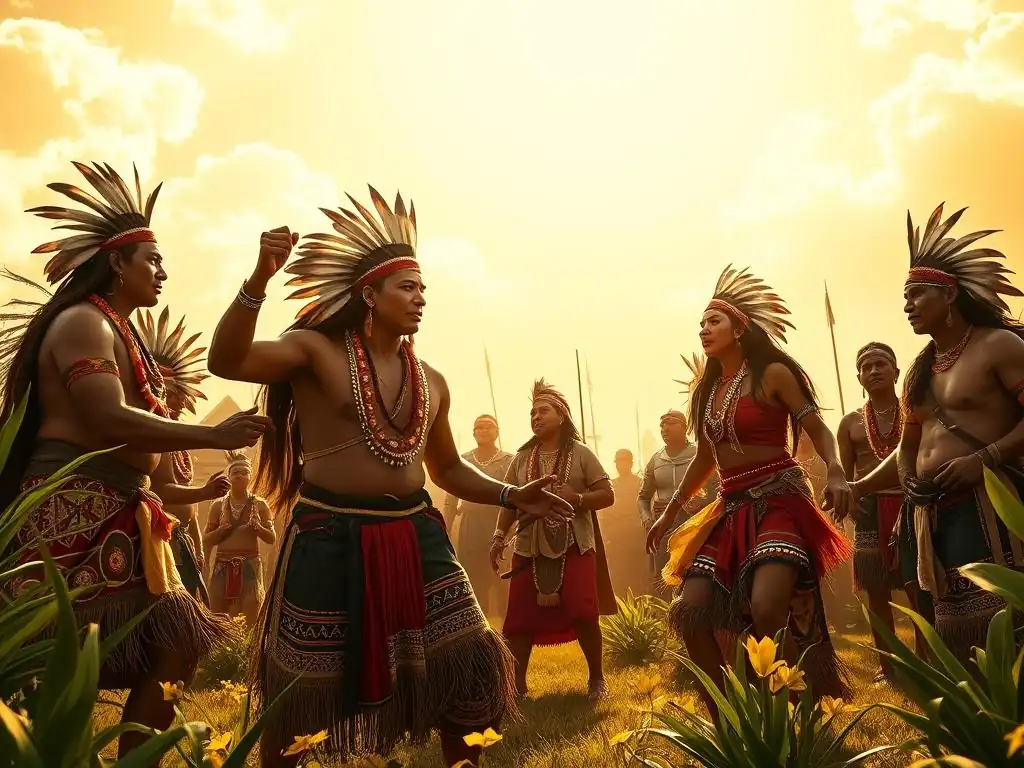
The aftermath of the Spanish conquest of the Aztec Empire in the early 16th century marked a significant turning point for indigenous cultures in the Americas. Despite the overwhelming challenges brought about by colonization, many indigenous peoples exhibited remarkable resilience. This resilience can be seen in various aspects, including cultural preservation and adaptation, which allowed indigenous societies to maintain their identities and continue their traditions in the face of European dominance.
Cultural Preservation Amidst Colonization
Cultural preservation became a vital strategy for indigenous communities striving to maintain their identities following the Spanish conquest. Many indigenous groups employed a variety of methods to ensure the survival of their traditions, languages, and spiritual practices. Some key strategies included:
- Oral Traditions: Indigenous peoples relied heavily on oral storytelling as a means of preserving their histories and cultural beliefs. Elders played a crucial role in passing down knowledge about ancestral customs, stories, and rituals, ensuring that these elements were not lost despite the oppressive environment.
- Syncretism: The blending of indigenous and European religious practices resulted in a unique form of spirituality. Many indigenous people integrated Catholic elements into their traditional beliefs, creating a hybrid religious system that allowed them to retain a sense of cultural identity while also navigating the demands of colonial authorities.
- Art and Craftsmanship: Artistic expression became a vital means of cultural continuity. Indigenous artisans continued to create traditional crafts, such as pottery, textiles, and carvings, often embedding cultural symbols and meanings within their work. This not only served as a form of resistance but also as a testament to their enduring heritage.
- Language Preservation: Language is a cornerstone of cultural identity, and many indigenous groups prioritized the teaching and use of their native languages. While Spanish became the dominant language, efforts to document and teach indigenous languages helped keep their cultural narratives alive.
The resilience demonstrated through these methods highlights how indigenous cultures adapted creatively to the challenges posed by colonization while preserving their unique identities.
Adaptation and Innovation in Response to New Challenges
Indigenous peoples did not simply resist colonial pressures; they also adapted to the new realities imposed by Spanish rule. This adaptation manifested in various forms, demonstrating creativity and resilience in the face of adversity:
- Agricultural Practices: Indigenous farmers incorporated European crops and techniques into their agricultural systems, resulting in new farming methods that improved yields. For instance, the introduction of European grains such as wheat was combined with traditional cultivation practices, enhancing food security for many communities.
- Political Alliances: In response to the threat of colonization, some indigenous groups formed alliances with other tribes or even with the Spanish to protect their interests. These strategies often involved complex negotiations and adaptations of existing political structures to navigate the new power dynamics.
- Trade Networks: Indigenous peoples continued to engage in trade, often adapting their goods to appeal to European markets. This included the production of items that combined traditional designs with European influences, facilitating economic resilience and interaction with colonial economies.
- Education and Learning: Some indigenous communities recognized the importance of education in navigating colonial society. By engaging with European learning systems, they sought to gain knowledge that could be leveraged to benefit their people. This included the establishment of schools where indigenous children could learn both their cultural heritage and European subjects.
The capacity for adaptation and innovation reflects the enduring spirit of indigenous cultures. Through these efforts, they not only survived but also contributed to a rich tapestry of cultural exchange and resilience that continues to influence contemporary society.
The resilience of indigenous cultures post-conquest can be encapsulated through their strategies for cultural preservation and their remarkable adaptability to new challenges. The legacy of these efforts remains evident in the ongoing vibrancy of indigenous identities and traditions today.
The Legacy of Indigenous Resistance to Spanish Conquest
Lasting Impact on Indigenous Identity and Culture
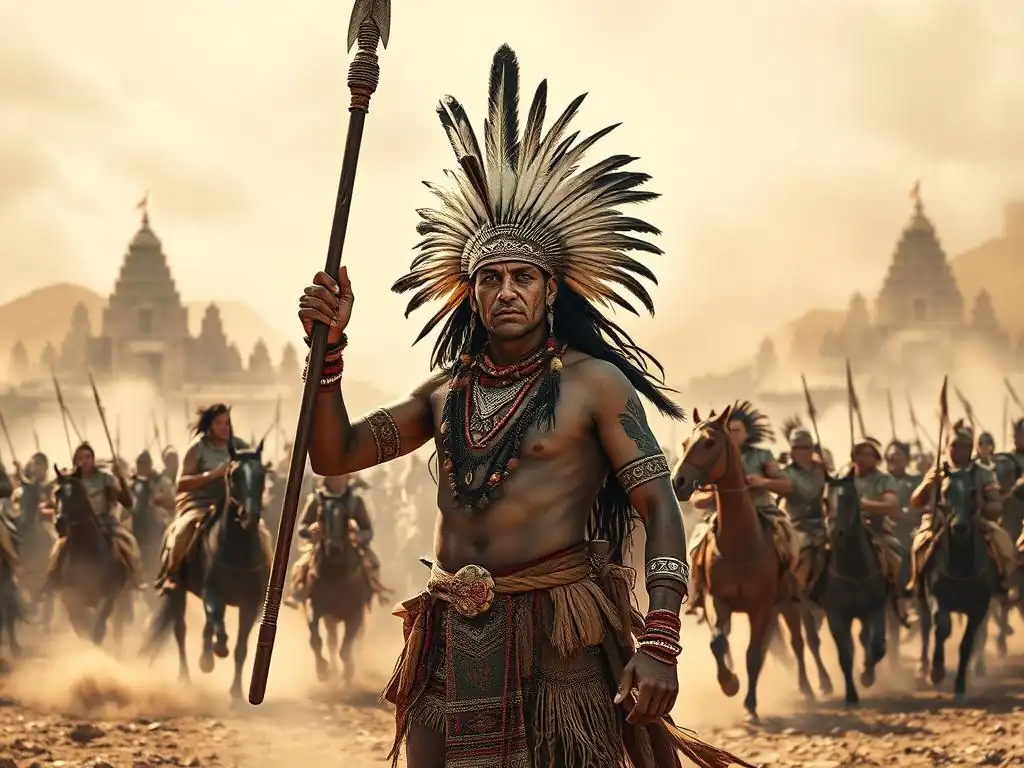
The legacy of indigenous resistance to the Spanish conquest of the Aztecs has profoundly shaped the identity and culture of Indigenous peoples in the Americas. This resistance was not merely a response to external threats; it became a defining element of cultural resilience that continues to echo through generations. The brutal encounters with Spanish forces galvanized a sense of unity among various indigenous groups, fostering alliances that transcended traditional rivalries.
One significant outcome of this resistance was the preservation of cultural practices and languages. Despite the overwhelming forces of colonization, many indigenous communities were able to maintain their traditions, rituals, and linguistic heritage. For instance, the Nahuatl language, once dominant in the Aztec Empire, saw a revival in various forms as it was interwoven with Spanish influences. Indigenous peoples often created syncretic cultures, blending pre-Columbian beliefs with Catholic practices, which can still be observed in modern celebrations and religious observances throughout Mexico and Central America.
Moreover, the stories of resistance became foundational narratives within indigenous communities. These tales of bravery and defiance against the Spanish are not only historical accounts but also serve as sources of pride and identity. Celebrations of figures such as Cuauhtémoc, the last Aztec emperor, are integral to cultural festivals, reinforcing a collective memory that instills resilience and unity.
Modern Reflections on Indigenous Resistance
In contemporary society, the reflections on indigenous resistance to the Spanish conquest manifest in various forms, including art, literature, and activism. Modern indigenous artists and writers often draw upon the themes of resistance and resilience, utilizing their platforms to address historical injustices and advocate for indigenous rights. This artistic expression serves as a powerful reminder of the past struggles while also highlighting ongoing challenges faced by indigenous communities today.
Activism rooted in the legacy of resistance has gained significant momentum, with movements advocating for land rights, cultural preservation, and social justice. These movements echo the strategies employed by indigenous leaders during the Spanish conquest, showcasing a continuity of resistance against oppression. For example, contemporary protests against land exploitation and environmental degradation often invoke the spirit of historical resistance, emphasizing the importance of ancestral lands and traditional ways of life.
Moreover, educational initiatives aimed at decolonizing the narrative surrounding the Spanish conquest are increasingly prevalent. Indigenous scholars and activists are working to reframe history, challenging the Eurocentric perspectives that have dominated historical discourse. By emphasizing indigenous agency and resilience, these efforts contribute to a more nuanced understanding of the past and its implications for the present.
The legacy of indigenous resistance to the Spanish conquest is a profound aspect of the cultural identity of Indigenous peoples in the Americas. It continues to inspire modern reflections on resilience, shaping both cultural expressions and social movements that advocate for justice and recognition in today's society.
Conclusion: The Importance of Understanding Indigenous Resistance
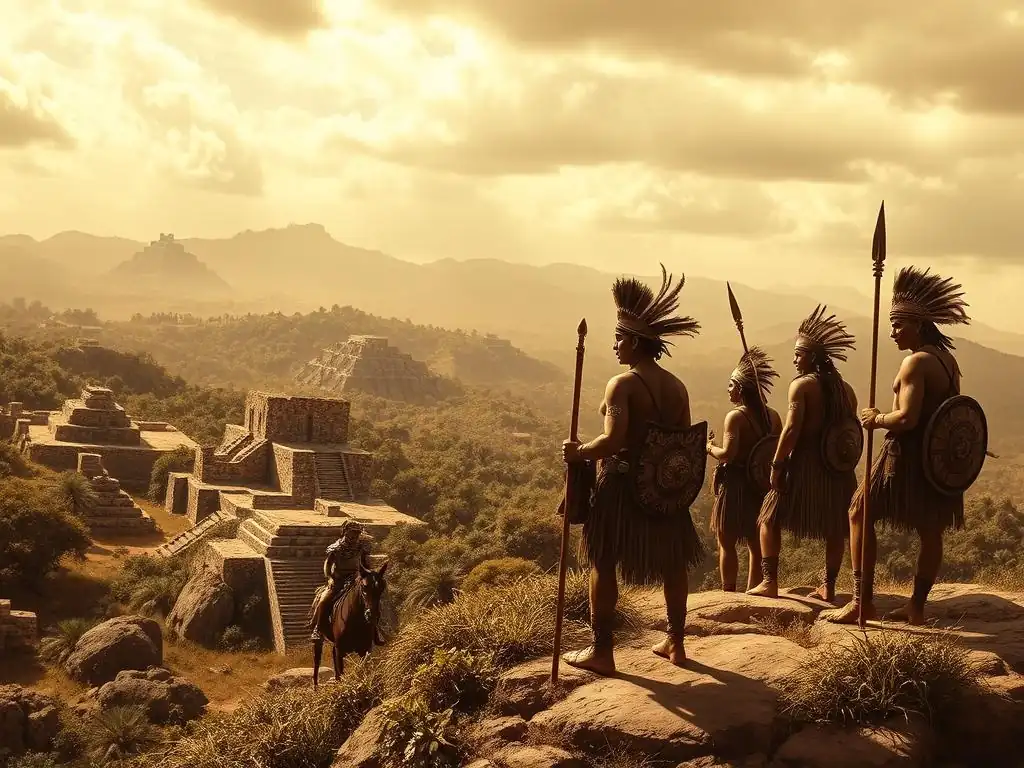
Summary of Key Points
Understanding indigenous resistance to Spanish conquest is vital to comprehending the complex historical narratives surrounding the Aztec civilization. Throughout the Spanish conquest, which began in 1519, various forms of resistance emerged, showcasing the resilience and adaptability of the indigenous peoples. Key points include:
- Military Resistance: Indigenous groups, including the Aztecs, engaged in direct military confrontations with Spanish forces. The famous battles at Tenochtitlán exemplify strategic resistance, where local warriors utilized their knowledge of the terrain to challenge the technologically superior Spaniards.
- Alliances and Diplomacy: Many indigenous communities formed alliances with the Spanish, initially viewing them as potential allies against rival tribes. However, these alliances often turned to resistance when it became clear that Spanish intentions were not aligned with indigenous interests.
- Cultural Resilience: Amidst the chaos of conquest, indigenous peoples preserved aspects of their cultures, languages, and traditions. This cultural resilience is a testament to their strength and adaptability in the face of overwhelming odds.
- Spiritual Resistance: The imposition of Christianity by the Spanish was met with various forms of spiritual resistance, including the continued practice of traditional beliefs and the blending of indigenous and European spiritual elements.
- Legacy of Resistance: The actions and strategies employed by indigenous peoples during the conquest laid the groundwork for future movements of resistance against colonial and oppressive forces. This legacy continues to inspire contemporary indigenous rights movements.
The Relevance of Indigenous Responses in Today's Context
The indigenous responses to the Spanish conquest hold significant relevance in today’s context, particularly in discussions surrounding cultural identity, sovereignty, and social justice. Understanding how indigenous groups resisted colonial forces provides insight into modern struggles for rights and recognition. Specifically:
- Cultural Identity: The preservation of indigenous cultures throughout the conquest highlights the importance of cultural identity in contemporary society. Indigenous communities today continue to celebrate their heritage, contributing to a diverse cultural landscape.
- Sovereignty Movements: The historical context of resistance informs current movements advocating for indigenous sovereignty and land rights. By recognizing past struggles, contemporary activists can build on historical strategies to address ongoing injustices.
- Educational Initiatives: Emphasizing indigenous resistance in educational materials fosters a more nuanced understanding of history. This knowledge can empower future generations to appreciate the complexities of colonial encounters and advocate for indigenous rights.
- Global Indigenous Rights: The experiences of the Aztecs and other indigenous groups during the Spanish conquest resonate globally. Many indigenous populations worldwide face similar challenges, and their historical resistance serves as a source of inspiration in the fight for justice.
The study of indigenous resistance to Spanish conquest not only illuminates the past but also plays a crucial role in shaping the future of indigenous communities, reminding us of their enduring strength and resilience.
Call to Action: Further Exploration of Indigenous Civilizations
Understanding the intricate tapestry of Indigenous cultures in the Americas is essential for appreciating their resilience and responses to external pressures, particularly during critical moments like the Spanish conquest of the Aztecs. As we delve into the complexities of Indigenous resistance to the Spanish conquest, we encourage you to engage with the rich history and profound achievements of these civilizations.
To foster a deeper understanding, we invite you to explore various resources, participate in discussions, and keep an open mind about the diverse narratives that shaped these cultures. Every piece of information adds to the collective knowledge and honors the legacy of Indigenous peoples.
Recommended Resources for Learning More
To gain a comprehensive understanding of Indigenous resistance to Spanish conquest and the broader context of Indigenous civilizations, consider exploring the following resources:
- Books:
- The Broken Spears: The Aztec Account of the Conquest of Mexico by Miguel León-Portilla
- 1491: New Revelations of the Americas Before Columbus by Charles C. Mann
- An Indigenous Peoples' History of the United States by Roxanne Dunbar-Ortiz
- Documentaries:
- When the Mountains Tremble - A powerful documentary about the Guatemalan civil war and the indigenous struggle.
- The Last Conquistador - A film that examines the impact of Spanish colonization through the lens of contemporary Indigenous communities.
- Online Courses:
- Platforms like Coursera and edX offer courses on Indigenous cultures and histories, often created in collaboration with indigenous scholars.
- The Smithsonian Institution provides various resources and educational materials on Indigenous peoples of the Americas.
- Websites:
- The National Museum of the American Indian (NMAI) offers extensive online exhibitions and educational resources about Indigenous cultures.
- Indigenous Peoples Resource Center provides a wealth of information about different tribes, their histories, and contemporary issues.
By engaging with these resources, you can enrich your understanding of Indigenous resistance to the Spanish conquest and celebrate the enduring legacies of these vibrant cultures.
How to Support Indigenous Cultures Today
Supporting Indigenous cultures today is crucial for preserving their heritage and promoting their rights. Here are several actionable ways to make a positive impact:
- Educate Yourself and Others:
- Read books, watch documentaries, and attend lectures focused on Indigenous histories and cultures.
- Share your knowledge with friends and family to raise awareness about Indigenous issues.
- Support Indigenous Businesses:
- Purchase art, crafts, and products directly from Indigenous creators and artisans.
- Explore Indigenous-owned businesses, from restaurants to online shops, to help sustain their economic growth.
- Advocate for Indigenous Rights:
- Stay informed about current issues affecting Indigenous communities, such as land rights, environmental protection, and cultural preservation.
- Participate in advocacy campaigns that support Indigenous sovereignty and social justice.
- Participate in Cultural Events:
- Attend local Indigenous festivals, powwows, or cultural events to learn directly from Indigenous peoples and celebrate their heritage.
- Engage respectfully with Indigenous traditions and practices, recognizing their significance and context.
By taking these steps, you contribute to the resilience and empowerment of Indigenous cultures, ensuring that their voices and histories continue to be heard and respected in today’s world.
Frequently Asked Questions
What were the primary forms of indigenous resistance to the Spanish conquest?
Indigenous resistance included armed conflict, strategic alliances, and cultural preservation efforts, as communities sought to maintain their autonomy and traditions against Spanish forces.
How did the Aztec society respond to the initial Spanish invasion?
The Aztec society initially engaged in diplomacy and negotiation before resorting to armed resistance, showcasing their complex social structure and commitment to defending their empire.
What role did alliances play in indigenous resistance?
Indigenous groups often formed alliances with each other and sometimes even with Spanish forces to counteract threats, demonstrating the strategic importance of cooperation in their resistance efforts.
Can you provide examples of key figures in indigenous resistance?
Prominent figures like Cuauhtémoc, the last Aztec emperor, exemplified leadership and resilience, rallying forces against the Spanish and symbolizing the broader struggle for indigenous sovereignty.
What were the long-term impacts of indigenous resistance on colonization?
Indigenous resistance delayed Spanish colonization efforts and influenced subsequent policies, leading to a more complex interaction between indigenous cultures and European settlers, affecting cultural and social dynamics in the Americas.
Final Reflection: The Enduring Spirit of Indigenous Resistance
The legacy of Indigenous resistance to the Spanish conquest is not merely a historical account; it is a powerful testament to the resilience and strength of cultures facing overwhelming odds. Today, as we navigate a world still grappling with colonial legacies, the stories of those who stood against the Spanish invaders resonate more than ever. They remind us that resistance is not just a reaction to oppression but a profound assertion of identity and dignity.
Cultural narratives of resistance continue to shape our understanding of Indigenous identities and their ongoing struggles. The stories of the Aztecs and other Indigenous peoples are woven into the fabric of contemporary discussions about sovereignty, rights, and cultural preservation. Their resilience serves as a beacon of hope and a call to action for marginalized communities worldwide. In the face of adversity, the spirit of resistance ignites a fire that cannot be extinguished.
As we reflect on the lessons of the past, let us carry forward the spirit of resistance and resilience into our own lives. Consider how you can honor these narratives by advocating for justice, supporting Indigenous rights, and fostering a deeper understanding of cultural histories. The fight for recognition and respect is ongoing, and each of us has a role to play in ensuring that the voices of those who resisted are heard and celebrated. Embrace this call to action, and let it inspire you to contribute to a more equitable and inclusive future.
Embrace the Legacy: Take Action for Indigenous Voices!
Thank you for exploring the rich narrative of resistance and resilience during the Spanish Conquest of the Aztecs. Your interest in understanding this pivotal moment is crucial, as it highlights the strength and tenacity of Indigenous cultures. Now, let's channel that passion into meaningful action!
Here’s how you can further honor and amplify Indigenous voices:
- Engage with Indigenous Literature: Explore works by contemporary Indigenous authors to gain deeper insights and perspectives on their experiences and triumphs.
- Share Your Knowledge: Discuss what you’ve learned with friends or on social media, encouraging others to educate themselves about Indigenous histories and contributions.
- Participate in Local Indigenous Events: Seek out and attend community gatherings or workshops that celebrate Indigenous culture and heritage, allowing you to connect with these vibrant communities.
What stories or insights about Indigenous resilience have you encountered that surprised you? We invite you to share your thoughts below!