
Indigenous Land Trusts: Innovative Solutions to Protect Ancestral Lands

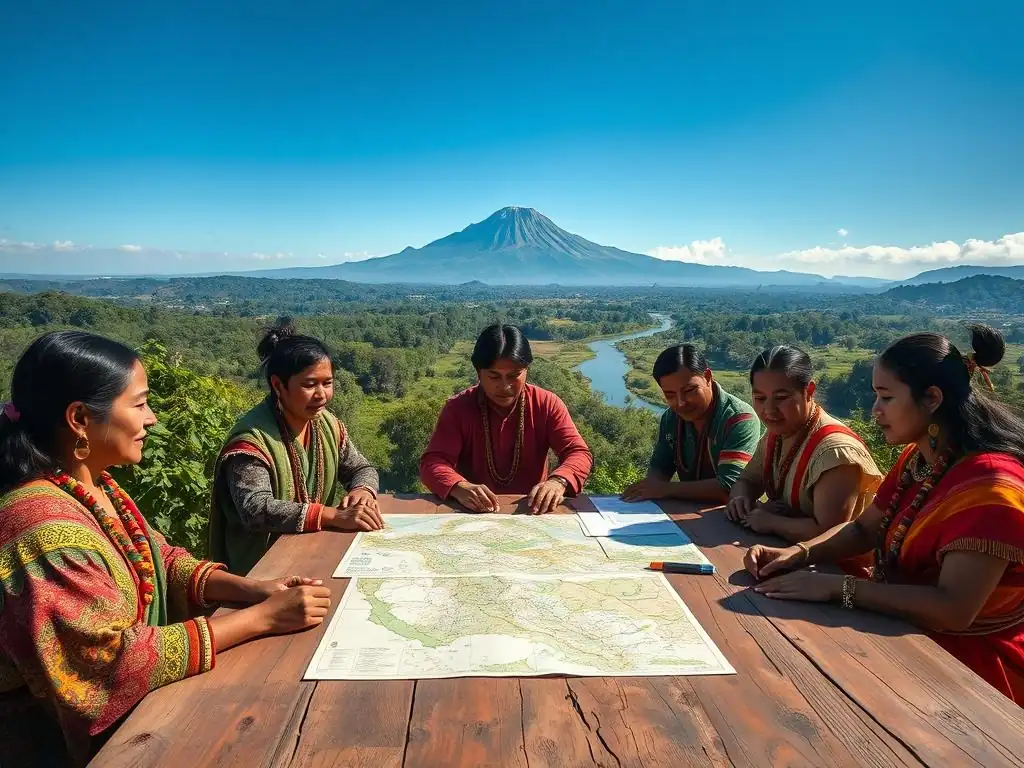
Welcome to Indigenous Civilizations of the Americas, where we delve into the rich tapestry of cultures that flourished long before the arrival of European settlers. Here, you'll uncover the remarkable achievements and societal structures of indigenous peoples, all while exploring their enduring influence on our world today.
In our featured article, “Indigenous Land Trusts: Innovative Solutions to Protect Ancestral Lands,” we invite you to discover the profound benefits of indigenous land trusts, a vital topic that highlights the resilience and resourcefulness of these communities in safeguarding their heritage. Join us on this enlightening journey, and let the stories of the past inspire your understanding of the present.
Indigenous Land Trusts represent a vital mechanism for the preservation and protection of ancestral lands that have long been central to the identity, culture, and heritage of Indigenous Peoples across the Americas. As societies evolve and face new challenges, these trusts emerge as innovative solutions that empower Indigenous Communities to reclaim, manage, and safeguard their traditional territories.
This article delves into the multifaceted aspects of Indigenous Land Trusts, highlighting their historical significance, the pressing need for protection of ancestral lands, and the myriad benefits they offer. By understanding these elements, we can appreciate how Indigenous Land Trusts not only foster economic, environmental, and cultural revitalization but also serve as a cornerstone for justice and sovereignty in the face of historical injustices.
Understanding Indigenous Land Trusts
Definition of Indigenous Land Trusts
Indigenous Land Trusts are legal entities created by Indigenous communities to hold title to land and protect it from outside interests. These trusts often serve various purposes, including environmental stewardship, cultural preservation, and economic development. By establishing these trusts, Indigenous Peoples can regain control over their ancestral lands, ensuring that they are used sustainably and in alignment with traditional values.
Historical Context of Indigenous Land Trusts
The concept of land trusts is rooted in the longstanding relationship between Indigenous Peoples and their territories. Historically, Indigenous communities have faced significant land dispossession due to colonization, treaties that were often unhonored, and government policies aimed at assimilation. In response to these challenges, Indigenous Land Trusts emerged as a strategy to reclaim authority over their lands and to mitigate the impacts of historical injustices. By examining this historical context, we can better understand the motivations behind the establishment of these trusts and their role in contemporary movements for land rights.
Importance of Protecting Ancestral Lands
Protecting ancestral lands is not merely a matter of land ownership; it is a fundamental aspect of cultural identity, spirituality, and community well-being for Indigenous Peoples. Ancestral lands are often tied to traditional practices, languages, and histories that define a community's existence. The protection of these lands is crucial for maintaining cultural heritage and ensuring that future generations can continue to practice their traditions and live in harmony with the natural environment. Furthermore, the safeguarding of these territories helps to address environmental degradation and supports biodiversity, which is increasingly important in the context of climate change.
The Benefits of Indigenous Land Trusts
Economic Benefits of Indigenous Land Trusts
Indigenous Land Trusts offer significant economic benefits to Indigenous communities by enabling them to engage in sustainable economic development. By retaining control over their lands, communities can develop eco-tourism, sustainable agriculture, and other ventures that align with their cultural values and environmental stewardship. Furthermore, these trusts often lead to job creation and capacity-building within the community, fostering economic independence and resilience.
Environmental Benefits of Indigenous Land Trusts
One of the key advantages of Indigenous Land Trusts is their potential for environmental conservation. Indigenous Peoples have long been stewards of their lands, utilizing traditional ecological knowledge to manage resources sustainably. By protecting their ancestral lands through trusts, Indigenous communities can implement conservation practices that not only preserve biodiversity but also combat climate change. This stewardship is increasingly recognized as essential for the health of ecosystems and the overall well-being of the planet.
Social and Cultural Benefits of Indigenous Land Trusts
Beyond economic and environmental advantages, Indigenous Land Trusts play a crucial role in fostering social and cultural revitalization. These trusts provide a framework for community engagement, strengthening social bonds and collective identity. By reclaiming land, Indigenous communities can revitalize cultural practices, languages, and traditions that may have been lost or suppressed over time. This resurgence of cultural pride and community cohesion is vital for the health and resilience of Indigenous societies, contributing to their overall well-being and stability.
How Indigenous Land Trusts Work
Indigenous land trusts are innovative mechanisms designed to protect and manage ancestral lands for Indigenous communities. These trusts serve multiple purposes, including preserving cultural heritage, promoting sustainable land use, and enhancing the economic viability of Indigenous territories. The operation of land trusts involves a collaborative approach, where community members actively participate in decision-making processes, ensuring that the management of the land aligns with their traditional practices and values.
At the core of these trusts is the principle of collective ownership, allowing Indigenous groups to reclaim control over their ancestral lands. This structure enables communities to negotiate land use and development options that respect their cultural and environmental priorities. The governance of land trusts often includes representation from various community members, which fosters transparency and accountability in managing resources.
Structure and Function of Indigenous Land Trusts
Indigenous land trusts typically have a well-defined structure that includes a board of directors or trustees, which may consist of community leaders, elders, and representatives from various demographic segments of the community. This board is responsible for making strategic decisions regarding land management, conservation practices, and community engagement initiatives.
The functions of Indigenous land trusts can be categorized into several key areas:
- Land Conservation: Protecting ecosystems and biodiversity through sustainable practices, ensuring the land remains healthy for future generations.
- Cultural Preservation: Safeguarding sacred sites and traditional practices that are vital to the community’s identity and heritage.
- Economic Development: Creating opportunities for sustainable business ventures, such as eco-tourism or organic farming, that can generate income while respecting the land.
- Advocacy and Education: Raising awareness about Indigenous rights and environmental issues, and educating both community members and the public about the importance of land stewardship.
Legal Framework Supporting Indigenous Land Trusts
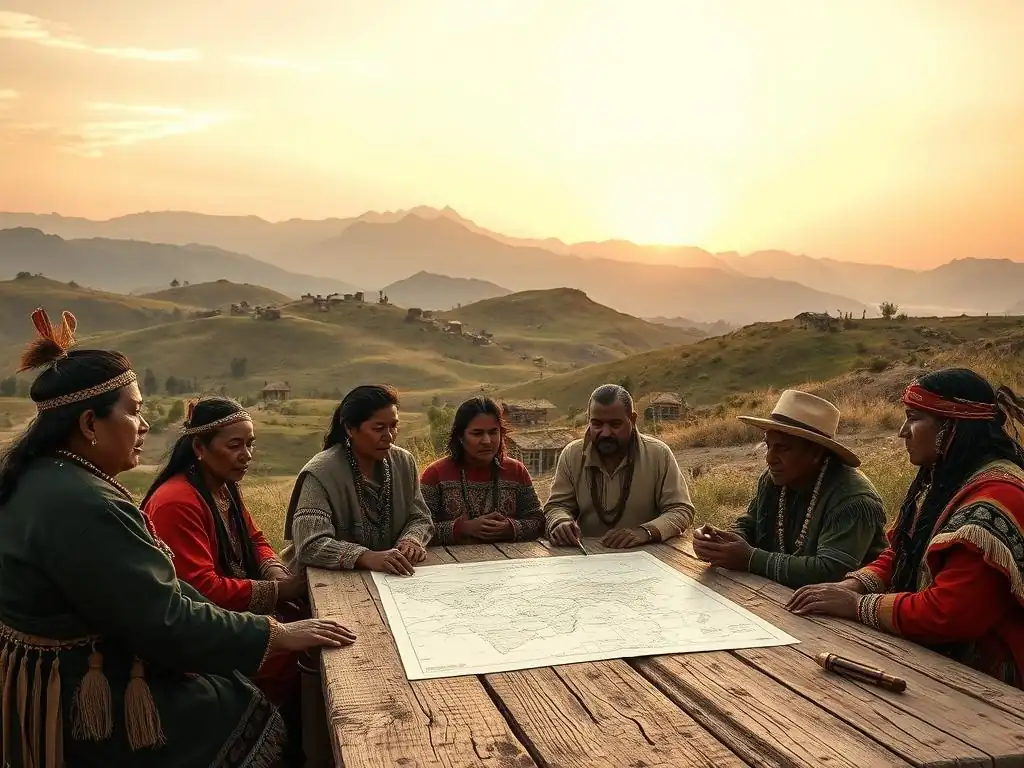
The legal framework surrounding Indigenous land trusts varies significantly across different jurisdictions, but it generally involves a combination of customary law, treaty rights, and statutory provisions. In the United States, for example, the Indian Land Consolidation Act and various tribal codes provide a basis for establishing and managing land trusts.
These legal instruments support Indigenous land trusts by:
- Recognizing Indigenous Sovereignty: Acknowledging the rights of Indigenous peoples to manage their lands according to their traditions and laws.
- Providing Access to Resources: Facilitating funding and technical assistance from governmental and non-governmental organizations to support land trust initiatives.
- Enabling Legal Protections: Offering legal recourse to combat encroachments or violations of treaty rights, thereby fortifying the community's claim to their ancestral lands.
Case Studies of Successful Indigenous Land Trusts
Several Indigenous land trusts have successfully demonstrated the benefits of this model in protecting ancestral lands and fostering community resilience.
- The Akwesasne Land Trust: Located in the St. Lawrence River Valley, this trust has focused on preserving traditional lands and promoting sustainable agriculture. It has successfully fought against adverse development projects that threaten the environment.
- The Blackfeet Nation Land Trust: This Montana-based trust has prioritized the restoration of bison populations on ancestral lands, enhancing both cultural practices and economic opportunities through eco-tourism.
- The Yurok Tribe’s Land Trust: In California, the Yurok Tribe has utilized its land trust to restore salmon habitats, which are crucial for both ecological balance and cultural practices related to fishing.
These case studies illustrate how Indigenous land trusts can effectively safeguard cultural heritage, promote environmental sustainability, and empower communities.
Challenges Facing Indigenous Land Trusts
Despite their potential, Indigenous land trusts encounter several challenges that can hinder their effectiveness and sustainability.
Legal and Regulatory Obstacles
Many Indigenous land trusts face complex legal frameworks that can impede their establishment and operations. Navigating federal, state, and local regulations can be daunting, especially when laws are not harmonized with Indigenous rights. Additionally, the lack of recognition of Indigenous land titles in some jurisdictions creates uncertainty and can lead to conflicts over land use.
Funding and Resource Limitations
Securing adequate funding is a significant challenge for Indigenous land trusts. While grants and donations are available, they often come with stringent requirements that may not align with community needs. Furthermore, ongoing operational costs for land management and conservation could strain limited resources. This financial instability can undermine long-term planning and initiatives aimed at sustainable development.
Community Engagement and Participation Issues
Effective community engagement is essential for the success of Indigenous land trusts, yet it can be challenging to ensure broad participation. Factors such as historical trauma, language barriers, and differing views within the community can create divisions and hinder collaborative efforts. Additionally, ensuring that all voices are heard in decision-making processes is crucial for fostering a sense of ownership and commitment to the trust’s goals.
While Indigenous land trusts present innovative solutions for protecting ancestral lands, addressing these challenges is vital for their success and sustainability.
Innovative Solutions and Best Practices

Indigenous land trusts represent a powerful mechanism for the protection and management of ancestral lands. By combining traditional ecological knowledge with modern governance practices, these trusts create innovative solutions that not only preserve the land but also empower indigenous communities. Through community engagement, sustainable development practices, and legal frameworks, indigenous land trusts are successfully countering the adverse effects of colonization and environmental degradation.
Some best practices include the establishment of co-management agreements, where indigenous communities work alongside governmental agencies to ensure that conservation efforts align with cultural values and land-use practices. Furthermore, these trusts often incorporate education programs that teach both indigenous and non-indigenous peoples about sustainable practices rooted in ancestral knowledge, fostering a greater appreciation for indigenous cultures and environmental stewardship.
Collaborative Approaches to Indigenous Land Trusts
Collaboration is at the heart of successful indigenous land trusts. By forming partnerships with various stakeholders, including governmental bodies, NGOs, and private sector entities, these trusts can pool resources, knowledge, and expertise to enhance their effectiveness. Collaborative approaches can take many forms, such as joint land management initiatives, cross-cultural training programs, and shared funding opportunities.
For instance, the collaboration between the Haida Nation and the Canadian government in the management of Gwaii Haanas National Park Reserve exemplifies how joint efforts can lead to improved conservation outcomes while respecting indigenous rights. Additionally, fostering relationships with local communities ensures that land trust initiatives reflect the needs and aspirations of indigenous peoples, reinforcing their agency and sovereignty over ancestral lands.
Technology and Indigenous Land Management
The integration of technology in indigenous land management is revolutionizing how ancestral lands are protected and utilized. Geographic Information Systems (GIS), remote sensing, and drones are becoming invaluable tools for indigenous land trusts, allowing for precise mapping and monitoring of land use and natural resources. These technologies enable communities to document their traditional territories effectively, support land claims, and manage resources sustainably.
For example, the use of GIS technology by the Zuni Tribe in New Mexico has facilitated the identification of sacred sites and the development of land-use plans that honor cultural practices while promoting ecological health. By leveraging technology, indigenous land trusts can enhance their advocacy efforts, streamline decision-making processes, and engage in more effective land stewardship.
Policy Recommendations for Strengthening Indigenous Land Trusts
To reinforce the effectiveness of indigenous land trusts, it is crucial to implement supportive policies at local, regional, and national levels. Key recommendations include:
- Legislative Support: Governments should enact laws that recognize and protect the rights of indigenous land trusts, ensuring that they have the legal authority to manage and govern their lands effectively.
- Funding Opportunities: Increased financial support from government agencies and philanthropic organizations can empower indigenous land trusts to undertake crucial conservation and development projects.
- Capacity Building: Providing training and resources for indigenous leaders and community members can enhance their skills in land management, governance, and advocacy, fostering greater self-determination.
- Intergovernmental Collaboration: Establishing frameworks for collaboration between indigenous land trusts and government agencies can facilitate the sharing of resources and knowledge, enhancing land management strategies.
Conclusion: The Future of Indigenous Land Trusts
The future of indigenous land trusts is promising, as they serve as a powerful vehicle for indigenous communities to reclaim and protect their ancestral lands. As more communities recognize the benefits of establishing land trusts, the movement is likely to gain momentum, leading to broader recognition of indigenous rights and increased support for sustainable land management practices. The resilience of indigenous cultures and their deep connections to the land can inspire innovative approaches to environmental stewardship that benefit not only indigenous peoples but society as a whole.
The Role of Indigenous Land Trusts in Modern Movements
Indigenous land trusts play an essential role in contemporary social and environmental movements. By asserting their rights to land and resources, these trusts contribute to broader dialogues about climate justice, biodiversity conservation, and cultural preservation. They often serve as models for grassroots activism, demonstrating how indigenous communities can advocate for their rights while addressing global issues such as climate change and environmental degradation. The work of indigenous land trusts is increasingly recognized in international forums, reinforcing the importance of indigenous perspectives in global discussions about sustainability and conservation.
Call to Action for Supporting Indigenous Land Trusts
Supporting indigenous land trusts is vital for the preservation of cultural heritage and the sustainability of ecosystems. Individuals, organizations, and governments are encouraged to:
- Educate Themselves: Learn about indigenous land rights and the significance of land trusts in protecting ancestral lands.
- Advocate: Support policies that recognize and strengthen the rights of indigenous land trusts.
- Donate: Contribute to indigenous-led initiatives and organizations that promote land stewardship and cultural preservation.
- Participate: Engage with indigenous communities and support their efforts in land management and conservation.
By taking these actions, we can collectively empower indigenous communities and contribute to a more equitable and sustainable future for all.
Further Reading on Indigenous Land Trusts and Land Rights
For those interested in deepening their understanding of indigenous land trusts and the broader context of land rights, a wealth of resources is available. These resources encompass academic literature, historical texts, and modern analyses that illuminate the complexities and nuances of indigenous land rights, the role of land trusts, and their impact on contemporary indigenous communities. Below, we explore recommended books and articles, along with notable organizations and initiatives that are actively engaged in this field.
Recommended Books and Articles
-
"The Right to Be Cold: One Woman's Story of Protecting Her Culture, the Arctic and the Whole Planet" by Sheila Watt-Cloutier
This book intertwines indigenous rights with environmental activism, highlighting the importance of land in sustaining cultural identity. Watt-Cloutier’s narrative emphasizes the interconnectedness of land, culture, and climate change.
-
"Land Justice: Re-imagining Land, Food, and the Commons in the United States" by Eric Holt-Giménez and Ana Sofia Jauregui
This comprehensive work examines land reform movements in the U.S., including indigenous land trusts, and discusses how equitable access to land is crucial for food sovereignty and environmental justice.
-
"The Indigenous Peoples’ Land Rights Act: A Guide to Advocacy and Implementation"
This article provides insights into the legal frameworks supporting indigenous land rights and discusses the role of land trusts in the implementation of these rights.
-
"Indigenous Land Trusts: A Pathway to Protecting Ancestral Lands" by the Indigenous Land Trust Alliance
This report outlines the benefits of indigenous land trusts and provides case studies demonstrating their effectiveness in preserving ancestral lands while promoting cultural resilience.
-
"Wampum at Niagara: The Pact Between the Six Nations and the English" by the Six Nations
An essential historical document that discusses treaties and agreements affecting land rights, providing context for contemporary indigenous land struggles.
Notable Organizations and Initiatives
-
The Indigenous Land Trust Alliance (ILTA)
This organization works to promote and support the establishment and maintenance of indigenous land trusts across North America. They provide resources, training, and advocacy to empower indigenous communities in their land stewardship efforts.
-
The Native American Rights Fund (NARF)
NARF is dedicated to protecting the rights of Native Americans, including land rights through legal advocacy and education. They play a crucial role in supporting indigenous communities in their efforts to reclaim and protect ancestral lands.
-
First Nations Development Institute
This organization focuses on economic development for Native American communities, including initiatives related to land trusts. Their programs aim to strengthen the capacity of indigenous communities to manage their lands sustainably and effectively.
-
The Land Back Movement
A grassroots initiative advocating for the return of land to indigenous peoples. It encompasses various campaigns and actions aimed at restoring ancestral lands, emphasizing the importance of land trusts in this broader movement.
-
Indigenous Environmental Network (IEN)
IEN connects indigenous activists and organizations to foster environmental justice and protect indigenous lands from exploitation. Their work often intersects with land trust initiatives aimed at conserving sacred sites and ecosystems.
By exploring these recommended readings and organizations, individuals can gain a deeper appreciation for the vital role of indigenous land trusts in protecting ancestral lands and promoting indigenous sovereignty.
- Understanding Indigenous Land Trusts
- The Benefits of Indigenous Land Trusts
- How Indigenous Land Trusts Work
- Structure and Function of Indigenous Land Trusts
- Legal Framework Supporting Indigenous Land Trusts
- Case Studies of Successful Indigenous Land Trusts
- Challenges Facing Indigenous Land Trusts
- Innovative Solutions and Best Practices
- Conclusion: The Future of Indigenous Land Trusts
- Further Reading on Indigenous Land Trusts and Land Rights
Frequently Asked Questions
What are indigenous land trusts?
Indigenous land trusts are legal entities that hold and manage land on behalf of indigenous communities, ensuring the protection and sustainable use of ancestral lands.
How do indigenous land trusts benefit communities?
These trusts provide economic opportunities, protect cultural heritage, and promote self-determination by allowing indigenous peoples to manage their lands according to traditional practices.
What role do indigenous land trusts play in land conservation?
They serve as a mechanism for conservation, enabling indigenous communities to preserve biodiversity and maintain ecological balance on their ancestral territories.
Can indigenous land trusts help with legal recognition?
Yes, they can aid in the process of obtaining legal recognition for indigenous claims to land, helping to rectify historical injustices and secure rights over ancestral territories.
How can individuals support indigenous land trusts?
Individuals can support these initiatives by donating, volunteering, or advocating for policies that recognize and empower indigenous land management practices.
Final Reflection: Embracing Indigenous Land Trusts for a Sustainable Future
Indigenous land trusts represent a powerful and timely solution to the pressing challenges of land preservation and cultural heritage. As we face an era marked by climate change and environmental degradation, the need to protect ancestral lands has never been more critical. The innovative frameworks established by indigenous communities not only safeguard their heritage but also offer sustainable practices that can benefit all of society. The time to recognize and support these initiatives is now.
Cultural resilience and environmental stewardship are intertwined, and indigenous land trusts embody this connection. The ongoing influence of these trusts is evident in their ability to foster community engagement, promote biodiversity, and enhance ecological knowledge. As we witness the resurgence of indigenous voices in land management, we are reminded of the wisdom that has been passed down through generations. The land is not just a resource; it is a relationship.
This perspective emphasizes the profound bond between indigenous peoples and their territories, highlighting the importance of protecting these lands for future generations.
As you reflect on the insights shared in this article, consider how you can contribute to the movement of supporting indigenous land trusts. Engage with local initiatives, educate yourself on the benefits of these trusts, and advocate for policies that empower indigenous communities. Your actions can help foster a more equitable and sustainable future, where the rights of indigenous peoples are honored, and their ancestral lands are preserved for generations to come. Together, we can create a world that respects and cherishes the invaluable contributions of indigenous cultures.
Empower Change: Join the Movement to Protect Ancestral Lands
Thank you for taking the time to explore the vital topic of Indigenous land trusts. Your interest plays a crucial role in understanding the innovative solutions that empower communities and protect ancestral lands. Now, let’s take action together!
Here’s how you can make a difference:
- Get involved with local Indigenous organizations that support land trust initiatives. Reach out to see how your skills and resources can contribute!
- Share this article with friends and family, and initiate conversations about the importance of protecting ancestral lands. Your voice matters!
- Consider participating in Indigenous-led tours or workshops in your area to deepen your understanding and connection to these lands and cultures.
What steps will you take today to support Indigenous land protection and promote awareness in your community?