
The Legacy of Suppressed Faiths: How Indigenous Religions Influence Contemporary Movements

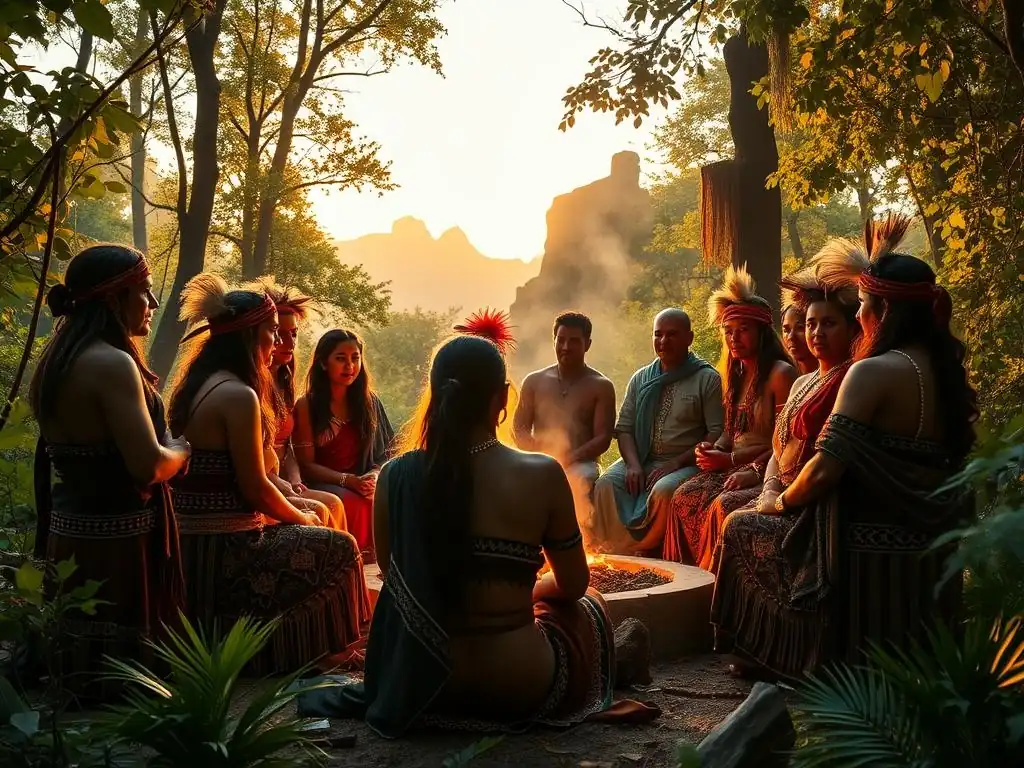
Welcome to Indigenous Civilizations of the Americas, where we invite you to embark on a captivating journey through the rich tapestry of cultures that flourished long before European contact. Here, we delve into the profound legacy of suppressed faiths and uncover how indigenous religions influence today. This exploration not only highlights the remarkable achievements and societal structures of these vibrant civilizations but also reveals their enduring impact on contemporary movements.
Prepare to be inspired as we connect the past with the present, shedding light on the powerful threads that weave through our modern world. Continue reading to discover the remarkable ways these ancient beliefs shape our lives today!
Introduction to Indigenous Religions Influence Today
The influence of indigenous religions on contemporary movements is a testament to the resilience and adaptability of these belief systems that have survived centuries of suppression and transformation. As we delve into this subject, it is crucial to recognize how deeply rooted indigenous faiths are in the cultural identities of various communities across the Americas.
Despite facing immense challenges due to European colonization, these religions have not only persisted but also evolved, leaving an indelible mark on modern spiritual practices, social movements, and environmental advocacy. This article aims to explore the legacy of these suppressed faiths, highlighting their significance in shaping contemporary society and movements while underscoring the importance of understanding indigenous perspectives in today's world.
Understanding Indigenous Religions Before European Conquest
Prior to European contact, the Americas were home to a rich tapestry of indigenous cultures, each with its own distinct religious practices and beliefs. These religions were not monolithic; rather, they were deeply intertwined with the daily lives of their practitioners, encompassing a wide array of spiritual narratives, rituals, and cosmologies. Key characteristics of indigenous religions included:
- Connection to Nature: Many indigenous belief systems emphasized a profound relationship with the natural world, viewing it as sacred and imbued with spiritual significance.
- Ancestral Worship: Ancestors were often revered and called upon for guidance, reinforcing communal ties and cultural continuity.
- Ritual Practices: Ceremonies, dances, and offerings were integral to maintaining harmony with the spirit world and ensuring the well-being of the community.
These elements underscore the holistic approach indigenous peoples had towards spirituality, which informed their worldviews and daily practices.
The Importance of Indigenous Beliefs in Contemporary Society
In contemporary society, the influence of indigenous religions can be seen in various movements advocating for social justice, environmental stewardship, and cultural revitalization. As indigenous communities reclaim their spiritual heritage, they are not only preserving their identities but also offering valuable insights into sustainable living and communal governance. Some significant impacts include:
- Environmental Activism: Indigenous spirituality often champions the protection of the earth, leading to movements that emphasize ecological balance and sustainability.
- Cultural Revitalization: Many indigenous groups are working to revive traditional practices, languages, and ceremonies, fostering a sense of pride and identity among younger generations.
- Interfaith Dialogues: Indigenous beliefs contribute to broader conversations about spirituality, ethics, and community, enriching the global discourse on faith and coexistence.
These influences reflect a growing recognition of the wisdom embedded in indigenous religions and their potential to address contemporary challenges.
Historical Context of Indigenous Religions
Understanding the historical context of indigenous religions in the Americas is essential to grasping their contemporary significance. The legacy of these faiths is deeply intertwined with the experiences of colonization and cultural suppression.
Overview of Indigenous Religions in the Americas
Indigenous religions across the Americas were as diverse as the cultures that practiced them. From the animistic beliefs of the Plains tribes to the complex cosmologies of the Mesoamerican civilizations, these religions encompassed a wide range of spiritual expressions. Central themes often included:
- Nature as Sacred: The belief that the earth, sky, and all living beings are interconnected and deserve respect.
- Spiritual Beings: Many cultures acknowledged a pantheon of deities, spirits, and ancestors that influenced daily life and natural phenomena.
- Community Rituals: Religious practices often involved the entire community, reinforcing social bonds and cultural continuity.
The Impact of European Colonization on Indigenous Faiths
The arrival of European colonizers marked a turning point for indigenous religions, leading to widespread suppression, forced conversion, and the imposition of foreign beliefs. Key effects included:
- Destruction of Sacred Sites: Many indigenous sacred sites were destroyed or repurposed for Christian worship, erasing cultural heritage.
- Forced Assimilation: Indigenous peoples were often coerced into abandoning their spiritual practices in favor of Christianity, leading to a loss of cultural identity.
- Cultural Resilience: Despite these challenges, many indigenous groups found ways to adapt their beliefs, merging them with new influences while retaining core elements of their traditions.
Examples of Suppressed Indigenous Religions
Throughout history, numerous indigenous religions faced severe suppression. For instance:
- The Pueblo Peoples: In the Southwest United States, Pueblo communities experienced significant pressure to abandon their traditional religious practices, yet they successfully integrated elements of Christianity while preserving their core beliefs.
- The Maya Civilization: Following Spanish colonization, many Maya spiritual practices were repressed, yet they have been revitalized in contemporary movements that seek to reclaim traditional wisdom and practices.
- The Andean Cultures: In the Andes, indigenous beliefs often appeared marginalized, but the ongoing revival of Andean spirituality highlights the persistence of these faiths in the face of adversity.
These examples illustrate the ongoing struggle and resilience of indigenous religions, emphasizing their lasting influence on modern movements and societal values.
Resilience of Indigenous Religions
Indigenous religions have demonstrated remarkable resilience in the face of centuries of suppression, adaptation, and transformation. Despite the attempts made by colonial powers to erase these belief systems, many Indigenous communities have preserved their spiritual practices and worldviews. This resilience can be attributed to a deep-rooted connection with their land, culture, and identity, which has enabled them to navigate the challenges posed by colonization and modernization.
The survival of Indigenous religions is not merely a matter of maintaining ancient practices; it involves the dynamic evolution of beliefs that incorporate contemporary issues while still honoring traditional values. This adaptability allows Indigenous communities to forge a unique path that blends past and present, ensuring that their spiritual heritage remains vibrant and relevant.
Preserving Traditions Through Oral Histories
Oral histories play a crucial role in preserving Indigenous religions, as they serve as a living archive of beliefs, rituals, and teachings passed down through generations. Elders within these communities are often the custodians of traditional knowledge, sharing stories that encapsulate the essence of their spiritual practices and cultural values.
Key elements of oral histories include:
- Myths and Legends: These narratives explain the creation of the world, the origins of the people, and the relationship between humans and nature.
- Rituals and Ceremonies: Oral traditions often describe the significance of various rituals, detailing how they connect the community with their ancestors and the spiritual realm.
- Moral Lessons: Stories frequently convey moral and ethical teachings that guide community behavior and reinforce cultural values.
By actively engaging in storytelling, Indigenous peoples ensure that their traditions are not only preserved but also adapted to contemporary contexts, fostering a sense of identity and continuity.
Revitalization Movements of Indigenous Faith
Revitalization movements represent a powerful response to the suppression of Indigenous religions. These movements often emerge in times of crisis, as communities seek to reclaim their spiritual practices and cultural identity. They serve as a means of resistance against cultural erasure and a way to reconnect with ancestral traditions.
Some notable characteristics of revitalization movements include:
- Cultural Reclamation: Communities strive to revive traditional ceremonies, languages, and customs that were lost or suppressed.
- Intergenerational Transmission: Younger generations are often encouraged to learn about and participate in their cultural practices, fostering a sense of pride and belonging.
- Community Empowerment: Revitalization efforts frequently focus on strengthening community ties and collective identity, which can enhance social cohesion.
These movements not only reaffirm the significance of Indigenous religions but also inspire broader discussions about cultural rights, sovereignty, and self-determination.
Case Studies of Resilient Indigenous Religions
Examining specific case studies provides insight into how Indigenous religions have persisted and adapted over time.
- The Lakota Nation: The Lakota people have revitalized their traditional spiritual practices through events such as the Sun Dance, emphasizing community healing and connection with the Great Spirit.
- Mayan Spirituality: In Guatemala, the Maya have integrated ancient beliefs with contemporary issues, such as environmental sustainability, resulting in a resurgence of traditional practices and ceremonies.
- The Andean Indigenous Peoples: The Quechua and Aymara communities have revitalized their agricultural rituals, linking their spiritual beliefs to modern ecological practices, blending ancient wisdom with contemporary environmental movements.
These examples illustrate the diverse ways in which Indigenous religions continue to influence cultural identity, community cohesion, and social movements today.
Contemporary Movements Inspired by Indigenous Beliefs
Indigenous religions not only endure but also inspire contemporary movements that seek to address various social, environmental, and cultural challenges. This influence underscores the relevance of Indigenous spiritual beliefs in today's world, promoting values rooted in respect for nature, community, and social justice.
Indigenous Religions Influence Today: Environmental Movements
Environmental movements across the globe have increasingly drawn upon Indigenous philosophies that emphasize the interconnectedness of all living things. The teachings of many Indigenous religions advocate for a harmonious relationship with the earth, where nature is viewed as a source of spiritual sustenance and guidance.
This influence can be seen in:
- Land Stewardship: Indigenous practices of sustainable land management are being recognized as crucial in combating climate change and preserving biodiversity.
- Activism: Many Indigenous leaders are at the forefront of environmental activism, asserting that protecting the land is not only a cultural imperative but also a spiritual obligation.
- Collaborative Efforts: There is a growing movement to integrate Indigenous knowledge into environmental policies and practices, fostering a more holistic approach to ecological preservation.
The incorporation of Indigenous perspectives into contemporary environmental movements highlights the importance of traditional ecological knowledge in addressing global challenges.
Social Justice and Indigenous Spirituality
Social justice movements have also been profoundly influenced by Indigenous spirituality, as these belief systems often emphasize the importance of equity, respect, and community well-being. Indigenous peoples advocate for their rights and the recognition of their cultural heritage within broader social justice frameworks.
Key aspects include:
- Advocacy for Rights: Indigenous spirituality often intersects with movements for land rights, cultural preservation, and social equity, asserting the need for justice and reparations.
- Intersectionality: The integration of Indigenous perspectives into social justice movements opens dialogues about colonial histories, systemic racism, and cultural appropriation.
- Healing and Reconciliation: Many Indigenous spiritual practices promote healing from historical traumas, emphasizing the importance of community resilience and collective healing.
This intersection of spirituality and social justice underscores the ongoing relevance of Indigenous religions in contemporary societal issues.
Cultural Revitalization and Indigenous Identity
Cultural revitalization is a vital aspect of Indigenous religions' influence today, as communities work to reclaim and celebrate their identities. This process often involves a renewed emphasis on traditional practices, languages, and customs that affirm Indigenous peoples' unique cultural heritage.
Aspects of this revitalization include:
- Language Revitalization: Efforts to teach and promote Indigenous languages are critical in preserving cultural identity and spiritual practices.
- Art and Expression: Indigenous art forms, such as music, dance, and visual arts, often draw from spiritual themes, serving as a means of cultural expression and storytelling.
- Community Gatherings: Events that celebrate Indigenous cultures, such as powwows or cultural festivals, provide spaces for cultural exchange and reaffirmation of identity.
Through these revitalization efforts, Indigenous religions continue to shape contemporary cultural landscapes and provide a source of strength and identity for Indigenous peoples today.
The Role of Indigenous Leaders in Modern Movements
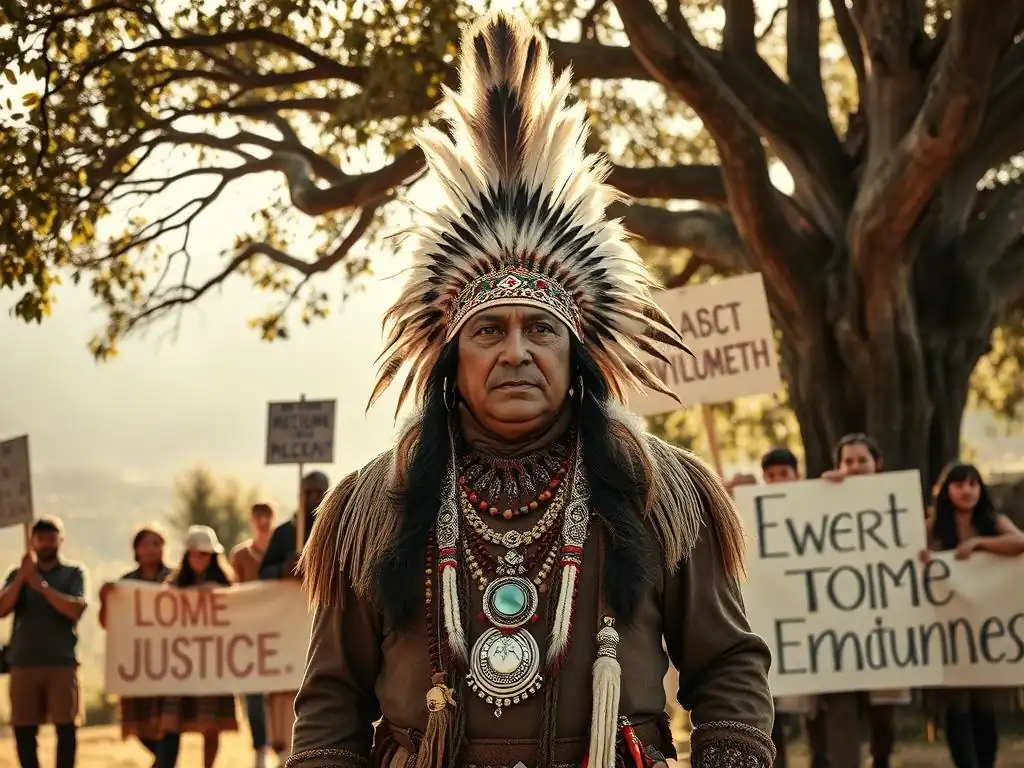
Indigenous leaders play a crucial role in reviving and promoting indigenous religions and spiritual practices. They serve not only as custodians of cultural knowledge but also as advocates for the rights of their communities. These leaders often mobilize their communities to engage in contemporary social justice movements, intertwining traditional beliefs with modern activism. By utilizing platforms such as social media, they can reach broader audiences, raising awareness about the significance of indigenous religions and their relevance in today's sociopolitical landscape.
One of the key aspects of these leaders' influence is their ability to articulate the spiritual dimensions of contemporary issues, such as climate change and land rights. They emphasize that indigenous beliefs are not merely historical artifacts but living traditions that provide wisdom and guidance in addressing modern challenges. For instance, many indigenous leaders advocate for environmental stewardship rooted in their spiritual connection to the land, which resonates with global movements addressing ecological crises.
Influential Indigenous Figures and Their Contributions
Several influential indigenous figures have emerged as prominent voices in the fight for cultural recognition and rights. Figures like Winona LaDuke, a member of the Ojibwe Nation, have been pivotal in advocating for sustainable development and indigenous rights. Through her organization, Honor the Earth, she integrates indigenous spirituality into environmental activism, showcasing how traditional beliefs can inform modern ecological practices.
Another significant figure is Rigoberta Menchú, a K'iche' Maya woman from Guatemala, who received the Nobel Peace Prize for her work in promoting indigenous rights and culture. Menchú's activism emphasizes the ongoing importance of indigenous spirituality in societal structures and political discourse, highlighting how these ancient beliefs inform contemporary movements for justice and equality.
Grassroots Movements and Indigenous Religions Influence
Grassroots movements are instrumental in demonstrating the influence of indigenous religions today. These movements often arise from community-led initiatives that seek to reclaim indigenous practices and beliefs that have been suppressed. For example, the Idle No More movement in Canada, founded by a coalition of indigenous activists, emphasizes the importance of indigenous governance and spirituality, urging a return to traditional ecological knowledge and practices.
These grassroots efforts often incorporate traditional ceremonies, teachings, and values, reinforcing the idea that indigenous religions are not just historical remnants but living traditions that inform contemporary activism. The revival of indigenous languages, ceremonies, and practices serves as a powerful means of cultural resistance, allowing communities to reclaim their identities and assert their presence in modern society.
Collaborations Between Indigenous and Non-Indigenous Communities
Collaborations between indigenous and non-indigenous communities are increasingly common as both groups seek to address shared concerns, such as environmental sustainability and social justice. These partnerships often involve recognizing and respecting indigenous knowledge systems, which can lead to innovative, culturally informed solutions to contemporary problems.
Through educational initiatives, workshops, and joint advocacy campaigns, non-indigenous allies learn about indigenous religions and their contemporary relevance. These collaborations can create spaces for dialogue, fostering understanding and respect while amplifying indigenous voices in broader movements. Notably, initiatives that incorporate indigenous spirituality into environmental conservation efforts demonstrate the potential for synergistic relationships that honor both cultural legacies and contemporary challenges.
Challenges Faced by Indigenous Religions Today
Despite the resurgence of interest in indigenous religions, numerous challenges persist that hinder their full recognition and practice. Ongoing suppression, legal barriers, and the pressures of modernization threaten the survival of these vital cultural expressions.
Ongoing Suppression and Misunderstanding
The legacy of colonialism continues to manifest in the ongoing suppression of indigenous religions. Misunderstandings about these beliefs often lead to their marginalization, with many viewing them as primitive or irrelevant. This perception can result in discriminatory practices that limit the expression of indigenous spirituality in public and private spheres.
Furthermore, the appropriation of indigenous symbols and practices by non-indigenous entities without proper understanding or respect can dilute their significance, leading to further misconceptions. This cultural appropriation often overlooks the profound spiritual meanings embedded in indigenous traditions, contributing to a cycle of misunderstanding and alienation.
Legal and Political Barriers
Legal and political frameworks often fail to adequately protect the rights of indigenous peoples to practice their religions freely. In many countries, laws do not recognize the spiritual significance of indigenous lands, leading to conflicts over resource extraction and land use. Legal battles over land rights frequently intersect with the exercise of indigenous spirituality, as sacred sites are threatened by development or exploitation.
Additionally, bureaucratic hurdles can complicate the formal recognition of indigenous religions, making it difficult for communities to access resources or support for cultural revitalization efforts. Advocacy for legal reforms that affirm indigenous religious rights is essential in addressing these systemic barriers.
Preserving Cultural Heritage Amidst Modernization
As globalization and modernization reshape societies, the challenge of preserving indigenous cultural heritage becomes increasingly complex. Young generations may face pressures to assimilate into mainstream cultures, leading to a decline in traditional practices and beliefs. The loss of language, rituals, and spirituality can threaten the very essence of indigenous identities.
Efforts to counter this trend often involve intergenerational knowledge transfer, where elders share teachings and practices with younger community members. Educational programs that emphasize the importance of indigenous religions and their relevance in contemporary life play a vital role in cultural preservation. By fostering pride in their heritage, indigenous communities can navigate the modern world while maintaining their spiritual and cultural integrity.
Conclusion: The Lasting Impact of Indigenous Religions
Indigenous religions have left an indelible mark on contemporary societies, shaping cultural identities, social movements, and spiritual practices across the globe. These faiths, often suppressed or marginalized, continue to resonate within modern contexts, influencing not only indigenous communities but also broader societal frameworks. The resilience of indigenous faiths demonstrates their ability to adapt and thrive, serving as a source of strength and inspiration for many seeking a deeper understanding of spirituality and connection to the earth.
The recognition of indigenous religions' contributions to contemporary movements—from environmental activism to social justice—highlights their ongoing relevance. As these faiths reclaim their voices, they remind society of their rich traditions and philosophies that advocate for harmony with nature, community, and respect for all living beings. This legacy not only enriches cultural diversity but also offers valuable insights into sustainable living and holistic approaches to life.
Reflection on Indigenous Religions Influence Today
Today, indigenous religions influence a myriad of contemporary movements, particularly those focused on environmentalism, social justice, and cultural preservation. The principles of interconnectedness and respect for nature found in many indigenous belief systems resonate strongly with modern ecological movements, inspiring activists to adopt more sustainable practices. For instance, the concept of "Mother Earth" prevalent in many indigenous cultures has been pivotal in shaping environmental policies that advocate for the protection of natural resources.
Furthermore, indigenous religions have played a crucial role in the resurgence of cultural pride and identity among indigenous peoples. By embracing their spiritual traditions, communities are fostering a sense of belonging and resistance against the historical erasure of their cultures. This reclamation not only honors ancestors but also empowers future generations to carry forward their heritage, enriching the broader societal fabric.
The Future of Indigenous Faiths in Contemporary Movements
Looking ahead, the future of indigenous faiths in contemporary movements appears promising yet challenging. As awareness of the importance of indigenous perspectives grows, there is an increasing demand for the inclusion of these beliefs in discussions around social justice, environmental stewardship, and cultural heritage. However, systemic barriers and ongoing colonial legacies continue to pose significant challenges to the full recognition and practice of indigenous religions.
The potential for collaboration between indigenous and non-indigenous groups presents an opportunity for mutual learning and growth. By engaging with indigenous knowledge systems, contemporary movements can broaden their approaches and incorporate holistic methods that respect the wisdom of these ancient traditions. As more people embrace these teachings, we may witness a profound transformation in societal values, leading to a more inclusive and sustainable future.
Call to Action: Supporting Indigenous Religious Practices
To support the revitalization and recognition of indigenous religious practices, individuals and communities can take several meaningful steps:
- Educate Yourself: Learn about the diverse indigenous cultures and their spiritual beliefs. Understanding the history and context of these religions allows for greater appreciation and respect.
- Amplify Indigenous Voices: Support indigenous leaders, writers, and activists by sharing their work and acknowledging their contributions to contemporary society.
- Advocate for Policies: Engage in advocacy efforts that promote the protection of indigenous rights and religious practices. This can include supporting legislation that honors land rights and cultural heritage.
- Participate in Cultural Events: Attend indigenous ceremonies, festivals, and workshops to foster cultural exchange and demonstrate solidarity with indigenous communities.
- Support Indigenous Organizations: Contribute to or volunteer with organizations that work to preserve and promote indigenous religions and cultures.
By taking these actions, we can help ensure that indigenous religious practices not only survive but thrive, enriching our collective human experience.
References and Further Reading
Key Texts on Indigenous Religions
-
"God is Red: A Native View of Religion" by Vine Deloria Jr.
This seminal work explores the spirituality of Native Americans and critiques Western religious paradigms.
-
"The Sacred Hoop: Recovering the Feminine in American Indian Traditions" by Paula Gunn Allen
Allen's work highlights the role of women in indigenous spirituality and offers insights into the broader impacts of these traditions.
-
"Indigenous Religions: A Companion" edited by Graham Harvey
This comprehensive volume provides an overview of various indigenous religions, discussing their beliefs, practices, and contemporary relevance.
Documentaries and Films Highlighting Indigenous Beliefs
-
"Rumble: The Indians Who Rocked the World"
This documentary showcases the influence of indigenous musicians and their connection to cultural identity and spirituality.
-
"The Last Guardian"
A film that delves into the life of an indigenous elder, exploring the intersection of traditional beliefs and modern challenges.
-
"The Doctrine of Discovery: Unmasking the Domination Code"
This documentary examines the historical impact of colonialism on indigenous peoples and their spiritual practices.
Organizations Supporting Indigenous Faiths and Cultures
-
The Indigenous Environmental Network (IEN)
IEN works to promote indigenous rights and environmental justice, integrating traditional knowledge with contemporary activism.
-
Cultural Survival
This organization partners with indigenous communities to preserve their cultures and advocate for their rights globally.
-
The National Museum of the American Indian
A part of the Smithsonian Institution, this museum showcases indigenous cultures and serves as a platform for indigenous voices and stories.
By engaging with these resources, individuals can deepen their understanding of indigenous religions and support the ongoing legacy of these vital cultural practices.
- Introduction to Indigenous Religions Influence Today
- Historical Context of Indigenous Religions
- Resilience of Indigenous Religions
- Contemporary Movements Inspired by Indigenous Beliefs
- The Role of Indigenous Leaders in Modern Movements
- Challenges Faced by Indigenous Religions Today
- Conclusion: The Lasting Impact of Indigenous Religions
- References and Further Reading
Frequently Asked Questions
What are the main themes of the article?
The article discusses the legacy of indigenous religions and their influence on contemporary movements, emphasizing their cultural significance and the challenges faced due to suppression.
How did indigenous religions impact contemporary society?
Indigenous religions have left a lasting impact on contemporary social movements, particularly in areas of environmentalism, cultural identity, and spiritual practices, showcasing their resilience and relevance today.
What role do indigenous beliefs play in modern activism?
Indigenous beliefs often serve as a foundation for activism, advocating for land rights, cultural preservation, and social justice, reflecting a blend of traditional values with contemporary issues.
Can you provide examples of indigenous religions influencing modern practices?
Many contemporary spiritual practices and holistic health approaches draw inspiration from indigenous traditions, incorporating rituals and beliefs that promote community well-being and connection to nature.
Why is understanding indigenous religions important today?
Understanding indigenous religions is crucial for recognizing their contributions to cultural diversity, fostering respect for traditional knowledge, and promoting dialogue around indigenous rights and sovereignty.
Final Reflection: The Enduring Influence of Indigenous Religions in Contemporary Movements
The legacy of suppressed faiths is not merely a historical footnote; it is a vibrant thread woven into the fabric of today's cultural and spiritual landscape. As we navigate an increasingly complex world, the teachings and practices of Indigenous religions resonate more than ever, offering profound insights into sustainability, community, and interconnectedness. The relevance of these traditions is underscored by a growing recognition of their wisdom in addressing modern challenges, reminding us that the past is not lost but rather a guiding force for the future.
The influence of Indigenous religions on contemporary movements is palpable, shaping not only environmental activism but also social justice initiatives and spiritual awakenings. As we witness a resurgence of interest in these faiths, it becomes clear that their teachings are not relics of a bygone era but living philosophies that continue to inspire change. Indigenous wisdom is a treasure trove of knowledge that can guide us toward a more harmonious existence with the Earth.
This perspective invites us to reflect on how these ancient beliefs can inform our actions today, fostering a deeper connection with the world around us.
As you ponder the insights shared in this article, I encourage you to explore how the principles of Indigenous religions can enrich your own life and community. Consider the ways in which you can integrate these teachings into your daily practices, whether through mindfulness, respect for nature, or fostering a sense of belonging and responsibility. Let us honor the legacy of these faiths by not only acknowledging their influence but actively embodying their values in our pursuit of a more just and sustainable future.
Embrace the Wisdom of Indigenous Faiths!
Thank you for exploring the rich tapestry of Indigenous religions and their powerful influence on contemporary movements. You’ve uncovered the vital connection between history and the present—a perspective that can inspire meaningful change in our world today. Now, let’s take that inspiration further!
Here are some simple yet impactful actions you can take right now:
- Support Indigenous Artisans by purchasing their handmade crafts or artwork—a beautiful way to honor their traditions and stories.
- Participate in local or online discussions to engage with Indigenous communities; your voice can contribute to the preservation and celebration of their rich cultures.
- Spread the knowledge you’ve gained from this article with friends or on social media to raise awareness and foster understanding of Indigenous beliefs.
How do you see Indigenous values shaping your own life or the community around you? Share your thoughts below!