
The Resilience of Indigenous Societies: Responses to Epidemics During European Conquest

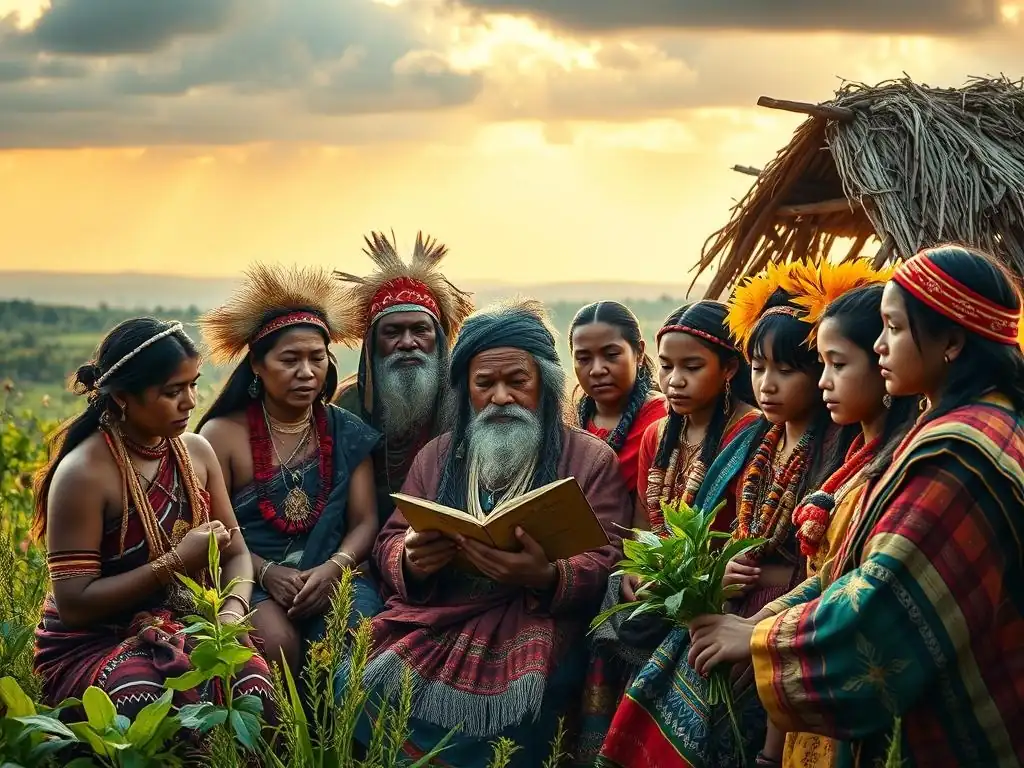
Welcome to Indigenous Civilizations of the Americas, where we invite you to embark on a captivating journey through the rich tapestry of indigenous cultures that flourished long before European colonization. In our featured article, "The Resilience of Indigenous Societies: Responses to Epidemics During European Conquest," we delve into the profound impact of epidemics on these vibrant communities and explore their remarkable resilience in the face of adversity.
What strategies did these societies employ to navigate the challenges brought by disease, and how did their responses shape the course of history? Join us as we uncover the stories and legacies of these extraordinary civilizations, igniting your curiosity and inspiring deeper understanding of their enduring influence.
Introduction to Indigenous Societies and Epidemics
The history of the Americas is intricately linked to the resilience of its Indigenous societies, particularly in the face of challenges such as epidemics. Before European contact, these societies flourished across vast territories, developing rich cultures, complex social structures, and advanced agricultural practices.
However, the arrival of Europeans in the late 15th century initiated a series of profound disruptions, including the introduction of diseases that had devastating effects on Indigenous populations. This article delves into the intricate relationship between Indigenous societies and epidemics during the European conquest, highlighting not only the impact of these diseases but also the varied responses of Indigenous peoples as they navigated this tumultuous period.
Overview of Indigenous Societies in the Americas
Indigenous societies in the Americas were remarkably diverse, with each group exhibiting unique customs, languages, and governance systems. From the sophisticated city-states of the Aztec and Maya civilizations in Mesoamerica to the nomadic tribes of the Great Plains, these cultures thrived long before European arrival.
- Cultural Achievements:
- Architecture: Many societies built impressive structures, such as the pyramids of Teotihuacan and the cliff dwellings of the Ancestral Puebloans.
- Agriculture: Innovations in agriculture, like the development of maize cultivation, supported large populations and complex societies.
- Trade Networks: Extensive trade routes facilitated the exchange of goods, ideas, and cultural practices across vast distances.
Despite their achievements, these societies were not monolithic; they adapted to their environments and developed unique strategies for survival.
Significance of Epidemics During European Conquest
The introduction of epidemics during the European conquest marked a significant turning point for Indigenous societies. Diseases such as smallpox, measles, and influenza spread rapidly, often preceding military confrontations and altering the demographic landscape of the Americas.
- Devastating Impact:
- Population Decline: It is estimated that in some regions, up to 90% of the Indigenous population perished due to disease.
- Social Disruption: The loss of community leaders and knowledge bearers disrupted traditional social structures, creating a vacuum of authority.
- Resistance and Adaptation: In response to these challenges, many Indigenous groups demonstrated remarkable resilience, adapting their strategies for survival and resistance.
As we explore the historical context of these epidemics, it becomes evident that understanding the health landscapes prior to European contact is crucial to grasping the full impact of these diseases.
Historical Context of Epidemics in Indigenous Societies
Pre-Columbian Health and Disease Landscapes
Before European contact, Indigenous societies had their own health practices and disease environments. While some diseases existed, the lack of certain pathogens meant that many populations had not developed immunity to the diseases brought by Europeans.
- Health Practices:
- Traditional Medicine: Indigenous healers utilized a variety of plants and rituals to treat ailments and maintain community health.
- Social Structures: Close-knit communities provided social support, which played a role in psychological well-being and collective health.
This pre-Columbian health landscape set the stage for the catastrophic effects of the epidemics that would follow.
Introduction of Epidemics by European Contact
The arrival of Europeans brought not only explorers and conquerors but also a host of diseases that would wreak havoc on Indigenous populations. The lack of prior exposure to these diseases meant that Indigenous societies faced unprecedented mortality rates.
- Disease Transmission:
- Contact and Spread: Initial contacts often resulted in the transfer of diseases from European settlers to Indigenous peoples, who lacked immunity.
- Impact of Trade: Trade routes that previously facilitated exchange among Indigenous groups now became conduits for disease spread.
The consequences of these epidemics were profound, reshaping the demographics and social fabric of Indigenous societies across the Americas. Understanding these elements provides a clearer picture of the resilience and responses of Indigenous peoples during this critical period of history.
The Impact of Epidemics on Indigenous Populations
The arrival of European colonizers in the Americas brought with them a host of diseases to which Indigenous populations had no immunity. The impact of these epidemics was catastrophic, leading to significant declines in population across various regions. Diseases such as smallpox, measles, and influenza swept through communities, resulting in death rates that some estimates suggest were as high as 90% in certain populations. This demographic collapse not only affected the population numbers but also fundamentally altered the social fabric of Indigenous societies.
Demographic Changes in Indigenous Societies
The demographic shifts caused by epidemics were profound. Communities that once thrived with vibrant populations were reduced to shadow of their former selves. For instance, the Aztec Empire, which boasted millions in population, saw its numbers decimated within a few decades of contact with Europeans. Similarly, the Inca Empire experienced a dramatic decline, which weakened their ability to resist conquest. These massive population losses led to labor shortages, disrupted trade networks, and a reconfiguration of territorial control as surviving groups struggled to maintain their cultural identities and social structures amidst the chaos.
Cultural and Social Disruption Due to Epidemics
The cultural and social disruptions from epidemics extended beyond mere population loss. Traditions, rituals, and social norms that had been passed down through generations began to erode as communities faced unprecedented trauma. The death of leaders and elders meant that knowledge and wisdom were lost, leading to a breakdown in governance and social cohesion. Additionally, the void created by the absence of these cultural pillars made it easier for colonizers to impose their own systems of governance and religion, further eroding Indigenous identities and practices.
Resilient Responses of Indigenous Societies to Epidemics
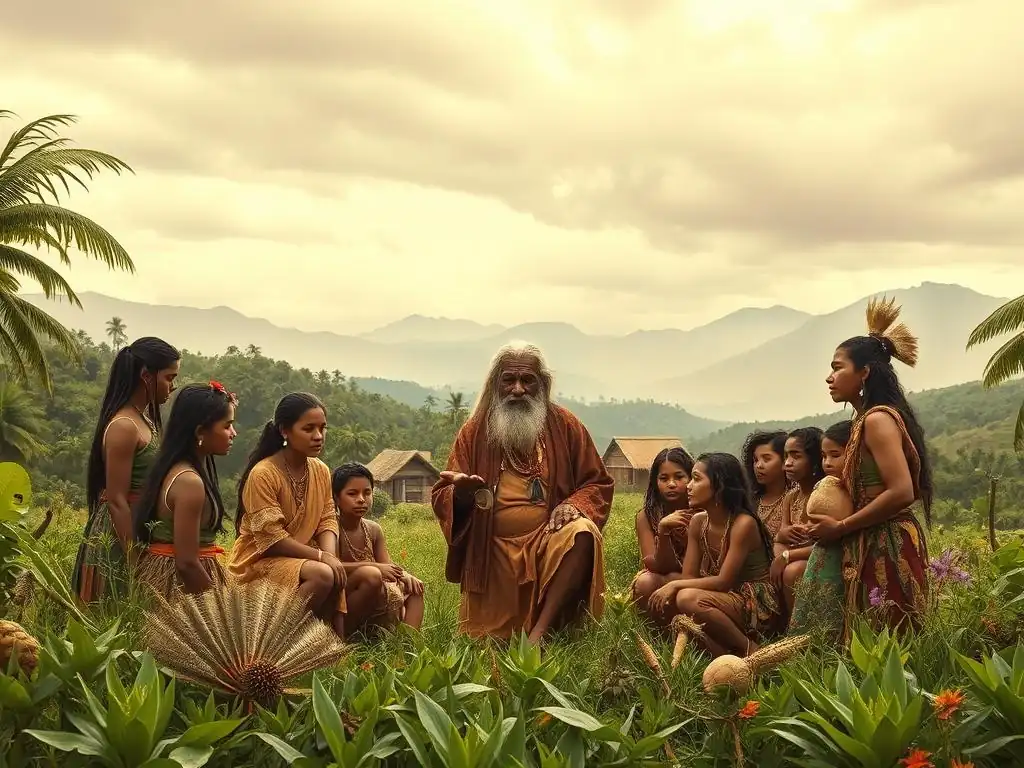
Despite the devastating effects of epidemics, Indigenous societies displayed remarkable resilience. Many communities developed adaptive strategies to cope with the challenges posed by disease, showcasing their ability to innovate and survive in the face of adversity.
Traditional Healing Practices and Knowledge
Indigenous peoples relied heavily on their traditional healing practices to combat the diseases introduced by Europeans. Herbal remedies, spiritual healing, and communal ceremonies played crucial roles in addressing the health crises. Knowledge of medicinal plants and healing techniques, often passed down through oral traditions, became vital as communities sought to heal the sick and bolster their immune systems. These practices not only provided immediate relief but also fostered a sense of agency and cultural continuity amidst the turmoil.
Community Solidarity and Mutual Aid Systems
The crises instigated by epidemics prompted a strengthening of community solidarity. Many Indigenous societies emphasized mutual aid systems, where members supported one another through shared resources, caregiving, and collective mourning. This spirit of cooperation helped communities to endure the losses and recover, reinforcing social bonds and cultural identity. Such systems were integral in maintaining a sense of belonging and purpose, even as external pressures intensified from colonizers.
Adaptation of Social Structures in Response to Epidemics
In response to the demographic collapse and social disruption caused by epidemics, Indigenous societies often adapted their social structures. This adaptation included the restructuring of leadership roles, the formation of new alliances, and the establishment of practices that prioritized community health and resilience. Some groups reorganized their populations to reduce vulnerability, while others integrated new members from neighboring communities to bolster their numbers. These adaptations were essential for survival, enabling Indigenous societies to navigate the challenges posed by both disease and conquest, and to lay the groundwork for future resurgence.
Case Studies of Indigenous Responses to Epidemics
Indigenous societies across the Americas exhibited remarkable resilience in the face of epidemics brought on by European colonization. Their responses varied significantly depending on the cultural, social, and environmental contexts of each society. By examining specific case studies, we can gain insight into how these societies navigated the devastating impacts of diseases like smallpox and influenza, adapting their practices and strategies to cope with the crises.
The Aztec Empire and Their Response to Smallpox
The arrival of smallpox in the Aztec Empire in the early 16th century had catastrophic effects. The epidemic arrived in 1519, coinciding with the Spanish conquest led by Hernán Cortés. Smallpox decimated the population, with estimates suggesting that it killed up to 90% of the Aztec people. In response, the Aztecs employed several adaptive strategies:
- Quarantine Measures: Communities implemented isolation strategies for the sick, attempting to contain the spread of the virus. This included restricting movement in and out of affected areas.
- Knowledge of Medicine: Traditional healers utilized their extensive knowledge of herbal remedies to treat symptoms, although the efficacy of these treatments against smallpox was limited.
- Social Restructuring: The social fabric of Aztec society was deeply affected. As the population dwindled, roles shifted; surviving members took on additional responsibilities, and the emphasis on community and kinship ties became more pronounced.
Despite these efforts, the combination of smallpox and the violent Spanish conquest ultimately led to the rapid decline of the Aztec civilization, showcasing the profound impact of epidemics on indigenous societies.
The Taino People and Their Adaptive Strategies to Disease
The Taino, who inhabited the Caribbean islands, faced significant challenges following the arrival of European colonizers. Diseases such as smallpox, measles, and influenza resulted in dramatic population declines. The Taino employed various adaptive strategies to cope with these challenges:
- Cultural Adaptation: The Taino adapted their spiritual practices, incorporating new elements to help explain and cope with the suffering caused by illnesses. This included rituals to appease spirits believed to influence health and well-being.
- Migration and Relocation: As disease outbreaks intensified, some Taino groups migrated to less affected areas, seeking refuge from both the epidemics and the encroachment of colonizers. This movement often led to the blending of different Taino communities and cultures.
- Engagement with Colonizers: Some Taino leaders attempted to negotiate with Spanish settlers, seeking to establish alliances that could provide some protection against the spread of disease and violence. This often included offering resources or labor in exchange for assistance.
Despite their resilience, the Taino population continued to decline dramatically, highlighting the challenges faced by indigenous societies in sustaining their cultures amidst the pressures of disease and colonization.
Long-Term Effects of Epidemics on Indigenous Societies
The long-term effects of epidemics during the European conquest were profound, leading to significant transformations within indigenous societies. These changes shaped the trajectory of cultural identity and community structures, influencing the resilience of future generations.
Preservation of Cultural Identity Amidst Crisis
Even in the face of catastrophic loss, many indigenous societies managed to preserve elements of their cultural identity. This preservation manifested in several ways:
- Oral Traditions: Storytelling and oral histories became vital means of sustaining cultural knowledge. Elders shared stories of resilience and survival, embedding lessons of the past into the fabric of community memory.
- Cultural Practices: Many communities continued to practice traditional ceremonies, rituals, and customs, which served as a means of maintaining a sense of identity and continuity despite the upheaval.
- Resistance Movements: The crises prompted some indigenous groups to resist colonial pressures actively. This resistance often included the reaffirmation of cultural practices as a form of defiance against foreign domination.
Through these efforts, indigenous societies sought to maintain their heritage, ensuring that their cultural identities endured beyond the immediate impacts of disease and conquest.
Evolution of Indigenous Societies Post-Epidemic
The aftermath of epidemics brought about significant evolution within indigenous societies. These changes reflected both adaptations to new realities and the resilience of these cultures:
- Social Reorganization: With significant population losses, many societies experienced shifts in social structures. Leadership roles were often redefined, with surviving members stepping into positions of authority and responsibility.
- Economic Adaptation: The disruption caused by epidemics forced many communities to adapt their economic practices. This included new agricultural techniques or diversifying trade relationships with neighboring groups to rebuild their economies.
- Intercultural Exchange: The convergence of European and indigenous cultures led to new forms of intercultural exchange. Indigenous societies often integrated European goods and practices while simultaneously retaining core aspects of their cultural identities.
These evolutionary processes underscore the resilience of indigenous societies, demonstrating their capacity to adapt and thrive despite the profound challenges posed by epidemics during the European conquest.
Lessons Learned from Indigenous Resilience to Epidemics
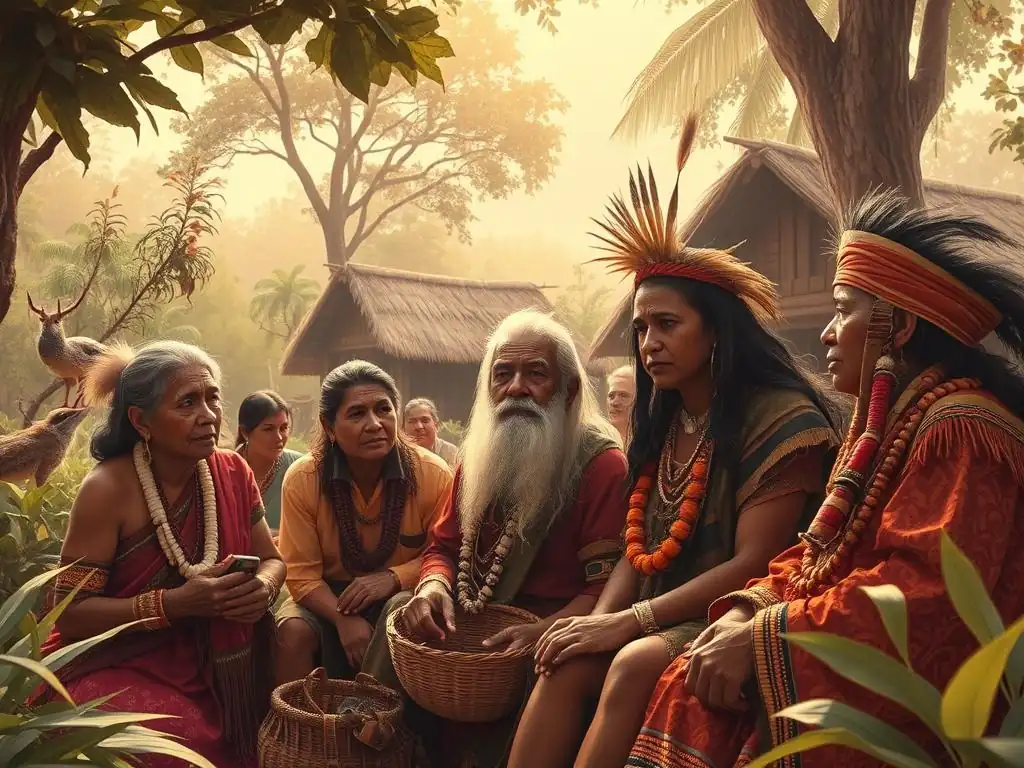
The resilience demonstrated by Indigenous societies in response to epidemics during the European conquest offers valuable lessons that extend beyond historical context. These societies employed various strategies to mitigate the impacts of diseases, illustrating their adaptability and resourcefulness. By analyzing these approaches, modern communities can glean insights into effective public health strategies and the importance of holistic, community-based responses to health crises.
Indigenous peoples relied on a deep understanding of their environments and the medicinal properties of local flora and fauna. Their extensive knowledge systems enabled them to develop innovative solutions, such as traditional healing practices and the establishment of communal support networks. The ability to adapt and modify these practices in the face of epidemics showcases a profound resilience that can inform contemporary responses to modern health challenges, highlighting the need for culturally relevant approaches in public health.
Importance of Indigenous Knowledge Systems
Indigenous knowledge systems, developed over centuries, encompass a wealth of information about health, ecology, and community well-being. These systems are not merely historical relics; they remain vital to the health and resilience of Indigenous communities today. The integration of traditional ecological knowledge with contemporary scientific methods has proven effective in addressing various health threats, including epidemics.
For instance, Indigenous healers often utilized plants with antiviral properties, a practice that has gained recognition in modern pharmacology. By valuing and incorporating Indigenous knowledge systems into public health strategies, societies can foster a more inclusive approach to health care that respects and utilizes diverse epistemologies. This collaboration can enhance the overall effectiveness of epidemic responses and promote health equity.
The Role of Cultural Practices in Epidemic Response
Cultural practices play a crucial role in how Indigenous societies respond to epidemics. Rituals, ceremonies, and community gatherings not only foster social cohesion but also serve as mechanisms for collective healing and resilience. These cultural practices often include spiritual elements that connect individuals to their ancestors and the land, reinforcing a sense of identity and purpose during times of crisis.
Moreover, community engagement in health-related practices, such as traditional medicine and communal caregiving, enhances the effectiveness of responses to epidemics. By prioritizing cultural values and practices, Indigenous societies have demonstrated their ability to mobilize resources and support systems that address both physical and emotional health needs during challenging times.
Conclusion: The Legacy of Indigenous Resilience
The legacy of Indigenous resilience in the face of epidemics during the European conquest is profound and multifaceted. It serves as a testament to the strength and adaptability of these societies, which utilized their knowledge and cultural practices to navigate the devastating impacts of disease. This historical resilience informs contemporary discussions about health and wellness, emphasizing the importance of cultural relevance in health care.
Reflection on the Enduring Impact of Epidemics on Indigenous Societies
Epidemics have left lasting scars on Indigenous societies, reshaping their demographics, cultures, and ways of life. The profound losses experienced during these periods catalyzed changes in social structures and community dynamics. However, the ability of Indigenous peoples to endure, adapt, and find strength in their collective identities has allowed many communities to thrive despite the challenges posed by these health crises.
Understanding the enduring impact of epidemics on Indigenous societies requires acknowledging both the trauma and the resilience that emerged from these experiences. This dual recognition not only honors the past but also informs future efforts to support the health and well-being of Indigenous communities, ensuring that their voices and experiences are integral to public health discourse.
Call to Recognize Indigenous Contributions to Health Practices
As we reflect on the historical responses of Indigenous societies to epidemics, it is essential to actively recognize and incorporate their contributions to modern health practices. Indigenous knowledge and cultural practices offer invaluable insights into holistic health approaches that prioritize community well-being. By fostering collaboration between Indigenous and non-Indigenous health practitioners, we can create a more equitable and effective health care system.
Recognizing Indigenous contributions requires a commitment to decolonizing health practices and respecting the autonomy of Indigenous communities. This involves supporting Indigenous-led initiatives, integrating traditional knowledge into public health frameworks, and advocating for policies that honor Indigenous rights. By doing so, we not only acknowledge the resilience of Indigenous societies but also pave the way for a healthier future for all.
References
Scholarly articles, books, and sources related to Indigenous societies and epidemics
-
"1491: New Revelations of the Americas Before Columbus" by Charles C. Mann
This book provides an extensive overview of pre-Columbian societies in the Americas, highlighting their complex structures and the impact of European contact, including the devastating effects of introduced diseases.
-
"American Indian Health: A Handbook of Research and Practice" edited by Joseph P. Gone and Michael J. Rappaport
This handbook discusses health disparities among Indigenous populations, with a focus on historical epidemics and their long-term effects on Indigenous societies.
-
"Epidemics and Enslavement: Biological Catastrophe in the Caribbean" by David Eltis and David Richardson
This scholarly article examines the role of epidemics in the Caribbean, particularly how diseases impacted Indigenous populations during the European conquest and the implications for their social structures.
-
"The Columbian Exchange: Biological and Cultural Consequences of 1492" by Alfred W. Crosby
Crosby's work delves into the exchange of diseases, plants, and animals between the Old and New Worlds, emphasizing the catastrophic impact on Indigenous societies and their resilience in adapting to these changes.
-
"Indigenous Peoples and Epidemics: The Historical Influence of Disease on Indigenous Societies" by Nancy Shoemaker
This article discusses the historical context of diseases affecting Indigenous populations, analyzing their responses and adaptations in the face of epidemics introduced by European colonizers.
-
"Smallpox and the Native American Population" by William C. Foster
Foster’s research provides a detailed examination of how smallpox outbreaks devastated Indigenous groups in North America, documenting both the immediate effects and long-term societal changes.
-
"The Impact of Disease on Indigenous Peoples in the Americas" by the American Anthropological Association
This collection of essays offers insights into various diseases that affected Indigenous groups pre- and post-contact, exploring cultural responses and adaptations.
-
"Health and Disease in the Americas: The Role of Epidemics in Indigenous History" by Alan L. K. Henshaw
This book addresses the historical narratives surrounding health and disease among Indigenous peoples, focusing on the responses of societies to epidemics as a means of survival and adaptation.
These sources collectively shed light on the complex interplay between Indigenous societies and the epidemics they faced during the European conquest, highlighting their resilience and the lasting impacts on their cultures.
- Introduction to Indigenous Societies and Epidemics
- Historical Context of Epidemics in Indigenous Societies
- The Impact of Epidemics on Indigenous Populations
- Resilient Responses of Indigenous Societies to Epidemics
- Case Studies of Indigenous Responses to Epidemics
- Long-Term Effects of Epidemics on Indigenous Societies
- Lessons Learned from Indigenous Resilience to Epidemics
- Conclusion: The Legacy of Indigenous Resilience
- References
- What is the main focus of the article "The Resilience of Indigenous Societies: Responses to Epidemics During European Conquest"?
- How did indigenous societies respond to epidemics during the European conquest?
- What were some key achievements of indigenous cultures prior to European colonization?
- How did epidemics affect the social structures of indigenous societies?
- What lasting impacts did these epidemics have on indigenous cultures?
Frequently Asked Questions
What is the main focus of the article "The Resilience of Indigenous Societies: Responses to Epidemics During European Conquest"?
The article explores how indigenous societies in the Americas adapted and responded to epidemics that arose during the European conquest, highlighting their cultural resilience and survival strategies.
How did indigenous societies respond to epidemics during the European conquest?
Indigenous societies employed various strategies, including traditional healing practices, community solidarity, and adapting social structures to cope with the devastating impact of epidemics introduced by Europeans.
What were some key achievements of indigenous cultures prior to European colonization?
Before European contact, indigenous cultures achieved significant advancements in agriculture, architecture, and trade, establishing complex societies with rich traditions and social structures.
Epidemics often led to significant disruption of social structures, causing population declines, shifts in leadership, and changes in community organization as groups worked to adapt and survive.
What lasting impacts did these epidemics have on indigenous cultures?
The long-term effects of epidemics included alterations in cultural practices, economic systems, and relationships with neighboring tribes, ultimately shaping the historical trajectory of indigenous societies in the Americas.
Final Reflection: The Unyielding Spirit of Indigenous Societies in the Face of Epidemics
The resilience of Indigenous societies during the tumultuous periods of European conquest and the epidemics that accompanied it is a testament to their strength and adaptability. Today, as we navigate a world still grappling with the repercussions of global pandemics, the lessons from these historical experiences resonate profoundly. The ability of these communities to withstand and respond to crises offers invaluable insights into the importance of cultural preservation and community solidarity in the face of adversity.
Cultural resilience is not merely a relic of the past; it is a living, breathing force that continues to shape our social landscape. Indigenous societies have shown us how to adapt, innovate, and thrive despite overwhelming challenges. Their stories remind us of the importance of community, tradition, and the deep connections to the land. As the renowned Indigenous scholar Vine Deloria Jr. once said, The past is not dead; it is not even past.
This quote encapsulates the enduring influence of Indigenous resilience, urging us to acknowledge and learn from their experiences as we confront our own modern challenges.
As we reflect on the lessons from Indigenous societies and their responses to epidemics, let us invite ourselves to act with intention and empathy. Consider how you can foster resilience in your own community, drawing inspiration from the past to build a more inclusive and supportive future.
Whether through advocacy, education, or simply listening to the stories of Indigenous peoples, each of us has a role to play in honoring their legacy and ensuring that their voices continue to be heard in our collective narrative. Together, we can cultivate a world that values resilience, understanding, and the rich tapestry of human experience.
Embrace the Legacy: Stand with Indigenous Resilience!
Thank you for exploring the profound resilience of Indigenous societies in the face of epidemics during the European conquest. Your interest contributes to a greater understanding of their enduring strength and cultural richness. Now that you've gathered valuable insights, it's time to take action and honor this legacy.
- Support Indigenous-led initiatives: Discover organizations dedicated to preserving Indigenous cultures and actively contribute to their missions.
- Share your newfound knowledge: Engage in discussions about these histories with friends or participate in local community events centered on Indigenous issues.
- Connect with local Indigenous communities: Attend cultural events or workshops to deepen your understanding and appreciation of their heritage.
What steps will you take to ensure that the stories of Indigenous resilience are remembered and celebrated within your community?