
The Silent Epidemics: Hidden Diseases and Their Role in Indigenous Population Declines

Welcome to Indigenous Civilizations of the Americas, where we delve deep into the rich tapestry of indigenous cultures that once thrived across the continent. In our featured article, “The Silent Epidemics: Hidden Diseases and Their Role in Indigenous Population Declines,” we uncover the profound impact of diseases on indigenous populations during the tumultuous era of European conquest. Prepare to embark on a journey that reveals not only the resilience of these societies but also the hidden narratives that shaped their histories.
Join us as we explore the intricate connections between health, survival, and the legacies that endure to this day. Your exploration begins now!
- Introduction to the Impact of Diseases on Indigenous Populations
- The Role of Diseases in Population Declines
- Types of Diseases Affecting Indigenous Populations
- Mechanisms of Disease Transmission
- The Socio-Cultural Impact of Diseases on Indigenous Societies
- Case Studies: Specific Indigenous Groups and Their Experiences
- The Ongoing Legacy of Diseases in Indigenous Populations
- Conclusion: Understanding the Impact of Diseases on Indigenous Populations
-
Frequently Asked Questions
- What were the major diseases affecting indigenous populations in the Americas?
- How did these diseases impact indigenous societies?
- Were there any specific indigenous groups more affected by diseases?
- Did diseases have a long-term effect on indigenous communities?
- How can we learn from the impact of diseases on indigenous populations?
- Final Reflection: The Unseen Impact of Diseases on Indigenous Populations
- Empower Change: Take Action Against Silent Epidemics
Introduction to the Impact of Diseases on Indigenous Populations
The indigenous populations of the Americas were incredibly diverse, with rich cultural traditions and complex societies that thrived long before the arrival of Europeans. However, the impact of diseases on indigenous populations is often overshadowed by the narratives of conquest and colonization. This article delves into the silent epidemics that plagued these communities, examining how hidden diseases significantly contributed to the dramatic declines in their numbers.
By exploring the intricate relationship between disease and population decline, we can gain a deeper understanding of the multifaceted challenges faced by indigenous peoples during this tumultuous period in history. The effects of diseases on indigenous populations not only altered the demographic landscape but also had lasting repercussions on their cultures and societies.
Overview of Indigenous Populations Before European Contact
Before the arrival of Europeans, the Americas were home to millions of indigenous peoples, each with their own unique cultures, languages, and social structures. Estimates suggest that in 1492, there were approximately 50 to 100 million indigenous people across North America, Central America, and South America. Some of the most prominent civilizations included:
- The Aztec Empire: A highly organized society located in present-day Mexico, known for its architectural achievements and complex agricultural systems.
- The Inca Empire: Centered in the Andes Mountains, this empire is recognized for its advanced engineering and extensive road networks, facilitating trade and communication.
- The Mississippian Culture: Flourishing in the southeastern United States, this civilization is noted for its large earthen mounds and sophisticated political organization.
These societies exhibited remarkable achievements in agriculture, art, and governance. However, the arrival of Europeans brought not only exploration and conquest but also a series of infectious diseases that would prove devastating to these populations.
Understanding the impact of diseases on indigenous populations is critical for several reasons:
- Historical Clarity: Recognizing the role of diseases in population declines provides a more nuanced view of the historical context surrounding European colonization.
- Cultural Preservation: Many indigenous cultures and languages have been lost or diminished due to population declines. Acknowledging the diseases that contributed to this loss helps in the preservation and revitalization of these cultures.
- Public Health Lessons: The historical impact of diseases on populations can inform contemporary public health strategies, highlighting the vulnerability of certain communities to infectious diseases.
- Ethical Considerations: Understanding the suffering caused by diseases underscores the need for ethical considerations in health policies and practices, particularly concerning indigenous communities today.
By exploring these hidden aspects of history, we not only honor the memory of those who suffered but also gain insights that are relevant to current discussions about health equity and the rights of indigenous peoples.
The Role of Diseases in Population Declines
The impact of diseases on indigenous populations during and after the European conquest was profound and multifaceted. Many indigenous communities faced epidemics that resulted in catastrophic declines in their numbers, often exacerbated by the lack of immunity to new pathogens introduced by European settlers. This section delves into the historical context of these diseases and highlights the less recognized epidemics that contributed to population declines among indigenous peoples.
Historical Context: Epidemics in Indigenous Communities
Historically, indigenous communities in the Americas had their own disease profiles, often shaped by their environmental contexts and lifestyles. However, with the arrival of Europeans in the late 15th century, a host of foreign diseases began to spread across the continent. These diseases included:
- Smallpox
- Influenza
- Measles
- Typhus
- Whooping cough
These epidemics did not merely result in immediate deaths; they altered the social fabric, economies, and cultural practices of indigenous societies. For instance, the smallpox epidemic of 1520 decimated the Aztec population, leading to significant disruptions in their societal systems.
The introduction of these diseases had several key consequences:
- Demographic Shifts: The mortality rates were staggering, with estimates indicating that some communities lost up to 90% of their population within a few years of first contact.
- Social Disruption: The loss of life led to weakened social structures, as elders and leaders, who held crucial knowledge and traditions, were among the first to perish.
- Cultural Erosion: With the decline in population, many cultural practices and languages were lost, resulting in a profound impact on indigenous identity.
The Silent Epidemics: Diseases That Went Unnoticed
While diseases like smallpox are often highlighted in historical narratives, many other illnesses contributed significantly to the decline of indigenous populations, yet remain largely unrecognized. These silent epidemics included:
- Tuberculosis (TB): TB was prevalent in crowded living conditions and among malnourished populations. Its slow progression often made it less obvious compared to acute epidemics, yet it claimed many lives over decades.
- Syphilis: Although debated regarding its origins, syphilis had a severe impact on indigenous populations, particularly as it spread through new trade networks.
- Respiratory Diseases: Chronic respiratory infections, exacerbated by the sudden introduction of new environmental conditions and pathogens, contributed to long-term health declines.
These diseases often spread in tandem with the societal changes brought about by colonization, such as forced relocations and changes in diet. The lack of medical knowledge and resources among indigenous populations made them particularly vulnerable.
The impact of diseases on indigenous populations was not solely a result of well-documented epidemics but also included a range of other illnesses that devastated communities over time. Understanding these silent epidemics is crucial for a complete picture of the demographic tragedy faced by indigenous societies in the wake of European colonization.
Types of Diseases Affecting Indigenous Populations
Infectious Diseases: Smallpox, Measles, and Influenza
Infectious diseases played a catastrophic role in the decline of indigenous populations across the Americas. Among these, smallpox, measles, and influenza were particularly devastating.
- Smallpox: Introduced by European explorers, smallpox had a mortality rate as high as 90% for some indigenous groups. The virus spread rapidly, often leading to complete decimation of communities. In 1520, the arrival of smallpox in Mexico coincided with the fall of the Aztec Empire, illustrating how disease could alter the course of history.
- Measles: Similar to smallpox, measles was a disease that indigenous populations had no prior exposure to, resulting in severe outbreaks. Measles can lead to complications such as pneumonia and encephalitis, which were often fatal in populations lacking immunity. A significant measles outbreak in the 1600s is thought to have contributed to the decline of the Powhatan Confederacy in Virginia.
- Influenza: The flu virus, with its ability to mutate rapidly, made it particularly lethal among indigenous peoples. Outbreaks, such as the 1918 influenza pandemic, disproportionately affected indigenous communities due to their limited healthcare resources and pre-existing health disparities.
These infectious diseases not only caused immediate mortality but also had long-term societal effects, disrupting social structures and traditional practices among indigenous peoples.
While infectious diseases like smallpox took the forefront in discussions about indigenous population decline, tuberculosis (TB) and syphilis also played significant yet often overlooked roles.
- Tuberculosis: TB is a chronic bacterial infection that was exacerbated by the poor living conditions and malnutrition faced by many indigenous populations post-contact. The disease spread rapidly in crowded living conditions, and the lack of effective treatments during the colonial period allowed it to persist as a silent epidemic. By the late 19th century, TB was responsible for a substantial number of deaths in indigenous communities, further weakening their societal structures.
- Syphilis: The introduction of syphilis to indigenous peoples had profound consequences on their health and demographics. This sexually transmitted infection was often misdiagnosed, leading to untreated cases that caused significant morbidity. The stigma associated with syphilis also disrupted social relationships and community cohesion, contributing to further population decline.
Both TB and syphilis exemplify how diseases that were not immediately lethal could have debilitating effects on health, family structures, and community resilience.
The Impact of Malnutrition on Disease Vulnerability
Malnutrition significantly heightened the vulnerability of indigenous populations to diseases. Following European contact, indigenous peoples faced rapid changes in their diets and lifestyles, resulting in nutritional deficiencies that made them more susceptible to infections.
- Dietary Shifts: The introduction of European agricultural practices often displaced traditional food sources, leading to a reliance on fewer crops. For example, the loss of access to diverse native plants and animals diminished the nutritional quality of indigenous diets.
- Social Disruption: The disruptions caused by colonial violence and displacement led to food shortages, exacerbating malnutrition. Communities that were once self-sufficient were forced into dependency on European food supplies, which were often inadequate.
- Health Consequences: Malnutrition weakened immune systems, making individuals more susceptible to infectious diseases. The combination of poor nutrition and rampant disease outbreaks created a vicious cycle that contributed to high mortality rates among indigenous populations.
The interplay between hidden diseases and malnutrition created a perfect storm that led to significant declines in indigenous populations across the Americas. Understanding this multifaceted impact is crucial for recognizing the profound effects of European colonization on these communities.
Mechanisms of Disease Transmission
Introduction of Diseases by European Colonizers
The arrival of European colonizers in the Americas marked a significant turning point in the health and demographics of indigenous populations. Many diseases, such as smallpox, measles, and influenza, were introduced by Europeans who had developed immunities over centuries. The indigenous peoples, having no prior exposure to these diseases, were particularly vulnerable.
The impact of diseases on indigenous populations was catastrophic; estimates suggest that some communities experienced mortality rates as high as 90%. Smallpox, for example, swept through native populations with alarming speed, often preceding the colonizers themselves. The lack of prior exposure meant that there was no existing immunity, leading to rapid and severe outbreaks.
Key Factors in Disease Introduction:
- Lack of Immunity: Indigenous peoples had not encountered many of the diseases brought by Europeans.
- Cultural Practices: Some indigenous practices, such as communal living, facilitated the rapid spread of diseases.
- Geographic Mobility: European explorers and settlers moved across vast distances, allowing diseases to spread quickly through populations that had no prior contact.
Effects of Trade and Interaction on Disease Spread
Trade networks among indigenous groups prior to European arrival were complex and extensive. However, the introduction of European goods and the movement of colonizers disrupted these networks, creating new pathways for disease transmission.
When indigenous peoples interacted with Europeans—whether through trade, conflict, or diplomacy—diseases were often transferred unknowingly. For instance, the exchange of goods often included items that had been contaminated with pathogens. This interaction not only allowed for the introduction of foreign diseases but also amplified the spread of existing ones within indigenous communities.
Mechanisms of Disease Spread:
- Contaminated Trade Goods: Items exchanged, such as textiles and tools, could carry pathogens.
- Population Movements: The movement of people, whether due to trade or conflict, increased exposure to new diseases.
- Urbanization: As indigenous groups concentrated in urban centers due to European settlement, the close quarters facilitated disease transmission.
The environmental and social landscapes of indigenous populations played a crucial role in the severity of disease outbreaks. Factors such as population density, nutrition, and previous health conditions significantly influenced how diseases impacted these communities.
Environmental Influences:
- Climate and Geography: Certain diseases thrive in specific climates; for example, tropical diseases were more prevalent in warmer regions.
- Agricultural Practices: Changes in land use and farming practices due to European influence affected food security and nutrition, weakening immunity.
Social Structures:
- Community Cohesion: Strong social ties often meant that once a disease entered a community, it spread rapidly.
- Traditional Healing Practices: In the face of epidemic disease, traditional healing practices were often inadequate against new illnesses, leading to increased mortality.
The impact of diseases on indigenous populations was not merely a biological phenomenon but was deeply intertwined with the cultural, social, and environmental contexts of these communities. Understanding these mechanisms highlights the multifaceted nature of the population declines experienced by indigenous peoples following European contact.
The Socio-Cultural Impact of Diseases on Indigenous Societies
The introduction of diseases such as smallpox, measles, and influenza had catastrophic effects on indigenous populations across the Americas. The impact of diseases on indigenous populations was profound, leading to significant alterations in community structures and social dynamics. As entire families and clans succumbed to these illnesses, the cohesion of tribal groups weakened, resulting in fragmented societies.
Many indigenous cultures were organized around close-knit communities, where kinship ties and social networks were essential for survival. The loss of key members, including leaders and healers, disrupted the social fabric. According to historical estimates, some indigenous groups experienced mortality rates exceeding 90%, profoundly affecting their ability to organize and resist colonial encroachments.
Key social roles were often filled by individuals who possessed unique knowledge or authority, and their absence created a leadership vacuum. This disarray made it difficult for communities to maintain traditional governance structures, leading to increased vulnerability to outside influences and pressures.
Loss of Traditional Knowledge and Practices
With the decline in population due to diseases, there was a significant erosion of traditional knowledge and practices that had been passed down through generations. Indigenous cultures relied heavily on oral traditions for the transmission of knowledge, including medicinal practices, agricultural techniques, and spiritual beliefs. The impact of diseases on indigenous populations manifested in a diminished capacity to preserve these essential cultural elements.
As elders, who served as repositories of cultural wisdom, succumbed to diseases, vast amounts of knowledge were lost forever. This loss was not merely about the individuals who died; it was a systemic collapse of the means through which cultures sustained their identity and practices. For instance, agricultural knowledge specific to local environments diminished, leading to difficulties in food production and a reliance on European agricultural methods that were often ill-suited to indigenous ways of life.
Furthermore, the spiritual practices that connected communities to their histories and environments were disrupted. The loss of ceremonial leaders and the inability to conduct traditional rituals due to grief or the absence of participants led to a crisis of identity, as communities struggled to adapt to their new realities.
Psychological Effects: Trauma and Grief in Indigenous Populations
The psychological consequences of disease epidemics on indigenous populations were immense and long-lasting. The impact of diseases on indigenous populations extended beyond mortality rates, embedding a deep sense of trauma and grief within communities. The scale of loss was unprecedented, leading to pervasive feelings of despair, which were compounded by the sociopolitical upheaval they faced.
Survivors often dealt with complex grief, as they mourned not only the loss of family members but also the disintegration of their cultural identities and practices. The psychological toll was reflected in increased instances of depression and anxiety, as communities grappled with their altered realities. Traditional healing practices became less effective, as the very healers who held the knowledge of these practices were lost.
In addition, the trauma experienced by these populations was intergenerational, affecting not just those who lived through the epidemics but also their descendants. Studies have shown that the effects of such collective trauma can persist for generations, leading to continued struggles with identity, community cohesion, and overall mental health.
The socio-cultural impact of diseases on indigenous societies was profound and multifaceted, affecting their communal structures, knowledge systems, and psychological well-being. Understanding these impacts is crucial for appreciating the resilience of indigenous cultures as they navigate the legacies of colonization and continue to strive for cultural preservation and revival.
Case Studies: Specific Indigenous Groups and Their Experiences
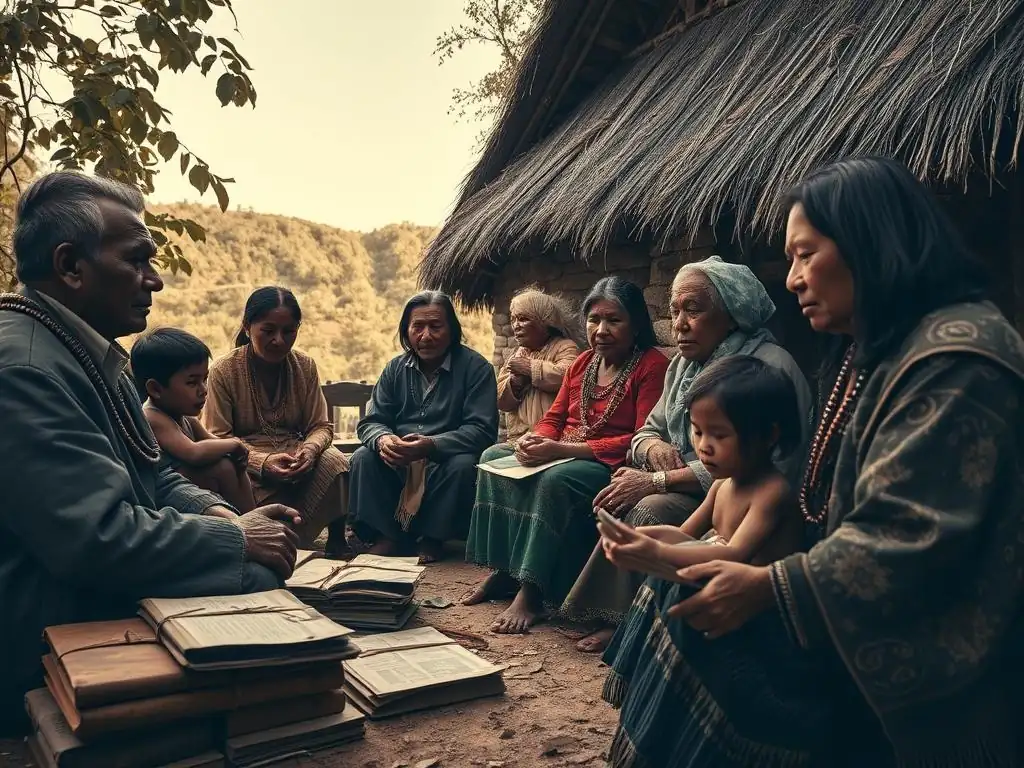
Case Study 1: The Taino and Smallpox Outbreaks
The Taino people, who inhabited the Greater Antilles, faced devastating consequences due to the introduction of smallpox following European contact in the late 15th century. This disease was particularly virulent, as the Taino had no prior exposure or immunity to it.
- Initial Contact and Disease Introduction:
- Christopher Columbus's arrival in 1492 marked the beginning of significant ecological and demographic changes for the Taino. The introduction of smallpox led to catastrophic mortality rates, with estimates suggesting that up to 90% of the Taino population perished within a few decades.
- Impact on Society:
- The smallpox outbreaks dismantled Taino social structures. Communities that had thrived for centuries were rapidly decimated, which led to a loss of cultural practices, languages, and governance systems.
- Survivors faced not only the physical toll of the disease but also the psychological impact of witnessing the collapse of their societies.
- Long-term Consequences:
- The dramatic decline in population contributed to the eventual colonization and exploitation of the islands by European powers, further erasing Taino cultural identity.
- Modern descendants often face challenges in reclaiming their heritage due to the extensive loss of knowledge and cultural practices.
Case Study 2: The Lakota and Measles Epidemics
The Lakota, a prominent Indigenous group in the northern Great Plains, experienced severe population declines during the 19th century, largely due to measles epidemics.
- Epidemiology of Measles:
- Measles is a highly contagious viral infection that can spread rapidly through communities with low immunity. The first major outbreak among the Lakota occurred in the 1830s, coinciding with increased contact with European settlers and traders.
- Cultural Disruption:
- The measles epidemics led to significant mortality, with estimates indicating up to 50% of affected communities could perish in severe outbreaks. This not only resulted in loss of life but also disrupted traditional practices and communal living, as many families lost key members.
- Resilience and Adaptation:
- Despite the catastrophic effects of measles, the Lakota demonstrated resilience. They adapted their social structures and maintained cultural identity through oral traditions and community gatherings, although the scars of the epidemics remained evident for generations.
Case Study 3: The Cherokee and Long-term Health Consequences
The Cherokee tribe, located primarily in the southeastern United States, faced a series of epidemics that profoundly affected their population and health, notably during the late 18th and early 19th centuries.
- Epidemics and Population Decline:
- The introduction of diseases such as smallpox, influenza, and cholera led to significant mortality. The Cherokee population was already in decline due to the pressures of European encroachment, but these diseases exacerbated their struggles, resulting in estimated population reductions of up to 70% during certain outbreaks.
- Health and Societal Impacts:
- The long-term health consequences of these epidemics were severe. Survivors not only dealt with immediate health crises but also faced a lasting impact on their overall health, with increased vulnerability to subsequent diseases.
- Traditional healing practices were disrupted, and the community's ability to care for its members diminished, leading to further health disparities.
- Legacy of Disease:
- The Cherokee's experience illustrates the long-lasting impact of diseases on Indigenous populations. The combination of disease, displacement, and forced removal (such as the Trail of Tears) deeply affected their societal structures and cultural continuity.
The historical experiences of the Taino, Lakota, and Cherokee highlight the impact of diseases on indigenous populations, showcasing both the immediate devastation and the enduring consequences that shaped their communities. Understanding these case studies is essential for recognizing the broader implications of disease in the context of European colonization and its lasting effects on Indigenous cultures throughout the Americas.
The Ongoing Legacy of Diseases in Indigenous Populations
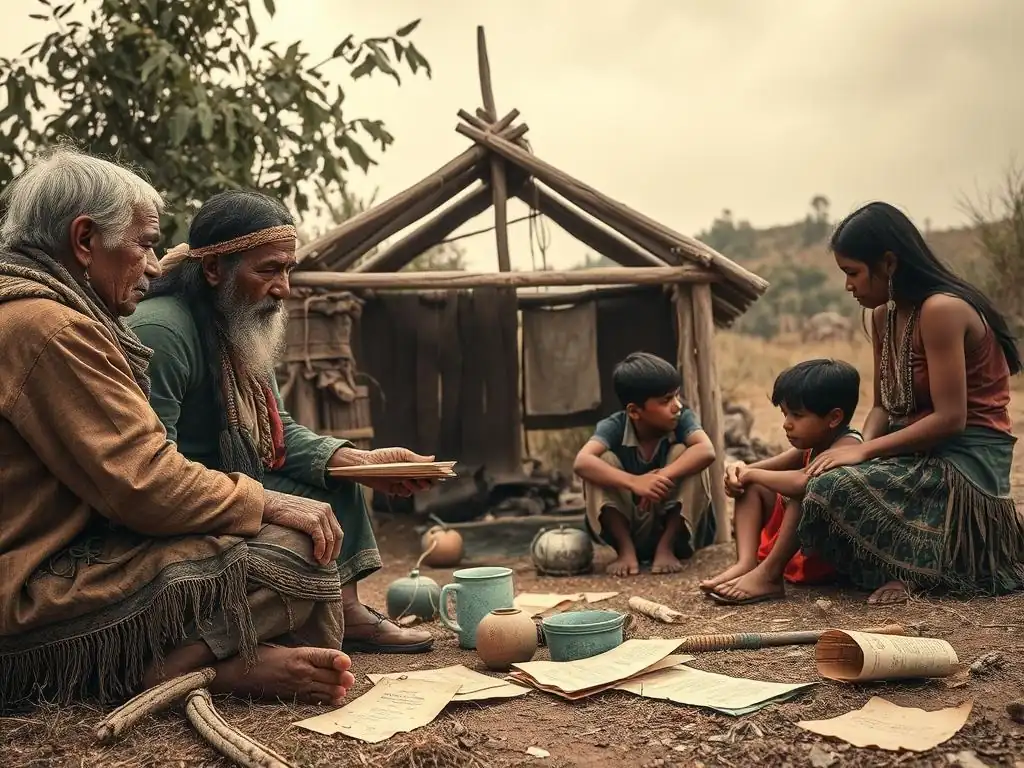
The impact of diseases on indigenous populations during the European conquest cannot be underestimated. These diseases, often introduced by colonizers, resulted in devastating mortality rates and shifted the demographic landscape of the Americas. The legacy of these epidemics continues to affect indigenous communities today, manifesting as health disparities and systemic inequities that trace back to the colonial era.
Current Health Disparities Among Indigenous Communities
Indigenous populations across the Americas are facing significant health disparities that can be directly linked to historical epidemics. These disparities manifest in various forms, including:
- Chronic Diseases: Higher rates of diabetes, heart disease, and respiratory illnesses are prevalent among indigenous groups. For instance, the prevalence of diabetes among Native Americans is approximately 2.4 times higher than that of the general U.S. population.
- Mental Health Issues: The trauma associated with historical epidemics and colonization has contributed to increased rates of anxiety, depression, and substance abuse within these communities. According to recent studies, indigenous youth are at a higher risk of suicide compared to non-indigenous youth.
- Access to Healthcare: Many indigenous communities live in remote areas with limited access to healthcare facilities. This geographical isolation exacerbates existing health challenges and hinders timely medical intervention.
The ongoing impact of diseases on indigenous populations can be further illustrated by comparing health outcomes in indigenous versus non-indigenous communities:
| Health Outcome | Indigenous Populations | Non-Indigenous Populations |
|---|---|---|
| Diabetes prevalence | 14.7% | 6.2% |
| Heart disease mortality rate | 25% higher | - |
| Life expectancy | 5-20 years shorter | - |
| Mental health disorder incidence | 1.5 times higher | - |
These statistics underscore the critical need for targeted health interventions and policies that address the unique needs of indigenous communities, rooted in an understanding of their historical contexts.
The Importance of Historical Awareness in Health Policies
Understanding the historical context of diseases and their impact on indigenous populations is crucial for developing effective health policies. Policymakers must recognize the following elements:
- Cultural Sensitivity: Health interventions must respect and incorporate indigenous knowledge, traditions, and practices. This approach fosters trust and encourages community engagement.
- Trauma-Informed Care: Recognizing the historical trauma associated with colonization, including the effects of epidemics, is essential for creating supportive healthcare environments. Training healthcare providers in trauma-informed practices can improve patient outcomes.
- Community Involvement: Engaging indigenous communities in the development of health policies ensures that their voices are heard and their specific needs addressed. Collaborative approaches can lead to more effective and sustainable health solutions.
As indigenous populations continue to navigate the legacy of diseases, integrating historical awareness into health policies not only honors their experiences but also paves the way for better health outcomes and resilience in the face of ongoing challenges. By prioritizing these considerations, we can work towards a more equitable healthcare system that acknowledges the profound impact of diseases on indigenous populations.
Conclusion: Understanding the Impact of Diseases on Indigenous Populations
The impact of diseases on indigenous populations in the Americas during the period of European colonization was profound and multifaceted. The introduction of European pathogens, to which indigenous peoples had no immunity, led to catastrophic declines in population. These diseases included smallpox, measles, influenza, and typhus, among others. The epidemiological consequences of these infections were not merely a matter of immediate illness and death; they reverberated through societies, affecting social structures, economies, and cultures in ways that are still being understood today.
The sheer scale of mortality caused by these diseases is staggering. Estimates suggest that in some regions, indigenous populations experienced declines of up to 90% within just a few decades of contact with Europeans. This led to a significant loss of knowledge, traditions, and languages, creating a cultural void that has had lasting repercussions.
Reflection on the Silent Epidemics and Their Lasting Effects
The silent epidemics that swept through indigenous communities were often overlooked in historical accounts, yet their effects have shaped the trajectory of indigenous societies for centuries. The loss of leaders, healers, and community members weakened social cohesion and disrupted traditional practices.
- Cultural Disintegration: The decimation of populations led to the loss of vital cultural knowledge and practices. Many indigenous languages, oral histories, and traditions were irretrievably lost as elder generations perished.
- Societal Restructuring: With the death of significant portions of the population, social hierarchies and community roles were altered. This restructuring often resulted in power vacuums and conflicts over resources, further destabilizing communities.
- Health System Impacts: The introduction of European medical practices often failed to address the needs of indigenous peoples, leading to a reliance on inadequate treatments. This disparity in healthcare access has had lingering effects on the health of indigenous populations, contributing to ongoing health inequities.
The historical context reveals that the impact of diseases on indigenous populations was not merely a series of tragic events but a transformative phase that altered the course of their histories. Understanding these historical epidemics is crucial for recognizing the contemporary challenges faced by indigenous communities today.
Call to Action: Addressing Health Inequities Today
Recognizing the historical impact of diseases on indigenous populations is a vital step toward addressing current health disparities. Here are essential actions to consider:
- Advocacy for Health Rights: Support initiatives that advocate for equitable healthcare access for indigenous communities. This includes promoting policies that address the unique health needs of these populations.
- Culturally Competent Healthcare: Encourage healthcare systems to integrate traditional healing practices and respect indigenous knowledge, creating a more inclusive approach to health.
- Research and Education: Support research that focuses on the historical and contemporary health issues faced by indigenous populations. Educational programs can help raise awareness of these inequities and foster understanding.
- Community Engagement: Collaborate with indigenous leaders and communities to develop health programs that are culturally appropriate and responsive to their needs.
By taking these steps, we can contribute to a more equitable future for indigenous populations, acknowledging their past while working towards improved health outcomes in the present and future. The legacy of the silent epidemics serves as a reminder of the resilience of indigenous cultures and their ongoing fight for health equity.
Frequently Asked Questions
What were the major diseases affecting indigenous populations in the Americas?
Many diseases, including smallpox, influenza, and measles, were introduced by European colonizers, leading to significant declines in indigenous populations who had no prior exposure or immunity.
How did these diseases impact indigenous societies?
The impact of diseases was devastating, causing widespread mortality and disrupting social structures, which weakened the resilience of indigenous cultures against colonization.
Were there any specific indigenous groups more affected by diseases?
Yes, certain groups, particularly those in dense populations or with settled agricultural practices, faced higher mortality rates, leading to drastic reductions in their numbers and cultural practices.
Did diseases have a long-term effect on indigenous communities?
Absolutely. The long-term effects included loss of language, traditions, and social cohesion, which have had a lasting influence on the cultural identity of indigenous peoples today.
How can we learn from the impact of diseases on indigenous populations?
Studying the impact of diseases can help us understand historical injustices and inform current public health strategies, ensuring better support for indigenous communities facing similar challenges today.
Final Reflection: The Unseen Impact of Diseases on Indigenous Populations
The silent epidemics that have plagued indigenous populations throughout history remain a pressing issue today, highlighting the impact of diseases on indigenous populations that is often overlooked. As we navigate a world still grappling with health crises, it becomes increasingly clear that the legacy of these hidden diseases continues to shape the lives and cultures of indigenous communities. The stories of resilience and struggle against these epidemics remind us that health is not merely an individual concern but a collective one that reverberates through generations.
Cultural identity and community cohesion are deeply intertwined with the health of indigenous populations, and the ongoing effects of these diseases serve as a stark reminder of their vulnerability. The historical context of disease impact reveals a pattern of neglect and marginalization that has lasting consequences. As we reflect on this, we must acknowledge the words of author and activist Vine Deloria Jr.: The most important thing is to be true to yourself and those around you.
This truth resonates deeply within indigenous communities, where the fight for health equity and recognition of their struggles continues to be paramount.
As we conclude this exploration, I invite you to reflect on the lessons learned from the past and consider how you can contribute to a more equitable future. Engage with indigenous voices, support their health initiatives, and advocate for policies that address the historical injustices they face. Together, we can ensure that the stories of resilience are not just remembered but acted upon, fostering a world where the impact of diseases on indigenous populations is recognized and addressed with urgency and compassion.
Empower Change: Take Action Against Silent Epidemics
Thank you for exploring the significant impact of silent epidemics on Indigenous populations. Your engagement with this topic highlights a critical issue that requires our immediate attention and action. As you reflect on the stories and statistics, consider these practical steps to help make a difference.
- Educate Yourself and Others: Share this article and discuss its findings within your community. **Knowledge is a powerful tool** in raising awareness about these hidden diseases.
- Support Indigenous Health Initiatives: Discover local organizations committed to addressing health disparities and contribute your time or resources to their efforts.
- Advocate for Policy Change: Write to your local representatives about the urgent need for improved healthcare access for Indigenous communities. **Your voice can amplify the call for necessary reforms. **
How do you envision your role in combatting the effects of silent epidemics on Indigenous populations?