
Women of the Inca: Their Roles and Resilience During the Conquest

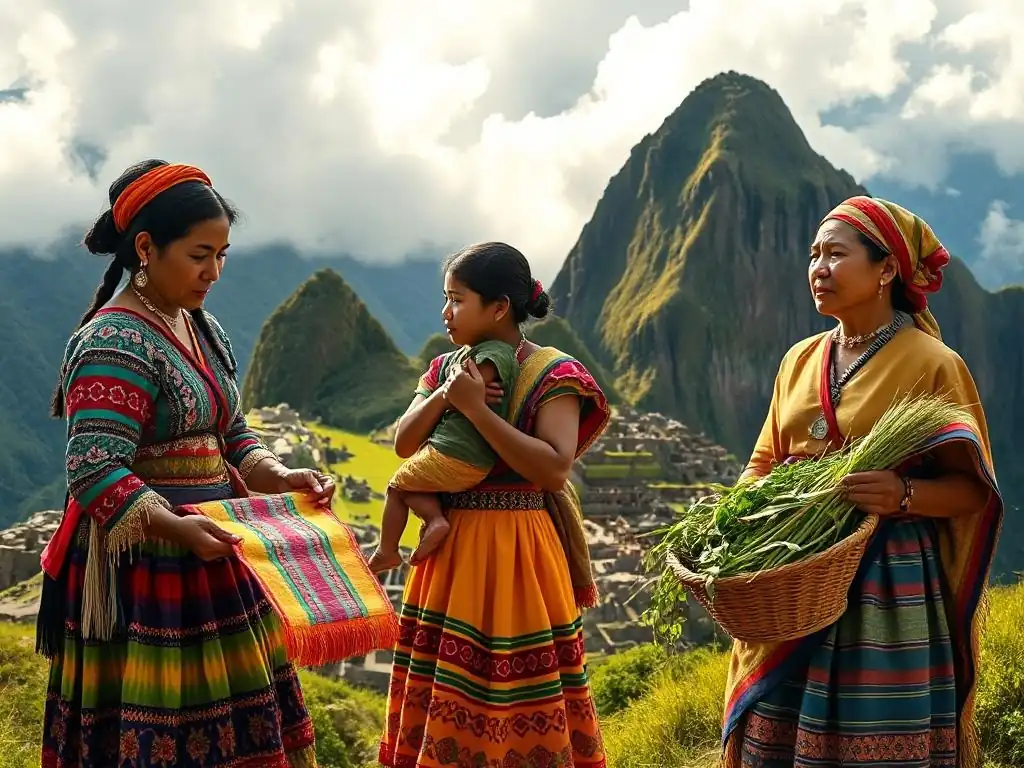
Welcome to Indigenous Civilizations of the Americas, where we embark on a captivating journey through the rich tapestry of indigenous cultures that flourished long before European contact. Here, we delve deep into the roles and resilience of Inca women during one of history's most tumultuous periods—the conquest. What were their contributions to society, and how did they navigate the challenges posed by external forces? Prepare to uncover the remarkable stories of strength and perseverance that shaped the Inca civilization and continue to resonate today. Join us as we explore these pivotal narratives and their profound impact on the Americas.
- Introduction to Inca Women Roles and Resilience
- Historical Context of the Inca Empire
- Roles of Inca Women Before the Conquest
- Resilience of Inca Women During the Spanish Conquest
- Comparison of Inca Women Roles Pre and Post-Conquest
- Lasting Impact of Inca Women on Modern Indigenous Communities
- Conclusion: The Enduring Legacy of Inca Women
- Frequently Asked Questions
- Final Reflection: The Enduring Legacy of Inca Women’s Roles and Resilience
- Discover Their Strength: Take Action Now!
Introduction to Inca Women Roles and Resilience
The history of the Inca Empire is marked by remarkable achievements in architecture, agriculture, and governance, yet the role of women within this complex society remains a crucial aspect that deserves deeper exploration. This article delves into the roles and resilience of Inca women during a turbulent period marked by the Spanish conquest.
By examining their societal contributions, cultural significance, and the challenges they faced, we can gain a clearer understanding of how these women navigated a landscape of both opportunity and adversity. Their stories not only reflect the strength and adaptability of Inca women but also highlight their enduring impact on the culture and identity of the Andean peoples.
Overview of Inca Society
Inca society was a highly organized and hierarchical structure, with a rich tapestry of social roles and responsibilities. Centered in the Andean region of South America, the Incas developed an empire that extended from modern-day Colombia to Chile. Their society was characterized by:
- Social Stratification: The Inca Empire was divided into different classes, including the Sapa Inca (the emperor), nobility, commoners, and the ayllu (community groups).
- Agricultural Innovation: Advanced agricultural techniques, such as terracing and irrigation, supported the empire's large population.
- Religious Beliefs: Religion played a pivotal role, with a pantheon of gods and rituals that permeated daily life.
Women in Inca society held various roles, which were often dictated by their social standing and the demands of their communities. Understanding their contributions within this framework is essential to appreciating their resilience during the Spanish conquest.
Importance of Women in Inca Culture
Inca women were integral to the fabric of their society, contributing in both domestic and public spheres:
- Economic Contributors: Women participated in agricultural production, textile weaving, and the management of household resources. Their work was vital to the sustenance of families and communities.
- Cultural Guardians: Women were responsible for passing down traditions, stories, and rituals, ensuring the continuity of Inca culture.
- Political Influence: Although predominantly patriarchal, some women held considerable influence, especially in the royal family, where they could act as advisors or regents.
The roles of Inca women were multifaceted, reflecting their resilience in adapting to the challenges posed by both internal dynamics and external threats, particularly during the Spanish conquest. Understanding these roles sheds light on the broader narrative of the Inca Empire and the significance of women's contributions to its legacy.
Historical Context of the Inca Empire
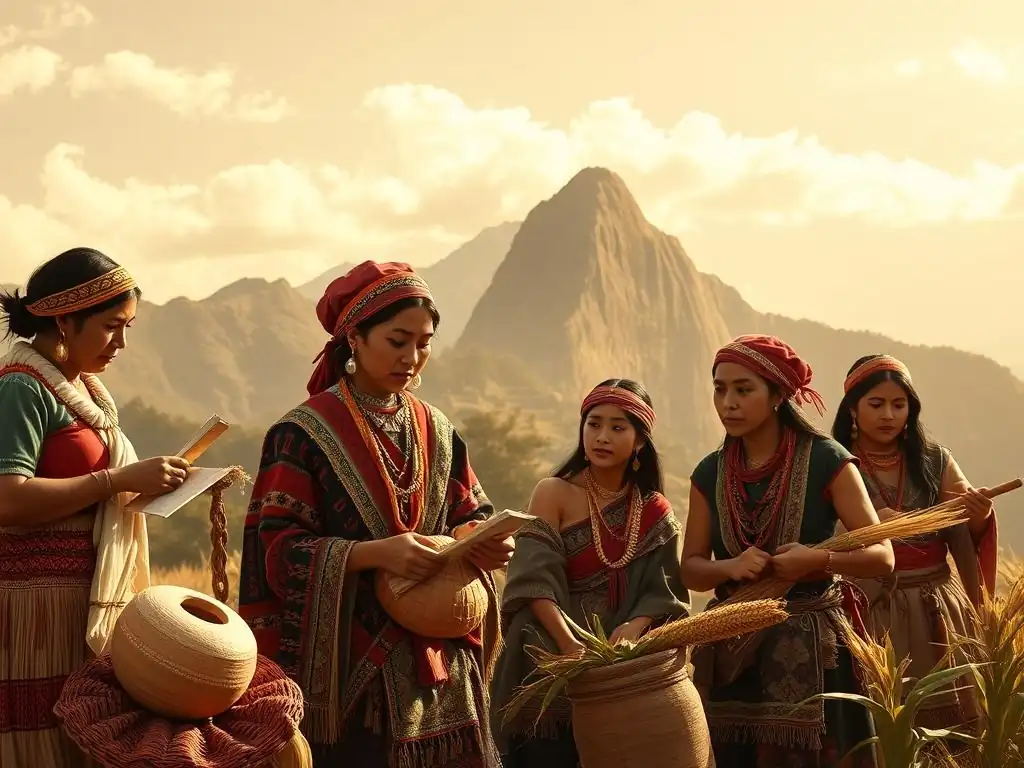
Understanding the roles and resilience of Inca women during the Spanish conquest requires a thorough examination of the historical context of the Inca Empire. This period was marked by remarkable social organization, cultural achievements, and ultimately, the profound impact of European colonization.
The Rise of the Inca Empire
The Inca Empire, known as Tawantinsuyu, emerged in the early 15th century and expanded rapidly under the leadership of powerful rulers such as Pachacuti. This civilization was characterized by its sophisticated agricultural practices, extensive road networks, and an intricate system of administration that allowed for effective governance across diverse regions.
- Territorial Expansion: At its height, the Inca Empire stretched over 2,500 miles along the western coast of South America, encompassing parts of modern-day Peru, Ecuador, Bolivia, and Chile. This vast territory was divided into four regions, each known as "suyus," which facilitated resource distribution and cultural integration.
- Social Structure: The Inca society was hierarchically structured, with the Sapa Inca at the top as both a political and spiritual leader. Below him were nobles, administrators, and commoners, each with specific roles. Women held significant positions within this framework, particularly in agricultural production and familial roles.
- Cultural Achievements: The Incas are renowned for their architectural marvels, such as Machu Picchu and the city of Cusco, which exemplify their advanced engineering skills. Their agricultural innovations, including terrace farming and irrigation systems, allowed them to thrive in diverse ecological zones.
Inca women were integral to these achievements. They were not only responsible for household management but also engaged in agricultural labor, textile production, and the preservation of cultural traditions. Their roles extended beyond the domestic sphere, contributing to the economy and society at large.
The Impact of Spanish Conquest on Indigenous Societies
The arrival of Spanish conquistadors in the 16th century marked a dramatic turning point for the Inca Empire. This period was characterized by violence, disease, and cultural disruption, which had lasting effects on indigenous societies, particularly women.
- Disruption of Social Structures: The Spanish conquest led to the dismantling of traditional Inca governance and social structures. The imposition of foreign rule undermined the established roles of both men and women, leading to a shift in societal dynamics. Many Inca women found themselves navigating new realities, often taking on additional responsibilities in the absence of men who were killed or enslaved.
- Cultural Assimilation and Resistance: As Spanish colonizers sought to impose their culture and religion, many indigenous practices were suppressed. However, Inca women demonstrated resilience by preserving their cultural identity and traditions amidst these challenges. They played a crucial role in maintaining familial ties and cultural practices, often serving as the guardians of their heritage.
- Economic Changes: The Spanish introduced new economic systems, such as the encomienda, which disrupted traditional agricultural practices. Inca women adapted to these changes by engaging in new forms of labor and trade, demonstrating their resilience and adaptability in the face of adversity.
The roles of Inca women during the Spanish conquest illustrate their strength and resilience. Despite the profound challenges posed by European colonization, they maintained their cultural identity and contributed to the survival of their communities. This resilience continues to be a significant aspect of the narrative surrounding indigenous civilizations in the Americas.
Roles of Inca Women Before the Conquest
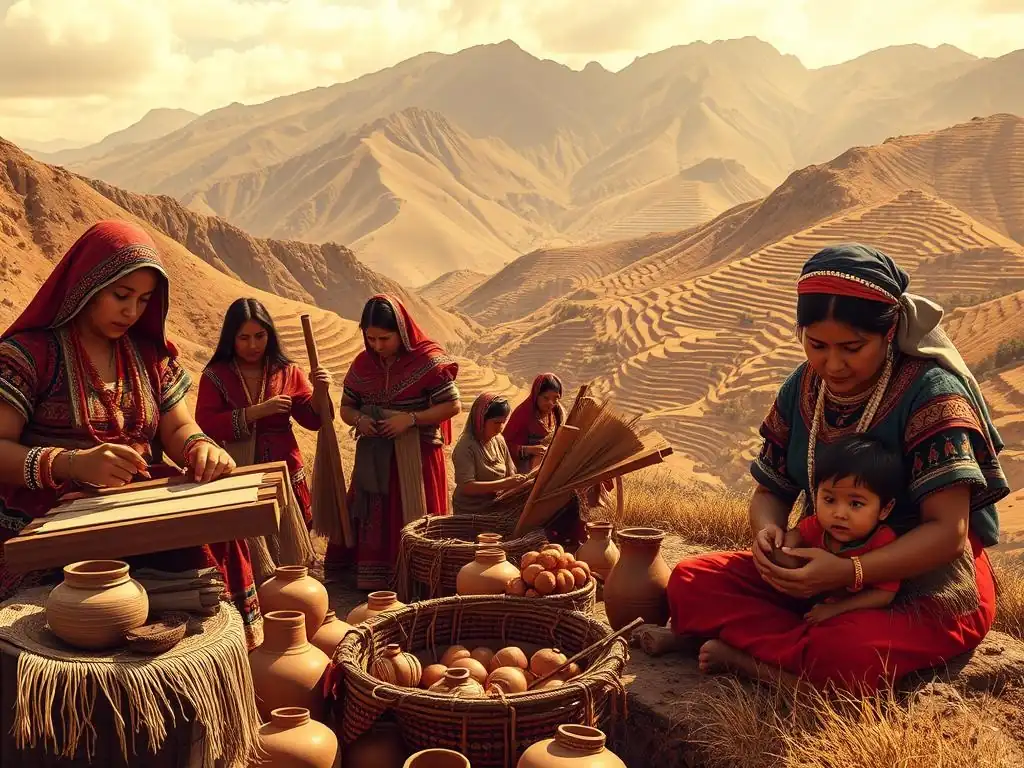
The roles of Inca women were integral to the fabric of Inca society, encompassing a wide range of responsibilities that extended beyond traditional domestic duties. These roles were crucial in maintaining the societal structure and contributed significantly to the resilience of their communities.
Daily Life and Responsibilities of Inca Women
Inca women were primarily responsible for household management and the upbringing of children. Their daily tasks included:
- Agricultural Work: Many women participated in farming activities, particularly in the cultivation of staple crops such as potatoes and maize. They were often responsible for planting, tending, and harvesting these essential food sources.
- Textile Production: Weaving was a highly respected skill among Inca women. They produced textiles not only for household use but also for trade and ceremonial purposes. The quality and intricacy of their work were a reflection of their social status.
- Cooking and Food Preparation: Women played a central role in preparing meals, utilizing traditional methods that involved local ingredients. Their culinary skills were essential for sustaining family and community gatherings.
- Childcare and Education: Women were the primary caregivers, teaching children cultural values, traditions, and practical skills essential for survival in the Inca Empire.
The responsibilities of Inca women were not limited to the home; they often took on additional roles in their communities, reflecting their adaptability and resilience.
Economic Contributions of Inca Women
Inca women significantly contributed to the economy through various means, including:
- Agricultural Production: Women worked alongside men in fields, ensuring that crops were cultivated and harvested. Their involvement in agriculture was vital, as food production was the backbone of the Inca economy.
- Craftsmanship and Trade: The textiles produced by Inca women were highly valued and often traded. Women engaged in the craft not only for domestic use but also to generate income for their families, showcasing their entrepreneurial spirit.
- Participation in Market Activities: Women were active participants in local markets, selling produce, textiles, and other goods. Their presence in these economic spaces demonstrated their agency and ability to influence local economies.
- Labor in Quipus: Some women were involved in the creation and maintenance of quipus, the knotted strings used for record-keeping and communication. This role highlights their importance in administrative and economic matters.
These contributions reflect the vital role of Inca women in sustaining and enriching the economy of their society.
Inca women held significant social and political responsibilities, which included:
- Religious Leadership: Women often served as priestesses in various religious ceremonies, playing a key role in the spiritual life of the community. Their involvement in rituals underscored their influence and respect within the society.
- Noble Women and Political Influence: Noble women, particularly those from elite families, wielded considerable political power. They could influence decisions and act as intermediaries in diplomatic relations. The marriages of noble women often sealed alliances between different tribes.
- Civic Engagement: Women participated in community decision-making processes, often voicing their opinions on matters affecting their families and communities. Their insights were valued, particularly in communal gatherings.
- Role Models and Resilience: Inca women were seen as role models, embodying resilience through their ability to manage both domestic and communal responsibilities. This resilience was particularly evident during times of strife, showcasing their strength in adapting to change.
The social and political roles of Inca women were diverse and impactful, illustrating their integral position within Inca civilization and their capacity to influence both their immediate communities and the larger society.
Resilience of Inca Women During the Spanish Conquest
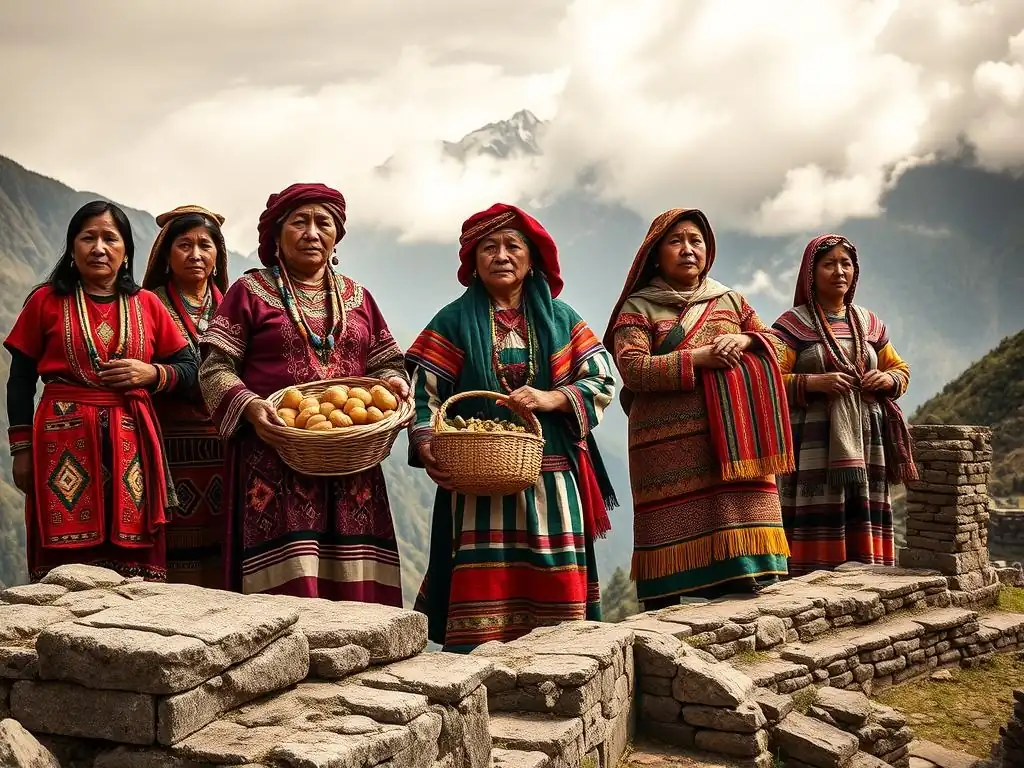
The Spanish conquest of the Inca Empire in the 16th century marked a pivotal moment in the history of the Americas, characterized by significant upheaval and transformation. In this tumultuous period, Inca women exhibited remarkable resilience, playing essential roles in both resistance efforts and the preservation of their cultural identity. Their contributions and strength were crucial in navigating the challenges posed by the Spanish colonizers.
Strategies of Resistance Employed by Inca Women
Inca women utilized various strategies to resist the Spanish invaders and protect their communities. These strategies included:
- Cultural Resistance: Maintaining traditional customs and practices was a form of silent resistance against colonial imposition. Women continued to weave textiles, prepare traditional foods, and perform rituals, reinforcing their cultural identity and community bonds.
- Political Engagement: Some women took on leadership roles within their communities, influencing local politics and decision-making. They organized and mobilized support against Spanish forces, often serving as intermediaries between different groups.
- Armed Resistance: In certain instances, women actively participated in armed conflicts. Notable women, such as Micaela Bastidas, led revolts and were involved in military strategies, demonstrating courage and tactical acumen in the face of overwhelming odds.
- Economic Strategies: Women played a crucial role in sustaining their families and communities by managing agriculture and trade. By ensuring the flow of resources, they contributed to the resilience of their societies amidst economic disruption caused by the conquest.
Key Figures: Influential Inca Women Leaders
Several Inca women emerged as key figures during the Spanish conquest, embodying the resilience and strength of their people. Some of the most notable include:
- Micaela Bastidas: A prominent leader and wife of revolutionary leader Túpac Amaru II, Micaela was instrumental in organizing resistance against Spanish authorities. She provided strategic guidance during the uprisings and was known for her fierce dedication to the Inca cause.
- Inés Huaylas: Another influential figure, Inés Huaylas was known for her leadership during the resistance efforts. Her ability to unite various factions and rally support among the Inca populace showcased her political acumen and strength.
- Sara Oropesa: Recognized for her role as a healer and spiritual leader, Sara used her knowledge of traditional medicine to support her community during times of crisis. Her contributions to health and wellness were vital in maintaining the morale and resilience of the Inca people.
These women not only exemplified courage and leadership but also highlighted the critical roles that Inca women played in the broader resistance against Spanish colonization.
Cultural Preservation Amidst Conquest
Despite the overwhelming challenges posed by the Spanish conquest, Inca women played a pivotal role in the preservation of their cultural heritage. This included:
- Continuing Traditions: Women ensured the transmission of language, folklore, and rituals to future generations. This act of cultural preservation was vital in maintaining a sense of identity amid the pressures of colonial rule.
- Educational Roles: Inca women often served as educators within their families and communities, teaching the younger generations about traditional practices, agricultural techniques, and social values. This knowledge transfer was essential for sustaining their cultural legacy.
- Artistic Expression: The creation of textiles, pottery, and other art forms provided a means for women to express their cultural identity and resist colonial narratives. These artistic endeavors served not only as a form of livelihood but also as a way to affirm their heritage.
The resilience of Inca women during the Spanish conquest is a testament to their strength, adaptability, and commitment to their cultural identity. Through various forms of resistance and leadership, these women played a crucial role in shaping their communities' responses to colonial challenges, ensuring that their legacies would endure in the face of adversity.
Comparison of Inca Women Roles Pre and Post-Conquest
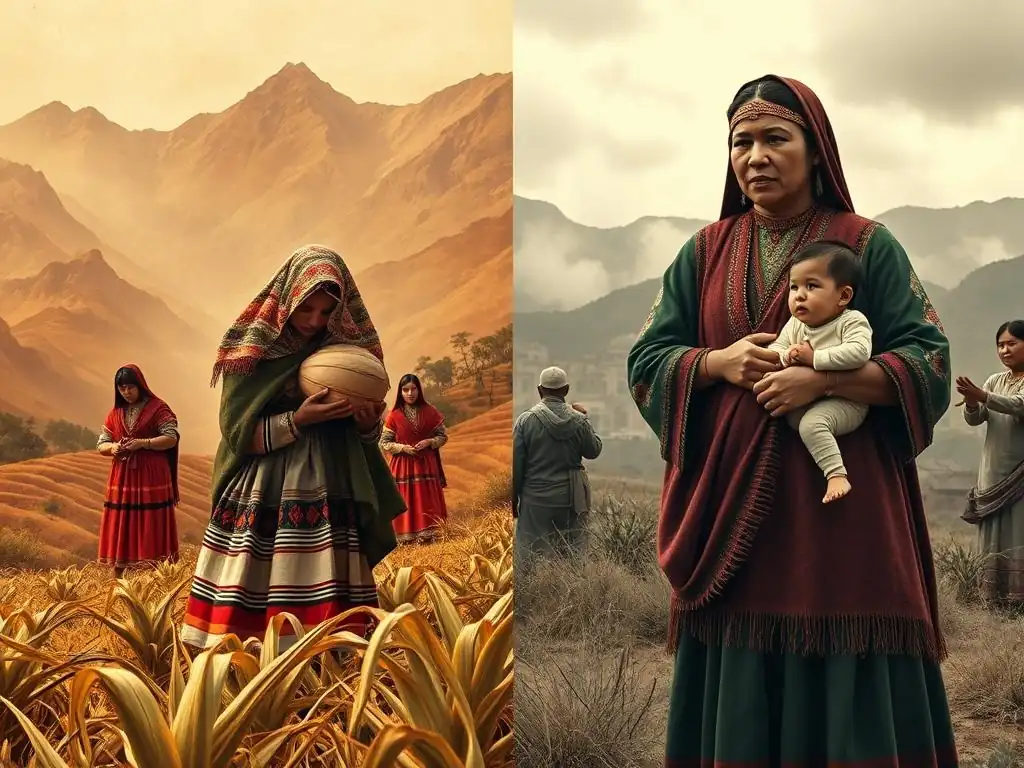
The roles of Inca women underwent significant transformation during and after the Spanish conquest. Before the arrival of the conquistadors, Inca women held vital positions within their society, contributing to both the economic and social spheres. However, the impact of colonization led to considerable shifts in these roles, reshaping their status and responsibilities. This section explores these changes in detail, focusing on social structure, economic power, and evolving gender roles.
Inca society was characterized by a well-defined social hierarchy, where women occupied important positions, particularly within the family and community. Women were responsible for managing household tasks, weaving textiles, and caring for children, but they also had access to certain rights, including property rights and participation in religious ceremonies.
Pre-Conquest Social Structure:
- Women enjoyed a degree of autonomy, often serving as key decision-makers within their households.
- The Acllahuasi, or the House of Chosen Women, played a crucial role in the religious and political landscape, where select women were trained to serve the Inca and the sun god, Inti.
With the Spanish conquest, the social structure began to shift dramatically:
- Colonial Administration: Spanish authorities imposed a new patriarchal system, undermining the existing roles of women in governance and religious practices.
- Displacement of Traditional Roles: Many women lost their positions of influence as colonial leaders prioritized Spanish customs and governance models.
The result was a significant erosion of the social standing that Inca women had previously enjoyed, leading to a marginalization that would persist for centuries.
Shifts in Economic Power
Economically, Inca women played crucial roles in agriculture, textile production, and trade. They were integral to the sustenance of their communities, often managing the production of goods and participating in local markets.
Economic Contributions Pre-Conquest:
- Women were responsible for cultivating crops such as potatoes and quinoa, critical to the Inca diet.
- The textile industry, led by women, produced high-quality garments that were not only essential for daily life but also served as diplomatic gifts.
Post-conquest, the economic landscape shifted dramatically:
- Introduction of European Systems: The Spanish introduced new agricultural practices and economic models that often excluded indigenous women from their traditional roles.
- Colonial Exploitation: The encomienda system forced indigenous laborers, including women, into servitude under Spanish landowners, stripping them of their economic independence.
These economic shifts not only affected women’s contributions but also led to a decline in their traditional roles within the community, creating a dependency on colonial structures.
Evolving Gender Roles in Post-Conquest Society
The Spanish conquest altered the gender roles within Inca society, imposing European norms that often marginalized indigenous practices and perspectives.
Traditional Gender Roles:
- Inca women were viewed as essential participants in both the domestic and public spheres, balancing responsibilities that included agriculture, weaving, and community leadership.
After the conquest, these roles evolved:
- Increased Male Dominance: Spanish colonizers reinforced a patriarchal system that diminished the roles of women in decision-making processes and community leadership.
- Resistance and Adaptation: Despite these changes, many Inca women demonstrated remarkable resilience, adapting their roles in ways that allowed them to maintain cultural practices, such as communal weaving circles and religious observances.
This evolution of gender roles illustrates the resilience of Inca women as they navigated the complexities of a post-conquest society, often finding ways to assert their identities and preserve their cultural heritage despite overwhelming challenges.
The comparison of Inca women roles before and after the conquest reveals a profound transformation driven by colonial influences. Although their status was diminished, the resilience displayed by Inca women in the face of adversity highlights their enduring strength and adaptability.
Lasting Impact of Inca Women on Modern Indigenous Communities
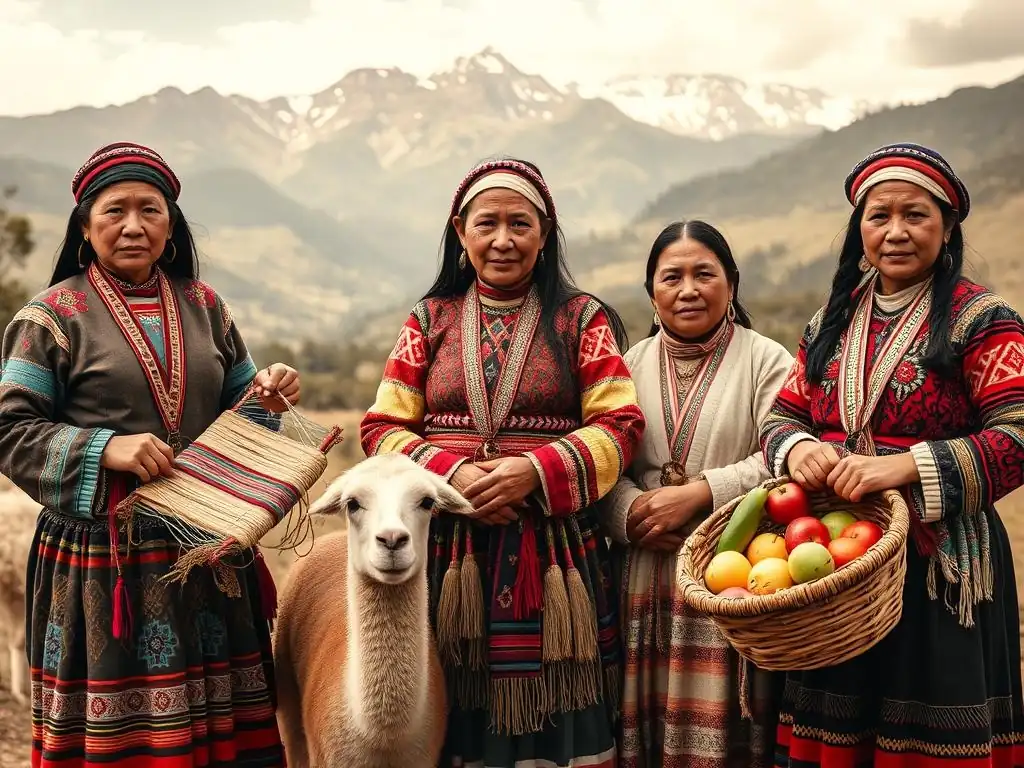
The contributions of Inca women during the empire's peak and subsequent Spanish conquest have profoundly shaped modern indigenous communities in the Andes. Their roles, characterized by resilience and adaptability, established a foundation for the cultural and social fabric of contemporary Andean societies. This section delves into the ways Inca women have influenced current indigenous identities, practices, and social structures.
Cultural Legacy of Inca Women
Inca women played a pivotal role in their society, not only as caregivers and homemakers but also as active participants in agricultural, textile, and ceremonial activities. They were revered for their skills in weaving and pottery, which transcended mere craftsmanship to embody spiritual significance. The cultural legacy of Inca women can still be observed today in traditional Andean practices, such as:
- Textile Weaving: The intricate designs and techniques of weaving practiced by Inca women have been passed down through generations. Today, these textiles are not only functional but also serve as symbols of identity and resistance against cultural assimilation.
- Agricultural Practices: Inca women were responsible for managing crops and agricultural cycles. Their knowledge of native plants and sustainable farming methods continues to influence modern organic farming practices within indigenous communities.
- Rituals and Ceremonies: Many traditional ceremonies that honor the earth and ancestors can be traced back to Inca practices. Women's roles in these ceremonies emphasize their importance in maintaining cultural continuity and community cohesion.
The resilience of Inca women during times of upheaval and change has inspired modern narratives among indigenous women, fostering a sense of pride and empowerment that resonates through various cultural expressions.
Contemporary Role of Indigenous Women in Andean Societies
In the present day, indigenous women in the Andes continue to embody the resilience demonstrated by their Inca ancestors. They are increasingly taking on leadership roles within their communities, advocating for rights, education, and sustainability. Some of the key areas of contemporary impact include:
- Advocacy and Leadership: Indigenous women are often at the forefront of movements advocating for land rights, environmental protection, and social justice. Their activism draws on historical knowledge and cultural values, reinforcing their roles as guardians of their communities.
- Education and Empowerment: Modern initiatives aimed at educating indigenous women are essential for fostering independence and self-sufficiency. Programs focused on literacy, health, and entrepreneurship empower women to drive change within their communities.
- Cultural Preservation: Today, many indigenous women are dedicated to preserving their languages, traditions, and customs. They often lead workshops and community events that celebrate and teach the cultural practices rooted in their Inca heritage.
- Economic Contributions: Indigenous women are increasingly involved in local economies through traditional crafts, agriculture, and tourism. By promoting indigenous products and sustainable practices, they contribute to both cultural preservation and economic development.
The enduring legacy of Inca women is evident in the collective strength and resilience of modern indigenous women. Their roles in society reflect a deep-rooted commitment to cultural preservation, social justice, and community empowerment, ensuring that the indomitable spirit of their ancestors continues to thrive in the face of contemporary challenges.
Conclusion: The Enduring Legacy of Inca Women
The legacy of Inca women is a profound testament to their resilience and adaptability in the face of monumental challenges during the Spanish conquest. Their roles were multifaceted, encompassing responsibilities within the family, society, and the larger political landscape of the Inca Empire. Despite the upheaval brought about by European colonization, Inca women managed to preserve elements of their culture and identity, passing down traditions and knowledge through generations.
Reflection on the Resilience of Inca Women
Inca women exhibited remarkable resilience during the Spanish conquest. Their ability to navigate the chaotic environment of war and upheaval speaks volumes about their strength. Women played crucial roles in maintaining social structures and supporting their communities. For instance:
- Economic Contributions: Women were integral to agricultural production, managing crops and livestock, which ensured food security during tumultuous times. Their skills in weaving and crafts provided additional resources for their families.
- Cultural Preservation: In the face of cultural erasure, women became the keepers of oral traditions, folklore, and rituals, ensuring that their heritage survived despite the pressures exerted by colonial forces.
- Leadership Roles: Some women stepped into leadership positions, advocating for their communities and negotiating with Spanish authorities to protect their people's interests. Their courage and strategic thinking were pivotal in maintaining a semblance of autonomy amidst colonization.
The resilience displayed by Inca women during this tumultuous period is a reflection of their enduring spirit and a crucial part of the narrative surrounding the Spanish conquest.
Final Thoughts on Women of the Inca and Their Influence
The influence of Inca women extends far beyond their immediate historical context. Their roles and resilience have left an indelible mark on the cultural landscape of the Andes and the broader narrative of indigenous identity in the Americas. Today, the recognition of Inca women’s contributions serves as a critical reminder of the complexities of history and the importance of inclusive storytelling.
Inca women were not merely passive figures during the conquest; they were active participants whose actions and decisions shaped their society's response to external threats. Their legacy continues to inspire contemporary discussions on gender roles, resilience, and the vital contributions of women in indigenous cultures. As we reflect on the past, it is essential to honor and acknowledge the strength of Inca women, ensuring that their stories remain an integral part of the historical narrative.
Frequently Asked Questions
What were the primary roles of Inca women in society?
Inca women played crucial roles in agriculture, weaving, and household management, contributing significantly to their communities. Their work supported economic stability and social structure within the Inca Empire.
How did Inca women demonstrate resilience during the conquest?
Inca women showed remarkable resilience by adapting to the challenges posed by European colonization, preserving their cultural identity, and maintaining their traditional practices despite significant upheaval.
What impact did Inca women have on their communities?
Inca women were central to the social fabric of their communities, influencing family dynamics and cultural continuity. Their contributions ensured the survival of Inca traditions and practices throughout history.
Were Inca women involved in politics or leadership?
While primarily focused on domestic roles, some Inca women held positions of influence, particularly within their families and communities, affecting decisions and cultural practices indirectly.
How did the roles of Inca women change after European contact?
Post-contact, the roles of Inca women shifted due to colonial pressures, often leading to a loss of autonomy and traditional roles. However, many women adapted and continued to assert their cultural identity in new contexts.
Final Reflection: The Enduring Legacy of Inca Women’s Roles and Resilience
The roles and resilience of Inca women during the conquest are not just historical footnotes; they are vital narratives that resonate with today's struggles for gender equality and cultural preservation. As we navigate a world that often overlooks the contributions of women, the stories of Inca women remind us of the strength and agency that have always existed, even in the face of adversity. Their experiences challenge us to reconsider the narratives we accept and to honor the voices that have shaped our history.
The impact of Inca women’s roles during the conquest extends far beyond their time, influencing contemporary discussions around women's empowerment and cultural identity. Their resilience in maintaining familial and societal structures amidst upheaval serves as a powerful testament to the strength of women throughout history. Women are the real architects of society.
This quote encapsulates the essence of Inca women's contributions, emphasizing that their roles were foundational to the survival and continuity of their communities.
As we reflect on the lessons from the past, let us carry forward the spirit of resilience exemplified by Inca women. I invite you to consider how you can embody this strength in your own life, advocating for equality and recognizing the vital contributions of women in all spheres. By honoring their legacy, we not only celebrate their history but also empower ourselves and future generations to continue the fight for justice and recognition.
Discover Their Strength: Take Action Now!
Thank you for joining us on this journey through the remarkable roles and resilience of Inca women during the conquest. Your interest not only honors their legacy but also highlights the importance of understanding diverse histories. Now, let's transform that knowledge into meaningful action!
- Dive deeper: Explore literature and documentaries that illuminate the experiences of women in Indigenous cultures. Knowledge is power, and the more you learn, the greater your impact!
- Share your insights: Engage in discussions about this article with friends or on social media. Spark conversations that honor these historical figures and their remarkable stories.
- Engage with the community: Participate in local organizations or online platforms that focus on Indigenous rights and histories. Your voice can help amplify the narratives that deserve to be shared.
Which aspect of the Inca women’s story resonates with you the most, and in what ways can you contribute to preserving their legacy?