
Ceremonial Objects: The Intersection of Art and Inca Rituals

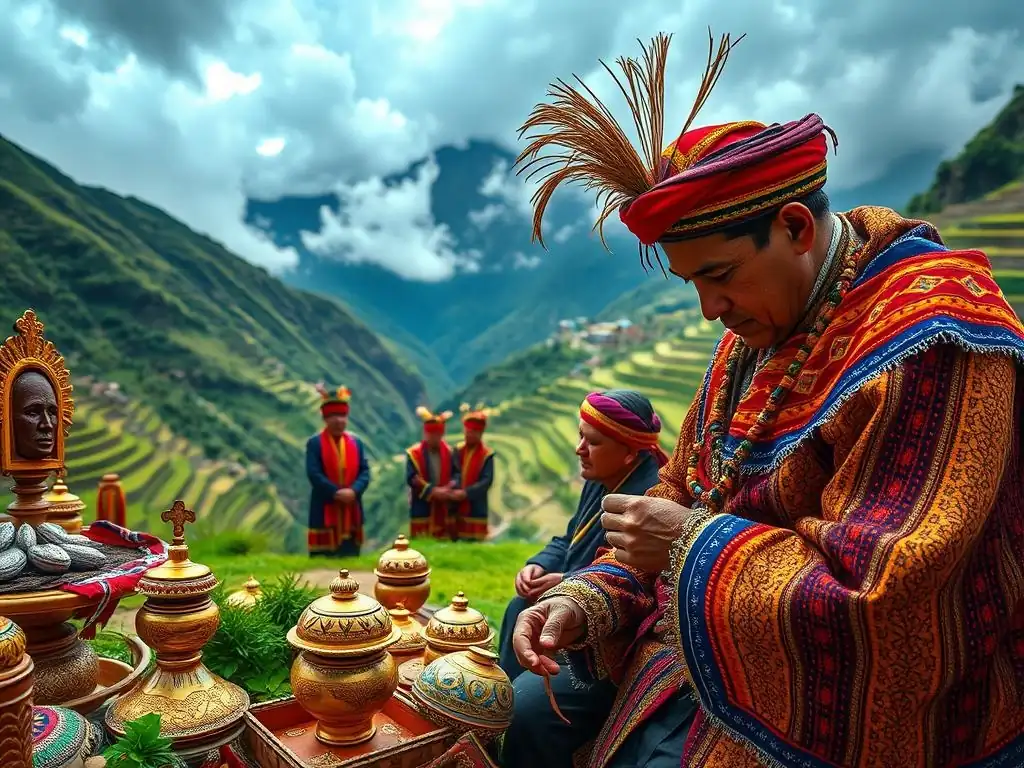
Welcome to Indigenous Civilizations of the Americas, where we embark on an enriching journey through the vibrant tapestry of pre-colonial cultures that flourished across the continent. Here, we delve into the intricate world of the Inca ceremonial art significance, revealing how these extraordinary artifacts not only reflect artistic mastery but also embody the profound spiritual and societal values of the Inca civilization.
Curious about how art and ritual intertwined to shape an empire? Join us as we uncover the stories behind these ceremonial objects and their pivotal role in Inca rituals, inviting you to explore the legacy that continues to inspire today.
- Introduction to Inca Ceremonial Art Significance
- Historical Context of Inca Ceremonial Objects
- Types of Inca Ceremonial Objects
- Materials and Techniques in Inca Ceremonial Art
- The Significance of Inca Ceremonial Art in Rituals
- Case Studies of Notable Inca Ceremonial Objects
- The Influence of Inca Ceremonial Art on Contemporary Indigenous Cultures
- Conclusion: The Lasting Legacy of Inca Ceremonial Art Significance
- References and Further Reading on Inca Ceremonial Art Significance
- Frequently Asked Questions
- Final Reflection: The Enduring Significance of Inca Ceremonial Art
- Unveil the Mysteries of Inca Rituals!
Introduction to Inca Ceremonial Art Significance
The Inca civilization, known for its remarkable achievements in architecture, agriculture, and governance, also produced a rich tapestry of ceremonial art that played a pivotal role in their cultural and spiritual life. Inca ceremonial art significance lies in its multifaceted function as both a means of expression and a vital component of religious rituals. This art was not merely decorative; it embodied the beliefs, values, and social structures of the Inca people, reflecting their connection to the divine and the natural world.
Through an exploration of the intricate ceremonial objects used in various rituals, we gain insight into how the Incas celebrated their spirituality and maintained their societal cohesion. This article will delve into the complex relationship between art and ritual in Inca culture, illustrating how these creations were instrumental in shaping their identity and legacy.
Understanding the Role of Art in Inca Society
Inca society was deeply intertwined with a variety of artistic expressions that served multiple purposes. Art was not only a reflection of the aesthetic sensibilities of the time but also a crucial medium for communication and tradition. The Incas utilized art to:
- Convey Religious Beliefs: Ceremonial objects often depicted deities and sacred symbols, reinforcing the spiritual beliefs of the community.
- Mark Social Status: The style, materials, and complexity of an object could signify an individual's or a group's status within Inca society.
- Preserve History and Tradition: Through storytelling and symbolism embedded in their art, the Incas passed down history and cultural values from generation to generation.
The significance of Inca ceremonial art is evident in the way it facilitated rituals that connected the community with their ancestors and the gods. The art served as a bridge between the material world and the spiritual realm, allowing the Incas to express their reverence and seek guidance from higher powers.
Overview of Inca Rituals and Ceremonial Practices
Rituals in Inca culture were multifaceted, ranging from agricultural ceremonies to elaborate festivals celebrating important deities. These rituals often incorporated a variety of ceremonial objects, each crafted with specific meanings and purposes. Key elements of Inca rituals included:
- Offerings and Sacrifices: Objects such as ceramic figurines, gold and silver items, and textiles were often offered to the gods to ensure fertility, good harvests, and protection for the community.
- Festivals: Major festivals, such as Inti Raymi (Festival of the Sun), utilized elaborate ceremonial art, including masks, costumes, and altars, to honor deities and celebrate the Inca worldview.
- Healing and Purification: Rituals often involved the use of specific objects believed to possess healing powers, showcasing the intersections between art, health, and spirituality.
These ceremonial practices highlight the integral role that art played in the daily lives of the Incas, reinforcing their beliefs and cultural identity while providing a framework for community cohesion and continuity. Through the lens of their ceremonial art, we can appreciate the depth and complexity of Inca civilization and its enduring impact on the cultural heritage of the Americas.
Historical Context of Inca Ceremonial Objects
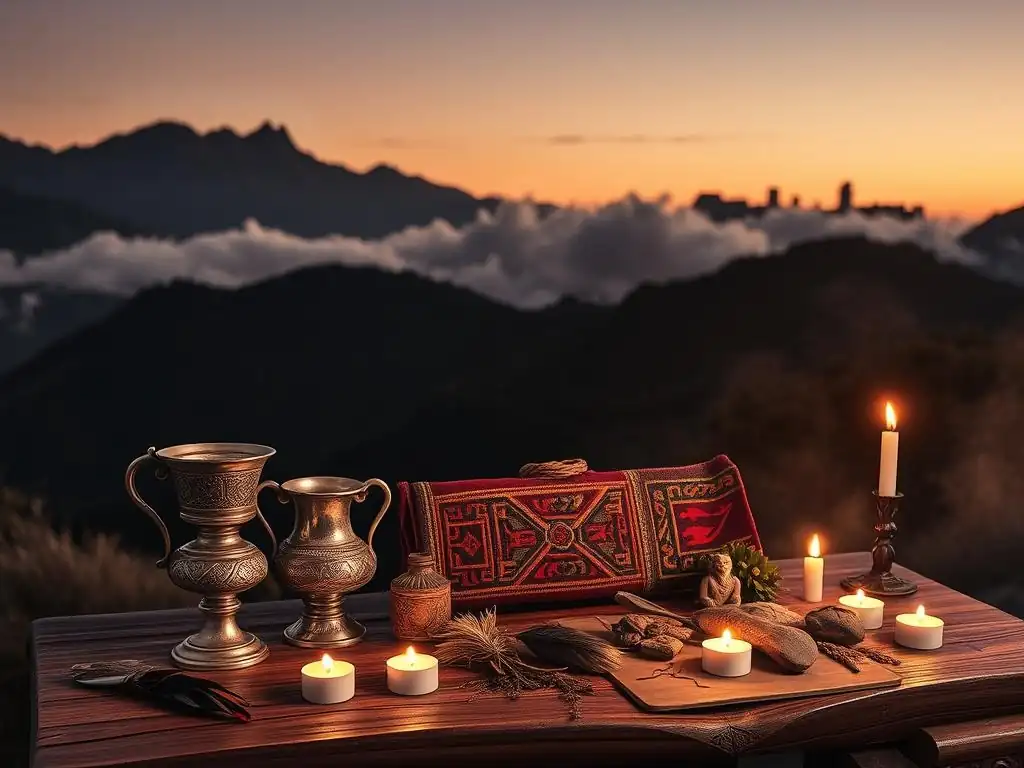
Inca ceremonial objects represent a rich tapestry woven from the threads of spirituality, societal structure, and artistic expression. The Inca civilization, which flourished in the Andean region of South America from the early 15th century until the Spanish conquest in the 16th century, developed a unique culture that was deeply intertwined with their religious beliefs and practices. These objects were not merely decorative; they served as vital elements in rituals that connected the physical and spiritual worlds.
The Evolution of Inca Art and Rituals
Inca art evolved as a reflection of their complex society and cosmology. Initially influenced by earlier Andean cultures such as the Moche and Nazca, Inca artistry incorporated a variety of styles and techniques.
- Material Usage: The Incas were adept at utilizing local materials, such as gold, silver, textiles, and ceramics. Gold and silver were particularly significant, often symbolizing the sun and moon, respectively.
- Symbolism in Design: Designs often featured geometric patterns and motifs that held spiritual significance, representing deities, agricultural cycles, and the natural world.
As the empire expanded, the incorporation of diverse cultural influences also enriched Inca ceremonial art. This evolution reflected the Inca's adaptability and their respect for the varied traditions of the peoples they governed.
Key Historical Events Influencing Ceremonial Art
Several pivotal events shaped the development of Inca ceremonial art, further underscoring the Inca ceremonial art significance in their culture:
- The Rise of the Inca Empire (1438): Under the leadership of Pachacuti, the Inca transformed from a small kingdom into a vast empire. This expansion led to the integration of various cultural practices, which influenced ceremonial objects.
- Religious Syncretism: As the Incas encountered different ethnic groups, they often merged their deities and rituals with local beliefs. This blending is evident in ceremonial objects that depict both Inca gods and those of other cultures, showcasing a respect for regional diversity.
- Spanish Conquest (1532): The arrival of the Spanish marked a dramatic shift in Inca society. Many ceremonial practices were suppressed, and traditional objects were repurposed or destroyed. However, some artifacts managed to survive, often hidden or transformed, preserving aspects of Inca spirituality and artistry.
- Archaeological Discoveries: Recent excavations have revealed a wealth of ceremonial objects, providing insight into Inca rituals and their significance. These discoveries highlight the sophistication and diversity of Inca ceremonial art, offering a clearer understanding of its role in society.
Through these events, Inca ceremonial art was not only a reflection of their creativity but also a means of preserving cultural identity and continuity, even in the face of dramatic change. The significance of these objects continues to resonate, serving as a testament to the enduring legacy of the Inca civilization.
Types of Inca Ceremonial Objects
The Inca civilization, known for its rich cultural tapestry, utilized a variety of ceremonial objects in their rituals. These objects were not only functional but also deeply imbued with spiritual and cultural significance. Understanding the types of Inca ceremonial objects provides insight into their religious practices, societal values, and artistic expressions.
Sacred Artifacts and Their Spiritual Importance
Sacred artifacts played a pivotal role in Inca religious practices, often serving as intermediaries between the physical world and the divine. These objects were crafted with great care, using materials deemed sacred, such as gold, silver, and finely woven textiles. Here are some notable examples:
- Q'ipu (Knot Record Keepers): These colorful cords were used for record-keeping and communication. In ceremonial contexts, they held significant spiritual meanings, often symbolizing the interconnectedness of life and the cosmos.
- Sculptures of Deities: The Incas worshiped numerous gods, and sculptures made from stone or metal were common. These statues were believed to house the spirits of the deities, making them central to rituals and offerings.
- Chicha Vessels: Used in rituals involving the sacred maize beer, these vessels were often elaborately decorated and served as offerings to the gods. The act of sharing chicha was a communal ritual that reinforced social bonds and spiritual connection.
The spiritual importance of these artifacts cannot be overstated, as they were believed to embody the essence of the divine, facilitating communication between the living and the spirit world.
Decorative Items in Inca Rituals
In addition to their functional roles, decorative items in Inca rituals served to enhance the aesthetic experience of ceremonies. These objects were often adorned with intricate designs and symbols that conveyed deeper meanings and stories. Key decorative items included:
- Textiles: The Incas were master weavers, creating textiles that were not only functional but also highly decorative. These textiles often featured symbolic patterns representing nature and the cosmos, making them integral to ceremonial attire and altar decorations.
- Ceramic Pottery: Beautifully painted ceramics were used in various rituals, showcasing scenes from Inca mythology and daily life. The intricate designs represented the Inca worldview, celebrating their connection to the earth and the cosmos.
- Gold and Silver Ornaments: Jewelry and adornments made from precious metals were commonly used in ceremonies. These items symbolized wealth, power, and divine favor, often worn by priests and leaders during significant religious events.
These decorative items not only enhanced the visual appeal of rituals but also reinforced the cultural identity and beliefs of the Inca civilization.
Functional Objects Used in Ceremonies
Functional objects were essential in facilitating various Inca ceremonies, playing a practical role while also holding symbolic significance. These items were designed to meet the specific needs of rituals and included:
- Offering Bowls: Used to present food and other offerings to the gods, these bowls were often crafted from stone or ceramics and decorated with symbolic motifs. The offerings were considered vital for maintaining harmony with the divine.
- Musical Instruments: Instruments such as flutes and drums were integral to Inca ceremonies, providing music that enhanced spiritual experiences. The sound was believed to carry prayers to the gods, reinforcing the connection between the community and the divine.
- Ritual Tools: Tools such as ceremonial knives and staffs were used by priests during rituals. These objects were often intricately carved and symbolized authority and the sacredness of the ceremonies.
The functional objects used in Inca ceremonies reflect the civilization's deep understanding of the relationship between the material and spiritual worlds, showcasing their commitment to honoring their gods through thoughtful and purposeful practices.
Materials and Techniques in Inca Ceremonial Art
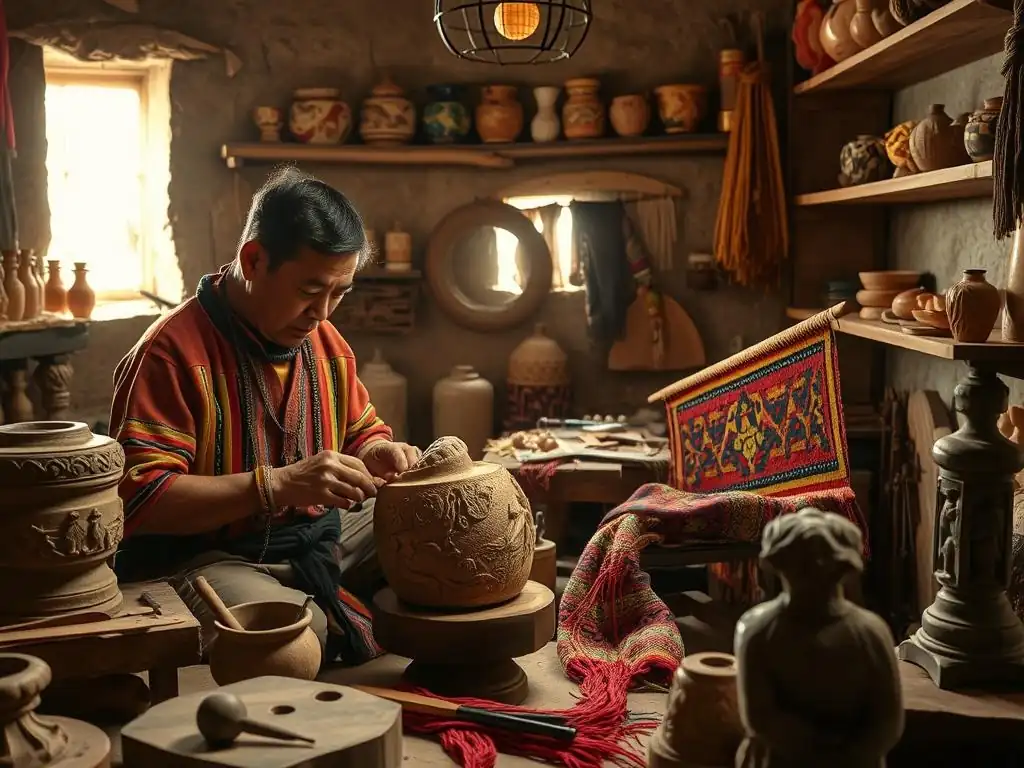
Common Materials Used in Inca Ceremonial Art
Inca ceremonial art is renowned for its intricate designs and the use of a variety of materials that reflect the civilization's rich cultural heritage. The following materials were commonly utilized in the creation of ceremonial objects:
- Gold: Often referred to as "the sweat of the sun," gold was highly prized by the Incas. It was used to create masks, ornaments, and ceremonial vessels, symbolizing divinity and power.
- Silver: Known as "the tears of the moon," silver was also significant in Inca art. It was frequently employed in ritual items and served as a representation of wealth and status.
- Textiles: The Incas excelled in textile production, using llama and alpaca wool to create elaborate ceremonial garments. These textiles often featured vivid colors and intricate patterns, reflecting the social status of the wearer.
- Ceramics: Inca pottery was functional yet decorative, often adorned with intricate designs and symbols. These vessels played a crucial role in rituals, especially in offerings and feasts.
- Wood: Various types of wood were carved into ceremonial objects, such as masks and figurines. The choice of wood often depended on its availability and symbolic significance.
These materials not only served practical purposes but also held deep spiritual meanings, reflecting the Inca worldview.
Techniques Employed by Inca Artisans
Inca artisans employed a variety of techniques that showcased their exceptional craftsmanship and artistic skills. Some notable methods included:
- Goldsmithing: The Incas perfected techniques like lost-wax casting and alloying to create intricate gold objects. This process allowed for detailed designs that emphasized the object's ceremonial importance.
- Weaving: The art of weaving was highly developed among the Incas. Artisans used complex techniques, such as tapestry and backstrap weaving, to produce textiles that were not only functional but also served as ceremonial garments.
- Pottery: Inca pottery was crafted using coiling and molding techniques. Artisans would often decorate their ceramics with painted designs or incised patterns that conveyed cultural narratives and ritual significance.
- Wood Carving: Skilled woodworkers utilized tools made from stone and metal to carve intricate designs into wood. The resulting objects were often used in rituals and held symbolic meanings.
- Inlay Work: The technique of inlaying involved embedding materials like turquoise or shell into metal or wood, creating striking visual contrasts that enhanced the ceremonial objects' aesthetic appeal.
These techniques highlight the ingenuity and artistry of Inca craftsmen, who were able to produce works of profound beauty and significance.
Symbolism Behind Material Choices in Rituals
The materials used in Inca ceremonial art were imbued with rich symbolism that reflected the civilization's beliefs and cosmology. Each material choice had specific connotations:
- Gold and Silver: These precious metals were not just symbols of wealth but also representations of celestial bodies. Gold related to the sun, while silver was associated with the moon, emphasizing the duality of the Inca cosmological worldview.
- Textiles: The vibrant colors and patterns in Inca textiles often communicated social status and identity. Specific colors were associated with different deities and rituals, reinforcing the connection between the material and the spiritual.
- Ceramics: The designs on pottery often depicted scenes from Inca mythology or daily life, serving as a narrative medium that conveyed cultural values and historical events. The act of using these vessels in rituals helped to reinforce communal ties and shared beliefs.
- Wood: The choice of wood for ceremonial objects could signify respect for nature and the environment, as certain trees were considered sacred. The carvings often depicted animals and deities, connecting the material world with the spiritual realm.
Understanding the symbolism behind material choices in Inca ceremonial art provides deeper insights into the cultural significance of their rituals, revealing how art and spirituality were intricately intertwined in their society.
The Significance of Inca Ceremonial Art in Rituals
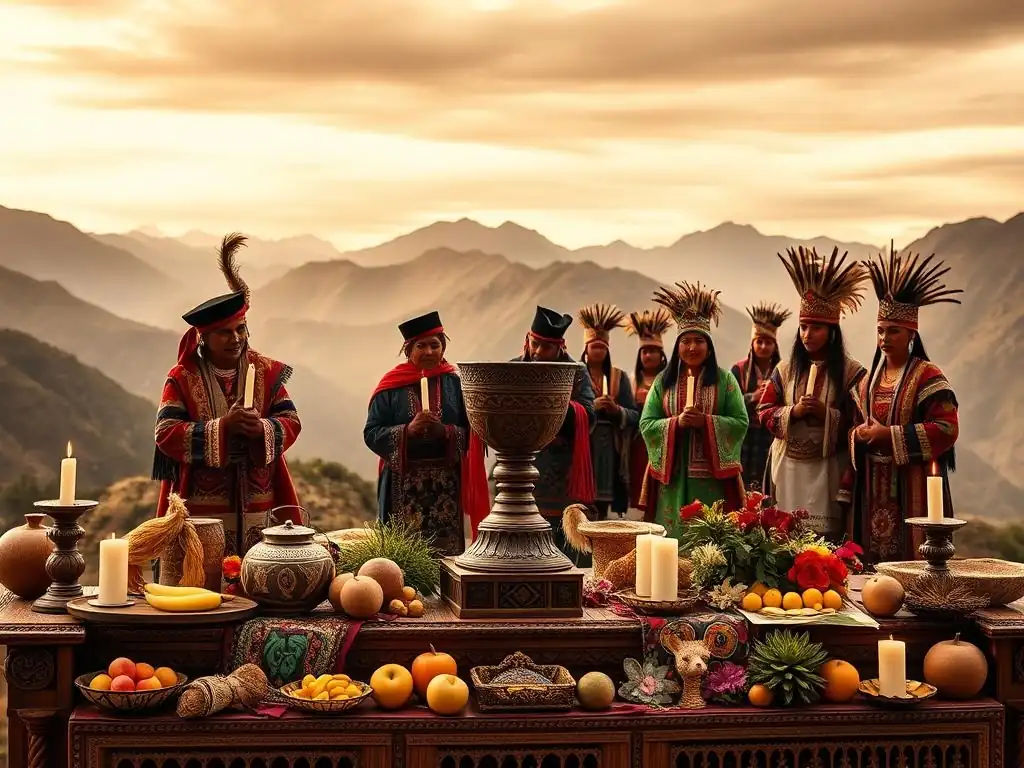
Ceremonial art holds a profound significance within Inca culture, serving as a vital connection between the material and spiritual worlds. The intricate designs, vibrant colors, and symbolic representations found in Inca ceremonial objects are not merely artistic expressions; they encapsulate a rich tapestry of beliefs, rituals, and social structures that defined Inca society. These artifacts played critical roles during various ceremonies, from agricultural festivals to ancestral worship, reinforcing the community's spiritual and cultural identity.
Inca ceremonial art was deeply intertwined with their understanding of the cosmos and the divine. Each object was crafted with intention, often representing deities, natural phenomena, or ancestral figures. This art was used in various rituals to invoke blessings, ensure bountiful harvests, or commemorate significant life events. The objects became conduits through which the Incas sought to communicate with their gods and ancestors, highlighting the integral role of art in their spiritual practices.
How Ceremonial Objects Enhance Ritual Experiences
Ceremonial objects were essential in enhancing the sensory experience of Inca rituals. These items included intricately designed textiles, pottery, and metalwork, each contributing to the overall atmosphere of the ceremony. The use of vibrant colors and elaborate patterns not only served aesthetic purposes but also symbolized specific meanings related to the ritual's intent.
- Textiles: Woven from alpaca and llama fibers, textiles often featured geometric designs and symbolic motifs. They were used as offerings or garments for participants, integrating the art form into the physical experience of the ritual.
- Pottery: Ceremonial vessels, often decorated with iconography reflecting Inca cosmology, were used to hold offerings or food during feasts, connecting the material with the spiritual.
- Metalwork: Gold and silver objects, such as ceremonial knives (tumi) and ornaments, reflected the wealth and status of the community while serving practical roles in rituals.
These objects not only enriched the visual and tactile dimensions of Inca ceremonies but also reinforced communal bonds by uniting participants in a shared spiritual experience. The careful selection and use of these artifacts demonstrated respect for the traditions and beliefs that guided Inca life.
The Role of Art in Communicating Spiritual Beliefs
Inca ceremonial art served as a powerful medium for expressing and transmitting spiritual beliefs. Each object was imbued with layers of meaning, often reflecting the complex relationship between the Inca people and their environment, as well as their cosmological understanding.
- Symbolism: The Incas utilized symbols deeply rooted in their culture, such as the condor, puma, and snake, which represented different aspects of their worldview. These symbols were often incorporated into ceremonial objects, acting as visual languages that conveyed spiritual narratives.
- Ritualistic Function: Certain objects were created specifically for rituals, such as the sacred fire altar, emphasizing the importance of art in facilitating communication with the divine. The presence of these objects during ceremonies signified a direct link to spiritual realms.
By utilizing art in this manner, the Incas were able to encapsulate and convey their beliefs, ensuring that spiritual traditions were preserved and transmitted across generations. This not only reinforced their identity as a civilization but also fostered a sense of continuity amid changing circumstances.
Inca ceremonial art also acted as a reflection of social hierarchies within their society. The production, use, and display of ceremonial objects were often stratified along lines of social status, wealth, and power.
- Elite Patronage: High-ranking individuals and rulers often commissioned elaborate ceremonial art pieces, which were used in public rituals to demonstrate their status and reinforce their authority. These objects became symbols of power, as their creators were typically skilled artisans working under the auspices of the elite.
- Community Participation: While elite members played significant roles in the creation and use of ceremonial art, the broader community also participated in rituals, using simpler art forms. This inclusivity highlighted the interconnectedness of the community, despite the existing hierarchies.
The varying levels of complexity and craftsmanship in ceremonial objects not only illustrated the skills of Inca artisans but also provided insights into the social dynamics of the civilization. Through these art forms, the Incas communicated their cultural values, beliefs, and social structures, leaving a lasting impact on the understanding of their society.
Inca ceremonial art is significant not only for its aesthetic qualities but also for its profound role in rituals, spiritual beliefs, and social hierarchies. These objects are invaluable for understanding the intricate web of Inca culture and the ways in which art was employed to navigate the complexities of their world.
Case Studies of Notable Inca Ceremonial Objects
In examining the Inca ceremonial art significance, we can gain insight into the rich cultural tapestry woven by the Inca civilization. Their ceremonial objects were not merely artistic expressions; they served to mediate the relationship between the people and their gods, reinforcing social hierarchies and cultural identity. Here, we explore notable examples that exemplify the intricate connection between art and ritual in Inca society.
The Sacsayhuamán Ritual Objects
Sacsayhuamán, a ceremonial fortress located near Cusco, is renowned for its impressive stone architecture and its role in Inca rituals. Within this sacred site, several ceremonial objects have been uncovered, revealing the complexity of Inca religious practices.
- Tumi Knives: These ceremonial knives, often crafted from bronze or gold, were essential in various rituals, particularly sacrificial offerings. The Tumi's crescent shape symbolizes the moon and fertility, linking it to agricultural prosperity. They were not only functional but also served as status symbols for the elite.
- Ceramic Vessels: Found in abundance, these vessels were used to hold offerings of food, chicha (a fermented corn drink), and other goods during ceremonies. The intricate designs on these vessels often depicted deities, animals, and geometric patterns, showcasing the artistic skill of Inca artisans.
- Textiles: Woven from cotton and alpaca fibers, textiles played a crucial role in rituals. They were used as offerings, ceremonial garments, and to adorn sacred spaces. The vibrant colors and complex patterns conveyed specific meanings, often associated with the wearer’s social status and the occasion.
These objects not only illustrate the Inca ceremonial art significance but also highlight the technological and artistic advancements of the Inca civilization.
The Inti Raymi Festival Artifacts
The Inti Raymi, or Festival of the Sun, is one of the most important ceremonies in the Inca calendar, celebrating the winter solstice and honoring the sun god Inti. The artifacts associated with this festival provide a lens through which to view the cultural and religious importance of Inca ceremonial art.
- Sun Masks: These gilded masks were worn by priests during the ceremony to represent the sun god. They were elaborately designed, reflecting the Inca's reverence for Inti and their belief in the sun's power to provide life and sustenance.
- Chicha Vessels: Large ceremonial vessels were used to hold chicha for communal consumption during the festivities. The sharing of this drink symbolized unity among the participants and their connection to the divine.
- Offerings of Food: Various food items, including llamas, maize, and potatoes, were presented to the sun god. These offerings were not only a demonstration of gratitude but also a way to ensure a prosperous harvest. The presentation of these items was often accompanied by music, dance, and elaborate rituals.
The artifacts from the Inti Raymi illustrate the Inca ceremonial art significance by showcasing how art and ritual intertwined to reinforce social cohesion and cultural identity.
Analyzing the Role of Ceremonial Objects in Specific Events
Ceremonial objects in Inca culture were integral to various events, serving specific functions that transcended mere aesthetic appeal. Understanding their roles provides deeper insights into their significance.
- Sacrificial Ceremonies: Inca rituals often involved sacrifices, where ceremonial objects played pivotal roles. For instance, the Tumi knives were used not only for sacrificial purposes but also as ritualistic items to bless the community and appease the gods.
- Rituals of Fertility: During agricultural rituals, specific artifacts like fertility figurines and offering vessels were used to invoke blessings for crops. These objects often featured exaggerated features representing fertility and abundance, emphasizing their importance in agricultural success.
- Funerary Practices: The Inca placed great importance on the afterlife, and ceremonial objects were critical in funerary practices. Artifacts such as ceramic effigies and jewelry were buried with the deceased to accompany them in the afterlife, showcasing their belief in a spiritual continuum.
Through these analyses, we see that Inca ceremonial objects were more than mere artistic creations; they were instrumental in expressing and perpetuating Inca beliefs, social structures, and cultural identity. The Inca ceremonial art significance is thus a rich field for exploration, reflecting the civilization's profound connection to its rituals and the divine.
The Influence of Inca Ceremonial Art on Contemporary Indigenous Cultures
Preservation of Inca Artistic Traditions
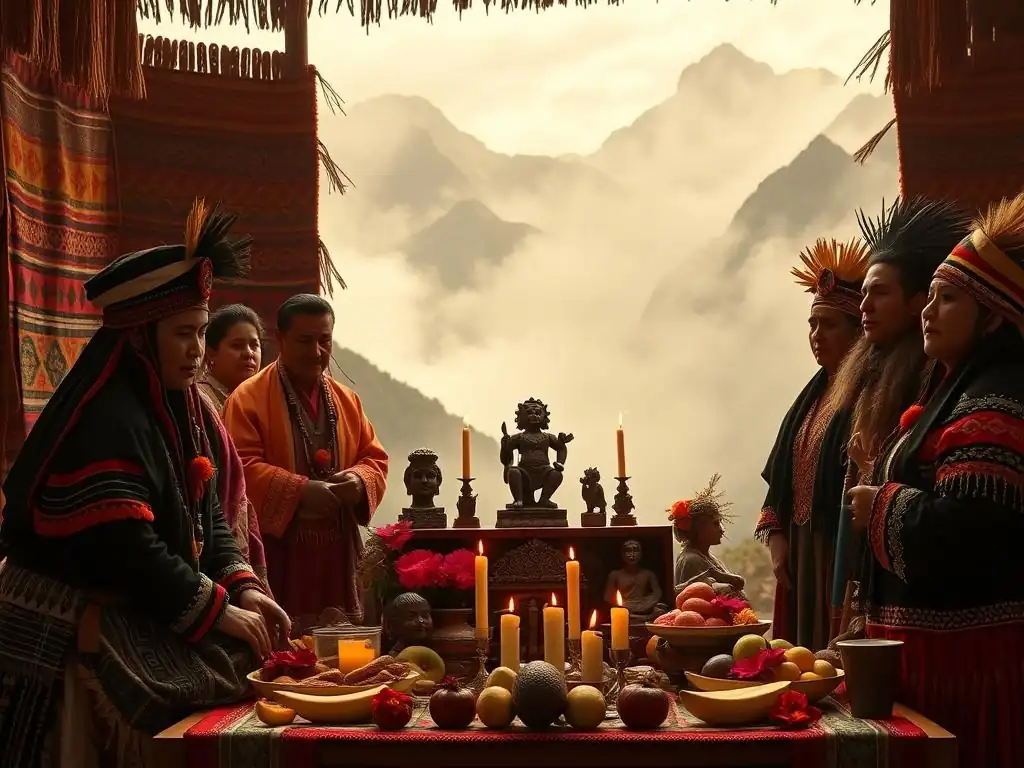
The artistic traditions of the Inca civilization remain a vital part of cultural heritage among contemporary indigenous communities in the Andes. Many of the techniques, styles, and materials used in Inca ceremonial art are preserved and celebrated today. This preservation is not merely about maintaining the past; it serves as a way of reinforcing cultural identity and continuity in the face of modern challenges.
- Techniques and Materials:
- Traditional weaving methods, such as the use of backstrap looms, continue to be practiced by many indigenous artisans. These techniques often reflect Inca designs and motifs, showcasing the intricate patterns that were significant in Inca ceremonial contexts.
- The use of natural dyes derived from local plants and minerals remains prevalent. This practice connects artisans to their ancestral methods and the environment, emphasizing sustainability and respect for nature.
- Ceremonial Practices:
- Many indigenous groups in the Andes have integrated Inca ceremonial art forms into their modern-day rituals. For instance, the use of textiles adorned with Inca symbols is common in festivals and ceremonies, linking the past with the present.
- The revival of ancient crafts, such as pottery and metalwork, is also significant. These crafts are often infused with contemporary interpretations but retain the essence of Inca artistry, reinforcing a sense of belonging and cultural pride.
Modern Interpretations of Inca Ceremonial Art
Contemporary indigenous artists are not merely replicating Inca ceremonial art but are reinterpreting it to reflect current social, political, and environmental themes. This dynamic evolution has given rise to a rich tapestry of artistic expression that honors Inca heritage while addressing modern realities.
- Fusion of Styles:
- Many artists blend traditional Inca motifs with modern artistic expressions, creating pieces that resonate with both indigenous and global audiences. This fusion can be seen in various mediums, such as painting, sculpture, and digital art.
- For example, contemporary murals in urban spaces often feature Inca symbols and narratives, serving as a form of cultural reclamation and education for both indigenous and non-indigenous viewers.
- Thematic Exploration:
- Modern interpretations often delve into themes of identity, resistance, and environmental stewardship, drawing parallels between Inca practices and contemporary issues. Artists may explore the significance of agricultural rituals or the sacredness of natural resources, echoing the Inca reverence for Pachamama (Mother Earth).
- Exhibitions and art shows that focus on Inca heritage have gained traction, allowing artists to showcase their work and engage in dialogues about cultural preservation and innovation.
The Impact of Inca Art on Current Indigenous Ceremonies
The influence of Inca ceremonial art extends into the rituals of modern indigenous communities, where it plays a crucial role in reinforcing cultural narratives and community bonds. The integration of Inca artistic elements into contemporary ceremonies highlights the enduring legacy of the Inca civilization.
- Ritual Significance:
- In many indigenous ceremonies, the use of Inca-inspired ceremonial objects, such as masks, textiles, and vessels, serves to invoke ancestral spirits and connect participants to their heritage. These objects are often imbued with symbolic meanings that resonate deeply within the community.
- Seasonal festivals, such as Inti Raymi (the Festival of the Sun), often utilize Inca ceremonial art to honor agricultural cycles, reflecting the agricultural practices of the Inca and their spiritual connection to the cosmos.
- Community Cohesion:
- The incorporation of Inca art into ceremonies fosters a sense of unity and collective identity among participants. Shared rituals that feature Inca elements allow communities to collectively engage with their history, reinforcing social ties and cultural pride.
- Additionally, workshops and community events focused on Inca art encourage intergenerational knowledge transfer, ensuring that younger generations remain connected to their cultural roots.
The significance of Inca ceremonial art is not confined to historical appreciation; it actively shapes the cultural landscape of contemporary indigenous societies. Through preservation efforts, modern reinterpretations, and its impact on current ceremonies, Inca art continues to be a profound expression of identity and resilience.
Conclusion: The Lasting Legacy of Inca Ceremonial Art Significance
Reflecting on the Cultural Importance of Inca Art
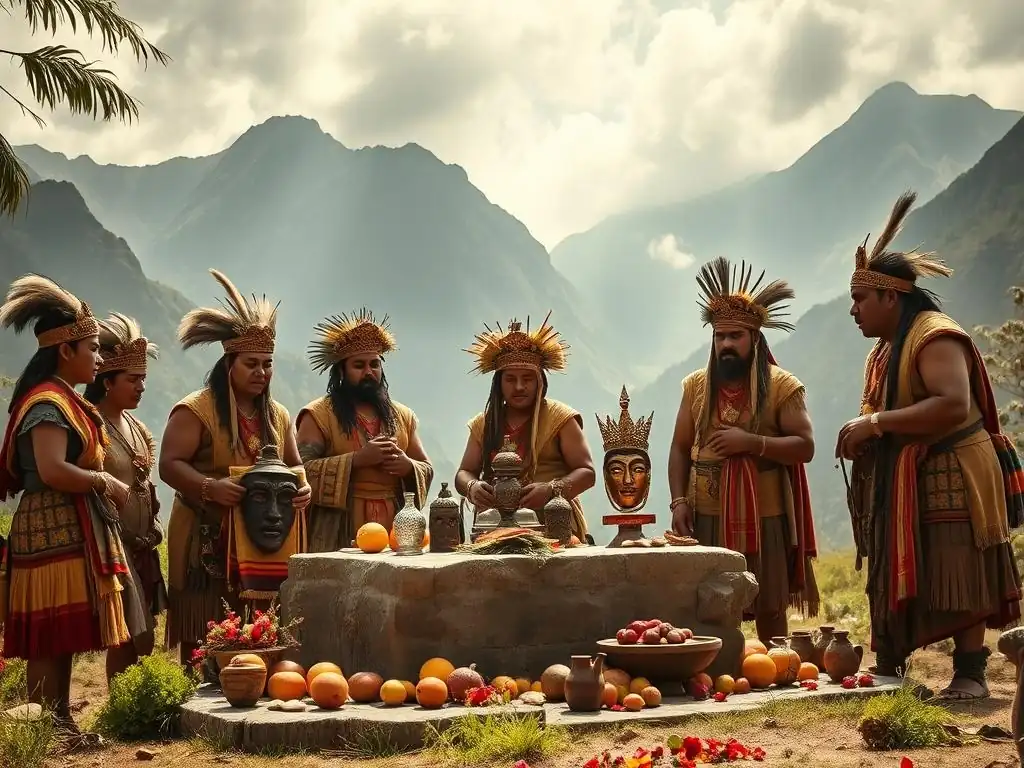
Inca ceremonial art holds a profound significance that transcends mere aesthetics, serving as a vital medium for expressing the cultural and spiritual essence of the Inca civilization. The artistic practices of the Incas were deeply intertwined with their religious beliefs, social structures, and environmental contexts. Each ceremonial object, whether it be intricately woven textiles, meticulously crafted pottery, or exquisite metalwork, was imbued with symbolic meanings and served specific purposes in rituals and ceremonies.
For instance, textiles were not only functional items but also conveyed social status and cultural identity. The use of vibrant colors and complex designs in Inca textiles communicated the wearer’s status within the hierarchical structure of Inca society. Similarly, ceremonial pottery often featured motifs that represented agricultural cycles or deities, linking material culture to the Inca worldview.
Moreover, the metalwork, particularly in gold and silver, was considered sacred and was used in offerings to the gods during ceremonies. The Incas believed that these materials possessed life force, and their craftsmanship reflected the civilization's advanced techniques and values. As a result, Inca ceremonial art is not just a reflection of their artistic prowess but also an embodiment of their cosmology, emphasizing the interconnectedness of art, spirituality, and daily life.
The Future of Inca Ceremonial Art in Cultural Heritage
As we move forward, the significance of Inca ceremonial art remains relevant, not only as a subject of academic study but also as a focal point for cultural heritage and identity among contemporary Indigenous communities in the Andes. Preservation and revitalization efforts are crucial to ensuring that these ceremonial objects continue to be appreciated and understood within their historical context.
Modern initiatives are increasingly recognizing the importance of community engagement in the preservation of Inca art. Many local artisans are reviving traditional techniques and materials, creating a bridge between ancient practices and contemporary expressions of identity. This resurgence not only honors the legacy of the Inca civilization but also empowers Indigenous communities to reclaim their cultural narratives.
Furthermore, the integration of Inca ceremonial art into educational programs and cultural exhibitions fosters a greater appreciation for Indigenous histories and encourages dialogue about the impacts of colonization and globalization. By highlighting the significance of Inca ceremonial art within the broader context of Indigenous cultural heritage, we can promote a more inclusive understanding of the past and its relevance to present and future generations.
The enduring legacy of Inca ceremonial art significance lies in its ability to inform, inspire, and connect us to the rich tapestry of Indigenous cultures. As we continue to explore and celebrate these artistic achievements, we honor the memory and contributions of the Inca civilization to the world.
References and Further Reading on Inca Ceremonial Art Significance
Suggested Books and Articles
To deepen your understanding of Inca ceremonial art significance, consider exploring the following key texts and articles:
-
"The Inca Empire: A Multidisciplinary Approach" by M. E. Smith
This book provides a comprehensive overview of the Inca Empire, discussing various aspects of their culture, including the role of ceremonial art in religious and social practices.
-
"Inca Art and Architecture" by G. B. McEwan
This publication delves into the artistic expressions of the Incas, emphasizing the significance of ceremonial objects and their meanings within the context of Inca rituals.
-
"The Sacred and the Profane: The Nature of Religion" by Mircea Eliade
Although not exclusively about the Incas, this classic work offers insights into how sacred art functions in religious contexts, which can be applied to understanding Inca ceremonial art.
-
"The Incas and Their Ancestors: The Archaeology of Peru" by C. A. Donnan
This text focuses on the archaeological findings related to Inca civilization and the artifacts that reveal their ceremonial practices.
-
"Andean Art: An Overview" by L. A. P. de la Cadena
This article examines the broader Andean region's artistic traditions, highlighting the intersection of art and ritual among the Incas.
Online Resources for Inca Art and Culture
The internet offers a wealth of resources for those interested in Inca ceremonial art significance. Here are some valuable online platforms:
-
The Metropolitan Museum of Art
The Met's website features an extensive collection of Inca artifacts, including detailed descriptions and analyses of ceremonial objects.
-
The British Museum
This museum provides online access to its collection of Inca art, along with educational resources and articles discussing the cultural significance of these pieces.
-
National Museum of the American Indian (NMAI)
NMAI’s website offers insights into indigenous cultures, including the Inca, with specific sections devoted to ceremonial art and its role in societal practices.
-
Smithsonian Institution
The Smithsonian's online resources cover a range of topics related to Inca civilization, including exhibitions and scholarly articles on ceremonial art.
-
Archaeology Magazine
Their website frequently publishes articles on recent discoveries related to the Incas, including studies on ceremonial objects and their implications for understanding Inca culture.
These resources will provide a solid foundation for exploring the richness and complexity of Inca ceremonial art and its enduring significance in the cultural heritage of the Americas.
Frequently Asked Questions
What is the significance of Inca ceremonial art?
Inca ceremonial art holds great importance as it was integral to their rituals and beliefs. These artworks were often used in religious ceremonies to connect with the spiritual world.
How did Inca ceremonial objects reflect their society?
Inca ceremonial objects reflected their society by showcasing their artistic skills and cultural values. These items often symbolized status, power, and the relationship between the ruler and the gods.
What materials were commonly used in Inca ceremonial art?
The Incas primarily used materials such as gold, silver, textiles, and pottery. The choice of materials often reflected the importance of the object and its intended use in rituals.
How did Inca ceremonial art influence contemporary indigenous cultures?
Inca ceremonial art has left a lasting legacy, influencing contemporary indigenous cultures in the Andean region. Many modern artists draw inspiration from Inca designs and themes in their own ceremonial practices.
What role did rituals play in the creation of Inca art?
Rituals were fundamental in the creation of Inca art, serving as a means to honor the deities and to facilitate communication with the spiritual realm. This intertwining of art and ritual emphasized the sacredness of their creations.
Final Reflection: The Enduring Significance of Inca Ceremonial Art
Inca ceremonial art remains a powerful testament to the rich cultural heritage and spiritual beliefs of the Inca civilization. Today, as we navigate a world increasingly disconnected from its historical roots, the significance of these ceremonial objects serves as a reminder of the intricate relationship between art and ritual. The craftsmanship and symbolism embedded in these artifacts not only reflect the values of a society but also challenge us to consider how art can convey deeper meanings in our own lives.
Ceremonial objects from the Inca era continue to resonate within contemporary discussions about identity, spirituality, and cultural preservation. The intricate designs and purposeful use of materials in these artifacts highlight a profound understanding of the world that transcends time. Art is the most beautiful of all lies.
This quote encapsulates the essence of how Inca ceremonial art, while rooted in historical context, invites us to explore the layers of meaning that art can provide in our quest for understanding and connection.
As we reflect on the lessons imparted by Inca ceremonial art, I invite you to consider how you can incorporate the spirit of ritual and meaning into your own life. Take a moment to appreciate the art around you, whether it be in nature, community, or personal expression. Let the significance of these ceremonial objects inspire you to create your own rituals that honor your values and beliefs, fostering a deeper connection to your heritage and the world around you.
Unveil the Mysteries of Inca Rituals!
Thank you for delving into the captivating world of Inca ceremonial objects! We hope you’ve discovered the rich tapestry that intertwines art and spirituality in these fascinating artifacts. Now, it's time to take your exploration further and engage more deeply with the legacy of the Inca civilization.
Here’s how you can continue your journey:
- Visit local museums or exhibitions that showcase Inca art. Get up close with these remarkable ceremonial objects and learn about their histories.
- Share your discoveries with friends and family on social media. Discuss the significance of these artifacts to inspire others to explore and learn!
- Join online forums or communities dedicated to Indigenous cultures to exchange knowledge and experiences related to Inca rituals.
Which ceremonial object do you believe best embodies the essence of Inca spirituality, and what makes it significant to you?