
Inca Sculptors: Masters of Stone and Wood Carving

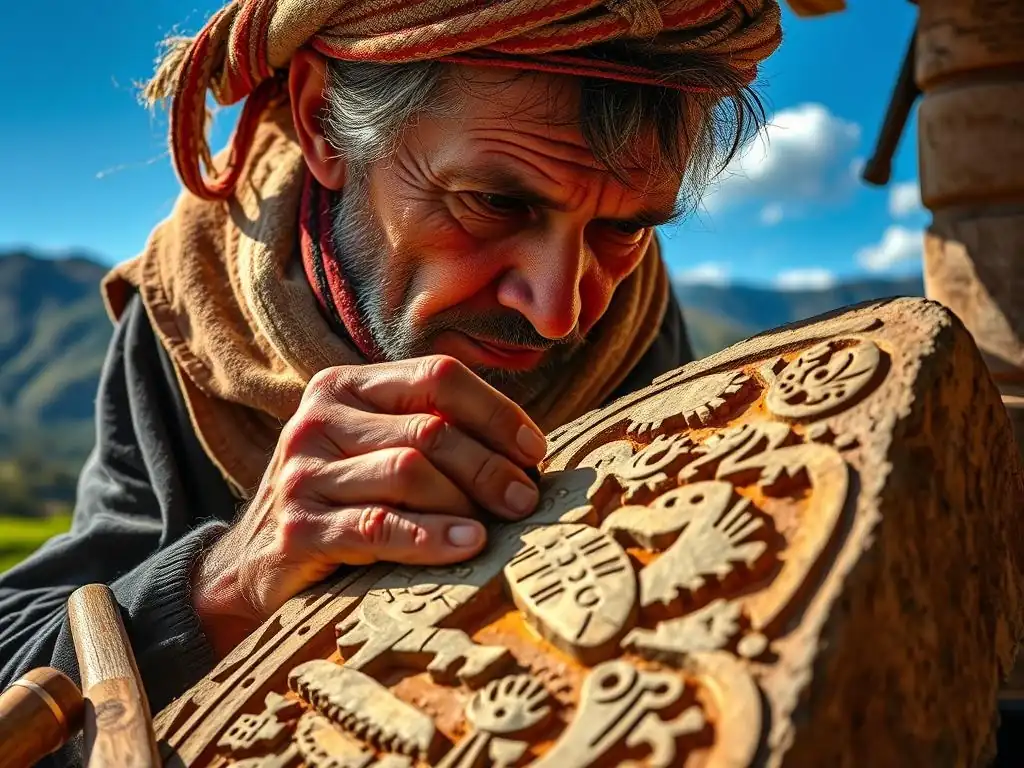
Welcome to Indigenous Civilizations of the Americas, where we delve into the rich tapestry of cultures that flourished long before European contact. In our featured article, “Inca Sculptors: Masters of Stone and Wood Carving,” we invite you to uncover the extraordinary artistry of the Inca civilization, renowned for their breathtaking sculptures and intricate wooden creations. What drove these talented artisans?
How did their craftsmanship reflect their society and beliefs? Prepare to be captivated as we unravel the stories behind their masterpieces and explore their enduring legacy. Join us on this journey through time and discover the incredible world of the Inca!
- Introduction to Inca Sculptors and Their Artistry
- Historical Context of Inca Stone and Wood Carving
- Key Materials Used in Inca Stone and Wood Carving
- Prominent Styles and Themes in Inca Stone and Wood Carving
- Notable Inca Sculptors and Their Masterpieces
- The Role of Inca Stone and Wood Carving in Society
- Preservation and Legacy of Inca Stone and Wood Carving
- Conclusion: The Enduring Legacy of Inca Sculptors
-
Frequently Asked Questions
- What are the main materials used by Inca sculptors in their carvings?
- How did Inca stone and wood carving techniques evolve?
- What themes are commonly depicted in Inca carvings?
- How do Inca carvings contribute to our understanding of their civilization?
- Are there any surviving examples of Inca stone and wood carvings?
- Final Reflection: The Enduring Legacy of Inca Stone and Wood Carving
- Unveil the Artistry of Inca Sculptors!
Introduction to Inca Sculptors and Their Artistry
The Inca civilization, one of the most remarkable cultures in pre-Columbian America, is renowned not only for its vast empire but also for its exceptional artistic achievements. Amongst these, the skillful stone and wood carving practices stand out as a testament to the Inca people's creativity and technical prowess.
This article delves into the artistry of Inca sculptors, exploring their methods, materials, and the cultural significance of their work. By examining the intricate details of Inca stone and wood carving, we can appreciate how these artisans contributed to the rich tapestry of Inca heritage and left a lasting impact that resonates through history.
Overview of Inca Civilization and Its Artistic Heritage
The Inca civilization flourished in the Andean region of South America from the early 15th century until the Spanish conquest in the 16th century. Spanning modern-day Peru, Bolivia, Ecuador, and parts of Chile and Argentina, the Incas established a sophisticated societal structure characterized by advanced engineering, agriculture, and a complex political system.
Art played a pivotal role in Inca society, serving not merely as decoration but as a means of communication and expression of cultural identity. The Inca artisans were deeply influenced by their environment, utilizing the abundant natural resources available to them. Stone, particularly granite and limestone, was quarried from the Andes mountains, while dense woods were sourced from the lush forests of the region.
Inca art is marked by its functionalism and aesthetic appeal, with carvings often serving religious, ceremonial, or practical purposes. The mastery of stone and wood carving is evident in the creation of monumental architecture, intricate religious idols, and everyday objects that reflect the spiritual and social values of the Inca people.
Importance of Stone and Wood Carving in Inca Culture
Stone and wood carving held significant importance in Inca culture, serving both utilitarian functions and spiritual significance. The meticulous craftsmanship involved in these art forms was seen as a reflection of the Inca's connection to nature and the divine.
- Religious Significance: Many carvings were created to honor deities, commemorate ancestors, or serve as offerings in religious ceremonies. These sculptures often depicted important figures from mythology, illustrating the Inca worldview and their reverence for nature and the cosmos.
- Social Hierarchy: The artistic works also served to reinforce social structures. Elaborate designs and intricate details were typically reserved for the elite, reflecting their status within society. In contrast, simpler carvings were found in the homes of common people, showcasing the diverse expressions of Inca artistic tradition.
- Cultural Legacy: The legacy of Inca stone and wood carving extends beyond the civilization itself. These art forms have influenced contemporary indigenous artists and continue to be celebrated as vital components of cultural heritage. The techniques and styles developed by Inca sculptors remain a source of inspiration, ensuring that the artistry of the past continues to thrive in the present.
The artistry of Inca sculptors in stone and wood carving is a vivid illustration of the civilization's cultural richness and complexity. Understanding this aspect of Inca heritage not only highlights their skills and creativity but also emphasizes the profound impact of their artistic expressions on future generations.
Historical Context of Inca Stone and Wood Carving
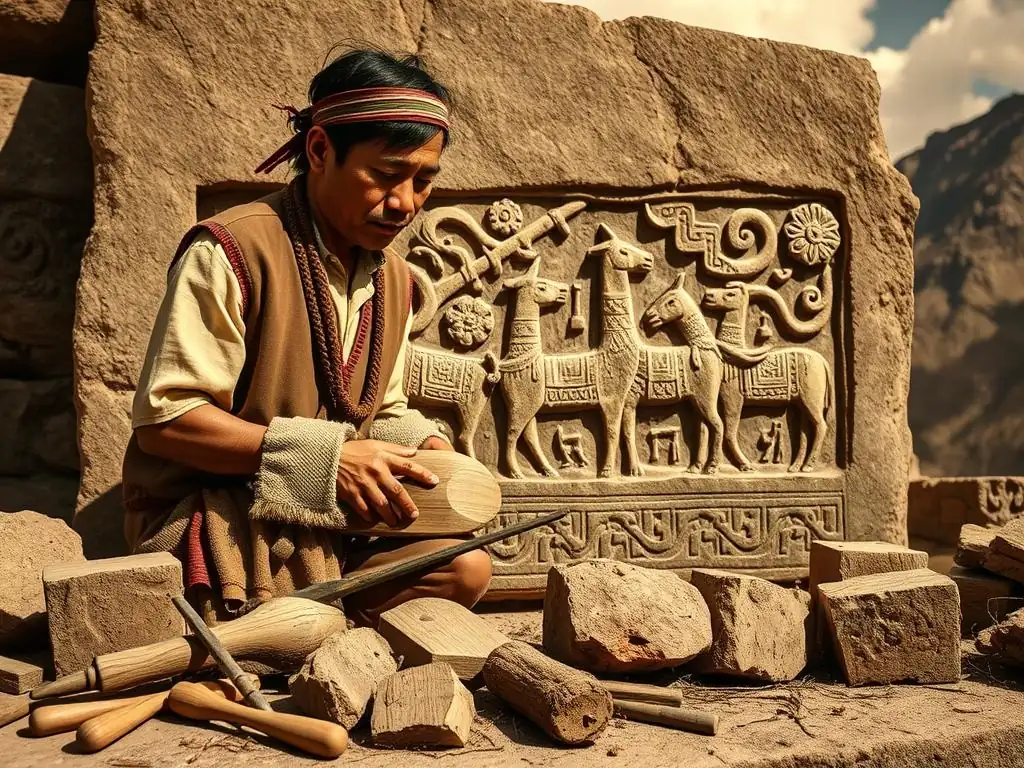
The Inca civilization, which flourished from the early 15th century until the Spanish conquest in the 16th century, is renowned for its impressive architectural achievements and artistic expressions. As the largest empire in pre-Columbian America, the Incas developed a rich cultural identity that was reflected in their stone and wood carving practices. This artistry was not merely decorative; it served religious, political, and utilitarian purposes, deeply intertwined with the spiritual and daily lives of the Inca people.
Inca stone and wood carving were influenced by the environmental and social dynamics of the Andes region. The Incas had access to various materials, such as granite, sandstone, and native woods like cedar and cypress, which they skillfully transformed into intricate sculptures and functional objects. Their techniques evolved over time, influenced by both regional needs and the incorporation of traditions from earlier Andean cultures.
The historical significance of Inca stone and wood carving lies in its ability to convey the civilization's values, beliefs, and social hierarchies. From monumental structures like the Temple of the Sun in Cusco to smaller, everyday items, each piece reveals insights into the Inca worldview, showcasing their reverence for nature, ancestors, and the cosmos.
The Evolution of Inca Sculpture Techniques
Inca sculptors exhibited a remarkable mastery of stone and wood carving techniques, which evolved through several stages. Initially, the Incas adopted and adapted methods from earlier Andean civilizations, such as the Moche and Nazca, known for their elaborate pottery and metalwork. As the Inca Empire expanded, so too did their artistic practices, leading to innovations and refinements in sculptural techniques.
- Tools and Materials: The Incas utilized a variety of tools, including chisels made from harder stones and wooden mallets. They employed techniques such as pecking, carving, and polishing to achieve intricate details in their sculptures. The choice of materials was also crucial; they favored local stones that not only suited their aesthetic needs but also held cultural significance.
- Techniques in Stone Carving: Inca stone carving is characterized by its precision and durability. The use of the ashlar technique, where stones are cut to fit together without mortar, allowed for the construction of earthquake-resistant structures. In sculptures, this precision is evident in the fine details of faces, animals, and deities, which were often symbolic representations of their beliefs.
- Wood Carving Innovations: While stone carving was primarily reserved for monumental works, wood carving flourished in everyday objects and ceremonial items. The Incas developed various techniques for hollowing, shaping, and decorating wood, often using vibrant paints and intricate motifs that reflected their cosmological beliefs.
The evolution of these techniques demonstrates not only the Inca's artistic ingenuity but also their ability to adapt and innovate in response to their environment and cultural exchanges.
Influence of Earlier Civilizations on Inca Artistry
The artistry of the Incas was significantly shaped by earlier Andean civilizations. The Moche, Tiwanaku, and Wari cultures, among others, laid the groundwork for Inca artistic practices, particularly in stone and wood carving. These influences can be observed in various aspects of Inca sculptural work.
- Moche Influence: Known for their detailed ceramics and monumental architecture, the Moche civilization utilized realistic human figures and animals in their art. The Inca adopted this emphasis on realism, which can be seen in their depiction of deities and important figures in stone and wood.
- Tiwanaku Contributions: The Tiwanaku civilization, with its advanced stone masonry techniques, influenced Inca construction methods. The use of large, precisely cut stones in monumental architecture is a hallmark of both cultures, showcasing the importance of permanence and stability in their artistic expressions.
- Wari Artistic Legacy: The Wari civilization's intricate geometric patterns and iconography found their way into Inca art, influencing decorative techniques in both stone and wood carving. These patterns often held symbolic meanings, reinforcing social and spiritual narratives within Inca culture.
The synthesis of these influences resulted in a unique Inca aesthetic that combined practicality with symbolic depth, allowing them to communicate their cultural identity through their stone and wood carvings. The legacy of these earlier civilizations is a testament to the interconnectedness of Andean cultures and their shared artistic heritage.
Key Materials Used in Inca Stone and Wood Carving
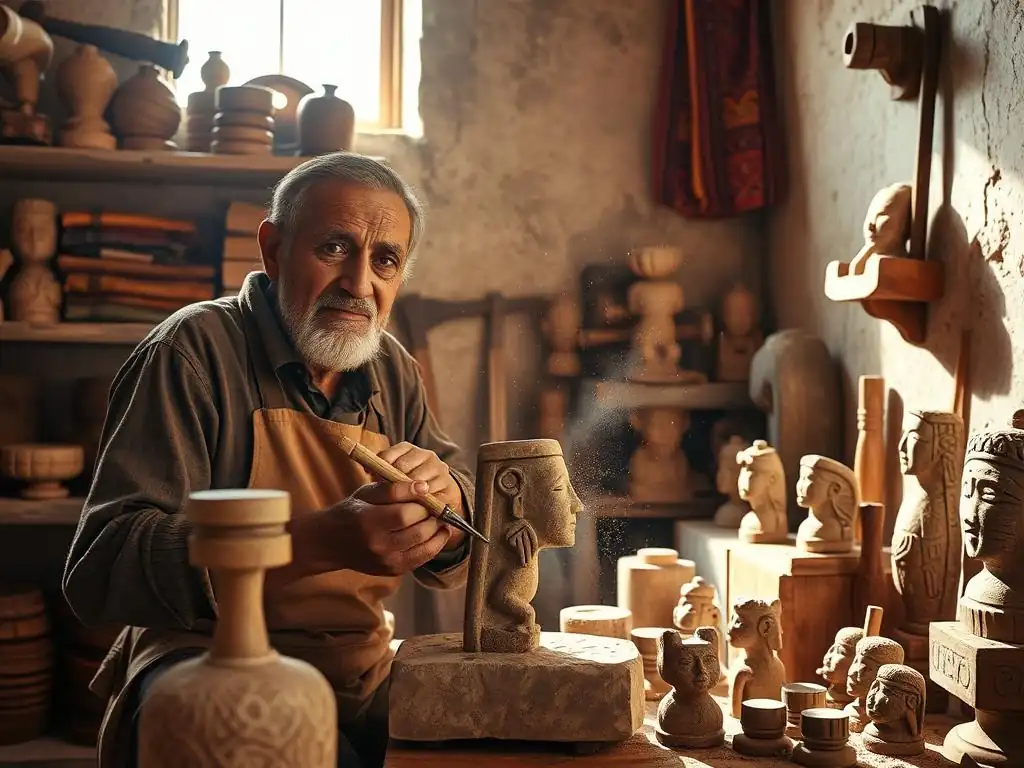
The artistry of Inca stone and wood carving draws upon a rich variety of materials that were readily available in their environment. The Incas demonstrated exceptional skill in sourcing and utilizing these materials, which played a crucial role in the creation of their intricate sculptures and functional items. Understanding the key materials they used provides insight into their craftsmanship and cultural significance.
Types of Stone Commonly Used in Inca Sculptures
Inca sculptors primarily worked with several types of stone, each chosen for its unique properties and aesthetic appeal. Here are some of the most common stones utilized in Inca stone carving:
- Andesite:
- Highly prevalent in Inca architecture, andesite is a volcanic stone known for its durability and fine grain. The Incas used andesite to create monumental sculptures and structures such as temples and fortifications.
- Limestone:
- This sedimentary rock was favored for its relatively soft texture, making it easier to carve. The Incas crafted intricate designs and figures from limestone, especially for decorative purposes.
- Granite:
- Renowned for its hardness, granite was often employed in the construction of significant monuments and ceremonial objects. The precision required to work with granite showcases the advanced techniques of Inca craftsmen.
- Basalt:
- Another volcanic stone, basalt is dense and durable, making it suitable for both functional and decorative pieces. The Incas used basalt for tools as well as sculptures.
The selection of these stones was not merely a matter of availability; it reflected the Incas' understanding of material properties, which played a pivotal role in the longevity and beauty of their artworks.
Wood Varieties Preferred by Inca Craftsmen
In addition to stone, wood was an essential material in Inca carving, used for both practical items and artistic expressions. The Incas favored specific wood varieties that were abundant in their region:
- Quinua (Quinoa Wood):
- This hardwood is known for its strength and resistance to decay. Quinua was often used for crafting tools and ceremonial objects, valued for its durability.
- Algarrobo (Carob Tree):
- The dense and sturdy nature of algarrobo wood made it ideal for furniture and decorative carvings. Its rich color and fine grain also contributed to its appeal in artistry.
- Cedar:
- Highly aromatic and resistant to insects, cedar was commonly used for creating intricate carvings. The Incas employed cedar wood in both spiritual and everyday items, reflecting its cultural significance.
- Pine:
- Although less durable than the aforementioned woods, pine offered a workable alternative for crafting lighter objects. Its availability in the highland regions made it a popular choice.
By utilizing these wood varieties, Inca craftsmen were able to produce a wide array of functional and artistic items, demonstrating their expertise in both stone and wood carving.
Tools and Techniques Employed in Inca Carving
The craftsmanship of Inca stone and wood carving was supported by a sophisticated understanding of tools and techniques. Here’s an overview of the tools and methods they employed:
- Carving Tools:
- Stone Hammers: Used to shape larger stones, these tools were essential for roughing out the form of a sculpture.
- Chisels: Made from harder stones, chisels allowed artisans to create finer details and intricate designs in both stone and wood.
- Drills: Hollowed out from harder materials, these were used to create holes and intricate patterns in wood.
- Techniques:
- Direct Carving: This technique involved carving directly into the material without prior models, allowing artisans to express their creativity spontaneously.
- Polishing: Inca craftsmen meticulously polished their sculptures to achieve a smooth finish, enhancing the visual appeal of their works.
- Inlay Work: The use of contrasting materials, such as stone inlays in wooden objects, provided additional texture and intricacy to their designs.
These tools and techniques highlight the advanced skills of Inca artisans and their ability to adapt to the materials at hand, resulting in stunning works of art that have endured through the ages.
The mastery of Inca stone and wood carving is a testament to the ingenuity and artistry of the Inca civilization, showcasing their ability to work with diverse materials and sophisticated techniques to create lasting legacies.
Prominent Styles and Themes in Inca Stone and Wood Carving
Inca stone and wood carving reflects a rich tapestry of artistic expression that played a vital role in the civilization's culture and society. The prominent styles and themes evident in Inca art illustrate their deep connection to spirituality, nature, and daily life. These carvings were not merely aesthetic but served practical and ceremonial purposes, indicating the sophistication and complexity of Inca artistry.
Iconography in Inca Sculptures
The iconography found in Inca sculptures is a testament to their sophisticated understanding of symbols and visual language. Many Inca carvings feature geometric shapes and stylized representations of figures that convey specific meanings. For instance:
- Feline Imagery: Jaguars, often associated with power and strength, are frequently depicted in various forms. These representations symbolize authority and the connection to the spiritual world.
- Human Figures: Figures carved in stone often depict warriors, priests, and nobility, showcasing their importance in Inca society. The detailing in their clothing and adornments reflects their status and roles within the community.
- Natural Elements: Mountains, rivers, and celestial bodies hold significant importance in Inca cosmology, and their representations in art serve to highlight the relationship between the Inca people and their environment.
The usage of iconography in Inca sculptures not only enhances the aesthetic appeal but also communicates cultural narratives and societal values that were integral to Inca identity.
Symbolism of Animals and Nature in Inca Art
Animals and nature are central themes in Inca stone and wood carving, often symbolizing various aspects of life and spirituality. The Inca worldview was deeply intertwined with nature, leading to an artistic style that reflected this connection. Key symbols include:
- Condor: Representing the heavens and the spiritual realm, the condor is often depicted soaring high, symbolizing freedom and the connection to the divine.
- Serpents: Frequently associated with fertility and the earth, serpents in Inca art embody the duality of life and death, representing both creation and destruction.
- Flora: Plants and flowers, particularly maize and potatoes, are portrayed to celebrate agricultural fertility and the sustenance of life.
The symbolic representation of animals and nature in Inca art emphasizes their reverence for the environment and reflects their understanding of the interconnectedness of life.
Representation of Deities and Ancestors in Wood Carvings
Inca wood carvings often depict deities and ancestors, serving as a bridge between the spiritual and physical worlds. These representations hold significant meaning in Inca culture:
- Inti (Sun God): Carvings of Inti often showcase solar motifs, emphasizing the sun's role as a source of life and a central figure in Inca mythology. The intricate details in the carvings highlight the importance of worship and the sun's vital role in agriculture.
- Pachamama (Earth Mother): Representations of Pachamama reflect the Inca's veneration for the earth and its fertility. Wood carvings often include symbols of agriculture, reinforcing the relationship between the people and their land.
- Ancestors: Carvings of ancestors serve as a reminder of lineage and heritage, emphasizing the importance of familial connections and the respect for those who came before. These carvings often depict ancestral figures with distinct characteristics that signify their role and significance within the community.
The portrayal of deities and ancestors in Inca wood carvings underscores the civilization's deep spiritual beliefs and their respect for the past, encapsulating the essence of their cultural identity.
Notable Inca Sculptors and Their Masterpieces
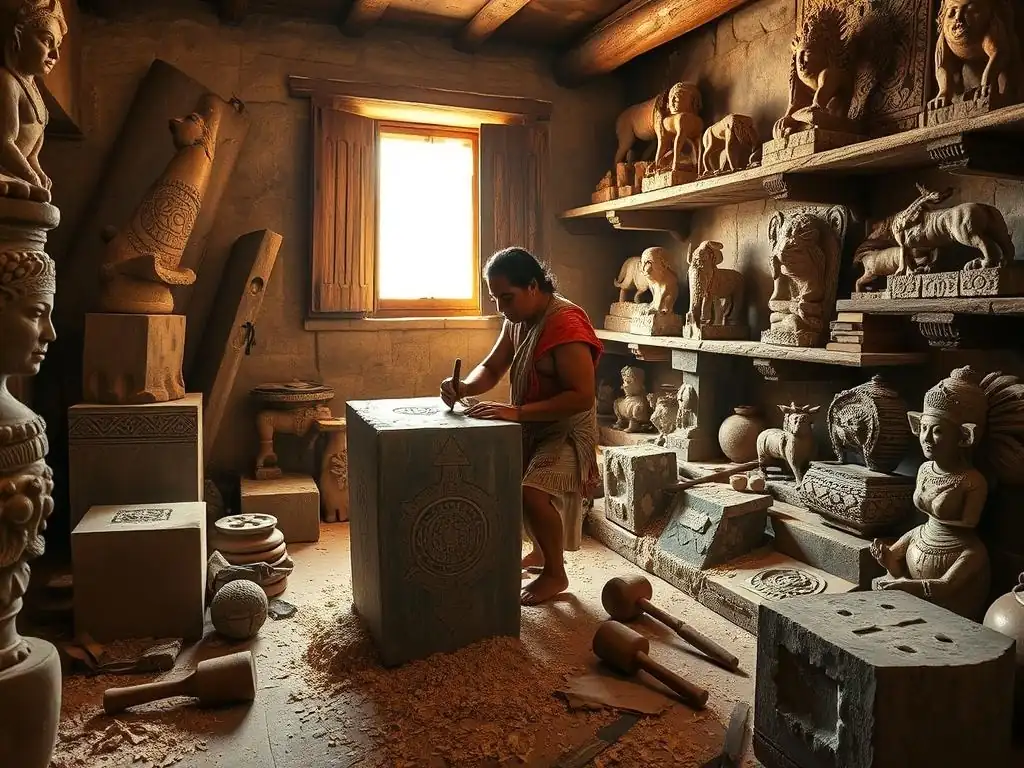
The Inca civilization is renowned for its exceptional artistry, particularly in stone and wood carving. The sculptors of this era played a pivotal role in creating enduring works that not only showcased their technical skill but also conveyed deep cultural significance. Here, we delve into the profiles of influential Inca artists, examine significant sculpture works, and explore the lasting impact these sculptors had on Inca art.
Profiles of Influential Inca Artists
The Inca society was home to numerous talented artisans, many of whom were celebrated for their unique abilities in stone and wood carving. Below are a few notable sculptors whose works have stood the test of time:
- Pachacuti: Often regarded as the founder of the Inca Empire, Pachacuti was not only a military leader but also an influential patron of the arts. Under his reign, the expansion of Cusco led to a flourishing of artistic expression, with many sculptors receiving his patronage. His contributions to architecture and sculpture significantly influenced the cultural landscape of the Inca civilization.
- Túpac Inca Yupanqui: The son of Pachacuti, Túpac Inca Yupanqui continued his father’s legacy and promoted art and culture within the empire. His involvement in the construction of impressive stone structures, such as the Temple of the Sun, showcased the high level of craftsmanship achieved during his reign.
- Huayna Capac: Another notable ruler, Huayna Capac, was known for commissioning works that reflected both the power of the Inca state and the spiritual beliefs of the people. His support of artisans led to intricate carvings that depicted deities and important cultural symbols.
These artists not only shaped the visual landscape of the Inca civilization but also influenced the artistic traditions that would follow.
Analysis of Significant Inca Sculpture Works
The artworks produced by Inca sculptors are characterized by their intricate details and symbolic meanings. Here are some significant examples:
- The Sun Temple at Cusco: This iconic structure, known as Qorikancha, was adorned with numerous stone carvings that depicted sun deities and other important figures. The precision in stonework reflects the Inca's advanced understanding of architecture and aesthetics. The temple was designed to capture sunlight, enhancing the spiritual experience of its visitors.
- Sacsayhuamán: Located on the outskirts of Cusco, this fortress features massive stone walls intricately assembled without mortar, demonstrating the Inca's exceptional masonry skills. The stone carvings on the walls often depict geometric patterns and stylized animal forms, giving insight into their artistic vision and cultural beliefs.
- Wooden Carvings of Sacred Animals: Inca artisans were also adept at wood carving, creating intricate representations of animals such as llamas and condors. These carvings often served ceremonial purposes and were imbued with spiritual significance, reflecting the Inca's deep connection to nature and their environment.
Lasting Impact of These Sculptors on Inca Art
The legacy of Inca sculptors extends beyond their immediate contributions to art and culture. Their techniques and styles influenced subsequent generations of artists and craftsmen throughout the Americas.
- Cultural Preservation: The carvings and sculptures created by Inca artists serve as vital historical records, preserving the beliefs, social structures, and daily life of the Inca people. These works continue to educate scholars and enthusiasts about the complexities of Inca civilization.
- Artistic Techniques: The mastery of stone and wood carving established foundational techniques that would be adapted and evolved by later indigenous cultures. The precision and detail evident in Inca works set a high standard for craftsmanship that persisted in the region.
- Revival of Indigenous Arts: In contemporary times, there is a resurgence of interest in traditional Inca art forms. Modern artisans draw inspiration from ancient techniques, merging traditional practices with contemporary themes to create a vibrant cultural identity that honors the past.
The notable Inca sculptors and their masterpieces not only highlight the artistic excellence of the Inca civilization but also underscore the enduring significance of their cultural heritage. Their contributions to stone and wood carving remain a testament to the creativity and skill of the Inca people, influencing both historical perspectives and modern interpretations of indigenous art.
The Role of Inca Stone and Wood Carving in Society
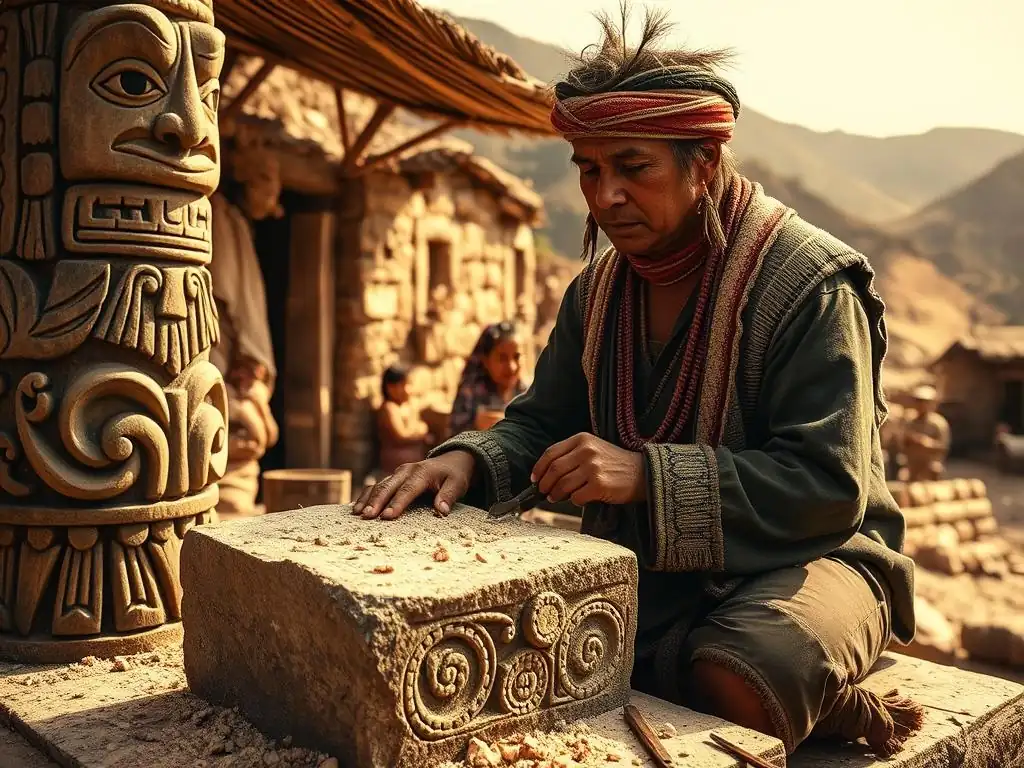
Inca stone and wood carving played an essential role in the fabric of Inca society, reflecting both cultural values and social structures. The intricate artistry of the Incas not only served aesthetic purposes but also functioned as a medium for communicating religious beliefs, social hierarchies, and community identity. This multifaceted role of Inca carving is evident in various aspects of their civilization.
Religious and Ceremonial Significance of Inca Sculptures
Inca sculptures, whether made from stone or wood, were deeply intertwined with the spiritual and religious practices of the civilization.
- Deities and Offerings: Many carvings depicted deities central to Inca cosmology, such as Inti (the sun god) and Pachamama (earth goddess). These sculptures were often used in rituals and ceremonies, serving as focal points for worship and offerings. For example, elaborate stone altars featured intricate carvings that facilitated communication with the divine.
- Symbolism in Art: The use of symbolic motifs in Inca carving reflected religious beliefs. For instance, the chakana, or Andean cross, frequently appeared in sculptures, symbolizing the connection between the physical world and the spiritual realm. Such symbols were not only decorative but also carried profound metaphysical meanings.
- Ritual Objects: In addition to statues and altars, sculptures served practical roles in ceremonies. Wooden masks and ritualistic items often featured detailed carvings and were used during festivals, signifying the importance of art in religious observance.
The Inca civilization was characterized by a complex social structure, and their stone and wood carving practices mirrored this hierarchy in several ways:
- Status and Power: Artisans and sculptors often belonged to specific social classes, with elite craftsmen creating works for nobility and the ruling class. The quality and intricacy of a sculpture could indicate the status of its owner. For example, finely carved stone structures were often commissioned by high-ranking officials or royalty, showcasing their power through art.
- Community Workshops: Inca communities often had workshops where artisans worked collectively. These workshops were sometimes organized by social class, allowing skilled craftsmen to pass down techniques and styles that represented their social standing. The community's investment in art reinforced social distinctions, with more elaborate carvings reserved for the elite.
- Public Monuments: Many Inca stone carvings were created for public display, such as monumental sculptures found in temples and plazas. These public works not only demonstrated the technical prowess of Inca artisans but also served to reinforce social order by reminding the populace of the society's hierarchies.
The Function of Art in Inca Community Life
Art, particularly stone and wood carving, played a vital role in the daily lives of the Inca people, influencing both community dynamics and cultural identity.
- Cultural Expression: Inca carvings served as a medium for cultural expression, allowing communities to convey their values, traditions, and beliefs. Each carving told a story or depicted significant events, becoming a visual narrative that educated and informed the community about their heritage.
- Social Cohesion: Art contributed to social cohesion within Inca communities. Collaborative efforts in creating large sculptures or community projects fostered a sense of belonging and pride among artisans and residents. This collective engagement in artistic creation helped strengthen communal bonds.
- Economic Significance: The production of stone and wood carvings also had economic implications. Artisans often traded their works, contributing to the local economy and establishing networks of commerce within and beyond their communities. This economic activity was crucial for sustaining community life and cultural practices.
Inca stone and wood carving was not merely an artistic endeavor; it was a fundamental aspect of Inca society that encompassed religious significance, social hierarchy, and community life. Through these carvings, the Incas expressed their beliefs, reinforced their social structures, and crafted a lasting legacy that continues to influence perceptions of indigenous cultures today.
Preservation and Legacy of Inca Stone and Wood Carving
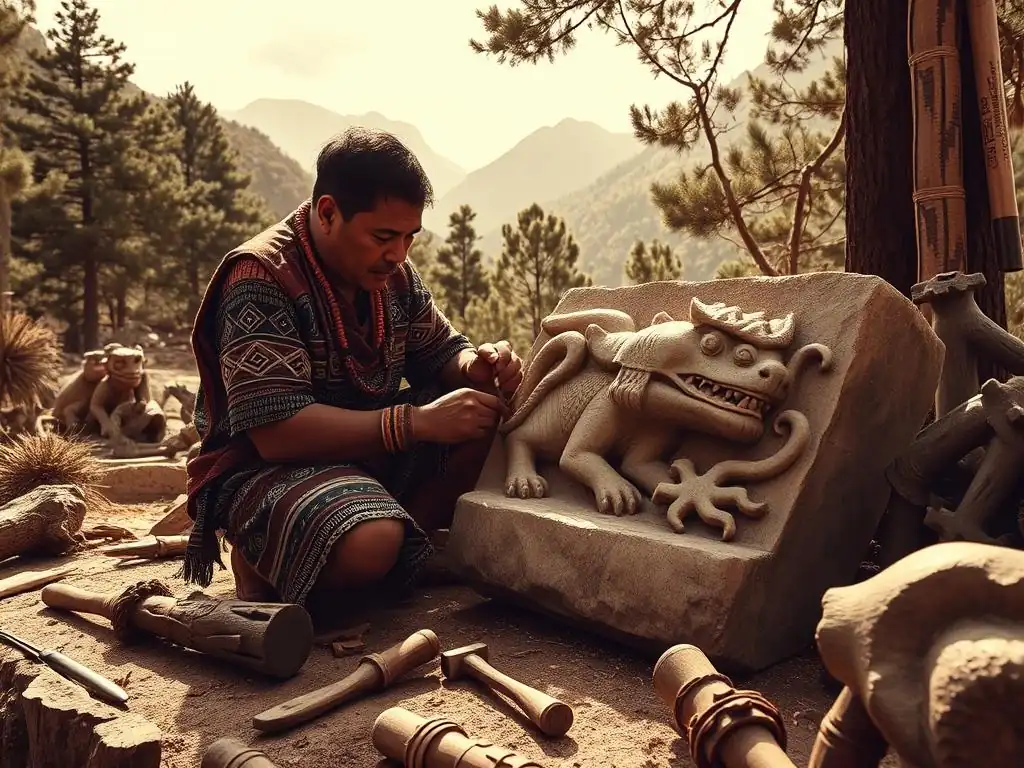
Efforts to Preserve Inca Artistic Heritage
Preserving the artistic heritage of the Inca civilization, particularly their stone and wood carving techniques, has been a significant focus for historians and cultural organizations. Various initiatives have emerged to document, restore, and promote these ancient crafts as a vital part of Peru's cultural identity.
- Documentation Projects:
- Many universities and research institutions have undertaken projects to catalog Inca carvings found in archaeological sites. This includes detailed photography, 3D modeling, and creating databases of techniques used.
- The Inca Archaeological Project has specifically focused on sites like Machu Picchu, where stone carvings exemplify Inca craftsmanship.
- Restoration Efforts:
- Organizations such as Instituto Nacional de Cultura work closely with local artisans to restore ancient carvings while respecting traditional methods. This ensures that restorations are both accurate and preserve the original artistic intent.
- Workshops and training programs for local artisans help in transferring knowledge of traditional carving techniques to younger generations.
- Cultural Festivals and Exhibitions:
- Annual festivals, such as the Inti Raymi, often feature displays of traditional Inca art, including stone and wood carvings. These events serve as a platform for artisans to showcase their work and educate the public about Inca artistry.
- Museums in Peru, like the Museo de Arte Precolombino, frequently hold exhibitions dedicated to Inca art that draws attention to the intricate details and significance of these carvings.
Influence of Inca Sculpture on Contemporary Indigenous Art
The legacy of Inca stone and wood carving continues to influence contemporary Indigenous artists throughout the Americas. Many modern artisans draw inspiration from Inca techniques, aesthetics, and cultural symbols, integrating them into their work while addressing contemporary themes.
- Revival of Traditional Techniques:
- Many artists are reviving traditional Inca techniques, such as specific methods of stone polishing and wood finishing. This revival is often coupled with a modern twist, incorporating contemporary design elements into traditional forms.
- Workshops and apprenticeship programs allow new generations to learn and practice these skills, fostering a sense of pride in their heritage.
- Cultural Expression:
- Artists today often use Inca motifs and symbolism to comment on current social issues, drawing parallels between past and present struggles within Indigenous communities.
- Collaborative projects between Indigenous artists and organizations often lead to public installations that celebrate Inca heritage, creating dialogues around cultural identity and reclamation.
- Global Recognition:
- The global art community has increasingly recognized the significance of Indigenous art, leading to opportunities for contemporary Indigenous artists to exhibit their works internationally. This exposure often highlights the influence of Inca carving techniques and themes.
- Exhibitions that focus on Indigenous art often include discussions on the historical context of Inca art, promoting a deeper understanding of its impact on modern practices.
The Importance of Inca Carving in Modern Cultural Identity
The significance of Inca stone and wood carving transcends mere artistic merit; it plays a crucial role in shaping modern cultural identity among Indigenous peoples in the Andes and beyond.
- Cultural Pride and Heritage:
- For many contemporary Indigenous groups, engaging with Inca art forms fosters a connection to their ancestry and cultural heritage. This connection reinforces a sense of identity and community.
- Inca carvings often embody stories and traditions that resonate with modern audiences, serving as a bridge between past and present.
- Educational Value:
- Educational programs that focus on Inca art history help preserve this knowledge among younger generations. Schools often include art classes that emphasize traditional Inca techniques, making them relevant to today’s cultural landscape.
- Community workshops provide opportunities for individuals to learn about their heritage, enhancing appreciation for Inca craftsmanship.
- Political and Social Activism:
- Inca stone and wood carving have become symbols of resistance and resilience for many Indigenous communities. Artists often use these mediums to express their narratives, addressing issues such as land rights, cultural preservation, and social justice.
- Public art projects that incorporate Inca styles can serve as powerful statements in urban spaces, reminding society of the rich history and ongoing contributions of Indigenous cultures.
The preservation and legacy of Inca stone and wood carving extend far beyond the physical artifacts; they are integral to the identity, pride, and cultural continuity of Indigenous peoples today. Through ongoing efforts to document, restore, and celebrate this artistic heritage, the influence of the Inca civilization continues to thrive and inspire future generations.
Conclusion: The Enduring Legacy of Inca Sculptors
The legacy of Inca sculptors is one that transcends time, echoing through the corridors of history and resonating in the hearts of contemporary artisans and cultural enthusiasts alike. Their expertise in Inca stone and wood carving not only speaks to their technical prowess but also reflects a deep understanding of their cultural identity and spiritual beliefs. This mastery was evident in their work, where they transformed raw materials into intricate representations of their worldview, conveying stories, religious significance, and social status.
The Inca sculptors' ability to work with diverse materials allowed them to create functional art that served both practical purposes and aesthetic enjoyment. From monumental stone structures to delicate wooden figurines, their creations were often imbued with meaning, serving as a testament to their sophisticated societal structures and their connection to the natural world. This intricate relationship between the Inca civilization and their environment is a crucial aspect of their enduring legacy.
Reflection on the Mastery of Inca Stone and Wood Carving
Inca stone and wood carving techniques were not merely artistic endeavors; they represented a sophisticated blend of artistry, spirituality, and community. The Inca craftsmen utilized tools made from harder stones, which enabled them to carve with precision and detail. Their ability to manipulate materials like granite, limestone, and various types of wood showcased not only their technical skill but also their intimate knowledge of the properties of these materials.
- Key Techniques in Inca Carving:
- Direct Carving: This method involved shaping the material directly, allowing for a more organic form to emerge.
- Subtractive Method: Sculptors would remove material from a larger block, gradually revealing the intended shape.
- Inlay Work: The use of contrasting materials to create intricate designs added depth and visual interest to their carvings.
The spiritual significance of many Inca artworks cannot be overstated. Sculptures often depicted deities, animals, and symbols that were central to Inca cosmology. For instance, the Intihuatana, a ritual stone associated with astronomy, exemplifies the intersection of art and spirituality. Carvings of animals and humans were not just representations but conduits between the earthly realm and divine entities.
The Cultural Significance of Inca Art in Today’s World
The art of Inca stone and wood carving continues to hold significant cultural value today, influencing modern art and design. The principles and aesthetics derived from Inca artistry can be seen in contemporary works that emphasize sustainability, respect for nature, and community involvement.
- Modern Influences:
- Sustainable Practices: Many artisans today draw inspiration from the Inca’s sustainable use of local materials, promoting eco-friendly practices in their work.
- Cultural Revitalization: Indigenous artists often incorporate traditional Inca motifs and techniques into their creations, fostering a sense of pride and cultural identity.
The appreciation for Inca art has also led to increased awareness and recognition of indigenous cultures globally. Exhibitions and educational programs highlight their achievements, ensuring that the knowledge and skills of Inca sculptors are not forgotten but rather celebrated and preserved.
The mastery of Inca stone and wood carving is a profound testament to the civilization’s rich cultural heritage. By reflecting on their techniques and significance, we gain a deeper understanding of the Inca's contributions to art and culture, which continue to inspire and inform our world today.
Frequently Asked Questions
What are the main materials used by Inca sculptors in their carvings?
Inca sculptors primarily used stone and wood for their intricate carvings. Granite, basalt, and various types of hardwoods were favored for their durability and aesthetic qualities.
How did Inca stone and wood carving techniques evolve?
The techniques of Inca stone and wood carving evolved through centuries of tradition, influenced by earlier cultures. Innovations included the use of tools made from harder materials, enhancing the precision of their work.
What themes are commonly depicted in Inca carvings?
Inca carvings often reflect themes of religion, nature, and society. Common motifs include deities, animals, and geometric patterns that symbolize their beliefs and cultural values.
How do Inca carvings contribute to our understanding of their civilization?
Inca carvings provide valuable insights into their social structure, religious practices, and artistic achievements. They reveal the cultural significance of craftsmanship in Inca society and their connection to the natural world.
Are there any surviving examples of Inca stone and wood carvings?
Yes, many surviving examples of Inca stone and wood carvings can be found in archaeological sites across the Andes. Notable locations include Machu Picchu and Sacsayhuamán, showcasing their impressive artistic legacy.
Final Reflection: The Enduring Legacy of Inca Stone and Wood Carving
The artistry of Inca stone and wood carving remains profoundly relevant today, as it not only showcases the incredible craftsmanship of a civilization long past but also serves as a testament to the cultural identity and resilience of the Andean people. In a world increasingly driven by mass production and digital creations, the meticulous techniques and spiritual significance embedded in Inca carvings remind us of the value of tradition and the stories that art can convey. These ancient artisans were not just creators; they were storytellers, preserving their history in every chisel mark and grain of wood.
The influence of Inca stone and wood carving is palpable in contemporary art and architecture, where the fusion of traditional methods with modern aesthetics continues to inspire artists and craftsmen alike. The reverberations of their work can be seen in the revival of indigenous techniques and the growing appreciation for handcrafted art.
As the renowned artist Pablo Neruda once said, “In the end, we will remember not the words of our enemies, but the silence of our friends.” This quote resonates deeply in the context of Inca artistry, as it encourages us to celebrate and amplify the voices of those who have historically been marginalized, ensuring their legacies are not forgotten.
As you reflect on the intricate beauty and cultural significance of Inca stone and wood carving, I invite you to consider how you can incorporate these lessons of craftsmanship, storytelling, and cultural appreciation into your own life. Take a moment to explore the art around you, whether it’s through supporting local artisans or engaging with the history behind traditional crafts. By doing so, you not only honor the legacy of the Inca sculptors but also contribute to a richer, more diverse cultural tapestry that values the past while looking toward the future.
Unveil the Artistry of Inca Sculptors!
Thank you for exploring the fascinating world of Inca sculptors and their incredible mastery of stone and wood carving. You’ve gained insights into not just their craftsmanship but also the cultural significance behind their art. Now, let’s take the next steps to celebrate and engage with this unique heritage.
Here’s how you can take action:
- Dive Deeper: Visit local exhibitions or museums showcasing Inca artifacts to witness their craftsmanship firsthand.
- Share Your Passion: Engage in discussions with friends or on social media about the importance of preserving Indigenous art and culture.
- Get Creative: Experiment with carving by enrolling in a local workshop or using online resources to learn traditional techniques.
What aspect of Inca sculpting inspires you the most, and how will you integrate it into your life?