
Sacred Geometries: The Spiritual Significance of Inca Art

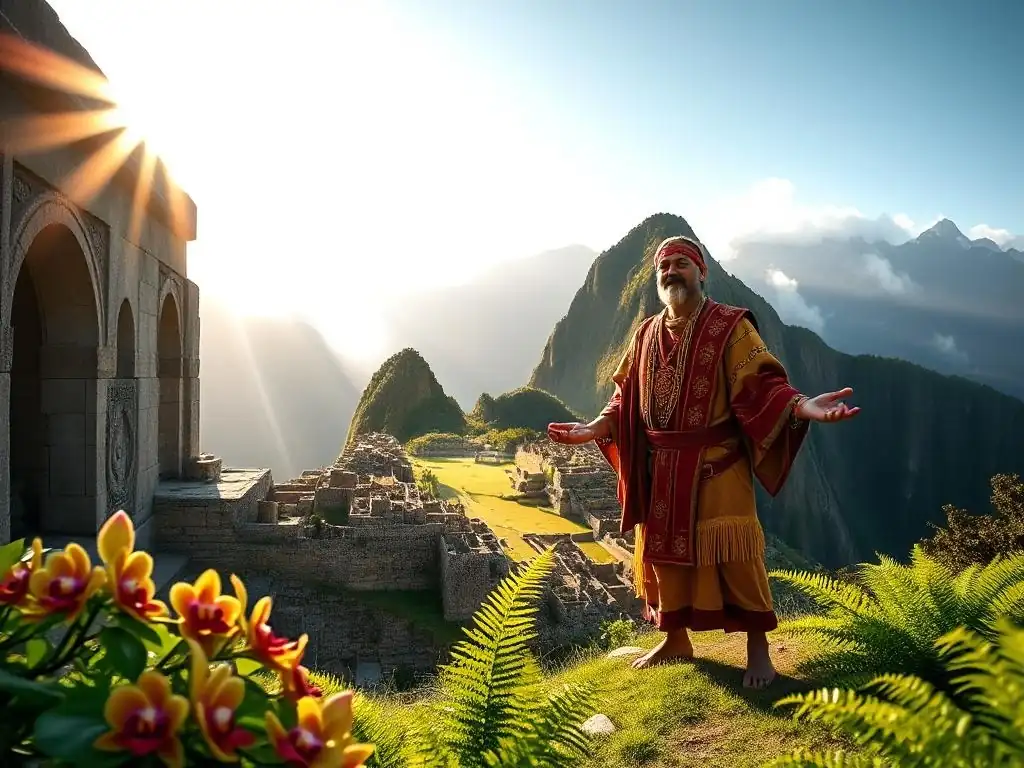
Welcome to Indigenous Civilizations of the Americas, where we embark on a fascinating journey through the rich tapestry of cultures that flourished long before European contact. Here, you will uncover the intricate achievements and profound legacies of indigenous societies. Dive into our latest article, "Sacred Geometries: The Spiritual Significance of Inca Art," to explore how the vibrant artistry of the Inca people transcends mere aesthetics, revealing deep spiritual connections and cultural narratives. Prepare to be captivated by the stories and insights that await you, as we celebrate the enduring impact of these remarkable civilizations.
Introduction to Inca Art and Spirituality
Inca art, a vibrant expression of the rich culture and beliefs of the Inca civilization, serves as a profound testament to the spiritual and societal values of this ancient society. The Inca, who flourished in the Andean highlands from the early 15th century until the Spanish conquest in the 16th century, created an artistic legacy that was not merely decorative but deeply intertwined with their spiritual beliefs and worldview.
This article delves into the spiritual significance of Inca art, exploring how sacred geometries and symbolic designs reflect the profound relationship between the Inca people and their environment, deities, and cosmology.
Overview of Inca Civilization and Its Artistic Heritage
The Inca civilization, with its capital at Cusco, was the largest empire in pre-Columbian America. It is renowned for its impressive architectural achievements, intricate textiles, and sophisticated agricultural practices. Inca art is characterized by its utilitarian purpose, grandeur, and connection to the natural and spiritual worlds. Key features include:
- Architecture: Monumental structures like Machu Picchu and the Sacsayhuamán fortress showcase precision stonework and an understanding of landscape.
- Textiles: Inca textiles were not only functional but also served as symbols of status and identity, often featuring elaborate designs.
- Pottery and Metalwork: Inca artisans crafted exquisite pottery and metal objects, often adorned with intricate patterns that held spiritual significance.
The artistic heritage of the Inca reflects their values, beliefs, and their profound connection to the cosmos.
The Role of Art in Inca Society and Spiritual Beliefs
Art in Inca society was not merely a form of expression but served as a medium for conveying spiritual beliefs and cultural values. The Inca viewed the world as interconnected, where every element of nature had its own spirit or apus. Art was used in various contexts, including:
- Ceremonial Use: Many artworks were created for religious rituals, honoring deities such as Inti (the Sun God) and Pachamama (Earth Mother).
- Social Stratification: Art often reflected the hierarchy within Inca society, with certain styles and materials reserved for the elite.
- Cultural Identity: Inca art represented the identity and unity of the empire, reinforcing social bonds through shared beliefs and practices.
The integration of art into daily life and spirituality underscores its significance within the Inca worldview.
Understanding Sacred Geometry in Inca Art
Definition and Importance of Sacred Geometry
Sacred geometry refers to the geometric shapes and patterns that carry symbolic meanings and are often considered to embody the underlying principles of the universe. In Inca art, sacred geometry plays a crucial role in expressing spiritual concepts and connecting the physical world to the divine. Key points include:
- Symbolic Representation: Geometric shapes often symbolize various elements of life, such as balance, harmony, and the cyclical nature of existence.
- Connection to Nature: The use of geometric patterns reflects the Inca's deep understanding of natural forms, showcasing their reverence for the environment.
The importance of sacred geometry in Inca art lies in its power to convey complex spiritual ideas through visual language.
Common Geometric Patterns Found in Inca Art
Inca art features a variety of geometric patterns, each with its own significance. Some common patterns include:
- Triangles: Often representing the triad of earth, sky, and humanity.
- Spirals: Symbolizing growth and the passage of time.
- Squares and Rectangles: Reflecting stability and the material world.
These patterns not only enhance the aesthetic appeal of Inca artworks but also serve as vehicles for spiritual expression.
The Relationship Between Geometry and Spirituality in Inca Culture
The relationship between geometry and spirituality in Inca culture is profound and multifaceted. Geometric designs were used in various forms of art, including textiles, pottery, and architecture, to convey spiritual truths and connect the Inca with their deities. This relationship can be understood through:
- Cosmic Alignment: Many Inca structures were designed with geometric precision to align with celestial events, reflecting their cosmological beliefs.
- Ritual Significance: Geometric patterns were often incorporated into rituals, serving as a means of communication with the spiritual realm.
In essence, the interplay between geometry and spirituality in Inca art encapsulates the essence of their worldview, bridging the gap between the material and the divine.
Symbolism of Inca Art: Spiritual Significance Explained
Inca art is a profound expression of the civilization’s spiritual beliefs and cultural values. The use of intricate designs, vibrant colors, and symbolic motifs reflects a worldview deeply intertwined with nature and the cosmos. The Incas believed that everything in the universe was interconnected, and their art served as a medium to convey these spiritual connections.
The spiritual significance of Inca art can be understood through its symbolism, which often represents the duality of existence, the balance between the physical and the spiritual realms, and the reverence for deities and natural elements. This symbolic language was not just aesthetic; it played a crucial role in rituals, ceremonies, and the daily lives of the Inca people, allowing them to communicate with the divine and the natural world.
Inca artists employed geometric shapes that held specific meanings, such as circles representing the cyclical nature of life, while squares might symbolize stability and harmony. The art served a dual purpose: as a decorative element and as a means of reinforcing the societal and spiritual order that governed Inca life.
Key Symbols in Inca Art and Their Meanings
Inca art is rich in symbols, each carrying profound meanings that resonate with the civilization's spiritual beliefs. Here are some key symbols found in Inca art:
- The Sun (Inti): Central to Inca cosmology, the sun signifies life, warmth, and fertility. It is often depicted in gold, symbolizing its divine and powerful nature.
- The Condor: A symbol of the upper world, the condor represents the heavens and is associated with the spiritual journey of the soul. It embodies freedom and connection to the divine.
- The Serpent: Representing the earth and the underworld, the serpent symbolizes transformation and the cyclical nature of life. It is often depicted in various forms in textiles and pottery.
- Geometric Patterns: Common motifs include zigzags and spirals, which can represent water, fertility, and the passage of time. These patterns are foundational to Inca artistic expression and often convey deeper spiritual meanings.
These symbols are not merely decorative; they serve as a language through which the Inca communicated their beliefs, values, and connection to the universe.
How Inca Art Reflects Spiritual Beliefs and Cosmology
The Inca civilization had a rich cosmology that influenced every aspect of life, including art. Inca art acts as a visual narrative, reflecting their understanding of the universe and their place within it.
Inca artists often incorporated themes of duality, such as life and death, and the balance between the natural and spiritual worlds. This is evident in the use of contrasting colors and forms, symbolizing the interaction between different forces. Artworks often depicted deities, agricultural cycles, and celestial events, emphasizing the Incas’ reverence for nature and the cosmos.
Moreover, the placement of art within sacred spaces was intentional, as it was believed to facilitate communication with the divine. For instance, murals in temples often depicted scenes of worship or agricultural abundance, reinforcing the connection between the spiritual and physical realms. This integration of art and spirituality reflects the holistic worldview of the Inca civilization, where every piece of art served a greater purpose in maintaining harmony between humanity and the cosmos.
Case Studies of Inca Artworks with Spiritual Significance
Several notable artworks exemplify the spiritual significance of Inca art, showcasing the intricate relationship between artistic expression and spiritual beliefs. These case studies reveal how specific pieces not only served aesthetic purposes but also fulfilled essential roles in Inca society.
Example 1: The Sun Gate (Inti Punku)
The Sun Gate, known as Inti Punku, is an iconic Inca structure located at the entrance to Machu Picchu. This monumental gateway is adorned with intricate carvings and geometric designs that reflect the importance of the sun in Inca spirituality.
The Sun Gate was strategically positioned to align with the sun's rays during the solstices, serving as a ceremonial entrance for pilgrims. The carvings on the gate depict the sun and various celestial motifs, symbolizing the Incas' deep reverence for Inti, the sun god. This alignment and symbolism highlight the Inca belief in the sun as a source of life and power, emphasizing the spiritual significance of this artwork in their culture.
Example 2: The Temple of the Sun (Korikancha)
The Temple of the Sun, or Korikancha, in Cusco was one of the most important religious sites in the Inca Empire. This temple was dedicated to the sun god Inti and was adorned with gold and intricate stonework, representing the pinnacle of Inca architectural and artistic achievement.
Inside the temple, walls were covered with gold sheets, reflecting sunlight and creating a dazzling effect that symbolized the divine presence of Inti. The temple's design and layout were meticulously planned to align with celestial events, further reinforcing its spiritual significance. The Korikancha served as a center for worship, rituals, and astronomical observations, exemplifying how Inca art and architecture were deeply intertwined with their spiritual beliefs and cosmology.
The Impact of Sacred Geometry on Contemporary Understanding of Inca Art
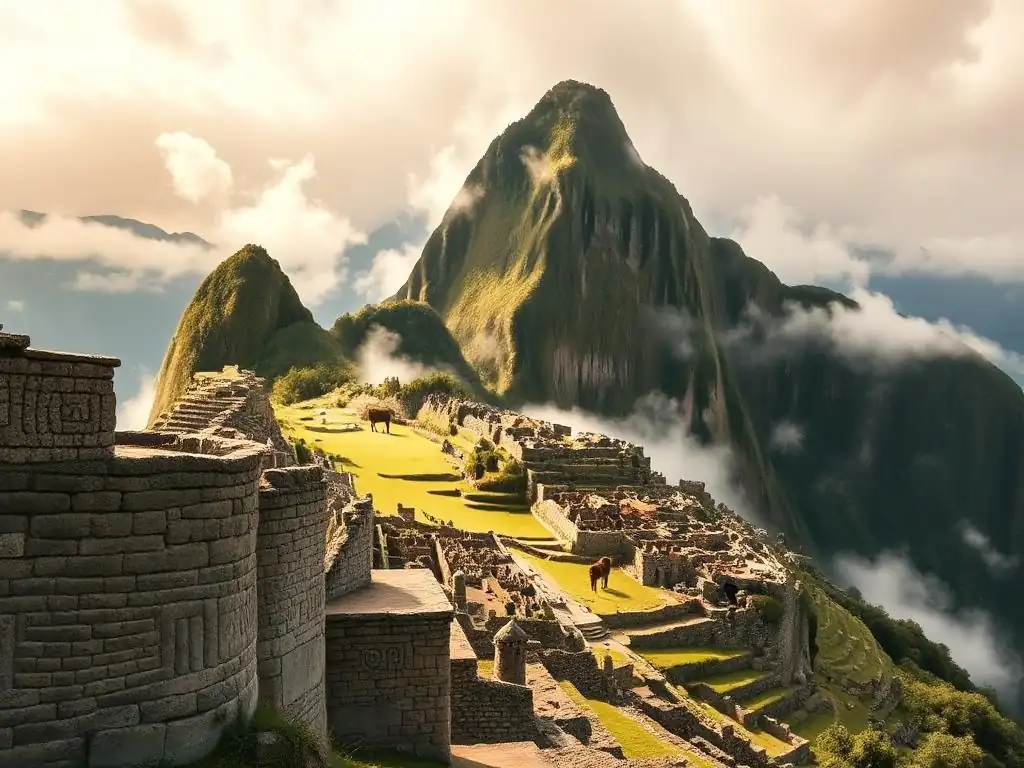
Sacred geometry plays a crucial role in the interpretation of Inca art, influencing how contemporary scholars, artists, and enthusiasts perceive and appreciate the intricate designs and motifs used by the Incas. This mathematical and philosophical framework, which attributes spiritual significance to geometric shapes and their relationships, allows for a deeper understanding of the cultural context in which Inca art was created. The Incas incorporated sacred geometry into their textiles, pottery, and architecture, reflecting their worldview and spiritual beliefs.
In contemporary discussions, sacred geometry is often linked to themes of harmony, balance, and the interconnectedness of all things. This perspective enriches the analysis of Inca art, enabling a connection between ancient practices and modern spiritual movements that emphasize similar principles. The incorporation of sacred geometric patterns in Inca art can be seen as a manifestation of their cosmological beliefs, suggesting that the physical world is a reflection of a higher spiritual reality. By studying these geometric patterns, modern researchers can uncover the layers of meaning embedded in Inca artistic expressions.
How Sacred Geometry Influences Modern Interpretations
Modern interpretations of Inca art often draw upon the principles of sacred geometry to reveal underlying spiritual concepts. Scholars and artists alike recognize that the use of geometric patterns was not merely decorative but was deeply rooted in the Inca's understanding of the universe. For instance, the spiral, often found in Inca textiles, symbolizes growth, evolution, and the cyclical nature of life. This interpretation resonates with contemporary audiences seeking to find meaning in art that transcends mere aesthetics.
Moreover, the application of sacred geometry in analyzing Inca art supports interdisciplinary approaches, combining art history, anthropology, and spirituality. This multifaceted examination encourages a broader appreciation of Inca culture as a sophisticated civilization with a rich spiritual life. By bridging ancient practices with modern perspectives, the discourse surrounding Inca art becomes more inclusive and relevant to today's audiences.
The Legacy of Inca Art Spiritual Significance in Today’s Culture
The spiritual significance of Inca art continues to resonate in contemporary culture, influencing various spheres such as design, architecture, and spiritual practices. Many modern artists incorporate elements of Inca symbolism and geometric designs in their work, drawing inspiration from the intricate aesthetics and profound meanings of the past. This fusion of ancient and modern styles not only honors the legacy of Inca artistry but also invites a new generation to explore the depth of indigenous cultures.
Furthermore, the resurgence of interest in indigenous spirituality, particularly within the realms of holistic healing and environmentalism, highlights the relevance of Inca art's spiritual significance. The emphasis on harmony with nature and the cosmos found in Inca beliefs is echoed in contemporary movements advocating for sustainability and respect for cultural heritage. This connection fosters a greater understanding and appreciation for the Inca civilization's contributions to spiritual and artistic traditions.
Conclusion: The Enduring Spiritual Legacy of Inca Art
The exploration of Inca art's spiritual significance reveals an enduring legacy that transcends time and cultural boundaries. By recognizing the importance of sacred geometry and its influence on artistic expression, we can appreciate how these ancient works continue to inspire and inform contemporary society.
Recap of the Spiritual Significance of Inca Art
Inca art embodies a rich tapestry of spiritual significance deeply rooted in sacred geometry. The geometric patterns and symbols found in textiles, pottery, and architecture are reflections of the Incas' worldview, illustrating their understanding of the cosmos and the interconnectedness of life. This spiritual dimension not only adds depth to the art itself but also offers valuable insights into the cultural practices and beliefs of the Inca civilization.
The Importance of Preserving Inca Artistic Heritage
Preserving the artistic heritage of the Incas is essential for maintaining the cultural identity and spiritual legacy of indigenous peoples. Efforts to protect and promote Inca art contribute to a broader understanding of their achievements and the wisdom embedded in their creations. By fostering appreciation for Inca art, we not only honor the past but also ensure that future generations can continue to learn from and be inspired by this remarkable civilization. Emphasizing the spiritual significance of Inca art in educational contexts and cultural institutions is crucial for safeguarding this heritage and its teachings for years to come.
Further Reading on Inca Art and Spirituality
To deepen your understanding of the spiritual significance of Inca art, exploring a variety of resources can provide invaluable insights into the complex interplay between their artistic expressions and spiritual beliefs. These readings will not only highlight the aesthetic aspects of Inca art but also unravel its profound connections to cosmology, religion, and societal values.
Recommended Books and Articles on Inca Civilization
-
"The Inca Empire: A Multidisciplinary Approach" by David M. Jones
This comprehensive volume delves into various aspects of Inca society, including their artistic practices, spirituality, and how these elements intertwined to shape their civilization.
-
"Inca Art and Architecture" by John H. Rowe
Rowe's work offers an in-depth analysis of the aesthetic elements of Inca art, exploring its spiritual dimensions and the meanings embedded in different forms of artistic expression.
-
"The Sacred Landscape of the Incas" by Brian S. Bauer
This book emphasizes the connection between Inca religious beliefs and their artistic representations, providing a broader understanding of the sacred geometries prevalent in their art.
-
"Inca Religion and Customs" by C. J. G. J. de la Vega
A detailed study on the spiritual practices of the Incas, this resource outlines how their beliefs influenced their art, rituals, and societal organization.
Additional Resources for Exploring Sacred Geometries in Art
-
Online Journals and Articles:
Look for academic articles in journals such as "Latin American Antiquity" or "Andean Past," which frequently publish research on Inca art and spirituality.
-
Documentaries and Lectures:
Various documentaries and online lectures provide visual and narrative explorations of Inca art, discussing its spiritual significance through expert insights.
-
Museum Exhibitions:
Many museums dedicated to indigenous art have sections on Inca civilization. Check their websites for virtual tours or exhibition catalogues that focus on Inca art and its spiritual contexts.
References
To ensure accurate representation and respect for the source material, it’s essential to properly cite the works that inform your understanding of Inca art and spirituality.
Citing Sources Related to Inca Art and Spiritual Significance
When citing sources, consider using the following formats:
-
Books: Author's Last Name, First Initial. (Year). Title of Book. Publisher.
Example: Bauer, B. S. (2004). The Sacred Landscape of the Incas. University of Texas Press.
-
Articles: Author's Last Name, First Initial. (Year). Title of Article. Title of Journal, Volume(Issue), Page Range. DOI or URL (if applicable).
Example: Rowe, J. H. (1982). Inca Art and Architecture. Andean Studies, 15(2), 34-67.
-
Web Resources: Author's Last Name, First Initial. (Year). Title of Webpage. Website Name. URL.
Example: de la Vega, C. J. G. J. (2010). Inca Religion and Customs. Andean Heritage. http://www.andeanheritage.org/incareligion
Engaging with these resources will enhance your appreciation of the spiritual significance of Inca art, revealing the intricate connections between their artistic expressions and cultural beliefs.
- Introduction to Inca Art and Spirituality
- Understanding Sacred Geometry in Inca Art
- Symbolism of Inca Art: Spiritual Significance Explained
- Case Studies of Inca Artworks with Spiritual Significance
- The Impact of Sacred Geometry on Contemporary Understanding of Inca Art
- Conclusion: The Enduring Spiritual Legacy of Inca Art
- Further Reading on Inca Art and Spirituality
- References
Frequently Asked Questions
What is the spiritual significance of Inca art?
Inca art is deeply intertwined with spiritual beliefs and practices, embodying their connection to the cosmos and the natural world.
How did Inca art reflect their societal values?
Inca art depicted cultural narratives and religious themes, showcasing the civilization's hierarchical structure and reverence for deities.
What materials were commonly used in Inca art?
Inca artists utilized materials like gold, silver, and textiles, which were not only aesthetically pleasing but also held spiritual importance.
How does Inca art compare to other indigenous cultures in the Americas?
While many indigenous cultures produced art with spiritual significance, Inca art is distinct for its geometric patterns and symbolism, reflecting their unique worldview.
What role did geometry play in Inca art?
Geometry in Inca art symbolizes order and harmony, often representing their beliefs in balance between the tangible and spiritual realms.
Final Reflection: Embracing the Spiritual Legacy of Inca Art
The exploration of Inca art and its spiritual significance reveals a profound connection between culture and the cosmos that remains relevant today. In a world increasingly driven by technology and materialism, the intricate designs and sacred geometries of Inca art serve as a reminder of the deep-rooted beliefs that once guided a civilization's understanding of existence. The Inca's ability to intertwine aesthetics with spirituality offers us a lens through which we can appreciate the beauty of our own spiritual journeys.
The enduring influence of Inca art on contemporary culture highlights the importance of recognizing and honoring our roots. As we navigate the complexities of modern life, we can draw inspiration from the Inca's reverence for nature and the universe. Their art was not merely decorative; it was a manifestation of their worldview, a way to communicate with the divine. Art is the most beautiful of all lies.
This quote encapsulates the essence of how art transcends mere representation, inviting us to explore deeper truths about ourselves and our place in the universe.
As you reflect on the spiritual significance of Inca art, consider how you can incorporate these lessons into your own life. Take a moment to connect with the world around you, to find beauty in the patterns and rhythms of nature, and to seek a deeper understanding of your own spiritual path. Let the sacred geometries of the Inca inspire you to create, reflect, and engage with the mysteries of existence, fostering a sense of unity with the past and a vision for the future.
Unveil the Sacred Wisdom of Inca Art!
Thank you for taking the time to explore the profound spiritual significance of Inca art with us! We hope this journey has deepened your appreciation for the intricate connection between art and spirituality in Indigenous cultures. Now, let’s channel this inspiration into tangible actions that can enrich your understanding and appreciation even further!
- Dive Deeper into sacred geometries by researching the symbols and meanings found in various Indigenous cultures. Consider visiting a local museum or engaging with online exhibits to expand your knowledge.
- Share Your Insights with friends or family! Host a casual discussion or even a virtual gathering to explore the fascinating topics you've learned about Inca art and its cultural significance.
- Participate in a Workshop or art class focusing on Indigenous art forms. This hands-on experience will allow you to engage with the creative processes firsthand and foster connections within your community.
How has your perception of art evolved after learning about its spiritual significance? We’d love to hear your thoughts!