
The Role of Music in Inca Society: Instruments and Traditions

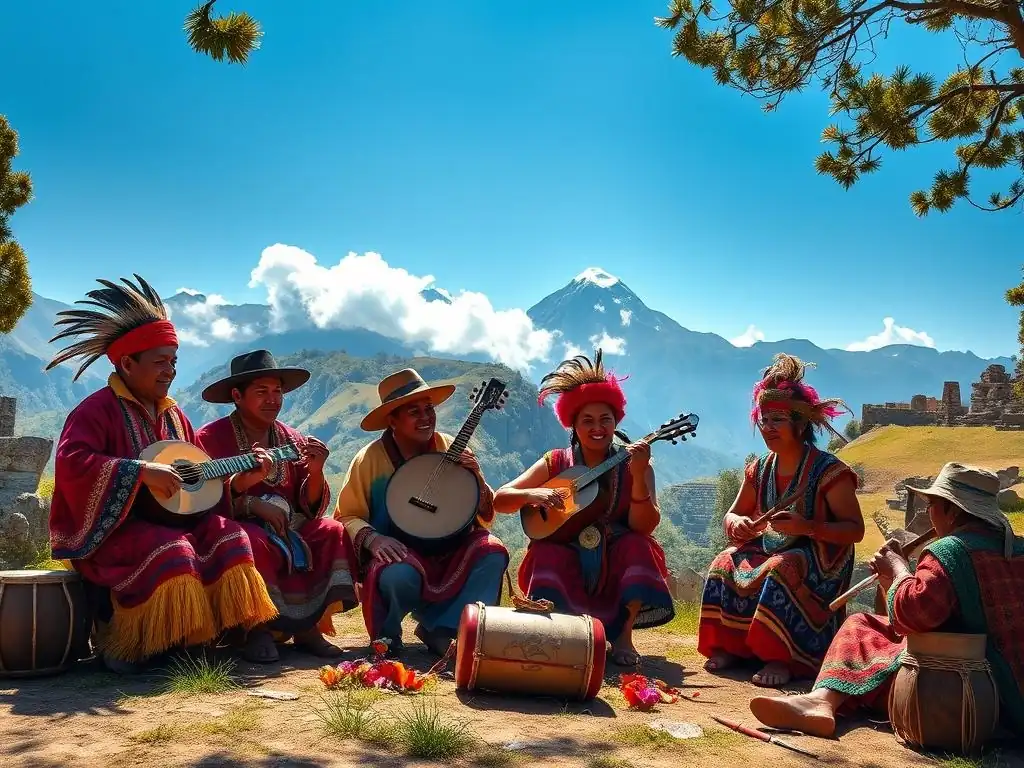
Welcome to Indigenous Civilizations of the Americas! Here, we invite you to embark on a captivating journey through the rich tapestry of indigenous cultures that flourished across the Americas long before European arrival. One of the most intriguing aspects of these vibrant societies is their music, a vital expression of identity and community.
In our featured article, “The Role of Music in Inca Society: Instruments and Traditions,” we delve into the fascinating world of Inca music, exploring the unique instruments and the traditions that shaped their cultural landscape. Prepare to be inspired as you discover how the echoes of the past continue to resonate in the present. Dive in and let the rhythm of history guide your exploration!
Introduction to Inca Music
Inca music played a vital role in the fabric of society, serving not only as a form of artistic expression but also as a means of communication, celebration, and spiritual connection. The music of the Inca civilization, which flourished from the early 15th century until the Spanish conquest in the 16th century, was an integral part of various aspects of daily life and cultural practices. From ceremonial rituals to agricultural festivities, music was omnipresent, reflecting the values, beliefs, and social structures of the Inca people.
Overview of Inca music and its significance
The significance of Inca music extends beyond mere entertainment; it was a powerful tool for storytelling and community bonding. Instruments such as the charango, pan flute, and drums were commonly used, each contributing unique sounds that resonated with the Andean landscape. Inca music encompassed a variety of genres and styles, often tied to specific events or purposes, such as:
- Religious ceremonies: Music accompanied rituals dedicated to the gods and ancestors.
- Festivals: Seasonal celebrations featured lively music that brought communities together.
- Daily activities: Work songs helped coordinate labor and uplift spirits during mundane tasks.
Importance of music in Inca culture and daily life
In the daily lives of the Inca people, music served multiple functions. It was not just an art form but also an essential part of education, with songs passed down through generations to teach moral lessons, history, and cultural values. Music was also deeply intertwined with Andean spirituality, as it was believed that certain rhythms and melodies could invoke the presence of deities, ensuring harmony with the natural world.
Inca music was often characterized by communal participation, where individuals came together to sing and play instruments, fostering a sense of unity and solidarity. As such, it played a crucial role in strengthening social bonds and reinforcing cultural identity among the diverse populations of the Inca Empire.
Historical Context of Inca Music
Understanding Inca music requires delving into its historical roots and the influences that shaped its development. The Inca civilization was not an isolated entity; rather, it evolved within a rich tapestry of cultural interactions with neighboring societies.
The origins of music in Inca civilization
The origins of music in Inca civilization can be traced back to ancient Andean cultures, where music was used in various forms of expression and communication. Archaeological findings suggest that music played a role in pre-Inca societies, with evidence of early instruments and ceremonial practices.
By the time of the Inca Empire, music had become more structured and sophisticated, with distinct styles emerging that reflected the diverse regions and communities within the empire. The Incas incorporated various musical elements, creating a unique sound that resonated with their cultural ethos.
Influence of pre-Inca cultures on Inca music traditions
The influence of pre-Inca cultures cannot be overstated when examining the evolution of Inca music traditions. Cultures such as the Nazca, Moche, and Wari contributed significantly to the musical landscape of the Andes, introducing different instruments, rhythms, and styles.
These interactions led to a rich fusion of musical traditions, where the Incas adapted and refined the sounds they inherited. This blending of influences allowed Inca music to thrive, resulting in a dynamic and diverse musical heritage that would leave a lasting impact on the Andean region, even after the fall of the Inca Empire.
By exploring the role of music in Inca society, we gain insight into the cultural richness and complexities of this remarkable civilization, as well as its enduring legacy in the modern world.
Inca Music Instruments
Overview of traditional Inca music instruments
Inca music was intricately woven into the fabric of their daily life, serving not only as a form of entertainment but also playing a pivotal role in religious and cultural ceremonies. The Inca civilization had a rich variety of musical instruments, each fulfilling specific functions and contributing to the overall soundscape of their society.
Key instruments included:
- Charango: A small stringed instrument made from the shell of an armadillo or wood, often used for folk music.
- Pan Flutes (Sikus): These were made from bamboo or other reeds, producing harmonious melodies that were often associated with communal gatherings.
- Drums (Bombo): Essential for both ceremonial and festive occasions, drums varied in size and were typically made from animal skins stretched over hollowed-out wood.
- Trumpets (Pututu): Made from conch shells or metal, these instruments were used to signal important events or to announce the presence of dignitaries.
- Clarinets (Zampoñas): Another type of pan flute, used for both sacred and secular music, known for its rich, resonant sound.
The craftsmanship involved in creating these instruments was highly regarded, with artisans passing down their skills through generations. Each instrument not only served a musical purpose but also held cultural significance, often linked to specific rituals or stories within Inca society.
Musical Styles and Traditions in Inca Society
Sacred Music: Role in Religious Ceremonies
Sacred music in Inca society was integral to their religious practices, deeply connected to their worship of deities such as Inti (the sun god) and Pachamama (the earth goddess). Music played a vital role in ceremonies, where it was believed to invoke divine presence and favor.
- Instruments Used: Sacred rituals often featured the charango, pan flutes, and various types of drums. The rhythms and melodies were carefully crafted to align with the spiritual intent of the ceremony.
- Chants and Songs: Accompanied by instruments, chants known as huaynos would be sung to honor the gods. These songs often recounted myths and historical events, reinforcing cultural identity and communal values.
The Inca used music to facilitate communication with the divine, creating a profound atmosphere during rituals that sought blessings for agriculture, health, and prosperity.
Folk Music: Expressing Everyday Life
Folk music served as a mirror to the everyday experiences of the Inca people, capturing the essence of their daily life, labor, and social interactions. This genre was characterized by its lively melodies and rhythms that encouraged participation and community bonding.
- Themes: Folk songs often revolved around themes of love, work, and nature, reflecting the agricultural lifestyle of the Inca. They would tell stories of harvests, festivities, and familial ties.
- Instruments and Participation: Instruments like the charango and drums accompanied communal gatherings, where people would engage in singing and dancing. The music was not merely for entertainment; it served as a way to transmit traditions and strengthen social cohesion among communities.
Folk music provided a platform for the Inca to express their identity, with songs often evolving to include contemporary experiences while still honoring their heritage.
Dance and Music: The Interconnection in Inca Celebrations
Music and dance were inseparable in Inca celebrations, highlighting the cultural importance of rhythm and movement. Ceremonial dances performed during festivals were often accompanied by live music, creating an immersive sensory experience.
- Types of Dances: Various dances celebrated agricultural cycles, religious observances, and military victories. Each dance had its own unique music, often featuring a combination of instruments like drums and flutes to create a vibrant atmosphere.
- Cultural Significance: These performances were integral to community identity, providing a sense of belonging and continuity. They allowed the Inca to celebrate their achievements, reinforce social hierarchies, and pass down cultural narratives through generations.
Through the interplay of music and dance, the Inca civilization was able to preserve its rich cultural heritage, ensuring that traditions remained alive and relevant in the hearts of its people.
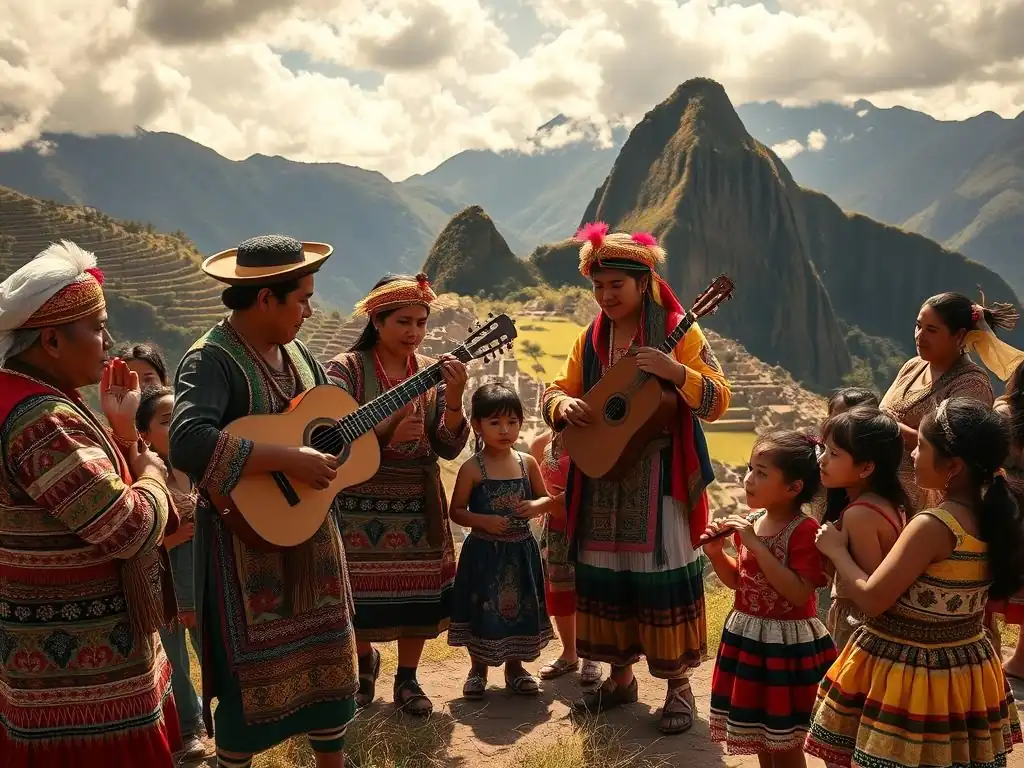
In Inca society, music played an integral role in both social and political realms, acting as a powerful medium for communication and a means of expressing cultural identity. The Incas utilized music during significant ceremonies, rituals, and festivals, reinforcing community bonds and collective memory. Music was not merely an art form; it was intertwined with the social fabric, often used in conjunction with dance and other forms of expression to convey messages and emotions.
Ceremonial music was especially important during state functions, where it served to legitimize the authority of the Sapa Inca, the emperor, and to celebrate achievements of the empire. The rhythmic sounds of various instruments could energize the populace, rallying them around a common cause or event, such as agricultural festivals or military parades. The distinct melodies played during these events helped to foster a sense of unity and shared identity among the diverse groups within the Inca Empire.
Music as a Tool for Communication and Storytelling
Inca music served as a vital tool for communication, conveying stories, beliefs, and historical narratives through song. Oral traditions were preserved and passed down through generations, with music acting as a mnemonic device that helped to ensure the continuity of Inca lore. Songs often depicted tales of creation, heroism, and the relationship between the people and their gods, encapsulating the spiritual and cultural essence of the Inca civilization.
In addition to storytelling, music was used to communicate messages during times of war or celebration. For instance, specific tunes would signal the start of a ritual or the mobilization of troops, while others would be reserved for honoring the deities or celebrating agricultural success. The ability of music to evoke emotions and create a sense of urgency made it an effective means of communication in various contexts.
The Influence of Music on Social Hierarchies and Power Structures
The social structures of the Inca Empire were closely tied to music, reflecting the hierarchical nature of their society. Certain musical forms and instruments were reserved for the elite, while others were more accessible to the general populace. The Sapa Inca and his nobles would often engage in elaborate musical performances, showcasing their power and status through the sophistication of their music and the quality of the instruments used.
Moreover, the distinction between different types of music often mirrored the social stratification of Inca society. For instance, ceremonial music associated with the nobility would typically feature more intricate arrangements and a wider variety of instruments, whereas the music of commoners might consist of simpler melodies played with basic instruments. This differentiation reinforced existing social hierarchies, as music became a means of expressing and maintaining power relations within the Inca community.
Preservation of Inca Music Traditions
The legacy of Inca music is not confined to the past; it continues to resonate within modern indigenous cultures of the Andes. The preservation of Inca music traditions serves as a testament to the resilience of these cultures in the face of colonization and cultural assimilation. Contemporary indigenous musicians often draw upon traditional Inca melodies, rhythms, and instruments, blending them with modern influences to create a rich, evolving musical landscape.
Continuation of Inca music in modern indigenous cultures
Many indigenous communities in the Andean region still incorporate Inca music into their daily lives, rituals, and celebrations. For example, festivals such as Inti Raymi, the Festival of the Sun, feature traditional music that echoes the sounds of Inca ancestors. Instruments like the pan flute (siku) and charango remain popular, serving both as a connection to cultural heritage and as a means of expressing contemporary identity.
These musical practices are not only vital for cultural continuity but also play a role in community cohesion. By participating in traditional music-making, members of these communities strengthen their ties to one another and their shared history, fostering a renewed sense of pride in their indigenous roots.
Efforts to preserve traditional instruments and music practices
In recent years, there have been numerous efforts to preserve traditional Inca musical instruments and practices. Organizations focused on cultural heritage are actively working to document and revive traditional music forms, ensuring that they are passed down to future generations. Workshops, festivals, and educational programs are being organized to teach younger generations about the significance of these traditions and the techniques involved in playing traditional instruments.
Additionally, collaborations between contemporary musicians and cultural historians are helping to bridge the gap between past and present, creating innovative musical expressions that pay homage to Inca roots while appealing to modern audiences. These efforts not only preserve the soundscape of the Inca civilization but also contribute to a broader understanding of its cultural impact on contemporary society.
Conclusion
Inca music, with its unique instruments and rich traditions, played a vital role in the social, spiritual, and cultural fabric of the Inca civilization. This vibrant musical heritage not only provided entertainment but also served important functions in religious ceremonies, agricultural rituals, and community gatherings. The intricate relationship between music and daily life for the Incas underscores its significance as a means of communication and expression.
Summary of the significance of Inca music instruments and traditions
Inca music instruments and traditions were essential in shaping the cultural identity of the Inca people. Instruments such as the charango, pan flutes, and drums facilitated communal participation and helped to convey the collective stories of the society. Music was intertwined with their beliefs, often invoking the spirits of nature and ancestors during rituals.
The significance of these instruments extended beyond mere sound; they were a means of preserving history, teaching values, and fostering unity among the diverse groups that comprised the Inca Empire. Overall, Inca music and its instruments were not just art forms but powerful cultural tools that reflected the values and aspirations of their society.
The lasting impact of Inca music on contemporary Andean cultures
The influence of Inca music continues to resonate within contemporary Andean cultures, where traditional instruments and musical styles are still celebrated and practiced. Many modern musicians draw inspiration from Inca melodies, rhythms, and instruments, ensuring that this rich heritage remains alive. Festivals, cultural events, and community gatherings often feature traditional Inca music, showcasing the enduring legacy of these ancient sounds.
Moreover, the resurgence of Andean music in the global arena has allowed for a broader appreciation of Inca musical traditions. Contemporary artists blend traditional and modern elements, creating a fusion that appeals to diverse audiences while paying homage to their roots. This cultural revival not only honors the past but also strengthens the identity of Andean peoples today, ensuring that the echoes of Inca music continue to be heard for generations to come.
- Introduction to Inca Music
- Historical Context of Inca Music
- Inca Music Instruments
- Musical Styles and Traditions in Inca Society
- The Role of Music in Social and Political Life
- Preservation of Inca Music Traditions
- Conclusion
Frequently Asked Questions
What types of instruments were commonly used in Inca music?
The Incas utilized a variety of musical instruments including the pan flute (siku), drums, and string instruments like the charango, which played a significant role in their musical traditions.
How did music influence Inca society?
Music was vital in Inca society for religious ceremonies, celebrations, and social gatherings, serving as a means of communication and a way to express cultural identity.
What are some traditional Inca music genres?
Inca music featured several genres, including ritualistic songs, dance music, and work songs, each reflecting different aspects of daily life and spiritual beliefs.
How was music passed down through generations in Inca culture?
Inca music traditions were primarily passed down orally, with elders teaching younger generations, ensuring the persistence of their cultural heritage and musical practices.
What is the significance of music in Inca rituals?
Music played a crucial role in Inca rituals, as it was believed to invoke the presence of deities and was integral to ceremonies that marked important life events and agricultural cycles.
Final Reflection: The Enduring Legacy of Inca Music Instruments and Traditions
The exploration of Inca music instruments and traditions reveals their profound significance in shaping cultural identity and community bonds. Today, as we navigate a world increasingly disconnected from its roots, the rhythms and melodies of the Inca civilization remind us of the power of music to unite and inspire. In a time when cultural heritage is often overshadowed by modernity, the legacy of Inca music stands as a testament to the resilience of human expression.
Cultural traditions, such as those found in Inca music, continue to resonate within contemporary society, influencing artists and communities alike. The intricate sounds of traditional instruments like the charango and panpipes not only evoke the spirit of the Andes but also serve as a bridge connecting past and present. Music can change the world because it can change people.
– Bono. This quote encapsulates the transformative power of music, highlighting how the Inca's musical heritage can inspire new generations to embrace their cultural identity and foster a sense of belonging.
As you reflect on the role of music in Inca society, consider how these traditions can enrich your own life. Embrace the lessons of unity and cultural pride that Inca music embodies. Whether through learning an instrument, participating in community events, or simply listening to traditional melodies, let the spirit of Inca music inspire you to connect with your roots and celebrate the diverse tapestry of human expression. The legacy of Inca music instruments and traditions is not just a relic of the past; it is a living, breathing force that can guide us toward a more harmonious future.
Unveil the Rhythms of Inca Culture!
Thank you for diving into the fascinating world of music in Inca society! By exploring the instruments and traditions that shaped their vibrant culture, you've unlocked a deeper understanding of how music resonated in their daily lives and spiritual practices. Now, let’s take that knowledge further and immerse ourselves in this rich heritage!
Here are a few practical ways to connect with Inca music and traditions:
- Listen actively: Discover traditional Inca music online and explore various instruments like the pan flute or the charango. Let the melodies transport you to the Andes!
- Share your findings: Engage friends and family by sharing interesting facts or recordings about Inca musical traditions on social media. Start a conversation about how music influences cultures worldwide!
- Join a community event: Look for local workshops or cultural events celebrating Andean music. Participating will not only deepen your appreciation but also connect you with others who share your interests.
What unique aspects of Inca music resonate with you, and how do you think these traditions influence modern music today?