
Myths and Legends: The Stories that Shaped Inca Identity and Culture

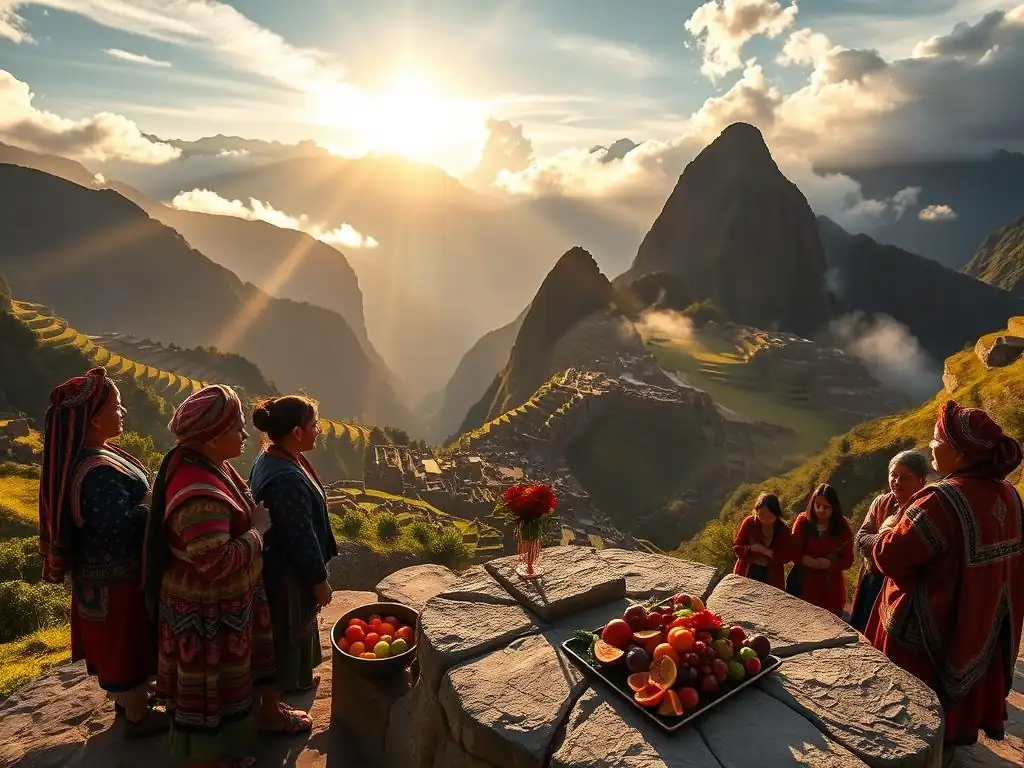
Welcome to Indigenous Civilizations of the Americas, where we invite you to embark on a captivating journey through the rich tapestry of pre-Columbian cultures. In this space, we delve deep into the Inca myths and legends, unveiling the enchanting stories that not only shaped the identity of the Inca people but also reflect their profound connection to the land and cosmos.
As you explore our feature article, "Myths and Legends: The Stories that Shaped Inca Identity and Culture," prepare to uncover the wisdom and artistry that flourished long before European encounters. Join us in celebrating these timeless narratives that continue to resonate today, and let your curiosity guide you through the vibrant history of the Americas.
- Introduction to Inca Myths and Legends
- Major Inca Myths that Shaped Identity
- Legends of Inca Heroes and Historical Figures
- Role of Myths in Inca Religion and Spirituality
- The Legacy of Inca Myths and Legends
- Conclusion: The Enduring Power of Inca Myths and Legends
- Frequently Asked Questions
- Final Reflection: The Enduring Legacy of Inca Myths and Legends
- Unleash the Power of Inca Myths and Legends!
Introduction to Inca Myths and Legends
The Inca civilization, known for its remarkable achievements in architecture, agriculture, and governance, also held a rich tapestry of myths and legends that played a crucial role in shaping its identity and cultural heritage. These narratives, passed down through generations, served not only as entertainment but also as vital tools for understanding the world, the divine, and the social order.
Inca myths and legends are infused with rich symbolism and moral lessons, reflecting the values, beliefs, and experiences of the Inca people. They illuminate how the Inca understood their relationship with nature, their gods, and each other, providing a profound insight into their worldview.
Understanding the Importance of Myths in Inca Culture
In Inca society, myths were not merely stories; they were an integral part of everyday life and cultural expression. These narratives served several key purposes:
- Cultural Transmission: Myths were a means of transmitting knowledge, values, and history from one generation to the next, ensuring that the wisdom of the ancestors was preserved.
- Explanation of Natural Phenomena: The Incas used myths to explain natural events such as earthquakes, floods, and the changing seasons, attributing these occurrences to the actions of gods or mythical beings.
- Social Cohesion: By sharing common myths, the Inca people fostered a sense of unity and identity, reinforcing communal bonds and shared beliefs.
- Ritual and Ceremony: Myths often played a central role in religious rituals and ceremonies, guiding the Inca in their interactions with the divine and their understanding of the cosmos.
Overview of Inca Identity and Cultural Heritage
The cultural heritage of the Inca civilization is richly woven with threads of mythology that reflect their unique identity. At the heart of this heritage lies the concept of Pachamama (Mother Earth) and Inti (the Sun god), both of whom are central figures in Inca mythology. These deities not only symbolized the Inca's reverence for nature but also represented the duality of life and death, fertility, and sustenance.
The myths and legends surrounding these deities and other figures, such as Viracocha, the creator god, and Mama Quilla, the moon goddess, illustrate the complex belief system that governed Inca life. Through these stories, we gain insight into the values of reciprocity, respect for the environment, and the importance of community within Inca society.
In understanding the intricate tapestry of Inca myths and legends, we uncover the essence of Inca identity—an identity that continues to influence Andean cultures today, echoing through rituals, festivals, and oral traditions. As we delve deeper into the world of Inca mythology, we reveal the intricate narratives that not only shaped the Inca civilization but also left a lasting legacy in the hearts and minds of its descendants.
Major Inca Myths that Shaped Identity
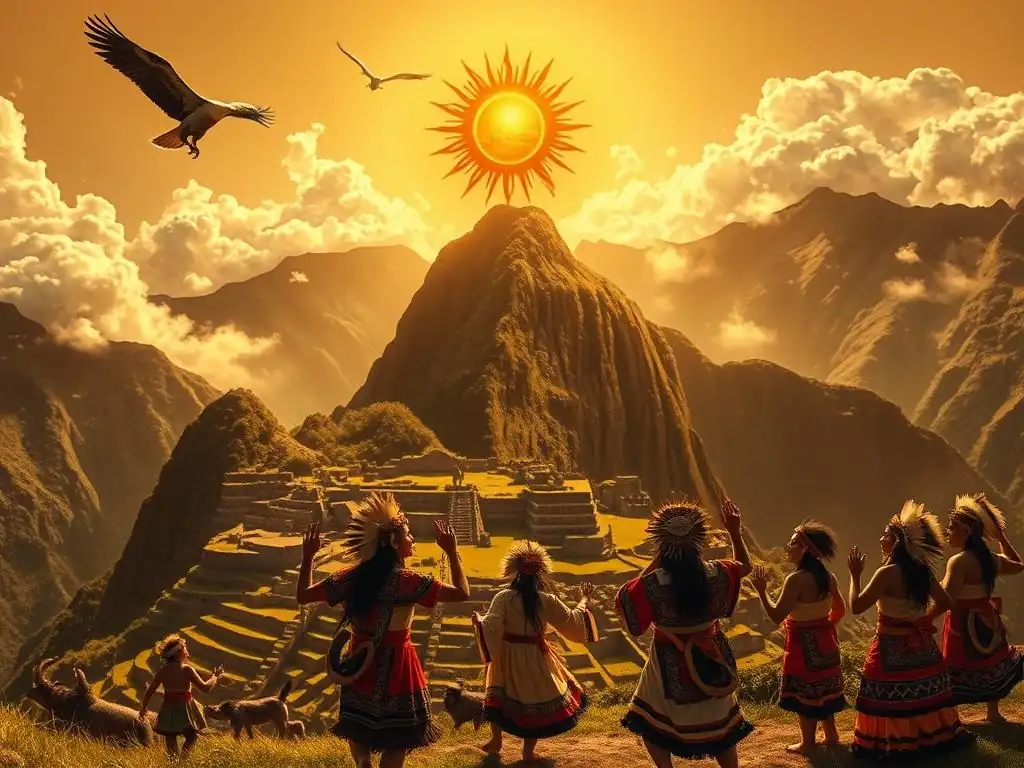
The Inca civilization, renowned for its rich culture and advanced societal structures, was deeply influenced by a variety of myths and legends that shaped their identity. These stories were not merely tales; they served as a foundation for understanding the world around them, influencing religious practices, agricultural cycles, and social hierarchies. Below, we delve into some of the most significant Inca myths that helped to shape their cultural identity.
The Creation Myth of the Inca Universe
The Inca creation myth is a profound narrative that outlines the origins of the world and the rise of the Inca people. According to this myth, the universe began in a state of chaos, known as “Hanan Pacha” (the upper world), “Kay Pacha” (the world of the living), and “Ukhu Pacha” (the inner world).
- Viracocha, the creator deity, emerged from the waters of Lake Titicaca, a significant site in Inca cosmology.
- He first created the sun, moon, and stars, illuminating the world with light.
- After forming the land and the animals, he crafted the first humans from stone, but they lacked spirit and emotion. Displeased, Viracocha destroyed them and created a second generation from clay, which ultimately became the ancestors of the Inca.
This creation myth emphasizes the connection between the Inca people and their environment, illustrating their belief in a world where gods directly influenced the natural order and humanity’s place within it.
The Legend of Inti: The Sun God and His Significance
Inti, the Sun God, is one of the most revered deities in Inca mythology, embodying light, warmth, and growth. He was considered the ancestor of the Inca rulers, and his worship was central to the Inca religious practices.
- The Sun God’s Journey: Inti was believed to travel across the sky each day, bringing light and fertility to the earth. His journey was celebrated in various rituals, particularly during the Inti Raymi festival, which honored the winter solstice and marked the beginning of the agricultural season.
- Sapa Inca’s Divine Right: The Sapa Inca, the emperor of the Inca, was considered the “Son of the Sun,” reinforcing his divine legitimacy and authority. This connection imbued the Inca government with a sacred dimension, as leaders were seen as intermediaries between the people and the divine.
The veneration of Inti highlights the importance of agriculture in Inca society, where reliance on the sun for crop growth was a matter of survival.
Pachamama: The Earth Goddess and Agricultural Prosperity
Pachamama, the Earth Goddess, represents fertility, agriculture, and the natural world in Inca mythology. She is often depicted as a nurturing mother who provides for her children through the bounty of the earth.
- Agricultural Cycles: The Inca believed that Pachamama was essential for agricultural prosperity. They conducted ceremonies to honor her, particularly during planting and harvest times. Offerings of food, llamas, and even chicha (a traditional fermented beverage) were common practices to appease her and ensure a good harvest.
- Balance and Reciprocity: The relationship between the Inca people and Pachamama was based on balance and reciprocity. The Incas viewed themselves as stewards of the earth, responsible for maintaining harmony with nature. This belief shaped agricultural practices and community life, emphasizing sustainable living and respect for the environment.
The reverence for Pachamama illustrates the interconnectedness of Inca identity with their land, reinforcing their reliance on the earth’s resources and the spiritual significance of nature in their daily lives.
These Inca myths and legends not only shaped cultural identity but also influenced societal norms, agricultural practices, and the spiritual lives of the Inca people. Understanding these narratives provides insight into the profound connection the Inca civilization had with their environment and the divine forces they believed governed their existence.
The Myth of Viracocha: The Creator and Civilizer
The myth of Viracocha is central to Inca cosmology and represents the foundational beliefs of the Inca civilization regarding creation and civilization itself. Often described as the supreme deity, Viracocha is credited with the creation of the world, the heavens, and all living beings. According to Inca mythology, Viracocha emerged from Lake Titicaca, a sacred body of water that holds significant importance in Andean culture. This origin story not only establishes his divine nature but also links him to the geographic and spiritual landscape of the Andes.
Viracocha's role extends beyond mere creation; he is also viewed as a civilizer who taught the Inca people essential skills such as agriculture, weaving, and the arts. His teachings were instrumental in shaping the social and cultural practices of the Inca civilization. In many versions of the myth, after completing his work on Earth, Viracocha traveled across the landscape, bringing order and civilization to the chaotic world. His journey symbolizes the transition from a primal state of existence to an organized society, reflecting the values and aspirations of the Inca people.
The reverence for Viracocha can be seen in various aspects of Inca culture, from architectural motifs to religious rituals. Temples dedicated to him, such as the famous Temple of Coricancha in Cusco, illustrate the importance of his worship. Festivals celebrating Viracocha often involved elaborate ceremonies, where offerings were made to honor him for the blessings of fertility and prosperity. These traditions highlight the integral role of the myth in reinforcing the Inca identity and their connection to the divine.
Moreover, the myth of Viracocha serves as a narrative framework within which the Inca understood their place in the world. It illustrates the belief in a higher power that governs the natural order, emphasizing the importance of harmony between humanity and the cosmos. This relationship is crucial in understanding how the Inca people conceptualized their existence, their responsibilities, and their aspirations as a civilization. The enduring legacy of Viracocha's myth continues to influence cultural expressions in the Andes, showcasing the lasting impact of Inca beliefs on contemporary Andean societies.
Legends of Inca Heroes and Historical Figures
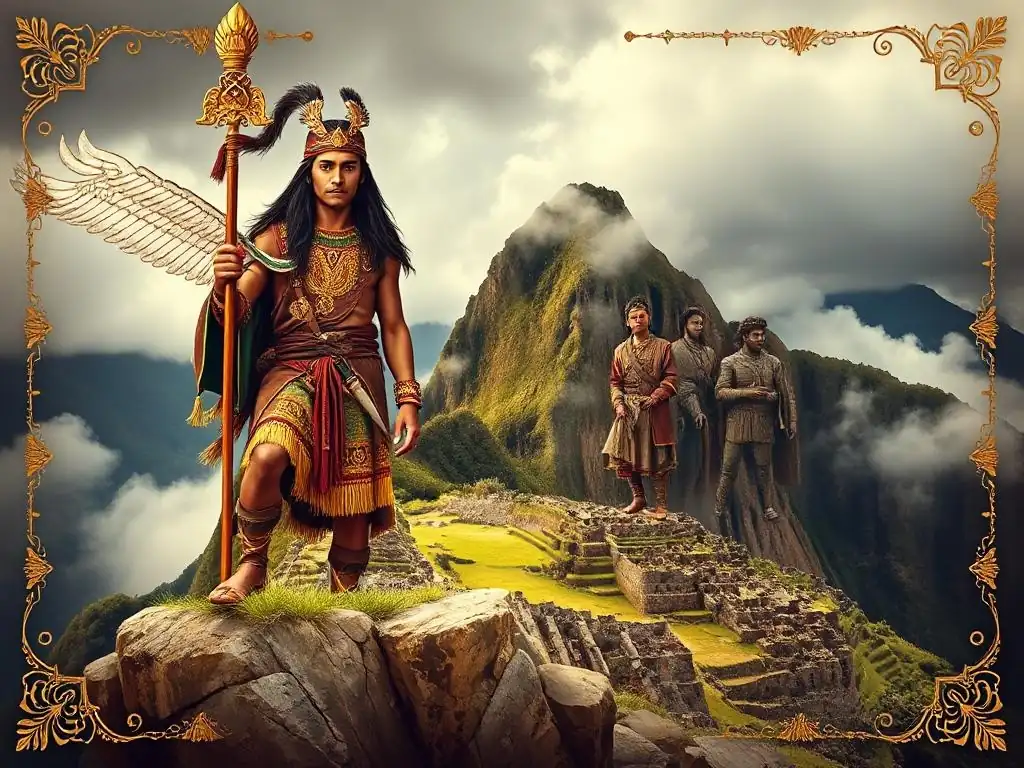
The rich tapestry of Inca culture is woven with numerous myths and legends that celebrate heroes and historical figures who played pivotal roles in shaping their civilization. These stories not only reflect the values and beliefs of the Inca people but also serve as a means of understanding their identity and cultural heritage. Through these legends, we can explore themes of leadership, unity, and the divine origins of the Inca rulers, particularly the veneration of ancestors and the reverence for nature.
The Story of Manco Cápac: The First Inca Ruler
Manco Cápac is revered as the legendary founder of the Inca Empire and is often depicted as a demigod, born from the sun god Inti. According to Inca mythology, he emerged from the waters of Lake Titicaca along with his sister and wife, Mama Ocllo. Together, they were tasked with civilizing the world, teaching agriculture, and establishing social order among the people.
Key Elements of Manco Cápac's Legend:
- Divine Origins: Manco Cápac is believed to be the son of Inti, the sun god, and Mama Quilla, the moon goddess. His celestial lineage reinforced the notion of divine rulership among the Incas.
- Journey to Cuzco: Manco Cápac and Mama Ocllo traveled northward from Lake Titicaca to the valley of Cuzco, where they founded the city that would become the heart of the Inca Empire.
- Agricultural Innovations: The legend emphasizes his contributions to agriculture, including the introduction of crops such as maize, potatoes, and quinoa. This agricultural knowledge was vital for sustaining the growing population of the Incas.
Through Manco Cápac's story, the Inca people understood their origins and the divine favor that legitimized their rule, fostering a sense of unity and cultural identity.
The Legend of Mama Ocllo: The Mother of Civilization
Mama Ocllo is often celebrated alongside Manco Cápac as a key figure in the establishment of Inca society. Her role transcends that of a mere consort; she is portrayed as a powerful and nurturing figure who embodies the essence of motherhood and civilization.
Key Aspects of Mama Ocllo's Legend:
- Cultural Contributions: Mama Ocllo is credited with teaching women the skills of weaving, cooking, and other essential domestic arts. Her teachings laid the foundation for social structures within Inca society.
- Symbol of Compassion: As a mother figure, she symbolizes compassion and care, reflecting the importance of familial bonds in Inca culture. Her character serves as a model for the ideal Inca woman.
- Connection to Fertility: Inca myths often associate Mama Ocllo with fertility and agriculture, emphasizing her role in ensuring bountiful harvests and the prosperity of the community.
Mama Ocllo's legend reinforces the significance of gender roles and the interdependence of men and women in the prosperity of Inca society, highlighting the balance of power and respect within their culture.
The Tale of the Seven Inca Brothers: Unity and Strength
The tale of the Seven Inca Brothers is a poignant story that illustrates the themes of unity and the strength of family ties within Inca mythology. This legend speaks to the trials and tribulations faced by the brothers, who represent different virtues and strengths.
Notable Elements of the Seven Inca Brothers' Tale:
- Siblings' Quest: The seven brothers embark on a journey to find their lost father, demonstrating loyalty and dedication to family. Their adventures are filled with challenges that test their resolve and unity.
- Symbolic Virtues: Each brother embodies distinct virtues such as bravery, wisdom, and perseverance. Together, they symbolize the ideal qualities that the Inca people aspired to cultivate within their society.
- Cultural Significance: The story emphasizes the importance of cooperation and collective strength in overcoming adversity, a value that resonated deeply within Inca culture as they faced external challenges.
Through the tale of the Seven Inca Brothers, the Inca civilization conveyed the importance of familial bonds, cooperation, and the strength found in unity, which were essential for a society that thrived in the face of adversity.
These legends not only enriched the cultural landscape of the Inca civilization but also served as foundational narratives that shaped the identity and values of the Inca people. The stories of Manco Cápac, Mama Ocllo, and the Seven Inca Brothers continue to resonate, reflecting the enduring legacy of Inca myths and legends in understanding their remarkable civilization.
Role of Myths in Inca Religion and Spirituality
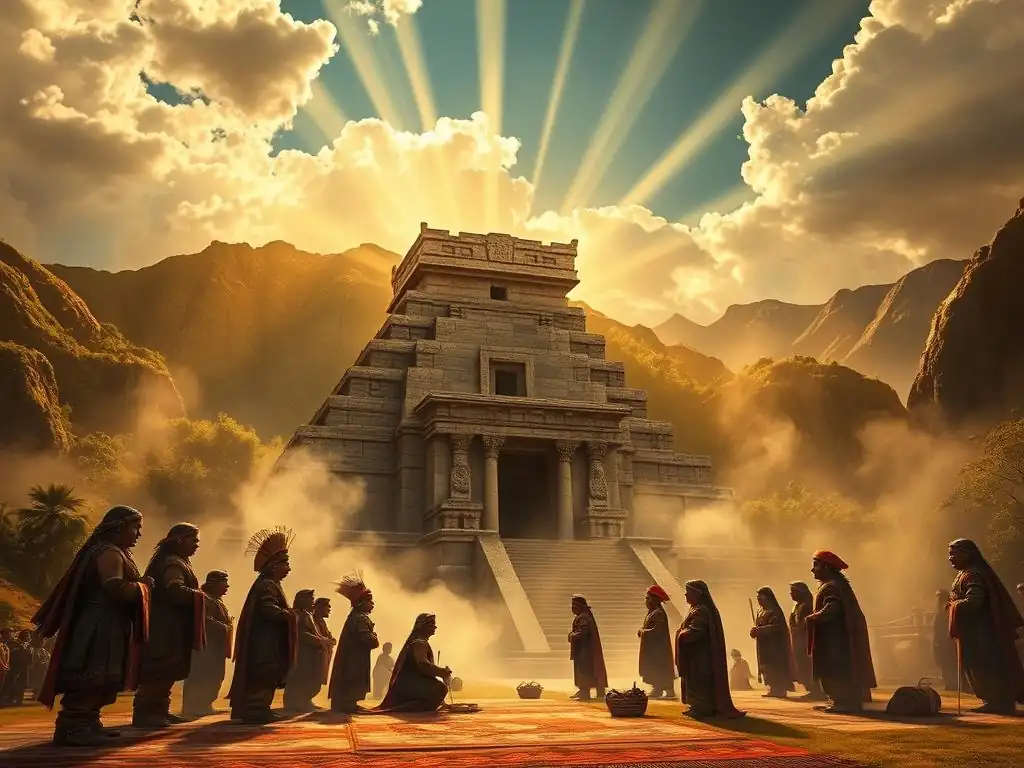
Inca myths and legends played a pivotal role in shaping the religion and spirituality of the Inca civilization. These narratives not only served as a means of explaining the natural world but also established a framework for understanding the divine and the universe. The Incas believed that their myths were more than just stories; they were a reflection of their identity and a guide for their spiritual practices.
At the core of Inca spirituality was the belief in a pantheon of gods, each associated with different aspects of life and nature. For instance, Inti, the sun god, was revered as the giver of life and the protector of the Inca people, while Pachamama, the earth goddess, represented fertility and agriculture. These deities were often depicted in myths that explained their origins, relationships, and the roles they played in the cosmos.
How Inca Myths Influenced Religious Practices
Inca religious practices were deeply intertwined with their myths. The stories recounted the creation of the world, the deeds of gods, and the origins of the Inca people, thereby influencing rituals and ceremonies. For instance, the myth of Viracocha, the creator god, emphasized the importance of water and agriculture, leading to rituals that honored natural elements essential for farming.
- Ritual Offerings: Myths dictated the types of offerings made to appease the gods. These could include:
- Food and drink: Chicha (a fermented corn beverage) and other crops were offered during ceremonies to honor deities.
- Animal sacrifices: Llamas were frequently sacrificed to invoke favor from the gods, reflecting the belief that their blood could nourish the earth and the divine.
- Divination Practices: Inca myths also influenced methods of divination, where priests interpreted signs from the gods. These interpretations were often rooted in mythical stories, guiding the Incas in making decisions regarding warfare, agriculture, and governance.
The Connection Between Myths and Rituals in Inca Society
The connection between myths and rituals in Inca society was profound. Rituals were seen as a way to enact the narratives of their myths, thereby reinforcing cultural identity and communal values. The Incas performed numerous rituals throughout the year, many of which were directly derived from mythological narratives.
- Seasonal Festivals: Many rituals were aligned with agricultural cycles and linked to myths about creation and fertility. For example:
- Inti Raymi (Festival of the Sun): This celebration honored Inti and marked the winter solstice, reflecting the myth of Inti's return to bless the crops.
- Pachamama Raymi: A festival dedicated to Pachamama, where offerings were made to ensure a good harvest, echoing the myths surrounding her role in fertility.
- Community Involvement: These rituals were often communal events, involving the entire Inca society, thus reinforcing social bonds and a shared cultural identity through the collective retelling of their myths.
The Impact of Myths on Inca Festivals and Celebrations
Inca festivals were vibrant expressions of their myths, showcasing the integration of their beliefs into daily life and societal structure. Each festival was carefully planned around significant mythological events, ensuring that the stories were kept alive through performance and celebration.
- Cultural Significance: Festivals like Qoyllur Rit'i not only celebrated agricultural cycles but also recounted the myth of the stars and their connection to human life. This festival was a blend of indigenous beliefs and the reverence of the natural world, highlighting the importance of myth in cultural expression.
- Economic Impact: The festivals also had economic implications as they brought communities together, fostering trade and exchange. The preparation for these events often involved significant agricultural output, which was celebrated through feasting and communal gatherings.
- Integration of Music and Dance: Myths were often conveyed through songs and dances performed during these festivals, creating a multi-sensory experience that reinforced the narratives. The rhythms and movements acted as a medium for storytelling, making the myths accessible and engaging for all participants.
Inca myths and legends were fundamental to the understanding of their religion and spirituality. They shaped rituals, influenced societal practices, and were integral to the vibrant festivals that celebrated their rich cultural heritage. The enduring legacy of these myths continues to influence contemporary perceptions of the Inca civilization, underscoring their significance in shaping identity and community.
The Legacy of Inca Myths and Legends
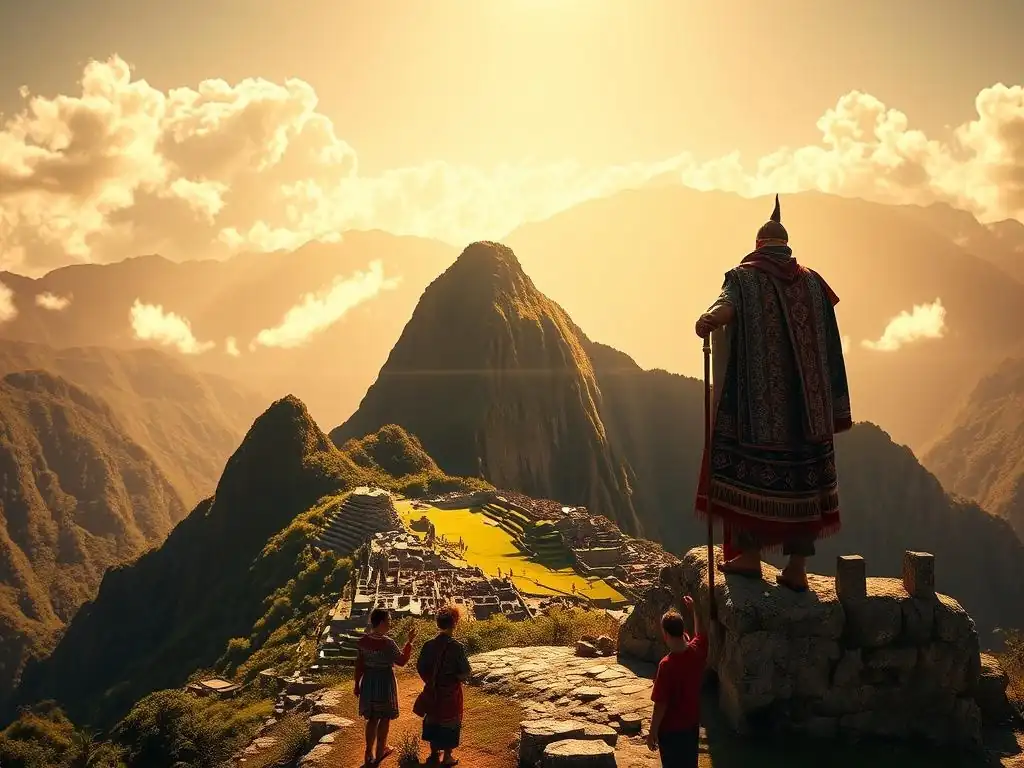
How Inca Myths Continue to Influence Modern Indigenous Cultures
Inca myths and legends hold a profound significance that transcends time, continuing to shape the identities and cultural practices of modern indigenous communities in the Andes. The narratives of gods, creation, and ancestral heroes serve as foundational stories that inform current social and spiritual life. For example, many Andean communities still honor Inti, the sun god, in agricultural rituals, believing that his blessings are essential for a bountiful harvest. These practices highlight the continuity of mythological themes that originated in the Inca civilization.
Indigenous artists and storytellers often draw inspiration from Inca myths, incorporating them into contemporary art forms such as textiles, music, and dance. This preservation of mythological elements not only celebrates cultural heritage but also fosters a sense of unity and pride among community members. The oral tradition remains vital, with elders recounting tales of Viracocha, the creator god, and other deities, ensuring that younger generations remain connected to their historical roots.
- Key Themes in Modern Practices:
- Agricultural Rituals: Celebrations tied to the cycles of nature.
- Art and Storytelling: Reinterpretation of ancient myths in modern contexts.
- Cultural Identity: Strengthening community bonds through shared narratives.
The Role of Mythology in Preserving Inca History
Inca mythology acts as a vital repository of history, encapsulating the values, beliefs, and societal structure of the Inca Empire. Through myths, the Incas conveyed their understanding of natural phenomena, social order, and moral lessons. The tale of Atahualpa and the divine right of kings serves not just as a historical account but also reinforces the legitimacy of rulership within the Inca tradition.
Moreover, mythology plays a crucial role in the preservation of language and tradition. The stories often incorporate Quechua language elements, ensuring that the linguistic heritage accompanies the cultural narratives. This preservation is instrumental in revitalizing interest in both the language and the historical context of the Inca civilization.
- Functions of Inca Myths:
- Historical Documentation: Myths serve as allegorical records of significant events.
- Moral and Ethical Guidance: Embedded lessons reflect societal values.
- Language Preservation: Continued use of indigenous languages in storytelling.
Contemporary Interpretations of Inca Myths and Legends
The reinterpretation of Inca myths in contemporary settings reflects broader societal changes and the evolving identity of indigenous peoples in South America. Artists and scholars are increasingly engaging with these myths, examining their relevance in today's world. For instance, the story of Mama Quilla, the moon goddess, is often revisited in discussions about gender roles and the empowerment of women in indigenous societies.
Additionally, modern literature and cinema have begun to explore Inca myths, offering new perspectives that resonate with contemporary audiences. These interpretations not only honor the original stories but also adapt them to address current cultural and social issues, fostering dialogue and understanding across different communities.
- Examples of Contemporary Works:
- Literature: Novels that weave Inca themes into modern narratives.
- Film and Media: Documentaries that explore Inca mythology's impact on current societal norms.
- Cultural Festivals: Events that celebrate both ancient and modern interpretations of Inca legends.
Through these interpretations, the legacy of Inca myths and legends continues to thrive, bridging the past with the present and ensuring that the wisdom of the ancients informs the lives of future generations. Each retelling serves as a testament to the enduring influence of Inca myths on the cultural landscape of the Americas.
Conclusion: The Enduring Power of Inca Myths and Legends
Reflecting on the Cultural Significance of Inca Myths
Inca myths and legends are not merely stories; they are a profound reflection of the culture, values, and beliefs of the Inca civilization. These narratives served as a means to explain natural phenomena, instill moral values, and reinforce social hierarchies. The stories of deities such as Inti, the sun god, and Pachamama, the earth goddess, illustrate the Incas' deep connection to nature and their understanding of cosmic balance.
The Inca myths often emphasized themes of creation, duality, and the importance of reciprocity. For instance, the myth of Viracocha, the creator god, encapsulates the belief in a singular divine force that shapes the world. This narrative not only provided a framework for understanding existence but also instilled a sense of unity among the Inca people.
Moreover, these myths were integral to ritual practices and community gatherings, reflecting the importance of oral tradition in preserving cultural heritage. Through storytelling, the Incas passed down knowledge from generation to generation, ensuring that the values embedded in these myths remained alive and relevant.
The Ongoing Relevance of Inca Myths in Today’s Society
In contemporary society, Inca myths and legends continue to resonate, influencing modern cultural expressions, art, and spirituality. Many indigenous communities in the Andes uphold these narratives, integrating them into their daily lives and rituals. The resurgence of interest in ancestral traditions has led to a revival of Inca mythology in various forms, including literature, theater, and visual arts.
Moreover, the themes present in these myths—such as harmony with nature, respect for ancestors, and community solidarity—are increasingly relevant in today's world, particularly in discussions surrounding environmental sustainability and cultural preservation. Many activists draw on Inca mythology to advocate for a deeper understanding of ecological interconnectedness, mirroring the Inca belief that humanity is just one part of a larger, interdependent system.
In addition, the global interest in indigenous cultures has led to a broader appreciation of Inca myths as essential components of world heritage. Educational initiatives and cultural exchanges highlight the significance of these stories, fostering a greater awareness of the richness of Inca civilization and its contributions to humanity.
In summary, Inca myths and legends are not only historical artifacts; they are living narratives that continue to shape identities and inspire new generations. Their enduring power lies in their ability to connect the past with the present, providing valuable insights into the human experience.
Frequently Asked Questions
What are Inca myths and legends?
Inca myths and legends encompass a rich tapestry of stories that explain natural phenomena, the origins of their civilization, and the values upheld by Inca society.
How did Inca myths influence their culture?
Inca myths played a crucial role in shaping social norms, religious practices, and political structures within their society, reinforcing their identity and communal ties.
Who were the main deities in Inca mythology?
Inca mythology featured key deities like Inti (the sun god), Pachamama (the earth goddess), and Viracocha (the creator god), each symbolizing vital aspects of life and nature.
What role did oral tradition play in preserving Inca legends?
Oral tradition was essential for passing down myths and legends, ensuring that stories of courage, wisdom, and cultural heritage were preserved across generations.
How do Inca myths and legends impact modern understanding of their culture?
Studying Inca myths and legends provides insight into their worldview, values, and the socio-political landscape, allowing for a deeper appreciation of their cultural legacy today.
Final Reflection: The Enduring Legacy of Inca Myths and Legends
Inca myths and legends are not merely tales of the past; they are the very fabric that weaves together the identity and culture of a civilization that continues to resonate today. As we navigate a world increasingly disconnected from its roots, these stories remind us of the power of narrative in shaping our understanding of heritage, community, and the human experience. The rich tapestry of Inca mythology serves as a testament to the resilience of cultural identity, urging us to explore and celebrate the narratives that define us.
The influence of Inca myths and legends extends far beyond the borders of Peru; they have permeated the cultural landscape of South America and beyond, inspiring art, literature, and even modern spirituality. These stories invite us to reflect on our own identities and the myths we carry within us. As the renowned author Isabel Allende once said, "> We are all a part of the stories we tell, and those stories shape who we are." This observation underscores the importance of preserving and sharing these narratives, as they continue to inform our values, beliefs, and connections to one another.
As you reflect on the themes explored in this article, I encourage you to consider the myths and legends that shape your own identity. What stories resonate with you, and how do they influence your understanding of yourself and your community? By engaging with these narratives, we not only honor the past but also empower ourselves to create new stories that reflect our evolving identities. Let us embrace the lessons of the Inca myths and legends, allowing them to inspire us to forge deeper connections with our heritage and with one another as we move forward into the future.
Unleash the Power of Inca Myths and Legends!
Thank you for delving into the rich tapestry of Inca myths and legends! By exploring these captivating stories, you've gained valuable insights into how they shaped the identity and culture of the Inca people. Now, it’s time to take that understanding further. Here’s how you can deepen your connection to this incredible heritage:
- Join a local cultural event or festival to experience Inca traditions firsthand and engage with the community.
- Share your newfound knowledge with friends or on social media—start conversations around Inca myths to inspire others!
- Dive deeper: explore more Indigenous legends from the Americas that resonate with similar themes, connecting dots across cultures.
What myth or legend piques your curiosity, and how does it relate to your own cultural background? Let's spark a meaningful conversation!