
The Role of the Ajaw: Understanding the Significance of Mayan Kingship

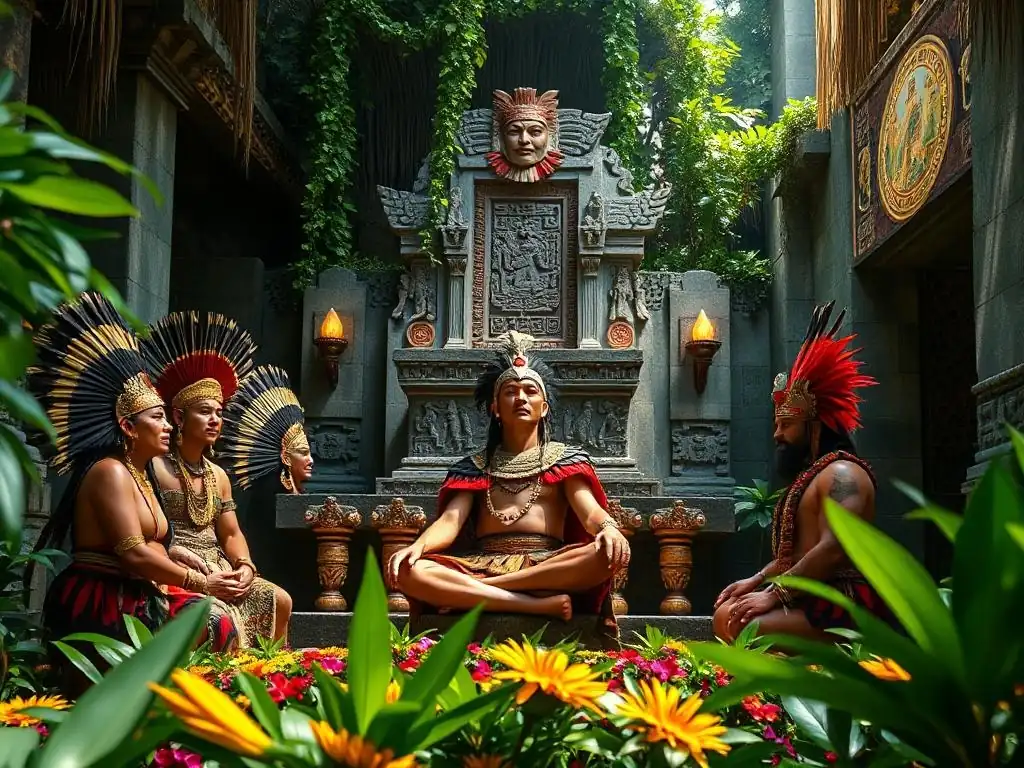
Welcome to Indigenous Civilizations of the Americas, where we invite you on a fascinating journey through the rich tapestry of indigenous cultures that flourished long before European contact. In our featured article, “The Role of the Ajaw: Understanding the Significance of Mayan Kingship,” we delve into the intricate web of Mayan society and the pivotal role of kingship within their culture.
Discover how these ancient leaders shaped spiritual beliefs, governance, and daily life, leaving an indelible mark on the legacy of the Americas. Join us as we unravel the mysteries and marvels of the Mayan civilization—your exploration of their enduring influence begins here!
Introduction to Mayan Kingship
Mayan kingship, epitomized by the term Ajaw, represents a complex and integral aspect of the political and cultural landscape of the Maya civilization. This system of governance was not merely a political hierarchy but a profound reflection of the social, religious, and economic frameworks that defined ancient Maya life.
The Ajaw served as a unifying figure, symbolizing authority, divine connection, and cultural continuity, while influencing the daily lives of the Maya people. Understanding the significance of Mayan kingship is essential for appreciating how these leaders shaped their societies and left an enduring legacy that continues to resonate in contemporary discussions of indigenous cultures.
Definition of Ajaw and Its Role in Mayan Society
The term Ajaw (or Ajawil) translates to "lord" or "king" in the Maya language, signifying the highest rank within the sociopolitical hierarchy. The Ajaw was not just a ruler but also a spiritual leader, believed to be a direct descendant of the gods. This divine association granted the Ajaw tremendous authority and responsibility, including:
- Leadership in Warfare: The Ajaw was often the commander of military campaigns, defending the city-state and expanding its territory.
- Religious Duties: As the intermediary between the gods and the people, the Ajaw performed rituals to ensure agricultural fertility and societal harmony.
- Economic Oversight: The Ajaw played a crucial role in managing trade, tribute systems, and resource allocation, fostering economic stability within the realm.
The multifaceted role of the Ajaw highlights the intertwining of governance and spirituality in Maya society, illustrating how kingship was deeply embedded in the cultural fabric of the civilization.
Overview of Mayan Kingship Significance in Culture
Mayan kingship holds profound significance in the culture of the Maya civilization, influencing various aspects of life, including art, architecture, and social structures. The Ajaw was often commemorated in monumental architecture, such as pyramids and palaces adorned with intricate carvings and inscriptions, celebrating their accomplishments and divine right to rule. This cultural expression underscored the Ajaw's role as a central figure in maintaining societal order and religious practices.
Further, the significance of kingship can be seen in:
- Cultural Identity: The Ajaw embodied the identity of the city-state, promoting a sense of belonging among the populace.
- Historical Legacy: The achievements of individual Ajaw are well-documented in the Maya glyphs and codices, providing insights into the governance, diplomacy, and conflicts of the time.
- Social Hierarchy: The kingship system reinforced social stratification, with the Ajaw at the apex, influencing the roles of nobles, priests, and commoners in society.
Historical Context of Mayan Kingship
To fully grasp the significance of Mayan kingship, it is essential to explore its historical context, tracing the origins and evolution of this pivotal institution within the Maya civilization.
Origins of Mayan Political Structure
The political structure of the Maya civilization emerged from complex socio-political dynamics in the Preclassic period (circa 2000 BCE to 250 CE). Early Maya societies were organized into small chiefdoms, where leadership was often based on lineage and communal consensus. As these societies evolved, the role of the Ajaw began to crystallize, characterized by:
- Centralization of Power: The consolidation of authority in the hands of a single ruler marked a shift from collective leadership to a more hierarchical structure.
- Territorial Expansion: The rise of city-states led to the establishment of kingdoms, necessitating stronger leadership to manage resources and security.
- Cultural Integration: The Ajaw became a pivotal figure in uniting diverse groups under a common cultural and political identity, fostering trade and alliances.
These early developments laid the groundwork for the later, more complex systems of kingship seen in the Classic period (250 CE to 900 CE).
Evolution of Kingship in the Maya Civilization
As the Maya civilization flourished, the institution of kingship underwent significant transformations. The Classic period saw the emergence of powerful city-states, each ruled by an Ajaw who wielded considerable influence. Key aspects of this evolution included:
- Ritualization of Power: The Ajaw's authority became increasingly intertwined with religious practices, emphasizing their divine status and the necessity of their role in maintaining cosmic order.
- Political Alliances: The formation of alliances through marriage and diplomacy became common, strengthening the political landscape and enhancing the Ajaw's power.
- Cultural Flourishing: This period also witnessed remarkable achievements in art, astronomy, and architecture, often commissioned by the Ajaw to commemorate their reign and divine favor.
The evolution of kingship in the Maya civilization reflects a dynamic interplay of politics, culture, and spirituality, underscoring the enduring significance of the Ajaw in shaping the course of Mayan history.
The Ajaw: Characteristics and Responsibilities
The Ajaw, or king, was a central figure in the political and social structure of the Maya civilization. Characterized by a unique blend of divine authority and earthly power, the Ajaw held responsibilities that spanned governance, religion, and military leadership. This dual role allowed the Ajaw to maintain control over their city-states, ensuring stability and prosperity within their domains.
The characteristics of an Ajaw included not only noble lineage but also a deep connection to the gods and the cosmos. Ajaws were often seen as intermediaries between the divine and the people, responsible for maintaining the favor of the gods through ritual and sacrifice. Their responsibilities included overseeing agricultural production, managing trade relations, and leading their people in times of war. The Ajaw was also expected to embody the virtues of the Maya, such as wisdom, strength, and justice, which were essential for earning the respect and loyalty of their subjects.
The Divine Authority of the Ajaw
The divine authority of the Ajaw was a fundamental aspect of Mayan kingship significance in culture. This concept was rooted in the belief that the Ajaw was chosen by the gods to rule, which imparted a sacred legitimacy to their reign. The Ajaw was often associated with specific deities, such as the Sun God or the Maize God, and their rule was believed to directly influence the fertility of the land and the well-being of the people.
Rituals and ceremonies played a crucial role in reinforcing the divine status of the Ajaw. These included elaborate public ceremonies, where the Ajaw would don ceremonial garb and participate in rituals that demonstrated their connection to the divine. Such events often involved offerings, bloodletting, and other acts intended to appease the gods. The Ajaw's ability to communicate with the divine was not only vital for their personal authority but also for the overall stability and success of their city-state.
Political, Religious, and Military Roles of the Ajaw
The political, religious, and military roles of the Ajaw were intertwined and critical to the functioning of Maya society. Politically, the Ajaw acted as the supreme ruler and chief decision-maker, responsible for law enforcement and the administration of justice. They presided over councils of nobles and were involved in diplomatic relations with neighboring city-states, often negotiating alliances or engaging in warfare.
Religiously, the Ajaw performed essential rituals to ensure the favor of the gods. They led ceremonies that marked important agricultural cycles and societal events, reinforcing their spiritual authority. The Ajaw's role as a religious leader was pivotal in maintaining societal cohesion, as their actions were believed to directly impact the community's prosperity.
Militarily, the Ajaw was expected to lead their warriors into battle, demonstrating both bravery and strategic acumen. Successful military campaigns could enhance the Ajaw's prestige and secure vital resources for their city-state. The Ajaw's prowess in warfare was celebrated in art and architecture, often depicted in inscriptions and murals that highlighted their victories and divine favor.
Significance of Mayan Kingship in Cultural Identity
The significance of Mayan kingship in cultural identity cannot be overstated. The institution of the Ajaw was not merely a political structure; it was a fundamental aspect of what it meant to be Maya. The Ajaw embodied the collective identity of the people, acting as a focal point for their cultural beliefs, practices, and social organization.
Through the Ajaw, the Maya were able to cultivate a rich cultural heritage that included art, architecture, and storytelling. The grandeur of pyramids and plazas in city-states reflected the power of the Ajaw and served as a reminder of their divine right to rule. This deep connection between kingship and cultural identity fostered a sense of belonging and continuity among the Maya, even as different city-states maintained their unique characteristics.
The Ajaw as a Symbol of Unity and Leadership
The Ajaw served as a powerful symbol of unity and leadership within the Mayan civilization. As a central figure, the Ajaw represented the interests of their people, acting as a mediator in conflicts and a promoter of communal values. Their leadership style often emphasized the importance of collaboration among the nobility, ensuring that the various factions within the city-state worked towards common goals.
The symbolism of the Ajaw extended beyond political leadership; they were seen as the embodiment of Maya values and traditions. The Ajaw's actions and decisions were believed to reflect the collective will of the people, creating a sense of shared identity. This unity was crucial in maintaining social order and cohesion, particularly during times of crisis or external threats.
Cultural Practices Surrounding Kingship
Cultural practices surrounding kingship were integral to the significance of the Ajaw in Mayan society. These practices included ceremonial rites, festivals, and public displays of power that reinforced the authority of the Ajaw and their divine connection. Rituals such as the k’uhul ajaw (holy lord) ceremony emphasized the sacred nature of the Ajaw's role, showcasing their responsibilities in maintaining harmony between the human and divine realms.
Additionally, the construction of monumental architecture, such as temples and palaces, served as a tangible expression of the Ajaw's power and the cultural values of the Maya. These structures were not only places of worship and governance but also centers of cultural expression, where art and architecture conveyed the significance of the Ajaw's reign.
Through these cultural practices, the Ajaw was not only a political figure but also a cultural icon, representing the rich tapestry of Mayan civilization. The enduring legacy of the Ajaw's significance in culture continues to be a source of pride and identity for the descendants of the Maya today.
The Influence of Mayan Kingship on Society
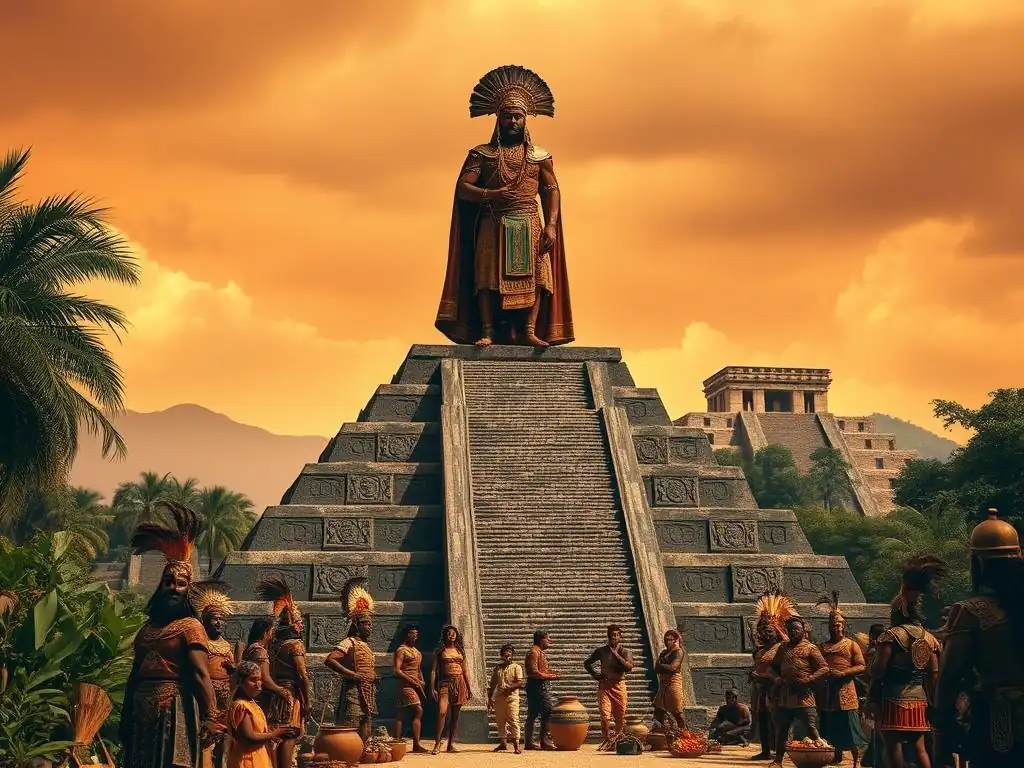
Mayan kingship was a central pillar in the structure of Mayan society, influencing various aspects of life, including religion, governance, and social organization. The Ajaw, or king, was not only a political leader but also a divine figure, believed to be a direct descendant of the gods. This belief imbued the Ajaw with significant authority, allowing him to enact laws and make decisions that affected the entire community.
The Ajaw's role extended beyond mere governance; he was integral to religious rituals and ceremonies. The king often acted as the primary mediator between the gods and the people, conducting rituals that were believed to ensure agricultural fertility and societal stability. This connection to the divine reinforced the social hierarchy, as commoners viewed the Ajaw as indispensable for maintaining harmony within their world.
Moreover, the kingship structure facilitated the organization of labor and resources, essential for the construction of monumental architecture and the development of trade networks. The Ajaw's ability to mobilize resources and labor was crucial for building cities, temples, and other significant structures, marking the cultural and political landscape of the Maya.
The Role of the Ajaw in Social Hierarchy
In the intricate social hierarchy of the Maya, the Ajaw occupied the highest position, often supported by a network of nobles and priests. This elite class was responsible for local governance, administration, and the implementation of the king's decrees. Below them were the commoners, who engaged in agriculture, craftsmanship, and trade, forming the backbone of the Mayan economy.
The relationship between the Ajaw and the nobility was symbiotic. Nobles provided military support and local governance, while the Ajaw granted them land and status. This mutual dependency solidified the social structure, where loyalty and service to the king were rewarded with power and privilege.
Additionally, the role of the Ajaw was critical in maintaining social order. The king's authority was often reinforced through displays of power, such as military conquests or public ceremonies, which served to legitimize his reign and suppress dissent. This hierarchical structure fostered a sense of belonging and identity among the Maya, as the community rallied around their king.
Economic Implications of Mayan Kingship
The economic framework of the Maya was heavily influenced by kingship. The Ajaw had control over land distribution, which was vital for agriculture, the lifeblood of Mayan society. This control allowed the king to allocate land to nobles and commoners, thereby shaping the agricultural output of the region.
Trade was another significant aspect of the economy influenced by the Ajaw. Under the king's direction, trade routes were established, facilitating the exchange of goods such as cacao, textiles, and obsidian. The Ajaw often engaged in diplomatic relations with other city-states, which could lead to lucrative trade agreements and alliances.
Furthermore, the king's role in taxation was crucial for the economy. The Ajaw imposed taxes on agricultural produce and trade, which funded public projects and religious ceremonies. This economic system not only supported the elite but also ensured that the commoners contributed to the prosperity of their society.
The Decline of Mayan Kingship
The decline of Mayan kingship was a complex process influenced by various internal and external factors. As population pressures increased and resources became scarcer, the once-mighty city-states began to experience significant challenges that undermined the authority of the Ajaw.
Factors Contributing to the Decline of the Ajaw's Power
Several factors contributed to the decline of the Ajaw's power. Environmental degradation, including deforestation and soil depletion, severely impacted agricultural productivity. As food shortages emerged, social unrest grew, leading to challenges against the Ajaw's authority.
Additionally, increased warfare among rival city-states weakened the political structure. The once-unified kingdom became fragmented as different factions vied for control, diminishing the king's influence. The rise of local leaders and the erosion of centralized power further destabilized the traditional governance system.
Moreover, the introduction of new ideologies and belief systems began to challenge the divine right of the Ajaw. As the Maya faced crises, their faith in the kingship as a stabilizing force waned, leading to a gradual decline in the reverence for the Ajaw.
Lasting Legacy of Mayan Kingship in Contemporary Culture
Despite the decline of the Ajaw's political power, the legacy of Mayan kingship continues to resonate in contemporary culture. Many indigenous communities in Mesoamerica still honor the traditions and rituals that trace back to their ancestral kings. The concept of leadership, derived from the role of the Ajaw, influences modern governance and community organization.
Cultural expressions, such as art and literature, often reflect the themes of kingship and divine authority found in ancient Mayan civilization. Festivals and ceremonies that celebrate historical events or honor ancestors serve as reminders of the rich heritage linked to Mayan kingship.
In educational contexts, the study of Mayan kingship provides insights into the complex societal structures, governance, and spirituality of the Maya, fostering greater appreciation for their contributions to human history. The enduring significance of Mayan kingship highlights the resilience of indigenous cultures and their ability to adapt and maintain their identity through centuries of change.
Conclusion
Mayan kingship was a central feature of the intricate social and political landscapes of ancient Maya civilization. The figure of the Ajaw not only embodied the political authority but also served as a crucial link between the divine and the earthly realms. Through their roles in religious ceremonies, warfare, and governance, the Ajaw were pivotal in maintaining the social order and cultural identity of the Maya people. Understanding the significance of Mayan kingship provides a nuanced perspective on how power, spirituality, and community interwove to shape the everyday lives of the ancient Maya.
Summary of Mayan Kingship Significance in Culture
The significance of Mayan kingship in culture can be summarized through several key aspects:
- Divine Legitimacy: The Ajaw were often seen as divine representatives on Earth, believed to have been chosen by the gods. This divine association granted them the authority to govern and led to the establishment of a theocratic political structure.
- Cultural Identity: The leadership of the Ajaw was crucial in fostering a shared cultural identity among the Maya. Through rituals, art, and architecture, they reinforced communal values and traditions that defined Maya society.
- Political Unity: Kingship played a vital role in unifying various city-states across the Maya region. The Ajaws' ability to form alliances and engage in warfare helped to strengthen political ties, which were essential for stability and growth in a region marked by competition.
- Economic Control: The Ajaw also held significant economic power, controlling trade routes and resources. Their role in economic transactions was central to the prosperity of their cities and facilitated the development of complex societies.
Reflection on the Role of the Ajaw in Understanding Ancient Mayan Society
Reflecting on the role of the Ajaw in ancient Mayan society reveals much about the complexity of their civilization. The Ajaw served as more than just rulers; they were cultural and spiritual leaders whose influence permeated various aspects of life. Their involvement in religious rituals emphasized the interconnectedness of politics and spirituality, highlighting how governance was not merely a secular affair but deeply entwined with the beliefs and values of the people.
Moreover, the Ajaw's role in warfare illustrated the importance of military power in maintaining control and asserting dominance. The outcomes of these military engagements could elevate or diminish an Ajaw’s standing, affecting the very fabric of Maya society.
In understanding the significance of Mayan kingship, we gain insights into the sophisticated societal structures that characterized the ancient Maya. The legacy of the Ajaw continues to resonate, offering valuable lessons about leadership, community, and the interplay between power and culture that are relevant even today.
- Introduction to Mayan Kingship
- Historical Context of Mayan Kingship
- The Ajaw: Characteristics and Responsibilities
- Significance of Mayan Kingship in Cultural Identity
- The Influence of Mayan Kingship on Society
- The Decline of Mayan Kingship
- Conclusion
Frequently Asked Questions
What was the role of the Ajaw in Mayan society?
The Ajaw, or Mayan king, was a central figure in political, religious, and social life, acting as a mediator between the gods and the people.
How did Mayan kingship influence culture?
Mayan kingship significantly shaped cultural practices, including rituals, art, and architecture, reflecting the importance of the Ajaw in maintaining social order.
What were the responsibilities of the Ajaw?
The Ajaw was responsible for conducting ceremonies, making political decisions, and ensuring prosperity through agricultural and trade management.
How did the significance of Mayan kingship differ from other civilizations?
Mayan kingship was unique due to its strong ties to spiritual beliefs, where the Ajaw was often seen as a divine ruler with cosmic connections.
What impact did the decline of Mayan kingship have on their culture?
The decline of Mayan kingship led to significant changes in social structure and cultural practices, contributing to the eventual fragmentation of Mayan society.
Final Reflection: Embracing the Legacy of Mayan Kingship
The significance of Mayan kingship in culture resonates profoundly in today's world, as it embodies the intricate relationship between leadership, spirituality, and community. The role of the Ajaw, or king, was not merely a political position; it was a sacred duty that intertwined the earthly realm with the divine. In our contemporary society, where the quest for authentic leadership is more critical than ever, understanding this ancient system offers invaluable insights into how we can cultivate meaningful connections within our communities.
Mayan kingship continues to influence our cultural landscape, reminding us of the importance of leadership that is rooted in responsibility and service. The reverence for the Ajaw illustrates how leaders can embody the values of their people and act as stewards of their culture. As we navigate our modern complexities, we can draw inspiration from the words of the late historian William F. Hanks: The power of the king was not only in his authority but in his ability to weave the fabric of society through shared beliefs and collective identity.
This perspective invites us to reflect on how our leaders today can foster unity and resilience in the face of challenges.
As we conclude this exploration of Mayan kingship, I invite you to reflect on your own role within your community. Consider how you can embody the principles of the Ajaw in your daily life—through acts of service, fostering connections, and honoring the cultural narratives that shape your identity. Let the legacy of the Mayan kings inspire you to lead with purpose, to listen deeply, and to create a shared vision that uplifts those around you. In doing so, we not only honor the past but also pave the way for a more cohesive and compassionate future.
Embrace the Legacy of the Ajaw!
Thank you for joining us in exploring the profound significance of Mayan kingship. Your interest in the rich history of Indigenous civilizations enhances our collective understanding and reverence for these remarkable cultures. Now, let’s take the next steps in our journey together!
- Dive deeper into Mayan culture: Visit our resource hub to uncover more about the traditions, rituals, and legacies of the Mayan people.
- Share your insights: Engage with friends or on social media about the fascinating role of the Ajaw, sparking discussions that honor Indigenous histories.
- Connect with the community: Join our upcoming webinar or local events to learn directly from experts and share your passion for Indigenous civilizations.
What aspect of Mayan kingship has inspired you the most, and how do you envision that legacy continuing in today's world?