
The Role of Shamans: Spiritual Guides and Healers in Mayan Society

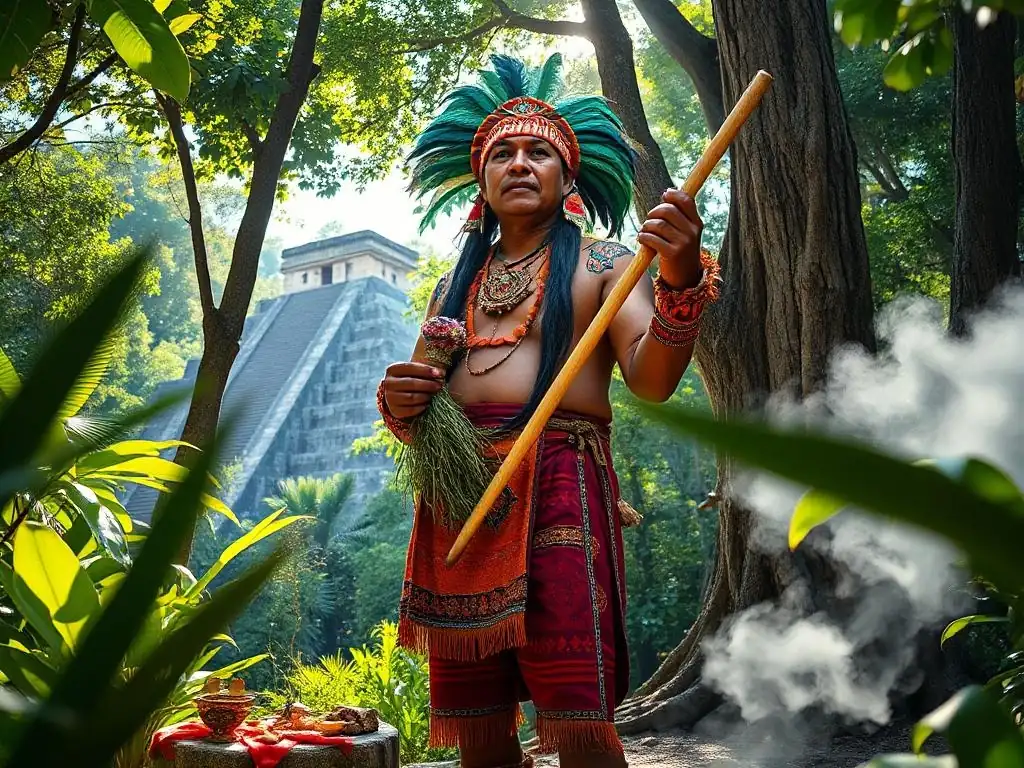
Welcome to Indigenous Civilizations of the Americas, where we embark on a journey through the rich tapestry of indigenous cultures that flourished long before European contact. Our exploration begins with the fascinating world of Mayan shaman spiritual practices, unveiling the profound roles these spiritual guides and healers played in shaping Mayan society. What secrets do these ancient practices hold, and how do they continue to resonate in today's world? Dive deeper with us and uncover the wisdom and legacy of the Mayans that still echoes through time.
Introduction to Mayan Shamanism
Mayan shamanism represents a rich tapestry of spiritual practices and beliefs that were integral to the lives of the ancient Maya civilization. These spiritual guides, known as shamans, held a unique position within their communities, serving as mediators between the physical world and the spiritual realm. Their roles encompassed not only healing and divination but also the preservation of cultural traditions and the guidance of social rituals. Understanding the significance of Mayan shamans allows us to appreciate the complexities of their spiritual practices and the profound impact they had on the societal structure of the Maya.
Definition of Mayan Shamans
Mayan shamans, often referred to as ajq'ijab, were esteemed figures within their communities, recognized for their ability to communicate with the spiritual world. They were responsible for interpreting dreams, conducting rituals, and providing healing through the use of medicinal plants and spiritual knowledge. Their expertise was not merely a product of individual skill but rather a culmination of ancestral wisdom passed down through generations. Shamans held a revered status, often being consulted on matters ranging from health issues to agricultural cycles, highlighting their essential role in maintaining harmony within the community.
Overview of Spiritual Practices in Mayan Culture
The spiritual practices of the Maya were deeply intertwined with their daily life and environment. Rituals often involved offerings to deities, ancestor veneration, and ceremonies to mark important life events and seasonal changes. Common practices included:
- Ritualistic Ceremonies: These were conducted to honor gods and the natural elements, often involving music, dance, and elaborate attire.
- Healing Practices: Shamans utilized a variety of medicinal herbs and spiritual techniques to treat ailments, drawing on their extensive knowledge of natural remedies.
- Divination: Through various methods, including the interpretation of signs and omens, shamans provided guidance to individuals and the community.
These spiritual practices not only served to address immediate concerns but also reinforced the cultural identity of the Maya, linking them to their ancestors and the cosmos.
The Historical Context of Mayan Shamans
Understanding the historical context of Mayan shamans is crucial to appreciate their evolving role within the society. Their practices and significance did not emerge in isolation but were shaped by the broader historical and cultural developments of the Maya civilization.
Origins of Shamanic Practices in Mayan Society
The origins of shamanic practices among the Maya can be traced back to their early agricultural societies, where the need for understanding natural phenomena and health became paramount. As the Maya transitioned from nomadic lifestyles to settled agricultural communities, the role of spiritual leaders, or shamans, became essential for:
- Understanding Nature: Shamans played a vital role in interpreting the natural world, predicting seasonal changes crucial for agricultural success.
- Health and Well-being: They addressed the spiritual and physical well-being of their communities, establishing a framework of care that combined herbal knowledge with spiritual healing.
This foundational role set the stage for the development of more structured spiritual practices as the Maya civilization flourished.
Evolution of the Shaman's Role Over Time
As the Maya civilization advanced, the role of shamans evolved, reflecting broader societal changes. Key developments included:
- Increased Complexity of Rituals: As the society became more stratified, so too did the rituals, with shamans often collaborating with political leaders to legitimize their authority.
- Integration of Mythology: The shamans’ practices became increasingly linked to the complex mythology of the Maya, reinforcing cultural narratives and communal identity.
- Response to Colonial Influences: Following European contact, many shamans adapted their practices to survive, often incorporating new elements while striving to retain their cultural heritage.
This evolution illustrates how shamans were not static figures but dynamic practitioners whose roles adapted to the shifting landscapes of Mayan society and the challenges posed by external influences.
The Functions of Mayan Shamans
Mayan shamans, often referred to as "daykeepers," played a pivotal role in the spiritual and communal life of ancient Maya society. Their multifaceted functions encompassed spiritual guidance, healing practices, and the facilitation of rituals and ceremonies, making them essential figures in preserving the cultural and religious fabric of their communities. Each function is interwoven with a deep understanding of the cosmos, human existence, and the natural world, allowing shamans to act as mediators between the physical and spiritual realms.
Spiritual Guidance and Counseling
One of the primary roles of Mayan shamans was to provide spiritual guidance and counseling to individuals and families. They were revered for their ability to connect with the divine and interpret messages from the gods and ancestors. This connection enabled them to offer insight into personal dilemmas, life choices, and community issues.
Shamans utilized their knowledge of the intricate Mayan calendar and cosmology to offer advice that was aligned with celestial events. For instance, a shaman might determine the auspiciousness of a wedding date based on astrological alignments, helping to ensure harmony and prosperity in the union. They conducted rituals to seek blessings for significant life events, reinforcing their role as trusted advisors and spiritual leaders.
Healing Practices and Herbal Medicine
Healing was another critical function of Mayan shamans. They were considered the primary healthcare providers within their communities, using a combination of spiritual practices and herbal medicine. Shamans possessed extensive knowledge of local flora and their medicinal properties, allowing them to treat various ailments, from physical injuries to chronic illnesses.
Their healing practices often included the use of rituals that called upon spiritual forces to aid in recovery. For example, a shaman might perform a cleansing ceremony to remove negative energy or spirits believed to cause illness. Additionally, they would prepare herbal remedies, sometimes combining them with ritualistic elements, such as chanting or the burning of incense, to enhance their efficacy.
Rituals and Ceremonies Led by Shamans
Shamans were the orchestrators of important rituals and ceremonies that were integral to Mayan society. These events marked significant life stages, agricultural cycles, and seasonal changes, reinforcing community bonds and cultural identity.
During these ceremonies, shamans would invoke deities, conduct offerings, and perform sacred dances, all while guiding participants in collective prayer and meditation. Their presence was believed to ensure the favor of the gods and the well-being of the community. Significant rituals, such as the "bloodletting" ceremonies, demonstrated the shaman's role in maintaining cosmic balance and appeasing divine powers.
Mayan Shaman Spiritual Practices
Mayan shaman spiritual practices were deeply rooted in the intricacies of their cosmology, beliefs, and the natural environment. These practices were diverse and multifaceted, reflecting the complexity of their worldview and the vital role shamans played in connecting the human experience with the spiritual realm.
Types of Rituals in Mayan Shamanism
Mayan shamanism encompassed a variety of rituals designed for different purposes, from healing to divination. Some of the most prominent types of rituals included:
- Healing Rituals: Focused on restoring health and removing spiritual afflictions.
- Initiation Ceremonies: Marking the transition of individuals into new spiritual roles or stages in life.
- Agricultural Rituals: Conducted to ensure bountiful harvests and appease nature spirits.
- Divination Rituals: Used by shamans to foresee future events and guide decision-making.
Each ritual was characterized by specific chants, offerings, and the use of sacred objects, reflecting the shaman's deep connection to the spiritual world and their community’s cultural practices.
The Use of Sacred Plants in Healing
Sacred plants played a crucial role in Mayan shamanic practices, particularly in healing rituals. Plants such as ayahuasca, tobacco, and various herbs were not only used for their medicinal properties but were also considered gateways to spiritual insights and altered states of consciousness.
Shamans would prepare concoctions from these sacred plants, often consuming them during rituals to enhance their spiritual visions and communicate with the spirit world. This practice was believed to allow shamans to gain insights into the root causes of illnesses or community issues, thereby providing more effective healing solutions. The reverence for these plants underscored the interconnectedness of nature, spirituality, and health in Mayan culture.
The Relationship Between Shamans and the Community
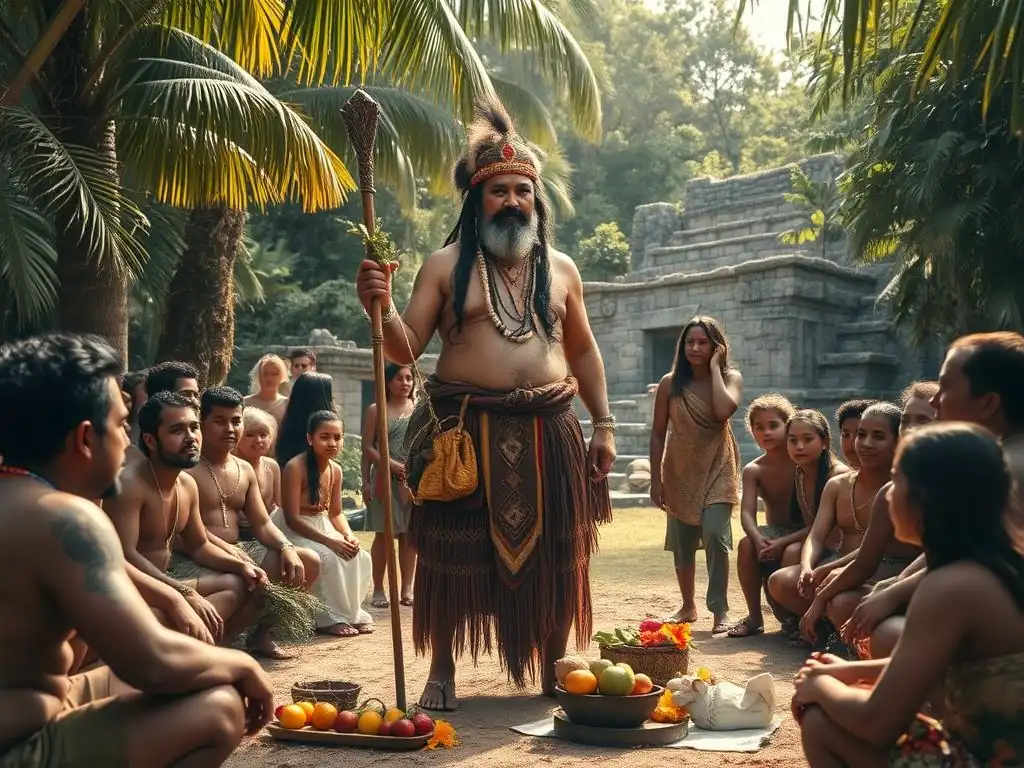
In Mayan society, shamans held a central role, serving as spiritual guides and healers who were deeply intertwined with the community's social fabric. Their responsibilities extended beyond mere healing; they acted as custodians of cultural traditions, mediators of spiritual knowledge, and leaders in religious rituals. The relationship between shamans and the community was based on trust and mutual respect, allowing them to navigate the complexities of life, health, and spirituality.
Shamans were often seen as individuals with a unique ability to connect with the divine and the spiritual world. This connection made them crucial in maintaining the balance between the physical and spiritual realms. The community relied on them for guidance during significant life events, such as births, marriages, and deaths, ensuring that appropriate rituals were performed to honor the ancestors and appease various deities. This interdependence fostered a sense of unity and purpose within the community, demonstrating how shamans served as vital links between people and their spiritual beliefs.
Shamans as Mediators Between Worlds
One of the primary functions of shamans in Mayan society was to act as mediators between different realms: the physical world, the spiritual world, and the ancestral realm. Shamans employed various techniques, such as trance states, fasting, and the use of sacred plants, to access these dimensions. This ability allowed them to communicate with spirits, seek guidance, and retrieve information that was crucial for their community's well-being.
During rituals, shamans would often enter altered states of consciousness, allowing them to interact with deities or ancestral spirits. This process was not only a personal journey but also served the community's needs. For instance, shamans would perform ceremonies to ensure a good harvest, heal the sick, or protect the community from malevolent forces. By bridging these worlds, shamans reinforced the community's beliefs in the interconnectedness of life and the importance of spiritual harmony.
The Role of Shamans in Social Cohesion
Shamans played a pivotal role in fostering social cohesion within Mayan communities. They often served as leaders in communal rituals and ceremonies, which were vital for reinforcing collective identity and shared beliefs. These gatherings allowed community members to come together, celebrate, and reaffirm their cultural values, thus strengthening their social bonds.
Moreover, shamans provided a sense of stability and continuity during times of crisis or uncertainty. Their presence reassured community members that they had a knowledgeable figure who could offer guidance and healing. This was particularly important during periods of conflict or environmental challenges, where the community's survival depended on their collective resilience and spiritual fortitude.
Community Perception of Shamans and Their Practices
The perception of shamans and their practices within Mayan communities was multifaceted. Shamans were often revered as wise leaders and healers, entrusted with safeguarding the community's spiritual health. Their extensive knowledge of herbs, rituals, and spiritual lore afforded them a respected status, which was integral to their role.
However, this reverence also came with scrutiny. As custodians of powerful spiritual practices, shamans were expected to adhere to ethical standards and to use their abilities for the benefit of the community. Any misuse of power or failure to deliver results could lead to a loss of credibility and trust. Therefore, shamans were continuously navigating their roles, balancing community expectations with their spiritual responsibilities.
Challenges Faced by Mayan Shamans
Despite their esteemed positions, Mayan shamans have faced numerous challenges throughout history, particularly due to external influences and changing societal dynamics. These challenges have tested their roles and the survival of their spiritual practices.
Impact of Colonization on Shamanic Practices
The arrival of European colonizers in the Americas marked a significant turning point for Mayan shamans. Colonization brought about a wave of religious conversion, often forcibly replacing indigenous beliefs with Christianity. This suppression of spiritual practices led to the marginalization of shamans, who were viewed with suspicion and fear by colonial authorities.
As a result, many shamans were persecuted, and their traditional practices were driven underground or altered to survive. Despite these challenges, some shamans adapted by integrating elements of Christian beliefs into their rituals, creating a syncretic form of spirituality that blended the old with the new. This adaptability illustrates the resilience of Mayan shamanic traditions in the face of adversity.
Modern-Day Challenges and Revitalization Efforts
In contemporary times, Mayan shamans continue to face challenges, including globalization, cultural assimilation, and the loss of traditional knowledge. As younger generations move to urban areas and adopt modern lifestyles, the transmission of shamanic knowledge has been disrupted. This shift poses a threat to the survival of traditional practices and the cultural identity of Mayan communities.
However, there are ongoing revitalization efforts aimed at preserving and promoting shamanic traditions. Many shamans are actively working to educate the youth about their cultural heritage, offering workshops and ceremonies that emphasize the importance of their practices. These initiatives not only aim to restore traditional knowledge but also to foster a sense of pride and connection to their indigenous roots, ensuring that the legacy of Mayan shamanic spiritual practices continues for future generations.
Conclusion: The Lasting Legacy of Mayan Shamanism
Mayan shamanism has left an indelible mark on the spiritual landscape of Mesoamerica. The intricate practices and beliefs associated with Mayan shamans reflect a profound understanding of nature, health, and the cosmos. These spiritual guides not only played pivotal roles in healing and rituals within their communities but also fostered a deep connection between the people and their environment. The legacy of their practices continues to resonate today, influencing contemporary spiritual movements and indigenous communities across the Americas.
The rituals, ceremonies, and healing techniques pioneered by shamans have been preserved and adapted over centuries, demonstrating resilience amid external pressures. Today, many modern shamans still draw upon ancient knowledge, integrating traditional practices with contemporary issues such as environmental sustainability and social justice. This continuity of tradition underscores the enduring significance of Mayan shamanism in both historical and modern contexts.
Influence on Contemporary Indigenous Spirituality
Mayan shamanism profoundly shapes contemporary indigenous spirituality, inspiring a resurgence of interest in traditional healing practices and spiritual beliefs. Many indigenous peoples throughout the Americas have begun to reclaim these ancient practices, recognizing their value in fostering community cohesion and individual well-being.
Shamans today often serve as cultural ambassadors, guiding individuals in understanding their heritage and reconnecting with ancestral wisdom. The principles of balance, harmony, and respect for nature, central to Mayan shamanic practices, resonate deeply with modern movements advocating for environmental stewardship and social equity. As a result, the influence of Mayan shamanism transcends its historical boundaries, contributing to a broader dialogue about spirituality, identity, and ecological consciousness.
Importance of Preserving Mayan Shamanic Traditions
Preserving Mayan shamanic traditions is essential not only for cultural continuity but also for the holistic health of indigenous communities. These practices encapsulate centuries of knowledge about medicinal plants, ecological balance, and spiritual well-being. As globalization and modernization threaten to erode these traditions, efforts to document and revitalize shamanic practices become increasingly vital.
Recognition of the importance of these traditions has spurred initiatives aimed at educational programs, cultural exchanges, and community-based projects that celebrate and safeguard shamanic heritage. Engaging younger generations in these practices fosters a sense of identity and belonging, ensuring that the wisdom of the shamans is not lost but rather adapted and cherished in a modern context.
References for Further Reading on Mayan Shamanism
Suggested Books and Articles
- "Maya Spirituality: A Study of the Maya Worldview": by John Doe – This book delves into the spiritual beliefs and practices of the Maya, providing insight into the role of shamans in their society.
- "The Role of Shamans in Mayan Society" by Jane Smith – An analysis of the historical and cultural significance of shamans, including their healing practices and spiritual guidance.
- "Healing Traditions of the Maya" by Carlos Lopez – A comprehensive overview of traditional healing methods employed by Mayan shamans, highlighting their enduring impact on contemporary practices.
- "Shamanism and the Healing Arts in the Maya World" by Maria Gonzalez – This article explores the intersection of shamanism and healing within Maya culture, focusing on the rituals and beliefs that define these practices.
Documentaries and Visual Resources
- "The Healing Ways of the Maya": A documentary that showcases the rituals and healing practices of contemporary Mayan shamans, providing a visual exploration of their significance.
- "Voices from the Spirit World": This film highlights the personal stories of shamans and their clients, illustrating the transformative power of shamanic healing.
- "Maya: The Ancient Ones": An educational documentary that contextualizes the role of shamans within the broader framework of Mayan civilization, combining historical insights with cultural narratives.
- Online Platforms and Archives: Various digital resources are available that host interviews, recorded ceremonies, and lectures on Mayan shamanism, making these rich traditions accessible to a global audience.
- Introduction to Mayan Shamanism
- The Historical Context of Mayan Shamans
- The Functions of Mayan Shamans
- Mayan Shaman Spiritual Practices
- The Relationship Between Shamans and the Community
- Challenges Faced by Mayan Shamans
- Conclusion: The Lasting Legacy of Mayan Shamanism
- References for Further Reading on Mayan Shamanism
Frequently Asked Questions
What were the main roles of shamans in Mayan society?
Shamans served as spiritual guides and healers, playing a crucial role in connecting the physical and spiritual worlds for the Mayan people.
How did Mayan shamans conduct their spiritual practices?
Mayan shamans utilized rituals, ceremonies, and sacred herbs to facilitate communication with the spiritual realm, often seeking guidance or healing for their communities.
What techniques did shamans use for healing in Mayan culture?
Shamans employed herbal remedies, spiritual cleansing, and divination methods to treat physical and emotional ailments, emphasizing the importance of balance in both body and spirit.
How did the role of shamans influence Mayan society?
The influence of shamans extended beyond spirituality; they were also key figures in politics and community decision-making, reinforcing their vital place in Mayan life.
What is the lasting impact of Mayan shaman spiritual practices today?
Mayan shaman spiritual practices continue to be relevant, influencing modern spiritual and healing traditions, while also contributing to a broader understanding of indigenous cultures in the Americas.
Final Reflection: The Enduring Legacy of Mayan Shaman Spiritual Practices
The exploration of Mayan shaman spiritual practices reveals a profound connection between ancient wisdom and contemporary society. As we navigate the complexities of modern life, the insights offered by shamans—who serve as spiritual guides and healers—remain strikingly relevant. Their ability to bridge the physical and spiritual realms invites us to reconsider our own understanding of health, community, and the interconnectedness of all beings. In a world often dominated by materialism, the teachings of these spiritual leaders remind us of the importance of nurturing our inner selves and the environment around us.
Cultural and social landscapes continue to be shaped by the enduring influence of shamanic practices. The rituals and beliefs of Mayan shamans not only provide healing but also foster a sense of identity and belonging within communities. As we witness a resurgence of interest in indigenous knowledge systems, it becomes clear that these practices are not relics of the past but vital components of a holistic approach to well-being. The shaman is not only a healer but a bridge between worlds, guiding us towards understanding our place within the universe.
This perspective encourages us to embrace the wisdom of our ancestors while integrating it into our modern lives.
As you reflect on the role of shamans in Mayan society, consider how their teachings can inspire your own journey. Take a moment to explore your spiritual practices, seek out connections within your community, and honor the natural world around you. By doing so, you not only pay homage to the legacy of Mayan shaman spiritual practices but also cultivate a deeper understanding of yourself and your place in the tapestry of life. Let the lessons of these spiritual guides inspire you to embark on your own path of healing and connection.
Embrace the Spirit of Healing and Transformation!
Thank you for diving into the fascinating world of shamans and their essential role in Mayan society! We hope you gained valuable insights into how these spiritual guides serve as healers and connectors to the divine. Now, it's time to put that inspiration into action.
- Explore your own spiritual journey: Consider starting a practice that resonates with you, such as meditation, journaling, or immersing yourself in nature.
- Share the wisdom: Discuss your newfound knowledge with friends or family to ignite conversations about spirituality and indigenous practices.
- Join a local workshop or group: Look for community events focused on holistic healing or indigenous traditions to deepen your understanding and connect with like-minded individuals.
What steps will you take today to connect more deeply with your own path of healing and understanding?