
The Influence of the Moche Elite: Examining Class Structures and Political Control

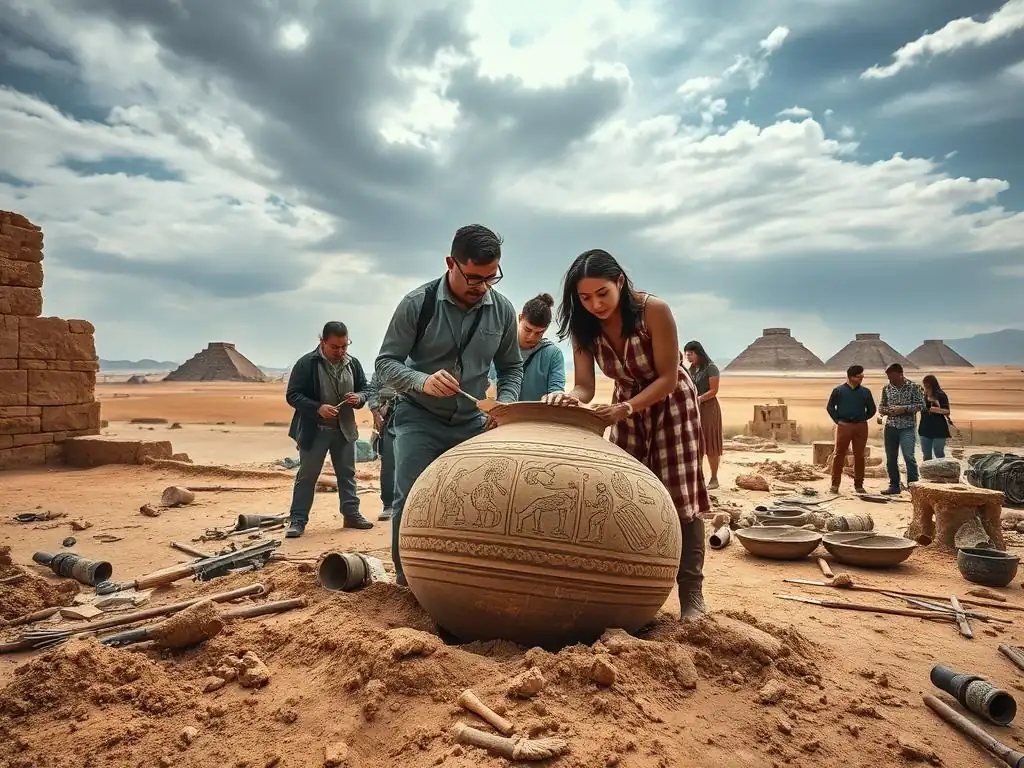
Welcome to Indigenous Civilizations of the Americas, where we invite you to journey through the rich tapestry of cultures that flourished long before the arrival of European explorers. Dive into our featured article, “The Influence of the Moche Elite: Examining Class Structures and Political Control,” to uncover the intricate social hierarchies and power dynamics of the Moche civilization.
What secrets lie within their class structures, and how did they shape the development of a society that thrived in the arid landscapes of ancient Peru? Join us as we unravel the complexities of these remarkable civilizations and their enduring legacy, sparking curiosity and appreciation for the world they built.
Introduction to the Moche Civilization
The Moche civilization, flourishing along the northern coast of Peru from approximately 100 to 800 CE, stands out as one of the most sophisticated cultures in pre-Columbian America. Renowned for their remarkable achievements in agriculture, architecture, and ceramics, the Moche developed a complex societal framework that was heavily influenced by both environmental factors and intricate class structures. Understanding the Moche civilization class structures is essential to grasp the nuances of their political control and governance.
Through a hierarchical system, the elite class wielded significant power, shaping the political landscape and societal interactions within Moche communities. This exploration not only highlights the elite's influence but also provides insight into their lasting impact on subsequent Andean societies.
Overview of Moche Civilization Class Structures
The Moche society was characterized by a well-defined class structure that played a crucial role in their governance. The primary classes included:
- Elite Class: Comprised of high-ranking officials, priests, and military leaders, this class held power over economic resources and political decisions.
- Middle Class: Artisans, merchants, and skilled laborers who contributed to the economic vitality of Moche cities.
- Lower Class: Farmers and laborers who formed the backbone of the Moche economy, often working under the direction of the elite.
This stratification allowed the Moche to maintain a stable society where each class had specific roles, enabling efficient governance and resource management. The elite's authority was underscored by their control over religious practices, military endeavors, and trade routes, which were essential to the Moche's prosperity.
Importance of Political Control in Moche Society
Political control in Moche society was not merely about governance; it was intricately linked to their religious beliefs and social order. The Moche elite, often viewed as intermediaries between the gods and the populace, utilized their political power to enforce social cohesion and religious observance. Key aspects include:
- Religious Authority: The elite's role in religious ceremonies reinforced their power and legitimized their status among the common people.
- Military Organization: Control over military resources allowed the elite to defend their territory and expand their influence, ensuring the stability of Moche cities.
- Economic Regulation: By overseeing trade and agricultural production, the elite maintained control over resources critical for societal survival and growth.
Understanding these dynamics is essential to appreciating how the Moche civilization thrived and how their class structures facilitated both political and social stability.
The Moche Elite: Definition and Role
The Moche elite were not just rulers; they were pivotal figures in shaping Moche culture, politics, and economy. Their definition extends beyond mere social ranking to encompass their multifaceted roles within the society, including governance, religious leadership, and economic control. This elite class was often associated with the construction of monumental architecture, such as the Huaca del Sol and Huaca de la Luna, which served as both political and religious centers.
Characteristics of the Moche Elite Class
The Moche elite class exhibited distinct characteristics that set them apart from other social strata:
- Wealth Accumulation: The elite controlled significant wealth, derived from agricultural surplus and tributes from lower classes.
- Cultural Patronage: They were patrons of the arts, commissioning intricate pottery and metalwork that reflected their status and religious beliefs.
- Political Influence: The elite held significant sway over decision-making processes, with leaders often being chosen based on lineage, wealth, and military achievements.
These characteristics enabled the Moche elite to maintain their authority and influence over Moche society effectively.
Functions and Responsibilities of Moche Leaders
Moche leaders were tasked with a variety of functions that extended their influence beyond mere governance:
- Religious Leadership: Serving as high priests, they conducted rituals that were integral to Moche cosmology and societal cohesion.
- Military Command: Leaders orchestrated military campaigns, defending Moche territory and securing resources through conquest.
- Economic Management: They oversaw agricultural production and trade, ensuring the flow of goods and resources necessary for societal well-being.
Through these responsibilities, the Moche elite not only governed but also actively shaped the cultural and socio-political landscape of their civilization, leaving a legacy that would resonate through Andean history.
Moche Class Structures: Hierarchical Organization
The Moche civilization, which flourished along the northern coast of modern-day Peru from approximately 100 to 800 CE, exhibited a highly structured class hierarchy that played a vital role in its political and social dynamics. At the pinnacle of this hierarchy were the elite, often referred to as the ruling class, who wielded significant power and influence over the vast Moche territories. The Moche class structures can be broadly categorized into three main levels: the elite, the artisans and skilled laborers, and the commoners.
The elite class included high-ranking officials, priests, and military leaders, who were responsible for governance, religious practices, and military oversight. Their authority was legitimized through both spiritual and temporal means, creating a robust framework for control over the society. Below them were the artisans and skilled laborers, whose expertise in pottery, metallurgy, and textile production was essential for the civilization's economy and cultural output. Finally, the commoners formed the base of this social pyramid, engaging primarily in agriculture and labor-intensive activities that supported the entire population.
The Social Stratification of Moche Civilization
Social stratification in Moche civilization was marked by distinct roles and responsibilities, defined by wealth, occupation, and privilege. The elite not only held political authority but also enjoyed greater access to resources and luxury goods, which reinforced their status. Archaeological evidence, such as lavish burial sites filled with exquisite pottery and precious metals, indicates the wealth disparity that existed between classes.
Moche society placed a strong emphasis on lineage and ancestry, which played a critical role in determining one's position within the social hierarchy. Nobility was often inherited, and individuals from elite families were groomed for leadership from a young age. This generational continuity ensured the perpetuation of power among the elite, creating a system that was resistant to challenges from lower classes.
In contrast, commoners had limited social mobility and were primarily engaged in subsistence farming, fishing, and craft production. The lifestyle of the commoners was characterized by hard labor, with little opportunity for economic advancement. However, they played a crucial role in supporting the elite through their labor and production, forming the backbone of Moche society.
Comparison of Elite and Commoner Lifestyles
The lifestyles of the Moche elite and commoners were markedly different, reflecting the disparities inherent in their class structures. The elite enjoyed a luxurious lifestyle, often residing in large, elaborately decorated homes equipped with amenities that showcased their wealth and status. They were patrons of the arts and utilized their resources to commission intricate pottery, textiles, and metalwork, which served both decorative and ceremonial purposes.
In contrast, commoners lived in simpler dwellings, often constructed from adobe and clay, with limited resources at their disposal. Their daily lives revolved around agricultural cycles, demanding physical labor and communal cooperation. Food security was a constant concern, with commoners relying on the successful harvest of crops such as maize, beans, and squash.
Culturally, elite individuals participated in elaborate rituals and public ceremonies that reinforced their status, while commoners were generally excluded from these events. Despite their lower status, commoners contributed to the social fabric of the Moche through communal activities and festivals, which fostered a sense of identity and cohesion among the populace.
Economic Impacts of Class Structures on Moche Society
The economic structure of the Moche civilization was intricately tied to its class hierarchies, with wealth concentration in the hands of the elite influencing production and resource distribution. The elite controlled agricultural lands and tributes from commoners, which allowed them to amass significant wealth and resources. This control over economic resources enabled the elite to fund ambitious projects, such as monumental architecture and irrigation systems, which in turn supported agricultural productivity.
The division of labor within Moche society was also a product of its class structures. Artisans, often considered part of the middle class, specialized in producing goods that were either for elite consumption or trade. The surplus generated from these goods allowed for increased trade with neighboring cultures, further enriching the elite and reinforcing their dominance.
The economic implications of these class structures were significant: while the elite thrived, commoners often faced economic hardships, leading to a reliance on the elite for survival. This system of patronage created a cycle of dependence that shaped Moche society dynamics, where economic disparities were entrenched and difficult to overcome.
Political Control Mechanisms in Moche Civilization
The Moche civilization's political control mechanisms were deeply embedded in its hierarchical class structures, allowing the elite to maintain authority and govern effectively. These mechanisms relied on a combination of religious, military, and administrative strategies that reinforced the political power of the ruling class.
The Role of Religion in Moche Political Authority
Religion played a pivotal role in legitimizing the power of the Moche elite. The Moche were polytheistic, worshiping various deities associated with agriculture, fertility, and the natural elements. The elite positioned themselves as intermediaries between the gods and the people, conducting elaborate rituals and ceremonies that were believed to ensure the favor of the deities.
Priestly roles were often held by members of the elite class, further intertwining politics and religion. The control over religious practices allowed the elite to maintain social order and justify their authority, as the populace was encouraged to view the elite as divinely ordained rulers. This fusion of religious and political power also facilitated the mobilization of resources for monumental construction projects, which served both as religious centers and symbols of elite power.
Military Power and Its Influence on Class Structures
Military power was another critical aspect of Moche political control. The elite maintained authority not only through religious means but also through the establishment of a potent military presence. The Moche were known for their skilled warriors, and military campaigns were often undertaken to expand territory or assert dominance over neighboring cultures.
The ruling elite utilized military success to bolster their status and power, as victories were celebrated and often linked to divine favor. Military leaders, usually drawn from the elite class, played significant roles in governance, further intertwining military and political authority. This relationship ensured that the elite retained control over both the military and civilian spheres, consolidating their power and influence within Moche society.
Governance Practices Among the Moche Elite
The governance practices of the Moche elite were characterized by a centralized authority that facilitated efficient administration across their territories. The elite employed a system of local leaders or chieftains to manage various regions, ensuring that their commands and policies were effectively implemented.
This decentralized approach to governance allowed for a degree of local autonomy while maintaining allegiance to the ruling elite. The elite would often reward loyalty with land grants and privileges, further reinforcing their control. Additionally, the Moche utilized a complex system of tribute collection, where local populations were required to provide goods and labor to the elite, solidifying their economic and political dominance.
Overall, the governance practices of the Moche elite were designed to maintain stability and order within their society, ensuring that the hierarchical class structures remained intact while facilitating the elite's continued control over the Moche civilization.
Case Studies: Notable Moche Leaders and Their Influence
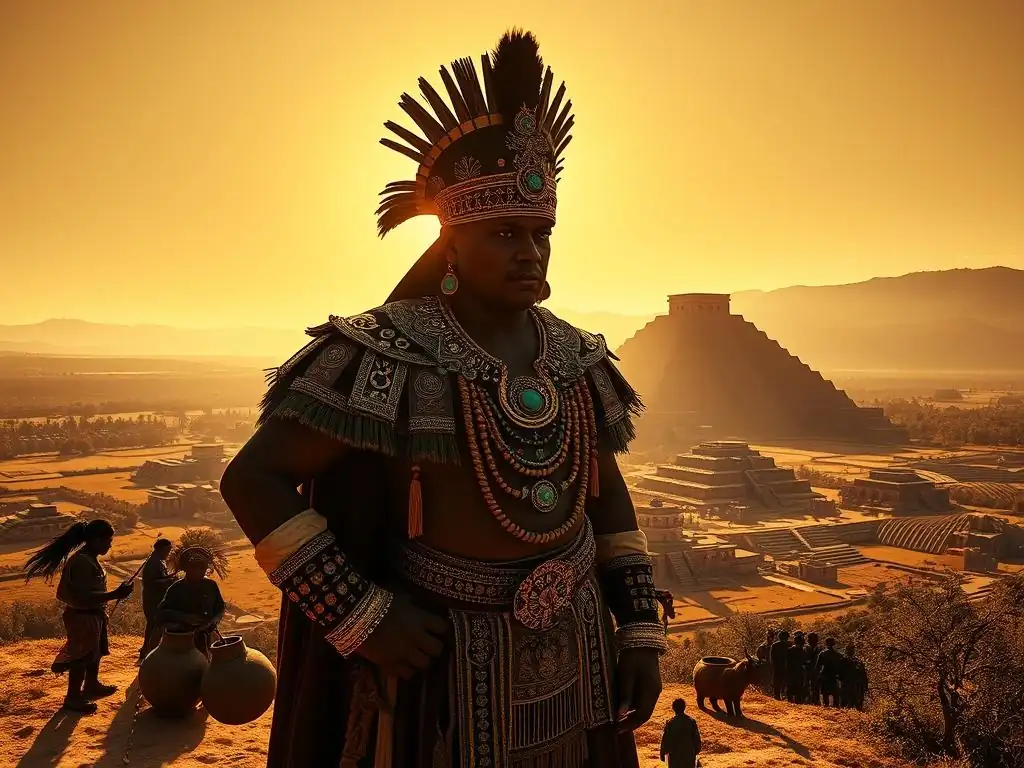
The Moche civilization, which thrived in northern Peru from approximately 100 to 800 CE, was characterized by a complex political structure heavily influenced by its elite leaders. These leaders played a crucial role in shaping the class structures and exerting political control over their communities.
Notable figures like Lord of Sipán and the rulers of the Huacas del Sol y de la Luna serve as exemplary case studies in understanding the impact of individual leadership on Moche society. Their achievements in governance, military organization, and religious authority not only reinforced their status but also established a hierarchical system that defined Moche culture.
The Impact of Individual Leaders on Moche Class Structures
Individual leaders in Moche society significantly influenced class structures through their roles as both political and religious authorities. The Lord of Sipán, for instance, is often regarded as a paramount figure who exemplified the power and prestige associated with the Moche elite. His burial site revealed an array of lavish grave goods, indicating a wealth that surpassed that of common citizens. This opulence not only showcased his status but also set a standard for other elites, reinforcing a social hierarchy where the elite were visibly distinct from the lower classes.
Moreover, leaders were often associated with specific deities, which further legitimized their authority. The intertwining of religion and politics meant that leaders could manipulate religious practices to solidify their power, thus influencing the class structure by ensuring loyalty and reverence among the populace. This dynamic relationship between leadership and class stratification created a stable yet rigid social order that persisted throughout the Moche civilization’s existence.
Analysis of Political Control in Specific Moche Communities
Political control within Moche communities was facilitated through a combination of military prowess, strategic alliances, and religious authority. For example, the rulers of the Huacas del Sol y de la Luna exercised significant control over their territories by utilizing their military to protect and expand their influence. The construction of monumental architecture, such as the massive pyramids at these sites, is indicative of both political power and the ability to mobilize labor from lower classes.
Additionally, political control was maintained through the integration of local leaders into the Moche administrative framework. This practice allowed for a degree of local autonomy while ensuring allegiance to the central authority. The result was a network of loyalty that reinforced the elite's dominance over various regions. Communities often engaged in tribute systems, where lower classes provided resources to the elite, further cementing the socioeconomic divide inherent in Moche society.
The Legacy of Moche Class Structures and Political Control
The class structures and political control established by the Moche civilization left a profound legacy that influenced subsequent indigenous societies in the region. The hierarchical organization created a template for governance that would be adapted by later cultures.
Lasting Effects on Indigenous Social Systems
The Moche elite's practices of governance and social stratification had lasting effects on indigenous social systems in the Andes. The emphasis on elite status and wealth accumulation became a defining feature of later cultures, such as the Nazca and the Inca. These societies adopted elements of Moche political organization, including complex tribute systems and monumental architecture, which reflected a continuation of Moche ideals of authority and power.
Furthermore, the roles of religion and military in governance established by the Moche influenced how subsequent civilizations integrated these elements into their own governance structures. The legacy of the Moche elite is evident in the ways that later societies valued lineage and divine favor in their leaders, perpetuating a class-based society that prioritized elite control.
Comparative Analysis with Other Indigenous Civilizations
When compared to other indigenous civilizations in the Americas, the Moche class structures showcase both unique characteristics and common themes. For instance, like the Maya and the Aztec, the Moche utilized a stratified system where a powerful elite governed a largely agrarian populace. However, while the Maya placed significant emphasis on city-states and individual rulers, the Moche were more centralized around regional leaders who wielded both military and religious power.
The political control exerted by the Moche can also be contrasted with the more decentralized governance of the North American tribes, where leadership often depended on consensus and kinship ties rather than a rigid class hierarchy. This comparison highlights the diversity of political structures across indigenous civilizations and underscores how the Moche elite's influence on class structures has had a historical impact that resonates in various forms throughout indigenous cultures in the Americas.
Conclusion: The Significance of Moche Class Structures in Understanding Indigenous Governance
The class structures of the Moche civilization provide invaluable insights into the governance and political dynamics of indigenous societies in the pre-Columbian Americas. The Moche elite played a pivotal role in shaping the sociopolitical landscape, illustrating how power and resources were managed and distributed among distinct social strata. By examining the intricate hierarchies and roles within Moche society, we can better understand the complexities of indigenous governance, which often involved a blend of religious, military, and economic authority.
These class structures not only highlight the sophistication of Moche political organization but also reflect broader themes of authority and control that resonate across various indigenous cultures. The Moche elite, through their monumental architecture, artistic achievements, and expansive trade networks, demonstrated how elite power was both constructed and maintained. Their legacy serves as a reminder of the rich and varied political traditions that existed long before European contact, challenging modern perceptions of governance and social organization.
Reflections on Political Control and Social Hierarchy in Moche Civilization
Political control in Moche civilization was deeply intertwined with social hierarchy, manifesting through various mechanisms that reinforced the power of the elite. The elite class wielded significant influence, not only in governance but also in religious practices, which were crucial for legitimizing their authority. The ceremonial centers and elaborate tombs serve as testaments to their status and the importance of ritual in maintaining social order.
The Moche utilized a hierarchical system where leaders, often identified with specific deities or ancestral figures, were seen as the intermediaries between the divine and the people. This relationship was crucial in fostering loyalty and obedience among lower classes, who relied on the elite for protection and resources. Furthermore, the Moche’s military prowess and strategic territorial control were essential in sustaining their dominance, as they engaged in both defense and expansion, further solidifying their power.
The social hierarchy was not static; it was influenced by various factors, including warfare, trade, and environmental changes. Understanding this dynamic allows us to appreciate the complexity and adaptability of Moche governance. The interplay between authority and societal roles is a focal point for studying indigenous political structures, shedding light on how the Moche civilization navigated challenges and maintained cohesion within their society.
Further Reading and Resources on Moche Civilization and Indigenous Governance
For those interested in delving deeper into the intricate world of Moche civilization and its class structures, several resources provide comprehensive coverage of these topics:
- Books:
- "The Moche of Ancient Peru" by Christopher B. Donnan, which offers detailed analyses of Moche artifacts and their implications for understanding social hierarchies.
- "Moche Art and Archaeology in Ancient Peru" by Steve Bourget, which explores the relationship between art and political power in Moche society.
- Academic Journals:
- Articles in the Journal of Anthropological Archaeology often discuss Moche governance and its implications for understanding indigenous political systems more broadly.
- Studies published in Latin American Antiquity focus on archaeological findings that shed light on Moche social organization and elite power dynamics.
- Online Resources:
- The Peabody Museum of Archaeology and Ethnology offers online exhibitions and research papers on Moche artifacts, highlighting their cultural significance.
- The American Antiquity database includes a wealth of research articles examining various aspects of Moche civilization, including class structures and governance.
These resources enable further exploration of the Moche civilization's rich heritage, providing a broader context for understanding indigenous governance and social structures in the Americas.
- Introduction to the Moche Civilization
- The Moche Elite: Definition and Role
- Moche Class Structures: Hierarchical Organization
- Political Control Mechanisms in Moche Civilization
- Case Studies: Notable Moche Leaders and Their Influence
- The Legacy of Moche Class Structures and Political Control
- Conclusion: The Significance of Moche Class Structures in Understanding Indigenous Governance
- Further Reading and Resources on Moche Civilization and Indigenous Governance
- What were the main class structures of the Moche civilization?
- How did the elite class influence Moche society?
- What were some key achievements of the Moche civilization?
- How did political control function within the Moche society?
- What is the lasting impact of Moche civilization on modern societies?
Frequently Asked Questions
What were the main class structures of the Moche civilization?
The Moche civilization had a hierarchical structure, consisting of an elite ruling class, skilled artisans, and farmers. This organization facilitated political control and resource management.
How did the elite class influence Moche society?
The elite class played a crucial role in decision-making and resource distribution, using their power to maintain order and control over the common populace. They were also patrons of art and religion.
What were some key achievements of the Moche civilization?
The Moche are renowned for their advanced irrigation systems, impressive ceramic artistry, and monumental architecture, which reflect their societal organization and technical skills.
How did political control function within the Moche society?
Political control in Moche society was centralized around the elite, who governed through ceremonial authority and military power. They used religion and public works to reinforce their dominance.
What is the lasting impact of Moche civilization on modern societies?
The Moche civilization has left a lasting legacy in Peru's cultural heritage, influencing contemporary art, agriculture, and the understanding of ancient Andean societies. Their achievements continue to be studied and celebrated today.
Final Reflection: The Enduring Legacy of Moche Civilization Class Structures
The exploration of the Moche civilization's class structures and political control remains profoundly relevant today, as it sheds light on the intricate dynamics of power and social hierarchy that shape our contemporary societies. Understanding how the Moche elite exercised their influence not only enriches our knowledge of ancient cultures but also prompts us to critically examine the class systems that persist in modern times. The lessons drawn from the Moche civilization remind us that the interplay of social stratification and governance is a timeless narrative that continues to unfold.
The impact of the Moche elite on their society is a testament to how class structures can dictate the course of history and cultural development. The Moche civilization's sophisticated hierarchy and political strategies have left an indelible mark on the cultural landscape of Peru and beyond. As we reflect on their legacy, we are reminded of the words of historian Eric Hobsbawm: History is not a mere record of the past; it is a living force that shapes our present and future.
This observation underscores the importance of understanding the past to navigate the complexities of our current social frameworks.
As we conclude this exploration of the Moche civilization, I invite you to reflect on the implications of class structures in your own life and community. Consider how the lessons from the Moche elite can inspire you to challenge existing hierarchies and advocate for a more equitable society. Embrace the opportunity to learn from history, and let it guide you in fostering a world where power dynamics are scrutinized, and every voice is valued. The past is not just a story; it is a call to action for a better future.
Unveil the Legacy of the Moche Elite and Shape Your Understanding
Thank you for diving deep into the fascinating world of the Moche elite and their profound impact on class structures and political control. Your interest in this vibrant civilization not only enriches your knowledge but also honors the legacy of these remarkable people. Now, let's turn that knowledge into action!
Here’s how you can continue exploring and engaging with this captivating topic:
- Join a local or online discussion group focused on Indigenous civilizations to share insights and learn from others.
- Visit a museum or cultural exhibition featuring Moche artifacts to appreciate their artistry and cultural significance firsthand.
- Share what you've learned by writing a post on social media or your own blog, helping to spread awareness of Indigenous histories and cultures.
What perspectives or insights about the Moche elite resonate with you the most, and how can you implement them in your community or personal studies?