
Myths of the Moche: Understanding the Spiritual Beliefs of Ancient Peru

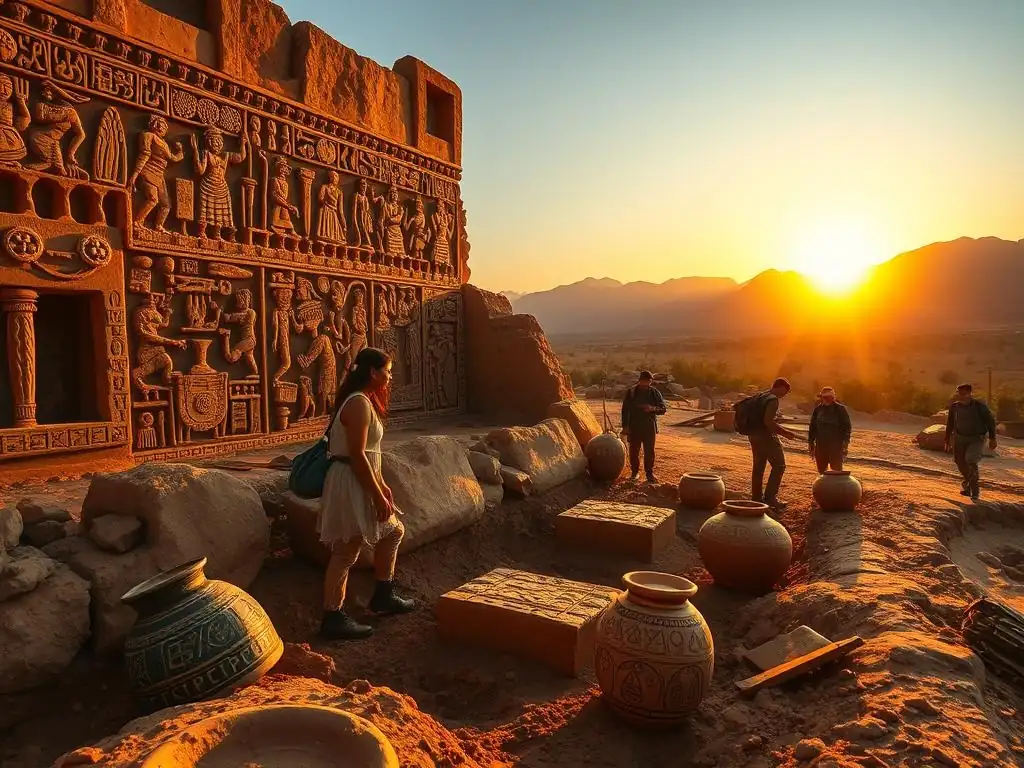
Welcome to Indigenous Civilizations of the Americas, where we invite you on a journey through the rich tapestry of indigenous cultures that flourished long before European contact. Today, we delve into the captivating world of the Moche civilization, uncovering the intriguing myths and spiritual beliefs that shaped their society. Have you ever wondered how the sacred narratives of the Moche reflect their understanding of the universe? Join us as we explore these ancient beliefs and their profound influence on the legacy of Peru, and discover the mysteries waiting to be unveiled.
Introduction to Moche Civilization
The Moche civilization, flourishing along the northern coast of Peru between approximately 100 and 800 AD, is renowned for its sophisticated society, remarkable artistry, and intricate religious practices. This ancient culture left behind an impressive legacy that continues to intrigue historians, archaeologists, and enthusiasts of indigenous history. Central to Moche society were their spiritual beliefs, which not only shaped their understanding of the world but also influenced their daily lives, art, and architecture. By exploring the myths of the Moche, we can gain deeper insights into the values, practices, and complexities of their spiritual worldview.
Overview of the Moche Culture
The Moche civilization was characterized by its advanced agricultural techniques, impressive irrigation systems, and monumental architecture, including the famous Huaca del Sol and Huaca de la Luna. Their society was stratified, with a clear distinction between social classes, including elite rulers, skilled artisans, and laborers. The Moche are particularly noted for their exquisite ceramics, vibrant textiles, and intricate metalwork, which often depicted scenes of their rich mythological traditions.
- Key Aspects of Moche Culture:
- Art and Craftsmanship: Moche pottery and metalwork often featured religious themes and figures, revealing their deep connection to spirituality.
- Architecture: Large ceremonial centers indicated the importance of religion in public and private life.
- Agriculture: Their agricultural innovations supported a thriving population and allowed for the specialization of crafts.
Importance of Spiritual Beliefs in Moche Society
Spiritual beliefs were integral to the Moche way of life, influencing everything from governance to everyday activities. The Moche viewed the cosmos as a dynamic interplay of forces, where deities governed natural phenomena and human affairs. Rituals and ceremonies played a crucial role in maintaining harmony with these forces, ensuring agricultural fertility and societal stability.
- Functions of Spiritual Beliefs:
- Cultural Identity: Spiritual practices fostered a sense of unity among the Moche people.
- Social Order: Their myths often reinforced social hierarchies and the authority of leaders.
- Environmental Understanding: Spiritual beliefs provided explanations for natural events and encouraged sustainable practices.
Moche Spiritual Beliefs and Myths
Definition of Moche Spiritual Beliefs
Moche spiritual beliefs encompass a complex system of deities, cosmology, and rituals that reflect their understanding of the universe and their place within it. These beliefs were not static; they evolved over time, influenced by interactions with neighboring cultures and the changing environment. The Moche revered various gods, each representing different aspects of nature and society, such as fertility, war, and agriculture.
- Core Aspects of Moche Spirituality:
- Deities: The Moche pantheon included powerful gods who controlled natural forces.
- Rituals: Ceremonies often involved offerings, sacrifices, and elaborate festivals to appease the gods.
- Symbols: Iconography in Moche art often conveyed spiritual messages and mythological narratives.
Overview of Moche Myths and Their Significance
Moche myths are rich narratives that explain the origins of the world, the creation of humanity, and the relationships between gods and mortals. These stories served to communicate moral lessons, historical events, and cultural values across generations. The significance of Moche myths lies in their ability to provide a framework for understanding the Moche experience and their worldview.
- Key Moche Myths:
- The Creation Myth: Explains the origins of the universe and humanity, often involving a creator deity.
- Myths of Deities: Narratives that detail the exploits and attributes of various gods, reflecting societal values and fears.
- Heroic Legends: Stories of legendary figures that embody the ideals of Moche culture, showcasing bravery, wisdom, and virtue.
By delving into the spiritual beliefs and myths of the Moche civilization, we uncover the profound connections between their religion, culture, and daily life, enriching our understanding of this remarkable ancient society.
Major Deities in Moche Mythology
Moche mythology is rich and complex, featuring a pantheon of deities that reflect the civilization's values, environment, and cultural practices. The Moche people revered several gods, each embodying different aspects of life, nature, and the cosmos. Central to their beliefs were the deities associated with agriculture, fertility, and the elements, which were crucial for the survival of their society.
The Moche believed that these deities influenced not only their daily lives but also the larger cycles of nature, such as the changing seasons and weather patterns. Among the most important deities were Viracocha, the Moon Goddess, and various animal spirits that held significant roles in their religious narratives. The intricate relationships between these deities and the Moche people were expressed through art, architecture, and ritual practices, intertwining their spiritual beliefs with their understanding of the world around them.
The Role of Viracocha in Moche Spirituality
Viracocha was one of the most revered gods in Moche mythology, often considered the creator deity responsible for the creation of the earth, the heavens, and all living beings. He was believed to have emerged from the waters of Lake Titicaca, symbolizing the primordial origins of life. In Moche spirituality, Viracocha represented not only creation but also the forces of order and civilization.
The Moche associated Viracocha with agriculture and fertility, believing that he provided the rains necessary for crops to flourish. He was also seen as a protector of humanity, guiding and overseeing the moral aspects of life. Temples and ceremonial centers often featured depictions of Viracocha, emphasizing his significance in Moche society, where rituals and offerings were made to seek his favor and ensure prosperity.
The Importance of the Moon Goddess in Moche Beliefs
The Moon Goddess, often referred to as Mama Quilla, held a crucial role in Moche mythology, symbolizing fertility, femininity, and the cycles of life. She was revered as a deity who governed agriculture and the reproductive cycles of both humans and animals. The Moche believed that her phases influenced the agricultural calendar, guiding when to plant and harvest crops.
Mama Quilla was also associated with the night sky and lunar rituals, where her presence was celebrated through various ceremonies. The Moche crafted intricate pottery and metalwork depicting her image, highlighting her importance in their daily lives and spiritual practices. Her worship was essential for securing blessings for fertility and abundance, making her one of the central figures in Moche spirituality.
Other Notable Moche Deities and Their Functions
In addition to Viracocha and Mama Quilla, the Moche pantheon included several other deities, each with distinct functions:
- Pachamama: The Earth Mother, revered for her role in agriculture, fertility, and the sustenance of life. She embodied the spirit of the earth and was often invoked during planting and harvesting rituals.
- Ai Apaec: The creator god associated with the underworld, believed to possess both destructive and regenerative powers. He was often depicted as a fierce figure, symbolizing the balance between life and death.
- The Sea God: A deity representing the ocean's bountiful resources, crucial for the Moche's reliance on fishing. He was invoked for favorable sea conditions and abundant catches.
These deities were integral to Moche life, reflecting their deep connection to nature and the elements. Rituals and offerings were tailored to appease each deity, ensuring harmony and balance within the community.
Rituals and Practices in Moche Spiritual Life
Rituals and religious practices were central to Moche society, deeply intertwined with their spiritual beliefs and daily activities. The Moche conducted various ceremonies to honor their deities, seeking blessings for fertility, health, and prosperity. These practices showcased the importance of communal participation and the sacredness of their agricultural lifestyle.
The Moche's rituals were often elaborate, involving music, dance, and offerings, including food, textiles, and even human sacrifices in certain contexts. These practices not only reinforced social cohesion but also served as a means to connect with the divine.
Overview of Moche Religious Practices
Moche religious practices were characterized by vibrant and complex ceremonies that celebrated their deities and the natural world. Temples served as the focal points for these rituals, where priests and shamans played crucial roles in mediating between the gods and the people. Key aspects of their religious practices included:
- Seasonal Festivals: Celebrations aligned with agricultural cycles, honoring deities like Pachamama and Mama Quilla to ensure crop abundance.
- Sacrificial Offerings: Rituals that included both animal and human sacrifices, believed to appease the gods and maintain cosmic order.
- Ceremonial Art: The creation of pottery and textiles adorned with deity imagery, used in rituals to invoke divine presence and protection.
These practices reflected the Moche's understanding of their environment and the significance they placed on their relationships with the divine.
Key Rituals Associated with Moche Myths
Several key rituals were closely associated with Moche myths, each serving to reinforce their spiritual beliefs and community bonds:
- The Festival of the Moon: A celebration dedicated to Mama Quilla, where offerings were made to ensure fertility and successful harvests. This included feasting, dancing, and the creation of moon-themed artwork.
- The Rite of Passage Ceremonies: Important life events, such as birth, coming of age, and death, were marked by rituals that invoked deities to bless the individuals and their families.
- The Ritual of the Sacrifice: In times of crisis or to appease the gods, the Moche performed sacrificial ceremonies that involved offerings of animals or, in rare cases, humans, to restore balance and favor from the deities.
These rituals encapsulated the Moche's understanding of life, death, and the interconnectedness of their existence with the divine, underscoring the importance of spirituality in their culture.
Understanding the Afterlife in Moche Beliefs
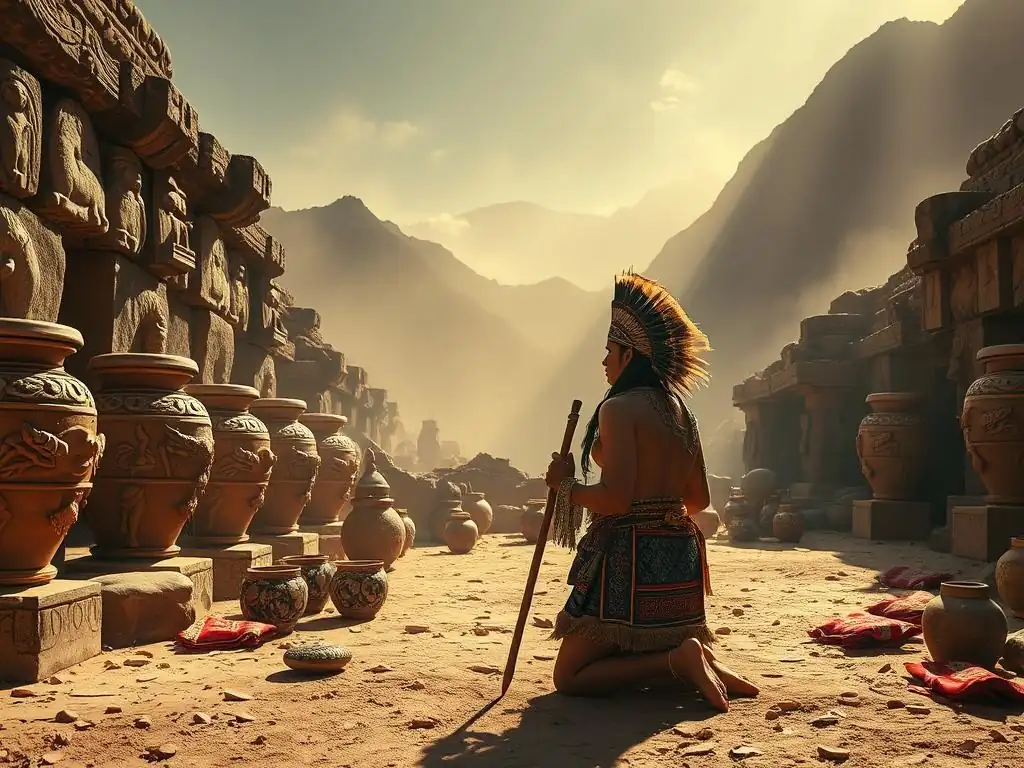
Moche spiritual beliefs were deeply intertwined with their understanding of the afterlife, reflecting a complex worldview that emphasized the significance of death and the journey beyond. The Moche civilization, flourishing along the northern coast of Peru from around 100 to 800 CE, developed a rich tapestry of myths and rituals surrounding the afterlife. These beliefs were not only integral to their spiritual lives but also influenced their cultural practices, societal structures, and artistic expressions.
Moche Views on Death and the Afterlife
The Moche viewed death not as an end but as a transition to another realm. They believed in a dualistic afterlife where individuals would face different fates based on their actions in life. This belief is reflected in their funerary practices, which often involved elaborate burial rituals. The elite were typically buried with an array of grave goods, including ceramics, jewelry, and even sacrificed animals, to accompany them in the afterlife.
The concept of "Kikik," or the spirit, was central to Moche beliefs about the afterlife. Upon death, the Kikik would embark on a journey to the underworld, often portrayed as a dark and treacherous place filled with challenges. Successful navigation of this journey was thought to depend on the individual's moral conduct during their earthly life. The Moche believed that a well-prepared burial could aid the deceased in overcoming these challenges, ensuring a favorable outcome in their posthumous existence.
Myths Surrounding the Underworld in Moche Culture
Moche mythology features a rich narrative surrounding the underworld, often referred to as "Hanan Pacha," which translates to "the world below." This realm was populated by supernatural beings, both benevolent and malevolent, who could influence the fate of souls. Among these beings, the "Sea God," often depicted as a powerful figure with attributes of marine life, played a crucial role in Moche cosmology.
One prevalent myth involves the journey of the deceased through various trials set by the inhabitants of the underworld. The Moche believed that the Sea God would test the souls, determining their worthiness to enter the afterlife. Success in these trials would ensure a peaceful existence in the afterlife, while failure could result in eternal torment or reincarnation in an undesirable form. This myth underscored the importance of moral integrity and the need for proper burial practices to assist the deceased in facing these challenges.
Influence of Moche Spiritual Beliefs on Art and Architecture
Moche spiritual beliefs significantly influenced their art and architecture, resulting in a distinctive cultural output that reflected their worldview. Their artistic expressions served not only decorative purposes but also conveyed deep religious significance, illustrating their myths, deities, and cosmic beliefs.
Moche Art Reflecting Spiritual Themes
Moche art is renowned for its intricate ceramics, often depicting scenes from mythology, ritual practices, and representations of gods. These ceramics frequently illustrate the duality of life and death, portraying both the earthly existence and the spiritual journey of the deceased. Iconography featuring the Sea God, mythological creatures, and ceremonial scenes was prevalent, serving as both a cultural record and a spiritual medium.
The use of iconography in Moche pottery often included symbolic references to fertility, the agricultural cycle, and the afterlife. For example, vessels decorated with depictions of decapitated figures or resurrection themes highlight the Moche belief in the cyclical nature of life and death. Such artistic expressions were not merely aesthetic but were believed to hold power, potentially influencing the spiritual world and the fate of the deceased.
Architectural Structures with Religious Significance
The Moche civilization is also known for its monumental architecture, which served as both religious centers and burial sites. The construction of large adobe pyramids, such as the Huaca del Sol and Huaca de la Luna, exemplifies their architectural prowess and their commitment to spiritual practices. These structures were often aligned with celestial events, reflecting the Moche's understanding of the cosmos and its influence on their agricultural calendar.
Inside these pyramids, elaborate burial chambers and ceremonial spaces were designed to honor the deceased and facilitate their journey to the afterlife. The intricate layout of these structures was symbolic, with each area serving a distinct function in the spiritual process, from initiation rituals to final resting places for elite individuals. The grandeur of Moche architecture not only showcased their engineering skills but also reinforced the importance of the afterlife in their cultural identity, illustrating how deeply intertwined their spiritual beliefs were with their daily lives and social organization.
Myths of Creation and Their Cultural Impact
The creation myths of the Moche civilization serve as foundational narratives that not only explain the origins of the world and humanity but also reflect the values, beliefs, and social structures of this ancient society. These myths encapsulate the Moche's understanding of the cosmos, their relationship with nature, and the divine forces they believed influenced their lives. This section explores the key aspects of Moche creation myths and their profound cultural impact.
The Creation Myth of the Moche Civilization
The Moche creation myth is a complex narrative that highlights the roles of deities in the formation of the world. Central to their mythology is the figure of Takir, a creator god associated with the sun and agriculture. According to Moche tradition, Takir emerged from the underworld and created the earth, rivers, and mountains, thus laying the groundwork for life.
In this myth, the creation of humans is particularly significant. It is said that Takir fashioned the first people from clay, imbuing them with life through his breath. This act not only symbolizes the divine origin of humanity but also emphasizes the importance of craftsmanship and agriculture in Moche culture, as they revered the earth as a source of sustenance.
Additionally, the Moche believed that the annual cycle of agricultural activities mirrored the divine order established by Takir. The interplay of natural elements, such as the sun, moon, and water, was seen as a reflection of the celestial balance that the Moche strived to maintain through their rituals and offerings.
How Moche Creation Myths Shaped Their Society and Values
The creation myths of the Moche were instrumental in shaping their societal structure and collective values. By attributing their origins to divine actions and figures, the Moche instilled a sense of purpose and identity within their community. The myths fostered a worldview in which harmony with nature and respect for the deities were paramount.
- Agricultural Practices: The emphasis on agriculture in their myths led to the establishment of farming rituals. These rituals not only sought to ensure bountiful harvests but also reinforced the idea of reciprocity between the Moche and their gods. Successful crops were seen as blessings from the divine, while failure was attributed to the displeasure of the deities.
- Social Hierarchy: The hierarchical structure of Moche society was also influenced by their creation myths. The ruling class, often believed to be descendants of divine figures, held a privileged status that legitimized their power. This connection to the divine reinforced the importance of leadership in maintaining cosmic order and societal stability.
- Art and Iconography: The Moche's artistic expressions, particularly in pottery and metalwork, were heavily influenced by their myths. Depictions of deities, supernatural beings, and creation narratives in their art served not only as decorative elements but also as a means of storytelling that conveyed cultural values and beliefs.
Conclusion: The Legacy of Moche Spiritual Beliefs and Myths
The spiritual beliefs and myths of the Moche civilization have left an indelible mark on the cultural landscape of the Americas. Understanding these beliefs provides insight into how the Moche viewed their world and their place within it.
Lasting Impact of Moche Spirituality on Indigenous Cultures
The legacy of Moche spirituality extends beyond their civilization, influencing subsequent indigenous cultures in Peru and the broader region. Elements of Moche mythology, particularly surrounding agricultural practices and respect for natural elements, can be seen in the rituals of later Andean societies. The reverence for deities associated with agriculture, water, and fertility remains a vital aspect of many indigenous belief systems today.
Moreover, archaeological findings continue to reveal the significance of Moche spiritual practices, such as their elaborate burial customs and ceremonial sites, which reflect a deep-seated connection to their myths. These elements have been preserved and adapted by contemporary indigenous communities, illustrating the resilience and continuity of Moche spiritual heritage.
Modern Interpretations of Moche Myths in Contemporary Society
In contemporary society, there is a growing interest in the myths of the Moche as scholars and cultural enthusiasts seek to understand their relevance in today’s world. Modern interpretations often explore the themes of environmental stewardship and the balance between humanity and nature that are prevalent in Moche creation myths.
Cultural festivals and educational initiatives in Peru often incorporate these ancient beliefs, allowing new generations to reconnect with their heritage. Additionally, the artistic legacy of the Moche continues to inspire contemporary artists who draw upon Moche iconography and themes, ensuring that these ancient narratives endure in modern cultural expressions.
The exploration of Moche spiritual beliefs and myths not only enhances our understanding of their civilization but also highlights the enduring impact of these narratives on modern indigenous cultures and society as a whole. Through their myths, the Moche have left a profound legacy that continues to resonate, reminding us of the interconnectedness of humanity, nature, and the divine.
- Introduction to Moche Civilization
- Moche Spiritual Beliefs and Myths
- Major Deities in Moche Mythology
- Rituals and Practices in Moche Spiritual Life
- Understanding the Afterlife in Moche Beliefs
- Influence of Moche Spiritual Beliefs on Art and Architecture
- Myths of Creation and Their Cultural Impact
- Conclusion: The Legacy of Moche Spiritual Beliefs and Myths
Frequently Asked Questions
What were the Moche spiritual beliefs?
The Moche spiritual beliefs centered around a complex understanding of the natural world and deities, often linked to agriculture and fertility. They believed in a pantheon of gods that influenced their daily lives and agricultural cycles.
How did Moche myths reflect their culture?
The Moche myths served as a means to explain natural phenomena and societal norms, reinforcing their cultural values and community identity. These stories often depicted gods and heroes who embodied the Moche ideals of strength and resilience.
What role did rituals play in Moche society?
Rituals were integral to Moche life, acting as a way to connect with the spiritual realm and ensure the favor of the gods. They often involved elaborate ceremonies, including sacrifices, to maintain harmony between the community and the divine.
How did Moche achievements influence their spiritual beliefs?
The achievements of the Moche, such as advanced agriculture and intricate pottery, were often seen as gifts from the gods. Their spiritual beliefs emphasized the importance of these accomplishments in sustaining life and providing for their people.
What lasting impacts have Moche beliefs left on modern culture?
Moche spiritual beliefs and myths continue to influence Peruvian culture, evident in contemporary art, festivals, and folklore. Their rich heritage serves as a reminder of the diverse indigenous cultures that shaped the Americas long before European contact.
Final Reflection: Unraveling the Mystique of Moche Spirituality
The exploration of Moche spiritual beliefs and myths is not merely an academic endeavor; it is a journey into the heart of a civilization that shaped the cultural landscape of ancient Peru. Today, as we navigate a world increasingly disconnected from its roots, understanding these ancient beliefs offers profound insights into the human experience and our quest for meaning. The Moche, with their intricate mythology and rich spiritual practices, remind us of the enduring power of storytelling and belief systems in shaping societies.
The legacy of the Moche continues to resonate, influencing contemporary discussions around spirituality and cultural identity. Their myths, steeped in symbolism and reverence for nature, invite us to reflect on our own beliefs and the narratives we create. As we consider the words of the renowned anthropologist, Myths are not just stories; they are the lenses through which we view our world.
This perspective encourages us to appreciate how the Moche's spiritual beliefs have not only informed their existence but also continue to inspire modern interpretations of spirituality and connection to the earth.
As we conclude this exploration of Moche spiritual beliefs and myths, I invite you to reflect on your own beliefs and the narratives that shape your life. Consider how these ancient stories can inform your understanding of the world today. Engage with the lessons of the Moche, allowing their rich tapestry of spirituality to inspire a deeper connection to your own cultural heritage and the environment around you. In doing so, we honor the past while paving the way for a more meaningful future.
Unveil the Mysteries of Moche Spirituality!
Thank you for diving into the fascinating world of the Moche civilization! You’ve uncovered valuable insights into their unique spiritual beliefs and practices. Now, it’s time to take that knowledge and put it into action!
Here’s how you can deepen your understanding and appreciation of Moche culture:
- Explore a local museum featuring Indigenous artifacts to observe the intricate patterns in their belief systems and artistry.
- Join a community discussion focused on Indigenous spirituality—your contributions could foster greater understanding across cultures.
- Share this article with friends and family to ignite conversations about ancient civilizations and their relevance in today’s world.
What aspect of Moche spirituality resonates with you the most, and why do you believe it remains significant in contemporary discussions about Indigenous cultures?