
The Complex Political Hierarchy of the Moche Civilization: Unraveling Power Dynamics

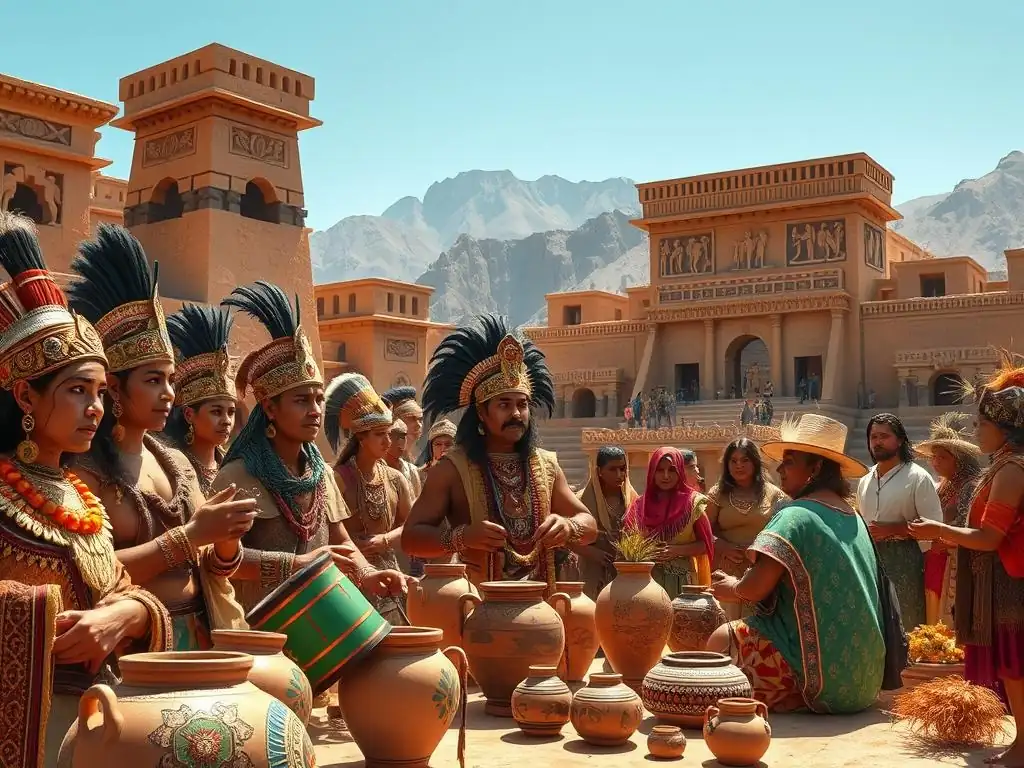
Welcome to Indigenous Civilizations of the Americas, where we invite you to embark on a fascinating journey through the rich tapestry of pre-colonial cultures that shaped the American landscape. Here, we delve deep into the intricate world of the Moche civilization, a society renowned for its sophisticated political structure and vibrant achievements.
In our featured article, "The Complex Political Hierarchy of the Moche Civilization: Unraveling Power Dynamics," you'll uncover the nuances of their governance and the powerful figures who influenced their legacy. Prepare to be captivated as we explore how these ancient civilizations continue to resonate in today's world—let's dive in!
Introduction to the Moche Civilization Political Structure
The Moche civilization, flourishing along the northern coast of present-day Peru from around 100 to 800 CE, is renowned for its advanced agricultural techniques, impressive architectural feats, and rich artistic expressions. However, one of the most fascinating yet often under-explored aspects of this civilization is its political structure. The Moche civilization political structure was characterized by a complex hierarchy that influenced every facet of society, from governance and economics to religion and warfare. Understanding this political framework is crucial to appreciating the Moche’s societal organization and their enduring legacy in the Americas.
Overview of the Moche Civilization
The Moche civilization is distinguished by its sophisticated irrigation systems, which allowed for successful agriculture in a challenging desert environment. The society is also notable for its monumental constructions, such as the iconic Huaca del Sol and Huaca de la Luna, which served both religious and administrative purposes. Artifacts such as intricate pottery, textiles, and metalwork reflect a vibrant culture that valued both aesthetic and functional design. The Moche people were not a monolithic society; instead, they were composed of various local groups that interacted within a broader regional framework, contributing to a dynamic political landscape.
Importance of Political Structure in Moche Society
The political structure of the Moche civilization was integral to its success and cohesion. It provided a framework for leadership, resource allocation, and social organization. This hierarchy enabled the Moche to efficiently mobilize labor for large-scale projects and manage the distribution of surplus goods. Furthermore, the intertwining of political and religious roles suggested that leadership was not only about governance but also about maintaining the favor of the deities, which was essential for societal stability and agricultural productivity.
Key Features of Moche Political Organization
Centralized Leadership in Moche Governance
At the heart of Moche political organization was a centralized leadership system, often embodied in a figure known as the "Wari" or "Lord." This individual wielded significant power, overseeing various local leaders and ensuring that their policies aligned with the overarching goals of the civilization. The centralized authority was crucial for orchestrating military campaigns, managing trade, and overseeing monumental construction projects that required extensive labor and resources.
Role of the Moche Priests and Religious Leaders
Religious leaders held a pivotal role within the Moche political hierarchy. The priests not only conducted rituals and ceremonies to appease the gods but also acted as intermediaries between the divine and the political realm. Their influence was substantial, as they helped to legitimize the authority of the ruling elite and guided the populace in adhering to cultural norms. The intertwining of religious and political power meant that the success of the Moche society was deeply rooted in their spiritual beliefs, reinforcing the societal hierarchy.
Influence of Warrior Nobility in Political Decisions
The warrior class played an essential role in the Moche political structure, often acting as both protectors and enforcers of the ruling class. Their military prowess allowed the Moche to expand their territory and influence over neighboring regions. The warrior nobility not only participated in warfare but also held significant sway in political decisions, ensuring that military interests were aligned with governance. This dual role of warriors as both soldiers and political actors underscores the complex nature of Moche leadership and governance.
The Moche civilization's political structure was a multifaceted system that combined centralized leadership, religious authority, and military influence, all of which contributed to the civilization's remarkable achievements and resilience in the face of challenges. Understanding these dynamics provides valuable insights into the broader context of indigenous governance in the Americas before European contact.
The Hierarchical System of Moche Leadership
The Moche civilization, which thrived along the northern coast of present-day Peru from approximately 100 to 800 CE, exhibited a complex political hierarchy characterized by a well-defined leadership structure. Central to this system were the Sipán, elite rulers who wielded considerable power and influence over both political and religious affairs. The Moche hierarchy was not only vertical but also interconnected, with various levels of authority contributing to the overall governance of the society.
At the apex of Moche society were the high priests and rulers, who were believed to have divine connections and were responsible for maintaining the favor of the gods. Their authority extended beyond governance; they played crucial roles in religious rituals, agricultural cycles, and military endeavors. This intertwining of religious and political power established a system where leaders were seen as mediators between the divine and the earthly realms.
Beneath the Sipán were regional leaders and local governors who managed specific territories, ensuring that the directives from the top echelons of leadership were executed effectively. This hierarchical organization allowed the Moche to maintain control over vast areas and diverse communities, facilitating a cohesive political structure that could respond to both internal and external challenges.
Structure of Moche Rulership: The Sipan and Their Power
The Sipán, often referred to as the "Lord of Sipán," were the most prominent rulers in Moche society. Their authority was not only political but also spiritual, as they were believed to have a direct connection to the gods. This dual role allowed them to command respect and loyalty from their subjects. The Sipán resided in grand adobe structures, which served as both administrative centers and ceremonial sites, reinforcing their status within the community.
The Sipán wielded significant control over military forces, directing campaigns for territorial expansion and resource acquisition. Their leadership was legitimized through elaborate burial practices, as seen in the tomb of the Lord of Sipán, which contained numerous offerings signifying his high status and the power he held even in death. This emphasis on ritual and burial practices highlighted the intertwining of governance and religion, showcasing how the Sipán maintained their authority within Moche society.
Regional Leaders: The Role of Local Governors
Local governance was essential for the effective administration of the Moche civilization. Regional leaders, often referred to as governors, were appointed to oversee specific areas, ensuring that the Sipán's decrees were implemented and local needs were addressed. These governors played a critical role in maintaining order and facilitating communication between the ruling elite and the populace.
Each governor was responsible for managing resources, collecting tribute, and organizing labor for public works, such as the construction of irrigation systems and monumental architecture. Their ability to effectively manage these tasks directly influenced their standing within the hierarchy, as successful governors could gain favor with the Sipán and enhance their own local power. Furthermore, the governors acted as enforcers of Moche law, mediating conflicts and maintaining social cohesion within their jurisdictions.
Community Involvement in Governance
While the Moche political structure was hierarchical, community involvement was a significant aspect of governance. Local assemblies, composed of respected community members, played an essential role in decision-making, particularly in matters affecting their immediate environment. This participatory approach allowed for a degree of local autonomy, as communities could voice their needs and concerns.
Collective labor practices, known as mita, also fostered community participation. Through these labor systems, citizens contributed to agricultural production and infrastructure development, reinforcing their connection to the political structure. Additionally, communal rituals and festivals provided opportunities for the populace to engage with their leaders, further blurring the lines between authority and community.
The Role of Economy in Moche Political Structure
The economy of the Moche civilization was intricately linked to its political structure, with agricultural practices, trade networks, and resource management playing pivotal roles in the exercise of power. The ability to control and distribute resources was essential for maintaining the authority of the Sipán and their governors, as economic stability directly influenced political legitimacy.
Agricultural Practices and Their Political Implications
Agriculture was the backbone of the Moche economy, with sophisticated irrigation systems enabling the cultivation of diverse crops, including maize, beans, and potatoes. The agricultural surplus not only supported the population but also served as a means of tribute to the ruling elite. This reliance on agricultural productivity established a direct connection between farming practices and political power, as successful harvests heightened the prestige of the Sipán.
The Sipán's control over agricultural resources allowed them to exert influence over local communities. They could distribute or withhold resources based on loyalty and obedience, reinforcing their authority. Additionally, the management of agricultural output was a key factor in the political landscape, as fluctuations in production could lead to social unrest, thereby necessitating effective governance.
Trade Networks and Economic Power Dynamics
The Moche civilization developed extensive trade networks that facilitated the exchange of goods and resources across vast distances. These networks were crucial for acquiring luxury items, such as textiles and precious metals, which were often used to demonstrate the wealth and power of the Sipán. The ability to control trade routes and resources significantly enhanced the political dynamics of the Moche.
Trade also played a role in diplomacy, as alliances formed through economic relationships could bolster the power of the Sipán and their governors. Establishing favorable trade agreements allowed the Moche to access new resources and technologies, further consolidating their political power. The wealth generated from trade contributed to the construction of monumental architecture and the elaboration of cultural practices, reinforcing the authority of the ruling elite.
Resource Management: Control and Distribution
Effective resource management was a cornerstone of the Moche political structure. The Sipán and regional governors implemented systems for the control and distribution of vital resources, ensuring that communities were adequately supplied while maintaining a reserve for the elite. This strategic management enabled the ruling class to exert influence and consolidate power.
The Moche utilized various methods to manage resources, including the establishment of storage facilities for surplus agricultural products. These facilities served not only as a means of supply during lean years but also as a tool for the Sipán to reward loyalty and punish disobedience. By controlling the flow of resources, the ruling elite maintained their authority and sustained the hierarchical structure of Moche governance.
The political structure of the Moche civilization was a multifaceted system that intertwined leadership, community involvement, and economic factors. The Sipán, local governors, and community members all played distinct yet interconnected roles, contributing to a sophisticated governance model that allowed the Moche to thrive for centuries.
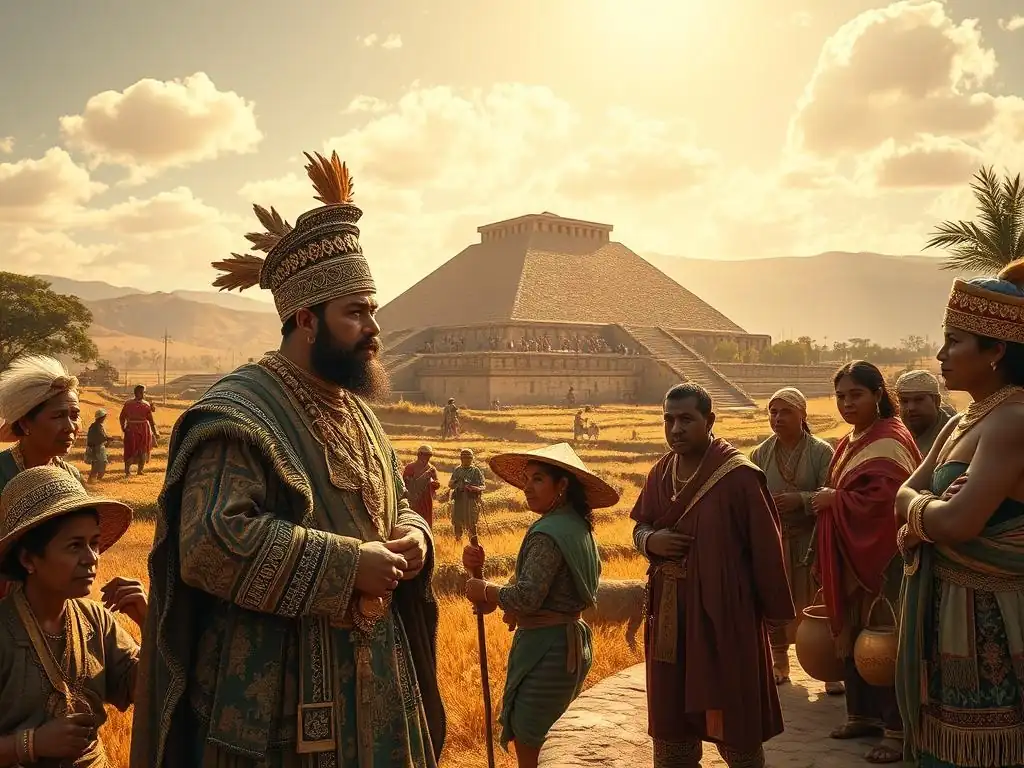
The Moche civilization, which flourished from approximately 100 to 800 CE in what is now northern Peru, exhibited a complex political hierarchy deeply intertwined with its social structure. Social classes played a pivotal role in shaping Moche governance and political dynamics. The Moche society was stratified into distinct classes, each contributing to the overall political framework and influencing decision-making processes. The interplay between these classes often determined the stability and functionality of Moche political life.
The elite class, comprising the nobility and high-ranking officials, held significant power and influence over political affairs. Meanwhile, artisans and laborers formed the backbone of the economy, thus indirectly affecting political decisions. The position of women within this hierarchy also contributed to governance, as certain women held roles that could influence societal norms and political actions. Understanding these social classes and their interactions is crucial to unraveling the complexities of the Moche civilization's political structure.
The Elite Class: Nobility and Their Political Influence
At the apex of Moche society was the elite class, characterized by nobility and powerful leaders known as "Naymlap." This class was essential in establishing and maintaining the political hierarchy. Nobles were often landowners and controlled vast resources, which allowed them to exert dominance over lower classes. They were responsible for governance, military leadership, and religious ceremonies, further cementing their control over the populace.
The political influence of the elite extended beyond mere governance; they were also involved in the construction of monumental architecture, such as the famous Huacas (temples) that symbolized their power. Nobles would often participate in elaborate rituals that reinforced their status and connection to the divine. This symbiotic relationship between religion and governance helped to legitimize their authority and maintain social order within the Moche civilization.
The Role of Artisans and Laborers in Political Structure
While the elite class held the most visible power, artisans and laborers played a critical role in the Moche political structure. Artisans were skilled workers who produced essential goods, from textiles to pottery, which were not only vital for everyday life but also served as offerings and tribute to the elite. Their craftsmanship reflected the cultural identity of the Moche and contributed to the society's economic stability.
Laborers, primarily engaged in agricultural and construction activities, formed the backbone of the Moche economy. Their productivity was crucial for sustaining the elite and the overall societal hierarchy. The labor force often participated in large-scale projects, including the construction of irrigation systems and monumental structures, which were integral to the Moche's power dynamics. The reliance on skilled artisans and laborers created a complex relationship where their contributions were vital to the elite's political authority.
Gender Roles: Women in Moche Society and Governance
In Moche society, gender roles were distinctly defined, yet women held a significant, albeit nuanced, place within the political hierarchy. While men predominantly occupied positions of power, some women, particularly elite women, wielded considerable influence in governance and societal affairs. Evidence from archaeological findings, such as intricate burial sites, suggests that women of high status were involved in religious and political activities.
Certain women may have played roles in ritualistic practices that were crucial for legitimizing the political authority of male leaders. This involvement allowed them to influence decisions indirectly and secure their family's status within the Moche hierarchy. The presence of powerful female figures in Moche art and iconography indicates that women were not merely passive participants; they were integral to the cultural and political landscape of the civilization.
Challenges to the Moche Political Hierarchy
The Moche civilization, despite its sophisticated political structure, faced numerous challenges that threatened its stability and governance. These challenges stemmed from internal conflicts, external threats from neighboring civilizations, and economic pressures that impacted their political dynamics. Understanding these challenges is essential to grasping the eventual decline of the Moche civilization.
Internal Conflicts and Power Struggles
Internal conflicts within the Moche society often arose from power struggles among the elite. With multiple noble families vying for dominance, factionalism became a significant issue. Disputes over resources, land, and political influence could lead to civil strife, undermining the stability of the political hierarchy. These power struggles not only affected governance but also had repercussions on the laboring classes, who were often caught in the crossfire.
Additionally, regional rivalries between different Moche city-states could exacerbate these conflicts, as local leaders sought to assert their autonomy against a backdrop of centralized power. Such fragmentation weakened the collective strength of the Moche civilization, making it susceptible to external threats and diminishing the effectiveness of its political structure.
External Threats: The Impact of Neighboring Civilizations
The Moche civilization was not isolated; it existed alongside other powerful cultures, such as the Nazca and the Tiwanaku, which posed external threats. These neighboring civilizations often competed for control over key resources, trade routes, and territorial claims. Military confrontations were common, and the Moche had to navigate these relationships carefully to maintain their political stability.
The external pressures from these civilizations could lead to alliances or, conversely, warfare that disrupted the Moche's internal governance. In some cases, the Moche were forced to divert resources from their political and social systems to address these external challenges, which could weaken their political structure and lead to instability.
Economic Challenges and Their Political Consequences
Economic challenges, including droughts and resource scarcity, significantly impacted the Moche political hierarchy. The Moche civilization relied heavily on agriculture, and any disruption in agricultural productivity could lead to food shortages, social unrest, and increased tensions among different social classes. These economic strains often prompted the elite to impose heavier tributes on lower classes, leading to discontent and potential uprisings.
Moreover, the economic difficulties could hinder the Moche's ability to sustain their monumental construction projects and military campaigns, further eroding their political authority. As the political structure relied on a stable economy, these challenges could catalyze broader societal changes, ultimately contributing to the decline of the Moche civilization.
The complex political hierarchy of the Moche civilization was shaped by various social classes, each influencing governance in distinct ways. However, internal strife, external threats, and economic challenges posed significant hurdles to maintaining a stable political structure, illustrating the dynamic nature of Moche power dynamics.
Conclusion: Legacy of the Moche Political Structure
The political structure of the Moche civilization was a complex and sophisticated system that played a crucial role in the civilization's longevity and influence in the Andes region. With a well-defined hierarchical structure, the Moche established a centralized authority that allowed for effective governance, resource management, and social organization. The legacy of the Moche political system is evident in the way it laid the foundation for subsequent Andean cultures, influencing their administrative practices and societal norms.
The Moche civilization's emphasis on monumental architecture, particularly in their ceremonial centers, reflects their political power and religious significance. The elaborate temples and pyramids not only served as administrative hubs but also as symbols of authority and divine connection. This integration of politics and religion is a hallmark of Moche governance, highlighting the importance of leadership that was both secular and sacred.
Lasting Impact on Subsequent Civilizations
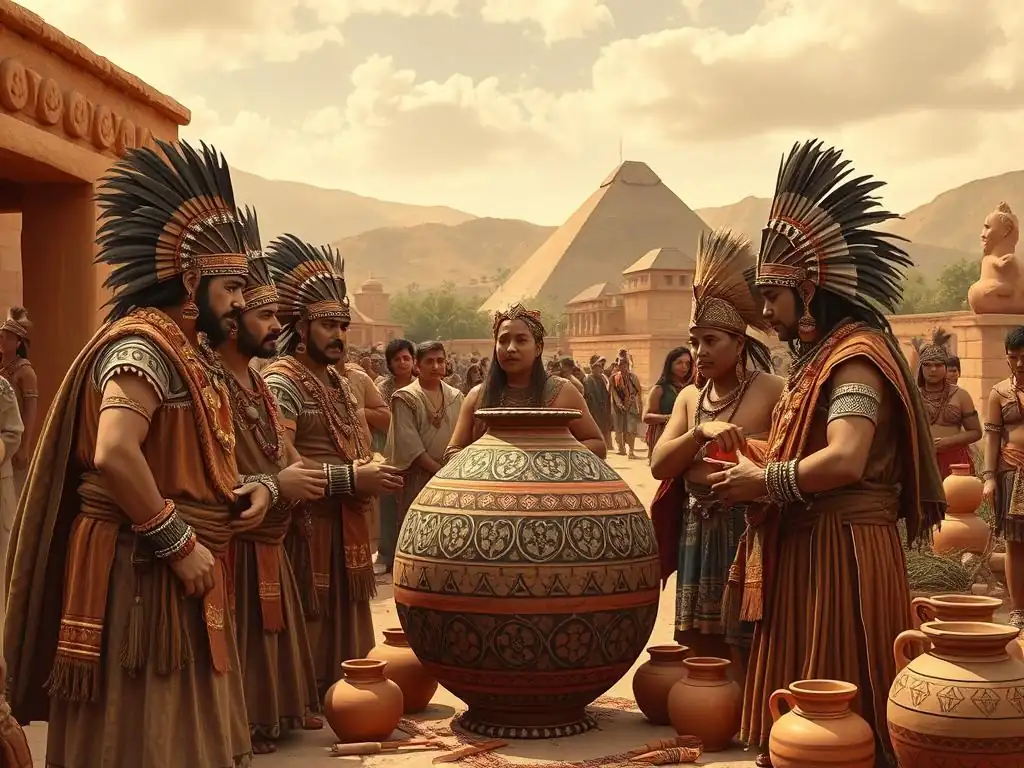
The Moche civilization's political structure set a precedent that was observed in later Andean cultures, such as the Nazca and the Inca. The centralization of power and the use of a class-based society allowed for the efficient administration of resources and labor, which were crucial for large-scale agricultural and construction projects.
The Inca Empire, in particular, inherited several elements from the Moche political framework, including the utilization of local leaders to maintain control over vast territories. The Moche's practice of integrating conquered peoples into their political system fostered a sense of loyalty and stability, a strategy that the Inca adeptly adopted to manage their diverse empire.
Lessons from Moche Governance in Modern Context
The governance practices of the Moche civilization offer valuable insights for contemporary political structures. Their ability to balance power between different classes and regions serves as a critical lesson in managing diversity and fostering inclusion. The Moche promoted local governance while maintaining overarching control, a model that could inform modern governance strategies aiming for decentralization and empowerment of local leaders.
Moreover, the Moche's commitment to infrastructure development, such as irrigation systems and roads, underscores the importance of investing in public works to support economic growth and social cohesion. These lessons can be particularly relevant for modern societies grappling with issues of governance, resource distribution, and socio-economic disparities.
References and Further Reading on Moche Civilization Political Structure
Suggested Academic Texts on Moche Governance
-
"The Moche of Ancient Peru: Their Culture and Art" by Christopher B. Donnan
This text provides an in-depth analysis of Moche society, including their political structure, religious practices, and artistic achievements.
-
"Moche Political Organization" by William M. Denevan
This book explores the intricacies of Moche governance, including the roles of leadership and the implications of their political choices on regional dynamics.
-
"Andean Civilization: A Cultural History" by John V. Murra
Murra's work offers comparative insights into Andean civilizations, focusing on political structures and their evolution over time.
Recommended Resources for Understanding Indigenous Political Systems
-
"Indigenous Governance: A Global Perspective"
This resource examines various indigenous governance models, providing context and comparisons to the Moche civilization.
-
"The Politics of the Inka Empire" by J. A. Janusek
Although primarily focused on the Inca, this book discusses the influences of earlier civilizations, including the Moche, on political organization in the Andes.
-
"Civilizations of the Andes" from the Smithsonian Institution
An online resource that offers a broad overview of Andean civilizations, including their political structures, social organization, and cultural achievements.
- Introduction to the Moche Civilization Political Structure
- Key Features of Moche Political Organization
- The Hierarchical System of Moche Leadership
- The Role of Economy in Moche Political Structure
- Social Classes and Their Impact on Moche Politics
- Challenges to the Moche Political Hierarchy
- Conclusion: Legacy of the Moche Political Structure
- Lasting Impact on Subsequent Civilizations
- Lessons from Moche Governance in Modern Context
- References and Further Reading on Moche Civilization Political Structure
Frequently Asked Questions
What was the political structure of the Moche civilization?
The Moche civilization had a complex political hierarchy that included powerful elites, often centralized in chiefdoms. Their governance was characterized by a blend of religious authority and military power.
How did religion influence Moche politics?
Religion played a crucial role in the Moche political structure. The elite leaders often held religious titles, which helped legitimize their authority and unify the community through shared beliefs and rituals.
What were the main features of Moche governance?
Moche governance featured a multi-tiered system with local leaders overseeing smaller communities while answering to a higher central authority. This structure facilitated resource distribution and social organization.
How did the Moche civilization manage resources?
The Moche civilization effectively managed resources through a system of agriculture and irrigation, which supported their population. This system was overseen by leaders who coordinated labor and ensured food security.
What legacy did the Moche civilization leave behind?
The Moche civilization's legacy includes remarkable artistry, architectural advancements, and a sophisticated understanding of political organization. Their cultural influences can still be seen in modern Peruvian society.
Final Reflection: Understanding Power Dynamics in the Moche Civilization
The exploration of the Moche civilization's political structure reveals not only the intricacies of their societal hierarchy but also its profound relevance in today's discussions about governance and power dynamics. The Moche, with their sophisticated systems of leadership and control, remind us that the foundations of political organization have deep historical roots that continue to influence modern societies. As we navigate our current political landscapes, understanding these ancient frameworks can provide valuable insights into the complexities of authority and community.
The impact of the Moche civilization's political structure extends beyond mere historical curiosity; it shapes our understanding of cultural identity and social organization. Reflecting on the Moche's ability to manage resources and maintain social order amidst challenges, we can draw parallels to contemporary issues of governance and community resilience. History is not a burden on the memory but an illumination of the soul.
This quote encapsulates the importance of learning from the past, as the Moche's strategies for leadership and societal cohesion continue to resonate in our modern quest for effective governance.
As we conclude this exploration, I invite you to reflect on the lessons gleaned from the Moche civilization. Consider how the dynamics of power and leadership play out in your own life and community. What can you learn from their approach to governance that might inspire you to foster collaboration and resilience in your own environment? Embrace the opportunity to apply these historical insights to your personal journey, and let the legacy of the Moche guide you in navigating the complexities of today's world.
Unleash Your Curiosity About Indigenous Civilizations!
Thank you for diving deep into the intricate world of the Moche civilization and its fascinating political hierarchy! Your interest in understanding these complex power dynamics not only enriches your knowledge but also honors the legacy of indigenous cultures. Let’s take the next step together!
Take Action Today:
- Explore further: Delve into other indigenous civilizations by visiting our Indigenous Civilizations archive to discover untold stories and histories.
- Engage with our community: Share your thoughts and insights on social media using #MocheHistory — your perspective is valuable!
- Create your own discussion: Start a conversation with friends or in study groups about how ancient hierarchies impact modern societies.
What aspect of the Moche political system surprised you the most, and how do you think it relates to contemporary power structures? Let’s discuss!