
The Symbolism of Moche Iconography: Decoding Their Scientific and Cultural Significance

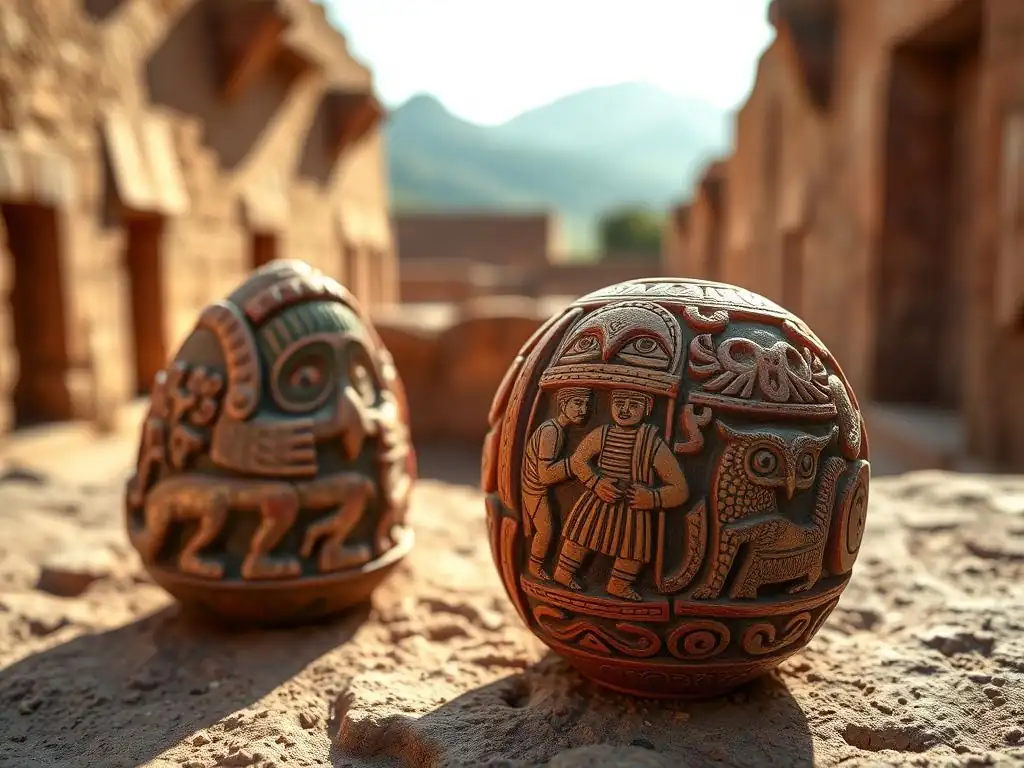
Welcome to Indigenous Civilizations of the Americas, where we invite you to journey through the rich tapestry of indigenous cultures that flourished long before European contact. In this exploration, we delve into the Moche civilization, uncovering the profound symbolism of Moche iconography and its cultural significance. What stories lie hidden within their intricate designs? How did these artistic expressions reflect their societal values and scientific understanding? Prepare to be captivated as we decode the meanings behind these ancient symbols and reveal their lasting impact on the world today. Let the adventure begin!
- Introduction to Moche Iconography
- The Elements of Moche Iconography
- Scientific Significance of Moche Iconography
- Cultural Significance of Moche Iconography
- Decoding Moche Iconography: Methods and Approaches
- Case Studies of Moche Iconography
- Conclusion: The Lasting Impact of Moche Iconography
- Frequently Asked Questions
- Final Reflection: Unveiling the Depths of Moche Iconography's Cultural Significance
- Unveil the Mysteries of Moche Iconography!
Introduction to Moche Iconography
The Moche civilization, flourishing along the northern coast of present-day Peru from approximately 100 to 800 AD, is renowned for its rich artistic expressions, particularly in iconography. This intricate visual language not only showcases the Moche's artistic prowess but also serves as a vital medium for communication, cultural identity, and scientific understanding.
Through a detailed examination of Moche iconography, we can uncover the profound cultural significance it held in their society, reflecting their beliefs, practices, and interactions with the natural world. This article aims to delve deep into the layers of meaning embedded in Moche iconographic art, highlighting its role in shaping our understanding of their achievements and legacy.
Overview of Moche Civilization
The Moche civilization is a remarkable example of pre-Columbian culture, characterized by its sophisticated society and advanced technological developments. Emerging in a region marked by diverse ecological zones, the Moche people developed intricate agricultural systems, allowing them to thrive in a landscape that presented both challenges and opportunities. Their societal structure was complex, featuring a stratified hierarchy that included powerful elites, skilled artisans, and laborers.
Key achievements of the Moche civilization include:
- Architecture and Urban Planning: The Moche are famous for their monumental adobe constructions, such as the Huaca del Sol and Huaca de la Luna, which served both religious and administrative purposes.
- Pottery and Craftsmanship: Moche artisans excelled in ceramics, creating finely detailed pottery adorned with vivid iconography that reflected their worldview and daily life.
- Agricultural Innovations: They developed advanced irrigation techniques that transformed arid land into productive fields, supporting their growing population.
These aspects of Moche civilization not only demonstrate their adaptability and ingenuity but also lay the foundation for understanding the significance of their iconography.
Importance of Iconography in Moche Culture
Iconography played a vital role in Moche culture, serving as a means of expression that conveyed their beliefs, social structures, and relationship with the environment. The Moche utilized various forms of iconographic representation, including pottery, textiles, and metalwork, to communicate complex ideas and narratives. This visual language was rich in symbolism, often depicting deities, mythological creatures, and scenes of daily life, which served multiple purposes:
- Religious Significance: Many symbols were tied to the Moche's religious practices, representing gods and rituals that were central to their cosmology.
- Social Commentary: Iconography often reflected social hierarchies and the roles of different classes within Moche society, providing insight into their political structures.
- Environmental Awareness: Representations of nature and agricultural themes highlight the Moche's deep connection to their environment and their understanding of ecological systems.
Through these artistic expressions, the Moche not only preserved their cultural heritage but also offered a window into their worldview, making iconography a crucial aspect of their identity.
Purpose of the Article on Moche Iconography Cultural Significance
This article aims to explore the intricate layers of Moche iconography and its cultural significance, shedding light on how these visual representations encapsulated the essence of Moche society. By analyzing specific iconographic motifs and their contextual meanings, we will reveal the scientific and cultural implications of these artworks.
Key objectives include:
- Decoding Symbolic Meanings: Understanding the specific symbols and their interpretations within Moche culture.
- Highlighting Technological and Artistic Innovations: Examining how Moche iconography reflects their advancements in art and science.
- Connecting Past and Present: Discussing the relevance of Moche iconography in contemporary studies of indigenous cultures and their enduring legacy.
Through this exploration, we aim to enrich the understanding of Moche iconography's cultural significance and its role in expressing the complexity of their civilization.
The Elements of Moche Iconography
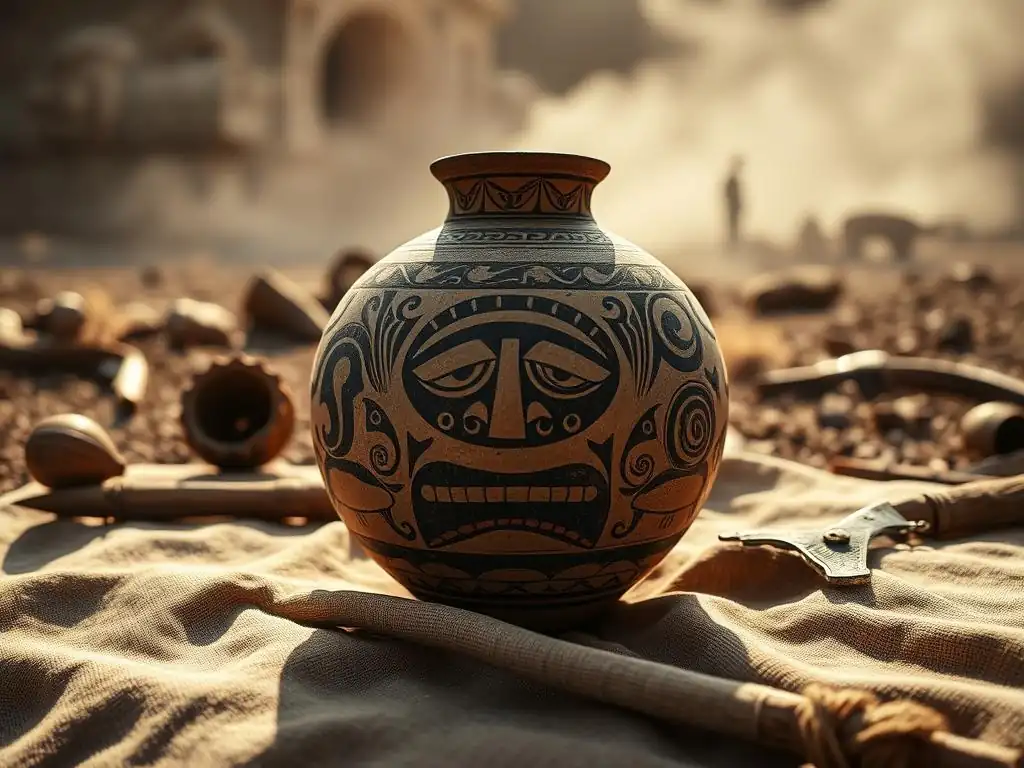
Moche iconography is a rich visual language that offers insight into the cultural significance and scientific achievements of the Moche civilization. This intricate system of symbols and motifs reflects not only the beliefs and practices of the Moche people but also their advanced artistic techniques. Understanding the elements of Moche iconography allows us to appreciate the complexity and depth of their cultural heritage.
Key Symbols in Moche Art
The Moche civilization utilized a variety of symbols that held significant meaning within their society. Some of the most prominent symbols include:
- Cultural Figures: Many artworks feature anthropomorphic figures, often depicted in ceremonial contexts. These figures are believed to represent deities or important ancestors, signifying the Moche's deep connection to their spiritual beliefs.
- Animals: Animals play a vital role in Moche iconography, with representations of creatures such as felines, birds, and marine life. Each animal symbolizes different traits; for example, the jaguar is often associated with power and strength, while birds may symbolize the connection to the divine.
- Mythological Scenes: Moche art frequently illustrates mythological narratives that convey their cosmology and religious beliefs. These scenes often depict interactions between gods, humans, and nature, illustrating the Moche's understanding of their world.
- Ceremonial Objects: Artifacts such as ceremonial vessels often feature intricate designs that suggest their use in rituals. These objects are not merely functional but serve as vital links between the physical and spiritual realms.
Materials and Techniques Used in Moche Iconography
The Moche civilization was known for its innovative use of materials and techniques in creating their artwork. Key aspects include:
- Ceramics: The Moche excelled in pottery, producing a wide array of ceramic vessels adorned with detailed reliefs and painted motifs. The use of clay allowed for intricate designs that conveyed their iconographic themes.
- Metallurgy: The Moche were skilled metallurgists, utilizing gold, silver, and copper to create elaborate decorative pieces. Their techniques in metalworking not only served aesthetic purposes but also demonstrated their scientific understanding of materials.
- Textiles: Moche textiles, often woven with vibrant colors and complex patterns, were another significant medium for iconography. The motifs represented in textiles often conveyed social status, spiritual beliefs, and cultural narratives.
- Sculpture: Stone and adobe were commonly used for larger sculptures, including monumental structures and tombs. The craftsmanship displayed in these sculptures reflects both technical skill and cultural narrative, serving as physical expressions of their iconography.
Common Themes Depicted in Moche Artistic Representations
Moche iconography is characterized by recurring themes that highlight their cultural values and societal structure. Some of the most common themes include:
- Agriculture and Fertility: Many representations focus on agricultural practices, reflecting the Moche's reliance on farming. Fertility motifs symbolize the importance of sustenance and the cycles of nature, emphasizing their connection to the land.
- War and Power: Scenes depicting warfare and ritual combat showcase the Moche's militaristic aspects. These representations not only signify the importance of power but also illustrate their social hierarchy and the role of warriors within their society.
- Death and the Afterlife: Mortuary scenes are prevalent in Moche art, emphasizing their beliefs about death and the afterlife. The rich iconography associated with burial practices provides insight into their views on mortality and the spiritual journey beyond life.
- Ceremonial Practices: Rituals and ceremonies are depicted frequently, highlighting the significance of community and spirituality in Moche life. These themes illustrate their complex social structures and the role of ritual in maintaining cultural identity.
By analyzing the elements of Moche iconography, we gain a deeper understanding of the cultural significance behind their artistic expressions, revealing the intricate relationship between their beliefs, achievements, and the environment in which they thrived.
Scientific Significance of Moche Iconography
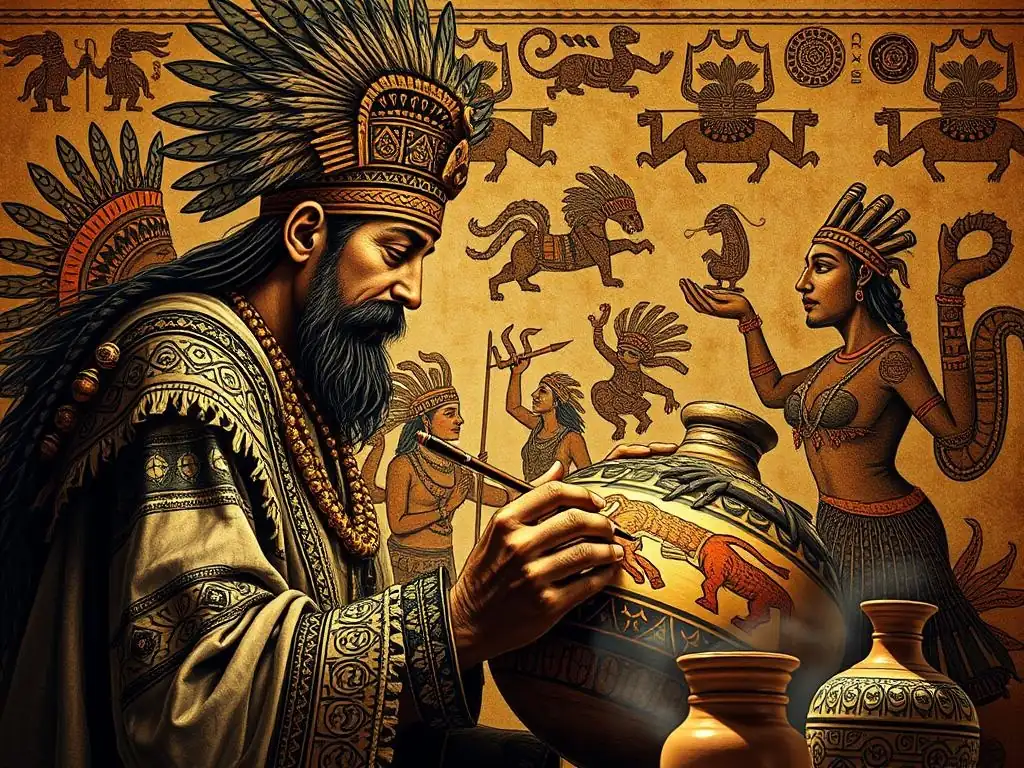
Moche iconography serves as a vital key to understanding the scientific and cultural significance of the Moche civilization, which thrived along the northern coast of present-day Peru between 100 AD and 800 AD. The intricate designs and motifs found in their art—particularly in ceramics, pottery, and textiles—offer insights into their technological advancements, social structure, and worldview.
Moche artisans employed advanced techniques in metallurgy, ceramics, and textiles, which are reflected in their iconographic expressions. By analyzing these materials, researchers can reconstruct Moche society's socio-political dynamics and environmental adaptations. The Moche used iconography not merely for aesthetic purposes but as a means to convey complex ideas and beliefs, making it essential for understanding their civilization's scientific achievements.
Insights into Moche Society Through Art
Moche iconography is deeply intertwined with the societal structure of the civilization. The themes depicted in Moche art often reflect the roles of different classes, including elites, craftsmen, and commoners. For instance, depictions of warfare, ritual sacrifice, and agricultural practices in their ceramics provide a glimpse into the Moche's hierarchical society and its dependence on both military prowess and agricultural productivity.
- Representation of Authority: Moche pottery often features images of powerful figures, such as warriors and priests, suggesting a society that revered authority and had a well-defined leadership structure.
- Craft Specialization: The complexity of the iconography indicates a society with specialized artisans who were skilled in various forms of art, suggesting economic organization and trade networks.
- Cultural Exchange: The presence of certain motifs may indicate cultural influences from neighboring societies, highlighting the interconnectedness of ancient civilizations in the Americas.
The careful analysis of these artistic expressions allows researchers to infer the social dynamics and cultural values of the Moche people, thereby enhancing our understanding of their civilization as a whole.
Symbolism in Moche Ceramics and Pottery
Ceramics and pottery are among the most significant mediums through which Moche iconography is expressed. The designs often feature intricate motifs that carry profound symbolic meanings, which can be deciphered to reveal insights about Moche beliefs and practices.
| Symbol | Meaning |
|---|---|
| Fish | Abundance and sustenance, reflecting their reliance on marine resources. |
| Felids | Power and ferocity, often associated with deities and warriors. |
| Human Figures | Depictions of rituals, suggesting a society deeply connected to spiritual practices. |
These symbols are not merely decorative; they serve to communicate the Moche’s relationship with their environment, their deities, and their community. For example, the frequent representation of marine life in their ceramics indicates a strong connection to coastal resources, which were essential for their sustenance and trade.
The Role of Iconography in Understanding Moche Religion and Cosmology
Moche iconography is pivotal in decoding their religious beliefs and cosmological views. The imagery found in their art provides a narrative of their understanding of existence, the afterlife, and the divine.
- Deities and Rituals: The Moche depicted various deities, often associated with nature and fertility. Understanding these figures helps to reconstruct their religious practices and the significance of rituals in their daily lives.
- Cosmological Concepts: The representation of duality and cycles, such as life and death or day and night, in Moche art indicates a worldview that embraced the interconnectedness of various elements of existence. This duality is often showcased through contrasting colors and opposing figures in their iconography.
- Ritualistic Artifacts: Many artifacts, such as the famous Moche stirrup-spout vessels, are adorned with elaborate imagery that was used in rituals, providing insight into the ceremonial aspects of their culture.
Through the study of Moche iconography, researchers can gain a deeper understanding of how the Moche civilization viewed their world, their place within it, and the spiritual beliefs that guided their actions. This comprehensive exploration of their artistic expressions reveals the intricate tapestry of Moche life, solidifying the cultural significance of their iconography in the broader narrative of pre-Columbian civilizations.
Cultural Significance of Moche Iconography
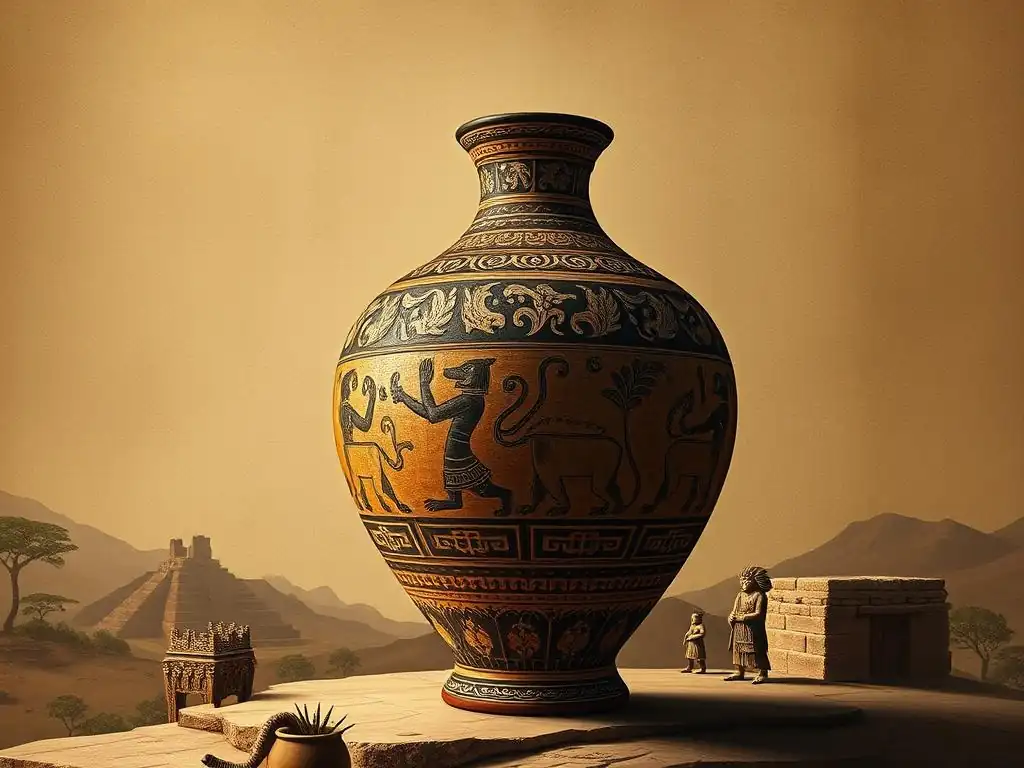
The Moche civilization, which flourished along the northern coast of Peru from approximately 100 to 800 AD, is renowned for its intricate and symbolic iconography. Moche iconography cultural significance extends beyond mere artistic expression; it serves as a window into their religious beliefs, societal structures, and cultural practices. The rich tapestry of symbolic representations found in Moche ceramics, textiles, and architecture provides invaluable insights into how the Moche understood their world and their place within it.
Representation of Deities and Mythology
Moche iconography is heavily laden with depictions of deities and mythological figures, which played a crucial role in their religious practices. Central to their belief system were anthropomorphic and zoomorphic representations that conveyed complex relationships between the natural and supernatural worlds.
- Key Deities: The Moche worshipped several principal deities, including the Decapitator, who is often depicted with a trophy head, emphasizing themes of death and regeneration. This figure symbolizes the cyclical nature of life and the importance of sacrifice in Moche spirituality.
- Mythological Narratives: Many Moche artifacts feature scenes that narrate myths related to creation, fertility, and the afterlife. For instance, the portrayal of the sacrificial ceremonies highlights the significance of ritual practices aimed at appeasing deities and ensuring agricultural bounty.
- Symbolic Motifs: The use of specific motifs, such as the spider or crocodile, often carries dual meanings, representing both earthly and celestial realms. These symbols are vital in understanding the Moche worldview, where every element is interconnected through spiritual significance.
Through these representations, Moche iconography reveals not only their religious beliefs but also their deep respect for the forces of nature, which were essential to their survival and prosperity.
Societal Hierarchies Reflected in Moche Symbols
Moche society was characterized by a complex social hierarchy that is distinctly reflected in their iconography. The symbols used in Moche art and artifacts provide insights into the roles and statuses of various social classes.
- Elite Representation: Iconography often highlights elite figures, adorned with intricate jewelry and elaborate clothing, signifying their status and power. Such depictions suggest that the ruling class held significant influence over both political and religious spheres.
- Labor and Craftsmanship: Moche pottery often illustrates scenes of labor, showcasing the importance of artisans and farmers in their society. This recognition of different social roles underscores a structured society where each role contributed to the community’s overall functioning.
- Gender Dynamics: Gender roles are also apparent in Moche iconography, with males often depicted in warrior or priestly roles while females are portrayed in domestic settings or as fertility figures. This differentiation provides a glimpse into the societal norms and expectations prevalent in Moche culture.
The societal hierarchies reflected in Moche symbols illuminate the complexities of their civilization, offering a lens through which to view their organizational structure and cultural values.
Moche Iconography and Its Influence on Contemporary Indigenous Cultures
The legacy of Moche iconography extends beyond their civilization, influencing contemporary indigenous cultures in the Andes and beyond. The symbolic language developed by the Moche continues to resonate and be reinterpreted in modern contexts.
- Cultural Revitalization: Many contemporary indigenous groups in Peru draw upon Moche iconography as a source of cultural pride and identity. This revitalization often manifests in art, textiles, and festivals that celebrate Moche heritage.
- Artistic Inspiration: Modern artists frequently incorporate Moche motifs and themes into their work, blending ancient symbolism with contemporary styles. This fusion not only preserves Moche artistry but also provides a means of storytelling in today's cultural landscape.
- Educational and Cultural Preservation: Institutions and communities are increasingly recognizing the importance of Moche iconography in understanding indigenous history. Efforts to educate younger generations about these symbols foster a greater appreciation of their cultural heritage and its significance in today’s world.
Through these influences, Moche iconography cultural significance remains a vital aspect of the ongoing narrative of indigenous cultures, bridging the past with the present and ensuring the survival of their rich artistic traditions.
Decoding Moche Iconography: Methods and Approaches
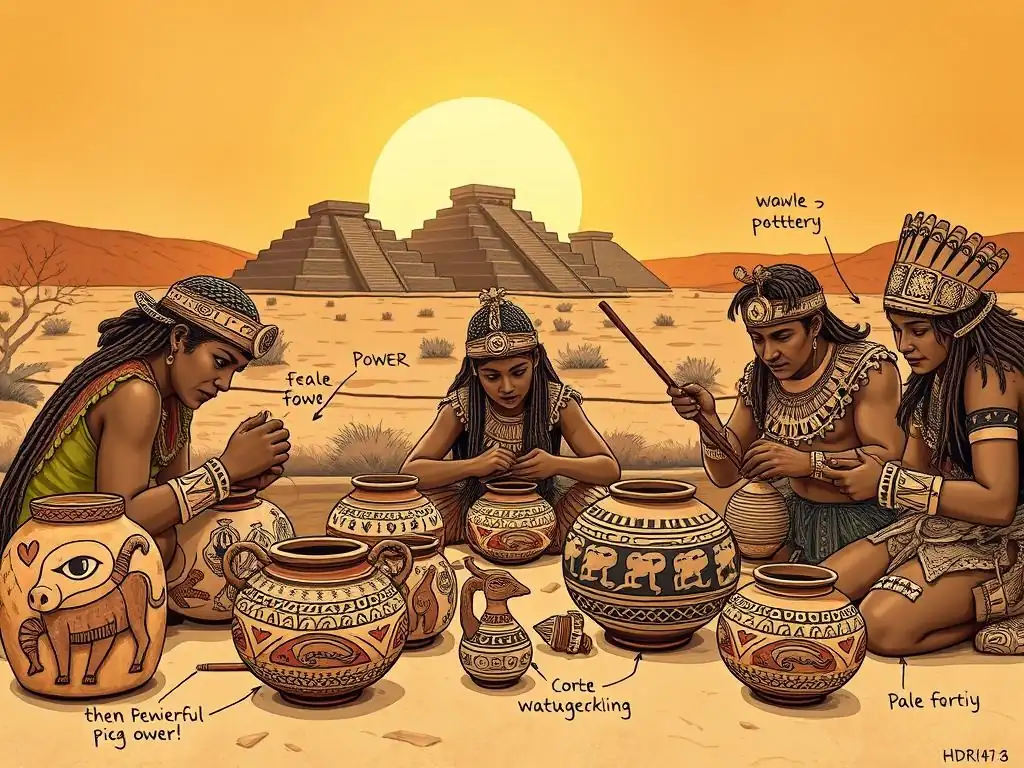
Decoding Moche iconography offers a multifaceted approach to understanding the cultural significance of this ancient civilization. By employing various methodologies, researchers have been able to uncover the complex meanings behind the symbols and motifs that characterize Moche art. The following sections delve into the specific methods used to analyze Moche iconography, each contributing unique insights into the society's beliefs, rituals, and scientific achievements.
Archaeological Techniques for Analyzing Iconography
Archaeological techniques play a crucial role in the analysis of Moche iconography. These methods include:
- Excavation and Contextual Analysis:
- Systematic excavation of Moche sites, such as Huaca de la Luna and Huaca del Sol, allows for the discovery of artifacts in their original contexts. This helps researchers understand the spatial relationships between iconographic elements and their associated rituals.
- Iconographic Analysis:
- This involves a detailed examination of the visual motifs found on pottery, textiles, and murals. By categorizing these symbols, researchers can identify recurring themes and their potential meanings. For instance, the presence of felines, birds, and human figures often signifies various aspects of Moche mythology and cosmology.
- Material Analysis:
- The composition of materials used in Moche artifacts, such as clay and pigments, can provide insights into their production techniques and trade networks. Techniques like X-ray fluorescence (XRF) allow scientists to determine the elemental composition of pigments, enhancing our understanding of the resources available to the Moche.
- Chronological Frameworks:
- Establishing a timeline through radiocarbon dating and stratigraphic analysis helps contextualize the evolution of iconographic styles over time. This chronological perspective is vital for understanding how Moche iconography adapted to social and environmental changes.
The Role of Ethnography in Understanding Moche Symbols
Ethnographic methods offer a complementary lens through which to view Moche iconography. The application of these techniques includes:
- Cultural Continuity:
- Ethnographers study the surviving indigenous communities in the Andes to identify cultural practices that may have origins in Moche traditions. This helps in interpreting Moche symbols in a living context, revealing their ongoing significance in contemporary society.
- Oral Traditions:
- Gathering oral histories and local myths provides a narrative framework that can illuminate the meanings behind Moche iconography. Such stories often encode moral lessons, historical events, or cosmological beliefs that resonate with the symbols depicted in ancient art.
- Participatory Observation:
- Engaging with modern communities through participatory observation allows researchers to witness rituals and ceremonies that may echo Moche practices. This immersive approach fosters a deeper understanding of the cultural significance of symbols, as well as their role in social identity.
Interdisciplinary Perspectives on Moche Art and Culture
An interdisciplinary approach enhances the analysis of Moche iconography, integrating insights from various fields:
- Art History:
- Art historians examine stylistic elements and aesthetics within Moche art. By comparing Moche iconography with other ancient cultures, they can identify unique characteristics and influences that shaped Moche artistic expression.
- Anthropology:
- Anthropologists focus on the cultural contexts in which Moche iconography was produced and consumed. They explore how symbols functioned within the society, particularly in relation to power structures, religious practices, and social cohesion.
- Linguistics:
- The study of ancient languages and writing systems can shed light on the meanings of specific symbols. Although the Moche did not have a written language, linguistic analysis of related cultures can aid in deciphering iconographic messages.
- Environmental Sciences:
- Understanding the geographical and climatic conditions of the Moche region helps contextualize their iconography. Environmental factors often influenced cultural practices, and symbols may reflect adaptations to these conditions.
By employing a combination of archaeological, ethnographic, and interdisciplinary methods, researchers can effectively decode the Moche iconography and appreciate its cultural significance. This multifaceted approach not only enriches our understanding of the Moche civilization but also highlights the intricate relationship between art, culture, and science in ancient societies.
Case Studies of Moche Iconography
Analysis of Specific Iconographic Artifacts
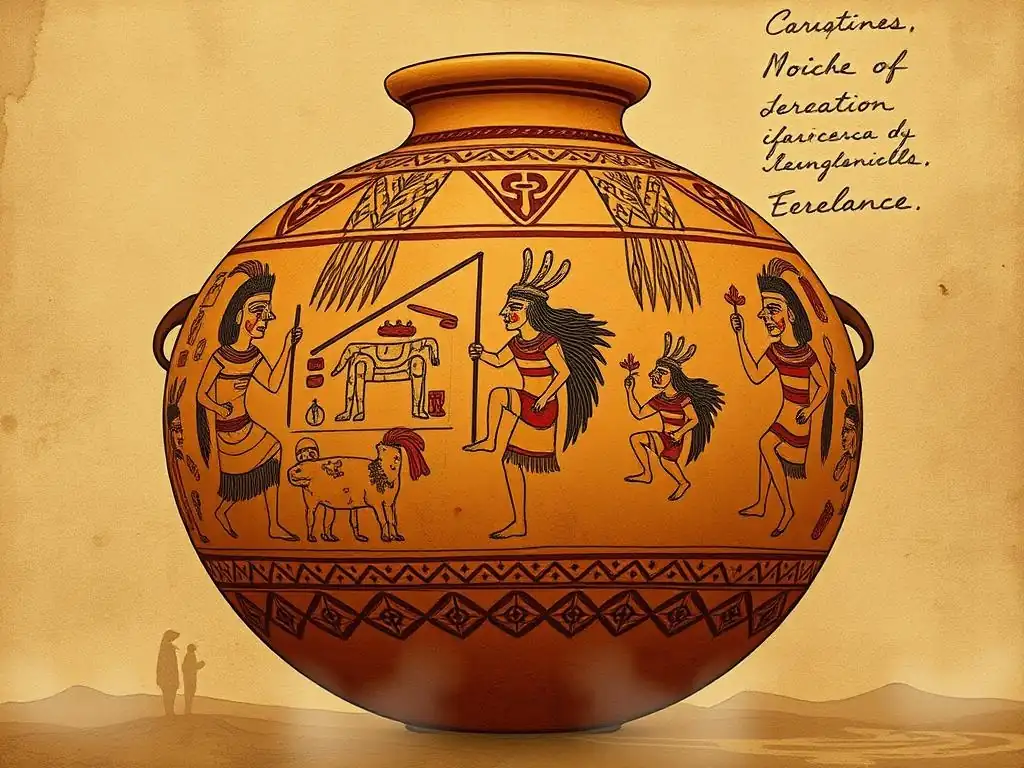
The Moche civilization, renowned for its intricate pottery and monumental architecture, produced a plethora of iconographic artifacts that serve as valuable windows into their cultural and scientific paradigms. One noteworthy example is the Moche stirrup spout vessel, often adorned with elaborate depictions of anthropomorphic figures and animals. These vessels were not merely decorative; they held significant ritualistic and practical purposes, often used in ceremonial contexts.
- Iconographic Features: Many stirrup spout vessels feature detailed representations of Moche deities, which are characterized by exaggerated facial features and elaborate headdresses. The use of vibrant colors and intricate patterns indicates a sophisticated understanding of aesthetics and symbolism.
- Cultural Context: The iconography on these vessels often reflects themes of fertility, agriculture, and warfare, providing insight into the societal values and priorities of the Moche people. For instance, vessels depicting the sacrificial ritual of the Moche highlight their religious practices and societal hierarchy.
Another critical artifact is the Moche metalwork, particularly the intricate gold and silver adornments found in elite tombs. These artifacts reveal not only the Moche's advanced metallurgical skills but also their beliefs concerning the afterlife and social stratification.
- Symbol of Power: The iconography in these metalworks, often depicting deities or mythological creatures, suggests that they were used to convey power and status among the elite. The craftsmanship involved indicates a high level of scientific achievement and artistry.
The Cultural Significance of Moche Tombs and Burial Practices
Moche tombs are an essential aspect of understanding their iconography and cultural significance. The elaborate burial practices, particularly those involving royal tombs, showcase the Moche's beliefs about life, death, and the afterlife.
- Tomb Architecture: Moche tombs, such as those found at Sipán, exhibit complex architectural designs with multiple chambers filled with offerings, including pottery, textiles, and human sacrifices. The iconography found within these tombs often includes motifs of the Moche gods, which served to guide and protect the deceased in the afterlife.
- Ritual Practices: The inclusion of iconographic artifacts within burial contexts indicates a belief that these items would accompany the deceased on their journey to the afterlife. This practice underscores the significance of iconography in reinforcing Moche cosmology and societal structures.
- Societal Implications: The differences in burial practices among various social strata highlight the Moche's hierarchical society. Elite burials often contained more elaborate iconographic artifacts, suggesting a clear distinction in cultural significance based on social status.
Insights from Iconographic Studies on Moche Civilization
Recent studies of Moche iconography have provided deeper insights into their scientific and cultural significance. By analyzing the symbolism within their art, researchers have begun to decode the complex narratives that reflect Moche society.
- Interdisciplinary Approaches: Scholars are employing interdisciplinary methods, combining archaeology, anthropology, and iconology to unravel the meanings behind Moche iconography. This approach helps establish connections between iconographic representation and Moche beliefs, rituals, and daily life.
- Cultural Narratives: Iconographic studies have revealed that Moche art functions as a narrative medium, conveying stories of creation, warfare, and social order. For example, the recurring motif of the decapitator in their art symbolizes themes of power and sacrifice, suggesting that these narratives were integral to Moche identity.
- Scientific Advancements: The advanced techniques used in creating these artifacts, such as metallurgy and ceramics, reflect the Moche's scientific achievements. The precision in their iconography not only demonstrates artistic skill but also an understanding of material properties and aesthetics.
The exploration of Moche iconography sheds light on its cultural significance, revealing the intricate relationship between art, society, and scientific advancement within the Moche civilization. By decoding these symbols, we gain a richer understanding of their worldview and the factors that shaped their enduring legacy.
Conclusion: The Lasting Impact of Moche Iconography
Summary of Moche Iconography Cultural Significance
Moche iconography is a rich tapestry of symbols and imagery that provides profound insights into the cultural significance of the Moche civilization. This ancient Peruvian society, flourishing between 100 and 700 CE, utilized various forms of iconography to express their beliefs, societal structures, and interactions with the natural world. The intricate designs found on ceramics, textiles, and monumental architecture serve not only as artistic expressions but also as a medium for communicating complex ideas about life, death, and the cosmos.
For instance, the Moche often depicted deities, animals, and mythological figures that held specific meanings within their culture. The use of animals, such as the jaguar and the eagle, symbolized power and divine protection. The imagery of warriors and ritual ceremonies illustrated the importance of social hierarchy and religious practices. The vibrant colors and detailed patterns utilized in Moche art reflect their advanced technological skills and artistic sensibilities, making their iconography a crucial element in understanding their scientific achievements.
Moreover, Moche iconography had a significant role in their social cohesion, acting as a visual language that reinforced cultural identity and community bonds. The motifs and symbols served both as markers of status and as narratives that connected the Moche people to their ancestors and the divine. Thus, the cultural significance of Moche iconography extends beyond mere aesthetics; it is interwoven with the fabric of their societal values and historical legacy.
Future Research Directions on Moche Art and Society
As scholars continue to explore the depths of Moche iconography, several promising areas for future research are emerging. One key direction is the examination of the iconography's evolution over time, providing insights into how societal changes influenced artistic expression. By analyzing artifacts from different periods, researchers can track shifts in themes, styles, and techniques, ultimately revealing how the Moche adapted to changes in their environment and social structure.
Another important avenue for investigation is the relationship between Moche iconography and their scientific achievements. Understanding how their artistic representations intersect with their knowledge of astronomy, agriculture, and engineering could shed light on the Moche's technological advancements and their implications for daily life. For example, exploring the celestial motifs found in their art might reveal the importance of astronomical observation in agricultural planning and ritualistic timing.
Additionally, interdisciplinary approaches that incorporate anthropology, archaeology, and art history will enhance our understanding of Moche culture. Collaborating with indigenous communities to document oral histories and traditional practices can provide a more comprehensive perspective on the meanings embedded in Moche iconography. This cross-disciplinary dialogue may lead to richer interpretations and foster a deeper appreciation for the contributions of the Moche civilization to the broader narrative of indigenous cultures in the Americas.
Final Thoughts on the Importance of Iconography in Indigenous Cultures
The study of Moche iconography exemplifies the broader significance of visual representation in indigenous cultures across the Americas. Iconography serves as a powerful tool for preserving history, expressing identity, and transmitting knowledge. In the case of the Moche, their intricate designs and symbols offer invaluable insights into their worldview, societal organization, and spiritual beliefs.
Understanding the cultural significance of Moche iconography not only enriches our appreciation of their achievements but also reinforces the importance of recognizing and valuing the contributions of indigenous civilizations. As we decode the meanings behind their art, we uncover the stories that have shaped their communities and the legacies they have left for future generations. By honoring these narratives, we contribute to a more inclusive and nuanced understanding of the rich tapestry of human history, emphasizing the enduring impact of indigenous cultures in the Americas.
Frequently Asked Questions
What is Moche iconography?
Moche iconography refers to the visual symbols and motifs used by the Moche civilization, which flourished in ancient Peru. These symbols often depicted gods, animals, and daily life, revealing insights into their culture.
Why is Moche iconography considered culturally significant?
The cultural significance of Moche iconography lies in its ability to convey important beliefs, rituals, and social structures of the Moche people. It serves as a vital source for understanding their historical context and societal values.
How does Moche iconography reflect their scientific knowledge?
Moche iconography showcases their scientific knowledge through detailed representations of astronomy, agriculture, and anatomy. These artistic depictions highlight the Moche’s understanding of their environment and innovative practices.
What are some common themes found in Moche iconography?
Common themes in Moche iconography include mythological figures, warfare, and agriculture. These themes illustrate the Moche’s relationship with nature, their religious beliefs, and their social hierarchy.
How can studying Moche iconography benefit modern society?
Studying Moche iconography can enrich our understanding of cultural diversity and human expression. It offers lessons in preserving heritage and recognizing the importance of indigenous cultures in today’s world.
Final Reflection: Unveiling the Depths of Moche Iconography's Cultural Significance
The exploration of Moche iconography reveals a profound connection between art and identity, illustrating how ancient civilizations communicate their beliefs and values through visual language. Today, as we navigate a world increasingly defined by cultural exchanges and reinterpretations, understanding these symbols becomes essential in appreciating the rich tapestry of human expression. The Moche civilization's intricate iconography serves as a reminder that art is not merely aesthetic; it is a vessel of cultural significance that transcends time.
The enduring impact of Moche iconography on contemporary society highlights the importance of preserving and interpreting cultural heritage. As we witness a resurgence of interest in ancient civilizations, the symbols and motifs of the Moche people continue to inspire artists, historians, and cultural enthusiasts alike. Art is the most beautiful of all lies.
This sentiment encapsulates the essence of Moche iconography, which, while rooted in the past, speaks to universal themes of life, death, and the human experience that resonate with us today.
As you reflect on the lessons gleaned from the Moche civilization's artistic expressions, I invite you to consider how you can engage with your own cultural heritage and the stories it tells. Embrace the opportunity to decode the symbols within your life, recognizing that every culture has a narrative worth exploring. By doing so, you not only honor the past but also contribute to a richer, more interconnected future where the significance of cultural expression is celebrated and understood.
Unveil the Mysteries of Moche Iconography!
Thank you for diving into the fascinating world of Moche iconography with us! We hope you’ve discovered the rich scientific and cultural significance of these remarkable symbols. Now, it’s time to take the next step and deepen your understanding!
Here are a few ways you can engage further:
- Explore More: Check out our in-depth articles on related indigenous cultures and their art forms. You’ll be amazed at what you discover!
- Join the Conversation: Share your thoughts about Moche iconography in the comments below. Which symbol captured your interest the most?
- Connect with Others: Participate in local or online workshops focused on indigenous art. This is a wonderful opportunity to expand your knowledge and meet fellow enthusiasts!
What other aspects of indigenous iconography spark your curiosity? Let's continue the discussion and learn together!