
Military Influence on Moche Governance: Strategies and Leadership

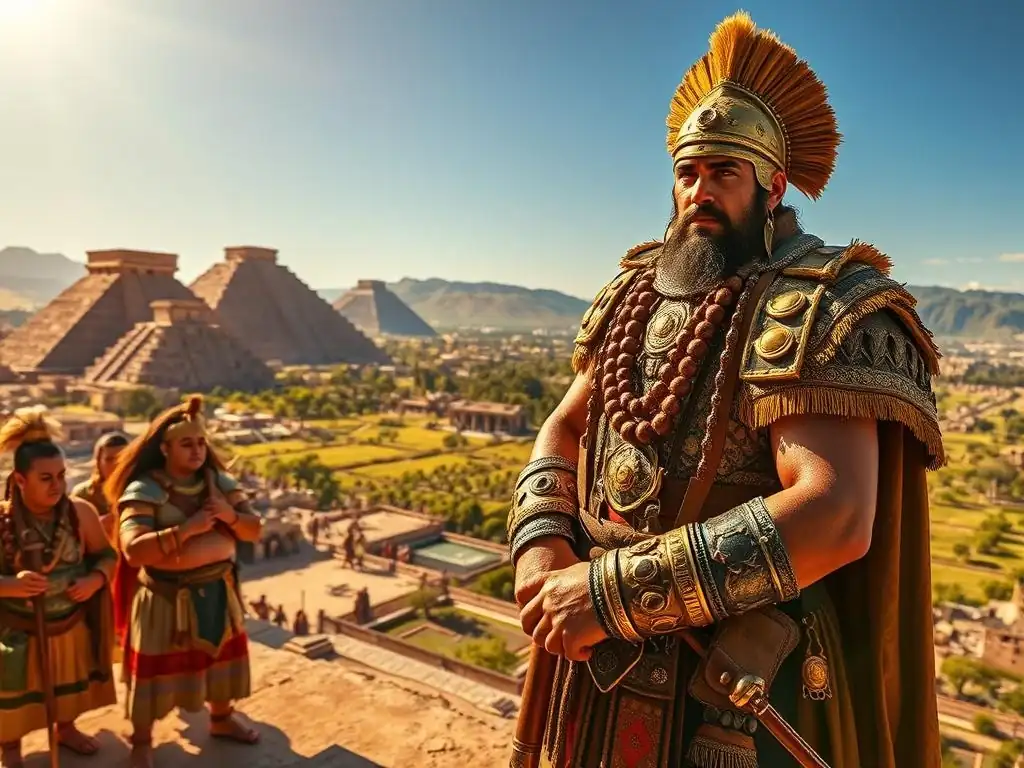
Welcome to Indigenous Civilizations of the Americas, where we invite you to embark on a captivating journey through the rich tapestry of pre-colonial cultures that flourished across the Americas. Here, we delve into the fascinating world of the Moche civilization, uncovering the intricacies of their military governance strategies and the remarkable leadership that shaped their society. What drove the Moche to develop such innovative systems of control and defense?
As you explore our in-depth article, Military Influence on Moche Governance: Strategies and Leadership, prepare to discover the profound impacts of these strategies that echo through history. Join us in unraveling the legacy of the Moche, and let your curiosity guide you deeper into their remarkable achievements!
- Introduction to Moche Military Governance Strategies
- Historical Context of Moche Military Governance
- Key Moche Military Governance Strategies
- Leadership Characteristics in Moche Military Governance
- Case Studies of Military Influence in Moche Governance
- The Lasting Impact of Moche Military Governance on Society
- Conclusion: The Legacy of Moche Military Governance Strategies
- References for Further Reading on Moche Military Governance Strategies
-
Frequently Asked Questions
- What were the key military governance strategies of the Moche civilization?
- How did the Moche's military influence their societal structure?
- What were the primary achievements of the Moche in terms of military organization?
- How did Moche leadership impact their military strategies?
- What was the lasting impact of Moche military governance on later cultures?
- Final Reflection: The Enduring Legacy of Moche Military Governance Strategies
- Unveil the Power of Ancient Strategies!
Introduction to Moche Military Governance Strategies
The Moche civilization, which flourished along the northern coast of present-day Peru from approximately 100 AD to 800 AD, is renowned for its intricate society, remarkable artistic achievements, and sophisticated political structures. Central to the Moche's ability to maintain power and influence was their military governance strategies, which played a pivotal role in shaping their leadership and societal organization.
This article delves into the various military strategies employed by the Moche, examining how these tactics not only ensured territorial control but also reinforced the political authority of their leaders. By understanding the interplay between military influence and governance, we can gain deeper insights into the complexities of Moche society and its enduring impact on the region.
Overview of Moche Civilization
The Moche civilization is characterized by its impressive architectural feats, such as the construction of monumental temples and irrigation systems that supported agriculture in a challenging desert environment. The society was structured around powerful elites, often referred to as "the Moche lords," who wielded significant authority and were supported by a complex hierarchy of administrators and laborers.
Key aspects of the Moche civilization include:
- Agriculture: The Moche developed advanced agricultural techniques, including terracing and irrigation, which enabled them to cultivate crops such as maize, beans, and potatoes.
- Art and Craftsmanship: Renowned for their pottery, metalwork, and textiles, the Moche produced intricate artworks that reflected their religious beliefs and societal values.
- Religion: Their religious practices were deeply intertwined with governance, as leaders often claimed divine sanction for their rule and used military prowess to enforce their authority.
Importance of Military Influence in Governance
Military power was a cornerstone of Moche governance, enabling leaders to assert control over their territories and maintain order within their society. The Moche military was not only a tool for conquest but also served several critical functions in governance, including:
- Territorial Expansion: The Moche utilized military campaigns to expand their influence and secure resources. This expansion was often marked by strategic alliances and conquests of neighboring tribes.
- Social Cohesion: The military played a vital role in unifying the society under a common cause, fostering loyalty among the populace towards their leaders and the Moche state.
- Enforcement of Authority: Military might was essential for the enforcement of laws and the protection of the community, allowing leaders to maintain their grip on power and discourage dissent.
By examining these aspects, we can see how military influence intricately shaped the governance strategies of the Moche civilization, providing a framework for understanding their political dynamics and societal structure.
Historical Context of Moche Military Governance
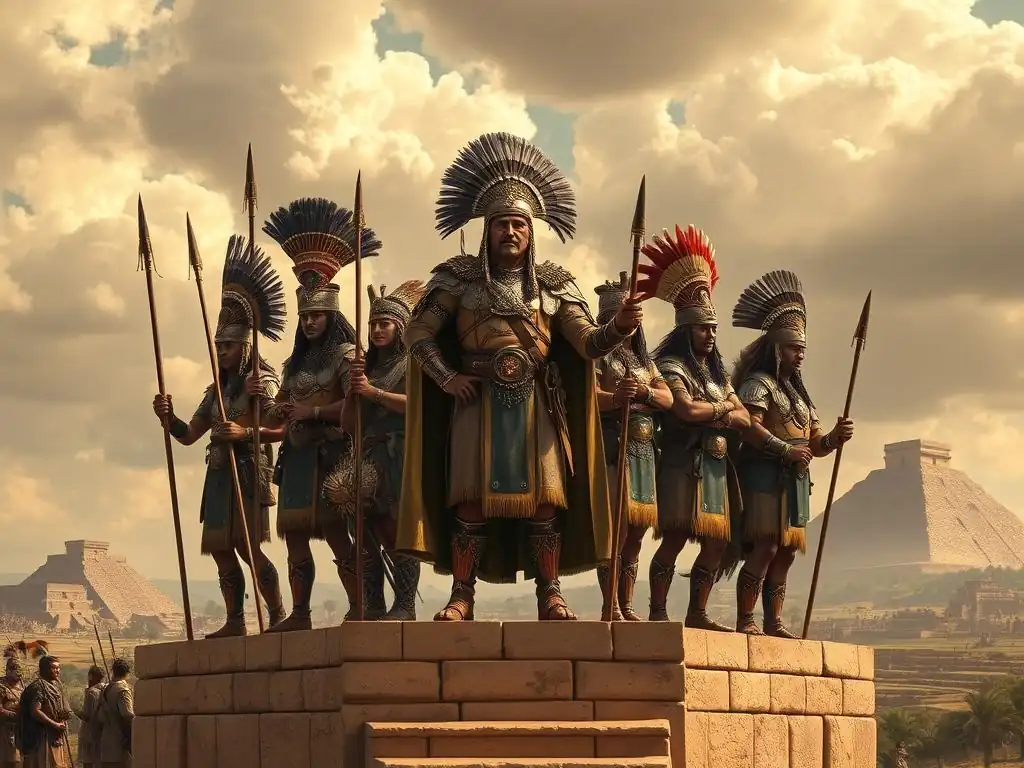
The Moche civilization, which flourished along the northern coast of Peru from approximately 100 CE to 800 CE, exhibited a complex and advanced political structure heavily influenced by military governance strategies. This civilization is known for its impressive architectural achievements, intricate pottery, and sophisticated agricultural practices. However, at the core of its governance was a dynamic interplay between military prowess and political authority.
Evolution of Moche Political Structures
The political structure of the Moche was characterized by a hierarchy that emphasized the importance of military leadership in governance. Initially, the Moche appeared as a collection of autonomous chiefdoms, each led by a local ruler, often referred to as a "curaca." These leaders wielded considerable authority over their communities, but their power was largely maintained through military strength and alliances with other chiefdoms.
As the Moche civilization evolved, these chiefdoms began to consolidate into larger political entities. By around 400 CE, the emergence of more centralized political structures became evident. The ruling elite, particularly the "Mochica", began to assert greater control over the various regions, employing military governance strategies to maintain order and expand their influence. The elite class was not only composed of political leaders but also skilled military commanders who directed campaigns against rival groups.
| Period | Political Structure | Military Role |
|---|---|---|
| Pre-100 CE | Autonomous chiefdoms with local rulers | Local militias for defense and raids |
| 100-400 CE | Formation of larger chiefdoms | Consolidation of power through military alliances |
| 400-800 CE | Centralized rule under Mochica elite | Expansion of territory through organized warfare |
This evolution of political structures allowed for the Moche to organize large-scale military campaigns, which often targeted neighboring tribes or rival factions. The Moche military was not just a defensive force; it was integral to their political strategy, enabling leaders to secure resources, tribute, and loyalty from subjugated territories.
Role of Warfare in Moche Society
Warfare played a vital role in shaping Moche society, influencing everything from political dynamics to social hierarchies and economic practices. The Moche engaged in both defensive and offensive warfare, employing various strategies that reflected their military governance.
- Military Organization: The Moche military was highly organized, consisting of specialized units skilled in various forms of combat. Warriors were often trained from a young age, and their social status was closely tied to their military achievements. The Moche utilized a mix of infantry and cavalry, with weapons made from materials such as wood, bronze, and stone.
- Sacred Warfare: Warfare for the Moche was not solely a means of territorial expansion; it also held religious significance. Victories in battle were often seen as a reflection of divine favor, and ritualistic elements were incorporated into military campaigns. Captured enemies were sometimes used in sacrificial ceremonies, further intertwining warfare with Moche spiritual beliefs.
- Economic Impact: The Moche economy was heavily influenced by military activities. Successful campaigns would often yield significant resources, including land, labor, and tribute from conquered peoples. This influx of resources strengthened the Moche political structure and facilitated the development of monumental architecture and art.
- Diplomatic Strategies: The Moche also employed diplomatic strategies alongside military might. Alliances were formed with neighboring tribes to bolster defenses and create a united front against common threats. These alliances often involved intermarriage and shared resources, further solidifying the Moche's political influence in the region.
The Moche military governance strategies were central to their political structure and societal organization. The interplay of warfare, politics, and economic control allowed the Moche to thrive in a challenging environment, leaving a lasting impact on the region's history and culture. Understanding these military governance strategies provides valuable insights into the complexity of Moche civilization and its achievements.
Key Moche Military Governance Strategies
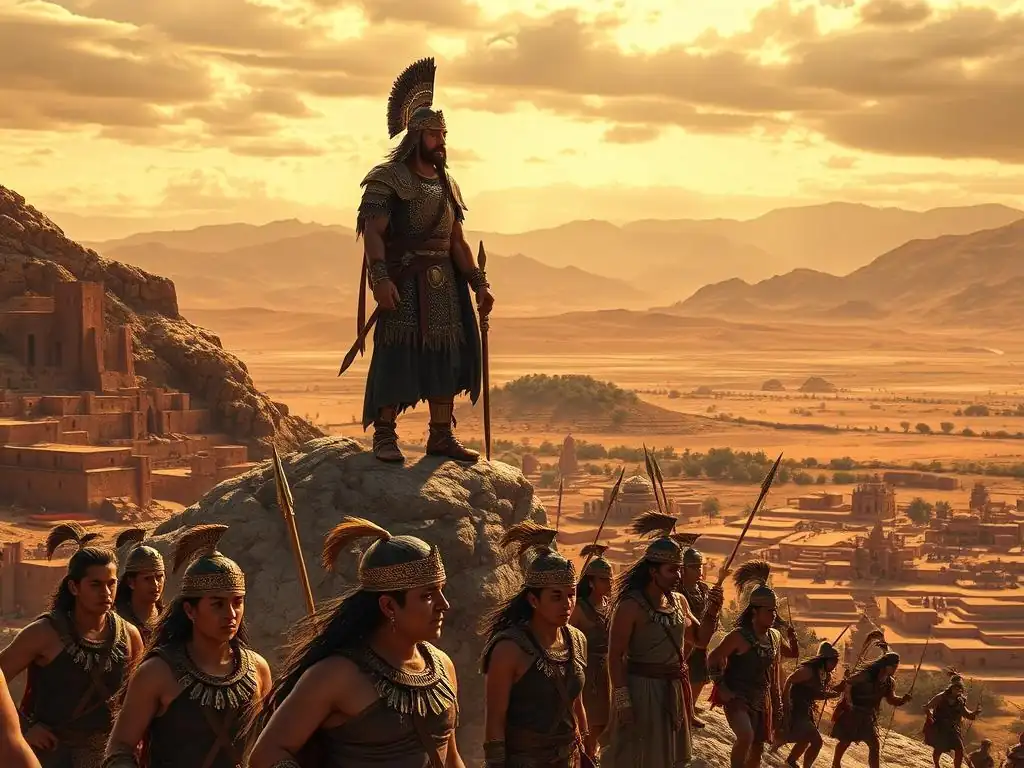
Centralization of Power in Military Leadership
The Moche civilization, which flourished along the northern coast of Peru from approximately 100 to 700 CE, showcased a unique approach to governance that emphasized the centralization of power within military leadership. This strategy was pivotal for maintaining control over their territories and managing the complex societal structures that characterized Moche life.
The Moche elite, often composed of warrior leaders, wielded significant authority, merging military prowess with political governance. This centralization meant that military leaders not only directed armed forces but also played crucial roles in decision-making processes regarding resource allocation, agricultural production, and infrastructure development. The military was seen as an extension of the state, where the success of military campaigns directly influenced the stability and prosperity of the Moche society.
- Military Hierarchy: The Moche established a clear military hierarchy, which was essential for efficient command and control. Leaders known as "Warlords" were responsible for organizing troops, planning military strategies, and ensuring that the populace remained loyal to the ruling class.
- Sacred Warrior Cults: The intertwining of religion and military leadership also solidified the centralization of power. Warrior cults emerged, reinforcing the idea that military leaders were divinely sanctioned to rule, thus legitimizing their authority among the Moche people.
Integration of Military and Civilian Roles
Another key strategy of Moche military governance was the integration of military and civilian roles. This duality allowed the Moche to maintain a robust social order while ensuring military preparedness at all times.
The Moche society was structured in such a way that military service was often seen as a civic duty, with warriors participating in both defense and community activities. This integration had several benefits:
- Resource Mobilization: In times of peace, military personnel contributed to agricultural work and infrastructure projects, which not only enhanced community resilience but also fostered a strong sense of unity among the citizens.
- Civic Duty and Morale: The expectation that able-bodied men would serve in the military instilled a sense of pride and purpose, thereby boosting morale and commitment to the Moche state. This civic-military integration ensured that the population was always ready to defend their territory.
Through festivals and ceremonies, the roles of military leaders were celebrated, reinforcing their importance to both governance and society. This blend of military and civilian responsibilities created a stable environment where governance was reinforced by a sense of shared purpose and identity.
Strategic Alliances and Diplomatic Relations
The Moche civilization thrived on strategic alliances and diplomatic relations, which were essential components of their military governance strategies. Rather than relying solely on military might, the Moche engaged in diplomacy to secure their borders and strengthen their influence in the region.
- Interregional Trade and Alliances: The Moche engaged in trade with neighboring cultures, establishing alliances that were mutually beneficial. These alliances often included military pacts, where the partners would support each other in times of conflict, thereby expanding the Moche's influence without direct military confrontation.
- Cultural Diplomacy: The Moche also utilized cultural diplomacy to forge bonds with other civilizations. By sharing agricultural techniques, religious practices, and artistic expressions, they built relationships that transcended mere military alliances. This cultural integration helped to stabilize their governance and foster loyalty among allied communities.
- Conflict Resolution: The Moche were adept at navigating conflicts through negotiation rather than outright warfare. They often sought to resolve disputes with other groups through diplomatic channels, preserving resources and maintaining stability within their territories.
The Moche military governance strategies were characterized by the centralization of power in military leadership, the integration of military and civilian roles, and the establishment of strategic alliances and diplomatic relations. These elements combined to create a resilient and adaptive governance structure that allowed the Moche civilization to thrive for centuries before European contact.
Leadership Characteristics in Moche Military Governance
Profile of Moche Military Leaders
The Moche civilization, which flourished on the northern coast of Peru from approximately 100 to 800 CE, was characterized by a distinctive military governance structure that played a critical role in its political and social dynamics. Moche military leaders were often seen as both warriors and political figures, wielding significant influence over their communities.
Key Attributes of Moche Military Leaders:
- Military Skill: Moche leaders were typically experienced warriors, trained in various combat techniques and strategies. Their prowess in warfare directly contributed to their authority and legitimacy.
- Charismatic Leadership: Many leaders possessed strong charismatic qualities, enabling them to inspire and mobilize their troops. This personal magnetism was crucial for maintaining loyalty among soldiers and civilians alike.
- Strategic Acumen: Effective leaders demonstrated exceptional strategic thinking, capable of devising tactics that leveraged both the terrain and the strengths of their forces. This skill was vital in protecting Moche territories and expanding their influence.
- Cultural and Religious Role: Military leaders often held significant cultural and religious responsibilities, reinforcing their status as not merely temporal rulers but also as intermediaries between the divine and the people.
The combination of these attributes allowed Moche leaders to establish a governance system that integrated military prowess with political authority, shaping the civilization's overall structure.
Leadership Styles and Their Impact on Governance
Moche military governance was characterized by various leadership styles, each impacting decision-making processes and societal cohesion in unique ways.
Types of Leadership Styles:
- Authoritarian Leadership: Many Moche leaders adopted a top-down approach, where decisions were made unilaterally. This style ensured swift action during military campaigns but could lead to resentment among the populace if overused.
- Example: Leaders who maintained strict control over resources often prioritized military endeavors at the expense of civilian needs.
- Collaborative Leadership: In contrast, some leaders fostered a more inclusive approach, involving local chiefs and warriors in decision-making. This participatory style encouraged community engagement and cohesion.
- Impact: By consulting with local leaders, these rulers could better align military objectives with the needs of their communities, enhancing overall support for military initiatives.
- Religious Leadership: The intertwining of military and religious authority was significant in Moche governance. Leaders who also served as religious figures could tap into the spiritual beliefs of their people to rally support for military campaigns.
- Impact: This approach allowed leaders to frame military actions as divinely sanctioned, reinforcing their legitimacy and motivating troops through shared cultural narratives.
The diversity of leadership styles within Moche military governance allowed for adaptive strategies, enabling the civilization to respond effectively to internal and external challenges while maintaining a cohesive society.
Decision-Making Processes in Military Contexts
In the Moche civilization, decision-making in military contexts was a complex interplay of strategy, tradition, and community involvement. The processes were generally influenced by both immediate military needs and broader political considerations.
Key Aspects of Decision-Making:
- Hierarchy of Command: Decision-making often followed a strict hierarchy, with military leaders making final calls based on input from subordinate commanders and local leaders. This structure ensured that critical decisions were made efficiently, especially during times of conflict.
- Consultation and Consensus: Although hierarchical, the Moche decision-making process frequently involved consultation with various stakeholders, including warriors and local leaders. This practice facilitated consensus-building, which was essential for maintaining troop morale and unity.
- Cultural Considerations: Decisions were also influenced by cultural narratives and traditions. Military actions were often justified through historical precedents or religious beliefs, linking contemporary governance strategies with the civilization's identity.
- Adaptation to Context: Moche leaders were adept at adapting their strategies based on the changing political landscape and external threats. This flexibility in decision-making enabled them to respond to challenges effectively, whether through diplomacy or military action.
The Moche military governance strategies were shaped by the characteristics of their leaders, the varied leadership styles they employed, and the intricate decision-making processes that facilitated effective governance during their civilization's peak. The interplay of these elements not only defined their military success but also had lasting impacts on the political structure of the Moche civilization.
Case Studies of Military Influence in Moche Governance
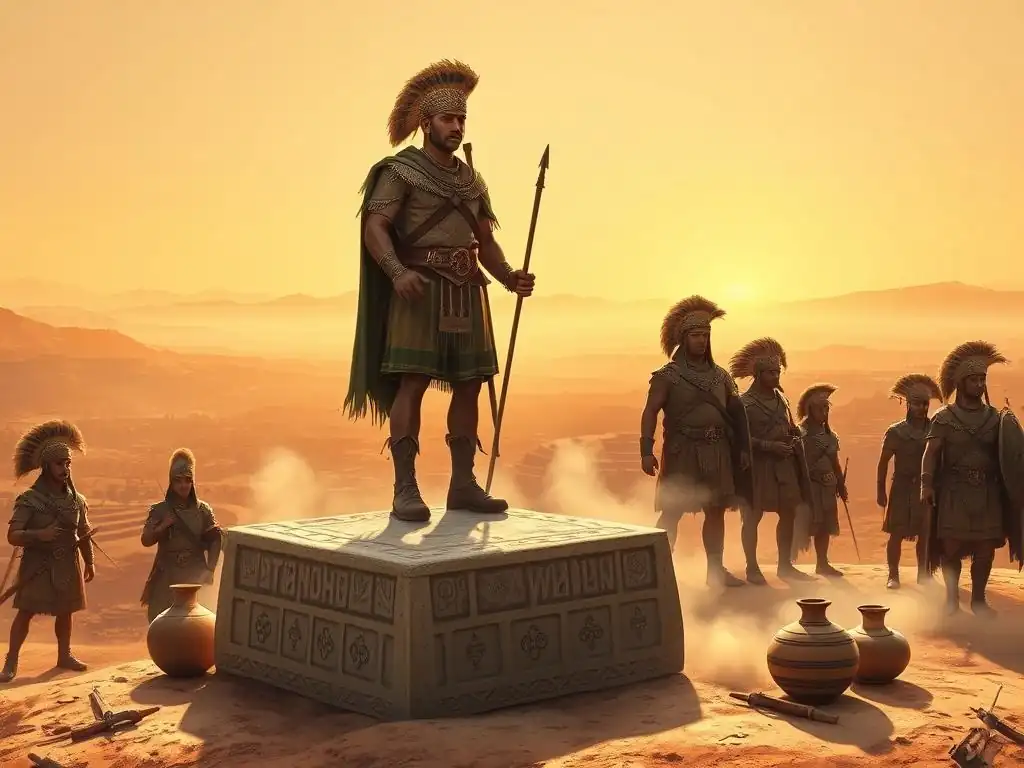
Notable Military Campaigns and Their Political Outcomes
The Moche civilization, which flourished in northern Peru from approximately 100 to 800 CE, exhibited a distinctive interplay between military prowess and governance. Several notable military campaigns during this period significantly influenced political outcomes, shaping the structure of Moche society and its governance strategies.
-
Expansion of Territory:
The Moche engaged in military campaigns primarily to expand their territory, securing vital agricultural land and resources. For instance, a notable campaign against neighboring tribes such as the Lambayeque allowed the Moche to gain control over fertile valleys, which were crucial for their agricultural economy. This expansion not only bolstered resources but also enhanced the Moche's political power and influence over the region.
-
Tributary Systems:
Military victories often led to the establishment of tributary systems wherein conquered peoples were required to pay tribute to the Moche rulers. This practice strengthened the political structure of the Moche by integrating various cultures into a unified system, further solidifying their governance. The tribute could take the form of agricultural products, textiles, and even military support, which reinforced Moche dominance.
-
Diplomatic Alliances through Warfare:
In some instances, military campaigns served as a means to forge alliances. The Moche often engaged in warfare not solely for conquest but also to demonstrate strength and deter potential adversaries. Successful military exploits would lead to treaties with rival groups, establishing a broader network of alliances that enhanced Moche governance. This strategy was vital in ensuring stability and reducing the likelihood of rebellions against their rule.
Analysis of Moche Military Strategies in Specific Conflicts
The Moche military governance strategies were characterized by sophisticated tactics and organizational prowess. Analyzing specific conflicts reveals how the Moche effectively integrated military actions into their political framework.
-
Siege Warfare:
The Moche employed siege tactics effectively, as evidenced by their engagements with fortified settlements. Archaeological evidence suggests that Moche military forces developed specialized techniques for breaching defenses, which included the use of siege towers and concentrated archery. The successful capture of fortified sites not only resulted in territorial gains but also served as a demonstration of Moche military superiority, reinforcing the rulers' authority.
-
Use of Shock Troops:
The Moche military strategies included deploying shock troops—elite warriors who led the charge in battle. These troops were often equipped with advanced weaponry such as wooden clubs and slings, designed for close combat. Their presence on the battlefield was pivotal in instilling fear among adversaries and ensuring swift victories, which contributed to the Moche's reputation as a formidable military power and solidified their governance.
-
Integration of Conquered Peoples:
After military conquests, the Moche often integrated conquered peoples into their own societal structure. This strategy not only provided soldiers for future military campaigns but also enriched Moche culture through the incorporation of diverse practices and knowledge. The ability to assimilate different groups under Moche governance demonstrated a strategic approach to maintaining control over vast territories.
The Moche military governance strategies were intricately linked to their political success, showcasing a civilization that understood the importance of military strength in reinforcing and maintaining authority. Through their campaigns, the Moche not only expanded their influence but also established a complex political landscape that would leave a lasting impact on Andean civilizations.
The Lasting Impact of Moche Military Governance on Society
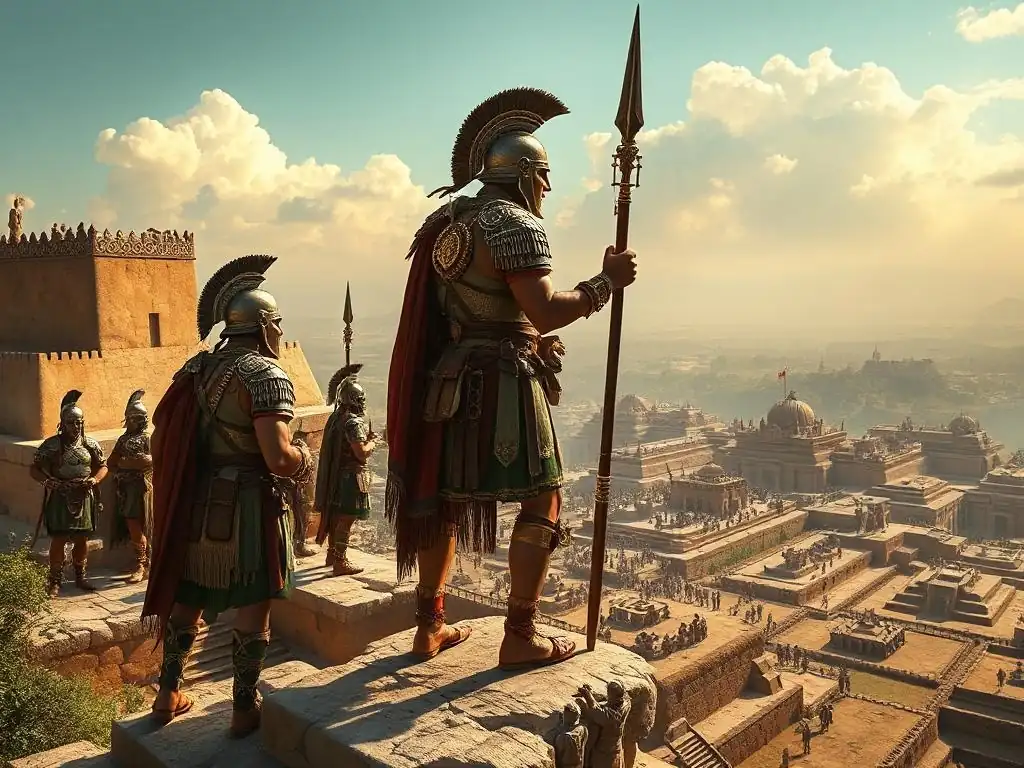
The Moche civilization, which flourished on the northern coast of Peru from approximately 100 to 800 CE, is renowned for its complex society and sophisticated governance, heavily influenced by military strategies. The Moche military governance strategies were not only pivotal in maintaining control over their territory but also played an essential role in shaping their social structure and cultural legacy.
The military governance strategies of the Moche were intricately linked to their political organization and social hierarchy. At the core of Moche society was a centralized authority that combined political and military power, allowing for effective governance in a region characterized by diverse ecological zones and varying resource availability. The following elements highlight key aspects of their military governance strategies:
- Centralized Leadership: The Moche were ruled by powerful leaders, often referred to as "Wari" or "Wari chiefs," who held both military and political authority. These leaders were responsible for organizing military campaigns, which were crucial for expanding and protecting Moche territory.
- Strategic Alliances: The Moche established alliances with neighboring groups through both diplomacy and military force. These alliances helped them to secure resources and maintain stability within their realm, showcasing a calculated use of military power to bolster political ties.
- Military Organization: The Moche military was well-organized, comprising specialized units trained for various roles, including combat, logistics, and intelligence. This structure allowed them to respond quickly to threats and efficiently deploy forces across their territories.
- Resource Control: Military strategies were also employed to control vital resources, such as water and arable land. The Moche utilized their military prowess to secure irrigation systems and manage agricultural production, which was the backbone of their economy and social structure.
- Cultural Integration: The Moche military governance strategies extended beyond mere conquest; they also included cultural integration of conquered peoples. By incorporating local customs and practices, the Moche fostered loyalty among diverse groups, reinforcing their governance through shared cultural identity.
The impact of these military governance strategies on Moche society was profound. They facilitated not only the expansion of territory but also the establishment of a cohesive and stratified social structure, where military leaders wielded significant influence over political and economic decisions.
Influence on Subsequent Andean Civilizations
The Moche civilization set a precedent for military governance that influenced subsequent Andean societies, including the Huari and Inca empires. The following points illustrate how Moche military governance strategies left a lasting legacy on later civilizations:
- Military Structure and Tactics: The military organization and tactics pioneered by the Moche were adapted by later Andean civilizations. The emphasis on centralized leadership and strategic military campaigns became a hallmark of governance in the Andean region.
- Infrastructure Development: The Moche's focus on controlling key resources and infrastructure, such as roads and irrigation systems, served as a model for future empires. The Inca, for example, expanded upon these practices to establish a vast network that facilitated trade and military movement.
- Cultural Synthesis: The Moche's approach to integrating conquered peoples through cultural assimilation influenced how later civilizations managed diverse populations. This strategy helped maintain stability and unity within larger empires, echoing Moche practices of fostering loyalty through cultural connections.
- Political Legitimacy through Military Success: The Moche established the notion that military success was a crucial component of political legitimacy. This idea persisted in later Andean societies, where leaders often derived their authority from military achievements and conquests.
- Religious and Ideological Underpinnings: The Moche linked military power with religious authority, a concept that was adopted by later civilizations. This intertwining of military and religious leadership helped to legitimize the ruling elite and maintain control over the populace.
The Moche military governance strategies not only defined their own civilization but also provided a template for subsequent Andean societies, influencing their political structures and cultural practices in profound ways. The legacy of Moche governance continues to be a significant area of study for understanding the complexities of pre-Columbian societies in the Americas.
Conclusion: The Legacy of Moche Military Governance Strategies
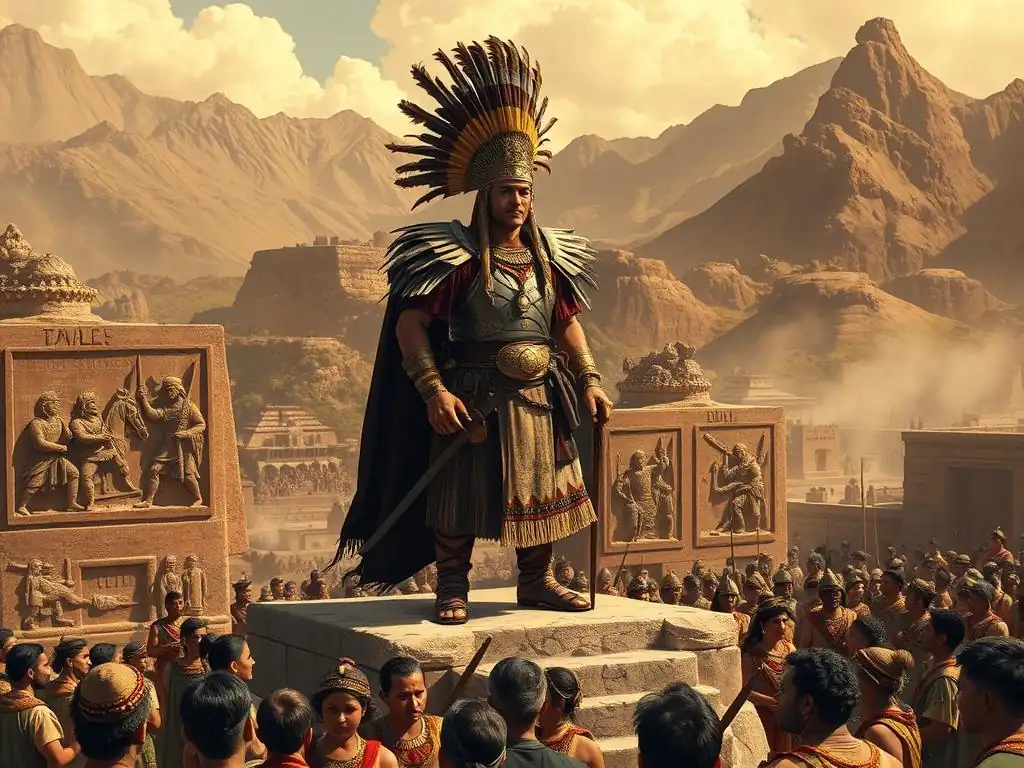
Summary of Key Points
The Moche civilization, which thrived along the northern coast of Peru from approximately 100 to 800 CE, exhibited a complex interplay between military prowess and political governance. Key aspects of their military governance strategies include:
- Centralized Military Leadership: The Moche were known for their hierarchical military structure, which allowed for efficient decision-making and strategic planning. Leaders were often drawn from elite lineages, ensuring loyalty and discipline within the ranks.
- Integration of Warfare and Politics: Military success was instrumental in legitimizing political authority. The Moche utilized military campaigns not only for territorial expansion but also as a means to reinforce the power of the ruling elite.
- Economy and Resource Control: The Moche military was involved in the management of agricultural resources, which were crucial for sustaining their society. Their ability to secure and protect vital resources allowed them to maintain stability and support their military endeavors.
- Religious and Cultural Dimensions: Warfare in Moche society was closely linked to religious practices. Military leaders often acted as religious figures, which helped to unify their followers and strengthen the ideological underpinnings of their governance.
These components collectively shaped the governance strategies of the Moche and left a lasting legacy that influenced subsequent civilizations in the region.
Reflection on Moche Governance and Military Influence
Reflecting on the Moche military governance strategies reveals a sophisticated understanding of the relationship between power, warfare, and society. The Moche civilization exemplifies how military influence can extend beyond battlefield victories to encompass broader political and social dynamics.
- Strategic Adaptation: The Moche adeptly adapted their military strategies to fit their environmental and social contexts. Their ability to harness local resources and leverage military might for political ends highlights the importance of flexibility in governance.
- Cultural Resilience: The integration of military and religious practices not only fortified the Moche's governance but also contributed to a cultural resilience that endured beyond their decline. Aspects of Moche military culture can still be observed in the traditions of contemporary Andean societies.
- Lessons for Contemporary Governance: Modern political structures can learn from the Moche's approach to military governance. The balance between military strength and political authority is crucial for maintaining order and legitimacy within a society.
In essence, the Moche military governance strategies serve as a testament to the intricacies of power dynamics in ancient civilizations, offering valuable insights into the enduring impact of military influence on governance throughout history.
References for Further Reading on Moche Military Governance Strategies
Suggested Books and Articles
For those interested in delving deeper into the intricate military governance strategies of the Moche civilization, the following books and articles are highly recommended:
-
"The Moche of Ancient Peru: Media and Message" by Steve A. Bourget
This book provides a thorough analysis of Moche iconography and its connection to military and political power, showcasing how visual media was utilized to reinforce governance strategies.
-
"War and Society in Ancient Mesoamerica" by M. E. McAnany and B. J. Yoffee
Though primarily focused on Mesoamerica, this text provides comparative insights into military governance that can enrich understanding of the Moche context.
-
"Moche Warfare: The Archaeological Evidence" by Christopher B. Donnan
Donnan's work discusses archaeological findings that illustrate the Moche military structure and its influence on governance.
-
"Ancient Peru: The Moche Civilization" in National Geographic Magazine
This article offers a concise overview of the Moche civilization, emphasizing their social organization and military strategies.
-
"The Moche: A Culture of the North Coast of Peru" by Julio C. Tello
Tello’s foundational work provides insights into the military and political organization of the Moche people, making it a pivotal read for understanding their governance strategies.
Academic Journals Focused on Moche Civilization
To explore scholarly discussions and research on Moche military governance strategies, consider the following academic journals:
-
Journal of Anthropological Archaeology
This journal frequently publishes articles on ancient civilizations, including studies that examine the Moche's military practices and their implications for governance.
-
Latin American Antiquity
A leading journal that often features research on the Moche, focusing on their political structures and how military influence shaped their society.
-
Andean Archaeology
This journal provides a platform for studies specifically about Andean cultures, offering insights into Moche military governance and strategies through archaeological evidence.
-
The Journal of Field Archaeology
Articles published here often include field reports and analyses that shed light on military sites and their relation to governance within the Moche civilization.
-
Current Anthropology
This interdisciplinary journal includes discussions on various aspects of anthropology, including military governance and societal organization in ancient cultures like the Moche.
By engaging with these resources, readers can gain a more profound understanding of the military governance strategies employed by the Moche civilization and their influential role in shaping the political landscape of ancient Peru.
Frequently Asked Questions
What were the key military governance strategies of the Moche civilization?
The Moche utilized a combination of military strength and political alliances to maintain control over their territories, showcasing an effective blend of force and diplomacy.
How did the Moche's military influence their societal structure?
The military played a crucial role in shaping Moche society, as leaders often held both political and military power, ensuring that governance was directly linked to military success.
What were the primary achievements of the Moche in terms of military organization?
The Moche are known for their sophisticated military organization, including advanced tactics, weaponry, and the construction of fortifications that contributed to their dominance in the region.
How did Moche leadership impact their military strategies?
Leadership in Moche society was characterized by strong military leaders who not only commanded troops but also played pivotal roles in political decisions, influencing their governance strategies.
What was the lasting impact of Moche military governance on later cultures?
The military governance strategies of the Moche influenced subsequent Andean societies, with their systems of leadership and organization serving as a model for future civilizations in the region.
Final Reflection: The Enduring Legacy of Moche Military Governance Strategies
The exploration of Moche military governance strategies reveals a profound connection between military prowess and political authority that resonates powerfully in today's world. As we examine the intricate relationship between military influence and governance in Moche society, we uncover lessons that are not only historical but also relevant to contemporary discussions about leadership and power dynamics. The Moche civilization exemplifies how strategic military capabilities can shape governance structures, demonstrating that the interplay of strength and strategy remains a critical aspect of societal organization.
The impact of Moche military governance strategies extends beyond the ancient world, influencing modern cultural and social landscapes. The ways in which military leadership can dictate political outcomes are evident in various societies today, where the legacy of such governance continues to manifest. As we reflect on this, we are reminded of the words of military historian John Keegan: War is a force that gives us meaning.
This sentiment underscores the idea that the military's role in governance is not merely about control but also about the narrative and identity that emerges from such power dynamics. The Moche's sophisticated strategies serve as a testament to the enduring relevance of military influence in shaping societal structures and cultural identities.
As we conclude, I invite you to reflect on the lessons drawn from Moche military governance strategies and consider how they might apply to your own understanding of leadership and authority. What can we learn from the past about the balance of power and the responsibilities that come with it?
In a world where governance continues to be shaped by military influence, let us strive to cultivate leadership that prioritizes wisdom, strategy, and the well-being of society as a whole. Embrace the opportunity to engage with these themes in your own life, recognizing that the lessons of history can guide us toward a more thoughtful and equitable future.
Unveil the Power of Ancient Strategies!
Thank you for diving into the fascinating interplay between military influence and governance in the Moche civilization. You've taken a significant step towards understanding how leadership shaped their remarkable society! Now, it’s time to put that knowledge to work.
Here’s how you can stay engaged and deepen your understanding:
- Explore more! Delve into other ancient civilizations—research their governance and military structures to see how they compare to those of the Moche.
- Share your insights! Discuss this topic with friends or on social media using the hashtag #MocheGovernance to foster a broader conversation about the legacies of ancient societies.
- Join our community! Sign up for our newsletter to receive updates, articles, and exclusive content on Indigenous civilizations and their historical significance.
What aspect of military influence in governance do you find most intriguing, and why? Share your thoughts in the comments below!