
Ancestor Worship in the Andes: Honoring the Past and Its Significance Today

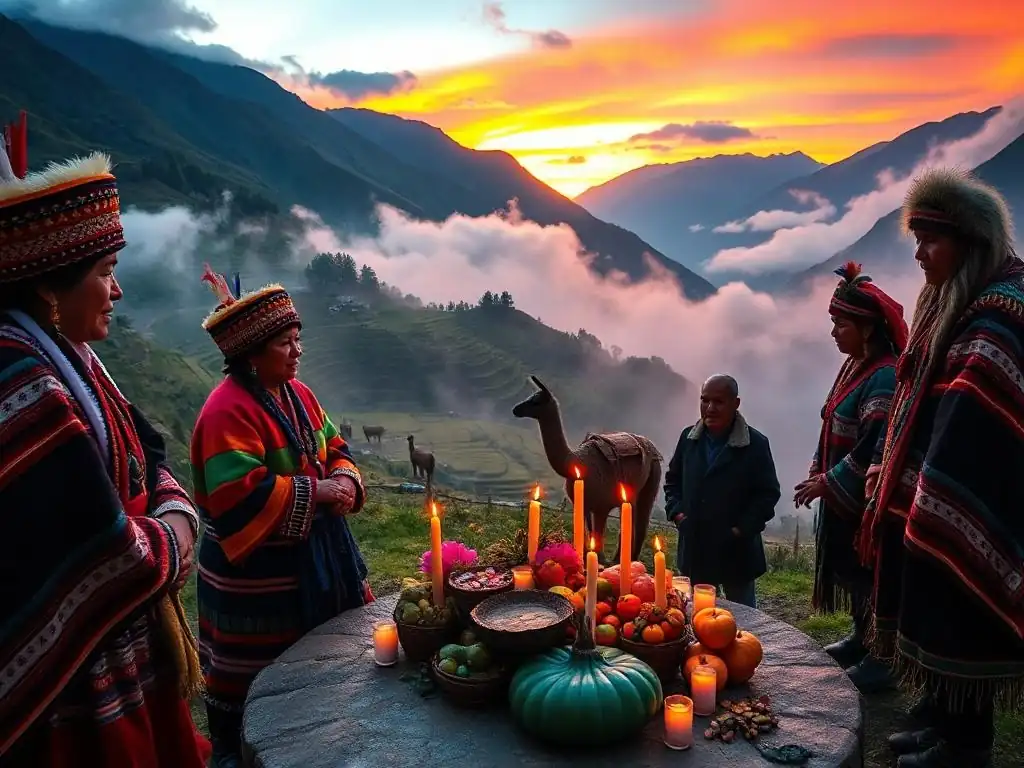
Welcome to Indigenous Civilizations of the Americas, where we invite you to embark on a journey through the rich tapestry of pre-colonial cultures that shaped the Americas. In our featured article, “Ancestor Worship in the Andes: Honoring the Past and Its Significance Today,” we dive deep into the fascinating practices of Andean ancestor worship, exploring its profound significance in both historical and contemporary contexts.
Discover how these timeless traditions continue to influence modern societies, and uncover the remarkable achievements of the indigenous peoples who revered their ancestors. Join us as we unravel the stories of resilience and reverence that echo through the ages, igniting your curiosity to learn more about the vibrant legacies of these civilizations.
Introduction to Andean Ancestor Worship
In the heart of the Andes, a rich tapestry of traditions and beliefs has woven together a profound respect for ancestors that permeates the societies of this mountainous region. Andean ancestor worship is not merely a practice; it is a vital thread in the cultural fabric of numerous indigenous groups, including the Quechua and Aymara.
This article delves into the significance of ancestor worship in the Andes, exploring its historical roots, cultural importance, and relevance in contemporary society. By tracing the evolution of these practices, we aim to illuminate how honoring the past offers insights into the identity, values, and resilience of Andean communities today.
Overview of Andean Ancestor Worship
Ancestor worship in the Andes is characterized by a deep reverence for those who have come before, often manifesting in rituals, offerings, and communal gatherings. This practice serves not only as a means of honoring deceased family members but also as a way to maintain a connection to the past, ensuring that the wisdom and experiences of ancestors continue to influence the living. The rituals often involve intricate ceremonies that may include:
- Offerings: Food, drink, and symbolic items are presented to the ancestors during special occasions.
- Ceremonial sites: Locations such as shrines and altars play a crucial role in the veneration of ancestors.
- Festivals: Annual celebrations often incorporate ancestral veneration, bringing communities together in a shared expression of gratitude and respect.
Through these practices, the living acknowledge their lineage and the ongoing influence of their ancestors in daily life.
The Importance of Ancestors in Andean Culture
In Andean culture, ancestors are viewed as guardians and guides, whose spirits continue to exist and influence the world of the living. Their presence is felt in various aspects of life, including:
- Spiritual Guidance: Ancestors are often called upon for wisdom and support, especially during times of decision-making or crises.
- Cultural Identity: The stories and values passed down from ancestors play a crucial role in shaping the identity of communities, instilling a sense of pride and belonging.
- Community Cohesion: Ancestor worship fosters unity among community members, as they come together to celebrate their shared heritage and collective memory.
Understanding the significance of ancestors in Andean culture is essential to appreciating the depth of these traditions and their ongoing relevance.
Historical Context of Ancestor Worship in the Andes
Pre-Colonial Practices of Ancestor Veneration
Long before European contact, Andean civilizations such as the Inca developed sophisticated systems of ancestor worship. These practices were integral to their cosmology, where the living and the dead coexisted in a dynamic relationship. Key elements of pre-colonial ancestor veneration included:
- Mummification: The preservation of bodies allowed the deceased to remain a physical presence within their communities.
- Rituals and Festivals: Celebrations were held to honor ancestors, often coinciding with agricultural cycles and natural events.
- Sacred Geography: Sites such as mountains and lakes were imbued with ancestral significance, serving as places of worship and remembrance.
These practices illustrate the deep connection between the Andean peoples and their ancestors, reinforcing the idea that the past is ever-present in shaping their cultural landscape.
Influence of Andean Civilizations on Ancestor Worship
The legacy of ancient Andean civilizations continues to shape contemporary practices of ancestor worship. While colonization brought significant changes, many indigenous communities have maintained their ancestral traditions, adapting them to new contexts. The influence of these civilizations can be observed in:
- Syncretism: The blending of indigenous practices with introduced religious elements, resulting in unique forms of worship that honor both ancestors and new spiritual beliefs.
- Cultural Revitalization: Modern movements seeking to revive and preserve traditional practices often draw inspiration from pre-colonial ancestor veneration.
- Continued Respect for Ancestors: The enduring belief in the importance of ancestors remains central to many Andean communities, reinforcing their cultural identity and resilience against external pressures.
By examining these influences, we can better understand the significance of ancestor worship in the Andes and its vital role in contemporary society.
Core Beliefs and Rituals of Andean Ancestor Worship
In the Andes, ancestor worship is rooted in the belief that the spirits of the deceased continue to exist and play an active role in the lives of the living. This relationship is characterized by a profound respect for ancestors, who are viewed as guardians and intermediaries between the earthly realm and the spiritual world. The Andean worldview emphasizes the interconnectedness of all beings, where ancestors are believed to influence health, prosperity, and the overall well-being of their descendants.
Rituals surrounding ancestor worship often include offerings, prayers, and communal gatherings, aimed at honoring these spirits. The Andean people engage in practices that reaffirm their connection to their forebears, including the use of sacred sites and shrines. These rituals are integral to maintaining harmony between the living and the spirits, reflecting a deep cultural understanding of life, death, and the continuation of existence beyond physical life.
Spiritual Significance of Ancestors in Andean Society
The spiritual significance of ancestors in Andean society cannot be overstated. Ancestors are revered not only as family members but as vital components of the community's spiritual fabric. They are seen as sources of wisdom and guidance, and their presence is believed to provide strength and protection to their descendants. This reverence often manifests in the belief that ancestors can intervene in daily life, providing assistance in times of need or crisis.
Additionally, the concept of ayni, which refers to reciprocal relationships, also extends to interactions with ancestors. The living are expected to honor their ancestors through offerings and rituals, while ancestors, in turn, provide blessings and support. This reciprocal relationship reinforces the importance of maintaining familial and community ties, thereby fostering a sense of belonging and continuity.
Common Rituals and Ceremonies for Honoring Ancestors
Common rituals and ceremonies for honoring ancestors in the Andes are diverse and often vary by region and community. One prevalent ceremony is the Día de los Muertos, or Day of the Dead, during which families create altars adorned with photos, food, and other items that the deceased enjoyed in life. This celebration is a vibrant expression of love and remembrance, encouraging families to gather and share stories about their ancestors.
Another important ritual is the intihuatana, a ceremonial stone that serves as a focal point for spiritual practices. These stones are often found at archaeological sites and are used to connect with the ancestors during rituals. Offerings placed at these sites, including coca leaves and other traditional items, symbolize respect and acknowledgment of the ancestors' ongoing influence.
Offerings and Altars: Symbols of Respect and Remembrance
Offerings and altars play a crucial role in Andean ancestor worship, serving as tangible expressions of respect and remembrance. Altars, or ofrendas, are typically decorated with photographs of the deceased, along with personal items, food, and flowers. These altars are not only focal points for spiritual connection but also serve as communal gathering places for families to honor their ancestors.
Common offerings include coca leaves, which are considered sacred and are often used in rituals to communicate with spirits. Additionally, food offerings, such as traditional dishes, are prepared to nourish the ancestors' spirits, reflecting the belief that they partake in these offerings. This practice reinforces the bonds between the living and the dead, emphasizing the ongoing relationship that continues beyond death.
The Contemporary Significance of Ancestor Worship in the Andes
In contemporary Andean society, ancestor worship remains a vibrant and essential practice. It serves as a vital link to cultural heritage, helping communities maintain their identity amidst the pressures of modernization and globalization. The rituals associated with ancestor worship are not merely relics of the past but are actively integrated into the social and cultural fabric of Andean life today.
Modern Practices of Ancestor Worship in Andean Communities
Modern practices of ancestor worship in Andean communities blend traditional rituals with contemporary influences. While many families continue to celebrate traditional ceremonies like the Day of the Dead, there is also a growing trend of incorporating new elements, such as artistic expressions and community festivals. These adaptations allow younger generations to connect with their cultural heritage while also embracing modernity.
Many Andean communities have established cultural organizations that focus on revitalizing traditional practices, including ancestor worship. Workshops and gatherings are organized to educate younger members about their heritage, ensuring that the significance of ancestor worship is passed down through generations. This ongoing engagement reflects a commitment to preserving cultural identity in a rapidly changing world.
The Role of Ancestors in Identity and Cultural Continuity
Ancestors play a pivotal role in shaping identity and cultural continuity within Andean societies. The reverence for ancestors fosters a sense of pride and belonging, as individuals connect with their lineage and the shared history of their community. This connection is particularly significant for indigenous peoples, who often face challenges in preserving their cultural practices in the face of external pressures.
By honoring their ancestors, Andean communities reinforce their cultural narratives and values, emphasizing the importance of family, community, and respect for the land. The stories and teachings of ancestors serve as guiding principles for moral conduct and social responsibility, strengthening the community's resilience and unity.
Revitalization of Ancestor Worship in the Face of Modernity
The revitalization of ancestor worship in the face of modernity is a testament to the adaptability of Andean cultures. As globalization and urbanization pose challenges to traditional practices, many communities are finding innovative ways to keep these rituals alive. This includes integrating modern technologies, such as social media, to share stories and experiences related to ancestor worship.
Moreover, there is a growing awareness and appreciation for indigenous practices among broader society, leading to a resurgence of interest in Andean spiritual traditions. Cultural festivals and educational initiatives are being organized to celebrate and promote these practices, ensuring that ancestor worship remains a vital part of Andean identity. This revitalization not only honors the past but also reinforces the significance of indigenous cultures in contemporary society.
Comparative Analysis of Ancestor Worship Across Indigenous Cultures
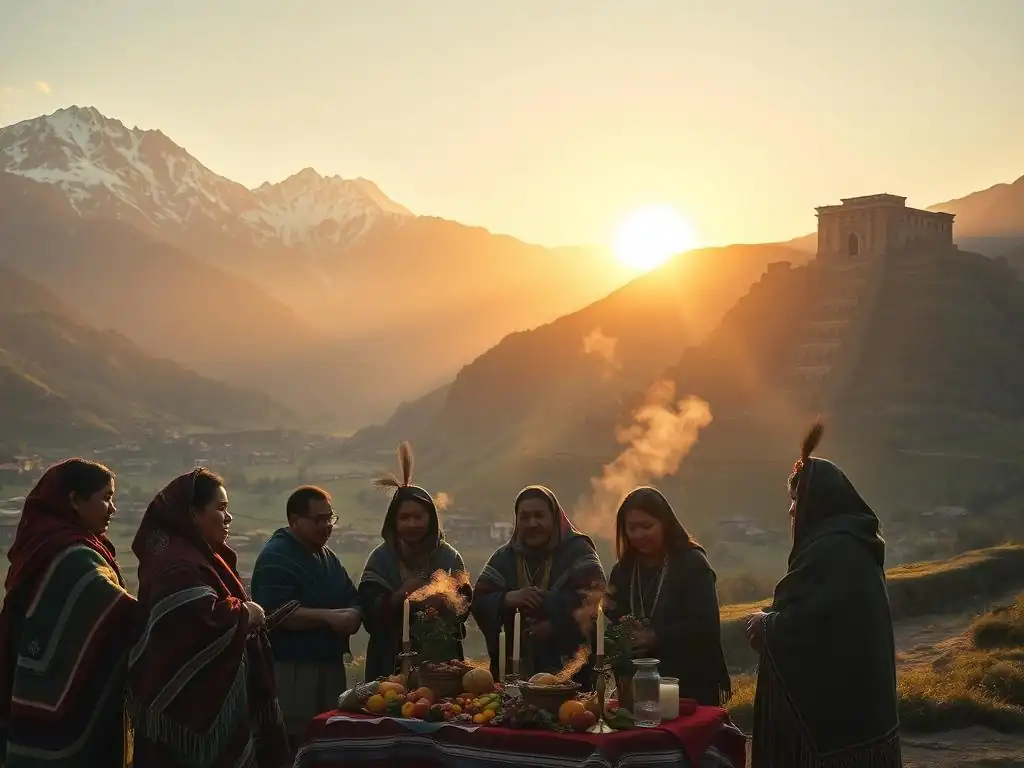
Ancestor worship is a prominent spiritual practice among various indigenous cultures across the Americas, reflecting deep-seated reverence for lineage and heritage. In the Andes, this belief system is intricately woven into the fabric of daily life and societal norms, mirroring practices found in other indigenous communities. For instance, many Native American tribes, such as the Lakota and Navajo, also honor their ancestors through rituals, storytelling, and ceremonies, emphasizing the importance of maintaining a connection with past generations.
While the specific rituals and beliefs may differ, the underlying principle of ancestor worship as a means of ensuring guidance, protection, and wisdom from the past is a common thread. Both Andean and other indigenous practices often involve offerings, prayers, and communal gatherings that foster a sense of belonging and continuity. This comparative analysis highlights the universal significance of ancestral connections in nurturing cultural identity and promoting social cohesion among indigenous peoples.
Similarities with Other Indigenous Practices in the Americas
In many indigenous cultures, ancestor worship acts as a bridge between the living and the dead, providing a framework for understanding one's place in the world. For instance, among the Maya, ancestor veneration is reflected in the creation of ancestral altars and the performance of ritualistic offerings, much like in Andean societies where shrines and ceremonial sites are dedicated to honored ancestors.
Another similarity lies in the understanding of the cyclical nature of life and death. Many indigenous groups believe that ancestors continue to influence the living, guiding them through challenges. This is evident in practices such as the Day of the Dead celebrated in Mexico, where families honor deceased loved ones with food, flowers, and altars, reminiscent of Andean customs during celebrations like Inti Raymi, where the spirits of ancestors are invoked.
Unique Aspects of Andean Ancestor Worship Significance
Andean ancestor worship is particularly unique due to its integration with the natural world and agricultural practices. The Andean people view their ancestors not only as spiritual guides but also as integral to the fertility of the land. This is exemplified in the practice of apu worship, where mountains are considered sacred ancestors that provide protection and sustenance. Rituals often include offerings of coca leaves, food, and other items to ensure a bountiful harvest, reinforcing the connection between the land and ancestral spirits.
Moreover, Andean ancestor worship places significant emphasis on the concept of reciprocity. The living are expected to honor their ancestors through continuous offerings and rituals, creating a cycle of respect and gratitude that transcends generations. This reciprocal relationship fosters a profound sense of duty towards maintaining cultural heritage and identity, ensuring that the wisdom of the past informs present and future generations.
Challenges and Changes in Ancestor Worship
Despite its enduring significance, ancestor worship in the Andes faces numerous challenges, particularly in the wake of modernization and globalization. The influx of external cultural influences has led to a dilution of traditional practices, with younger generations often gravitating towards contemporary beliefs that may overshadow ancestral customs.
This shift not only threatens the preservation of rituals but also impacts the intergenerational transmission of knowledge, as elders play a crucial role in teaching the younger members of the community about their heritage. The challenge lies in finding ways to adapt these practices while maintaining their core significance.
Impact of Colonization on Andean Spiritual Practices
The colonization of the Andes had a profound impact on indigenous spiritual practices, including ancestor worship. European colonizers often viewed indigenous beliefs as pagan and sought to suppress them, leading to the forced conversion to Christianity. This resulted in the syncretism of beliefs, where elements of Andean spirituality were intertwined with Christian practices, changing the landscape of ancestor worship.
For example, many Andean communities now incorporate Catholic saints into their ancestral rituals, creating a hybrid form of worship that reflects both indigenous and colonial influences. While this adaptation has allowed some practices to survive, it has also altered the original significance and intent behind ancestor veneration, leading to a complex interplay of belief systems.
Current Challenges Facing Ancestor Worship in the Andes
Today, Andean ancestor worship faces various challenges, including environmental changes, urban migration, and socio-economic pressures. As communities become more urbanized, traditional practices may be abandoned or transformed, leading to a disconnect from ancestral roots.
Additionally, the impact of climate change on agriculture poses a threat to the rituals associated with ancestor veneration, as agricultural practices are deeply tied to honoring the spirits of ancestors. The loss of traditional knowledge and the inability to perform rituals in a meaningful context can diminish the significance of ancestor worship in contemporary Andean society.
To combat these challenges, many communities are actively working to revitalize their cultural practices, emphasizing education and awareness among younger generations about the importance of maintaining their ancestral connections. This ongoing effort reflects a commitment to preserving the rich heritage of Andean ancestor worship and ensuring its relevance in the modern world.
Conclusion: The Enduring Legacy of Ancestor Worship in the Andes
The practice of ancestor worship in the Andes holds a profound significance that transcends time. This spiritual tradition not only reflects the deep-rooted respect and reverence that Andean cultures have for their ancestors but also serves as a vital link between the past and the present. Ancestor worship is more than a mere ritual; it embodies a worldview that emphasizes continuity, identity, and community cohesion. Through offerings, ceremonies, and festivals, the Andean people maintain a living connection with those who came before them, ensuring that their wisdom and experiences remain integral to contemporary life.
As the Andes continue to evolve, the legacy of ancestor worship remains resilient, adapting to modern influences while retaining its core principles. This adaptability highlights the significance of these practices in fostering a sense of belonging and cultural pride among Andean communities. The fusion of ancient beliefs with contemporary expressions illustrates the dynamic nature of Andean spirituality and underscores the importance of honoring one’s heritage in an ever-changing world.
Reflection on the Significance of Ancestor Worship Today
Today, ancestor worship in the Andes serves multiple purposes, influencing not only spiritual life but also social and cultural practices. It acts as a foundation for moral values, guiding individuals toward a respectful and harmonious existence within their communities. By venerating ancestors, Andean people reinforce their cultural identity and transmit essential teachings to younger generations.
Moreover, the significance of ancestor worship extends beyond individual and familial connections; it fosters communal solidarity. Events centered around ancestor veneration often gather families and communities, providing opportunities for storytelling, sharing memories, and strengthening social bonds. This communal aspect is crucial in an era marked by globalization and cultural homogenization, where the preservation of unique traditions becomes essential.
In many Andean communities, the resurgence of interest in traditional practices has also sparked a broader cultural revival. As people seek to reconnect with their roots, ancestor worship stands at the forefront of this movement, symbolizing resilience and continuity in the face of modern challenges.
The Future of Ancestor Veneration in Andean Culture
Looking ahead, the future of ancestor veneration in Andean culture appears promising yet complex. With increasing globalization, the challenge lies in finding a balance between modern influences and traditional practices. Younger generations are becoming more engaged in exploring their ancestry and cultural heritage, often integrating technology and contemporary art forms into their expressions of veneration.
Additionally, the role of education in preserving these traditions cannot be understated. By incorporating ancestral teachings and practices into educational curricula, communities can empower the youth to appreciate and carry forward their cultural legacy. Local initiatives that promote festivals, workshops, and community gatherings centered on ancestor worship can further enhance awareness and participation.
Despite these positive trends, external pressures such as urbanization and migration may pose challenges to traditional practices. It is crucial for Andean communities to remain proactive in preserving their customs and adapting them to contemporary contexts, ensuring that the significance of ancestor worship continues to thrive for future generations.
References
Scholarly Articles and Sources
- Allen, C. (2002). The Andean World: Indigenous and Colonial Perspectives. University of Oklahoma Press.
- Huber, J. T. (1995). The Sacred Landscape of the Andes: The Role of Ancestor Worship in Andean Culture. Journal of Anthropological Research, 51(2), 145-162.
- Salas, R. (2010). Cultural Resilience and Identity among Andean Peoples: The Role of Ancestors. Latin American Perspectives, 37(4), 36-52.
Interviews and Oral Histories
- Interview with Don Felipe Quispe, a traditional healer and community elder from the Aymara community of Bolivia, conducted on March 15, 2023.
- Oral history collected from María Elena Huamaní, a participant in the Inti Raymi festival in Cusco, Peru, recorded on June 24, 2023.
- Conversations with members of the Q'ero community regarding their ancestral practices and beliefs, held in December 2022.
- Introduction to Andean Ancestor Worship
- Historical Context of Ancestor Worship in the Andes
- Core Beliefs and Rituals of Andean Ancestor Worship
- The Contemporary Significance of Ancestor Worship in the Andes
- Comparative Analysis of Ancestor Worship Across Indigenous Cultures
- Challenges and Changes in Ancestor Worship
- Conclusion: The Enduring Legacy of Ancestor Worship in the Andes
- References
- What is the significance of Andean ancestor worship in indigenous cultures?
- How did ancestor worship influence social structures in the Andes?
- What are some common practices associated with Andean ancestor worship?
- How does ancestor worship impact contemporary Andean societies?
- Why is it essential to study Andean ancestor worship significance?
Frequently Asked Questions
What is the significance of Andean ancestor worship in indigenous cultures?
Andean ancestor worship plays a crucial role in maintaining cultural identity and continuity, allowing communities to honor their past and connect with their heritage.
Ancestor worship reinforced social hierarchies and communal ties, as families and communities came together to celebrate their lineage, fostering a sense of unity and belonging.
What are some common practices associated with Andean ancestor worship?
Practices include ritual offerings, festivals, and the creation of altars to honor ancestors, emphasizing the importance of reciprocity between the living and the deceased.
How does ancestor worship impact contemporary Andean societies?
Today, ancestor worship continues to influence cultural practices and serves as a means of preserving traditions, while also adapting to modern contexts and beliefs.
Why is it essential to study Andean ancestor worship significance?
Understanding the significance of ancestor worship provides insight into the values and belief systems of Andean cultures, highlighting their resilience and the ongoing relevance of their traditions.
Final Reflection: The Enduring Significance of Andean Ancestor Worship
The practice of ancestor worship in the Andes is not merely a relic of the past; it serves as a vital connection to cultural identity and community cohesion today. In a world increasingly driven by rapid change and globalization, the traditions that honor our ancestors remind us of our roots and the values that shape our lives. This reverence for those who came before us is a powerful testament to the resilience of cultural practices that continue to thrive and evolve in contemporary society.
Celebrating the wisdom and contributions of our ancestors fosters a sense of belonging and continuity in our lives. The significance of Andean ancestor worship extends beyond its historical context; it influences social dynamics, family structures, and community relationships. As we navigate modern challenges, these traditions offer guidance and a framework for understanding our place in the world. To honor our ancestors is to honor ourselves and the journey that has brought us to this moment.
This perspective underscores the importance of maintaining these practices as a means of grounding ourselves in a rapidly changing environment.
As we reflect on the lessons of ancestor worship, let us embrace the opportunity to integrate these values into our daily lives. Consider how you can honor your own heritage and the legacies of those who came before you.
Whether through storytelling, rituals, or simply taking a moment to appreciate the sacrifices made by our ancestors, each action contributes to a richer understanding of who we are. In doing so, we not only preserve our cultural heritage but also empower future generations to carry these traditions forward, ensuring that the significance of Andean ancestor worship remains alive and relevant in our ever-evolving world.
Embrace Your Heritage and Honor Your Roots!
Thank you for taking the time to explore the profound practice of ancestor worship in the Andes. By delving into this rich tradition, you've unlocked a deeper understanding of the connections between past and present, as well as the immense significance of honoring our ancestors in today’s world. Now, let’s take this knowledge beyond the page and make it a part of our lives!
Here’s how you can actively engage with this meaningful tradition:
- Start a Family Ritual: Create a simple ceremony at home to honor your ancestors. Light a candle or display family photos, and take a moment to reflect on their lives and contributions.
- Share Your Knowledge: Discuss what you’ve learned with friends or family. Encourage them to appreciate the value of ancestry and consider ways they might honor their own roots.
- Join a Community Event: Look for local gatherings or workshops focused on indigenous traditions. Engaging with others can deepen your understanding and foster connections within your community.
What unique ways do you think we can celebrate and honor our ancestors in our modern lives? 🌍✨