
The Influence of Andean Religion on Modern Indigenous Communities

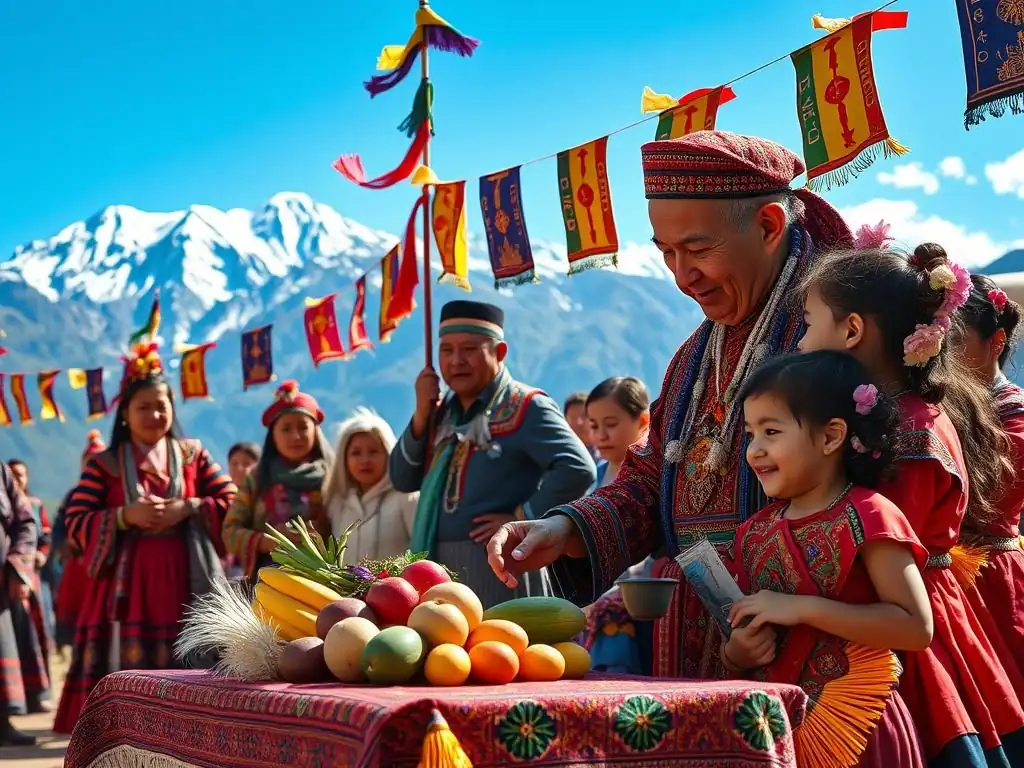
Welcome to Indigenous Civilizations of the Americas, where we invite you to embark on a fascinating journey through the rich tapestry of indigenous cultures that flourished long before European colonization. Our latest article, "The Influence of Andean Religion on Modern Indigenous Communities," delves into the profound ways ancient beliefs continue to shape contemporary societies. Have you ever wondered how the spiritual practices of the Andean peoples resonate today? Join us as we uncover the enduring legacy of these remarkable traditions and their impact on modern life. Your exploration begins now!
The Andean region, rich in cultural diversity and historical significance, has been a cradle of unique religious practices that have profoundly influenced its indigenous communities. The enduring legacy of Andean religion extends beyond ancient rituals and beliefs; it shapes the identities and spiritual lives of modern indigenous peoples. As we explore the influence of Andean religion, we will uncover how traditional practices, deities, and ceremonial life continue to resonate within contemporary society. This article aims to provide a comprehensive understanding of the Andean religion modern influence, highlighting its importance in both historical and present contexts.
Introduction to Andean Religion
Andean religion encompasses the spiritual beliefs and practices of indigenous groups residing in the Andean mountain range, primarily in countries such as Peru, Bolivia, Ecuador, and northern Chile. Characterized by a strong connection to the natural world, Andean spirituality integrates elements of cosmology, mythology, and ritual that reflect the deep respect and reverence these cultures hold for their environment.
Overview of Andean Religious Practices
The religious practices of the Andean peoples are diverse yet interconnected, often rooted in the worship of Pachamama (Mother Earth) and Inti (the Sun God). Rituals vary from community to community but share common themes of reciprocity with nature and the cosmos. Key practices include:
- Offerings (Pago a la Tierra): Placing offerings to Pachamama, such as food, flowers, and coca leaves, to ensure harmony and fertility.
- Festivals: Celebrations like Inti Raymi, which honor the Sun and the agricultural cycle, illustrating the importance of seasonal changes.
- Pilgrimages: Journeys to sacred sites, like the ancient city of Cusco, reflecting a deep spiritual connection to ancestral lands.
Historical Context of Andean Beliefs
The history of Andean religion is a tapestry woven from pre-Columbian traditions, the Inca Empire's consolidation of spiritual practices, and the adaptations that followed European colonization. The resilience of these beliefs is evident in how modern indigenous communities have preserved and transformed them over the centuries. Key historical moments include:
- Inca Religious Synthesis: The Incas unified various regional deities and practices into a cohesive state religion, which laid the groundwork for contemporary Andean spirituality.
- Colonial Resistance: Despite the imposition of Christianity during colonization, many indigenous groups maintained their religious practices, often blending them with newly introduced beliefs.
Key Elements of Andean Religion
The essence of Andean religion can be understood through several key elements that define its spiritual landscape. These components not only illustrate the beliefs of ancient societies but also highlight their ongoing relevance in modern contexts.
Deities and Spiritual Beings in Andean Culture
Andean spirituality is rich with a pantheon of deities and spiritual beings, each embodying elements of nature and human experience. Major figures include:
- Pachamama: The Earth goddess, revered for her nurturing and sustaining qualities.
- Inti: The Sun god, symbolizing warmth, light, and agricultural prosperity.
- Wiraqucha: The creator deity, often associated with the cosmos and the origins of life.
These deities play a crucial role in the daily lives of many indigenous communities, influencing agricultural practices, community decisions, and personal spirituality.
Rituals and Ceremonies: A Connection to the Divine
Rituals and ceremonies serve as vital expressions of Andean spirituality. They act as conduits for communication with the divine, fostering a sense of community and shared identity. Key rituals include:
- Offering Ceremonies: Conducted at specific times of the year, these ceremonies involve elaborate offerings to Pachamama and other deities to ensure a good harvest.
- Rituals of Passage: Ceremonies marking significant life events, such as birth, marriage, and death, often incorporate traditional beliefs and practices, reinforcing cultural identity.
The Role of Nature in Andean Spirituality
Nature is central to Andean religious beliefs, viewed not only as a source of sustenance but as a sacred entity deserving of respect and reverence. The relationship between humans and nature is often described in terms of reciprocity, emphasizing the need for balance and harmony. Key concepts include:
- Ayni: The principle of reciprocity, where giving and receiving are interconnected, reflecting a mutual relationship with the environment.
- Sacred Landscapes: Mountains, rivers, and other natural features are often regarded as sacred, embodying spiritual significance and hosting rituals to honor their power.
Through these elements, the influence of Andean religion persists, enriching the cultural fabric of modern indigenous communities and fostering a deep connection to their ancestral roots.
The Modern Influence of Andean Religion
Andean religion, with its rich tapestry of beliefs and practices, continues to exert a profound influence on modern indigenous communities in the Andes and beyond. This enduring legacy manifests in various aspects of life, from spiritual beliefs to cultural identity. The integration of ancient rituals and cosmologies into contemporary frameworks showcases the resilience and adaptability of these indigenous cultures. Understanding how Andean religion shapes modern communities provides valuable insights into the continuity of cultural heritage.
Preservation of Traditional Beliefs in Contemporary Communities
In many Andean communities, traditional beliefs are actively preserved and practiced, despite external pressures from globalization and modernization. Elders play a crucial role in transmitting knowledge about ancestral practices, ensuring that younger generations remain connected to their cultural roots. For example, rituals and ceremonies are often conducted in conjunction with agricultural cycles, reflecting the indigenous understanding of harmony with nature.
Moreover, the use of native languages in spiritual contexts reinforces the preservation of traditional beliefs. Many communities incorporate Quechua and Aymara languages into their rituals, which helps maintain a sense of identity and belonging. This commitment to preserving traditional beliefs not only strengthens community ties but also fosters resilience against cultural erosion.
Integration of Andean Spiritual Practices in Daily Life
Andean spiritual practices have found their way into the daily lives of indigenous peoples, influencing various aspects, including health, agriculture, and community governance. Many families incorporate rituals such as pachamama (Mother Earth) offerings into their agricultural routines, believing that these acts will ensure bountiful harvests. This integration of spirituality into everyday activities emphasizes the interconnectedness of the physical and spiritual worlds.
Additionally, traditional healing practices, often rooted in Andean cosmology, remain prevalent. Healers, or yatiris, utilize local plants and spiritual rituals to treat ailments, demonstrating the enduring relevance of Andean religion in health and wellness. Such practices not only address physical health but also reinforce a sense of community and cultural identity.
Andean Religion and Identity among Indigenous Peoples
The connection between Andean religion and identity is profound. For many indigenous peoples, their spiritual beliefs are inseparable from their cultural identity. The rituals, symbols, and narratives associated with Andean religion serve as markers of identity, allowing communities to distinguish themselves from external influences.
Furthermore, the resurgence of Andean spirituality in contemporary society has become a form of resistance against colonial narratives and assimilation. As indigenous peoples reclaim their traditions, they simultaneously affirm their identities, fostering pride and solidarity within their communities. This revival often manifests in public expressions of Andean culture, including festivals, art, and music, which celebrate their heritage and reinforce communal bonds.
Case Studies of Andean Religious Influence
Community A: Revitalization of Rituals and Traditions
In Community A, a small village in the highlands of Peru, there has been a concerted effort to revitalize traditional rituals that had waned in popularity. The community has organized annual festivals that incorporate ancient practices, such as the Inti Raymi (Festival of the Sun), which celebrates the winter solstice. This revival has not only strengthened community ties but has also attracted interest from younger generations, who are eager to learn about their heritage. By embracing and adapting these rituals, Community A showcases the dynamic nature of Andean religion in contemporary society.
Community B: Syncretism of Andean and Modern Beliefs
Community B represents a fascinating example of syncretism, where elements of Andean religion have blended with contemporary beliefs, particularly Christianity. Many families honor both Pachamama and Catholic saints, creating a unique spiritual landscape. For instance, during harvest celebrations, community members may offer gifts to Pachamama while simultaneously participating in a Catholic mass. This blending of beliefs reflects the adaptability of Andean spirituality and highlights the ongoing negotiation of identity in a modern context.
Community C: The Role of Andean Religion in Cultural Festivals
In Community C, Andean religion plays a central role in cultural festivals that attract visitors from far and wide. Events such as the Qoyllur Rit'i pilgrimage blend religious devotion with cultural expression, showcasing traditional music, dance, and attire. The festival not only reinforces the community's spiritual beliefs but also serves as a platform for cultural exchange and celebration. By organizing such events, Community C affirms the relevance of Andean religion in contemporary society while fostering a sense of pride and unity among its members.
Challenges Facing Andean Religious Practices Today
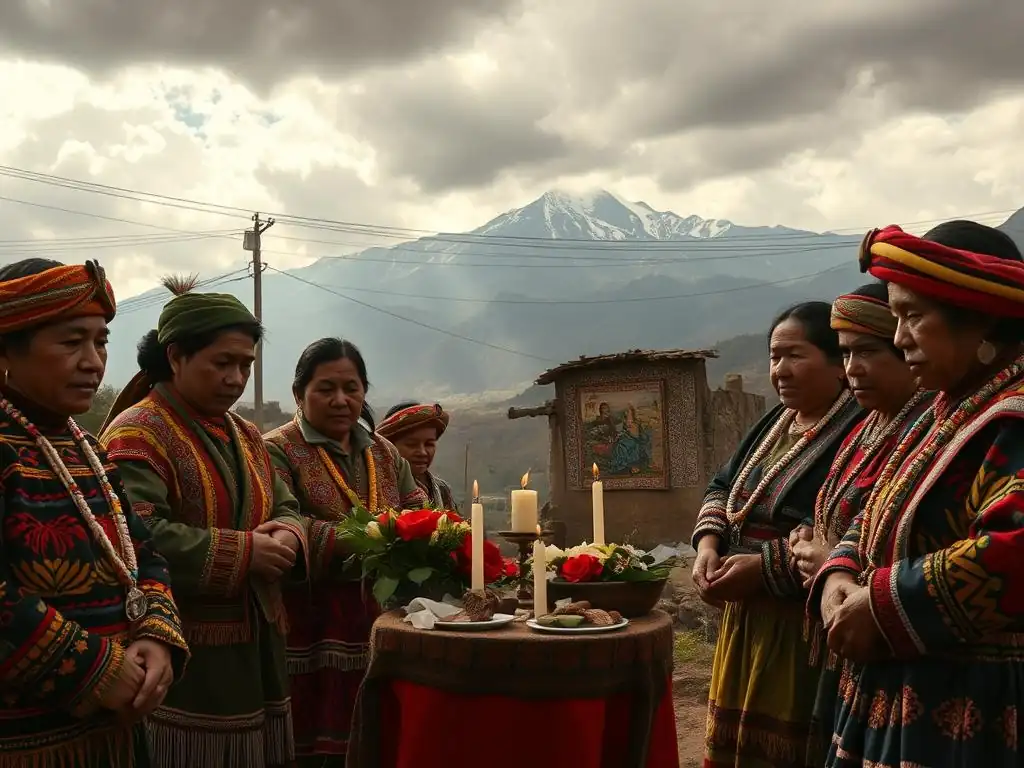
The Andean region, rich in spiritual traditions and religious practices, faces several significant challenges that threaten the preservation and continuation of these ancient beliefs. These challenges arise primarily from the effects of globalization, cultural appropriation, and the historical misrepresentation of Andean cultures. As modern indigenous communities strive to maintain their spiritual heritage, they encounter obstacles that can dilute or distort their religious practices.
Impact of Globalization on Indigenous Spirituality
Globalization has brought about rapid changes in the socio-economic landscape of the Andes, leading to an influx of foreign cultural influences. This phenomenon often results in the commodification of Andean spirituality, where sacred rituals and symbols are commercialized for tourism or entertainment purposes. As a consequence, the authenticity of traditional practices is at risk.
Moreover, younger generations are increasingly exposed to global ideologies and lifestyles, which can lead to a disconnection from their ancestral beliefs. The challenge is to balance the integration of modern influences while preserving the core tenets of Andean spirituality. Many indigenous communities are actively seeking ways to adapt their practices to contemporary contexts without losing their cultural essence.
Cultural Appropriation and Misrepresentation of Andean Beliefs
Cultural appropriation poses a significant threat to Andean religious practices. Often, elements of Andean spirituality are appropriated by non-indigenous individuals or entities without a proper understanding of their significance. This can lead to the distortion of beliefs and practices, stripping them of their sacred meaning.
Additionally, the misrepresentation of Andean cultures in media and popular culture perpetuates stereotypes and misconceptions. This not only undermines the richness of Andean spirituality but also marginalizes the voices of indigenous practitioners who seek to share their traditions authentically. Addressing these issues requires a concerted effort to educate both the indigenous communities and the broader public about the true nature of Andean beliefs.
Preservation Efforts by Modern Indigenous Communities
In response to the challenges posed by globalization and cultural appropriation, many modern indigenous communities are actively engaged in preservation efforts. These initiatives include educational programs that teach younger generations about their cultural heritage and spiritual practices, ensuring that traditional knowledge is passed down.
Communities are also forming alliances with cultural organizations and advocacy groups to promote awareness and respect for Andean spirituality. By documenting their rituals, stories, and practices, they aim to safeguard their traditions for future generations. Furthermore, the use of digital platforms has enabled indigenous voices to reach a wider audience, fostering a greater appreciation for Andean religious beliefs in contemporary society.
Conclusion: The Lasting Impact of Andean Religion
The enduring influence of Andean religion on modern indigenous communities is evident in various aspects of their cultural identity. Despite the challenges they face, these communities continue to uphold their spiritual practices, demonstrating resilience and adaptability. The integration of Andean beliefs into contemporary life not only enriches the cultural tapestry of the Americas but also serves as a testament to the importance of preserving indigenous traditions.
Summary of Andean Religion's Modern Influence
Andean religion has shaped the cultural and spiritual landscape of indigenous communities in profound ways. From agricultural practices to communal rituals, the principles of Andean spirituality remain integral to the identity of these communities. The reverence for nature, ancestral worship, and the significance of community remain central to their way of life, highlighting the religion's relevance even in modern contexts.
Future Prospects for Andean Spiritual Practices in Indigenous Communities
Looking ahead, the future of Andean spiritual practices will likely depend on the ability of indigenous communities to navigate the complexities of modernity while staying true to their ancestral roots. Continued advocacy for the recognition of indigenous rights and cultural heritage is essential to ensure that Andean religion thrives. By fostering intergenerational dialogue and embracing innovative ways to express their spirituality, modern indigenous communities can ensure that the influence of Andean religion persists, adapting to contemporary challenges while honoring its rich history.
References
[Academic sources and additional readings related to Andean religion and indigenous studies]
-
"The Andean World: Indigenous History, Culture, and Society" by J. M. H. de la Cadena and E. Starn
This comprehensive book provides an in-depth look at the historical and cultural landscapes of the Andes, exploring the intricate connections between ancient practices and modern indigenous communities.
-
"Indigenous Religions of the Andes" by David J. Whitley
Whitley's work delves into the spiritual beliefs and practices of Andean societies, highlighting their evolution and the ways they influence contemporary indigenous cultures.
-
"The Myth of the Andean Religion: A Cultural History" by Charles Stanish
This text challenges common misconceptions about Andean religious practices, offering a cultural history that illustrates their significance in both past and present contexts.
-
"Andean Cosmologies through Time: Persistence and Evolution" edited by Brian S. Bauer and Julie A. Gallegos
This edited volume discusses how Andean cosmologies have persisted and evolved over time, impacting modern belief systems and practices among indigenous peoples.
-
"Inca Religion and Customs" by C. A. R. de la Vega
This classic work provides insights into the religious customs of the Inca Empire and their lasting influences on modern Andean societies.
-
"The Power of the Andes: Indigenous Identity and Religious Practice" by A. M. Arce
Arce explores the ways in which indigenous identity in the Andes is tied to religious practices, illustrating the modern implications of these traditions.
-
"Rituals and Religion in the Andes" by M. E. T. Poma
This book examines the role of rituals in preserving religious beliefs and practices among modern Andean communities, emphasizing their significance in cultural identity.
-
"Andean Religious Traditions: A Historical Overview" by R. R. Tello
Tello provides a historical overview of Andean religious traditions, detailing how they have shaped contemporary spiritual practices among indigenous groups.
-
"The Andean Sacred Geography: Religion and the Environment" by S. A. M. Huamán
This study highlights the relationship between Andean religious beliefs and environmental stewardship, showing how these perspectives continue to influence modern indigenous communities.
-
"Indigenous Knowledge and the Andean Environment" by L. O. Quiroga
Quiroga’s work emphasizes the importance of indigenous knowledge systems in understanding the Andean environment and how these systems are maintained through religious practices today.
These academic sources provide a rich foundation for understanding the influence of Andean religion on modern indigenous communities, offering insights into how historical practices continue to shape cultural identities and spiritual beliefs.
- Introduction to Andean Religion
- Key Elements of Andean Religion
- The Modern Influence of Andean Religion
- Case Studies of Andean Religious Influence
- Challenges Facing Andean Religious Practices Today
- Conclusion: The Lasting Impact of Andean Religion
- References
- What is the primary focus of the article on Andean religion?
- How did Andean religion impact indigenous societies before colonization?
- What are some key achievements of Andean civilizations mentioned?
- How has Andean religion adapted in modern times?
- Why is understanding Andean religion important today?
Frequently Asked Questions
What is the primary focus of the article on Andean religion?
The article explores the influence of Andean religion on modern indigenous communities, highlighting how ancient beliefs and practices continue to shape cultural identity today.
How did Andean religion impact indigenous societies before colonization?
Andean religion played a crucial role in the social and cultural development of various societies, influencing their rituals, governance, and community cohesion.
What are some key achievements of Andean civilizations mentioned?
The article details significant achievements, including advanced agricultural techniques, impressive architectural structures like Machu Picchu, and a rich tradition of art and textiles.
How has Andean religion adapted in modern times?
Modern indigenous communities have integrated Andean religious practices into contemporary life, often blending them with Christian beliefs to preserve their cultural heritage.
Why is understanding Andean religion important today?
Understanding Andean religion is vital for appreciating the cultural resilience of indigenous peoples, as it reveals how they navigate modern challenges while honoring their ancestral traditions.
Final Reflection: Embracing the Legacy of Andean Religion in Modern Indigenous Communities
The enduring influence of Andean religion on contemporary indigenous communities is a testament to the resilience of cultural heritage. As we navigate a world increasingly shaped by globalization, the spiritual practices and beliefs rooted in Andean traditions continue to resonate deeply within these communities, serving as a vital link to their ancestors and a source of identity. The rich tapestry of Andean religion not only enriches the cultural landscape but also empowers modern indigenous peoples to reclaim their narratives and assert their place in the world.
The impact of Andean religion extends far beyond mere tradition; it shapes the social, cultural, and spiritual fabric of indigenous life today. The principles of reciprocity, community, and respect for nature that are central to Andean beliefs foster a sense of unity and purpose among modern indigenous peoples. As noted by cultural anthropologist Dr. María Elena García, In the heart of every indigenous community lies a profound connection to their ancestral beliefs, which guide their actions and aspirations in a rapidly changing world.
This connection is not only a source of strength but also a beacon of hope for future generations striving to maintain their cultural identity amidst external pressures.
As we reflect on the lessons of Andean religion, let us consider how we can integrate these values into our own lives. Take a moment to appreciate the interconnectedness of all beings and the importance of nurturing our relationships with one another and the environment. By honoring the wisdom of the past, we can create a more harmonious future that respects diversity and fosters understanding. Embrace the teachings of Andean spirituality, and allow them to inspire you to cultivate a deeper connection with your own roots and the world around you.
Embrace and Elevate Andean Traditions Today!
Thank you for taking the time to explore the profound influence of Andean religion on modern indigenous communities. Your interest not only enriches your understanding but also helps preserve and honor these vibrant cultures. Now, let’s take concrete steps to connect with and support these traditions.
- Dive deeper: Explore local cultural events or festivals celebrating Andean heritage in your area, and engage with indigenous artisans and storytellers.
- Share what you've learned: Start a conversation with friends or on social media about the significance of Andean spirituality, inspiring others to appreciate these traditions.
- Get involved: Seek out organizations dedicated to supporting indigenous communities and consider volunteering or donating to enhance their cultural initiatives.
Which aspect of Andean spirituality resonates most with you, and how will you carry its legacy forward in your own life?