
The Role of Nature in Andean Religious Practices: Mountains, Rivers, and Sacred Sites

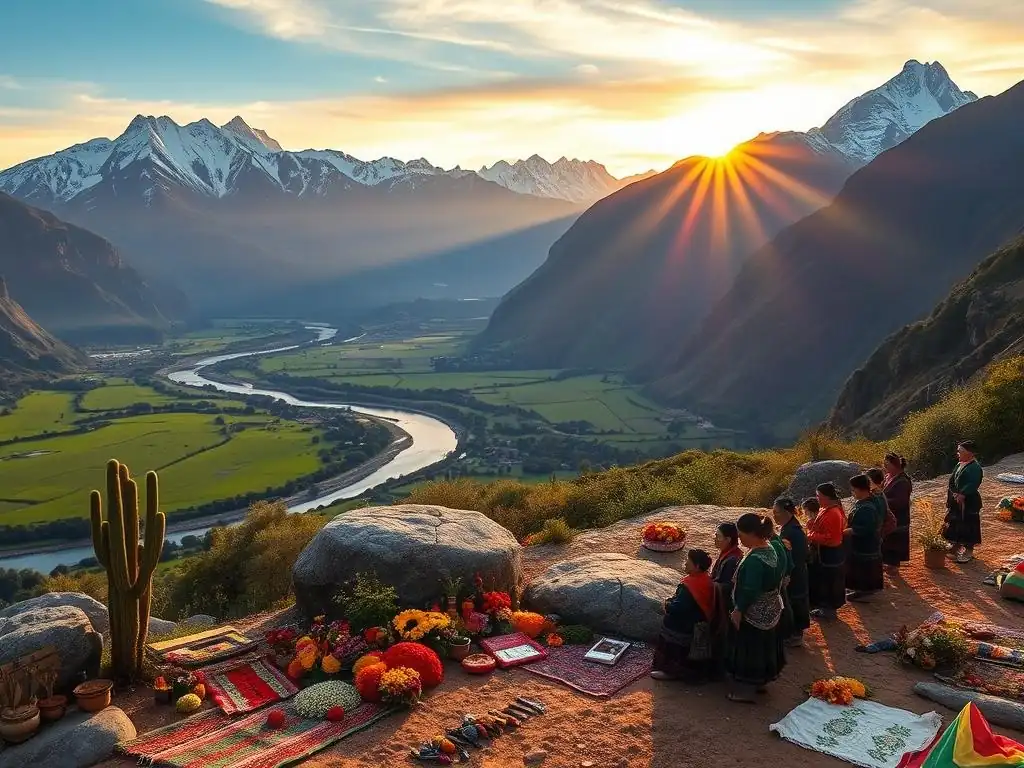
Welcome to Indigenous Civilizations of the Americas, where we embark on an enlightening journey through the vibrant tapestry of indigenous cultures that flourished long before European contact. Discover the profound connection between nature and spirituality as we delve into our featured article, "The Role of Nature in Andean Religious Practices: Mountains, Rivers, and Sacred Sites." Uncover how the majestic landscapes of the Andes shaped religious beliefs and practices, and learn about the enduring legacy these cultures have left behind.
Are you ready to explore the sacred harmony between the natural world and indigenous spirituality? Dive in and let the journey begin!
- Introduction to Andean Religious Practices and Nature
- The Sacred Mountains in Andean Beliefs
- Rivers as Vital Elements in Andean Religious Practices
- Sacred Sites and Their Spiritual Significance
- Nature as a Reflection of Andean Spirituality
- Contemporary Perspectives on Nature and Andean Religious Practices
- Conclusion: The Enduring Role of Nature in Andean Religious Practices
-
Frequently Asked Questions
- What are the main elements of Andean religious practices related to nature?
- How did Andean cultures incorporate mountains into their spiritual beliefs?
- What role do rivers play in Andean religious practices?
- Can you explain the significance of sacred sites in the Andes?
- How do contemporary Andean communities maintain their religious practices related to nature?
- Final Reflection: The Sacred Interconnection of Nature and Andean Spirituality
- Embrace the Sacred: Connect with the Andean Spirit!
Introduction to Andean Religious Practices and Nature
The Andean region, with its majestic mountains and winding rivers, holds a profound significance in the religious practices of its indigenous peoples. The spiritual life of Andean civilizations is deeply intertwined with the natural environment, where elements such as the towering Andes and flowing water are not merely backdrops but are considered sacred entities that embody divine presence.
This article explores the intricate relationship between Andean religious practices and the natural world, shedding light on how these indigenous cultures revered and interacted with their surroundings. By examining the core beliefs, rituals, and sacred sites, we aim to uncover the essence of how nature shaped their spiritual experiences and continues to influence their cultural identity today.
Overview of Andean Religious Practices
Andean religious practices are characterized by a rich tapestry of beliefs and rituals that vary across different cultures within the region, such as the Inca, Quechua, and Aymara. Central to these practices is the veneration of Pachamama (Mother Earth) and Inti (the Sun), deities that symbolize fertility, sustenance, and life itself.
- Key Features of Andean Religious Practices:
- Polytheism: Worship of multiple deities associated with natural elements.
- Rituals and Offerings: Regular ceremonies to honor gods and seek their favor.
- Sacred Sites: Locations like mountains and lakes viewed as divine.
- Connection to Agriculture: Farming practices often aligned with religious calendars.
These elements illustrate how deeply rooted Andean religious practices are in the natural world, influencing everything from agricultural cycles to community gatherings.
Importance of Nature in Indigenous Beliefs
Nature is not only a backdrop for Andean religious practices; it is an essential component of the spiritual worldview. The landscape itself is revered, with mountains, rivers, and plants regarded as living entities that communicate sacred messages.
- Significance of Natural Elements:
- Mountains: Seen as the abode of the gods, mountains are central to many rituals. For example, Ausangate, one of the most revered peaks, is often worshipped through offerings made by local communities.
- Rivers: Rivers are considered life-givers, providing water for crops and sustaining wildlife. Rituals are often performed to honor rivers, ensuring their health and flow.
- Sacred Sites: Locations such as Lake Titicaca are believed to be portals to the spiritual realm and are frequently the focus of pilgrimage and worship.
Understanding the importance of nature in Andean beliefs allows us to appreciate the profound connection these indigenous cultures have with their environment, emphasizing a worldview that sees humanity as an integral part of the natural order.
The Sacred Mountains in Andean Beliefs
Significance of Mountains in Andean Religious Practices
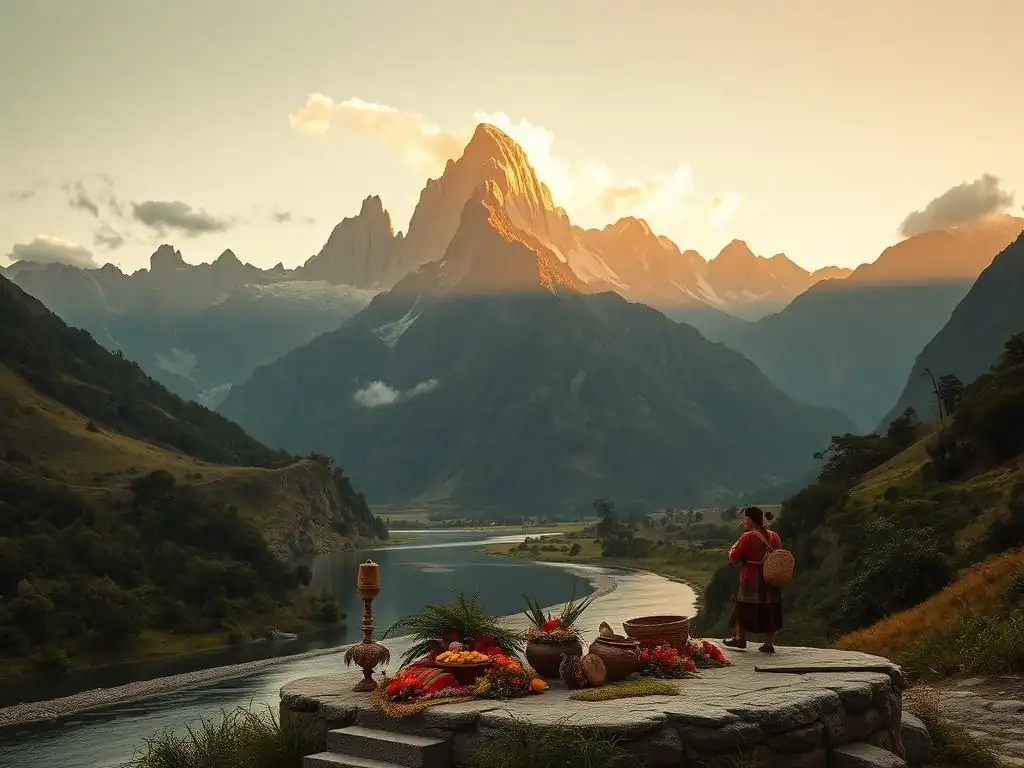
In Andean religious practices, mountains hold profound significance, often regarded as sacred entities that embody the spirit of the land. The Andean worldview perceives nature as a living, interconnected web of relationships, where mountains are seen as powerful deities or ancestors. These towering giants are not merely physical landmarks; they are revered as Apus, protective spirits that oversee the communities below, influencing agricultural cycles, weather patterns, and the overall well-being of the people.
The reverence for mountains is deeply rooted in the Andean cosmology, which emphasizes harmony between humans and the natural world. Rituals and offerings are frequently conducted at mountain shrines to seek blessings, ensure fertility, and express gratitude. The act of pilgrimage to these sacred sites serves as a spiritual journey, reinforcing the connection between the people and their environment.
By integrating mountains into their religious practices, Andean cultures demonstrate their respect for the landscape and its intrinsic role in sustaining life. This relationship underscores the belief that the mountains are not just physical structures but active participants in the spiritual and daily lives of the Andean peoples.
Key Sacred Mountains in the Andes
The Andes are home to several renowned sacred mountains, each with its unique cultural and spiritual significance. These mountains function as focal points for rituals, mythologies, and community identity.
Mount Aconcagua: A Spiritual Guardian
Mount Aconcagua, the highest peak in the Americas, stands at 6,961 meters (22,838 feet) in Argentina. Revered by indigenous peoples, it is often considered a spiritual guardian of the region. Its towering presence inspires awe and respect, making it a central figure in Andean mythology.
- Cultural Significance: Aconcagua is associated with various deities and is believed to be a place where the earthly and divine realms intersect. Offerings of coca leaves and llama fat are common practices among local communities seeking protection and guidance from the mountain.
- Rituals and Pilgrimages: The mountain serves as a pilgrimage destination for many, with rituals performed during significant agricultural cycles, particularly before planting seasons. These ceremonies are intended to invoke the blessings of the mountain for a fruitful harvest.
Mount Illimani: The Heart of Andean Cosmology
Mount Illimani, towering at 6,438 meters (21,122 feet) near La Paz, Bolivia, is another key sacred mountain in the Andes. It is often referred to as the "Heart of the Andes" due to its prominent position and cultural significance.
- Symbol of Identity: Illimani is not only a geographical landmark but also a symbol of cultural identity for the Aymara and Quechua peoples. It features prominently in local folklore and is often depicted in traditional art and crafts.
- Rituals and Offerings: The mountain is revered in various rituals, especially during the Inti Raymi (Festival of the Sun). Communities gather to perform ceremonies that honor Illimani and seek its guidance, ensuring a harmonious relationship with nature and the cosmos.
The mountains of the Andes are integral to Andean religious practices, serving as sacred spaces that foster spiritual connections and cultural identity. Through these practices, the Andean peoples express their profound respect for nature and its vital role in sustaining their societies.
Rituals and Offerings at Sacred Mountains
In Andean religious practices, sacred mountains are not merely geological formations; they are revered as deities, guardians, and vital sources of sustenance. The towering peaks of the Andes, such as Aconcagua and Huascarán, play a pivotal role in the spiritual lives of indigenous communities. Rituals and offerings at these sacred sites are integral to maintaining harmony with both the natural world and the spiritual realm.
Types of Rituals
The rituals performed at sacred mountains vary significantly among different Andean cultures, yet they share common themes of reverence and reciprocity. Some of the most notable types include:
- Pachamama Ceremonies: These rituals honor Pachamama (Mother Earth), where offerings of food, coca leaves, and other items are made to ensure bountiful harvests and good health.
- Inti Raymi Celebrations: The Festival of the Sun, celebrated at the winter solstice, involves elaborate ceremonies that include music, dance, and offerings to Inti, the Sun God, seeking blessings for agriculture and prosperity.
- Apus Worship: In many Andean communities, mountains are personified as Apus, powerful spirits that provide protection and guidance. Rituals often involve climbing to mountain summits to leave offerings, such as llamas or textiles, to appease these spirits.
Offerings
The offerings made at sacred mountains are diverse and reflect the deep connection between the Andean people and their environment. Common offerings include:
- Ch'alla: A ritual where alcohol, typically chicha (a fermented corn drink), is poured onto the ground as a gesture of gratitude and respect.
- Coca Leaves: Considered sacred, coca leaves are often chewed or offered to the mountains as a means of communication with the spirits.
- Animal Sacrifices: In some traditions, small animal sacrifices, such as llamas or guinea pigs, are performed to honor the Apus and ensure their favor.
Significance of Nature
The rituals and offerings at sacred mountains emphasize the belief that nature is a living entity deserving of respect and care. This relationship fosters a sense of responsibility among the Andean people to protect their environment. By engaging in these rituals, they express their gratitude for the resources provided by the mountains and seek to maintain a balance between human activities and the natural world.
The rituals and offerings at sacred mountains are fundamental to Andean religious practices. They embody the profound respect for nature and the belief in a spiritual connection that sustains both the community and the environment. Through these acts, the indigenous peoples of the Andes continue to honor their rich cultural heritage and the sacredness of the natural world around them.
Rivers as Vital Elements in Andean Religious Practices
The Role of Rivers in Andean Cosmology
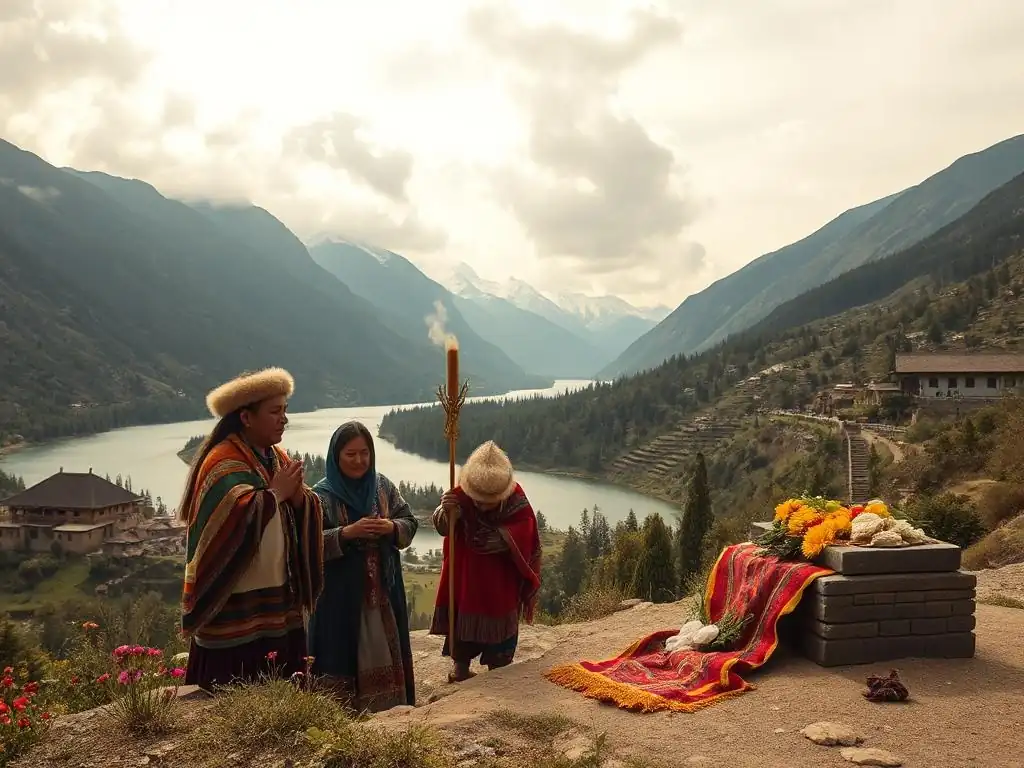
In Andean religious practices, rivers are not merely bodies of water; they are revered as vital elements that embody the essence of life and spiritual connectivity. Indigenous communities believe that rivers serve as the arteries of the earth, facilitating the flow of energy and nourishing both the physical and spiritual realms. This cosmological perspective integrates rivers into the broader Andean worldview, where natural elements are seen as living entities with personalities and powers.
The Andean people often associate rivers with specific deities or ancestral spirits, which are believed to inhabit these waterways. Rituals and offerings are commonly performed to honor these spirits, seeking their favor and protection. For instance, many communities will conduct ceremonies at riverbanks to ensure a bountiful harvest or to secure safe passage for travelers. The belief in the sacred nature of rivers highlights the interconnectedness of the environment and the Andean spirituality.
Major Sacred Rivers and Their Symbolism
The Andean region is home to several significant rivers that hold profound spiritual meaning. Each river is imbued with unique symbolism, influencing the religious practices and cultural narratives of the communities that inhabit their banks. Below, we explore two of the most significant sacred rivers in Andean cosmology:
The Sacred River of Apurímac
The Apurímac River is considered one of the most sacred rivers in the Andes, often referred to as the "speaking river." Its name translates to "the one that speaks," reflecting the belief that the river conveys messages from the ancestors and the spirit world. The Apurímac is also a crucial water source for agriculture, making it central to the community's sustenance and prosperity.
The river's importance is celebrated through various rituals, particularly during the Inti Raymi festival, where offerings of chicha (a traditional maize beverage) and other goods are made to the river to thank it for its life-giving properties. Additionally, the Apurímac is central to local myths, often depicted as a pathway between the earthly realm and the underworld, reinforcing its role as a mediator between different spiritual dimensions.
The Amazon River: A Connector of Worlds
While the Amazon River lies further east of the Andean highlands, its significance permeates Andean religious practices due to its extensive influence and interconnectedness with various indigenous cultures. The Amazon River is viewed as a vital connector of worlds, linking the highlands to the lowlands and facilitating trade, migration, and cultural exchange.
In Andean cosmology, the Amazon is often associated with fertility and abundance, symbolizing the lush, life-giving nature of the rainforest. Rituals performed along its banks highlight the importance of maintaining balance within nature, as well as honoring the spirits that inhabit its waters. The river is also a source of numerous myths and legends, further embedding it within the spiritual fabric of Andean societies.
Through these rivers, the Andean people express their profound respect for nature, recognizing the intrinsic relationship between their spiritual beliefs and the environment that sustains them. The integration of rivers into their religious practices exemplifies the dynamic interplay between culture, spirituality, and the natural world.
Rituals Associated with Rivers in Andean Cultures
In Andean cultures, rivers are not merely geographical features; they are revered as sacred entities that embody the spirit of nature. The relationship between the Andean people and rivers is deeply spiritual and is expressed through various rituals that honor these vital water sources.
Water Offerings (Despachos)
One of the most significant rituals associated with rivers is the practice of despachos, which are offerings made to Pachamama (Mother Earth) and the Apus (mountain spirits). These offerings often include coca leaves, flowers, and other natural items that are placed in the river as a gesture of gratitude and respect. The act of throwing these offerings into the water symbolizes a request for blessings and protection. This ritual is particularly prominent during the rainy season when rivers swell and are believed to carry messages to the deities.
Cleansing Rituals
Cleansing rituals are another vital aspect of Andean religious practices involving rivers. Many communities participate in ritual baths in river waters, which are thought to purify both body and spirit. This practice often coincides with important life events, such as births, marriages, or rites of passage. As participants immerse themselves in the water, they invoke the river's spirit for healing and renewal, underscoring the belief in the river's power to cleanse and restore balance.
Festivals Celebrating Water
Throughout the Andean region, numerous festivals celebrate the importance of water and rivers, often coinciding with agricultural cycles. For instance, the Inti Raymi festival, which honors the Sun God Inti, includes rituals that pay homage to rivers as sources of life for crops and communities. During such festivals, participants may engage in vibrant processions, dances, and music that highlight the rivers' significance in sustaining their cultural and agricultural heritage.
Sacred Sites Along Riverbanks
Certain locations along rivers are deemed sacred and are often the sites of pilgrimage for Andean people. These sites may include natural formations like waterfalls or particularly serene stretches of riverbank. Rituals at these locations often involve prayer, offerings, and communal gatherings, reinforcing the connection between the community and the river's spirit. By venerating these sacred sites, the Andean people acknowledge the rivers' role as life-givers and protectors of their culture and traditions.
Rivers in Andean religious practices are woven into the fabric of spiritual life. The rituals associated with these waterways highlight the profound respect Andean cultures hold for nature and the vital role rivers play in their worldviews. Through offerings, cleansing practices, festivals, and the veneration of sacred sites, these communities maintain their connection to the natural environment, ensuring that the essence of their cultural heritage remains alive.
Sacred Sites and Their Spiritual Significance
Overview of Sacred Sites in the Andes
The Andes mountain range, stretching along the western edge of South America, is not only a geographical wonder but also a spiritual landscape for many indigenous cultures. Andean religious practices nature is deeply intertwined with sacred sites that serve as focal points for worship, rituals, and community gatherings. These sites are often revered as embodiments of the natural world, with mountains, rivers, and other geographic features considered to hold spiritual significance and power.
Sacred sites in the Andes are characterized by their connection to the elements of nature. They are places where the physical and spiritual realms converge, allowing individuals to engage with ancestral spirits and deities. The Andean worldview perceives nature as a living entity, with mountains seen as powerful guardians and rivers as life-giving forces. This belief system fosters a profound respect for the environment, which is evident in the rituals and offerings made at these sacred locations.
Major Sacred Sites and Their Role in Andean Religious Practices
The Andes are home to numerous sacred sites, each with unique historical and cultural importance. These sites are often associated with specific deities or myths and serve as locations for rituals, ceremonies, and pilgrimages. Here, we explore two of the most significant sacred sites in the Andean region, highlighting their roles in religious practices.
Machu Picchu: An Architectural Wonder
Machu Picchu, often referred to as the "Lost City of the Incas," is one of the most iconic and revered sacred sites in the Andes. Perched high in the mountains at an altitude of over 2,400 meters, this 15th-century citadel is not only an architectural marvel but also a spiritual center.
- Historical Significance: Machu Picchu was built during the reign of the Inca emperor Pachacuti and served various functions, including as a religious site, royal estate, and agricultural center. Its strategic location and unique construction reflect the Inca's deep understanding of their environment.
- Spiritual Practices: The site is believed to be dedicated to the worship of the sun god, Inti. Rituals conducted here include offerings of llama fetuses, coca leaves, and other items to appease the gods and ensure bountiful harvests. The Intihuatana stone, a ritual stone associated with astronomy, is also a focal point for spiritual ceremonies.
- Contemporary Reverence: Today, Machu Picchu continues to be a pilgrimage site for many indigenous people and visitors alike. It symbolizes the enduring connection between Andean cultures and the natural world, embodying the principles of reciprocity and respect for nature.
Sillustani: The Cemetery of the Ancients
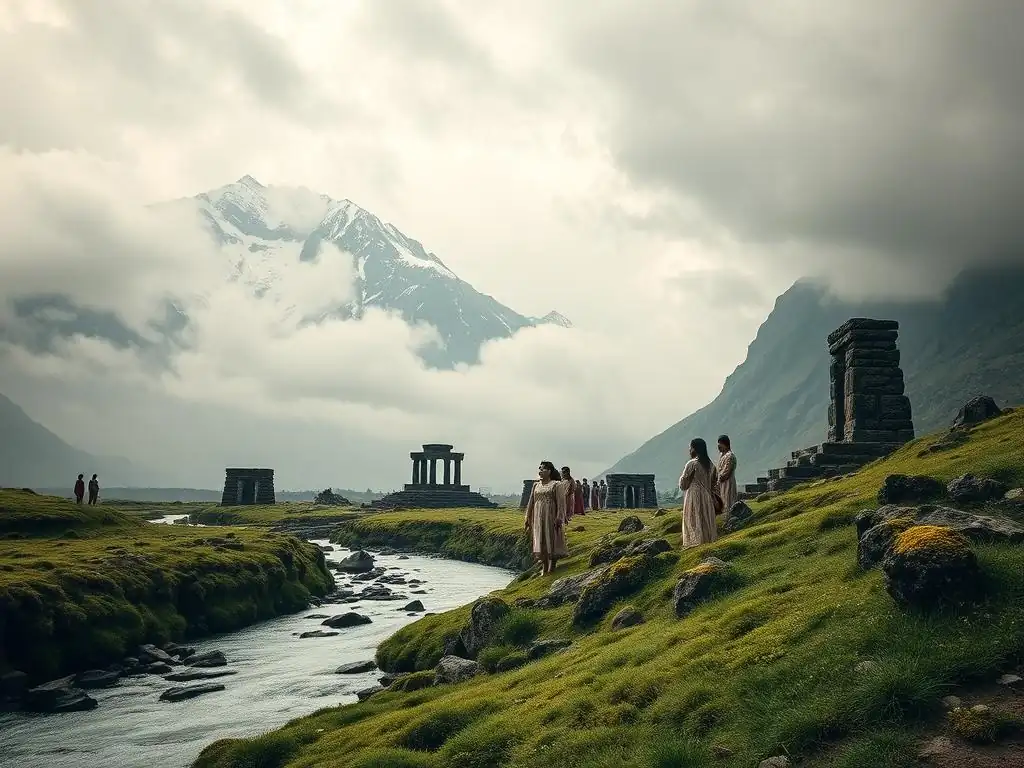
Located near Lake Umayo in southern Peru, Sillustani is another significant sacred site renowned for its impressive funerary towers known as chullpas. These structures served as burial sites for the noble families of the Colla civilization and later the Incas.
- Architectural Features: The chullpas of Sillustani are remarkable for their cylindrical shape and precision stonework. These towers vary in size and are constructed from large stone blocks, showcasing the advanced engineering skills of the Andean cultures.
- Cultural and Spiritual Importance: Sillustani is not only a burial site but also a place of reflection on life and death. The indigenous beliefs surrounding the afterlife are deeply rooted in the Andean worldview, where ancestors play a crucial role in the spiritual lives of their descendants. Rituals at Sillustani often involve offerings to honor the dead, ensuring their continued presence and guidance.
- Natural Elements: The site's proximity to Lake Umayo further enhances its spiritual significance. Water, in Andean religious practices, is seen as a purifying element, and lakes are often considered gateways to the spiritual realm. Therefore, Sillustani serves as a vital link between nature and the spiritual beliefs of the Andean people.
These sacred sites exemplify how nature is integral to Andean religious practices, reflecting a worldview that honors the interconnectedness of the physical and spiritual realms. The mountains, rivers, and sacred locations are not merely backdrops but active participants in the religious and cultural life of Andean societies.
Rituals and Pilgrimages to Sacred Sites
In the Andean civilizations, sacred sites were integral to religious practices, serving as focal points for rituals and pilgrimages. These locations, often characterized by their natural beauty and significance, were believed to be imbued with divine presence, where the physical and spiritual worlds intersected. Pilgrimages to these sites were not merely acts of devotion but also communal gatherings that reinforced social ties and cultural identity.
Types of Rituals
- Seasonal Ceremonies: Many rituals were tied to the agricultural calendar. For example, the Inti Raymi, or Festival of the Sun, celebrated the winter solstice and the sun's return. This festival involved elaborate ceremonies at sacred sites such as Sacsayhuamán, where offerings were made to Pachamama (Mother Earth) and Inti (the Sun God) to ensure bountiful harvests.
- Ritual Offerings: Offerings, or q'oa, were a common practice during visits to sacred sites. These offerings typically included food, textiles, and other valuable items, which were presented to the mountains, rivers, and deities. The Andean people believed that these gifts secured blessings and protection from natural elements.
- Healing and Divination: Sacred sites were often venues for healing rituals and divination practices. Shamans or spiritual leaders would conduct ceremonies to communicate with ancestors and deities, seeking guidance for personal and communal issues. These rituals often involved the use of sacred plants and herbs, which were believed to have potent spiritual properties.
Pilgrimage Practices
Pilgrimages to sacred sites were undertaken for various reasons, including spiritual renewal, healing, and fulfilling vows. The journeys often involved significant physical exertion, as many sites were located in rugged mountainous regions.
- Sacred Routes: Pilgrims would follow established trails, which were considered sacred paths. These routes were lined with smaller shrines and markers, allowing pilgrims to engage in rituals along the way. The journey itself was viewed as a form of devotion, emphasizing the connection between the traveler and the divine.
- Community Involvement: Pilgrimages typically involved entire communities, showcasing the collective nature of Andean religious practices. Participants would often camp near sacred sites, sharing stories, performing rituals, and engaging in communal activities. This collective experience reinforced social bonds and cultural heritage.
- Modern Adaptations: Today, many Andean communities continue to honor these traditions, adapting them to contemporary contexts. Modern pilgrims might blend traditional practices with new elements, reflecting the ongoing importance of these sacred sites in their cultural identity.
The rituals and pilgrimages to sacred sites in Andean religious practices highlight the deep reverence for nature and its role in the spiritual lives of indigenous peoples. These activities not only served religious purposes but also fostered community cohesion and cultural continuity, demonstrating the enduring significance of the natural world in Andean spirituality.
Nature as a Reflection of Andean Spirituality
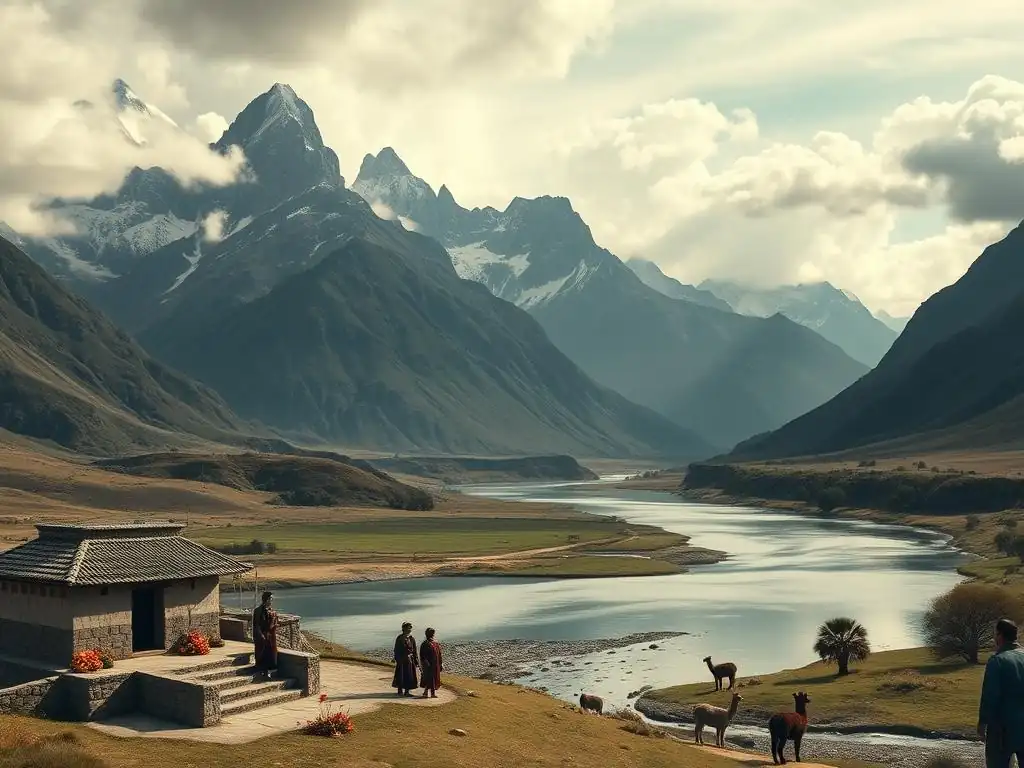
Nature plays a pivotal role in the spiritual and religious practices of the Andean civilizations, serving as both a source of inspiration and a fundamental aspect of their belief systems. The Andean peoples, including the Inca and their predecessors, viewed the natural world as a manifestation of the divine, where mountains, rivers, and other landscapes were not merely physical entities but were imbued with spiritual significance. This deep connection to nature is reflected in their rituals, cosmology, and social practices, establishing a holistic worldview that intertwines the sacred with the natural.
The Interconnectedness of Nature and Spirituality
In Andean religious practices, the concept of interconnectedness is central. The Andean worldview emphasizes that all elements of nature are part of a larger, living system. This belief is encapsulated in the concept of Pachamama (Mother Earth), who embodies fertility, growth, and sustenance. The reverence for Pachamama manifests in agricultural rituals, where offerings are made to ensure bountiful harvests.
- Key Elements of Interconnectedness:
- Mountains: Considered sacred deities, mountains like Apu (guardian spirits) are revered and honored through offerings and rituals. For example, the peak of Salkantay is considered a powerful Apu, where local communities perform ceremonies to seek protection and blessings.
- Water Sources: Rivers and lakes are seen as life-giving entities. The Wilka Mayu (Sacred River) holds immense importance for communities, often being the focal point of water-related ceremonies and offerings.
- Flora and Fauna: Plants and animals are viewed as spiritual companions, integral to the community's survival and cultural identity. Rituals often include the use of coca leaves, which are used in divination and as offerings to the spirits.
How Nature Influences Andean Worldview
The Andean perspective on nature informs their understanding of existence and the cosmos. The cyclical patterns observed in nature, such as the changing seasons and agricultural cycles, shape their religious calendar and rituals. The concept of duality, prevalent in Andean thought, reflects the balance between opposing forces, such as life and death, light and dark, and the terrestrial and celestial.
- Seasonal Festivals: Festivals like Inti Raymi (Festival of the Sun) celebrate the winter solstice, marking the return of longer days and the rebirth of nature. These events are deeply rooted in agricultural practices, highlighting the importance of solar cycles.
- Agricultural Practices: The Andean agricultural calendar is intricately tied to natural phenomena. Communities engage in rituals to ask for favorable weather and abundant crops, showing a direct link between their spiritual beliefs and environmental conditions.
Nature in Andean Myths and Legends
The rich tapestry of Andean myths and legends often features nature as a central character, illustrating the deep ties between spirituality and the environment. These stories not only convey moral lessons but also serve as a means of explaining natural phenomena and the origins of the world.
- Creation Myths: Many Andean creation myths involve deities who shape the landscape. For instance, the legend of Viracocha, the creator god, describes how he formed the earth, mountains, and rivers, giving life to humanity and all living beings.
- Heroic Tales: Legends of heroes often highlight the struggles against natural elements or the quest for sacred sites. These narratives reinforce the significance of specific locations, such as Machu Picchu, which is imbued with spiritual energy and historical importance.
The interplay between nature and Andean religious practices is profound, shaping both the spiritual lives of the people and their cultural heritage. The reverence for natural elements highlights a worldview that celebrates the interdependence of life, spirituality, and the environment, making Andean religious practices a unique and rich area of study within the broader context of indigenous cultures of the Americas.
Contemporary Perspectives on Nature and Andean Religious Practices
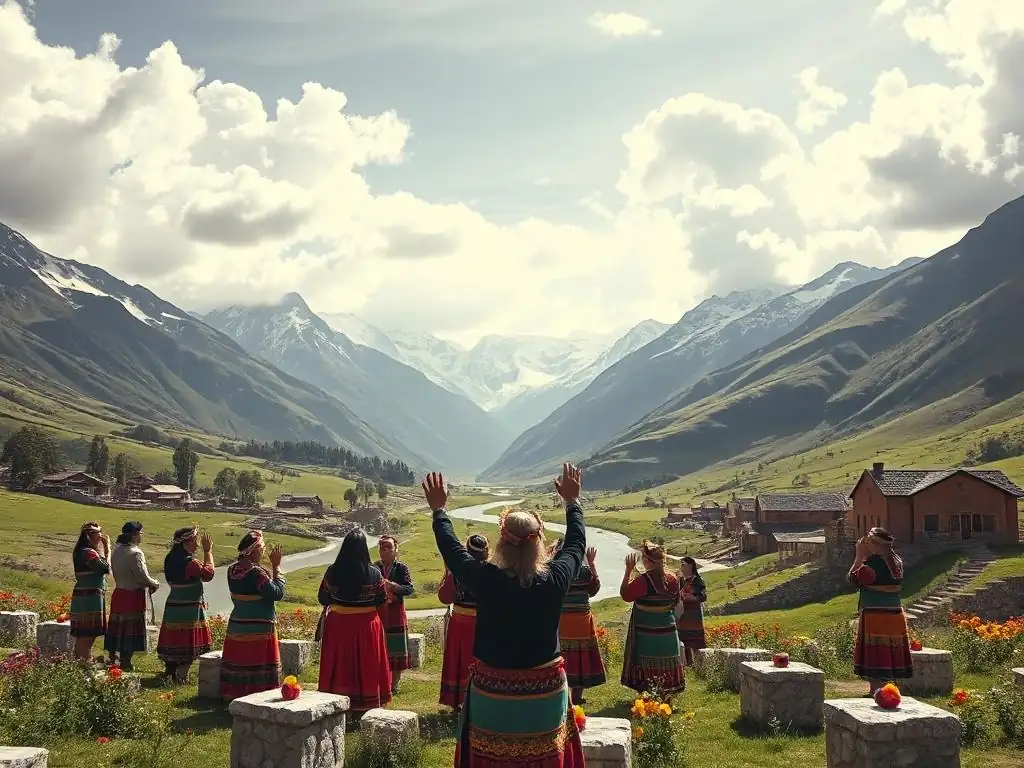
Modern Adaptations of Traditional Practices
In contemporary Andean societies, the adaptation of traditional religious practices in relation to nature has become increasingly relevant. As globalization and modernization impact indigenous communities, many have found innovative ways to maintain their spiritual connections to nature while incorporating elements of modernity.
One notable adaptation is the integration of traditional rituals with contemporary environmental movements. For instance, festivals that honor the Pachamama (Mother Earth) not only celebrate agricultural cycles but also promote ecological awareness. These events often include educational workshops on sustainable practices, demonstrating a merging of ancient beliefs with modern environmental concerns. Participants engage in rituals such as “Rituals of Offerings”, where they present offerings of coca leaves, fruits, and grains to the earth, reinforcing their commitment to preserving the environment.
Moreover, the use of technology has enabled indigenous groups to document and share their practices more widely. Social media platforms allow for the dissemination of knowledge regarding Andean religious practices, creating a space for dialogue between traditional beliefs and contemporary environmental issues. This has fostered a renewed interest among younger generations, who are encouraged to explore their cultural heritage while addressing modern challenges.
The Impact of Environmental Changes on Andean Beliefs
The Andean worldview is deeply intertwined with the natural environment, leading to a profound impact when faced with environmental changes. Climate change, deforestation, and mining activities have not only altered the landscapes but also threatened the spiritual practices that rely on these natural elements.
For example, many Andean communities perceive glaciers as sacred entities. With rising temperatures causing glaciers to retreat, the loss of these vital natural features has led to a spiritual crisis. The melting of glaciers disrupts water sources essential for agriculture, which in turn affects rituals centered around the cycles of planting and harvesting. This has prompted a reevaluation of Andean beliefs, as communities seek to adapt their practices to an increasingly uncertain environment.
Additionally, the degradation of sacred rivers and mountains—central to Andean cosmology—has resulted in a shift in how these elements are revered. While the reverence for these natural features remains, communities are also developing new narratives that connect traditional beliefs to the urgency of environmental conservation. This connection emphasizes the necessity of protecting the natural world as an act of cultural preservation.
Preservation of Sacred Sites and Natural Environments
The preservation of sacred sites and natural environments is crucial for the continuity of Andean religious practices. These sites, often linked to myths and ancestral stories, serve as physical manifestations of the community's spiritual relationship with nature. The recognition of these locations as integral to cultural identity has led to various initiatives aimed at their protection.
In recent years, indigenous communities have worked collaboratively with environmental organizations to safeguard sacred sites from exploitation. Efforts to declare these areas as protected lands, coupled with legal recognition of indigenous land rights, have been vital in combating the encroachment of mining and agricultural development. Through these initiatives, the voices of indigenous peoples are amplified, and their rights to maintain and protect their sacred sites are acknowledged.
Furthermore, the revitalization of traditional ecological knowledge plays a significant role in the preservation of these environments. By integrating ancestral practices with modern conservation efforts, communities are fostering sustainable management of their natural resources. For instance, traditional agricultural techniques such as “Andean terrace farming” not only enhance productivity but also contribute to soil conservation and biodiversity.
The preservation of sacred sites and natural environments is not solely an act of cultural affirmation but also a crucial aspect of environmental stewardship in Andean religious practices. The interconnectedness of spirituality and nature continues to shape the beliefs and practices of Andean communities as they navigate the complexities of contemporary challenges.
Conclusion: The Enduring Role of Nature in Andean Religious Practices
The integration of nature within Andean religious practices reflects a profound relationship between indigenous peoples and their environment. This relationship is not merely a backdrop for spiritual beliefs; rather, it is a central component that shapes rituals, cosmologies, and community life. The reverence for mountains, rivers, and sacred sites illustrates how these natural elements are imbued with spiritual significance, serving as conduits for communication with the divine and embodiments of ancestral heritage.
Summary of Key Points
- Sacred Geography: The Andean landscape is dotted with mountains, rivers, and other natural features that hold spiritual importance. For instance, Apu (mountains) are regarded as powerful deities that protect and provide for the communities below them.
- Ritual Practices: Rituals often revolve around natural cycles, such as the changing seasons, agricultural practices, and water management. Ceremonies like Inti Raymi (Festival of the Sun) highlight the significance of solar cycles in agricultural success.
- Cultural Identity: Nature plays a crucial role in the identity of Andean communities. The ancestral worship linked to specific natural sites fosters a sense of belonging and continuity through generations, reinforcing cultural resilience against external influences.
- Environmental Stewardship: Andean religious practices emphasize sustainability and respect for the environment. The concept of Pachamama (Mother Earth) reflects the intrinsic belief in the interdependence of humans and nature, promoting practices that ensure the well-being of the earth.
The Importance of Nature in Preserving Andean Culture
The connection between Andean religious practices and nature is not only vital for spiritual expression but also for the preservation of Andean culture itself. As these communities cultivate their spiritual beliefs, they simultaneously safeguard their traditions, languages, and communal bonds.
- Intergenerational Knowledge: The teachings and rituals associated with nature are passed down through generations, ensuring that younger members of the community understand the significance of their environment and its role in their cultural heritage. For example, knowledge about medicinal plants and the cycles of agriculture is interwoven with spiritual beliefs, creating a holistic approach to life.
- Resilience Against Modernization: In an age of rapid globalization and environmental change, the enduring role of nature in Andean religious practices serves as a foundation for resistance. Communities often rally around sacred sites and natural resources to assert their rights and maintain their cultural identity amidst external pressures.
- Community Cohesion: Shared rituals and reverence for nature foster unity within communities. Collective participation in ceremonies reinforces social ties and a sense of collective responsibility for the land, enhancing the resilience of Andean cultures in the face of challenges.
The role of nature in Andean religious practices is multifaceted and critical to the survival and continuity of Andean cultures. This deep-seated relationship not only shapes spiritual beliefs but also influences social structures, environmental stewardship, and cultural identity, ensuring that the legacy of Andean civilizations endures for future generations.
Frequently Asked Questions
Andean religious practices emphasize the reverence for nature, particularly mountains, rivers, and sacred sites, which are considered embodiments of divine spirits and ancestral connections.
How did Andean cultures incorporate mountains into their spiritual beliefs?
In Andean cultures, mountains are viewed as sacred entities that serve as protectors and are often associated with specific deities. Rituals and offerings are frequently made to honor these natural formations.
What role do rivers play in Andean religious practices?
Rivers are seen as life-giving forces in Andean spirituality. They are often associated with fertility and are integral to agricultural practices, leading to numerous rituals aimed at ensuring their health and abundance.
Can you explain the significance of sacred sites in the Andes?
Sacred sites in the Andes serve as spiritual hubs for communities, where they conduct rituals and ceremonies. These sites are believed to be interconnected with the natural world, reinforcing the relationship between the people and their environment.
Many contemporary Andean communities continue to honor traditional practices by integrating rituals and celebrations that reflect their connection to nature, ensuring that their cultural heritage remains vibrant and relevant in today's world.
Final Reflection: The Sacred Interconnection of Nature and Andean Spirituality
The exploration of Andean religious practices and their profound connection to nature reveals a timeless relationship that continues to resonate in our modern world. As we navigate through the complexities of contemporary life, the lessons drawn from the reverence for mountains, rivers, and sacred sites remind us of the importance of harmony with our environment. This connection is not merely historical; it is a vital aspect of our existence today, urging us to recognize the sacredness of the natural world around us.
The influence of nature on Andean spirituality has left an indelible mark on cultural and social landscapes, shaping identities and traditions that persist through generations. This enduring relationship highlights the necessity of preserving our natural surroundings, as they are intertwined with our cultural heritage. As we reflect on this, we can recall the words of the Andean philosopher, "To understand the mountains is to understand ourselves." > This quote encapsulates the essence of how nature serves as a mirror to our own existence and spirituality, urging us to honor and protect the landscapes that nurture our souls.
As we conclude this exploration, I invite you to reflect on your own relationship with nature and consider how it shapes your beliefs and practices. Whether through a hike in the mountains, a moment of stillness by a river, or a visit to a sacred site, take the time to connect with the natural world around you.
Let the teachings of the Andean traditions inspire you to cultivate a deeper appreciation for nature's role in your life, and encourage you to advocate for its preservation. In doing so, we not only honor the past but also pave the way for a more harmonious future.
Embrace the Sacred: Connect with the Andean Spirit!
Thank you for journeying with us through the fascinating role of nature in Andean religious practices! We hope you’ve gained deep insights into how mountains, rivers, and sacred sites shape the spiritual lives of Indigenous communities. Now, it’s time to take that knowledge and transform it into action.
Here are a few meaningful steps you can take right now:
- Explore your local natural spaces and reflect on their significance in your own life.
- Share this article with friends or on your social media to spread awareness about Andean culture and its connection to nature.
- Participate in or support local initiatives that honor and preserve the natural world.
As you engage with the beauty around you, consider this: How can you deepen your connection with nature and honor the sacred in your everyday life? We’d love to hear your thoughts!