
Andean Cosmology: Understanding the Universe through Indigenous Beliefs

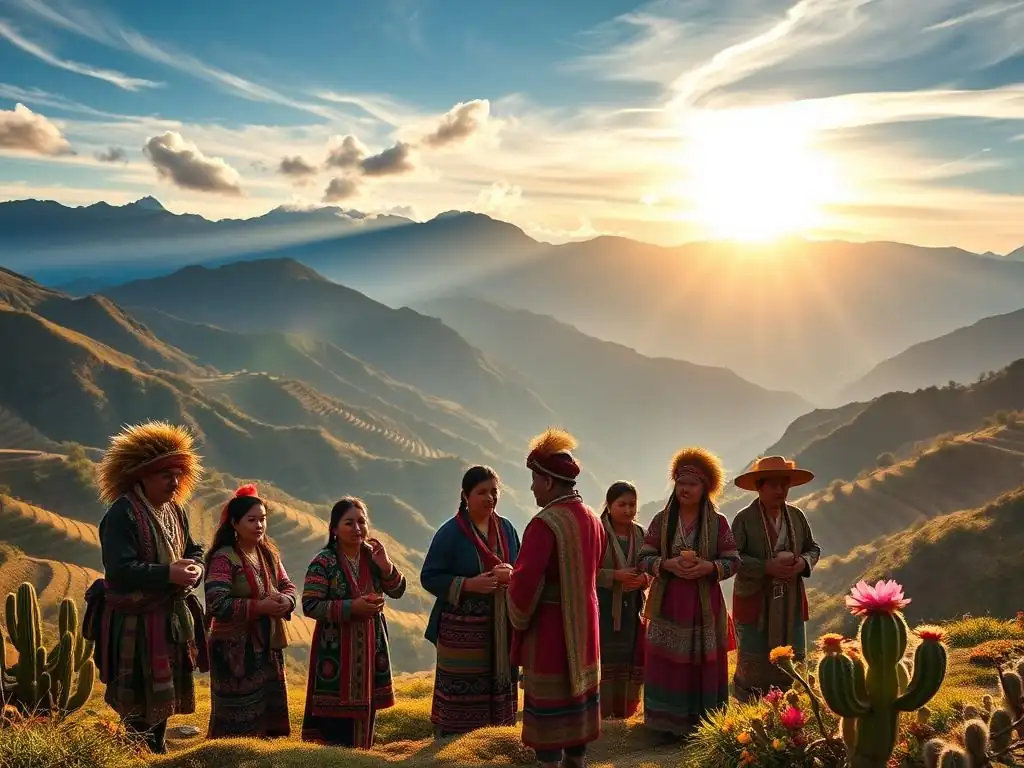
Welcome to Indigenous Civilizations of the Americas, where we invite you to journey through the rich tapestry of cultures that flourished long before European contact. Delve into the Andean indigenous cosmology beliefs as we uncover the profound connections these societies forged with the universe around them. What insights can ancient beliefs provide about our own understanding of existence? Join us as we explore the intricate philosophies and practices that shaped the lives of the Andean peoples, and discover how their enduring legacies continue to influence our world today. Your adventure into the depths of history and culture begins here!
- Introduction to Andean Indigenous Cosmology Beliefs
- Historical Context of Andean Indigenous Cosmology
- Key Elements of Andean Indigenous Cosmology
- Rituals and Practices in Andean Cosmology
- Comparative Analysis of Andean Indigenous Cosmology with Other Indigenous Beliefs
- Contemporary Relevance of Andean Indigenous Cosmology
- Conclusion: The Importance of Understanding Andean Indigenous Cosmology
- References for Further Reading on Andean Indigenous Cosmology Beliefs
- Acknowledgments
- Frequently Asked Questions
- Final Reflection: Embracing the Depth of Andean Indigenous Cosmology Beliefs
- Embrace the Wisdom of Andean Cosmology Today!
Introduction to Andean Indigenous Cosmology Beliefs
Andean indigenous cosmology beliefs represent a rich tapestry of spiritual and philosophical understandings that have evolved over millennia among the diverse cultures of the Andean region. This intricate worldview encapsulates not only the relationship between humanity and the cosmos but also delineates the interconnectedness of nature, society, and the sacred.
By exploring these beliefs, we gain profound insights into the achievements and societal structures of pre-colonial Andean civilizations, such as the Inca, Aymara, and Quechua, who have left an indelible mark on the cultural landscape of South America. Understanding Andean cosmology is crucial for comprehending how these indigenous cultures interpreted their environment, organized their societies, and maintained a harmonious relationship with the world around them.
Definition of Andean Cosmology
Andean cosmology is a complex system of beliefs that encompasses the spiritual, social, and environmental dimensions of life for the indigenous peoples of the Andes. It is characterized by a unique understanding of the universe, which is often conceptualized as a triadic structure comprising:
- Hanan Pacha (Upper World): The celestial realm associated with the sky, deities, and ancestral spirits.
- Kay Pacha (World of the Living): The material world where humans, animals, and plants coexist, marked by daily life and human interactions.
- Uqhu Pacha (Underworld): The subterranean world linked to fertility, death, and the cycle of life.
This cosmological framework informs various aspects of Andean life, including agricultural practices, social organization, and religious ceremonies. The cyclical nature of Andean cosmology emphasizes the importance of reciprocity and balance, reflecting a worldview where every element in the universe is interconnected.
Significance of Indigenous Beliefs in the Americas
Indigenous beliefs, including those rooted in Andean cosmology, play a vital role in shaping the cultural identity and historical narrative of the Americas. These beliefs are not merely relics of the past; they continue to influence contemporary indigenous practices and worldviews. In particular, the significance of Andean indigenous cosmology can be highlighted through several key points:
- Cultural Identity: Indigenous beliefs serve as a foundation for cultural identity, connecting communities to their ancestors and traditions.
- Environmental Stewardship: The emphasis on reciprocity and balance in Andean cosmology fosters a deep respect for nature, promoting sustainable practices that have endured for generations.
- Resistance and Resilience: In the face of colonization and cultural assimilation, the preservation of indigenous beliefs has become a symbol of resistance and resilience among Andean peoples, ensuring that their worldviews continue to thrive.
Through the lens of Andean cosmology, we can appreciate the profound wisdom embedded in indigenous beliefs, offering a framework for understanding the diverse and rich heritage of the Americas before European colonization.
Historical Context of Andean Indigenous Cosmology
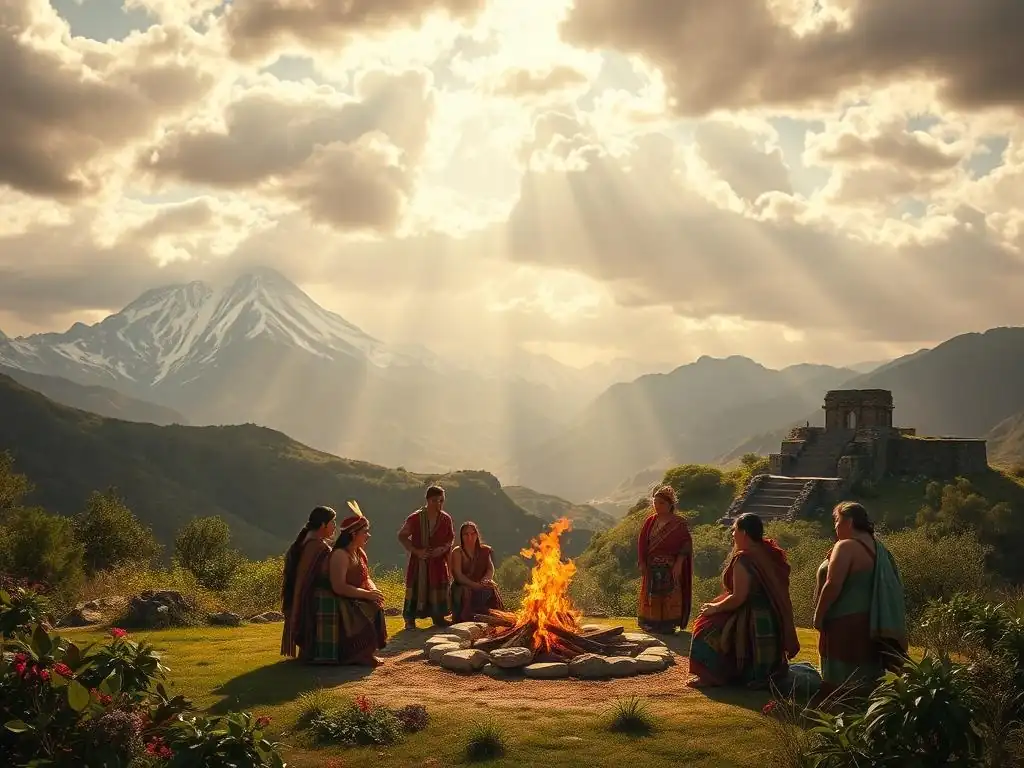
The historical context of Andean indigenous cosmology is rich and complex, rooted in a tapestry of beliefs, practices, and cultural expressions that have evolved over millennia. This cosmology encompasses worldviews that explain the relationship between humans, nature, and the cosmos, deeply influencing social structures, agricultural practices, and spiritual rituals within various Andean cultures.
Origins of Andean Cosmological Beliefs
Andean cosmological beliefs can be traced back to ancient civilizations such as the Chavín, Nazca, and Tiwanaku, which laid the groundwork for subsequent cultures like the Inca. These early societies developed a sophisticated understanding of the cosmos, characterized by a dualistic worldview that emphasized the balance between opposing forces, such as light and dark, life and death, and the physical and spiritual realms.
The sacred geography of the Andes, including major mountains, rivers, and celestial bodies, played a pivotal role in shaping these beliefs. For instance, Inti, the sun god, was central to the Inca pantheon, symbolizing life, warmth, and agriculture. The Andean people viewed the sun as a vital force that governed their lives and agricultural cycles, establishing a direct connection between deities and daily existence.
Influence of Geography on Andean Cosmology
The geographical landscape of the Andes significantly influenced Andean indigenous cosmology beliefs. The rugged terrain, high altitudes, and diverse ecosystems fostered a unique relationship between the Andean people and their environment. The Andean worldview was deeply intertwined with the natural world, where every element—mountains, rivers, and plants—was imbued with spiritual significance.
- Mountains: Revered as sacred entities, mountains like Ausangate and Sajama were considered the dwelling places of powerful deities. They were regarded as protectors of the communities, and rituals were often conducted to honor them.
- Water Sources: Rivers and lakes were equally important, viewed as life-giving forces. The worship of water deities, such as Mama Cocha, illustrated the Andean understanding of water's critical role in sustenance and agriculture.
- Celestial Bodies: The Andean people paid close attention to the movements of celestial bodies. Their agricultural calendars were often aligned with lunar and solar cycles, reflecting a profound understanding of astronomy.
This geographical influence not only shaped spiritual beliefs but also dictated agricultural practices, as communities adapted to the seasonal changes dictated by their environment.
The Role of Ancestors in Indigenous Beliefs
In Andean indigenous cosmology, ancestors held a revered place, viewed as intermediaries between the living and the divine. The connection to ancestors was foundational, providing cultural continuity and a sense of identity. Ancestor worship manifested in various ways, such as:
- Ritual Offerings: Communities regularly made offerings to ancestral spirits, including food, textiles, and other goods, to gain favor and protection.
- Ceremonial Sites: Sacred sites, often built near ancestral burial grounds, were places where rituals were performed to honor the deceased and seek their guidance in daily life.
- Mythology and Oral Traditions: Ancestors were often central figures in myths that illustrated moral teachings and cultural values, serving as a means to pass down knowledge through generations.
The veneration of ancestors reflected a holistic understanding of life, death, and rebirth, emphasizing the cyclical nature of existence. This belief system fostered a profound respect for heritage and community, reinforcing the interconnectedness of all living beings within the Andean cosmological framework.
The historical context of Andean indigenous cosmology reveals a rich tapestry of beliefs that are deeply intertwined with geography, ancestral veneration, and a profound understanding of the universe, all of which continue to resonate in contemporary Andean societies.
Key Elements of Andean Indigenous Cosmology
Andean indigenous cosmology beliefs are deeply rooted in a rich tapestry of cultural practices, spiritual understandings, and environmental relationships. These beliefs shape the worldview of numerous Andean cultures, particularly among the Quechua and Aymara peoples, who have inhabited the highlands of South America for centuries. Below are some key elements that define this cosmology.
The Concept of Pachamama (Mother Earth)
At the heart of Andean cosmology lies Pachamama, often referred to as "Mother Earth." This concept embodies the earth as a living entity, revered and respected as a nurturing force that provides for all forms of life. Pachamama is not merely a physical space but a spiritual being who embodies fertility, agriculture, and sustenance.
- Cultural Significance:
- Life Source: Pachamama is seen as the provider of food, shelter, and resources essential for survival.
- Ritual Offerings: To honor Pachamama, indigenous communities perform rituals such as the Pachamama Raymi, offering food, coca leaves, and other gifts to express gratitude and maintain a harmonious relationship.
- Interconnectedness:
- The belief in Pachamama emphasizes the interconnectedness of humans and nature. Actions that harm the environment are viewed as disrespectful to Pachamama, necessitating a balance between human needs and ecological sustainability.
The Duality of Nature in Andean Beliefs
Andean indigenous cosmology also emphasizes a duality of nature, reflecting the balance and interdependence between opposing forces. This duality manifests in various aspects of life, including:
- Complementary Forces:
- The Andean worldview recognizes the interplay between light and dark, male and female, and life and death. These forces are not seen as conflicting but as complementary, working together to maintain equilibrium in the universe.
- Cultural Examples:
- In Andean folklore, deities often embody these dualities, such as Inti, the sun god, representing light and fertility, and Mama Killa, the moon goddess, who governs the night and femininity. Together, they illustrate the harmony between day and night, life and death.
- Environmental Reflection:
- This duality is reflected in agricultural practices, where crops are planted in cycles that consider both the sun's strength and the moon's phases, reinforcing the belief in the balance of natural forces.
The Three Realms: Hanan Pacha, Kay Pacha, and Ukhu Pacha
A fundamental aspect of Andean cosmology is the division of existence into three distinct realms, each representing different layers of reality:
- Hanan Pacha (Upper World):
- This realm is associated with the heavens and the divine. It is the home of celestial beings and deities, including Inti and other ancestral spirits.
- Characteristics:
- It symbolizes aspirations, spirituality, and the quest for enlightenment.
- Kay Pacha (World of the Living):
- Kay Pacha represents the physical world where humans, animals, and plants coexist. This realm is where daily life and activities occur.
- Characteristics:
- It emphasizes the importance of living in harmony with nature and honoring Pachamama.
- Ukhu Pacha (Underworld):
- This realm is associated with the past and ancestral heritage. Ukhu Pacha is often viewed as a place of transformation and rebirth, where the spirits of the deceased reside.
- Characteristics:
- It reflects the cyclical nature of life, death, and renewal, highlighting the belief that everything eventually returns to its source.
These three realms illustrate the complexity of Andean indigenous cosmology beliefs, emphasizing the interconnectedness of all elements within the universe and the importance of maintaining balance among them. Understanding these key elements provides insight into the rich spiritual heritage and cultural practices that continue to shape Andean societies today.
Rituals and Practices in Andean Cosmology
Agricultural Rituals and Their Spiritual Significance
Agricultural rituals are fundamental to Andean indigenous cosmology beliefs, intertwining the cycles of nature with the spiritual world. These rituals often revolve around key agricultural events such as planting and harvesting, reflecting the deep reverence for Pachamama (Mother Earth) and the Andean deities associated with fertility and abundance.
- The Role of Inti: The sun god Inti is central to agricultural practices. Farmers often conduct rituals to honor Inti, seeking his blessing for a bountiful harvest. For instance, the Inti Raymi festival, celebrated during the winter solstice, marks the beginning of the agricultural year, underscoring the relationship between celestial bodies and agricultural productivity.
- Ceremonial Planting: Before planting, Andean farmers engage in ceremonial practices, which include the use of special seeds and sacred tools. They often perform a pachamama rite, where they bury offerings such as coca leaves and other symbolic items in the fields to ensure the land's fertility and to maintain harmony with nature.
- Harvest Festivals: The harvest time is marked by elaborate rituals where communities express gratitude to the earth and its spirits. The Q'oryo festival, for example, is a time for collective feasting, music, and dance, celebrating the fruits of their labor while invoking blessings for future crops.
These agricultural rituals underscore the holistic approach of Andean cosmology, where farming is not merely an economic activity but a deeply spiritual endeavor, fostering a connection between the people, their land, and the cosmos.
Ceremonial Offerings to Pachamama
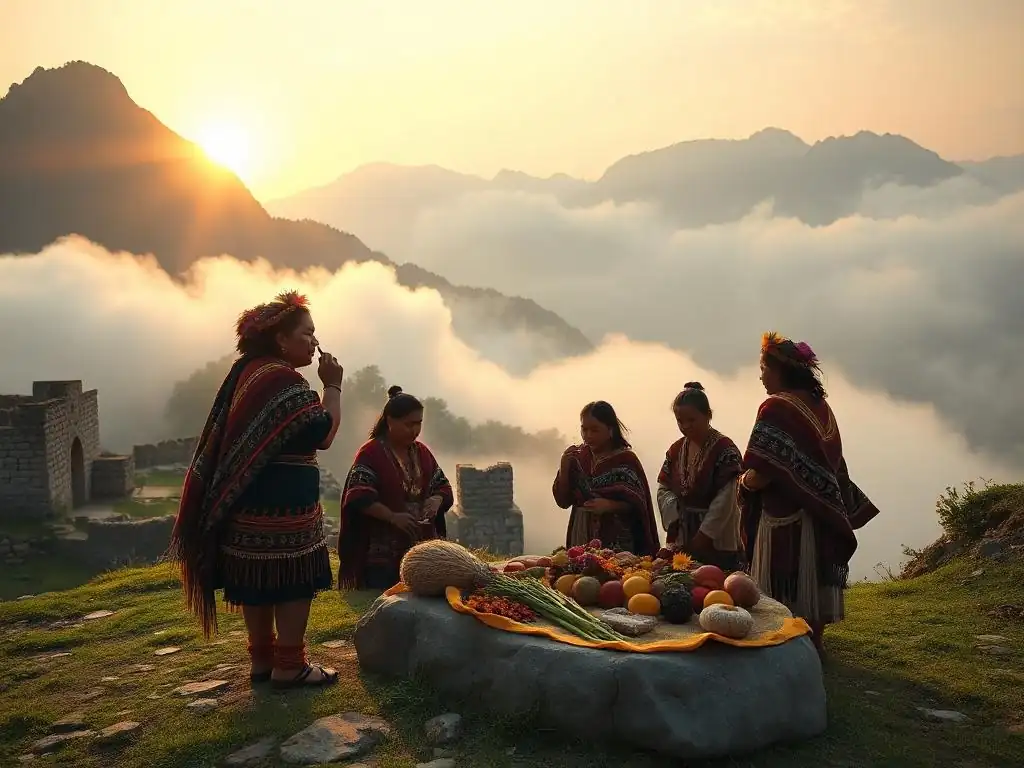
Ceremonial offerings to Pachamama are a vital aspect of Andean indigenous cosmology beliefs, reflecting the community’s profound respect for nature and the cycles of life. These offerings, known as despachos, are elaborate packages created with various elements that symbolize the relationship between humans and the earth.
- Components of a Despacho: A typical despacho includes a variety of items such as coca leaves, grains, fruits, and sometimes even animal sacrifices. Each component has significant meaning, representing gratitude, requests for fertility, and the sustenance of life.
- Ritual Process: The creation of a despacho involves community participation, where individuals contribute personal items that resonate with their intentions. This collaborative effort strengthens communal bonds and fosters a shared sense of purpose. The despacho is often placed in sacred sites, such as mountains or rivers, where it is left as an offering to Pachamama, symbolizing reciprocity.
- Seasonal Offerings: Offerings are not limited to one time of year. Different seasons call for specific rituals, such as the Chacra ceremony during the planting season, where farmers ask for Pachamama's support for a fruitful crop yield. By engaging in these practices, communities acknowledge the interconnectedness of life and their dependence on the earth.
Through these ceremonial offerings, Andean indigenous peoples express their gratitude and maintain a balanced relationship with the environment, reinforcing the cultural significance of reciprocity within Andean cosmology.
Festivals Celebrating Andean Cosmological Beliefs
Festivals in the Andean region serve as vibrant expressions of cosmological beliefs, combining ritual, community, and cultural heritage. These celebrations not only mark important agricultural cycles but also reinforce social cohesion, identity, and spirituality within Andean societies.
- Inti Raymi: One of the most significant festivals, Inti Raymi, is held in honor of the sun god, celebrating the winter solstice and the beginning of the agricultural cycle. The event involves reenactments of rituals performed by Inca emperors, including offerings to Inti and Pachamama, showcasing the historical and spiritual continuity of these beliefs.
- Qoyllur Rit'i: This festival occurs in the high Andes and combines elements of Catholicism with indigenous practices. Pilgrims ascend to the Sinakara mountain, where they pay homage to the Lord of Qoyllur Rit'i, a figure that embodies both Christian and Andean spirituality. The festival includes music, dance, and the carrying of sacred crosses, symbolizing the merging of different cosmological views.
- Killa Raymi: Celebrated in honor of the moon goddess, Killa Raymi marks the agricultural cycle's end and the beginning of rest. Rituals during this festival focus on reflection, gratitude, and the preparation for the upcoming planting season. Participants engage in traditional dances and share symbolic foods, reinforcing community ties and cultural heritage.
These festivals not only celebrate the Andean indigenous cosmology beliefs but also serve as a reminder of the enduring connection between the communities and their environment, highlighting the importance of spirituality in everyday life.
Comparative Analysis of Andean Indigenous Cosmology with Other Indigenous Beliefs
Similarities with Mesoamerican Cosmology
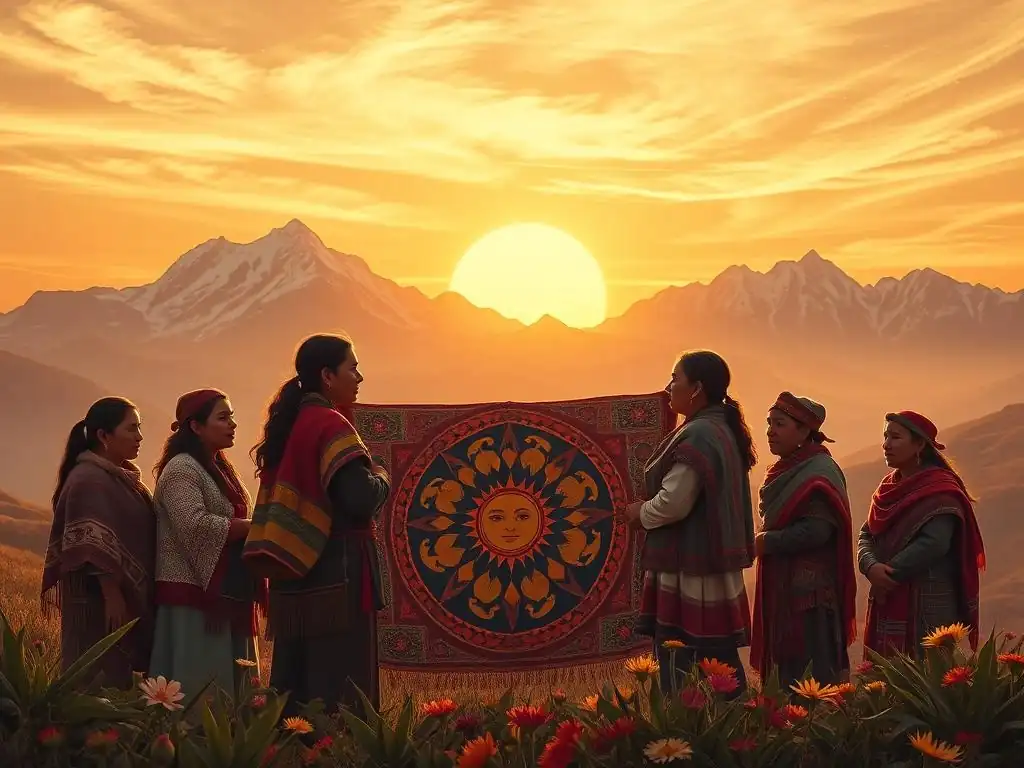
Andean indigenous cosmology shares several fundamental characteristics with Mesoamerican cosmology, reflecting the interconnectedness of indigenous cultures across the Americas. Both systems emphasize a deep relationship with the natural world, viewing the cosmos as a living entity where every element is imbued with spiritual significance.
Key Similarities:
- Cyclical Time: Both Andean and Mesoamerican cultures perceive time as cyclical rather than linear. This cyclical understanding is reflected in agricultural practices, rituals, and the importance of celestial events.
- Nature of Deities: In both cosmologies, deities are often personifications of natural phenomena. For instance, the Andean deity Inti (the Sun) parallels the Mesoamerican Sun God, reinforcing the idea that celestial bodies hold profound power and influence over human life.
- Ritual Practices: Rituals in both cultures often involve offerings to appease these deities. For example, both civilizations engaged in agricultural ceremonies to ensure bountiful harvests, highlighting a shared belief in the necessity of maintaining harmony with the divine.
Differences in Spiritual Practices and Deities
While there are notable similarities, the spiritual practices and deities in Andean indigenous cosmology exhibit distinct differences from those in Mesoamerican traditions.
Distinct Characteristics:
- Deity Hierarchy: Andean cosmology features a more complex hierarchy of deities, with a strong emphasis on the duality of male and female principles. For instance, Pachamama (Earth) and Inti (Sun) create a balance that is less pronounced in Mesoamerican belief systems.
- Focus on the Earth: The Andean peoples place an extraordinary emphasis on Pachamama, the Earth Mother, as a central figure in their cosmology. This contrasts with Mesoamerican deities, which often place more focus on celestial bodies and their associated rituals.
- Spiritual Geography: The Andean landscape, characterized by mountains (such as the Andes), plays a crucial role in their cosmological beliefs. Sacred sites, like Machu Picchu, are viewed as portals to other realms, a concept that is less emphasized in Mesoamerican spirituality, which often revolves around urban centers like Tenochtitlan.
The Unique Perspective of Andean Indigenous Peoples
Andean indigenous peoples possess a unique perspective on cosmology that is deeply intertwined with their everyday lives, agriculture, and community practices. This perspective is not merely a set of beliefs but a vibrant worldview that informs their identity and social structure.
Unique Aspects:
- Reciprocity with Nature: A fundamental principle in Andean cosmology is the concept of reciprocity, or "ayni." This belief holds that humans must give back to the Earth what they take, fostering a sustainable relationship with nature. This contrasts with other indigenous beliefs that may not emphasize this reciprocal relationship as strongly.
- Integration of Ancestors: Ancestors play a vital role in Andean cosmology, often regarded as protectors who influence the living. Rituals to honor ancestors are common and reflect a belief in the continuity of existence across generations, a perspective that can differ significantly from Mesoamerican practices.
- Collective Identity: The Andean worldview emphasizes community and collective identity over individualism. This is manifested in communal rituals, where the well-being of the group is prioritized, reinforcing social bonds and cultural continuity.
While Andean indigenous cosmology shares some common ground with Mesoamerican beliefs, it is characterized by its unique spiritual practices, deep connection to the earth, and a collective worldview that shapes the identity of Andean peoples. Understanding these nuances enriches our appreciation of the diverse indigenous cultures that thrived in the Americas before European colonization.
Contemporary Relevance of Andean Indigenous Cosmology
Preservation of Andean Cosmological Beliefs Today
Andean indigenous cosmology beliefs have managed to endure despite centuries of external pressures, including colonization and globalization. Many communities today actively work to preserve their cosmological traditions, integrating ancient practices with contemporary life. This preservation is evident in various aspects:
- Cultural Festivals: Traditional festivals, such as Inti Raymi, celebrate the sun god and reflect the agricultural cycles integral to Andean cosmology. These events serve not only as cultural expressions but also as a means to educate younger generations about their heritage.
- Art and Craftsmanship: Artisans create textiles, pottery, and sculptures that embody cosmological themes, employing symbols and motifs that convey their worldviews. For instance, the use of the Andean condor, puma, and serpent in art symbolizes the connection between the earthly and the spiritual realms.
- Language Revitalization: Efforts to revive indigenous languages, such as Quechua and Aymara, play a crucial role in preserving cosmological beliefs. Language encapsulates cultural nuances and cosmological references, thus maintaining the connection to ancestral knowledge.
Impact of Modernization on Indigenous Practices
Modernization has significantly impacted Andean indigenous cosmology beliefs, presenting both challenges and opportunities for adaptation. Key factors include:
- Economic Changes: The shift from traditional agricultural practices to market-driven economies has disrupted the cyclical understanding of time and space inherent in Andean cosmology. Many communities face dilemmas regarding land use, prioritizing economic gain over spiritual practices tied to the land.
- Urban Migration: Migration to urban areas often results in a disconnect from traditional practices. While some individuals adapt and blend their beliefs with urban life, others may lose touch with their cultural roots, leading to a dilution of Andean cosmological understanding.
- Cultural Appropriation vs. Exchange: The increasing interest in Andean indigenous practices among non-indigenous populations has sparked debates over cultural appropriation. While some view this as a chance for cultural exchange, others argue that it risks commodifying sacred practices, undermining their significance.
Revitalization Movements Among Indigenous Communities
In response to the challenges posed by modernization, many Andean indigenous communities have initiated revitalization movements aimed at reclaiming and revitalizing their cosmological beliefs. These movements often focus on:
- Community Workshops: Educational workshops and gatherings are organized to share knowledge about traditional beliefs and practices. These spaces foster intergenerational dialogue, ensuring that younger members understand their cultural heritage.
- Collaborations with Scholars: Partnerships between indigenous leaders and scholars help document and disseminate Andean cosmological beliefs. This collaboration not only preserves knowledge but also empowers communities by placing their narratives within academic discourse.
- Advocacy for Rights and Recognition: Many indigenous groups advocate for political recognition and rights, emphasizing the importance of their cosmological beliefs in land stewardship and environmental sustainability. This advocacy strengthens community solidarity and raises awareness about the relevance of Andean cosmology in contemporary environmental discussions.
The efforts to preserve and revitalize Andean indigenous cosmology beliefs highlight their ongoing significance in contemporary society, demonstrating resilience in the face of modernization and a commitment to cultural continuity.
Conclusion: The Importance of Understanding Andean Indigenous Cosmology
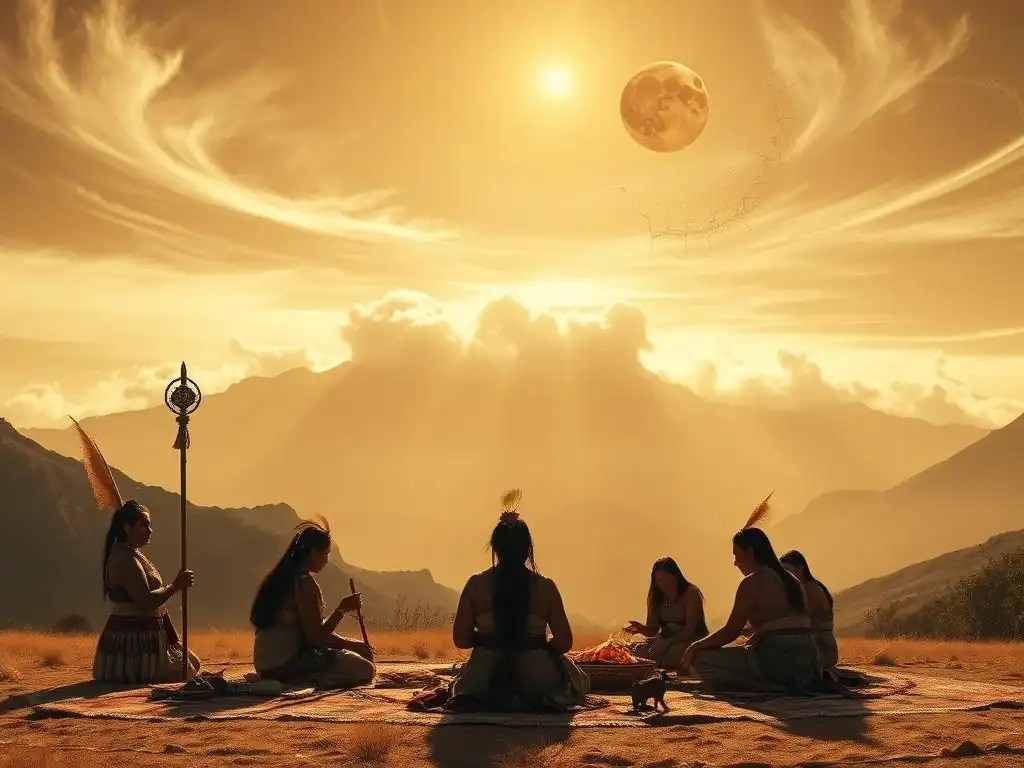
Andean indigenous cosmology beliefs are not merely historical artifacts; they represent a profound understanding of the universe that continues to resonate within contemporary Andean societies. By studying these beliefs, we can appreciate the intricate relationship between the Andean peoples and their environment, as well as the ways in which their cosmological views influence their cultural practices, social structures, and worldviews.
Understanding Andean cosmology is crucial for several reasons. Firstly, it allows us to recognize the rich tapestry of indigenous knowledge systems that have persisted despite the challenges posed by colonization and globalization. Secondly, it highlights the importance of these beliefs in maintaining cultural identity among Andean peoples today. By exploring how these traditions inform their daily lives, we can gain insight into the resilience and adaptability of indigenous cultures.
The Role of Indigenous Beliefs in Cultural Identity
Indigenous beliefs play a pivotal role in shaping cultural identity among Andean communities. For many, these beliefs are not just spiritual but are deeply intertwined with their historical narratives, rituals, and social norms. The cosmological framework established by ancestral knowledge fosters a sense of belonging and continuity, connecting individuals to their heritage and to the land they inhabit.
- Rituals and Practices:
- Rituals such as Inti Raymi (Festival of the Sun) and agricultural ceremonies are grounded in Andean cosmology. They serve to reinforce communal bonds and reaffirm the cultural identity of participants.
- These rituals often celebrate the cycles of nature, reflecting a harmonious relationship with the environment and an understanding of the interconnectedness of all beings.
- Language and Storytelling:
- The Quechua and Aymara languages encapsulate cosmological concepts, with many terms deeply rooted in the landscape and natural phenomena. This linguistic heritage is vital for passing down knowledge and reinforcing cultural identity.
- Oral traditions and storytelling impart cosmological beliefs, illustrating the moral and ethical frameworks that guide community life.
- Art and Symbolism:
- Andean art, from textiles to pottery, often incorporates cosmological symbols that convey deeper meanings and connections to the cosmos.
- These artistic expressions serve as visual narratives of cultural identity, representing a collective memory that fosters pride and continuity.
Future Directions for Research on Andean Cosmology
Research into Andean cosmology is crucial for understanding the broader implications of indigenous beliefs in contemporary society. As interest in indigenous knowledge systems grows, several avenues for future research can be explored:
- Interdisciplinary Approaches:
- Collaborative studies involving anthropology, ecology, and history can provide a holistic understanding of the interplay between Andean cosmology and environmental stewardship.
- Researchers can examine how traditional ecological knowledge informs sustainable practices and conservation efforts in the Andes.
- Impact of Globalization:
- Investigating how globalization affects the transmission and adaptation of Andean cosmological beliefs will shed light on the resilience of these indigenous cultures.
- Studies can focus on the ways in which younger generations engage with traditional beliefs in a rapidly changing world, potentially leading to a renaissance of indigenous practices.
- Integration in Education:
- There is a need for educational initiatives that incorporate Andean cosmology into broader curricula, fostering respect for indigenous knowledge among both indigenous and non-indigenous populations.
- Researching effective pedagogical approaches can promote intercultural dialogue and understanding, enriching the educational landscape.
- Cultural Revitalization:
- Documenting contemporary expressions of Andean cosmology, including new rituals or adaptations of existing practices, will provide insights into cultural revitalization efforts.
- This research can contribute to the preservation of indigenous identities and promote awareness of their significance in the global context.
Understanding Andean indigenous cosmology beliefs is essential not only for appreciating the past but also for recognizing their relevance in today's world. Continued research and engagement with these beliefs will help ensure that the rich heritage of Andean cultures remains vibrant and integral to their identity.
References for Further Reading on Andean Indigenous Cosmology Beliefs
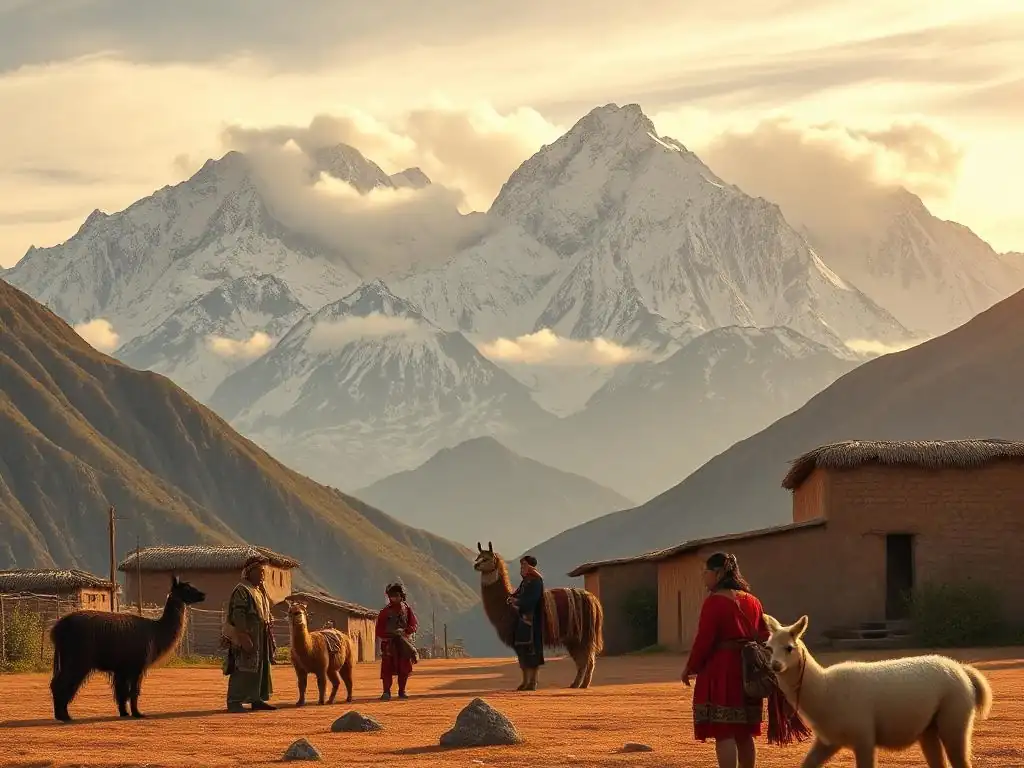
Suggested Books and Articles
To delve deeper into Andean indigenous cosmology beliefs, a variety of scholarly works and insightful articles are available. Here are some recommended reads:
-
"The Andean World: Indigenous History, Culture, and Consciousness" by Linda J. Seligmann
This comprehensive volume offers a deep dive into the cultural practices and beliefs of Andean societies, providing context for their cosmological views.
-
"Andean Cosmology: An Introduction" by Juan de Dios Yapita
This book serves as an accessible introduction to the complex belief systems prevalent in the Andes, covering sacred geography and the interplay of myth and reality.
-
"The Sacred Landscape of the Inca: The Role of Nature in Andean Cosmology" by David J. Robinson
This article explores how nature is interwoven with Andean cosmology, highlighting the relationship between environmental elements and indigenous belief systems.
-
"Inti Raymi: The Festival of the Sun" by Maria Elena Ruiz
This piece discusses the significance of Inti Raymi within Andean cosmology and its relevance to contemporary indigenous practices.
-
"Cosmology and Ritual in the Andes" by Alfredo González
An in-depth examination of the rituals that express Andean cosmological beliefs, revealing how these practices have persisted and adapted over time.
Documentaries and Visual Resources
Visual media can provide a profound understanding of Andean indigenous cosmology beliefs. Here are some notable documentaries and resources:
-
"Andean Visions: The Art of the Andes"
This documentary explores various aspects of Andean culture, including art, religion, and cosmological beliefs, showcasing how these elements are interconnected.
-
"In the Footsteps of the Inca"
A travel documentary that follows the ancient Inca trails, providing insights into the spiritual significance of the landscape in Andean cosmology.
-
"The Sacred Valley: Heart of the Andes"
This film focuses on the Sacred Valley's cultural and spiritual importance to the Andean people, emphasizing their cosmological perspectives.
-
YouTube Channels
Look for channels dedicated to indigenous studies, such as "Indigenous Voices" and "Andean Culture", which often feature short documentaries and interviews with Andean scholars and practitioners.
These resources will enrich your understanding of Andean indigenous cosmology beliefs and their profound impact on the culture and identity of Andean societies.
Acknowledgments
Contributions from Indigenous Scholars and Practitioners
The study of Andean indigenous cosmology beliefs is enriched significantly by the contributions of Indigenous scholars and practitioners who have dedicated their lives to preserving and interpreting their cultures. These individuals often serve as the bridge between traditional knowledge and contemporary academic discourse. Their insights provide a deeper understanding of the complex relationship between Andean peoples and their environment, as well as the spiritual dimensions that inform their worldview.
Indigenous scholars such as Dr. Silvia Rivera Cusicanqui and Dr. José Carlos Mariátegui have been pivotal in articulating the nuances of Andean thought. They emphasize the importance of reciprocity (ayni) and complementarity (ñawi) in understanding relationships within the cosmos. This perspective reflects a holistic view of existence where nature, humanity, and the divine are interconnected. Their work often draws upon oral traditions, community practices, and historical narratives that have been passed down through generations, ensuring that Indigenous voices are at the forefront of the discourse surrounding Andean cosmology.
Furthermore, practitioners of Andean rituals, such as pachamama (Mother Earth) ceremonies, play a crucial role in keeping these beliefs alive. Their practices not only embody traditional cosmological concepts but also adapt to modern contexts, demonstrating the resilience and dynamism of Andean indigenous cosmology beliefs.
Recognition of Indigenous Knowledge Systems
Recognizing Indigenous knowledge systems is essential for a comprehensive understanding of Andean cosmology. These systems are not merely static bodies of knowledge; they are dynamic frameworks that evolve through lived experiences and cultural practices. Indigenous knowledge encompasses a vast array of information, including ecological wisdom, agricultural practices, and spiritual beliefs.
One critical aspect of Andean indigenous cosmology is the concept of reciprocity. This principle underlines the interdependence of all beings and the obligation to maintain balance within the universe. For instance, agricultural practices are often aligned with lunar cycles and seasonal changes, reflecting an intricate understanding of the environment that has been honed over centuries.
| Concept | Description |
|---|---|
| Ayni | The concept of reciprocity, emphasizing mutual support and exchange. |
| Pacha | Refers to space and time, highlighting the interconnectedness of past, present, and future. |
| Inti | The sun deity, symbolizing life and fertility, central to Andean spirituality. |
Furthermore, the recognition of these knowledge systems has profound implications for contemporary environmental stewardship. The Andean worldview advocates for sustainable practices that respect the earth and her resources, offering valuable lessons in a time of ecological crisis.
Acknowledging the contributions of Indigenous scholars and practitioners, as well as recognizing the depth of Indigenous knowledge systems, is vital in understanding the rich tapestry of Andean cosmology beliefs. These elements underscore the importance of integrating traditional wisdom into modern discussions about culture, society, and ecology.
Frequently Asked Questions
What are Andean indigenous cosmology beliefs?
Andean indigenous cosmology beliefs refer to the spiritual and philosophical frameworks of Andean cultures, which explain their understanding of the universe, nature, and humanity's place within it.
How did Andean cosmology influence daily life?
Andean cosmology deeply influenced the social structures, agricultural practices, and rituals of indigenous communities, as they believed that everything in the universe was interconnected and imbued with spiritual significance.
What role do deities play in Andean cosmology?
In Andean cosmology, deities represent various aspects of nature, such as the Pachamama (Earth Mother) and Inti (Sun God), and are central to maintaining harmony between humans and the natural world.
How is Andean indigenous cosmology expressed in art and architecture?
Andean cosmology is reflected in art and architecture through intricate designs, symbols, and structures that embody their beliefs about the universe, often creating spaces that facilitate connection with the spiritual realm.
What can modern society learn from Andean cosmology?
Modern society can gain insights into sustainable living, respect for the environment, and the idea of interconnectedness, which are core principles of Andean indigenous cosmology beliefs that promote a balanced relationship with nature.
Final Reflection: Embracing the Depth of Andean Indigenous Cosmology Beliefs
The exploration of Andean indigenous cosmology beliefs reveals a profound connection between humanity and the universe that remains incredibly relevant today. In an age where technological advancements often overshadow our understanding of nature, these ancient beliefs remind us of the importance of harmony and balance with the world around us. The wisdom embedded in Andean cosmology serves as a guiding light, urging us to reconsider our relationship with the environment and each other.
The influence of Andean cosmology extends beyond its cultural roots, shaping contemporary discussions on sustainability and interconnectedness. As we face global challenges such as climate change and social inequality, the teachings of Andean indigenous beliefs offer valuable insights into living in harmony with our surroundings. To understand the cosmos is to understand ourselves,
a sentiment that resonates deeply within the Andean worldview, emphasizing the reciprocal relationship between humanity and the universe.
As we conclude this exploration, I invite you to reflect on how these ancient beliefs can inform your own life. Consider how you can integrate the principles of balance, respect, and interconnectedness into your daily actions. By embracing the lessons of Andean cosmology, we can foster a deeper appreciation for the world we inhabit and contribute to a more sustainable future for generations to come.
Embrace the Wisdom of Andean Cosmology Today!
Thank you for diving into the fascinating world of Andean cosmology! We hope you’ve gained insightful perspectives on how indigenous beliefs shape our understanding of the universe. Now, let’s take these profound ideas and put them into action in our own lives.
- Start integrating aspects of Andean cosmology into your daily practices: take a moment each day to connect with nature and reflect on your place within the universe.
- Share your insights with friends or family—ignite a conversation about ancestral wisdom and its relevance to modern life.
- Explore local events or workshops that celebrate and educate on Andean culture, enriching your understanding even further.
What aspect of Andean cosmology resonates most with you, and how might you incorporate it into your life? We invite you to share your thoughts below!