
From Offerings to Festivals: The Evolution of Andean Religious Practices

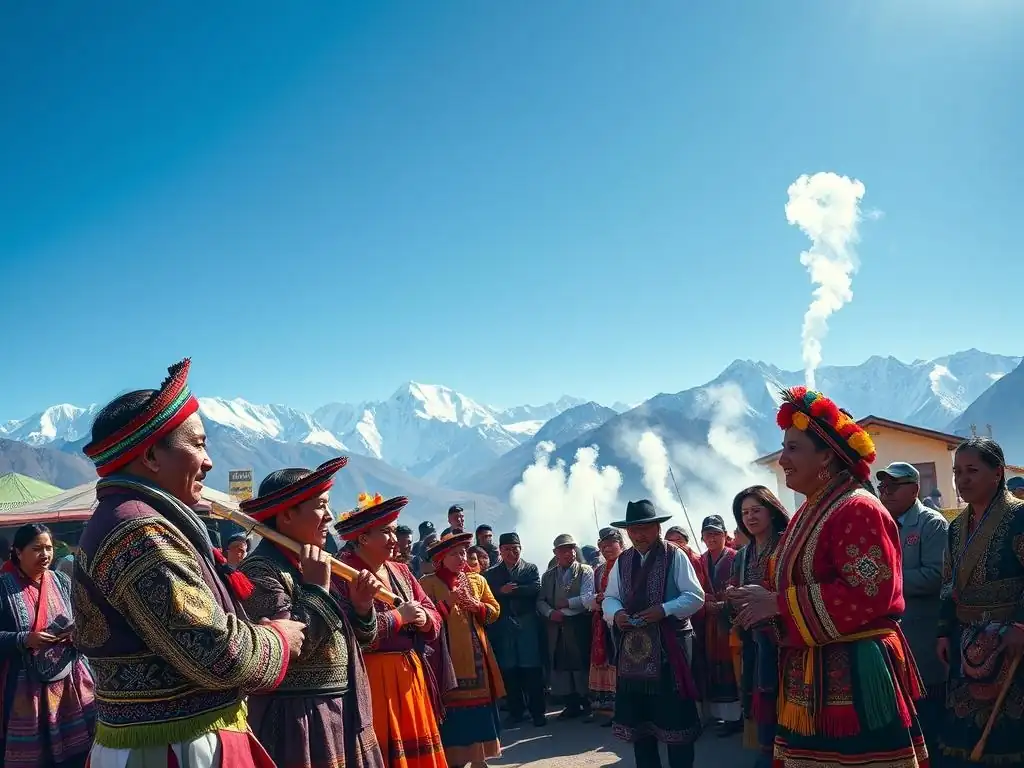
Welcome to Indigenous Civilizations of the Americas, where we embark on a fascinating journey through the rich tapestry of cultures that flourished long before European contact. In our featured article, “From Offerings to Festivals: The Evolution of Andean Religious Practices,” we delve deep into the intricate transformation of spiritual traditions in the Andean region.
Discover how these ancient practices not only shaped the lives of their people but also laid a foundation that resonates through time. Prepare to be captivated and inspired as you explore the profound legacy of indigenous societies – their achievements, beliefs, and the vibrant cultures that continue to influence the world today.
- Introduction to Andean Religious Practices Evolution
- Historical Context of Andean Religious Practices
- Offerings in Andean Religious Practices
- Festivals as Expressions of Andean Religious Practices
- The Influence of Spanish Colonization on Andean Religious Practices
- Contemporary Andean Religious Practices
- Conclusion: The Ongoing Evolution of Andean Religious Practices
-
Frequently Asked Questions
- What are the main features of Andean religious practices before colonization?
- How did Andean religious practices evolve over time?
- What influence did the environment have on Andean religious practices?
- How did European colonization impact Andean religious practices?
- Why is the study of Andean religious practices important?
- Final Reflection: The Enduring Legacy of Andean Religious Practices
- Embrace and Celebrate Andean Spirituality!
Introduction to Andean Religious Practices Evolution
The Andean region, encompassing modern-day countries such as Peru, Bolivia, Ecuador, and northern Chile, is home to a rich tapestry of indigenous cultures that have thrived for millennia. One of the most fascinating aspects of these cultures is their religious practices, which reflect a deep connection to the natural world and a complex understanding of life, death, and the cosmos.
This article delves into the evolution of Andean religious practices, tracing their development from ancient offerings to elaborate festivals that continue to resonate in contemporary society. By examining the historical context and the transformative influences on these practices, we can appreciate the profound significance of religion in shaping Andean identity and community life.
Understanding the Significance of Religion in Andean Cultures
Religion in Andean cultures is not merely a system of beliefs; it serves as a fundamental pillar of social cohesion, cultural identity, and existential meaning. The Andean peoples, including the Inca Empire and its predecessors, perceived the world through a spiritual lens where every element of nature was imbued with sacred significance.
- Cosmology: The Andean cosmology is characterized by a triad of realms: the Hanan Pacha (the upper world), the Kay Pacha (the world of the living), and the Ukhu Pacha (the underworld). Each realm is inhabited by various deities and spirits that influence daily life and the natural environment.
- Rituals and Offerings: Offerings, or q'oa, played a crucial role in appeasing these deities. They often included food, textiles, and even the sacrifice of llamas or other animals, demonstrating the reciprocity between humans and the divine.
- Community and Identity: Religious practices were integral to community gatherings and festivals, fostering a sense of belonging and shared identity among the Andean peoples.
This intricate interplay between religion, community, and the environment highlights the essential role that Andean religious practices have played throughout history.
Overview of the Evolution of Andean Religious Practices
The evolution of Andean religious practices reflects the dynamic interplay of indigenous traditions and external influences over centuries.
- Pre-Columbian Era:
- Early Andean societies practiced animism, worshiping natural features such as mountains, rivers, and celestial bodies.
- Artifacts like ceremonial pottery and sacred sites provide evidence of complex religious beliefs and rituals.
- Inca Empire (1438-1533):
- The Inca centralized and systematized religious practices, establishing the cult of Inti, the sun god, as the state religion.
- They institutionalized festivals like Inti Raymi, celebrating the winter solstice, which remains a vibrant tradition today.
- Post-Colonial Period:
- The arrival of Spanish colonizers brought significant changes, including the imposition of Christianity. However, many indigenous practices persisted, often syncretizing with Catholic traditions.
- Modern Andean religious practices continue to blend ancient beliefs with contemporary spirituality, showcasing resilience and adaptability.
Through this lens, we can see not only the shifts in religious practices but also the enduring legacy of Andean cultures, which continue to celebrate their rich heritage through vibrant festivals and rituals today.
Historical Context of Andean Religious Practices
Pre-Columbian Beliefs and Spirituality in the Andes
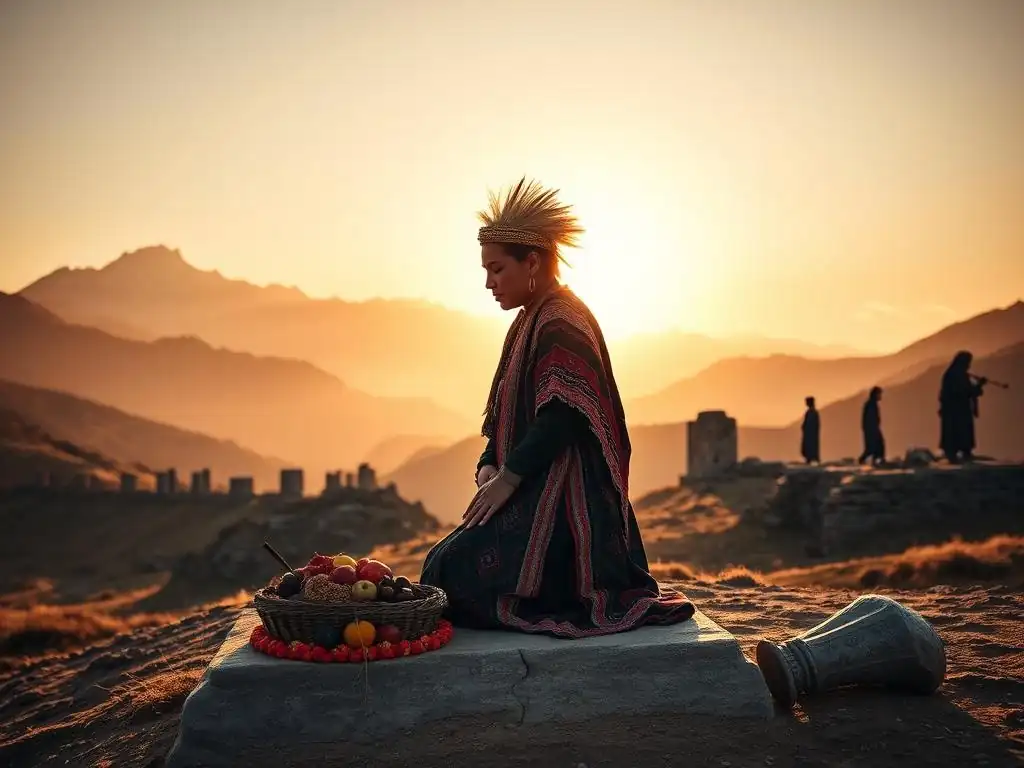
The Andean region, characterized by its formidable mountains and diverse ecosystems, was home to various pre-Columbian civilizations that cultivated rich spiritual and religious traditions. The early Andean peoples, such as the Incas, Tiwanaku, and Wari, shared a profound connection with their environment, which shaped their beliefs and practices.
The spirituality of these cultures revolved around animism—the belief that spirits inhabit natural objects and phenomena. Deities were often associated with elements of nature, such as the sun, moon, mountains, and the earth itself. For instance, the sun god Inti was revered as the source of life, providing warmth and sustenance to crops. Similarly, Pachamama, the earth goddess, was honored for her role in fertility and agriculture.
| Deity | Domain of Influence | Significance |
|---|---|---|
| Inti | Sun | Source of light and life |
| Pachamama | Earth | Fertility and sustenance |
| Viracocha | Creation | God of creation and civilization |
The rituals performed by these civilizations often involved offerings and sacrifices to appease these deities, ensuring agricultural prosperity and societal harmony. Ceremonial sites, such as temples and altars, served as focal points for these practices, where communities gathered to perform rites and seek divine favor.
Moreover, the mythologies that emerged from these beliefs provided a framework for understanding the world. They narrated the origins of humankind, the creation of the mountains, and the cyclical nature of life and death. Such narratives not only fostered a sense of identity among the Andean peoples but also established an ethical code guiding their interactions with nature and each other.
The Role of Nature in Andean Cosmology
In Andean cosmology, nature was not merely a backdrop for human activity; it was a dynamic participant in the spiritual life of the people. The intricate relationships between the Andean communities and their environment were manifested in various religious practices that illustrated their reverence for natural elements.
Mountains held particular significance in Andean belief systems. They were viewed as sacred guardians and often personified as deities. For example, Apu, the mountain spirit, was venerated for its protective and nurturing qualities. Communities would conduct ceremonies at the foot of these mountains, offering coca leaves and other tokens to seek blessings and protection.
The agricultural calendar was closely aligned with seasonal cycles, leading to festivals that celebrated the earth's bounty. Events like the Inti Raymi (Festival of the Sun) were not only religious observances but also communal celebrations of harvest and renewal. These festivals highlighted the interdependence between the people and their environment, reinforcing the belief that harmony with nature was essential for survival.
Furthermore, the concept of reciprocity—the idea of giving back to nature to ensure continued prosperity—was integral to Andean religious practices. Rituals often involved burying offerings in the soil or placing them in bodies of water, symbolizing gratitude and respect for the natural world. This practice not only reflected their spirituality but also underscored a sustainable approach to resource management, ensuring that the land remained fertile for future generations.
The evolution of Andean religious practices is deeply rooted in the historical context of pre-Columbian beliefs and the vital role of nature in their cosmology. These elements combined to create a rich tapestry of spirituality that continues to influence Andean cultures today.
Offerings in Andean Religious Practices
Definition and Importance of Offerings
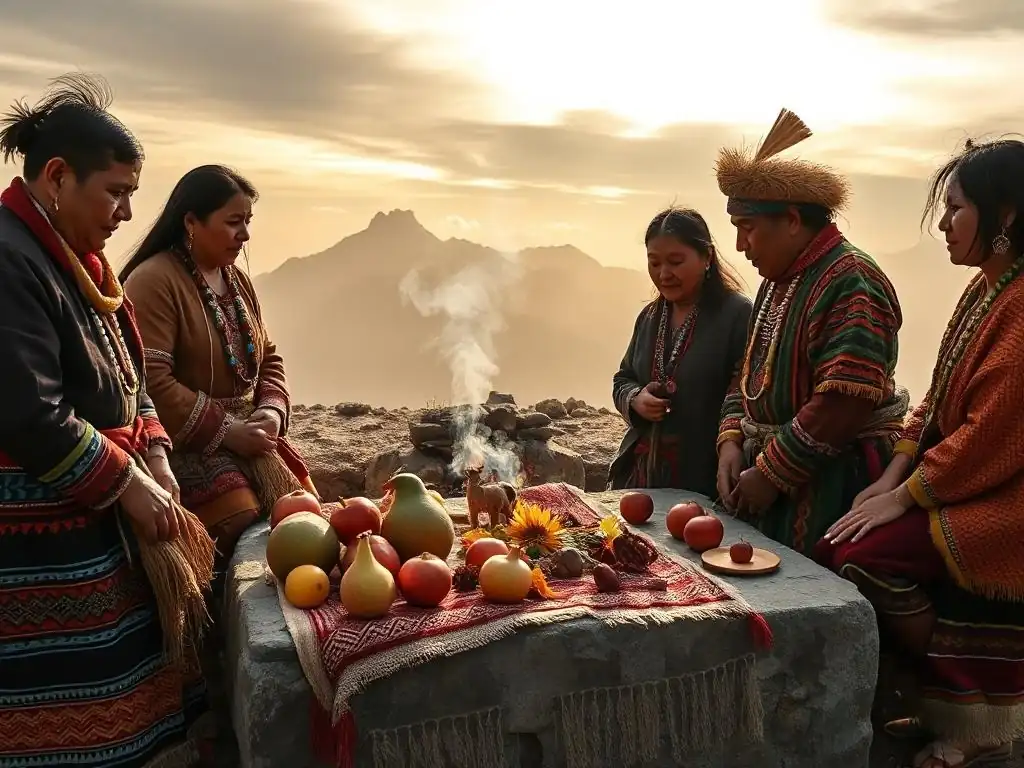
Offerings, known as "q'oa" in various Andean cultures, are integral to Andean religious practices. They represent a profound connection between the material and spiritual worlds, serving as gestures of gratitude, supplication, and reverence towards deities and ancestral spirits. In the Andean worldview, the act of offering is not merely transactional; it embodies a reciprocal relationship with nature and the cosmos.
Such offerings can be seen as a way to maintain harmony within communities and the environment, reflecting a deep understanding of the interconnectedness of all living beings. The significance of offerings extends beyond individual or community rituals; they often mark key agricultural cycles, seasonal changes, and important life events, thus reinforcing cultural identity and continuity.
Types of Offerings in Andean Cultures
Andean cultures are characterized by a rich diversity of offerings, which can be categorized into several types, depending on their purpose and the context in which they are presented. Below are some of the primary types:
- Food Offerings
- Ritual Objects
- Natural Elements
- Symbolic Artifacts
Food Offerings: Symbolism and Purpose
Food offerings are among the most common and symbolically rich practices in Andean religious customs. These offerings typically include staple foods such as potatoes, maize, and quinoa, each carrying specific meanings:
- Potatoes: Represent sustenance and the fertility of the earth.
- Maize: Symbolizes life and vitality, often linked to agricultural fertility.
- Quinoa: Considered a sacred grain, indicative of purity and nourishment.
Food offerings are usually presented on altars, known as "apachetas", or during festivals, where they serve to nourish the spirits and deities. The act of sharing food is also a communal experience, fostering social bonds and reinforcing collective identity.
Ritual Objects and Their Significance
Ritual objects hold profound significance in Andean religious practices, often embodying cultural beliefs and traditions. Among the various objects used in offerings, the following are particularly noteworthy:
- Chicha: A traditional fermented beverage made from maize, often poured as an offering to Pachamama (Mother Earth).
- Textiles: Handwoven items, such as "chuspas" (small bags), are often included in offerings, symbolizing the labor and creativity of the community.
- Ceramics: Pottery pieces, frequently decorated with symbolic motifs, serve as vessels for offerings and as a means of honoring ancestors.
These objects are carefully chosen and arranged, reflecting the intention behind the offering and the specific deities or spirits being honored. The act of presenting these items is steeped in ritual, often accompanied by prayers, songs, and dances that further enhance their spiritual significance.
The evolution of Andean religious practices surrounding offerings reveals a dynamic interplay between cultural identity, spirituality, and the environment, exemplifying the depth and richness of Andean civilization.
Festivals as Expressions of Andean Religious Practices
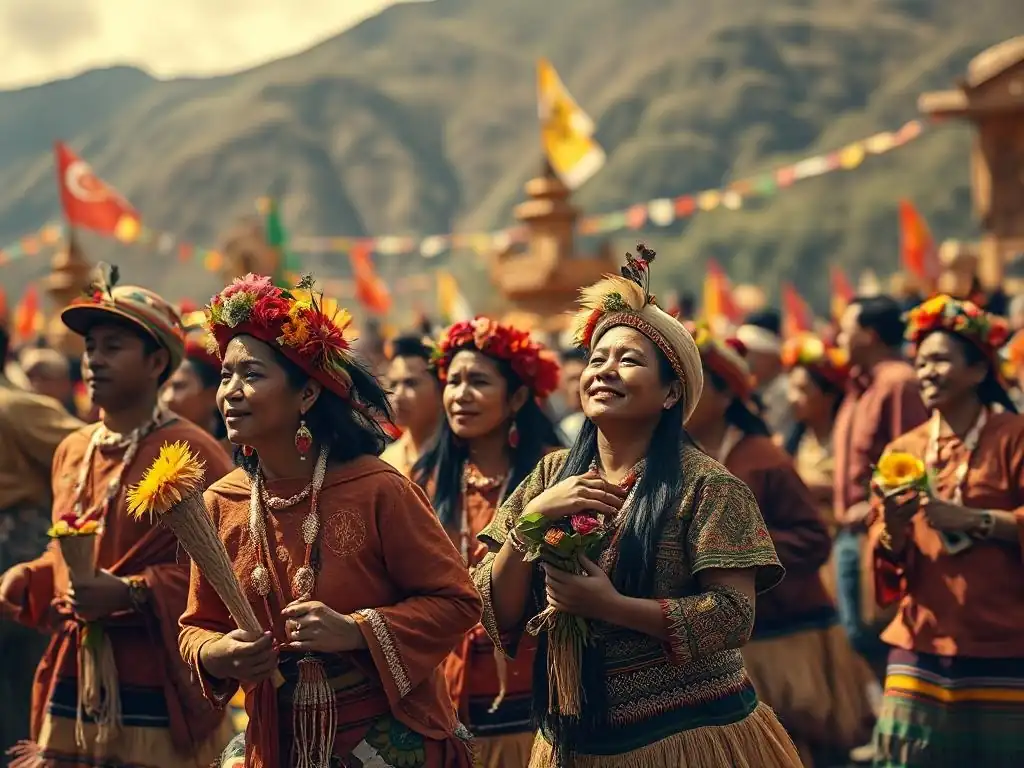
Festivals in the Andean region serve as a vibrant expression of the complex religious practices that have evolved over centuries. These celebrations are not merely communal events; they embody the spiritual beliefs, agricultural cycles, and social structures of indigenous cultures. As Andean religious practices evolved, festivals became integral to maintaining the connection between communities and their deities, reflecting an intricate tapestry of traditions that honor the earth, the cosmos, and ancestral spirits.
The evolution from individual offerings to large-scale festivals illustrates a significant shift in the communal approach to spirituality. This transformation highlights how indigenous peoples adapted their beliefs to foster social cohesion and cultural identity, ultimately leading to the rich tapestry of celebrations observed today.
The Transformation from Offerings to Festivals
The Andean religious practices began with personal offerings, where individuals would present gifts to deities as a form of devotion and supplication. These offerings often included food, textiles, and even symbolic objects, focusing on sustenance and fertility. As societies grew more complex, so did their religious practices, leading to larger gatherings that celebrated collective identities and shared beliefs.
The transition from isolated offerings to organized festivals occurred through several key developments:
- Community Involvement: As agricultural practices flourished, communities came together to celebrate harvests, enhancing the communal spirit.
- Integration of Rituals: Smaller rituals began to merge, forming comprehensive festivals that honored multiple deities and aspects of life.
- Cultural Exchange: Influences from neighboring cultures facilitated the incorporation of new practices, enriching existing traditions.
These festivals became essential for reinforcing social bonds and preserving cultural knowledge, illustrating the dynamic nature of Andean religious practices.
Major Andean Festivals and Their Religious Roots
The Andean calendar is filled with significant festivals, each rooted in deep religious beliefs and agricultural cycles. These celebrations not only mark the passage of time but also serve as a means to honor the deities that govern the natural world.
Inti Raymi: The Festival of the Sun
Inti Raymi, or the Festival of the Sun, is one of the most important celebrations in the Andean calendar, particularly among the Quechua people. Held during the winter solstice in June, this festival honors Inti, the Sun God, who is central to Andean cosmology. The festival has its roots in pre-Columbian traditions and has been revitalized in modern times through cultural pride and community participation.
Key aspects of Inti Raymi include:
- Ritual Offerings: Participants present offerings of food, llamas, and other goods to the Sun God, seeking blessings for the upcoming agricultural cycle.
- Dramatic Reenactments: The festival features elaborate performances, including the reenactment of Incan rituals, which serve to educate and engage the community.
- Cultural Unity: Inti Raymi fosters a sense of identity among attendees, as it celebrates shared heritage and collective memory.
The festival exemplifies the enduring significance of solar worship in Andean culture, reflecting the relationship between the environment and religious practices.
Pachamama Raymi: Celebrating the Earth Goddess
Pachamama Raymi, celebrated in August, is a festival dedicated to Pachamama, the Earth Goddess revered by many Andean cultures. This festival underscores the importance of the earth in Andean spirituality and the reciprocal relationship between people and nature.
Key features of Pachamama Raymi include:
- Ritual Offerings: Communities offer food, coca leaves, and other items to Pachamama, asking for her blessings on crops and livestock.
- Community Gatherings: Families and friends come together to share traditional foods, reinforcing social ties and cultural practices.
- Environmental Awareness: The festival promotes ecological stewardship, reminding participants of their responsibility to care for the earth.
Pachamama Raymi exemplifies the deep reverence for nature in Andean religious practices, highlighting the connection between spirituality and environmental sustainability.
These festivals, rooted in ancient beliefs, continue to thrive in modern Andean society, illustrating the evolution of Andean religious practices as they adapt and respond to contemporary challenges while preserving their rich cultural heritage.
The Influence of Spanish Colonization on Andean Religious Practices
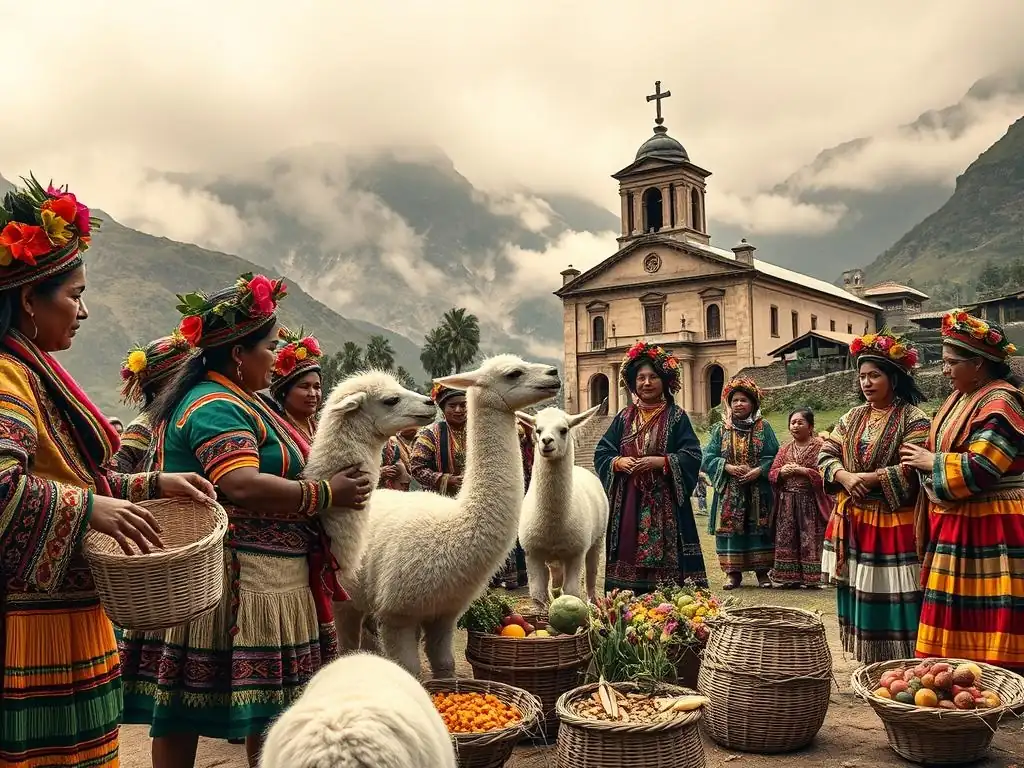
The arrival of Spanish colonizers in the 16th century had a profound impact on the religious practices of the Andean civilizations. This transformation was not merely a result of the imposition of Christianity, but rather a complex interplay of resistance and adaptation by indigenous peoples. The Spanish sought to eradicate native beliefs and replace them with Catholic doctrines, yet many traditional practices persisted, resulting in a unique fusion of Andean and Christian elements.
The process of change during this period can be categorized into various dimensions, including the displacement of traditional deities, the reinterpretation of rituals, and the establishment of new religious structures. The indigenous populations often adapted their practices to incorporate Christian symbols and figures, creating a syncretic religious landscape that reflected both their ancestral heritage and the imposed European beliefs.
Syncretism: Merging Indigenous and Christian Beliefs
Syncretism in Andean religious practices is evident in the way indigenous peoples blended their traditional beliefs with Christian elements. One prominent example is the veneration of the Virgen de la Candelaria, which has roots in pre-Columbian goddess worship. The Virgen de la Candelaria is celebrated in various festivals across the Andes, where she is often associated with agricultural fertility and protection, paralleling the roles of ancient Andean deities like Pachamama (Mother Earth).
The adaptation of Christian saints to local contexts further illustrates this syncretism. Indigenous communities began to associate Catholic saints with their own deities, effectively creating a pantheon that included both native and Christian figures. This blending of beliefs allowed indigenous peoples to maintain a connection to their ancestral traditions while navigating the pressures of colonization.
In many Andean communities, rituals involving offerings, such as pago a la tierra (payment to the earth), were adapted to include Christian prayers and symbols. This practice reflects a dual reverence, honoring both Pachamama and the Christian God, showcasing how indigenous peoples sought to reconcile their spiritual heritage with the new religious framework imposed by the Spanish.
The Adaptation of Festivals in Post-Colonial Context
Post-colonial Andean religious festivals have evolved significantly, retaining core elements of indigenous spirituality while incorporating new practices and beliefs introduced during colonization. These festivals often serve as vital expressions of cultural identity for indigenous communities, celebrating their heritage and resilience.
One notable example is the Feast of the Virgin of Candelaria, celebrated in Puno, Peru. This festival features a vibrant mix of traditional Andean music, dance, and colorful attire, alongside Christian rituals. Participants engage in processions, offering food, and performing dances that narrate the story of the Virgin while also invoking the spirits of their ancestors.
Key Features of Post-Colonial Festivals:
- Cultural Resilience: Festivals serve as a means of preserving Andean identity, allowing communities to assert their cultural heritage in the face of historical oppression.
- Community Involvement: These celebrations often involve the entire community, fostering a sense of unity and shared purpose among participants.
- Economic Impact: Festivals attract tourism, providing economic benefits to local communities and promoting the visibility of Andean culture on a global stage.
The evolution of Andean religious practices reflects a dynamic interplay between tradition and adaptation. As communities continue to negotiate their identities in a modern context, these festivals not only honor their past but also pave the way for future generations to engage with their rich cultural heritage. The enduring spirit of Andean religious practices can thus be seen as a testament to the resilience of indigenous cultures amidst centuries of change.
Contemporary Andean Religious Practices
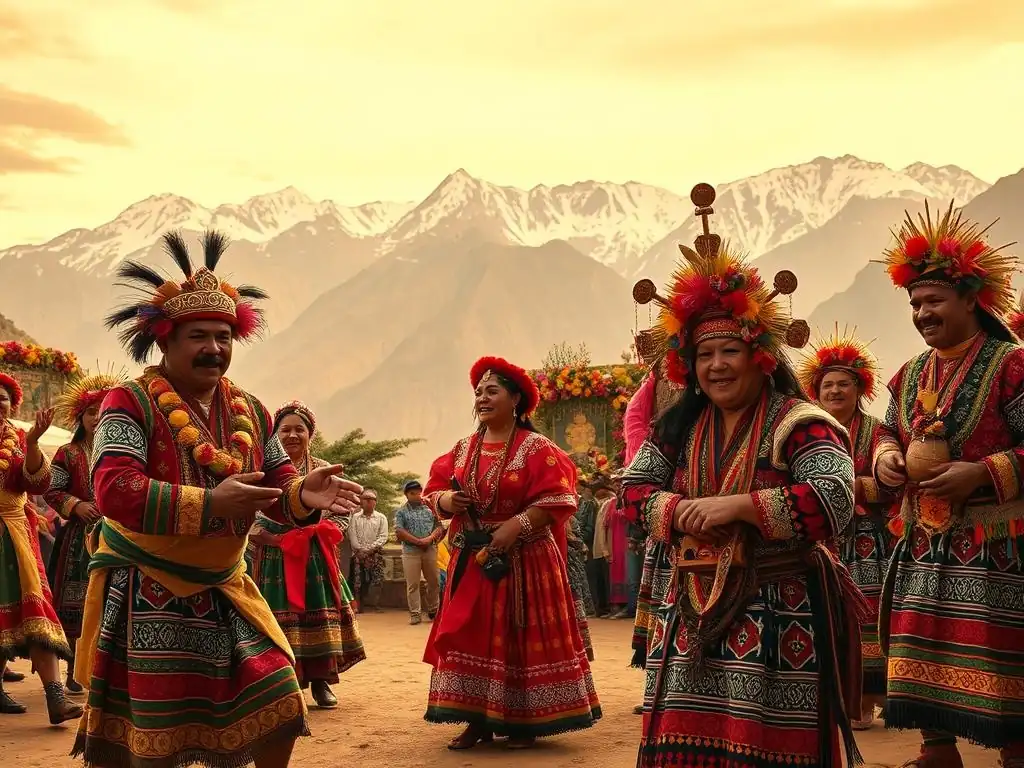
Revitalization of Traditional Beliefs and Practices
Contemporary Andean religious practices showcase a dynamic interplay between ancient customs and modern influences. In recent decades, there has been a significant revitalization of traditional beliefs, often in response to the challenges posed by globalization and cultural assimilation. Many Andean communities are actively reclaiming their ancestral rituals, languages, and spiritual practices, aiming to preserve their identity and heritage.
This revitalization manifests in various forms, including:
- Ceremonial Practices: Traditional ceremonies, such as the Pachamama (Mother Earth) rituals, are conducted with renewed vigor. These ceremonies often involve offerings of food, coca leaves, and other symbolic items to honor the earth's fertility and ensure a good harvest.
- Language Preservation: Efforts to revive indigenous languages, such as Quechua and Aymara, play a critical role in sustaining cultural identity. Language is a vessel for traditional knowledge, and its revitalization is closely linked to the preservation of Andean religious practices.
- Integration of Old and New: Many communities blend traditional practices with elements of Christianity, creating a syncretic form of worship that honors both indigenous and Catholic beliefs. This fusion can be seen in the celebration of saints, where indigenous deities are venerated alongside Christian figures.
The resurgence of these practices is not only a means of cultural survival but also an assertion of identity amidst a rapidly changing world. As Andean communities increasingly emphasize their heritage, they foster a sense of belonging and continuity that is vital for future generations.
The Role of Festivals in Modern Andean Communities
Festivals play a crucial role in the expression and continuation of Andean religious practices. They serve as vibrant showcases of cultural identity, community cohesion, and spiritual devotion. These events often attract participation from local and international visitors, further enriching the communal experience.
Key aspects of festivals in modern Andean communities include:
- Cultural Celebration: Festivals such as Inti Raymi (Festival of the Sun) and Qoyllur Rit'i (Star Snow Festival) are pivotal in celebrating the Andean cosmology. These events honor celestial bodies, agricultural cycles, and the connection between the spiritual and natural worlds.
- Community Participation: Festivals foster a sense of unity among community members. They provide an opportunity for individuals to come together, share in the rituals, and strengthen social bonds. This communal participation is essential for the transmission of traditions and practices across generations.
- Economic Impact: These festivals also contribute to local economies by attracting tourism. Merchants and artisans often sell traditional crafts, foods, and textiles during these events, providing livelihoods for many families.
- Educational Value: Festivals serve as platforms for educating younger generations about their cultural heritage. Through participation, children and young adults learn about their ancestors' beliefs, rituals, and the significance of various practices.
Modern Andean festivals are multifaceted events that not only honor traditional religious practices but also promote community resilience, economic sustenance, and cultural education. As Andean religious practices evolve, these festivals remain a vital link to ancestral traditions and a testament to the enduring spirit of indigenous cultures.
Conclusion: The Ongoing Evolution of Andean Religious Practices
The evolution of Andean religious practices is a testament to the resilience and adaptability of indigenous cultures in the face of changing circumstances. Historically rich and diverse, these practices have transformed over centuries, influenced by both internal developments and external pressures such as colonization and globalization. The ongoing evolution reflects a continuous dialogue between tradition and modernity, where ancient beliefs and rituals are reinterpreted within contemporary contexts.
As we look back on the rich tapestry of Andean religious practices, it becomes evident that they are not static; rather, they are dynamic systems that respond to the needs and challenges of their practitioners. This adaptability allows for the preservation of cultural identity while also embracing new influences and ideas. The rituals, ceremonies, and festivals that have survived are not merely relics of the past but are living expressions of community values and spiritual beliefs that continue to resonate today.
Reflection on the Importance of Preserving Andean Heritage
Preserving Andean religious practices is crucial for maintaining the cultural identity of indigenous communities. These practices embody centuries of wisdom, knowledge, and artistic expression that are integral to the social fabric of Andean societies.
- Cultural Identity: The rituals and festivals serve as a means of reinforcing the collective identity of the communities. They provide a sense of belonging and continuity, linking generations through shared beliefs and practices.
- Knowledge Transmission: Through oral traditions and communal participation, younger generations learn about their heritage, values, and the significance of their rituals. This knowledge is vital for fostering pride in their cultural roots.
- Spiritual Relevance: The spiritual aspects of these practices offer a framework for understanding the world, nature, and human relationships. They address existential questions and provide communities with a sense of purpose and connection to the cosmos.
Efforts to document, celebrate, and revitalize Andean religious practices are essential to ensure their survival in an increasingly homogenized world. Local initiatives, academic research, and community-led projects play a vital role in this preservation, allowing the unique aspects of Andean spirituality to flourish.
Future Directions for Andean Religious Practices and Festivals
The future of Andean religious practices and festivals will likely be shaped by various factors, including globalization, technological advancements, and inter-cultural exchanges. Here are several potential directions:
- Integration of Technology: As communities become more connected, technology can serve as a tool for the preservation and dissemination of Andean cultural practices. Virtual reality experiences, online workshops, and social media platforms can help share rituals and festivals with a broader audience.
- Intercultural Dialogues: The blending of Andean religious practices with other cultural expressions can foster new forms of spirituality that respect and incorporate traditional beliefs while embracing contemporary ideas. This can lead to innovative festivals that honor both heritage and modern influences.
- Sustainable Practices: There is a growing awareness of environmental issues that may influence future religious practices. Sustainable farming, respect for natural resources, and the incorporation of ecological themes into rituals could reflect a deeper understanding of the interconnectedness of life.
- Political Advocacy: Advocacy for the rights of indigenous peoples can lead to greater recognition and respect for their religious practices. Legal protections and support for cultural expression will be key in preventing the erosion of these vital traditions.
- Global Collaborations: Partnerships with international organizations can aid in promoting Andean religious practices on a global scale. These collaborations can enhance visibility and foster appreciation for the richness of Andean spirituality.
The evolution of Andean religious practices is a dynamic journey that continues to unfold. By recognizing the importance of preserving these traditions and exploring innovative pathways forward, we can ensure that Andean cultures thrive for future generations.
Frequently Asked Questions
What are the main features of Andean religious practices before colonization?
Andean religious practices were characterized by ritual offerings, ceremonial festivals, and a deep connection to nature and ancestral worship. These elements played a crucial role in community life and cultural identity.
How did Andean religious practices evolve over time?
The evolution involved a transition from simple offerings to more complex ceremonial festivals, reflecting changes in societal structure and the integration of new beliefs while maintaining traditional values.
What influence did the environment have on Andean religious practices?
The geographical diversity of the Andes shaped their religious practices, leading to regional variations that emphasized elements like agriculture, mountain worship, and the veneration of natural spirits.
How did European colonization impact Andean religious practices?
European colonization introduced Christianity, which caused significant changes, including the syncretism of indigenous beliefs with Christian practices, often leading to the suppression of traditional rituals.
Why is the study of Andean religious practices important?
Understanding the evolution of Andean religious practices provides insights into the cultural resilience of indigenous societies, their social structures, and their lasting impact on contemporary Andean identity.
Final Reflection: The Enduring Legacy of Andean Religious Practices
The evolution of Andean religious practices is not merely a historical narrative; it is a vibrant testament to the resilience and adaptability of cultural identities. As we explore the transition from ancient offerings to contemporary festivals, we uncover a rich tapestry of beliefs that continue to shape the lives of millions today. This evolution reflects the dynamic interplay between tradition and modernity, reminding us that cultural practices are living entities that evolve while retaining their core essence.
The influence of Andean religious practices extends far beyond the Andes, permeating global conversations about spirituality, identity, and community. These practices serve as a bridge connecting past and present, allowing individuals to find meaning in their heritage while navigating the complexities of modern life. As noted by anthropologist David W. Foster, “Cultural practices are not static; they are the lifeblood of communities, adapting to new realities while honoring their origins.” This ongoing transformation highlights the importance of understanding and preserving these practices, as they offer invaluable insights into the human experience.
As we reflect on the evolution of Andean religious practices, I invite you to consider how these lessons resonate in your own life. Take a moment to explore your cultural heritage, engage with your community, and celebrate the traditions that shape your identity. By embracing the richness of our diverse backgrounds, we can foster a deeper appreciation for the interconnectedness of our shared human experience. Let us honor the past while paving the way for a future that respects and celebrates the evolution of all cultural practices.
Embrace and Celebrate Andean Spirituality!
Thank you for diving deep into the vibrant history of Andean religious practices! Your interest not only enriches your understanding but also fosters appreciation for these unique traditions. Now, it’s time to take the next step in honoring and exploring this fascinating culture.
Here are a few ways you can engage further:
- Join a local festival or event that celebrates Andean heritage—experience the music, dance, and traditions firsthand!
- Share your newfound knowledge with friends and family—spark conversations about the beauty and significance of Andean practices.
- Visit local museums or cultural centers featuring exhibits on Andean civilizations to deepen your understanding and appreciation.
What aspect of Andean spiritual practices inspired you the most, and how do you plan to incorporate this newfound wisdom into your own life?