
Deities of the Andes: Exploring the Pantheon of Ancient Indigenous Gods

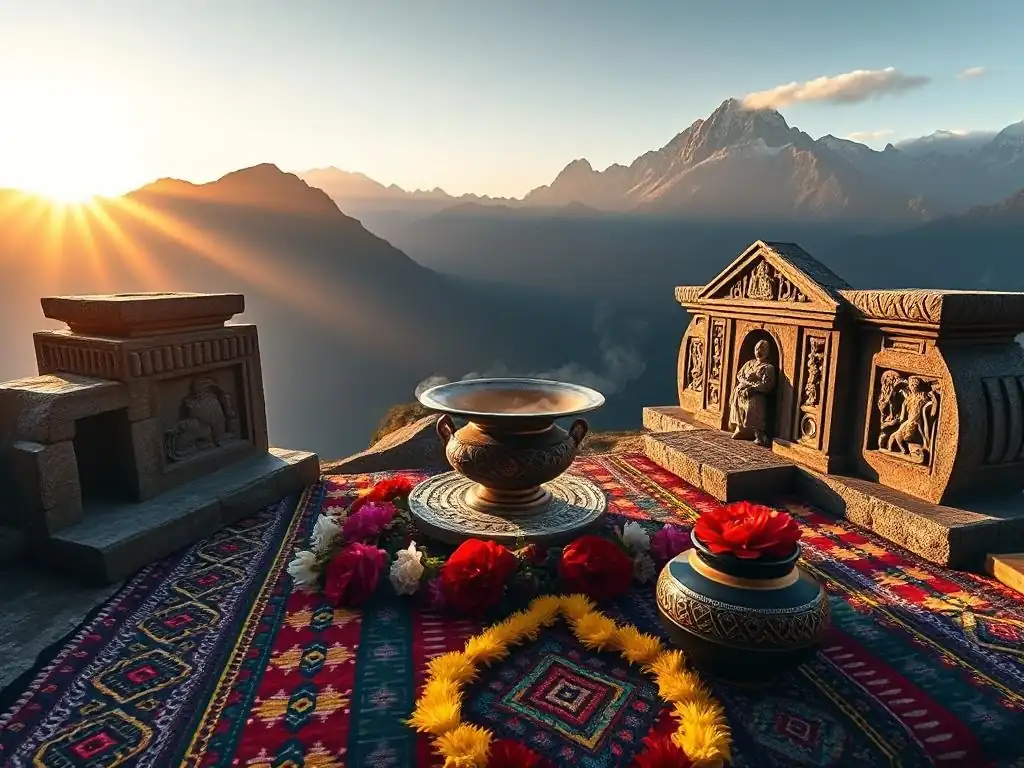
Welcome to Indigenous Civilizations of the Americas, where we invite you to embark on a fascinating journey through the rich tapestry of indigenous cultures that flourished long before European contact. Dive deep into our featured article, “Deities of the Andes: Exploring the Pantheon of Ancient Indigenous Gods,” and uncover the intricate beliefs and vibrant mythologies that define the Andean indigenous gods pantheon.
As you explore, you'll discover how these deities shaped societies, influenced daily life, and left an enduring legacy that resonates to this day. Prepare to be captivated and enlightened as you delve into the remarkable stories and achievements of these ancient civilizations!
Introduction to the Andean Indigenous Gods Pantheon
The Andean indigenous gods pantheon presents a rich tapestry of spiritual beliefs and practices that shaped the lives of communities across the Andean region before European colonization. This pantheon reflects the deep connection that these cultures had with their environment, showcasing their reverence for nature and the forces that governed their world. The intricate relationships between deities, natural elements, and human existence are vital to understanding the complexities of Andean spirituality. Through the exploration of these ancient gods and goddesses, we gain insight into the values, traditions, and societal structures of the indigenous peoples who inhabited the Andes.
Overview of Andean Religion and Spirituality
Andean religion is characterized by a profound respect for the natural world, where mountains, rivers, and celestial bodies are considered sacred. The belief system is largely animistic, attributing spiritual essence to all living and non-living entities. Central to this spirituality is the concept of duality, often represented in the relationships between male and female deities, as well as the balance between various elements of nature. Rituals and offerings played a crucial role in maintaining harmony with these divine forces, as indigenous peoples sought to ensure bountiful harvests, successful hunts, and protection from natural disasters.
Key elements of Andean spirituality include:
- Animism: Believing that all entities possess a spirit.
- Duality: The balance between male and female energies.
- Rituals and Offerings: Practices to appease the gods and secure favorable outcomes.
Importance of Deities in Andean Indigenous Cultures
Deities in Andean indigenous cultures were not merely figures of worship; they embodied essential aspects of life and nature. Each god or goddess represented specific elements, such as the sun, earth, and water, which were critical for survival. The veneration of these deities fostered a sense of community and identity among the people, as they came together in rituals and celebrations to honor their pantheon. The stories and teachings associated with these gods also served as moral and ethical guidelines, shaping cultural norms and social structures.
Significant roles of deities include:
- Cultural Identity: Connecting communities through shared beliefs.
- Moral Guidance: Providing ethical frameworks through mythology.
- Environmental Stewardship: Encouraging respect and care for the natural world.
Major Andean Indigenous Gods and Goddesses
The Andean pantheon is rich with diverse deities, each with unique attributes and narratives. The following sections will explore some of the most significant gods and goddesses revered by the ancient Andean civilizations.
Viracocha: The Creator God
Viracocha is often regarded as the principal creator god in Andean mythology. He is believed to have created the earth, sky, and all living beings. According to legend, Viracocha emerged from Lake Titicaca and traveled the world, teaching humanity the arts and sciences. His role as a creator and cultural hero underscores the importance of divine guidance in the development of Andean societies.
Key aspects of Viracocha include:
- Creation: The architect of the universe and all its inhabitants.
- Cultural Hero: A figure who imparts knowledge and civilization.
- Symbol of Unity: Representing the interconnectedness of all creation.
Inti: The Sun God and His Significance
Inti, the sun god, held a preeminent position in the Andean pantheon, especially among the Inca civilization. Revered as the giver of life, Inti was associated with agriculture, warmth, and prosperity. Festivals celebrating Inti, such as Inti Raymi, were central to agricultural cycles, reinforcing the sun's vital role in sustaining life on earth.
Notable attributes of Inti include:
- Life-Giving Energy: The source of growth and fertility.
- Royal Connection: Considered the ancestor of Inca rulers.
- Cultural Significance: Central to agricultural and seasonal celebrations.
Pachamama: The Earth Goddess and Fertility
Pachamama, the earth goddess, is a revered figure in Andean spiritual traditions, symbolizing fertility, agriculture, and the nurturing aspects of nature. She embodies the earth's bounty and is often honored through rituals that express gratitude and seek her blessings for good harvests. The reverence for Pachamama highlights the Andean peoples' deep connection to the land and their reliance on its resources.
Essential characteristics of Pachamama include:
- Nurturer of Life: Providing sustenance and fertility.
- Earth Worship: Central figure in agricultural rituals.
- Cultural Resilience: A symbol of indigenous identity and continuity.
Mama Quilla: The Moon Goddess and Her Role in Agriculture
Mama Quilla, the moon goddess, plays a crucial role in Andean cosmology, often associated with the cycles of agriculture and women’s fertility. As the protector of women and the keeper of time, Mama Quilla's phases were closely observed to determine planting and harvesting times. Her influence reflects the interconnectedness of celestial bodies and earthly life, emphasizing the importance of lunar cycles in Andean agricultural practices.
Key roles of Mama Quilla include:
- Guardian of Women: Protecting feminine qualities and fertility.
- Lunar Cycles: Guiding agricultural practices through her phases.
- Cultural Symbol: Representing the duality of the Andean spiritual worldview.
Lesser-Known Deities of the Andean Pantheon
While many may be familiar with the prominent gods of the Andean pantheon, there exists a rich tapestry of lesser-known deities that played crucial roles in the spiritual lives of indigenous peoples throughout the Andes. These deities often embody specific natural elements or societal values, reflecting the complex interrelationship between the people and their environment. Understanding these lesser-known figures provides a deeper insight into the diverse beliefs and practices that characterized Andean spirituality.
Supay: The God of Death and the Underworld
Supay is a critical figure in Andean mythology, known as the god of death and the ruler of the underworld, often referred to as Uku Pacha. He embodies dual aspects of fear and reverence among the indigenous peoples. Supay is depicted as a powerful being, sometimes represented with features resembling a devil, which aligns with the colonizers’ interpretations. His domain is not solely about death; it also encompasses the fertility of the earth and the cyclical nature of life.
In many Andean cultures, Supay was believed to influence agricultural fertility through the cycles of death and rebirth, emphasizing that death is a natural and necessary part of life. Rituals dedicated to Supay often included offerings of food, coca leaves, and even animal sacrifices, aimed at ensuring harmony between the living and the deceased. His presence was crucial during the agricultural calendar, particularly during harvest festivals, where the interplay between life and death was acknowledged and honored.
Illapa: The God of Rain and War
Illapa, revered as the god of rain, thunder, and war, was essential for agricultural societies dependent on seasonal rains for their crops. Often depicted holding a slingshot or a weapon, Illapa symbolizes both the nurturing and destructive forces of nature. His role as a rain deity underscores the importance of water in the Andean environment, where irrigation and rain were vital for survival.
In addition to his agricultural significance, Illapa was also associated with warfare. Warriors would invoke his name before battles, seeking his favor for victory. The dual nature of Illapa highlights the interconnectedness of sustenance and conflict in Andean societies. Festivals celebrating Illapa often involved communal prayers and offerings aimed at ensuring favorable weather conditions, demonstrating the reliance on divine intervention for both peace and prosperity.
Huanca: The Earth Spirits and Their Influence
Huanca refers to the earth spirits that are believed to inhabit specific geographical locations, including mountains, rivers, and valleys. These spirits are considered guardians of the land and play a significant role in Andean cosmology. Each Huanca is associated with unique natural features and is often venerated through rituals that honor their presence and influence.
The indigenous peoples of the Andes engage in practices that recognize the Huanca spirits as integral to the health of the land and community. Offerings of chicha (a fermented corn drink), coca leaves, and various foods are made to appease these spirits. This relationship reflects a broader belief in the need to maintain balance and harmony with nature, emphasizing the deep respect that Andean cultures have for their environment.
The Relationship Between Andean Indigenous Gods and Nature
The Andean indigenous gods are deeply intertwined with the natural world, reflecting a worldview that sees humanity as part of a larger ecological system. This relationship manifests in various ways, from the veneration of sacred mountains to the rituals that honor the changing seasons and agricultural cycles.
Sacred Mountains and Their Divine Connections
In Andean cultures, mountains are not merely geological formations; they are seen as sacred entities inhabited by powerful deities. For instance, Ausangate and Huayna Picchu are revered as divine guardians, embodying the spirits of ancestors and the natural world. These mountains serve as focal points for pilgrimage and spiritual offerings, highlighting the belief that the physical landscape is imbued with spiritual significance.
The connection to sacred mountains also informs agricultural practices. Many communities align their planting and harvesting schedules with celestial events, believing that the mountains and the heavens influence the fertility of the land. The reverence for these natural monuments reflects a profound respect for their role in sustaining life and supporting cultural identity.
Rituals and Offerings to the Andean Deities
Rituals and offerings play a vital role in the relationship between Andean peoples and their gods. These practices are designed to maintain harmony with the divine and ensure the well-being of the community. Offerings can range from simple coca leaf rituals to elaborate ceremonies involving feasting, music, and dance.
The act of giving is seen as a reciprocal relationship with the deities, where the community expresses gratitude for blessings received while seeking protection and favor. Such rituals often occur during significant agricultural events, including planting and harvest times, reinforcing the cyclical nature of life and the importance of community cohesion.
Festivals Celebrating the Gods of the Andes
Festivals are integral to Andean culture, serving as vibrant expressions of spirituality and community life. These events often coincide with agricultural cycles, honoring the gods through music, dance, and elaborate processions. Celebrations like Inti Raymi, the festival of the sun, exemplify the deep connection between spirituality and the agricultural calendar.
During these festivals, participants engage in rituals that reflect their gratitude and devotion to the deities. Offerings of food, drink, and other goods are made in abundance, creating a sense of communal harmony and shared purpose. The festivals not only celebrate the gods but also reinforce cultural identity, history, and the transmission of traditions across generations.
Myths and Legends Surrounding Andean Deities
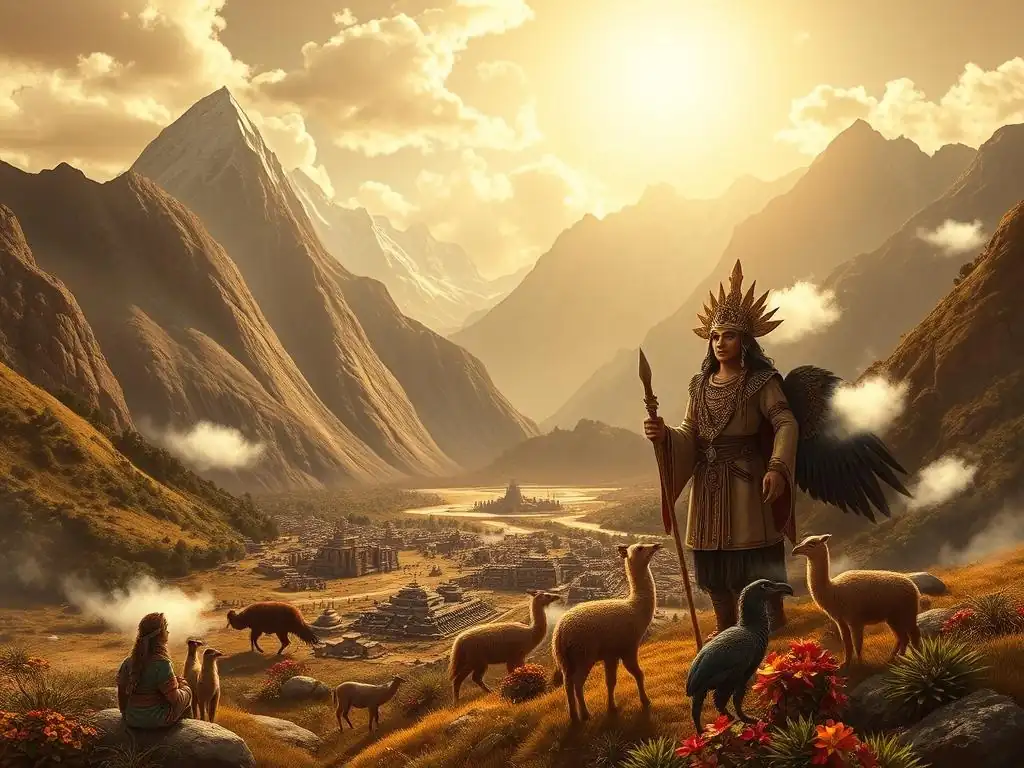
The myths and legends surrounding the Andean indigenous gods are rich narratives that encapsulate the beliefs, values, and cultural identity of the Andean peoples. These stories often feature a cast of deities, each embodying various aspects of nature and human experience, providing explanations for natural phenomena, and imparting moral lessons. Through oral tradition, these myths have been passed down through generations, helping to preserve the cultural heritage of the Andean civilizations.
Creation Myths and Their Cultural Significance
Creation myths play a foundational role in Andean cosmology, offering explanations for the origins of the world, humanity, and the intricate relationship between the two. One prominent creation myth involves the deity Viracocha, who is often depicted as the creator god. According to legend, Viracocha emerged from Lake Titicaca and created the sun, moon, and stars, as well as the first humans. This narrative not only highlights the significance of the natural landscape—such as lakes and mountains—but also emphasizes the Andean understanding of life as interconnected with the divine.
The cultural significance of these myths is profound; they serve as a moral compass, guiding societal values and behaviors. The stories encapsulate the importance of harmony with nature, respect for ancestors, and communal responsibility. Such narratives reinforce the social fabric of Andean communities, fostering a sense of identity and belonging.
Tales of Heroic Deeds and Moral Lessons
Tales of heroic deeds often feature gods and demigods who embody virtues such as bravery, wisdom, and sacrifice. For example, the story of Illapa, the god of thunder and war, illustrates the values of courage and protection. Illapa is depicted as a fierce warrior who defends the Andean people from malevolent forces, embodying the ideal of the warrior-hero who fights for his community.
These narratives frequently convey moral lessons that resonate with the experiences of the Andean people. Themes of justice, reciprocity, and respect for nature are common, encouraging individuals to live in accordance with these principles. By sharing these stories, communities reinforce shared values and cultural norms, ensuring that the teachings of their ancestors continue to influence contemporary life.
The Influence of Myths on Andean Society and Culture
The influence of Andean myths extends beyond storytelling; they have profoundly shaped societal structures, rituals, and cultural practices. Myths often dictate the timing of agricultural cycles, with deities associated with fertility and harvest being invoked during planting and harvesting seasons. This connection underscores the importance of divine favor in ensuring bountiful crops and successful harvests.
Moreover, rituals and ceremonies dedicated to these deities are integral to community life. Festivals celebrating deities like Pachamama (Mother Earth) or Inti (the Sun God) involve offerings, music, and dance, reinforcing communal bonds and cultural identity. Such practices not only honor the gods but also serve as a reminder of the community's shared values, history, and resilience.
The Legacy of the Andean Indigenous Gods Pantheon
The legacy of the Andean indigenous gods pantheon is evident in the enduring spiritual practices and cultural expressions found in contemporary Andean societies. Despite the challenges posed by colonization and globalization, many indigenous communities continue to honor their ancestral deities, adapting their beliefs to modern contexts while retaining core elements of their spiritual heritage.
Impact on Contemporary Andean Spiritual Practices
Contemporary Andean spiritual practices reflect a blend of ancient beliefs and modern influences. Many Andean people still engage in rituals that honor traditional gods, often incorporating elements from Catholicism. For instance, festivals may include offerings to Pachamama alongside Christian prayers, showcasing a unique syncretism that honors both indigenous and colonial legacies.
This resilience is particularly notable in regions like Peru and Bolivia, where indigenous identity and spirituality have become a source of pride and cultural revival. Practices such as the annual ritual of "Pachamama Raymi," where offerings are made to Mother Earth, highlight the continuing relevance of Andean spirituality in everyday life.
Preservation of Indigenous Beliefs in Modern Times
The preservation of indigenous beliefs in modern times is a testament to the strength of Andean cultural identity. Many communities actively engage in efforts to revitalize and maintain traditional practices, languages, and ceremonies that honor their gods and ancestors. This resurgence is often supported by organizations advocating for indigenous rights, cultural preservation, and environmental sustainability.
Educational initiatives aimed at younger generations play a crucial role in this preservation. By teaching children about their heritage, including the significance of Andean deities, communities ensure that these beliefs remain vital in a rapidly changing world. This intergenerational transmission of knowledge fosters a deeper appreciation for ancestral wisdom and cultural continuity.
Cultural Syncretism: Blending Ancient and Modern Beliefs
Cultural syncretism in the Andes reflects the dynamic interplay between ancient beliefs and modern influences, resulting in a rich tapestry of spiritual practices. While traditional deities remain central to Andean spirituality, elements of Western religions and contemporary ideologies have also been integrated. This fusion is evident in festivals that celebrate both indigenous and Christian traditions, creating a unique cultural landscape.
In urban settings, where indigenous populations may face pressures to conform to dominant cultures, the blending of beliefs serves as a form of resistance and resilience. By embracing both their ancestral heritage and modern influences, Andean people navigate the complexities of contemporary life while honoring their past. This cultural syncretism not only enriches the spiritual landscape but also fosters a sense of unity and identity among diverse Andean communities.
Conclusion: Understanding the Andean Indigenous Gods Pantheon
The Andean indigenous gods pantheon reflects a rich tapestry of beliefs, stories, and cultural practices that shaped the lives of ancient civilizations across the Andes Mountains. These deities were not merely figures of worship; they embodied the forces of nature, societal values, and the complexities of human existence. From the sun god Inti, revered for his life-giving warmth, to Pachamama, the earth goddess symbolizing fertility and abundance, each deity played a crucial role in the daily lives and spiritual practices of the Andean peoples.
The intricate relationships between these gods and their human followers demonstrate a profound understanding of the environment and the cycles of life. Rituals, offerings, and festivals celebrated these deities, serving as vital expressions of gratitude, reverence, and community identity. In modern times, the legacy of these beliefs continues to influence Andean culture, blending with contemporary practices to create a unique spiritual landscape that honors ancestral traditions.
Reflection on the Spiritual Heritage of the Andes
The spiritual heritage of the Andes is a testament to the resilience and adaptability of indigenous cultures. The pantheon of Andean gods provides insights into how these communities perceived their world and sought to establish harmony between humans and nature. The incorporation of agricultural cycles, seasonal changes, and natural phenomena into their religious practices reflects a deep connection to the land and its resources.
Moreover, the myths and legends surrounding these deities serve as moral and ethical guides for the community. They encapsulate lessons on respect, reciprocity, and the importance of living in balance with one's surroundings. As such, the spiritual heritage of the Andes is not only a record of past beliefs but also a living tradition that informs contemporary Andean identities.
The Importance of Preserving Indigenous Cultural Narratives
Preserving the narratives surrounding the Andean indigenous gods is essential for several reasons. First, these stories and beliefs contribute to the broader understanding of human history and cultural diversity. They offer perspectives on how ancient societies organized themselves, interacted with their environments, and expressed their spirituality.
Furthermore, the preservation of these cultural narratives is vital for the empowerment of indigenous communities today. By keeping their traditions alive, they can foster a sense of pride and identity, countering the effects of colonialism and cultural erasure. Initiatives aimed at documenting and sharing these stories can help educate future generations and promote respect for indigenous knowledge systems.
The pantheon of Andean indigenous gods is not just a relic of the past; it is a dynamic and integral part of Andean identity and spirituality. Efforts to preserve and promote these narratives will ensure that the wisdom and cultural richness of the Andes continue to inspire and inform future generations.
- Introduction to the Andean Indigenous Gods Pantheon
- Major Andean Indigenous Gods and Goddesses
- Lesser-Known Deities of the Andean Pantheon
- The Relationship Between Andean Indigenous Gods and Nature
- Myths and Legends Surrounding Andean Deities
- The Legacy of the Andean Indigenous Gods Pantheon
- Conclusion: Understanding the Andean Indigenous Gods Pantheon
- What is the focus of the article "Deities of the Andes: Exploring the Pantheon of Ancient Indigenous Gods"?
- Which indigenous cultures are discussed in relation to the Andean gods?
- How did the Andean indigenous gods influence the societies?
- Are there any specific deities mentioned in the article?
- What lasting impact did these indigenous gods have on modern culture?
Frequently Asked Questions
What is the focus of the article "Deities of the Andes: Exploring the Pantheon of Ancient Indigenous Gods"?
The article delves into the rich pantheon of Andean indigenous gods, highlighting their significance in the spiritual lives of ancient cultures in the Andes.
Which indigenous cultures are discussed in relation to the Andean gods?
The article primarily covers Incan, Aymara, and Quechua cultures, showcasing how their religious beliefs shaped their societies and daily lives.
How did the Andean indigenous gods influence the societies?
The deities played a crucial role in governance, agriculture, and community life, often being invoked for guidance and protection in various aspects of existence.
Are there any specific deities mentioned in the article?
Yes, the article discusses prominent figures such as Inti, the sun god, and Pachamama, the earth goddess, detailing their attributes and worship practices.
What lasting impact did these indigenous gods have on modern culture?
The beliefs and practices surrounding the Andean gods continue to influence cultural traditions and rituals among contemporary indigenous communities in the region.
Final Reflection: Embracing the Legacy of the Andean Indigenous Gods
The exploration of the Andean indigenous gods pantheon is not just a journey into the past; it is a profound reminder of how ancient beliefs continue to resonate in our modern world. The intricate tapestry of deities that once guided the lives of the Andean peoples still influences contemporary culture, spirituality, and identity. As we delve into these ancient narratives, we uncover the timeless wisdom they offer, urging us to reconnect with the natural world and the cycles of life that govern our existence.
The impact of these ancient gods extends far beyond historical interest; they shape the cultural and social landscape of the Andes today. The reverence for Pachamama, the Earth Mother, exemplifies a deep-rooted connection to nature that many modern societies are beginning to recognize as vital for sustainability. As we navigate the complexities of our current environmental crises, we can draw inspiration from the teachings of these deities. In the Andean worldview, the earth is not merely a resource to exploit but a living entity to honor and protect.
This perspective invites us to rethink our relationship with the environment and embrace a more harmonious way of living.
As we reflect on the lessons embedded within the Andean indigenous gods pantheon, let us take a moment to consider how these teachings can be woven into our daily lives. I invite you to explore your own connection to nature, to honor the spirits that inhabit the world around you, and to recognize the wisdom of those who came before us. By embracing this ancient knowledge, we can cultivate a deeper understanding of ourselves and our place within the universe, fostering a future that honors both our heritage and the planet we call home.
Unveil the Rich Tapestry of Andean Mythology!
Thank you for diving into the captivating world of the Andean deities! We hope this exploration has sparked your curiosity about the profound wisdom and traditions of ancient indigenous cultures. Now is the perfect time to take your newfound knowledge further and connect with the vibrant heritage of the Andes!
- Join a local cultural event or online forum dedicated to Andean history to deepen your understanding and celebrate these traditions.
- Share this article with friends and family to spread awareness about the ancient beliefs that shaped civilization!
- Explore further: Read more about specific gods and goddesses and their influence on contemporary Andean practices.
How can the stories of these deities inspire your own journey or enhance your understanding of your culture? We would love to hear your thoughts!