
Bridging Worlds: The Impact of Syncretism on Indigenous Social Structures

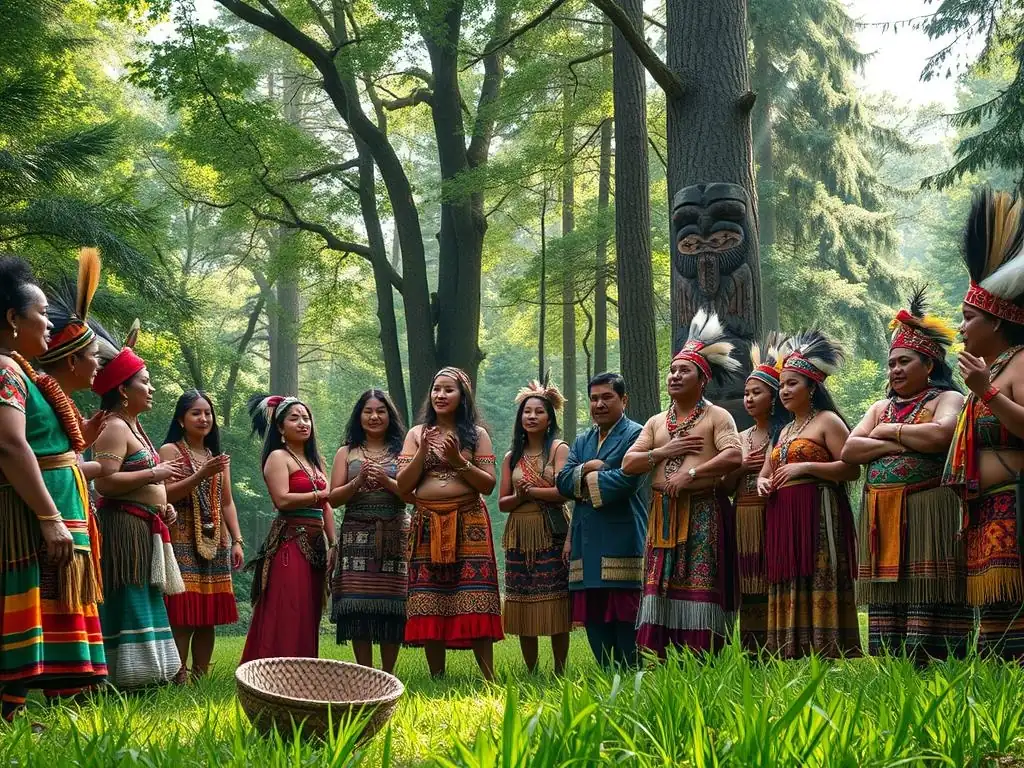
Welcome to Indigenous Civilizations of the Americas, where we invite you to embark on a captivating journey through the rich tapestry of indigenous cultures that flourished long before European contact. In our featured article, Bridging Worlds: The Impact of Syncretism on Indigenous Social Structures, we delve into the intricate interconnections between diverse societies and how their unique social frameworks evolved through syncretism.
Discover the remarkable achievements and enduring legacies of these civilizations, and uncover the profound ways they shaped their worlds. Join us as we explore the fascinating intersections of culture and community—you're bound to find insights that resonate and inspire!
- Introduction to Indigenous Social Structures and Syncretism
- Historical Background of Indigenous Cultures and Syncretism
- The Impact of Syncretism on Indigenous Social Structures
- Case Studies of Syncretism in Indigenous Social Structures
- The Role of Syncretism in Contemporary Indigenous Social Structures
- Challenges and Critiques of Syncretism in Indigenous Societies
- Conclusion: The Lasting Impact of Syncretism on Indigenous Social Structures
-
Frequently Asked Questions
- What is syncretism in the context of Indigenous cultures?
- How did European colonization affect Indigenous social structures?
- What are some examples of Indigenous achievements before colonization?
- How does the website explore the lasting impact of Indigenous cultures?
- Why is it important to study Indigenous social structures and syncretism?
- Final Reflection: Embracing Diversity through Syncretism in Indigenous Social Structures
- Embrace Change: Connect, Learn, and Advocate!
The concept of syncretism holds a pivotal role in understanding the evolution of Indigenous social structures in the Americas, particularly in the context of postcolonial interactions. As diverse Indigenous cultures encountered European colonizers, they faced profound changes that compelled them to adapt and integrate new beliefs, practices, and values into their traditional systems. This blending of cultural elements not only influenced spiritual practices but also reshaped social hierarchies, governance, and community relationships.
By exploring the impact of syncretism on Indigenous social structures, we can gain insight into how these societies navigated the complexities of coexistence, resilience, and transformation in the face of external pressures. Understanding this dynamic interplay is essential to appreciating the rich tapestry of Indigenous cultures that continue to thrive today.
Definition of Syncretism in Indigenous Contexts
Syncretism can be defined as the merging of different religious and cultural practices, resulting in the formation of new, hybrid beliefs. In Indigenous contexts, this often occurred as a response to colonialism, where traditional spiritual practices fused with elements introduced by European settlers, such as Christianity. This process was not merely a passive adoption but rather an active negotiation where Indigenous peoples sought to preserve their identities while engaging with new ideologies.
- Examples of Syncretic Practices:
- Blending of Rituals: Traditional ceremonies might incorporate Christian symbols or narratives.
- New Religious Movements: The emergence of syncretic religions, such as those seen in the Andean regions, where Indigenous beliefs coalesced with Catholicism.
Understanding these dynamics illuminates how Indigenous communities maintained agency and resilience, crafting new identities that reflect both their ancestral heritage and the influences of colonial encounters.
Indigenous social structures in the Americas were incredibly diverse, reflecting the vast array of cultures, languages, and environments across the continent. These structures often revolved around communal living, kinship ties, and a deep connection to the land.
- Key Features of Indigenous Social Structures:
- Kinship Systems: Many societies operated under matrilineal or patrilineal systems, determining inheritance and social roles within families.
- Political Organization: Leadership roles varied from democratic councils in some tribes to more hierarchical systems in others, demonstrating a range of governance styles.
- Cultural Practices: Rituals, storytelling, and artistic expressions were essential in reinforcing social bonds and cultural identity.
The impact of syncretism on these structures manifested in various ways, often leading to the reconfiguration of social roles and power dynamics. For instance, the incorporation of European religious practices sometimes elevated certain leaders who could navigate both Indigenous and colonial systems, leading to a transformation of traditional governance.
The interplay between syncretism and Indigenous social structures reflects a rich history of adaptation and resilience, showcasing the ability of these cultures to thrive amidst change while maintaining a profound connection to their historical roots and collective identities.
Historical Background of Indigenous Cultures and Syncretism
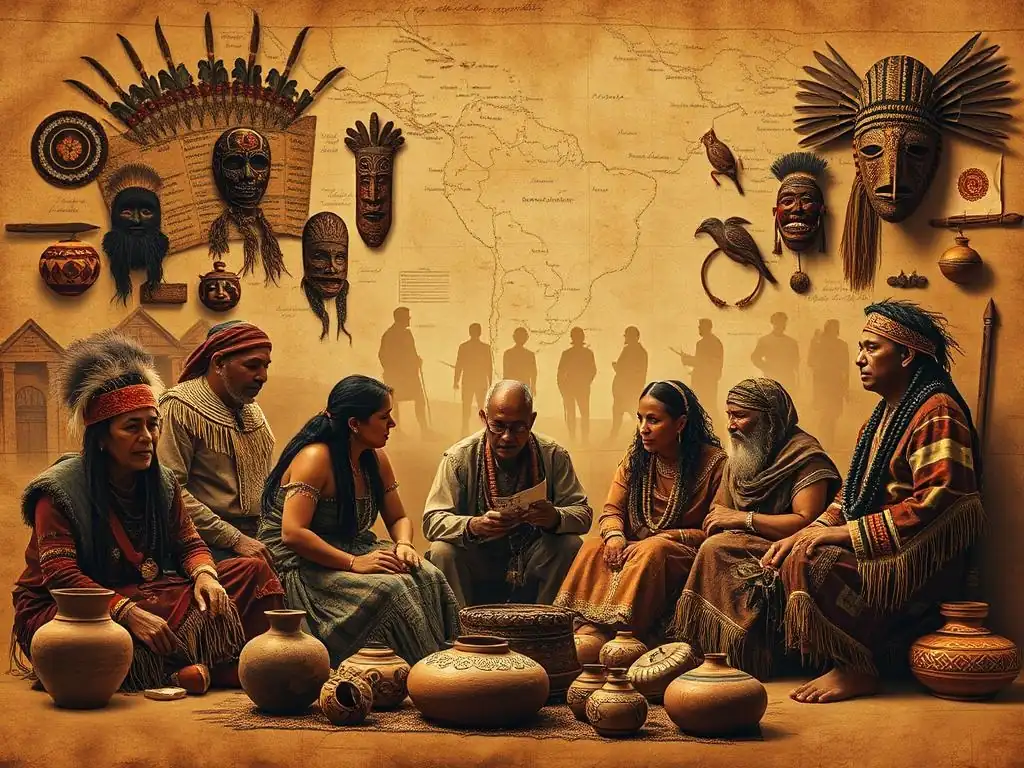
Before European colonization, indigenous cultures in the Americas were characterized by rich and diverse social structures. These varied significantly across regions, reflecting the unique geographical, environmental, and cultural contexts of each society.
Some notable examples include:
- The Iroquois Confederacy: A sophisticated political and social system that governed multiple tribes in the northeastern United States. This confederacy emphasized collective decision-making and consensus, fundamentally shaping their governance and societal interactions.
- The Aztec Empire: Spanning much of modern-day Mexico, the Aztecs had a highly stratified social structure composed of nobility, priests, warriors, and commoners. This hierarchy dictated roles, responsibilities, and social mobility, with the emperor at the top serving as both a political and religious leader.
- The Inca Empire: Known for its extensive road networks and administrative prowess, the Inca Empire organized its society into ayllus (clans), which were the basic units of social organization. These clans fostered communal landownership and collective labor, reflecting the Inca's emphasis on community and reciprocity.
These indigenous social structures were not static; they evolved over time due to environmental changes, inter-tribal interactions, and innovations. The intricate relationships within these societies laid the groundwork for the syncretic processes that would unfold with the arrival of European colonizers.
The Arrival of European Colonizers and Initial Interactions
The arrival of European colonizers in the late 15th century marked a pivotal shift for indigenous cultures across the Americas. Initial interactions were complex and varied, ranging from cooperation to conflict.
- Cultural Exchange: Early encounters often involved exchanges of goods, ideas, and technologies. For example, the introduction of European metal tools and firearms significantly impacted indigenous hunting and warfare practices.
- Religious Confrontations: European colonizers, primarily motivated by the spread of Christianity, sought to convert indigenous peoples. This often led to significant cultural disruptions and the imposition of foreign religious practices. Indigenous groups responded variably, with some adopting elements of Christianity while striving to maintain their traditional spiritual beliefs.
- Resistance and Adaptation: Many indigenous groups resisted European encroachments, leading to conflicts such as the Pueblo Revolt of 1680. However, others adapted by integrating European elements into their own practices, creating new forms of syncretism that blended indigenous and European beliefs.
These interactions set the stage for a profound transformation of indigenous social structures, as communities navigated the complexities of colonization while striving to preserve their identities.
Early Examples of Syncretism Among Indigenous Groups
Syncretism, defined as the blending of different religious and cultural traditions, emerged as a significant response among indigenous groups in the wake of European colonization. Several early examples illustrate this phenomenon:
- The Virgin of Guadalupe: In Mexico, the figure of the Virgin of Guadalupe became a powerful symbol of syncretism. Indigenous peoples merged their reverence for the goddess Tonantzin with the Catholic Virgin Mary, creating a shared icon that resonated with both indigenous and Spanish colonial cultures. This fusion represented a form of resistance and adaptation, allowing for the preservation of indigenous identity within a colonial framework.
- The Candomblé Religion in Brazil: This Afro-Brazilian faith blends elements of Yoruba, Bantu, and indigenous beliefs with Catholicism. Candomblé practitioners honor orixás (deities) while incorporating saints and Christian symbols, showcasing the resilience and adaptability of indigenous and African cultural practices in the context of forced colonization.
- The Pueblo Religions of the American Southwest: Pueblo peoples incorporated elements of Christianity into their traditional spiritual practices, creating a unique blend that reflects both their indigenous heritage and the influence of European colonization. Rituals, ceremonies, and artistic expressions evolved to include symbols and narratives from both traditions, exemplifying the dynamic nature of cultural exchange.
These early examples of syncretism highlight the innovative ways in which indigenous social structures adapted and transformed in response to the challenges posed by European colonization, ultimately shaping the cultural landscapes of the Americas.
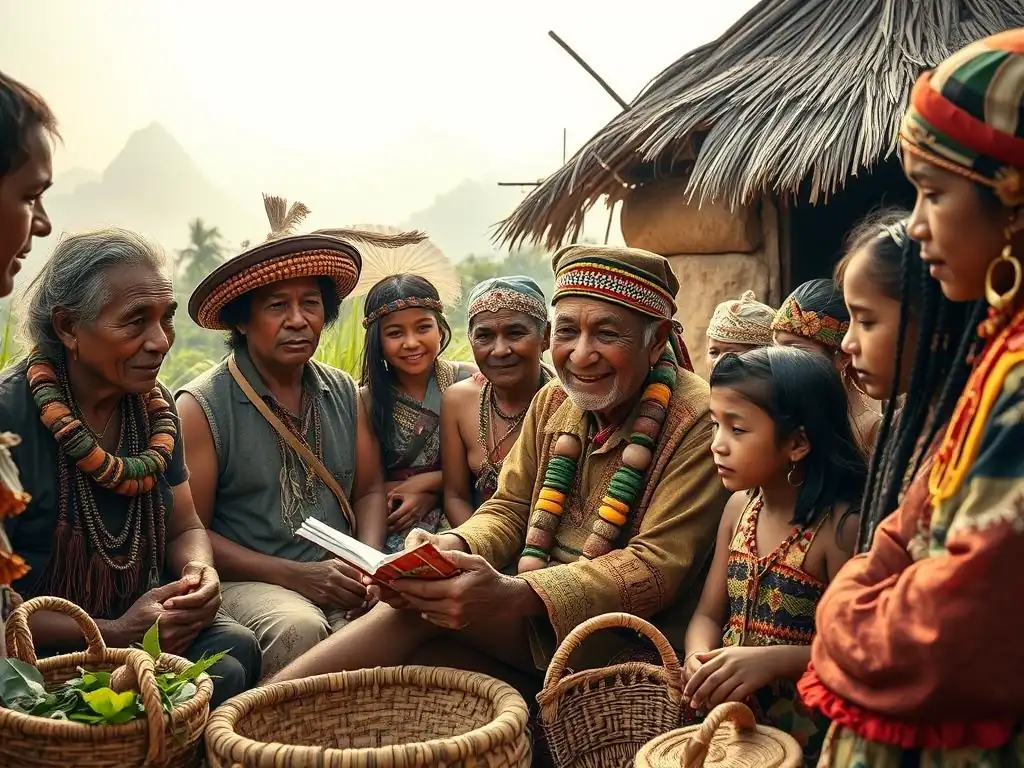
The phenomenon of syncretism—where two or more distinct cultural or religious traditions merge—has significantly influenced indigenous social structures in the Americas. This blending often arose in the wake of European colonization, leading to profound changes in the way communities organized themselves, interacted, and practiced their beliefs. Understanding the impact of syncretism on indigenous social structures is crucial for appreciating the resilience and adaptability of these cultures in the face of colonial challenges.
Syncretism has led to notable shifts in the traditional social hierarchies of various indigenous groups. As European religions and customs intermingled with indigenous practices, the roles and statuses of different community members began to evolve.
- Emergence of New Leadership Roles: Many indigenous communities saw the rise of leaders who could navigate both indigenous and European systems. These individuals often acted as intermediaries, facilitating communication and trade between colonial authorities and their communities. This shift sometimes elevated their status, creating a new layer within existing social hierarchies.
- Redefinition of Spiritual Authority: The introduction of Christianity and other European belief systems often challenged traditional religious leaders. However, some communities adapted by syncretizing their practices, allowing traditional spiritual leaders to incorporate new elements into their rituals. This blending sometimes resulted in a dual authority system, where both indigenous and European spiritual leaders held sway.
- Inclusion and Exclusion: Syncretism also affected who was included in social structures. For instance, individuals who converted to Christianity might have been granted higher status in some communities, while others who resisted colonial influences could be marginalized. This dynamic created a complex web of relationships that reflected both traditional values and new realities.
Influence on Community Relationships and Interactions
The interplay of different cultures through syncretism significantly shaped community relationships and interactions. As indigenous groups encountered colonial forces, the resulting fusion of traditions altered the way communities engaged with one another.
- Intercommunity Alliances: In many cases, syncretism prompted indigenous groups to form alliances based on shared beliefs and practices. This was particularly evident in regions where multiple indigenous groups faced similar colonial pressures. These alliances often strengthened social ties and facilitated collective resistance against external threats.
- Cultural Exchange and Adaptation: Communities began to adopt elements from one another, leading to a rich tapestry of cultural expressions. For example, shared rituals that blended indigenous and European elements fostered a sense of unity and community identity. This exchange also allowed for the preservation of certain indigenous practices that may have otherwise been lost.
- Negotiation of Identity: As syncretism progressed, individuals and communities navigated their identities in new ways. Some embraced a hybrid identity that acknowledged both their indigenous roots and the influences of colonization. This negotiation often led to a more complex understanding of belonging and community.
Transformation of Rituals and Ceremonies through Syncretism
Rituals and ceremonies are vital components of indigenous social structures, and syncretism has brought about significant transformations in these practices. The integration of new elements has not only enriched indigenous ceremonies but also altered their meanings and purposes.
- Hybrid Rituals: Many indigenous ceremonies began to incorporate Christian elements, such as prayers or hymns, alongside traditional practices. This hybridization allowed communities to maintain their cultural heritage while adapting to new religious landscapes. For instance, some groups celebrated harvest festivals that included both indigenous and Christian rituals, symbolizing a blend of agricultural and spiritual significance.
- Revitalization of Traditions: In response to colonial pressures, some communities revitalized their traditional rituals by integrating new elements. This approach not only preserved indigenous practices but also made them more relevant in a changing world. By embracing syncretism, these communities demonstrated resilience and adaptability.
- Cultural Continuity and Change: The transformation of rituals through syncretism highlights the dynamic nature of cultural practices. While some ceremonies may have lost their original meanings, others gained new significance as they evolved. This ongoing process illustrates how indigenous communities have navigated the complexities of colonization, ensuring the survival and relevance of their cultural expressions.
The impact of syncretism on indigenous social structures is a testament to the resilience and adaptability of these cultures in the face of external challenges. By examining the changes in social hierarchies, community relationships, and rituals, we gain valuable insights into the profound ways in which indigenous peoples have navigated their identities and maintained their cultural heritage.
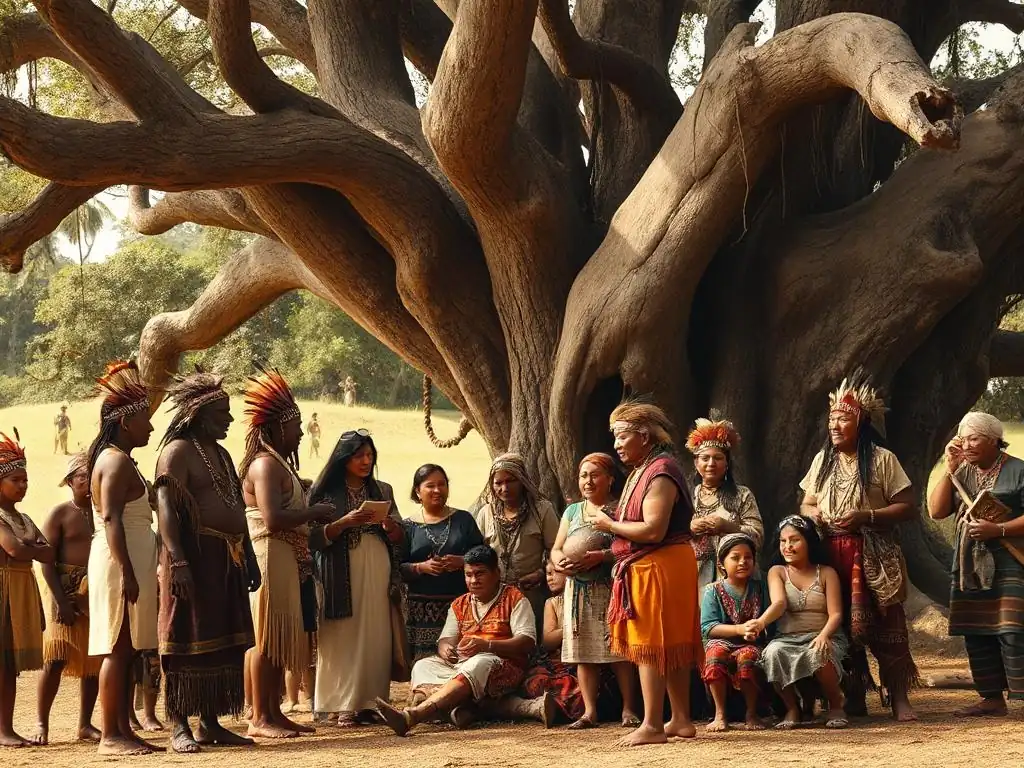
Case Study 1: The Guarani People and Their Syncretic Practices
The Guarani people, native to regions of Paraguay, Brazil, and Argentina, offer a fascinating insight into how syncretism has shaped their social structures. When European colonizers arrived, they encountered a complex society rich in spiritual beliefs and practices. The Guarani had a deep-rooted connection to nature and the spiritual world, which was reflected in their mythology and rituals.
Key Characteristics of Guarani Syncretism:
- Integration of Catholicism: After the arrival of Spanish missionaries, the Guarani began to incorporate Catholic symbols and practices into their traditional beliefs. This resulted in a unique blend that maintained traditional spiritual elements while adopting aspects of Christianity.
- Cultural Festivals: Festivals such as the Tekohá celebrate both Guarani traditions and Christian beliefs, showcasing how syncretism has created a new cultural identity.
- Language and Storytelling: The Guarani language has also absorbed many Spanish words and phrases, enriching their oral traditions and storytelling, which serve as critical components of their social structure.
This syncretic fusion allowed the Guarani to preserve their identity while adapting to the influences of European colonization, demonstrating resilience in their social fabric.
The Navajo Nation, primarily located in the Southwestern United States, presents another compelling example of how syncretism has influenced indigenous social structures. The Navajo have historically been known for their complex kinship systems and spiritual practices. The introduction of Western religions and practices during the colonization period led to significant adaptations within their society.
Notable Aspects of Navajo Syncretism:
- Healing Practices: The Navajo have integrated elements of Christianity into their traditional healing ceremonies. This has resulted in a dual approach to health, where both traditional and Western medical practices coexist.
- Artistic Expression: The fusion of traditional Navajo art with Christian iconography can be seen in various forms of art, including weaving and pottery, reflecting a blend of cultural narratives.
- Community Gatherings: Events like the Navajo Nation Fair now include both traditional ceremonies and modern attractions, showcasing how the community has embraced syncretism while fostering unity.
The adaptability of the Navajo Nation in the face of external influences highlights the dynamic nature of indigenous social structures and their capacity for change.
Comparative Analysis of Syncretism Across Different Indigenous Cultures
Examining the cases of the Guarani and Navajo peoples reveals both unique and shared aspects of syncretism in indigenous social structures across the Americas.
Similarities:
- Cultural Resilience: Both cultures exemplify resilience, maintaining core aspects of their identities while integrating external influences.
- Spiritual Practices: The blending of traditional spiritual practices with new religious elements is a common theme, facilitating a form of cultural continuity amidst change.
Differences:
| Aspect | Guarani People | Navajo Nation |
|---|---|---|
| Primary Influence | Spanish Catholicism | Christianity and Western Practices |
| Expression of Syncretism | Festivals and language integration | Healing practices and artistic expression |
| Social Structures | Kinship ties strengthened through cultural festivals | Community gatherings that incorporate modern elements |
Through these comparisons, it is evident that while syncretism manifests differently across cultures, the underlying principles of adaptation and resilience remain constant. This dynamic interplay between indigenous social structures and external influences continues to shape the identities of indigenous peoples across the Americas, reflecting the ongoing impact of syncretism in a postcolonial context.
Modern Implications of Historical Syncretism
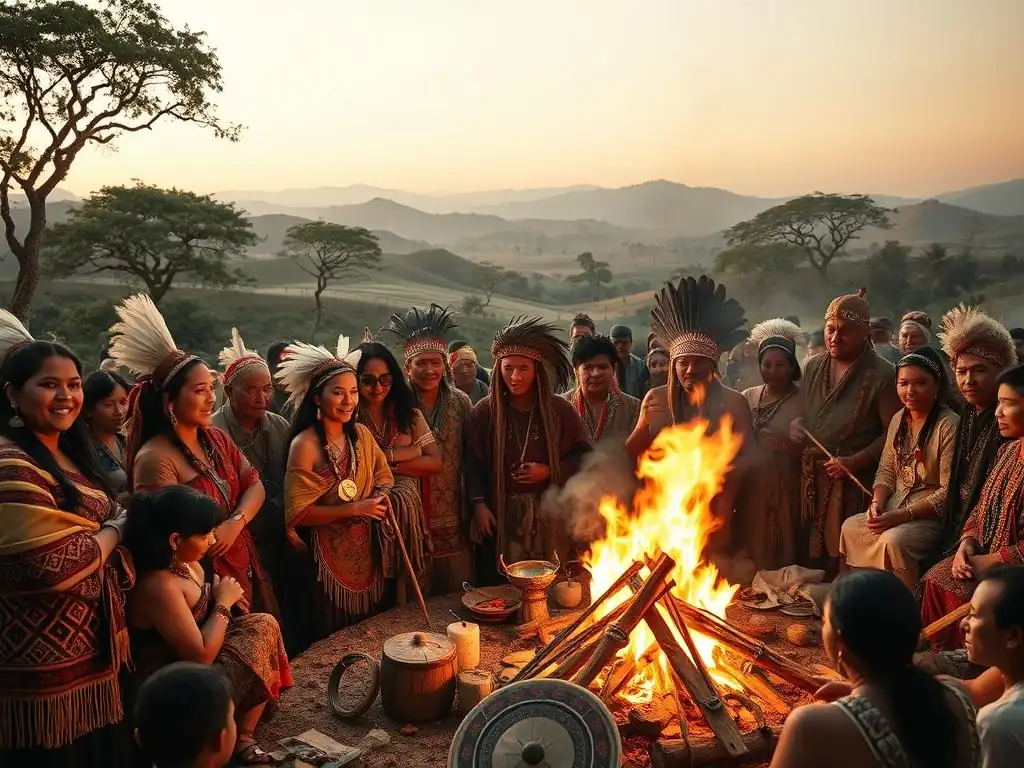
Syncretism, the blending of different beliefs and practices, has had profound implications for contemporary Indigenous social structures. Historically, Indigenous communities encountered various external influences, particularly during European colonization, which prompted adaptations and integrations of new cultural elements into their existing frameworks. This historical syncretism is not merely a relic of the past; it continues to shape the socio-cultural dynamics within Indigenous communities today.
For instance, many Indigenous groups have incorporated elements of Christianity while retaining their traditional beliefs, leading to unique hybrid practices. In ceremonies, one might observe the integration of traditional songs with Christian hymns or the use of sacred symbols from both belief systems. This blending has created new forms of social cohesion, allowing community members to navigate their identity in a pluralistic society while honoring their heritage.
Moreover, the implications of historical syncretism extend to governance structures. Many contemporary Indigenous nations have adopted a bicultural approach in their political systems, marrying traditional governance methods with Western legal frameworks. This hybrid governance approach ensures that Indigenous voices are heard in a modern context while preserving their ancestral customs and practices.
Revitalization of Indigenous Identities and Traditions
In recent years, there has been a notable resurgence in the revitalization of Indigenous identities and traditions, largely as a response to the impacts of historical syncretism. This movement is characterized by a renewed interest in traditional languages, ceremonies, and cultural practices that had been suppressed or altered during colonization.
Many Indigenous communities are actively working to reclaim their cultural heritage through educational programs and community initiatives aimed at teaching younger generations about their ancestral practices. For example, language revitalization projects have emerged, where community members collaborate to teach and promote Indigenous languages that are at risk of extinction. This effort not only fosters cultural pride but also reinforces Indigenous social structures by strengthening community ties and shared identities.
Additionally, the revival of traditional practices plays a crucial role in healing and reconciliation. Ceremonies that blend traditional and contemporary elements, such as sweat lodges or round dances, often serve as spaces for communal healing, allowing individuals to process historical trauma while reinforcing their cultural identity. This revitalization effort is essential for maintaining the integrity of Indigenous social structures and fostering resilience in the face of ongoing challenges.
The interplay between tradition and modernity in Indigenous social structures is a delicate balance that communities strive to maintain. As globalization and modernization continue to influence Indigenous societies, there is a constant negotiation between preserving traditional practices and adapting to contemporary realities.
One significant aspect of this balance is the adaptation of traditional governance systems in light of modern political frameworks. Many Indigenous nations have found ways to integrate traditional decision-making processes, such as consensus-building and communal participation, into contemporary governance. This approach not only respects historical practices but also ensures that the voices of community members are acknowledged in modern political contexts.
Moreover, the incorporation of technology has allowed Indigenous communities to share their narratives and cultural practices on a broader platform. Social media, for instance, has become a vital tool for cultural exchange and awareness, enabling Indigenous voices to reach wider audiences while simultaneously fostering a sense of community among members.
However, this balance is not without its challenges. The risk of cultural dilution in the face of modernization remains a concern for many Indigenous groups. To mitigate this, communities often engage in critical dialogues about what aspects of tradition should be preserved and how they can be adapted to fit contemporary life without losing their essence.
The role of syncretism in contemporary Indigenous social structures is multifaceted, influencing everything from cultural practices to governance. As Indigenous communities navigate the complexities of tradition and modernity, they continue to foster resilient identities that honor their heritage while embracing the future.
Challenges and Critiques of Syncretism in Indigenous Societies
Loss of Traditional Practices and Cultural Identity
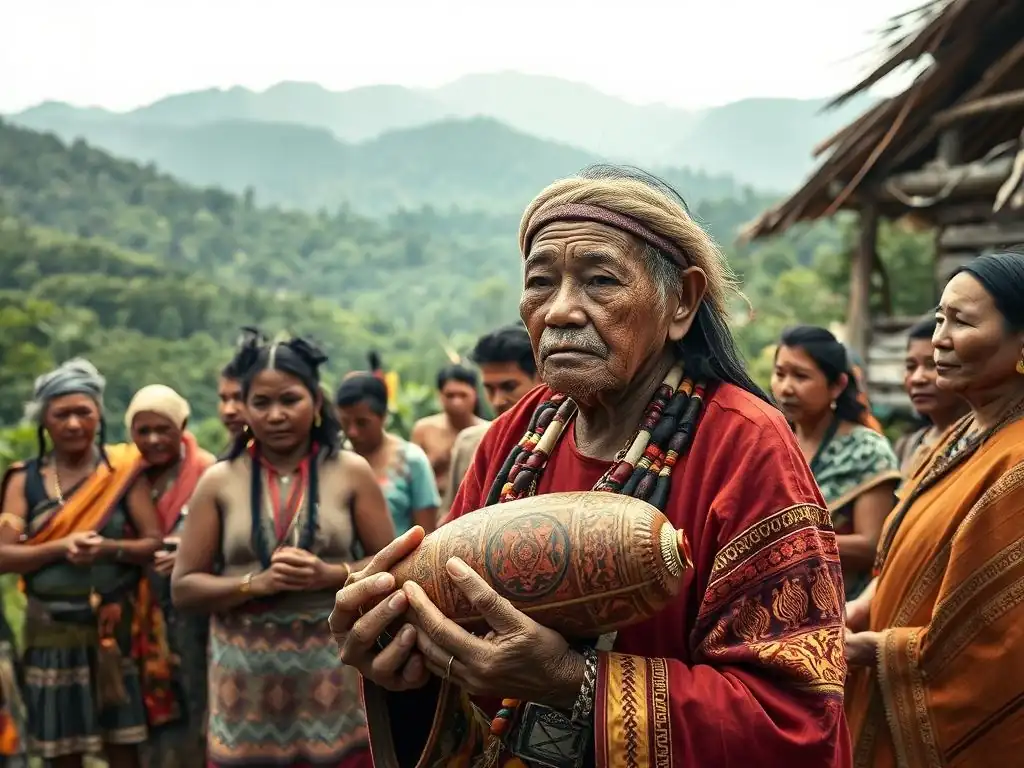
The process of syncretism in indigenous societies often leads to the blending of traditional beliefs and practices with those introduced by colonizers. While this fusion can create new cultural expressions, it frequently results in the erosion of traditional practices and a dilution of cultural identity. Many indigenous communities have reported that the adoption of foreign elements has overshadowed their ancestral customs, rituals, and languages.
For instance, in regions where Christianity was imposed, many indigenous ceremonies were replaced or modified to align with Christian beliefs, which can lead to a significant loss of traditional knowledge. This loss is not merely about practices; it extends to worldviews, community structures, and cultural narratives that define the identity of these groups. As younger generations increasingly embrace syncretic practices, the risk of losing connection to their heritage grows, raising concerns about the sustainability of their cultural identities.
The Duality of Syncretism: Assimilation vs. Resilience
Syncretism presents a complex duality in indigenous social structures, representing both assimilation and resilience. On one hand, the incorporation of foreign beliefs can lead to assimilation, where indigenous peoples may feel pressured to conform to dominant cultural norms. This phenomenon often diminishes their unique social structures and leads to a homogenization of culture, where indigenous identities become indistinguishable from the dominant society.
On the other hand, syncretism can also serve as a form of resilience. Indigenous groups have shown remarkable adaptability, creatively integrating new elements while maintaining core aspects of their identity. This resilience is evident in practices such as the incorporation of Christian symbols into traditional rituals, which allows communities to navigate the complexities of their social realities while preserving a sense of belonging and cultural continuity.
This duality raises important questions about the future of indigenous social structures. Are they moving towards greater homogenization, or are they finding innovative ways to retain their unique identities? The answer often depends on local contexts and the agency of indigenous peoples in shaping their cultural narratives amidst external influences.
Perspectives from Indigenous Leaders and Scholars
Indigenous leaders and scholars offer invaluable insights into the ongoing dialogue surrounding syncretism and its impact on indigenous social structures. Many emphasize the importance of community agency in navigating the challenges posed by syncretism. They argue that indigenous peoples should have the autonomy to define their cultural identities and choose which elements to incorporate into their practices.
Furthermore, some scholars advocate for a critical examination of syncretism, highlighting that it is not a monolithic process. The experiences of indigenous communities vary widely, and some have successfully harnessed syncretism as a tool for empowerment and cultural revitalization. For example, initiatives that blend traditional knowledge with modern educational practices can strengthen community ties and foster a sense of pride in heritage.
Indigenous leaders often call for greater recognition of traditional practices within contemporary contexts, asserting that preserving these elements is crucial for the survival of their cultures. They stress the need for intergenerational knowledge transfer and the role of storytelling in maintaining cultural continuity. By embracing their mixed heritage while honoring their past, indigenous communities can create a dynamic cultural identity that reflects both resilience and adaptability in the face of historical challenges.
As we reflect on the profound influence of syncretism on indigenous social structures, it becomes clear that the blending of cultures and beliefs has not only reshaped identities but also strengthened community bonds. The dynamic interactions between indigenous practices and introduced elements from European colonizers have fostered unique cultural expressions that continue to resonate today.
Reflection on the Evolution of Indigenous Cultures
The evolution of indigenous cultures in the Americas illustrates a complex tapestry woven from diverse threads of tradition and adaptation. Syncretism has played a pivotal role in this evolution, allowing communities to retain core aspects of their identity while integrating new beliefs and practices. For instance:
- Religious Practices: Many indigenous groups have seamlessly incorporated elements of Christianity into their traditional religions, creating hybrid belief systems that honor ancestral spirits while embracing new deities.
- Artistic Expression: The fusion of indigenous motifs with European artistic techniques has led to distinctive art forms that reflect both heritage and innovation. This can be seen in textiles, pottery, and visual arts that blend traditional designs with new influences.
- Social Structures: The intermingling of cultural practices has altered social hierarchies and community organization. For example, the adoption of European governance structures often coexisted with traditional leadership roles, leading to a dual system that still influences indigenous governance today.
These transformations highlight the resilience and adaptability of indigenous cultures, showcasing their ability to navigate and negotiate identities in a postcolonial context.
Future Directions for Research on Syncretism and Indigenous Societies
The study of indigenous social structures syncretism remains a vibrant field that invites further exploration. Future research could focus on several key areas:
- Longitudinal Studies: Investigating the long-term impacts of syncretism on indigenous communities can provide insights into how these societies have evolved over generations.
- Comparative Analyses: Comparing different regions and cultures can reveal diverse responses to syncretism, highlighting unique adaptations and innovations.
- Community-Driven Research: Engaging with indigenous voices through participatory research methods can enrich our understanding of how communities perceive and navigate their syncretic identities.
- Interdisciplinary Approaches: Collaborating across disciplines such as anthropology, sociology, and religious studies can yield a more holistic view of the complexities surrounding syncretism and its effects on social structures.
By embracing these avenues for inquiry, researchers can contribute to a deeper understanding of how syncretism continues to shape the lives of indigenous peoples in the Americas, ensuring that their narratives are not only preserved but celebrated in contemporary discourse.
Frequently Asked Questions
What is syncretism in the context of Indigenous cultures?
Syncretism refers to the blending of different religious, cultural, or social beliefs. In Indigenous cultures, it often involved the integration of European influences with traditional practices, shaping social structures.
European colonization significantly altered Indigenous social structures by imposing new governance systems and disrupting traditional practices. This led to the adaptation and transformation of existing social frameworks.
What are some examples of Indigenous achievements before colonization?
Before colonization, Indigenous civilizations developed advanced agricultural techniques, complex societies, and rich artistic traditions. Their achievements laid the groundwork for the diverse cultures that existed across the Americas.
How does the website explore the lasting impact of Indigenous cultures?
The website highlights the enduring legacies of Indigenous cultures, showcasing their contributions to modern society and emphasizing the importance of preserving cultural heritage amid ongoing challenges.
Studying Indigenous social structures and syncretism is crucial to understanding the rich tapestry of human history. It reveals how cultures adapt, survive, and interact, fostering a deeper appreciation for cultural diversity.
In a world that is increasingly interconnected, the theme of syncretism in Indigenous social structures resonates more than ever. The blending of diverse cultural practices and beliefs not only enriches communities but also fosters resilience in the face of modern challenges. As we navigate an era marked by globalization and cultural exchange, it is crucial to recognize how these syncretic practices can serve as a bridge, connecting us to our shared humanity while honoring the unique identities of Indigenous peoples.
The influence of syncretism on Indigenous social structures is profound and ongoing. It reflects a dynamic interplay between tradition and innovation, allowing communities to adapt while preserving their core values. This adaptability is essential in a rapidly changing world, where the preservation of cultural heritage is often threatened. As noted by cultural anthropologist Victor Turner, “Culture is not a static entity but a dynamic process of negotiation.” > This encapsulates the essence of syncretism, highlighting its role in shaping vibrant social landscapes that honor both the past and the present.
As we reflect on the lessons of syncretism, let us consider how we can apply these insights in our own lives. Embrace the diversity around you and seek to understand the rich tapestry of cultures that shape our world. Engage with different perspectives, learn from one another, and foster connections that transcend boundaries. By doing so, we not only honor Indigenous social structures but also contribute to a more inclusive and harmonious society. The future is bright when we choose to bridge worlds through understanding and respect.
Embrace Change: Connect, Learn, and Advocate!
Thank you for taking the time to explore how syncretism has shaped Indigenous social structures. Your curiosity about this vital aspect of history promotes understanding and appreciation for Indigenous cultures. Now, let's take meaningful steps together!
- Engage with Indigenous Voices: Attend local cultural events or workshops to deepen your understanding. The experiences and stories shared by Indigenous people offer profound insights.
- Share Your Knowledge: Initiate discussions with friends or family about what you've learned. Spreading awareness can inspire others to appreciate and support Indigenous heritage.
- Get Involved: Look for organizations dedicated to preserving Indigenous cultures and consider volunteering or making a donation to help them continue their invaluable work.
How can you integrate these teachings into your everyday life to foster a greater understanding of Indigenous communities?