
Exploring the Rich Tapestry of Mesoamerican Visual Arts: Techniques and Traditions

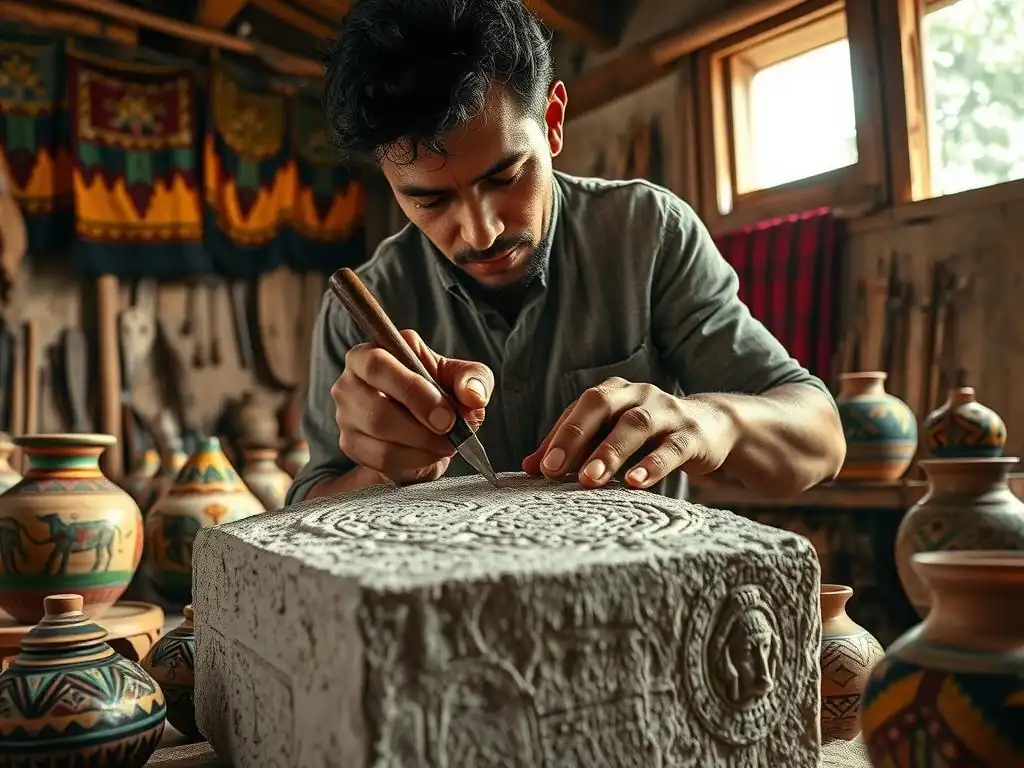
Welcome to "Indigenous Civilizations of the Americas"! Here, we invite you to embark on a fascinating journey through the vibrant tapestry of indigenous cultures that flourished across the Americas long before European arrival. Our spotlight today is on the Mesoamerican visual arts techniques, which reveal the ingenuity and creativity of these societies. From intricate pottery to breathtaking murals, the artistry of Mesoamerican civilizations tells stories of tradition, belief, and community that continue to resonate today. Dive deeper with us to uncover the techniques and rich heritage that shaped these remarkable cultures and discover how their legacies endure.
Introduction to Mesoamerican Visual Arts
The term Mesoamerican visual arts encompasses a rich and diverse array of artistic expressions that flourished among the indigenous cultures of Mesoamerica, long before the arrival of European colonizers. This article aims to delve into the intricate techniques and traditions that defined these visual arts, exploring how they reflect the values, beliefs, and achievements of the societies that produced them. From the majestic pyramids of the Maya to the vibrant murals of the Aztecs, the visual arts in this region serve not only as a means of aesthetic expression but also as powerful tools for communication and cultural preservation.
Mesoamerican visual arts techniques varied significantly across different cultures and time periods, yet they shared common threads in their use of symbolism, color, and form. Understanding these techniques requires a closer examination of the historical context and societal influences that shaped them, highlighting the profound impact of geography, religion, and social structure on artistic practices.
Definition and Importance of Mesoamerican Visual Arts
Mesoamerican visual arts refer to the artistic creations originating from civilizations such as the Olmec, Maya, and Aztec, among others. These artworks include sculptures, pottery, textiles, murals, and more, each embodying unique techniques and cultural significance.
The importance of Mesoamerican visual arts lies in their role as a cultural narrative, revealing insights into the beliefs, rituals, and daily life of these ancient societies. Through their art, Mesoamerican peoples expressed their cosmology, social hierarchies, and historical events, allowing us to trace the evolution of their cultures over centuries.
Overview of Mesoamerican Cultures and Their Art
Mesoamerican cultures were characterized by their complexity and diversity. Each civilization brought forth distinct artistic styles and practices, influenced by their specific environments and social structures. Here are some key cultures and their contributions to visual arts:
- Olmec: Often referred to as the "mother culture" of Mesoamerica, the Olmec are known for their colossal stone heads and intricate jade carvings.
- Maya: Renowned for their advanced knowledge of mathematics and astronomy, the Maya produced stunning murals, ceramics, and elaborate stone carvings, often depicting deities and historical events.
- Aztec: The Aztecs excelled in monumental architecture and vibrant sculpture, with a strong emphasis on ritual and sacrifice evident in their artistic outputs.
Each culture, while distinct, contributed to a shared artistic language that transcended regional boundaries, influencing subsequent generations of artists across Mesoamerica.
Historical Context of Mesoamerican Visual Arts
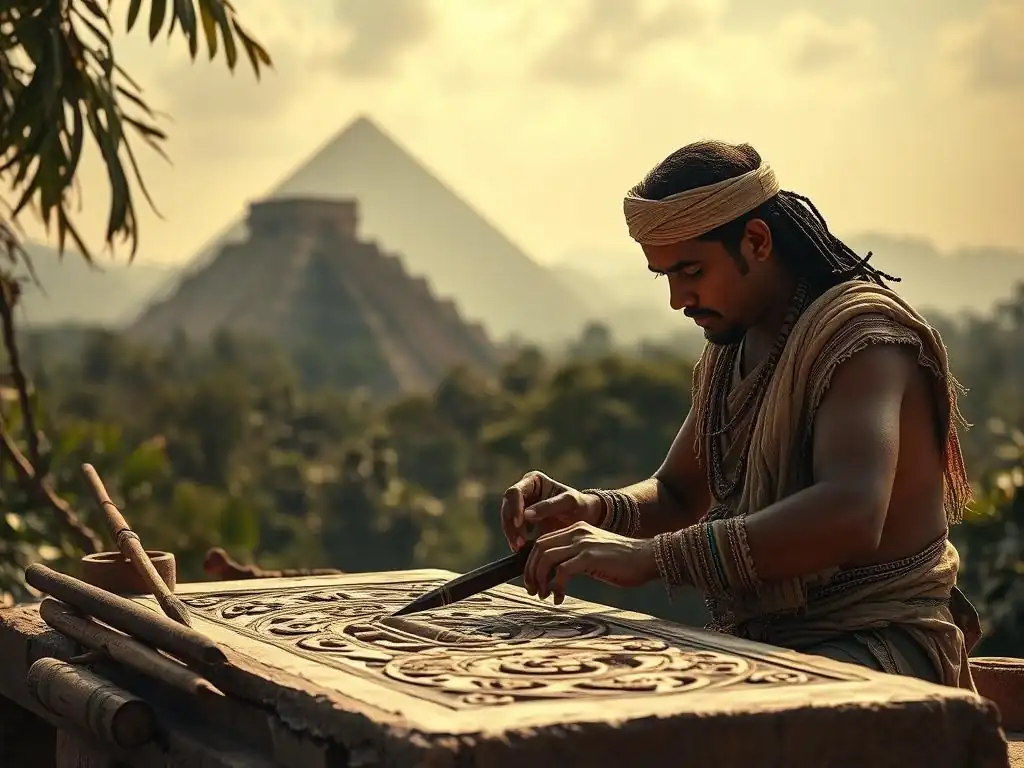
Understanding Mesoamerican visual arts requires an exploration of their historical context, notably how various factors influenced their development over time.
Timeline of Mesoamerican Art Development
The evolution of Mesoamerican art can be traced through several key periods:
- Preclassic Period (2000 BCE - 250 CE): The emergence of the Olmec civilization, known for their monumental sculptures.
- Classic Period (250 - 900 CE): The height of Maya civilization, marked by elaborate city-states and sophisticated artistic expressions.
- Postclassic Period (900 - 1521 CE): The rise of the Aztec Empire, characterized by grand temples and intricate artwork reflecting their cosmology.
This timeline highlights the dynamic nature of Mesoamerican art, which evolved in response to social, political, and environmental changes.
Influences of Geography and Society on Art Techniques
Geography played a crucial role in shaping Mesoamerican art techniques. The diverse landscapes, ranging from lush rainforests to arid deserts, provided various resources that influenced artistic materials and methods. For instance:
- Availability of Natural Pigments: The use of locally sourced pigments allowed artists to create vibrant murals and textiles.
- Access to Stone: Civilizations like the Maya utilized limestone and volcanic rock for their monumental sculptures, showcasing their engineering prowess.
Furthermore, societal factors such as religious beliefs and social hierarchy greatly influenced artistic expression. Art was often commissioned by elites or religious leaders, reflecting their power and the importance of spirituality in Mesoamerican life.
By exploring the various techniques and traditions inherent in Mesoamerican visual arts, we gain a deeper appreciation for the rich tapestry of cultures that thrived in these regions, their legacies, and their contributions to the broader narrative of human history.
Key Techniques in Mesoamerican Visual Arts
Mesoamerican visual arts are characterized by a variety of techniques that reflect the richness and diversity of the cultures that thrived in this region. The indigenous peoples of Mesoamerica developed unique artistic practices that were closely tied to their social, religious, and political contexts. These techniques encompassed a range of materials and methods, from pottery and textiles to sculpture and mural painting. The artistic expressions of these civilizations not only served aesthetic purposes but also conveyed significant cultural narratives and beliefs.
Pottery Techniques: Methods and Styles
Pottery was an essential aspect of Mesoamerican visual arts, with various techniques and styles that reflected the cultural identity of different civilizations. Indigenous artisans employed several methods in their pottery-making processes:
- Coiling: This technique involved rolling out clay into long strips, which were then coiled in a circular fashion to create the vessel shape. This method allowed for intricate designs and variations in size.
- Molding: Artisans often used molds to create standardized shapes, particularly for figurines and ceremonial vessels. This technique facilitated the mass production of pottery items.
- Surface Decoration: After forming, pottery was often decorated through painting, incising, or applying slip (a liquid mixture of clay and water). Common motifs included geometric patterns, animal forms, and mythological figures that held cultural significance.
The styles varied significantly across regions, with notable examples including the black-on-black pottery of the Pueblo cultures and the elaborate polychrome wares of the Maya.
Textiles and Weaving: Cultural Significance and Techniques
Textiles played a crucial role in Mesoamerican cultures, serving both practical and ceremonial purposes. The techniques employed in weaving and textile production were sophisticated and varied:
- Backstrap Loom Weaving: This traditional method involved the use of a simple loom anchored by the weaver's back, allowing for intricate patterns and designs that were unique to specific cultures. The woven textiles often featured vibrant colors and symbolic motifs.
- Dyeing Techniques: Natural dyes derived from plants, insects, and minerals were used to achieve a wide range of colors. The choice of colors and patterns often held cultural significance, reflecting social status or community identity.
- Embroidered Textiles: In addition to weaving, embroidery was a prevalent technique, particularly in ceremonial garments. These textiles told stories through their designs, often depicting deities, animals, and other culturally important symbols.
Textiles were not only functional but also served as important markers of identity and status within Mesoamerican societies.
Sculpture Techniques: Materials and Processes
Sculpture in Mesoamerica was a prominent form of artistic expression, with techniques that varied based on the materials available and the intended purpose of the artwork. Key aspects of Mesoamerican sculpture included:
- Stone Carving: Many civilizations, such as the Olmec and Maya, excelled in carving stone, particularly basalt and limestone. The use of chisels and hammers allowed artisans to create intricate and life-sized representations of deities, rulers, and mythological creatures.
- Clay Sculpture: Clay was also commonly used, allowing for more flexible and rapid production. Figurines and ceremonial masks were often fashioned from clay, showcasing detailed craftsmanship and expressive facial features.
- Assemblage Techniques: In some cultures, multiple materials were combined in a single sculpture. For example, the use of jade, obsidian, and shell in additions to stone and clay created visually stunning and culturally significant artifacts.
Mesoamerican sculpture often held religious or political significance, serving as a medium for honoring ancestors, deities, and community leaders.
Mural Painting: Techniques and Iconography
Mural painting was a vital artistic practice in Mesoamerica, enriching public spaces and sacred sites with vibrant imagery. The techniques used in mural painting included:
- Fresco Technique: Artists often employed the fresco technique, where pigments were applied to wet plaster. This method allowed for the creation of long-lasting murals with bright colors and detailed imagery.
- Iconographic Elements: Mesoamerican murals frequently featured complex iconography, depicting gods, rituals, and historical events. Common symbols included the jaguar, serpent, and maize, each carrying deep cultural meanings.
- Layering Techniques: Artists often layered pigments to create depth and texture in their murals, enhancing the visual impact of the scenes portrayed.
Mural painting served not only as decoration but also as a narrative medium, providing insight into the beliefs and histories of Mesoamerican civilizations.
Jewelry and Metalwork: Craftsmanship and Techniques
Jewelry and metalwork in Mesoamerica showcased the skill of artisans and the cultural values of their societies. The techniques involved in creating these artifacts were sophisticated:
- Lost-Wax Casting: This method was frequently used to create intricate metal objects. Artisans would craft a model in wax, encase it in clay, and then heat it, allowing the wax to melt away and the molten metal to fill the cavity.
- Inlay Techniques: Precious stones, such as turquoise and jade, were often inlaid into metalwork, creating stunning decorative pieces that were both aesthetically pleasing and culturally significant.
- Filigree and Granulation: Fine threads of metal were manipulated into delicate designs, showcasing the incredible craftsmanship of Mesoamerican jewelers. These techniques produced intricate jewelry that often held symbolic meaning.
Jewelry served various functions, from adornment to ritual offerings, reflecting the identity and status of the wearer.
Traditions in Mesoamerican Visual Arts
Traditions in Mesoamerican visual arts are deeply intertwined with the cultural and spiritual beliefs of the indigenous peoples. The visual arts served as a medium for expressing identity, community values, and cosmological understandings.
Ritual and Ceremonial Art: Purpose and Function
Ritual and ceremonial art played a pivotal role in Mesoamerican cultures, often aimed at appeasing deities or marking significant life events. These artworks were designed with specific purposes in mind:
- Offerings: Many artistic creations were intended as offerings to the gods, often made from materials such as food, flowers, and crafted items, including pottery and figurines.
- Ritual Spaces: The design of temples and sacred spaces featured elaborate murals and sculptures that conveyed religious narratives. These artworks created an immersive environment for ritual practices.
- Life Cycle Events: Artworks also celebrated important life events, such as birth, marriage, and death. Specific symbols and motifs were used to honor these transitions, reinforcing communal ties.
The integration of art into rituals and ceremonies underscored its significance in maintaining the social fabric of Mesoamerican societies.
Use of Color and Symbolism in Mesoamerican Art
Color and symbolism were integral to Mesoamerican visual arts, with each hue and design element carrying specific meanings:
- Color Symbolism: Different colors were associated with various aspects of life, nature, and spirituality. For instance, red often symbolized life and fertility, while blue represented the sky and water, crucial elements in agricultural societies.
- Symbolic Motifs: Common motifs in Mesoamerican art included the serpent, jaguar, and various plant forms, each with distinct meanings related to mythology, agricultural cycles, and societal values.
- Integration of Color and Form: The combination of color and form in artworks created layered meanings, allowing viewers to engage with the cultural narratives embedded in the art.
This intricate use of color and symbolism allowed Mesoamerican artists to convey complex ideas and emotions effectively.
The Role of Mythology and Religion in Artistic Expression
Mythology and religion were central to the artistic expression of Mesoamerican cultures, influencing the themes, subjects, and styles of their visual arts:
- Deity Representation: Many artworks depicted gods and goddesses, illustrating their powers and attributes. This representation served both a devotional purpose and a means to communicate religious beliefs to the community.
- Narratives in Art: Artworks frequently illustrated mythological narratives, such as creation stories and cosmic battles, providing insight into the worldview of Mesoamerican societies.
- Cultural Identity: The intertwining of mythology and art helped reinforce cultural identity, allowing communities to express their beliefs, values, and histories through visual means.
The profound impact of mythology and religion on Mesoamerican visual arts underscores the importance of these elements in understanding the cultures that produced them.
Notable Mesoamerican Visual Arts Cultures
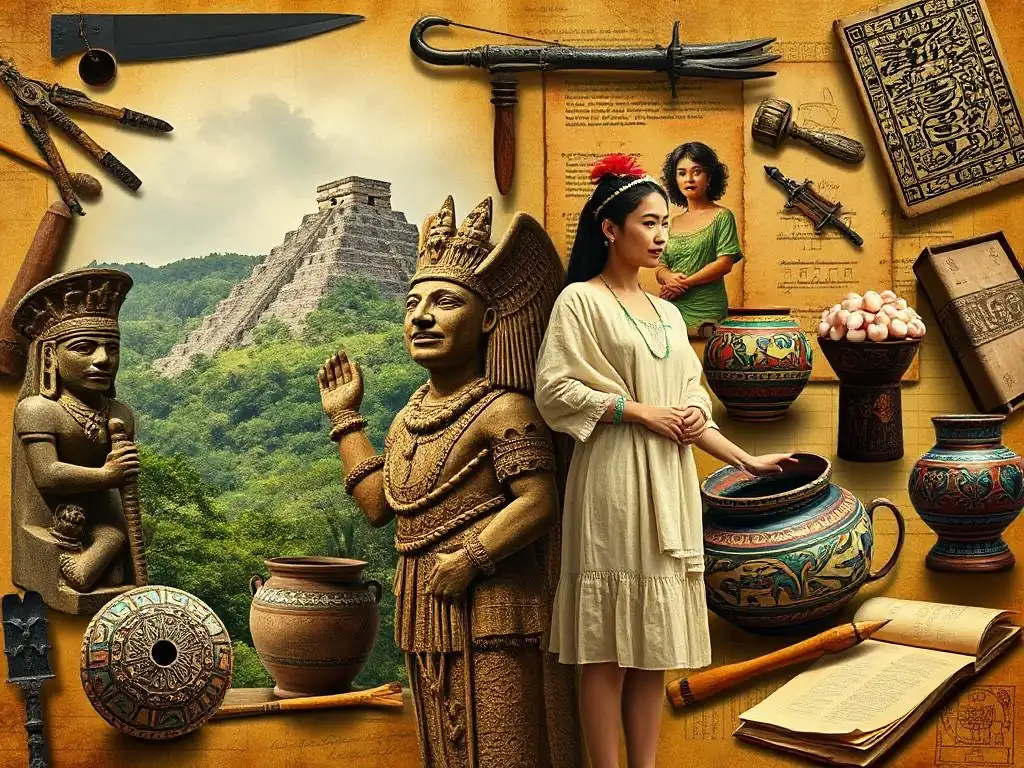
Mesoamerica, a region that encompasses modern-day Mexico, Guatemala, Belize, and parts of Honduras and El Salvador, is renowned for its rich and diverse indigenous cultures that significantly contributed to the visual arts. The artistic traditions of this area were not only aesthetic but also deeply intertwined with the spiritual, political, and social dimensions of life.
Among the most prominent cultures that shaped Mesoamerican visual arts are the Olmec, Maya, and Aztec, each contributing unique techniques and styles that still resonate today. Understanding these cultures provides valuable insights into the complexities of their artistic expressions and the legacies they left behind.
The Olmec: Pioneers of Mesoamerican Art Techniques
The Olmec civilization, often regarded as the "mother culture" of Mesoamerica, flourished from approximately 1400 to 400 BCE primarily in the Gulf Coast region of Mexico. They are credited with pioneering several artistic techniques that would later influence other Mesoamerican societies.
One of the most notable contributions of the Olmec was the creation of colossal stone heads, which were meticulously carved from basalt. These heads, often weighing several tons, are believed to represent rulers or important figures, showcasing the Olmec's advanced stone-carving techniques. Additionally, the Olmec mastered the art of jade carving, producing intricate objects such as masks, figurines, and jewelry that held significant ceremonial value.
The Olmec also developed early forms of iconography and glyphs, laying the groundwork for later writing systems. Their artistic expressions, characterized by a blend of naturalism and stylization, highlighted their deep connection to the spiritual world, emphasizing the importance of ritual and mythology in their culture.
The Maya: Innovations in Art and Architecture
The Maya civilization, which thrived from around 2000 BCE to the arrival of Europeans in the 16th century, is renowned for its remarkable advancements in art and architecture. Their visual arts encompassed a wide range of mediums, including painting, sculpture, pottery, and textiles, reflecting their sophisticated understanding of aesthetics and symbolism.
Maya artists were particularly skilled in mural painting, with vibrant frescoes adorning the walls of temples and palaces. These murals often depicted historical events, religious rituals, and mythology, serving as visual narratives that conveyed the society's values and beliefs. The use of vivid colors and intricate details showcases their mastery of pigment and composition.
In architecture, the Maya are celebrated for their grand pyramids and ceremonial centers, such as Tikal and Palenque. These structures were not only functional but also served as canvases for intricate carvings and reliefs, showcasing the Maya’s ability to integrate artistic expression with architectural design.
Additionally, the Maya developed advanced techniques in pottery, creating beautifully decorated vessels that were often used in rituals and daily life. Their unique styles and innovations in craftsmanship continue to influence contemporary art and design.
The Aztec: Artistic Techniques and Cultural Legacy
Emerging in the 14th century, the Aztec civilization made significant contributions to Mesoamerican visual arts, characterized by their unique stylistic elements and techniques. The Aztecs were known for their intricate stone carvings, often depicting deities, warriors, and mythological scenes. One of their most famous artistic achievements is the Sun Stone, an intricate calendar stone that embodies their cosmological beliefs and artistic prowess.
The Aztec also excelled in featherwork, a technique that involved the meticulous arrangement of feathers to create vibrant headdresses, cloaks, and other ceremonial items. This art form highlights the Aztec's connection to nature and their reverence for the natural world, as feathers were often sourced from exotic birds.
In addition to their sculptural and textile arts, the Aztecs produced detailed codices—painted manuscripts that recorded history, mythology, and rituals. These codices are invaluable for understanding Aztec culture and provide insights into their artistic techniques and traditions.
The legacy of Aztec art continues to be felt today, influencing modern interpretations and representations of indigenous heritage.
Other Indigenous Cultures and Their Contributions to Visual Arts
While the Olmec, Maya, and Aztec civilizations are among the most notable in Mesoamerican visual arts, other indigenous cultures also made remarkable contributions. The Totonac civilization, for example, is known for its intricate pottery and sculptures, while the Zapotecs developed unique architectural styles, particularly in the ancient city of Monte Albán.
The Mixtec culture is also significant, especially for its detailed codices and jewelry. Their artistry often reflected a blend of influences from neighboring cultures, showcasing the interconnectedness of Mesoamerican societies.
Furthermore, the cultures of Central America, such as the Purepecha, contributed to the region’s rich tapestry of visual arts through their metalwork and textiles. The diversity of techniques and styles across these cultures underscores the complexity and richness of Mesoamerican visual arts.
The Impact of Mesoamerican Visual Arts on Modern Art
The influence of Mesoamerican visual arts extends far beyond their historical contexts, leaving a lasting impact on modern art. Artists today draw inspiration from the rich cultural heritage, techniques, and symbols of Mesoamerican civilizations, incorporating elements into contemporary practices.
Influence on Contemporary Artists and Movements
Contemporary artists continue to explore and reinterpret Mesoamerican visual arts, often seeking to honor indigenous traditions while addressing modern themes. Many artists, such as Oswaldo Guayasamín and Rufino Tamayo, have integrated Mesoamerican motifs, colors, and techniques into their works, bridging the past with the present.
Movements such as Chicano art and indigenous art in the Americas frequently reference Mesoamerican heritage, using visual arts as a medium for social and political commentary. These artists highlight issues such as identity, colonization, and cultural preservation, drawing on the rich symbolism and practices of their ancestors.
The resurgence of interest in indigenous art and culture has led to a broader recognition of the importance of Mesoamerican visual arts in contemporary discourse, influencing various artistic expressions from painting and sculpture to performance art.
Preservation of Techniques and Traditions in Modern Context
As awareness of the significance of Mesoamerican visual arts grows, efforts to preserve traditional techniques and practices have become increasingly vital. Artists and cultural organizations are working to revive ancient methods, such as traditional pottery, weaving, and mural painting, ensuring that these skills are passed down to future generations.
Workshops and educational programs focused on Mesoamerican art techniques are being implemented in various communities, encouraging both indigenous and non-indigenous individuals to engage with these ancient practices. This preservation not only fosters a deeper understanding of Mesoamerican heritage but also promotes cultural pride and identity.
Moreover, the integration of Mesoamerican visual arts into modern exhibitions and galleries has provided a platform for indigenous artists to showcase their work, fostering dialogue and appreciation for the complexities of their cultural histories. This dynamic interplay between ancient traditions and contemporary practices continues to enrich the global art landscape.
Conclusion: The Enduring Legacy of Mesoamerican Visual Arts Techniques
Mesoamerican visual arts techniques are a testament to the rich cultural heritage and creativity of the indigenous civilizations that thrived in the region. This legacy continues to influence contemporary art and culture, showcasing the ingenuity and adaptability of these ancient societies. The diverse practices, materials, and expressions found in Mesoamerican art not only reflect the beliefs and values of the time but also serve as a bridge connecting modern audiences with the past.
The intricate craftsmanship observed in techniques such as pottery, mural painting, and textile weaving highlights the skill and dedication of Mesoamerican artisans. These practices were not merely aesthetic; they were deeply intertwined with social, religious, and political life, reflecting the complexities of the societies that produced them. As we explore these techniques, we gain insights into the daily lives, cosmologies, and histories of the peoples who inhabited this vibrant region.
Summary of Key Techniques and Traditions
The exploration of Mesoamerican visual arts reveals several key techniques and traditions that defined the artistic landscape of the region. Some notable practices include:
- Ceramics and Pottery: Mesoamerican cultures, such as the Maya and Aztecs, excelled in creating functional and decorative pottery. Techniques like slip decoration and the use of intricate molds allowed for a variety of forms and designs that often held symbolic meanings.
- Mural Painting: Vibrant murals adorned the walls of temples and public spaces, depicting mythological scenes, historical events, and daily life. The use of natural pigments and the fresco technique enabled artists to achieve stunning visual narratives that conveyed their cultural stories.
- Textile Weaving: Weaving was not only a practical skill but also an art form. The use of backstrap looms allowed artisans to create elaborate textiles, often featuring intricate patterns and motifs that held cultural significance.
- Sculpture and Stone Carving: From monumental architecture to small figurines, stone carving was a prominent technique. Artists utilized tools made of obsidian and jade to create detailed sculptures that depicted deities, ancestors, and important cultural symbols.
These techniques not only showcase the artistic capabilities of Mesoamerican civilizations but also serve as a reflection of their social structures and spiritual beliefs.
The Importance of Understanding Mesoamerican Visual Arts Today
Understanding Mesoamerican visual arts is crucial for several reasons. Firstly, it provides insight into the sophisticated societies that existed long before European colonization, highlighting their contributions to art, science, and philosophy. By studying these techniques, we acknowledge the complexity and richness of indigenous cultures, countering narratives that often overlook their achievements.
Moreover, the lessons gleaned from Mesoamerican visual arts can inspire contemporary artists and designers. The innovative techniques and materials used by these ancient civilizations offer a wealth of knowledge that can influence modern practices, encouraging a dialogue between the past and present.
Lastly, preserving and promoting Mesoamerican visual arts fosters cultural appreciation and respect for indigenous heritage. As we strive to understand and celebrate these traditions, we honor the enduring legacy of the peoples who created them, ensuring that their stories and contributions continue to resonate in today's world.
- Introduction to Mesoamerican Visual Arts
- Definition and Importance of Mesoamerican Visual Arts
- Overview of Mesoamerican Cultures and Their Art
- Historical Context of Mesoamerican Visual Arts
- Key Techniques in Mesoamerican Visual Arts
- Traditions in Mesoamerican Visual Arts
- Notable Mesoamerican Visual Arts Cultures
- The Impact of Mesoamerican Visual Arts on Modern Art
- Conclusion: The Enduring Legacy of Mesoamerican Visual Arts Techniques
- What are Mesoamerican visual arts techniques?
- How did Mesoamerican civilizations influence modern art?
- What materials were commonly used in Mesoamerican visual arts?
- Can you name some prominent Mesoamerican cultures known for their visual arts?
- How do Mesoamerican visual arts techniques differ from those of other indigenous cultures?
Frequently Asked Questions
What are Mesoamerican visual arts techniques?
Mesoamerican visual arts techniques encompass various methods and styles used by indigenous cultures in the Americas, including painting, sculpture, and textile arts that reflect their unique histories and beliefs.
How did Mesoamerican civilizations influence modern art?
Mesoamerican civilizations have left a lasting impact on modern art through their innovative techniques and iconography, inspiring contemporary artists to integrate traditional motifs and styles into their work.
What materials were commonly used in Mesoamerican visual arts?
Artists in Mesoamerica utilized a range of natural materials, such as clay, stone, feathers, and plant fibers, which were integral to their artistic expressions and cultural practices.
Can you name some prominent Mesoamerican cultures known for their visual arts?
Notable cultures like the Maya, Aztec, and Olmec are recognized for their exceptional contributions to visual arts, each showcasing distinctive techniques and symbolism in their creations.
How do Mesoamerican visual arts techniques differ from those of other indigenous cultures?
Mesoamerican visual arts techniques are characterized by their complex symbolism, use of rituals, and a focus on mythology, setting them apart from other indigenous cultures that may emphasize different themes or materials.
Final Reflection: Embracing the Legacy of Mesoamerican Visual Arts Techniques
The exploration of Mesoamerican visual arts techniques is not merely an academic pursuit; it is a vital connection to the rich cultural heritage that continues to resonate today. As we delve into the intricate methods and traditions of ancient civilizations, we uncover a narrative that speaks to the enduring human spirit and creativity. The vibrant colors, unique materials, and symbolic meanings embedded in these artworks remind us of the profound ways in which art can communicate across time and space.
Mesoamerican visual arts have significantly shaped our understanding of cultural identity and expression. The techniques employed by these ancient artisans not only reflect their societal values but also influence contemporary artists and movements. As we witness a resurgence of interest in indigenous art forms, we are reminded of the words of the renowned artist Diego Rivera: The artist is the creator of beautiful things. To reveal art and conceal the artist is art's aim.
This sentiment underscores the importance of recognizing and celebrating the contributions of Mesoamerican artists, whose legacies continue to inspire and inform modern artistic practices.
As we conclude our journey through the vibrant tapestry of Mesoamerican visual arts, I invite you to reflect on how these techniques can enrich your own creative endeavors. Consider how the principles of craftsmanship, storytelling, and cultural significance found in these ancient practices can be woven into your life and work. Let the beauty and depth of Mesoamerican art inspire you to explore your own artistic voice and to honor the traditions that have shaped our world. Embrace the lessons of the past as you create a future that celebrates diversity, creativity, and connection.
Unveil the Beauty of Mesoamerican Art Today!
Thank you for diving into the fascinating world of Mesoamerican visual arts! We hope you’ve uncovered the rich techniques and traditions that shape this extraordinary cultural tapestry. Now, it’s time to take action and deepen your connection with these vibrant expressions.
Here are a few ways you can engage and explore further:
- Join a local art class focusing on techniques inspired by Mesoamerican traditions. Hands-on experience can ignite your creativity!
- Visit a museum or cultural center that features Mesoamerican art. Share your insights with friends or on social media to spark meaningful conversations.
- Create your own artwork inspired by Mesoamerican styles. Don’t hesitate to experiment and showcase your creations in our community forum!
What new perspective on Mesoamerican art will you share with those around you? Let’s inspire each other!