
Textiles as Heritage: Preserving Indigenous Clothing Traditions in a Modern World

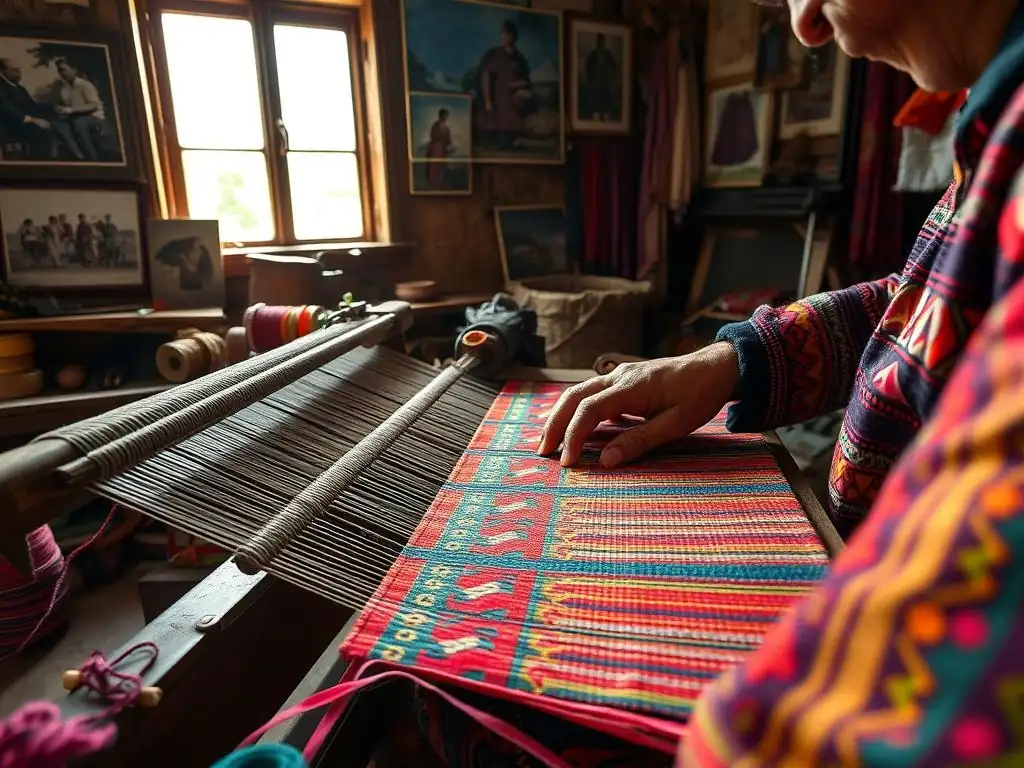
Welcome to Indigenous Civilizations of the Americas, where we invite you to journey through the rich tapestry of diverse cultures that flourished long before European contact. Today, we delve into the fascinating world of indigenous clothing traditions preservation, exploring how these vibrant textiles not only represent artistry but also serve as vital links to heritage and identity.
As we uncover the stories woven into each stitch, prepare to discover how these traditions endure and evolve in today's modern landscape. Join us as we celebrate the resilience and creativity of indigenous peoples, and find out how you can be a part of preserving this invaluable cultural legacy.
- Introduction to Indigenous Clothing Traditions Preservation
- Historical Context of Indigenous Clothing Traditions
- Current Challenges in Indigenous Clothing Traditions Preservation
- Strategies for Preserving Indigenous Clothing Traditions
- Case Studies of Successful Indigenous Clothing Traditions Preservation
- The Role of Technology in Indigenous Clothing Traditions Preservation
- Conclusion: The Future of Indigenous Clothing Traditions Preservation
- Frequently Asked Questions
- Final Reflection: Embracing Heritage through Indigenous Clothing Traditions Preservation
- Embrace and Preserve Indigenous Heritage Today!
Introduction to Indigenous Clothing Traditions Preservation
The preservation of indigenous clothing traditions is a vital aspect of maintaining the rich cultural heritage of the diverse indigenous peoples of the Americas. These traditions, which encompass a wide variety of materials, techniques, and designs, not only serve practical purposes but also carry profound cultural significance. As modern influences increasingly permeate traditional ways of life, the challenge of preserving these unique clothing practices becomes ever more pressing.
This article aims to explore the importance of textiles in indigenous cultures and provide an overview of the indigenous clothing traditions that have developed across the Americas. Through this exploration, we will highlight the ongoing efforts to safeguard these traditions, ensuring that they continue to thrive in a modern world while honoring their historical roots.
Importance of Textiles in Indigenous Cultures
Textiles have long been a fundamental component of indigenous cultures, serving as a medium for storytelling, identity, and community cohesion. The intricate designs and patterns found in indigenous clothing often reflect the beliefs, values, and environmental contexts of each community.
- Cultural Significance: Clothing is more than just a means of protection against the elements; it is a canvas for cultural expression. Many garments feature symbols that represent lineage, spiritual beliefs, and social status.
- Craftsmanship and Techniques: Traditional textile-making techniques, such as weaving, embroidery, and dyeing, have been passed down through generations. These skills not only demonstrate the creativity and resourcefulness of indigenous peoples but also foster a sense of pride and continuity within communities.
- Ritual and Ceremony: In many indigenous cultures, clothing plays a crucial role in rituals and ceremonies, marking significant life events such as births, marriages, and funerals. The garments worn during these occasions often carry deep spiritual connotations and are imbued with blessings from elders or ancestors.
Overview of Indigenous Clothing Traditions in the Americas
Indigenous clothing traditions across the Americas are as diverse as the cultures themselves. Each region boasts distinct styles, materials, and techniques, shaped by the local environment, available resources, and cultural influences.
North America
- Navajo Textiles: Known for their intricate patterns and vibrant colors, Navajo textiles have become synonymous with indigenous craftsmanship. The art of weaving, particularly with wool, is a revered tradition that continues to thrive today.
- Plains Indigenous Peoples: Clothing in this region often features the use of animal hides and is adorned with beads and quillwork. These garments are not only functional but also serve as markers of identity and heritage.
Central America
- Maya Weaving: The Maya civilization is renowned for its complex weaving techniques, which produce stunning huipils (traditional blouses) and otros textiles. The designs often carry historical and mythological meanings, reflecting the rich tapestry of Maya culture.
South America
- Andean Textiles: In the Andes, textiles are integral to daily life and cultural expression. Techniques such as backstrap weaving produce vibrant, intricate patterns that tell stories of the people and their connection to the land.
Through understanding and appreciating these diverse clothing traditions, we can better recognize the importance of their preservation in a rapidly changing world. As we delve deeper into the strategies and initiatives aimed at safeguarding these heritage practices, it becomes clear that indigenous clothing traditions are not merely relics of the past but living expressions of culture that deserve continued support and recognition.
Historical Context of Indigenous Clothing Traditions
Origin and Significance of Textiles in Indigenous Societies
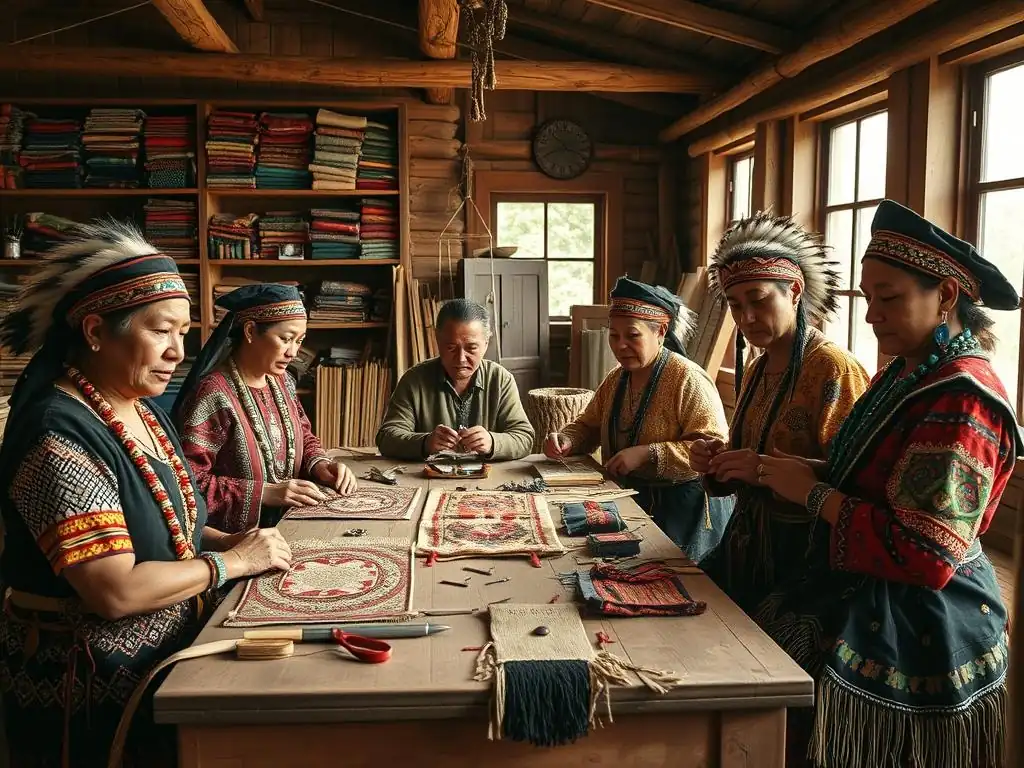
Indigenous clothing traditions are deeply rooted in the history and culture of various communities across the Americas. Textiles served not only as functional garments but also as essential markers of identity, social status, and cultural beliefs. The origins of these textiles can be traced back thousands of years, with early inhabitants utilizing natural materials such as animal hides, plant fibers, and dyes derived from local flora.
Textiles played a significant role in many indigenous societies, symbolizing not only practical needs but also spiritual connections. 🧵 For instance, the Navajo people are renowned for their weaving traditions, which are imbued with symbolism representing harmony and balance. Their iconic rugs often depict elements of nature and cultural stories, serving as both decorative and functional pieces.
Moreover, many indigenous groups used clothing as a canvas to express their cultural narratives. The Huichol of Mexico, for example, incorporate intricate beading and embroidery into their garments, each pattern narrating stories of their ancestors and spiritual beliefs. These textiles are more than clothing; they are a vital part of their cultural heritage, reflecting the identity and history of the community.
Evolution of Indigenous Clothing Over Time
The evolution of indigenous clothing traditions is a testament to the resilience and adaptability of these cultures in the face of changing environmental and social landscapes. As societies evolved, so too did their methods of textile production and the styles of clothing they created.
In the pre-colonial era, indigenous peoples developed sophisticated techniques for garment-making. This included weaving, sewing, and dyeing, which were often passed down through generations. For example:
- The Andean communities mastered the use of alpaca and llama fibers, creating garments suited to the high-altitude climate.
- The Plains tribes, such as the Lakota and Cheyenne, created clothing from buffalo hides, employing techniques that maximized the utility and durability of their garments.
With the arrival of European colonizers, indigenous clothing traditions faced significant challenges. The introduction of new materials and technologies altered traditional practices, while colonial policies often sought to suppress indigenous identities. However, many communities adapted by integrating new techniques and materials with their traditional practices.
In contemporary times, there is a resurgence of interest in indigenous clothing traditions preservation. Many indigenous artisans are reclaiming and revitalizing their textile practices, ensuring that the cultural significance of these garments is not lost. This movement not only honors their heritage but also educates others about the importance of these traditions in maintaining cultural identity and continuity.
As indigenous clothing traditions continue to evolve, they remain a vital part of the cultural landscape, symbolizing both the challenges faced and the enduring spirit of indigenous peoples across the Americas. Through the preservation efforts of communities, these textiles will continue to serve as a bridge connecting past and present, ensuring that their rich heritage is celebrated and sustained for future generations.
Current Challenges in Indigenous Clothing Traditions Preservation
Impact of Modernization on Indigenous Textiles
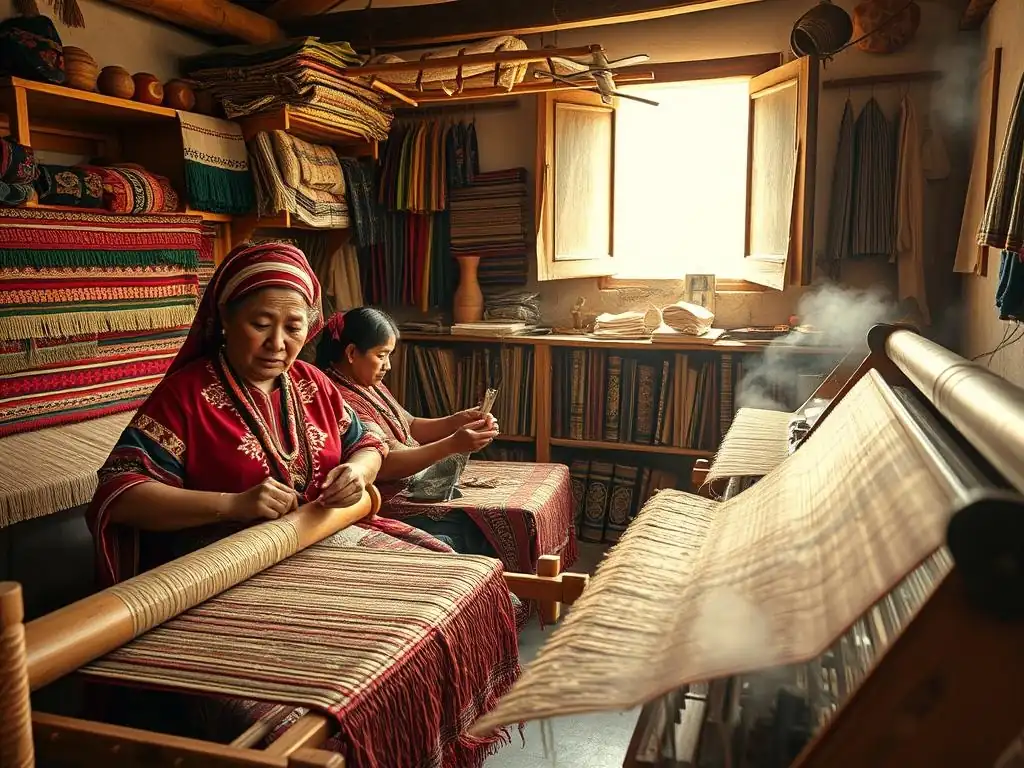
The rapid pace of modernization has significantly impacted the preservation of indigenous clothing traditions across the Americas. As urbanization and globalization reshape lifestyles, traditional textile practices face numerous challenges.
- Loss of Traditional Knowledge:
- Many indigenous communities are experiencing a decline in the transmission of traditional textile skills. Elders, who are often the bearers of this knowledge, are passing away, and younger generations may not have the same opportunities or interest to learn these crafts.
- The intricate techniques of weaving, dyeing, and embroidery, some of which have been practiced for centuries, risk being lost if not actively taught and practiced.
- Economic Pressures:
- Modern economic demands often push indigenous artisans to prioritize income-generating activities over traditional crafts.
- The allure of manufactured clothing, which is often cheaper and more accessible, diminishes the market for handcrafted indigenous textiles.
- Environmental Changes:
- Climate change and environmental degradation threaten the natural resources needed for traditional dyeing and weaving. For example, the decline of particular plants that provide natural dyes can severely limit artisans’ ability to create traditional garments.
- Loss of biodiversity directly impacts the availability of materials, such as cotton or wool, essential for garment-making.
- Technological Advancements:
- While technology can help in documenting and sharing textile traditions, it can also lead to a homogenization of styles.
- The prevalence of fast fashion and mass production can overshadow the unique characteristics of indigenous clothing, leading to a dilution of cultural identity.
Cultural Appropriation and Its Effects on Indigenous Clothing
Cultural appropriation presents another significant challenge to the preservation of indigenous clothing traditions. This phenomenon occurs when elements of a culture, particularly those of marginalized groups, are adopted by others without understanding or respecting their original meanings and contexts.
- Misrepresentation of Traditions:
- When elements of indigenous clothing are appropriated, they are often stripped of their cultural significance. For instance, patterns or symbols that hold deep spiritual meaning can be commercialized, leading to misunderstandings about their importance.
- This misrepresentation can perpetuate stereotypes and contribute to the erasure of indigenous identities.
- Economic Exploitation:
- Appropriation often leads to economic exploitation, where non-indigenous designers profit from indigenous designs without compensating the communities that created them.
- This not only undermines the artisans’ livelihoods but also diminishes the value of their artistic contributions.
- Erosion of Cultural Identity:
- The commodification of indigenous clothing can lead to an erosion of cultural identity. When traditional clothing is produced solely for commercial gain, it risks being viewed merely as fashion rather than a vital part of cultural heritage.
- This trend may discourage younger generations from embracing their cultural roots, as they may perceive their traditions as less valuable compared to mainstream fashion trends.
- Calls for Respect and Collaboration:
- In response to cultural appropriation, many indigenous communities advocate for respectful engagement and collaboration. This includes initiatives that promote ethical fashion, where indigenous artisans are involved in the design process and receive fair compensation.
- By fostering mutual respect and understanding, it is possible to create a more inclusive approach that honors and preserves indigenous clothing traditions.
Through understanding these current challenges, we can better appreciate the importance of preserving indigenous clothing traditions and support the communities that strive to maintain their rich cultural heritage in a rapidly changing world.
Strategies for Preserving Indigenous Clothing Traditions
Community Involvement in Textile Preservation
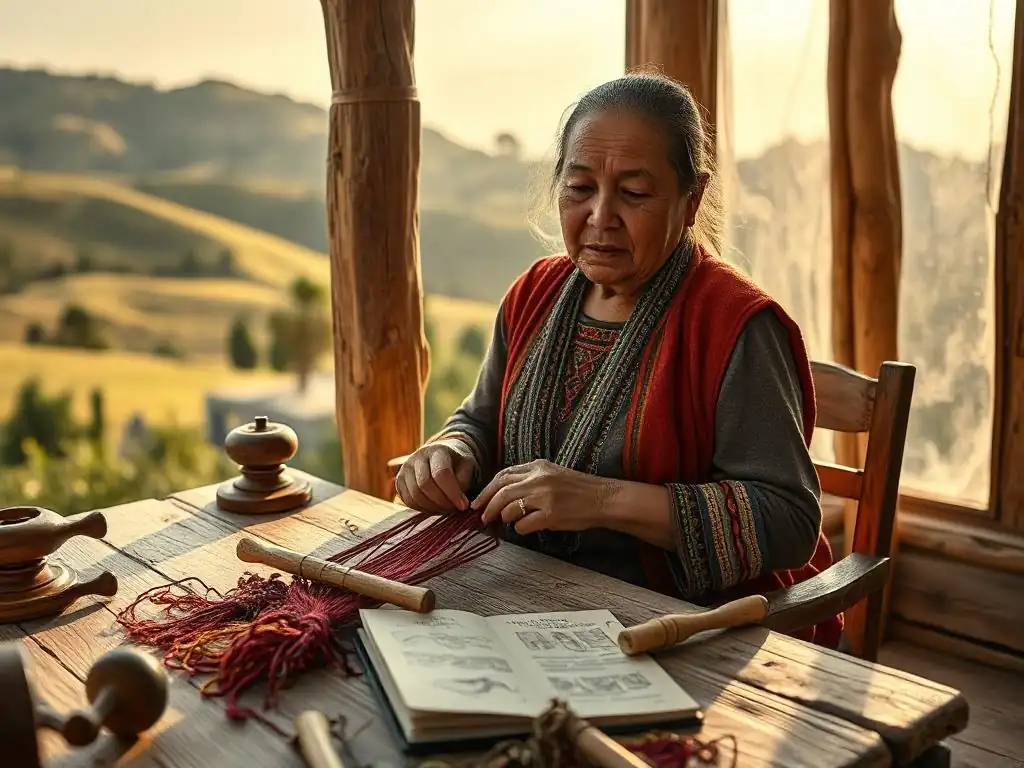
Community engagement is crucial for the preservation of indigenous clothing traditions. By fostering a sense of ownership and pride in their heritage, communities can actively contribute to the safeguarding of their textile practices. Here are several key strategies that highlight the importance of community involvement:
-
Workshops and Training Programs:
Organizing workshops that teach traditional weaving, embroidery, and dyeing techniques allows community members, particularly younger generations, to learn and practice these skills. For example, many indigenous communities have initiated programs where elders teach youth the intricate methods passed down through generations.
-
Local Craft Fairs and Exhibits:
Hosting events that showcase indigenous textiles not only highlights their artistic value but also promotes local artisans. These fairs can be platforms for storytelling, where artisans explain the cultural significance of their work, thus deepening community ties and appreciation for their traditions.
-
Support Networks:
Establishing local cooperatives or support groups can help artisans share resources, tools, and techniques. This sense of solidarity encourages innovation while maintaining traditional practices. For example, a weaving cooperative may pool resources to purchase high-quality natural dyes that are becoming harder to find.
-
Cultural Celebrations:
Incorporating traditional clothing into cultural festivals and celebrations is a vibrant way to keep these practices alive. These events serve as a reminder of the community's rich heritage and allow participants to wear and showcase their ancestral textiles with pride.
Role of Education and Awareness in Indigenous Clothing Traditions
Education plays a fundamental role in the preservation of indigenous clothing traditions. By increasing awareness about the cultural significance of these textiles, we can foster a greater understanding and appreciation in broader society. Here are some effective approaches:
-
Curriculum Development:
Integrating indigenous textile history into school curriculums can provide students with a well-rounded understanding of their cultural heritage. This can include lessons on the origins of specific patterns, the materials used, and the stories behind traditional clothing items.
-
Public Awareness Campaigns:
Community-led initiatives that focus on educating the public about indigenous clothing traditions can help dispel stereotypes and foster respect. Campaigns can utilize social media platforms, workshops, and community events to share knowledge and promote appreciation for these art forms.
-
Partnerships with Museums and Cultural Institutions:
Collaborating with museums to create exhibits that highlight indigenous clothing can enhance visibility. These exhibits can provide historical context and showcase contemporary interpretations, allowing visitors to engage with the material culture of indigenous peoples.
-
Online Platforms:
The rise of digital technology presents new opportunities for education. Online courses, webinars, and social media groups dedicated to indigenous textile traditions can reach a global audience, ensuring that these practices are recognized and celebrated beyond their geographical confines.
Collaborations Between Indigenous Artisans and Modern Designers
Collaborative efforts between indigenous artisans and contemporary designers can play a significant role in the preservation and evolution of indigenous clothing traditions. This intersection of old and new offers unique opportunities for innovation while respecting cultural heritage:
-
Sustainable Fashion Initiatives:
By partnering with modern designers, indigenous artisans can introduce traditional techniques into sustainable fashion lines. This not only helps in reviving ancient practices but also aligns with contemporary consumer values focused on ethical production.
-
Cultural Exchange Programs:
Programs that facilitate exchanges between indigenous artisans and designers from different backgrounds can lead to the creation of hybrid styles that respect and elevate indigenous techniques. Such collaborations can result in innovative pieces that tell stories bridging cultures.
-
Artisan Showcases in Fashion Weeks:
Featuring indigenous designs in major fashion events allows for greater visibility and appreciation of these traditions. Designers can spotlight traditional artisans, providing them with a platform that amplifies their voices and showcases their craftsmanship to a global audience.
-
Limited Edition Collections:
Collaborations can yield limited edition collections that highlight specific cultural practices or stories, ensuring that the traditional elements are preserved while appealing to modern consumers. This approach not only honors indigenous heritage but also creates economic opportunities for artisans.
The preservation of indigenous clothing traditions is a multifaceted endeavor that requires active participation at various levels—from community involvement to educational initiatives and collaborations with modern designers. By embracing these strategies, we can ensure that these rich cultural practices continue to thrive in the modern world.
Case Studies of Successful Indigenous Clothing Traditions Preservation
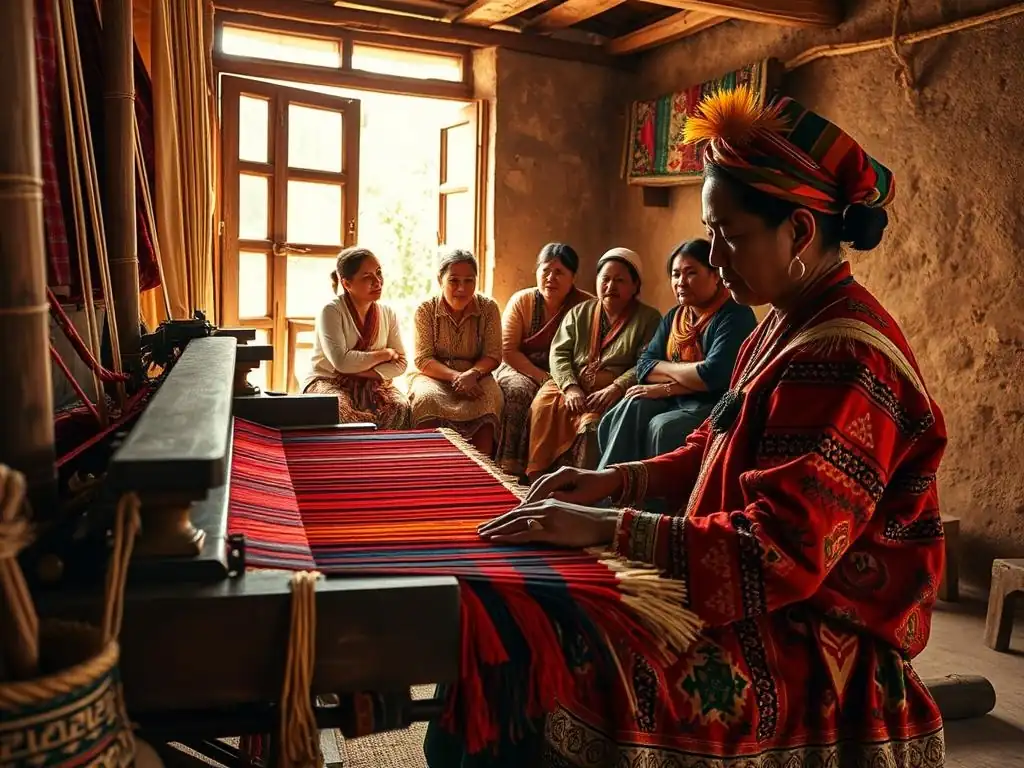
The Navajo Nation, located in the Southwestern United States, is renowned for its intricate weaving practices that date back centuries. Traditionally, Navajo weavers created textiles using natural dyes and local materials such as wool from their own sheep. These textiles not only served practical purposes but also held significant cultural and spiritual meanings.
In recent years, there has been a resurgence in the interest and practice of Navajo weaving, driven by both community initiatives and global interest in sustainable fashion. Programs aimed at preserving indigenous clothing traditions have emerged, focusing on educating younger generations about traditional weaving techniques.
Key Initiatives in Weaving Revival:
- Workshops and Training Programs: Local artisans conduct workshops to teach weaving skills to youth, ensuring the transmission of knowledge and techniques.
- Collaborations with Artists: Partnerships between contemporary artists and Navajo weavers have led to innovative designs that respect traditional methods while appealing to modern aesthetics.
- Market Opportunities: Platforms dedicated to selling authentic Navajo textiles have helped weavers gain economic independence while promoting their cultural heritage.
These efforts not only preserve the craft but also empower the community economically and socially, reinforcing the importance of indigenous clothing traditions preservation within the Navajo culture.
Case Study 2: The Role of the Inuit in Sustainable Clothing Innovations
The Inuit communities of the Arctic regions have a long-standing history of creating functional and sustainable clothing from materials readily available in their environment. Traditionally, Inuit clothing was made from animal skins, furs, and other natural materials, designed to withstand extreme cold temperatures.
In the modern context, there has been a shift towards sustainable innovations that blend traditional knowledge with contemporary practices. The Inuit are now leading the way in the fashion industry by producing clothing that is not only environmentally friendly but also rooted in their cultural identity.
Important Aspects of Inuit Clothing Innovations:
- Use of Local Materials: The Inuit continue to utilize materials such as caribou skin and seal fur, which are both sustainable and provide exceptional insulation.
- Cultural Storytelling: Each piece of clothing often tells a story, reflecting the wearer’s identity and connection to their heritage.
- Collaborative Projects: Initiatives like "Sustainable Arctic Fashion" aim to showcase Inuit designs at international fashion events, promoting indigenous clothing traditions preservation while emphasizing sustainability.
These innovative approaches highlight how the Inuit communities are preserving their clothing traditions while adapting to contemporary environmental challenges, ensuring that their cultural heritage remains vibrant in a modern world.
The Role of Technology in Indigenous Clothing Traditions Preservation
Digital Archiving of Indigenous Textiles
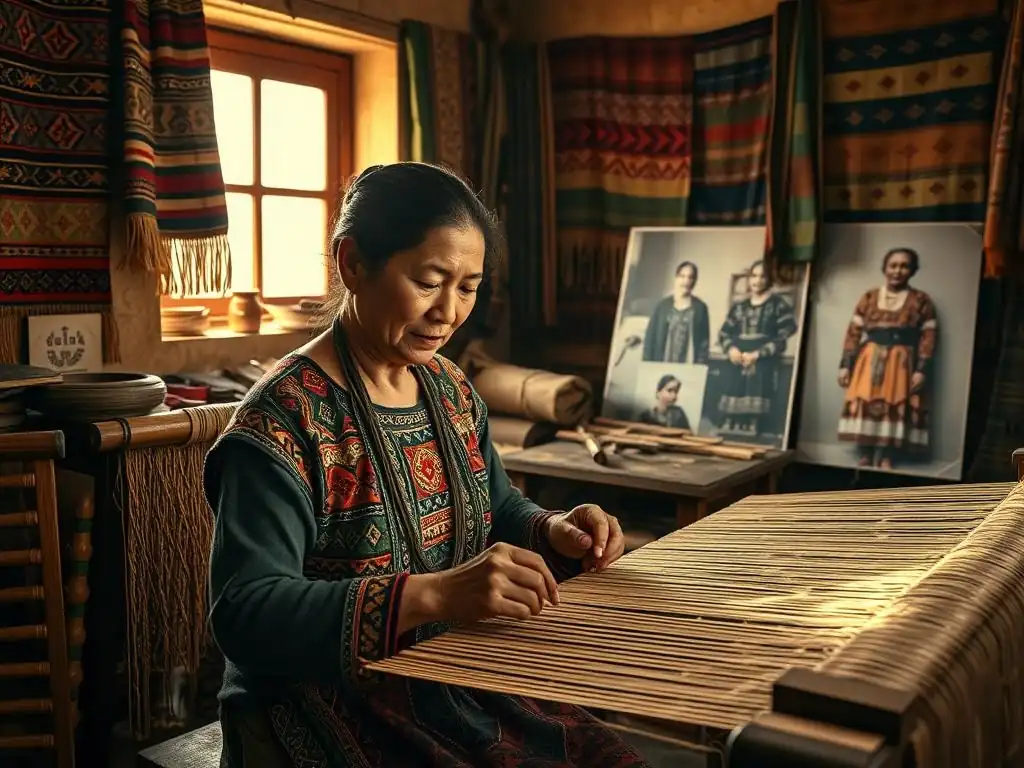
The preservation of indigenous clothing traditions has increasingly embraced the role of technology, particularly through digital archiving. This method serves as a critical tool for safeguarding the rich heritage of indigenous textiles, ensuring their stories and cultural significance are not lost to time. Digital archiving involves the digitization of fabrics, patterns, and garment-making techniques, creating a virtual repository accessible to future generations.
Key benefits of digital archiving include:
- Enhanced Accessibility: Digitized archives can be accessed globally, allowing researchers, students, and enthusiasts to explore indigenous textiles without geographical barriers.
- Preservation of Knowledge: By documenting the creation processes, materials, and cultural contexts of traditional garments, digital archives help preserve the techniques and knowledge that may otherwise fade away.
- Community Engagement: Many indigenous communities are involved in the archiving process, fostering a sense of ownership and empowerment over their cultural heritage.
Examples of Digital Archiving Initiatives
Several initiatives have successfully implemented digital archiving to preserve indigenous clothing traditions:
- The Smithsonian Institution's National Museum of the American Indian: Their online collections include thousands of digitized textiles, providing comprehensive details about their origins and cultural significance.
- The Digital Public Library of America (DPLA): This platform aggregates content from libraries, archives, and museums, offering a wealth of resources about indigenous textiles and clothing traditions.
- Local Community Projects: Various indigenous communities have launched their own digital archives, documenting local designs, materials, and traditional practices, ensuring that the knowledge remains within the community.
Online Platforms for Promoting Indigenous Clothing
The digital revolution has birthed numerous online platforms that promote indigenous clothing traditions, serving not only as marketplaces but as spaces for cultural exchange and education. These platforms play a crucial role in bringing visibility to lesser-known indigenous artisans and their works, fostering appreciation for their craftsmanship.
Key Features of Online Platforms
- E-commerce Functionality: Many platforms allow artisans to sell their traditional clothing directly to consumers, supporting their livelihoods while promoting cultural heritage.
- Educational Resources: Websites often include articles, videos, and tutorials that educate visitors about the significance of various clothing items and the stories behind them.
- Community Building: Online platforms foster connections among artisans, scholars, and consumers, creating a supportive network that encourages collaboration and innovation.
Notable Online Platforms
- Etsy: A well-known marketplace where indigenous artisans can showcase and sell their handmade clothing, jewelry, and textiles. The platform emphasizes the importance of supporting small businesses and cultural heritage.
- Amazon Indigenous Marketplace: This initiative aims to bring indigenous products to a larger audience, offering a wide range of clothing and accessories that reflect diverse cultural backgrounds.
- Social Media: Platforms like Instagram and Facebook serve as powerful tools for artisans to share their creations, tell their stories, and reach broader audiences. Hashtags such as #IndigenousFashion have gained traction, promoting awareness and engagement.
Through these online platforms, the preservation of indigenous clothing traditions not only becomes a matter of safeguarding the past but also a vibrant part of contemporary culture. By integrating technology into the preservation efforts, the legacy of indigenous clothing can continue to thrive in a modern world, ensuring that future generations can appreciate and learn from these rich traditions.
Conclusion: The Future of Indigenous Clothing Traditions Preservation
The preservation of indigenous clothing traditions is not merely about safeguarding garments; it embodies the protection of cultural identity, history, and community values. As globalization continues to exert pressure on traditional practices, the future of these textiles hinges on collaborative efforts that respect and empower indigenous artisans. By fostering awareness and appreciation for the rich heritage embedded in indigenous clothing, communities can ensure that future generations inherit this invaluable knowledge and craftsmanship.
The Importance of Supporting Indigenous Artisans
Supporting indigenous artisans is crucial to the sustainability of their clothing traditions. These skilled individuals are the custodians of centuries-old techniques and designs that reflect their unique cultural narratives. By investing in their work, we help to:
- Economic Empowerment: Engaging with indigenous artisans provides them with the financial means to continue their craft. This economic stability can lead to the revitalization of traditional practices and the development of sustainable businesses.
- Cultural Continuity: When artisans are supported, they are more likely to pass down their knowledge to younger generations. This ensures that traditional techniques, such as weaving, dyeing, and embroidery, remain alive and relevant.
- Unique Artistic Expression: Indigenous clothing is often steeped in symbolism and cultural significance. By purchasing these garments, consumers support the continuation of these stories and the artistic expressions they embody.
- Environmental Sustainability: Many indigenous clothing traditions utilize natural materials and eco-friendly practices. Supporting these artisans promotes sustainable fashion and reduces reliance on mass-produced clothing that often harms the environment.
Call to Action for Readers to Engage with Indigenous Clothing Traditions
To actively participate in the preservation of indigenous clothing traditions, readers can take several meaningful steps:
- Educate Yourself: Familiarize yourself with the various indigenous cultures and their clothing traditions. Understanding the stories behind the textiles will deepen your appreciation.
- Support Ethically: Purchase clothing and textiles directly from indigenous artisans or through fair-trade organizations. This ensures that your contribution goes directly to the creators, promoting ethical consumption.
- Promote Awareness: Share information about indigenous clothing traditions on social media or within your community. Use your platform to highlight the importance of preservation and the artisans behind these traditions.
- Participate in Workshops: Look for opportunities to engage in workshops or cultural events led by indigenous artisans. This hands-on experience allows for a deeper connection to the craft and an understanding of its significance.
- Advocate for Policies: Support initiatives that protect indigenous rights and cultural heritage. Engaging with local and national policies can help create a favorable environment for indigenous communities to thrive.
By taking these actions, readers can contribute to the ongoing preservation of indigenous clothing traditions, ensuring that these rich cultural legacies endure in the modern world. Together, we can honor and celebrate the artistry and heritage that define indigenous clothing traditions.
Frequently Asked Questions
What are indigenous clothing traditions?
Indigenous clothing traditions refer to the unique textile practices and garment styles developed by various indigenous cultures in the Americas, often reflecting their heritage, identity, and environment.
Why is the preservation of indigenous clothing traditions important?
Preserving these traditions is vital for maintaining cultural identity, promoting intergenerational knowledge transfer, and enabling communities to celebrate and share their heritage with future generations.
How do modern influences affect indigenous clothing traditions?
Modern influences can both challenge and enrich indigenous clothing traditions by introducing new materials and designs, while also risking the loss of traditional techniques and meanings attached to these garments.
What role do artisans play in preserving these traditions?
Artisans are crucial in the preservation of indigenous clothing traditions as they help to revive and sustain traditional techniques, ensuring that cultural narratives are passed down and appreciated in contemporary contexts.
How can individuals support indigenous clothing traditions?
Individuals can support these traditions by purchasing from indigenous artisans, engaging in educational initiatives, and advocating for policies that protect and promote the rights and expressions of indigenous cultures.
Final Reflection: Embracing Heritage through Indigenous Clothing Traditions Preservation
In an era where globalization often overshadows local cultures, the preservation of indigenous clothing traditions stands as a vital testament to the resilience and richness of cultural identities. The intricate designs and techniques passed down through generations not only serve as a means of expression but also as a bridge connecting us to our ancestors. As we navigate a rapidly changing world, recognizing the significance of these traditions is more crucial than ever; they remind us of our roots and the diverse tapestry of human experience.
The impact of indigenous clothing traditions extends far beyond the garments themselves; they are woven into the very fabric of our cultural and social landscapes. These traditions foster a sense of belonging and pride among indigenous communities, while also educating the broader society about the importance of cultural diversity. As we witness a resurgence in interest towards sustainable fashion and ethical practices, the wisdom embedded in indigenous textiles offers invaluable insights. Clothing is not just a means of covering the body; it is a narrative, a story that connects us to our past and shapes our future.
As we reflect on the lessons learned from this exploration of indigenous clothing traditions, I invite you to consider how you can contribute to their preservation in your own life. Whether it’s supporting indigenous artisans, advocating for cultural education, or simply taking the time to learn about the stories behind the textiles we wear, every action counts. Let us embrace the beauty of these traditions and commit ourselves to ensuring they thrive for generations to come. Together, we can honor the past while weaving a more inclusive future.
Embrace and Preserve Indigenous Heritage Today!
Thank you for exploring the rich world of indigenous clothing traditions! Your interest in textiles not only highlights their beauty but also their significance in preserving cultural identities. Now it's time to take action and become a part of this vital movement!
- Support local artisans by purchasing handmade indigenous clothing or accessories. Your purchase can directly impact their communities and help sustain these traditions.
- Explore educational resources about textiles and heritage; share what you learn with friends and family to raise awareness about the importance of preserving these cultural legacies.
- Engage with indigenous artisans on social media platforms—like, comment, and share their work! Let’s amplify their voices together.
How can you contribute to keeping these beautiful textiles alive in our modern world? We would love to hear your thoughts below!