
The Interconnectedness of Nature: Indigenous Beliefs and Their Sustainable Practices

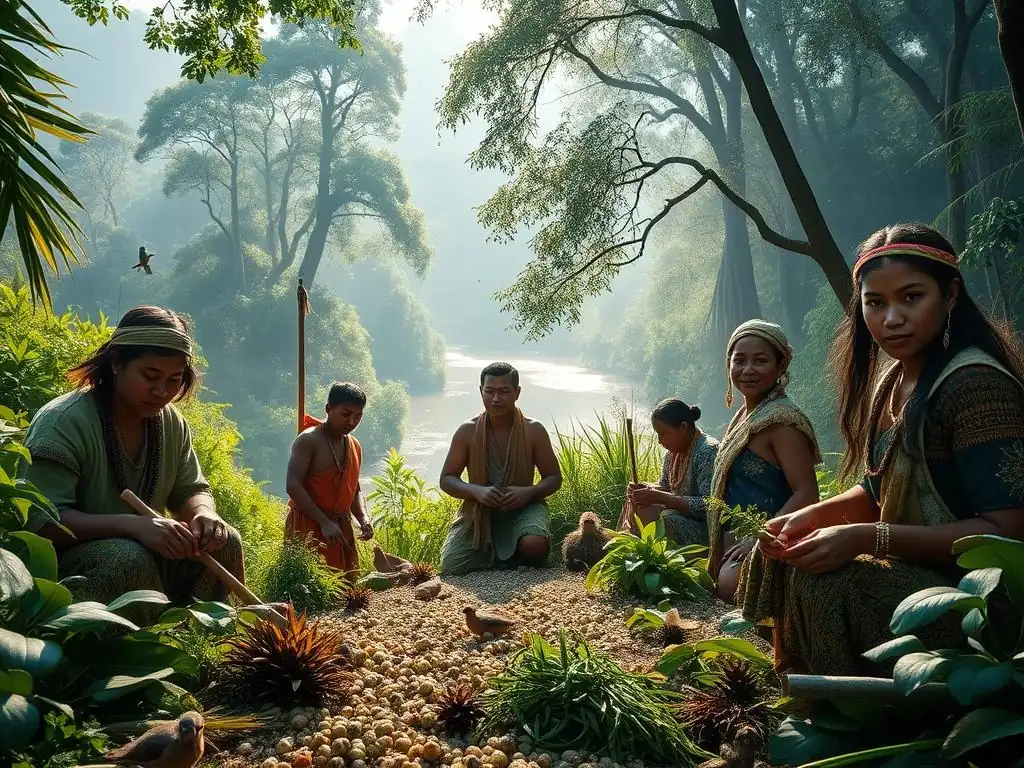
Welcome to Indigenous Civilizations of the Americas, where we invite you to journey through the rich tapestry of indigenous cultures that flourished long before European contact. Discover the profound interconnectedness of nature as we delve into "Indigenous sustainable practices and beliefs," revealing how these communities harmonized with their environment. Through this exploration, you'll uncover not only their remarkable achievements but also the timeless wisdom that continues to resonate in our modern world. Join us as we unravel the stories and insights that shape our understanding of society and culture today. Ready to dive deeper? Your adventure awaits!
Indigenous cultures across the Americas have long been revered for their deep-rooted connections to nature, understanding the intricate web of life that sustains all living beings. This article explores the theme of Indigenous sustainable practices and beliefs, shedding light on the wisdom and traditions that have guided these communities in their environmental stewardship.
By examining how indigenous peoples perceive their relationship with the natural world, we can uncover valuable insights into sustainable living that resonate even in today’s ecological crisis. The following sections will delve into the core principles that define these practices, their historical context, and the spiritual dimensions that underpin the indigenous worldview.
Understanding Indigenous Sustainable Practices and Beliefs
Definition of Indigenous Sustainable Practices
Indigenous sustainable practices encompass a wide array of ecological knowledge and methods employed by indigenous peoples to manage resources while ensuring the health of their environment. These practices are characterized by:
- Long-term thinking: Decisions are made with future generations in mind, preserving resources for continued use.
- Adaptive management: Strategies are adjusted based on ongoing observations and changes in the environment.
- Biodiversity conservation: Sustainable practices often involve a deep respect for all forms of life, recognizing their interdependence.
By valuing the land and its resources as sacred, indigenous communities have developed unique practices that reflect their understanding of the natural balance.
Overview of Indigenous Beliefs Related to Nature
Indigenous beliefs are often rooted in a profound respect for nature, viewing it as a living entity with inherent rights. Key aspects of these beliefs include:
- Spiritual connections: Many indigenous cultures believe that all elements of nature are infused with spirit, fostering a sense of kinship.
- Cyclical time: Unlike Western linear perspectives, indigenous views of time emphasize cycles and rhythms, mirroring natural processes.
- Reciprocity: The principle of giving back to the earth is central, highlighting the importance of gratitude and respect in all interactions with nature.
These beliefs not only shape daily practices but also foster a collective identity that emphasizes harmony with the environment.
Importance of Interconnectedness in Indigenous Cultures
The concept of interconnectedness is pivotal in indigenous worldviews, emphasizing the relationships between humans, animals, plants, and the earth. This interconnectedness manifests in several ways:
- Community well-being: The health of the community is directly linked to the health of the environment.
- Cultural identity: Many indigenous identities are tied to specific landscapes, reinforcing the need for their protection.
- Sustainable resource use: Practices are developed to maintain balance and prevent overexploitation of resources.
Understanding this interconnectedness is crucial for appreciating how indigenous peoples approach sustainability.
Historical Context of Indigenous Sustainable Practices
Ancient Practices and Their Origins
The origins of indigenous sustainable practices can be traced back thousands of years, with communities developing sophisticated agricultural techniques, hunting methods, and resource management strategies. Examples include:
- Three Sisters Agriculture: A method used by various tribes where corn, beans, and squash are grown together, enhancing soil health and maximizing yield.
- Fire management: Indigenous peoples often used controlled burns to maintain ecosystems, promote biodiversity, and reduce wildfire risks.
These ancient practices demonstrate a profound understanding of ecological relationships.
Key Indigenous Cultures and Their Approaches to Sustainability
Several indigenous cultures have made significant contributions to sustainable practices, each with unique approaches influenced by their environments:
- The Navajo: With a focus on harmony and balance, they utilize traditional ecological knowledge in sheep herding and land management.
- The Maori: In New Zealand, their concept of kaitiakitanga emphasizes guardianship of the land and its resources.
- The Amazonian Tribes: Known for their extensive knowledge of biodiversity, they practice agroforestry to maintain forest health.
These cultures exemplify diverse methods of engaging with and caring for the environment.
The Role of Spirituality in Indigenous Environmental Stewardship
Spirituality is a cornerstone of many indigenous cultures, influencing their environmental practices. This can be seen in:
- Rituals and ceremonies: Many communities engage in practices that honor the earth and its resources, reinforcing their commitment to stewardship.
- Sacred sites: Certain landscapes are viewed as sacred, necessitating their protection and sustainable management.
- Traditional ecological knowledge (TEK): Spiritual beliefs often inform TEK, integrating cultural values with environmental practices.
This holistic approach underscores the inseparable nature of spirituality and sustainable living in indigenous cultures.
Core Principles of Indigenous Sustainable Practices
Indigenous sustainable practices are deeply rooted in the cultural, spiritual, and practical frameworks of various communities throughout the Americas. These practices stem from a profound understanding of the environment and are characterized by several core principles that emphasize harmony, balance, and respect for nature.
Holistic View of Nature and Ecosystems
A fundamental aspect of indigenous sustainable practices is the holistic view of nature and ecosystems. Indigenous peoples perceive the natural world as an interconnected web where every element—plants, animals, land, water, and humans—plays a vital role. This belief leads to sustainable practices that prioritize the health of entire ecosystems rather than focusing on individual components.
For example, many indigenous cultures practice rotational farming, allowing land to rest and regenerate, ensuring that soil fertility is maintained and biodiversity is preserved. This holistic perspective fosters resilience in ecosystems, enabling them to withstand environmental changes and pressures.
Community-Centered Approaches to Sustainability
Community is at the heart of indigenous sustainable practices. Decision-making processes typically involve collective input, emphasizing the importance of each member’s role in maintaining ecological balance. This community-centered approach not only strengthens social bonds but also ensures that sustainability efforts are culturally relevant and effective.
In many indigenous communities, knowledge and practices are passed down through generations, reinforcing the idea that sustainability is a communal responsibility. Initiatives such as shared hunting grounds or communal gardens reflect a commitment to both ecological stewardship and social equity, ensuring that resources are used responsibly for the benefit of all.
Traditional Ecological Knowledge (TEK) as a Resource
Traditional Ecological Knowledge (TEK) encompasses the intricate understanding that indigenous peoples have developed over centuries regarding their local environments. TEK includes knowledge about plant species, animal behaviors, weather patterns, and ecosystem dynamics. This invaluable resource is often integrated into sustainable practices that promote conservation and biodiversity.
For instance, indigenous fire management techniques, which involve controlled burns, are grounded in TEK and play a crucial role in preventing larger wildfires while enhancing habitat for various species. By valuing TEK, indigenous communities not only preserve their heritage but also contribute significantly to contemporary environmental management strategies.
Examples of Indigenous Sustainable Practices
Indigenous sustainable practices manifest in various forms, reflecting the diversity of cultures and ecosystems across the Americas. Here are some notable examples:
Agriculture: Indigenous Farming Techniques
Indigenous agriculture showcases innovative and sustainable techniques that have been honed over millennia. Practices such as the Three Sisters method, where corn, beans, and squash are grown together, exemplify companion planting that enhances soil health and maximizes yield. This technique takes advantage of the unique growth habits of each plant, promoting mutual benefits that reflect deep ecological knowledge.
Additionally, agroforestry systems practiced by many indigenous groups incorporate trees into agricultural landscapes, providing shade, improving soil quality, and fostering biodiversity. These methods highlight the integration of agriculture with natural ecosystems, ensuring long-term sustainability.
Water Management: Traditional Systems and Conservation
Water management is another area where indigenous sustainable practices shine. Many indigenous communities have developed sophisticated irrigation systems, such as the elaborate canal networks of the Hohokam in present-day Arizona, which efficiently directed water to arid landscapes.
Furthermore, practices such as rainwater harvesting and the use of traditional wells reflect a respectful relationship with water resources. Indigenous peoples often view water as a sacred element, leading to conservation practices that prioritize its purity and availability for future generations.
Wildlife Conservation: Indigenous Hunting and Gathering Methods
Indigenous hunting and gathering methods reflect a profound respect for wildlife and an understanding of ecological balance. These practices are often guided by cultural beliefs that emphasize sustainable harvesting techniques, ensuring that animal populations remain healthy and ecosystems function effectively.
For example, the practices of selective hunting and seasonal gathering adhere to natural cycles, allowing wildlife populations to regenerate and maintain biodiversity. Many indigenous groups also use storytelling and oral traditions to pass down knowledge about sustainable practices, reinforcing the responsibility of each generation to care for the land and its inhabitants.
Case Studies on Indigenous Beliefs and Practices
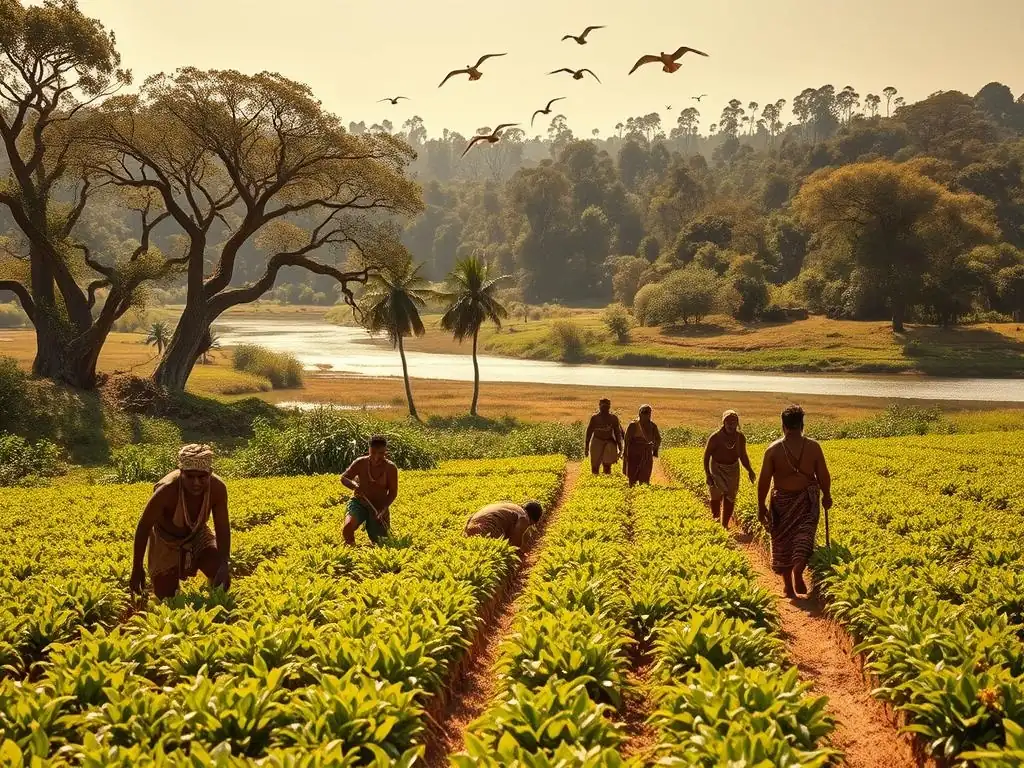
Indigenous cultures across the Americas and beyond have developed profound understandings of their natural environments, leading to sustainable practices that have been passed down through generations. These practices are deeply intertwined with their spiritual beliefs, highlighting the interconnectedness of nature and culture. Below, we explore significant case studies that exemplify these relationships.
Case Study 1: The Hopi Tribe and Dryland Agriculture
The Hopi Tribe, located in northeastern Arizona, is renowned for its innovative dryland agriculture practices. Rooted in a deep spiritual connection to the land, the Hopi people utilize traditional farming techniques that have been adapted to their arid environment.
- Agroecological Methods: The Hopi employ methods such as companion planting, where different crops are grown together to enhance growth and pest resistance. For instance, the "Three Sisters" gardening technique involves planting corn, beans, and squash together, which supports soil fertility and maximizes space.
- Water Conservation: They have developed intricate systems for water conservation, including terraces and check dams, which help to capture and retain moisture in the soil, ensuring sustainable crop yields even in dry conditions.
- Cultural Significance: Farming is not merely a means of subsistence for the Hopi; it is a sacred practice that embodies their values of stewardship and respect for the earth. Rituals and ceremonies accompany planting and harvesting, reinforcing their connection to the land.
Case Study 2: The Impact of Maori Beliefs on New Zealand's Biodiversity
In New Zealand, the Maori people’s worldview significantly influences their environmental sustainability practices. Central to Maori culture is the concept of "kaitiakitanga," which refers to guardianship and conservation of the natural world.
- Holistic Management: Maori beliefs promote a holistic approach to managing natural resources, emphasizing the need to protect ecosystems for future generations. This includes sustainable fishing practices and the preservation of native forests.
- Restoration Projects: Many Maori-led initiatives focus on restoring degraded ecosystems, such as the "Te Uruwera" project, which aims to regenerate native forests and protect biodiversity. These efforts are supported by traditional ecological knowledge that informs modern conservation strategies.
- Cultural Reconnection: Through these sustainable practices, the Maori not only safeguard biodiversity but also strengthen cultural identity and community cohesion, illustrating the profound link between cultural beliefs and environmental stewardship.
Case Study 3: The Role of Indigenous Fire Management in Australian Ecosystems
Indigenous fire management practices in Australia, often referred to as "cultural burning," exemplify sustainable land management techniques that promote ecosystem health.
- Controlled Burns: Indigenous Australians use controlled burns to manage vegetation and reduce the risk of catastrophic wildfires. These burns are timed to coincide with seasonal changes, allowing for the rejuvenation of native flora and fauna.
- Ecological Benefits: This practice enhances biodiversity by creating a mosaic of habitats, which supports various species and promotes healthy ecosystems. It also helps to maintain the balance of nutrients in the soil.
- Cultural Knowledge: The techniques used in cultural burning are informed by centuries of observation and understanding of the land, showcasing how traditional ecological knowledge can inform contemporary environmental management practices.
The Challenges Facing Indigenous Sustainable Practices Today
Despite the rich history and effectiveness of indigenous sustainable practices, many communities face significant challenges that threaten their ability to continue these traditions.
Environmental Changes and Their Impact on Indigenous Communities
Indigenous communities are often on the frontlines of environmental change, experiencing the impacts of climate change, deforestation, and habitat destruction more acutely. These environmental shifts disrupt traditional ways of life, affecting food security, water availability, and cultural practices that rely on stable ecosystems.
- Climate Variability: Changes in weather patterns can lead to crop failures and affect the availability of traditional food sources, forcing communities to adapt rapidly or face food insecurity.
- Loss of Biodiversity: As ecosystems degrade, the loss of biodiversity threatens the cultural practices and spiritual beliefs tied to specific plants and animals, diminishing the cultural heritage of indigenous peoples.
Cultural Erosion and Loss of Traditional Knowledge
Cultural erosion presents another significant challenge, as globalization and modernity threaten to displace traditional beliefs and practices.
- Youth Disengagement: Younger generations may become disconnected from their cultural heritage, opting for urban lifestyles that prioritize modern conveniences over traditional practices. This trend can lead to the loss of invaluable traditional ecological knowledge.
- Language Loss: The decline of indigenous languages contributes to the erosion of cultural identity and knowledge systems, as many traditional practices are passed down through oral traditions.
Legal and Political Barriers to Sustainable Practices
Indigenous communities often face legal and political obstacles that hinder their ability to implement sustainable practices.
- Land Rights Issues: Many indigenous groups struggle for recognition of their land rights, which can prevent them from managing their territories in accordance with traditional practices. Legal disputes over land ownership can limit access to resources essential for sustainable living.
- Policy Exclusion: Indigenous voices are frequently excluded from environmental policy discussions, leading to decisions that do not consider their traditional knowledge and sustainable practices. This marginalization can result in ineffective or harmful management strategies for ecosystems.
While indigenous sustainable practices rooted in deep cultural beliefs possess the potential to foster ecological balance and resilience, they are increasingly threatened by environmental changes, cultural erosion, and legal barriers. Addressing these challenges is crucial for preserving both the biodiversity of our planet and the rich tapestry of indigenous cultures.
Revitalizing Indigenous Sustainable Practices in Modern Times
Revitalizing Indigenous sustainable practices in contemporary society has become a pivotal movement aimed at reconnecting communities with their ancestral wisdom. Many Indigenous groups are increasingly advocating for their traditional ecological knowledge (TEK) as a valuable resource in addressing modern environmental challenges. This resurgence is not merely a nostalgic return to the past; rather, it reflects a dynamic adaptation of ancient practices to today’s ecological context.
For instance, Indigenous farming methods, such as the milpa system practiced by Mesoamerican cultures, emphasize crop diversity and rotational planting, which enhance soil health and biodiversity. These practices are being reintroduced in various regions, demonstrating their effectiveness in sustainable agriculture. Additionally, the resurgence of traditional methods of hunting, fishing, and gathering is fostering a renewed respect for local ecosystems and promoting community-led conservation efforts.
Furthermore, this revitalization often involves the intergenerational transfer of knowledge, where elders pass down insights about their cultural practices and ecological management to younger generations. By embracing both modern science and traditional knowledge, Indigenous communities are effectively crafting sustainable futures while preserving their cultural identities.
Collaborative Efforts Between Indigenous Groups and Environmental Organizations
Collaborative efforts between Indigenous groups and environmental organizations are forging new pathways toward sustainability. These partnerships leverage the unique strengths of both entities: the scientific expertise of environmental organizations and the deep-rooted ecological knowledge of Indigenous communities. Such collaborations have proven essential in various conservation initiatives.
One notable example is the partnership between Indigenous tribes in the Pacific Northwest and conservation organizations to restore salmon populations. Indigenous practices, such as habitat restoration and sustainable fishing techniques, are integrated with scientific research to create effective strategies for ecosystem management. This synergy not only helps restore the natural balance but also reinforces the cultural significance of salmon to Indigenous peoples.
Moreover, these collaborations often involve co-management agreements for land and resources, allowing Indigenous communities to play a crucial role in decision-making processes. This empowerment leads to more culturally relevant and ecologically sound practices, demonstrating the importance of Indigenous voices in environmental conservation.
Education and Awareness of Indigenous Practices
Education and awareness of Indigenous sustainable practices are vital for fostering respect and understanding of these rich traditions. Initiatives aimed at educating both Indigenous and non-Indigenous populations about traditional ecological knowledge are crucial for fostering sustainable practices globally.
Many Indigenous communities are actively engaging in educational programs that highlight their sustainable practices, often incorporating storytelling and experiential learning. For example, workshops focused on traditional land management techniques, such as controlled burns used by California tribes, not only teach practical skills but also emphasize the cultural narratives that underpin these practices.
Additionally, schools and universities are increasingly recognizing the importance of integrating Indigenous perspectives into their curricula. By doing so, they provide students with a broader understanding of sustainability that encompasses diverse cultural viewpoints. This educational framework promotes a greater appreciation for Indigenous contributions to environmental stewardship.
Conclusion: The Future of Indigenous Sustainable Practices and Beliefs
The future of Indigenous sustainable practices and beliefs hinges on the recognition and integration of these valuable traditions into broader environmental and cultural discourses. As global challenges such as climate change and biodiversity loss intensify, the inclusion of Indigenous knowledge in sustainability efforts becomes increasingly critical.
The Importance of Preserving Indigenous Knowledge for Future Generations
Preserving Indigenous knowledge is essential not only for maintaining cultural heritage but also for ensuring the survival of sustainable practices that have been honed over millennia. This knowledge is often embedded in languages, rituals, and community practices, making its preservation a multifaceted endeavor.
Efforts to document and revitalize Indigenous languages, alongside traditional ecological practices, are vital for fostering resilience within communities. By encouraging the younger generation to engage with their heritage, communities can ensure that valuable ecological insights are not lost. Furthermore, this preservation aids in cultivating a sense of identity and belonging among Indigenous youth, fostering pride in their cultural legacy.
How Indigenous Sustainable Practices Can Inform Global Sustainability Efforts
Indigenous sustainable practices offer valuable lessons for global sustainability efforts. The holistic approaches that many Indigenous cultures employ—viewing themselves as interconnected with nature rather than separate from it—provide a framework for rethinking modern environmental strategies.
By adopting principles such as reciprocity, respect for biodiversity, and stewardship of land, policymakers and environmentalists can create more effective and inclusive sustainability frameworks. Indigenous practices demonstrate that sustainable living is not just about resource management but also about fostering relationships with the land and each other.
Call to Action: Supporting Indigenous Rights and Sustainability Initiatives
Supporting Indigenous rights and sustainability initiatives is crucial for fostering a more equitable and sustainable future. This support can take various forms, from advocating for land rights and recognition of sovereignty to participating in initiatives that promote Indigenous-led conservation efforts.
Individuals and organizations can contribute by educating themselves about Indigenous issues, amplifying Indigenous voices, and actively participating in campaigns that support sustainability initiatives. By collaborating with Indigenous communities, we can create a more inclusive approach to environmental stewardship that respects and integrates Indigenous knowledge and practices. Together, we can honor the interconnectedness of nature and ensure a sustainable future for all.
- Understanding Indigenous Sustainable Practices and Beliefs
- Historical Context of Indigenous Sustainable Practices
- Core Principles of Indigenous Sustainable Practices
- Examples of Indigenous Sustainable Practices
- Case Studies on Indigenous Beliefs and Practices
- The Challenges Facing Indigenous Sustainable Practices Today
- Revitalizing Indigenous Sustainable Practices in Modern Times
- Conclusion: The Future of Indigenous Sustainable Practices and Beliefs
Frequently Asked Questions
What are indigenous sustainable practices?
Indigenous sustainable practices refer to traditional methods that promote environmental stewardship and resource conservation, rooted in a deep understanding of local ecosystems.
How do indigenous beliefs influence their sustainable practices?
Indigenous beliefs often emphasize the interconnectedness of all living things, guiding communities to maintain harmony with nature and adopt practices that ensure the longevity of their resources.
Why are indigenous sustainable practices important today?
These practices offer valuable insights into sustainable living and can inform modern approaches to environmental conservation, particularly in the face of climate change challenges.
Can you provide examples of indigenous sustainable practices?
Examples include crop rotation, controlled burns for land management, and the use of natural materials for building, all of which are designed to maintain ecological balance.
How can we learn from indigenous cultures today?
By studying indigenous cultures and their sustainable practices, we can gain a deeper appreciation for biodiversity and develop more effective strategies for sustainable development that align with nature.
Final Reflection: Embracing Indigenous Wisdom for a Sustainable Future
The interconnectedness of nature and the wisdom of Indigenous beliefs are more relevant today than ever. As we face unprecedented environmental challenges, the sustainable practices rooted in Indigenous cultures offer invaluable insights into living harmoniously with the Earth. These time-tested approaches remind us that our survival is intricately linked to the health of our ecosystems.
The influence of Indigenous sustainable practices extends beyond cultural heritage; it shapes our collective consciousness about environmental stewardship. As we witness the devastating impacts of climate change and biodiversity loss, the teachings of Indigenous peoples serve as a guiding light. We do not inherit the earth from our ancestors; we borrow it from our children.
This quote encapsulates the urgency of adopting sustainable practices that honor our connection to the land and future generations.
As you reflect on the lessons shared in this article, consider how you can incorporate Indigenous beliefs into your daily life. Embrace the call to action by fostering a deeper relationship with nature and advocating for sustainable practices in your community. Together, we can honor the wisdom of Indigenous cultures and work towards a future where both humanity and the natural world thrive in unison.
Embrace Nature: Act on Indigenous Wisdom Today!
Thank you for diving into the rich tapestry of Indigenous beliefs and their sustainable practices! Your interest not only deepens your understanding but also opens the door to nurturing our planet in harmony with nature. Now, let’s take those insights to the next level!
- Start a conversation: Share your newfound knowledge with family and friends—discuss the importance of sustainability within Indigenous practices.
- Implement a sustainable practice in your daily life, such as starting a compost bin or supporting local artisans and farmers to enhance community well-being.
- Join an online community or local group focused on eco-friendly initiatives and Indigenous rights to further explore and advocate for these invaluable teachings.
How will you integrate the wisdom of Indigenous practices into your everyday life to foster a deeper connection with nature? 🌱