
Reviving Indigenous Practices: Modern Movements for Sustainability Based on Ancient Wisdom

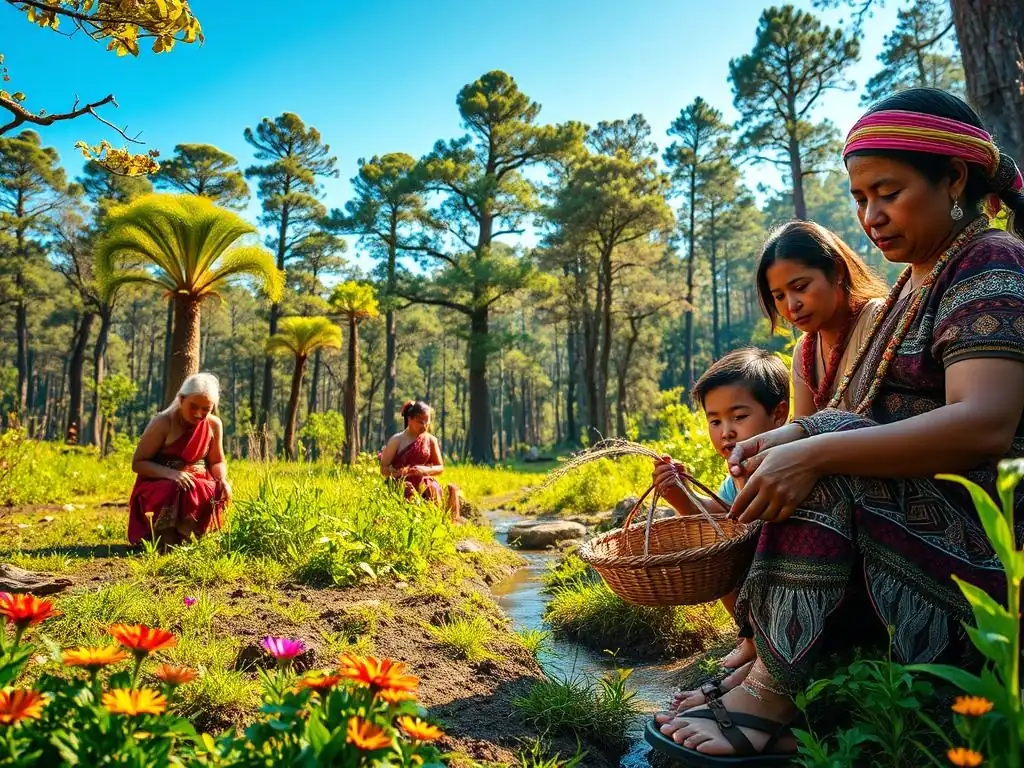
Welcome to Indigenous Civilizations of the Americas, where we embark on a journey through the rich tapestry of indigenous cultures that flourished long before European contact. In our featured article, "Reviving Indigenous Practices: Modern Movements for Sustainability Based on Ancient Wisdom," we delve into the profound knowledge and sustainable practices that these civilizations mastered, offering insights that resonate with today's environmental challenges.
Discover how ancient wisdom not only shaped vibrant societies but also holds the key to a more sustainable future. Join us in exploring the remarkable achievements and enduring legacies of these cultures, and see how their practices can inspire us all to live in harmony with the Earth.
- Introduction to Indigenous Practices for Sustainability
- Historical Context of Indigenous Practices for Sustainability
- Modern Movements Embracing Indigenous Practices
- Key Indigenous Practices for Sustainability
- Benefits of Integrating Indigenous Practices in Today’s Society
- Challenges Facing the Revival of Indigenous Practices
- Conclusion: The Path Forward for Indigenous Practices for Sustainability
- Call to Action: Supporting Indigenous Movements for Sustainability
-
Frequently Asked Questions
- What are indigenous practices for sustainability?
- How have these practices influenced modern sustainability movements?
- What are some examples of indigenous practices that promote sustainability?
- How can learning about indigenous civilizations benefit contemporary society?
- Why is it important to preserve indigenous cultures?
- Final Reflection: Embracing Ancient Wisdom for a Sustainable Future
- Embrace Change: Ignite the Sustainability Movement Today!
Introduction to Indigenous Practices for Sustainability
Indigenous practices for sustainability represent a rich tapestry of knowledge and traditions that have been cultivated over thousands of years by various cultures across the Americas. These practices, deeply rooted in a profound connection to the land, flora, and fauna, embody principles of stewardship, reciprocity, and respect. As contemporary society grapples with pressing environmental challenges—such as climate change, deforestation, and biodiversity loss—there is a growing recognition of the invaluable insights that these ancient wisdoms can offer. This article explores the modern movements that are revitalizing indigenous practices, shedding light on their profound relevance for sustainable living today.
Overview of Indigenous Wisdom and Sustainability
Indigenous cultures have long understood that their survival is intricately linked to the health of the ecosystems they inhabit. This wisdom is reflected in various sustainable practices, including:
- Crop Rotation: Many indigenous communities practiced crop rotation to maintain soil fertility and prevent pest outbreaks.
- Agroforestry: Integrating trees and shrubs into agricultural systems fosters biodiversity and enhances resilience against climate variability.
- Water Management: Traditional methods of water conservation and management, such as the construction of terraces and channels, exemplify efficient use of resources.
These practices are not mere relics of the past; they are dynamic systems of knowledge that continue to evolve. By observing the rhythms of nature and adapting to changing environmental conditions, indigenous peoples have developed sustainable practices that ensure the well-being of their communities and the ecosystems they depend on.
Importance of Reviving Indigenous Practices in Modern Context
In today's world, the revival of indigenous practices for sustainability has gained momentum, driven by several key factors:
- Environmental Crisis: The escalating environmental crisis necessitates immediate action. Integrating indigenous practices can offer innovative solutions that are both effective and culturally relevant.
- Cultural Resilience: Reviving these practices not only supports environmental sustainability but also strengthens cultural identity and community cohesion among indigenous populations.
- Biodiversity Preservation: Indigenous knowledge plays a critical role in conserving biodiversity. Many practices promote the sustainable use of resources, ensuring the survival of various species.
- Community Empowerment: By recognizing and valuing indigenous wisdom, modern movements can empower communities, fostering self-determination and resilience.
- Holistic Approaches: Indigenous practices often emphasize a holistic view of the world, advocating for a balanced relationship between humans and nature. This perspective can enrich contemporary sustainability practices.
As we delve deeper into the modern movements that are championing the revival of these ancient practices, it becomes clear that learning from indigenous wisdom is not just beneficial but essential for a sustainable future. 🌎✨
Historical Context of Indigenous Practices for Sustainability
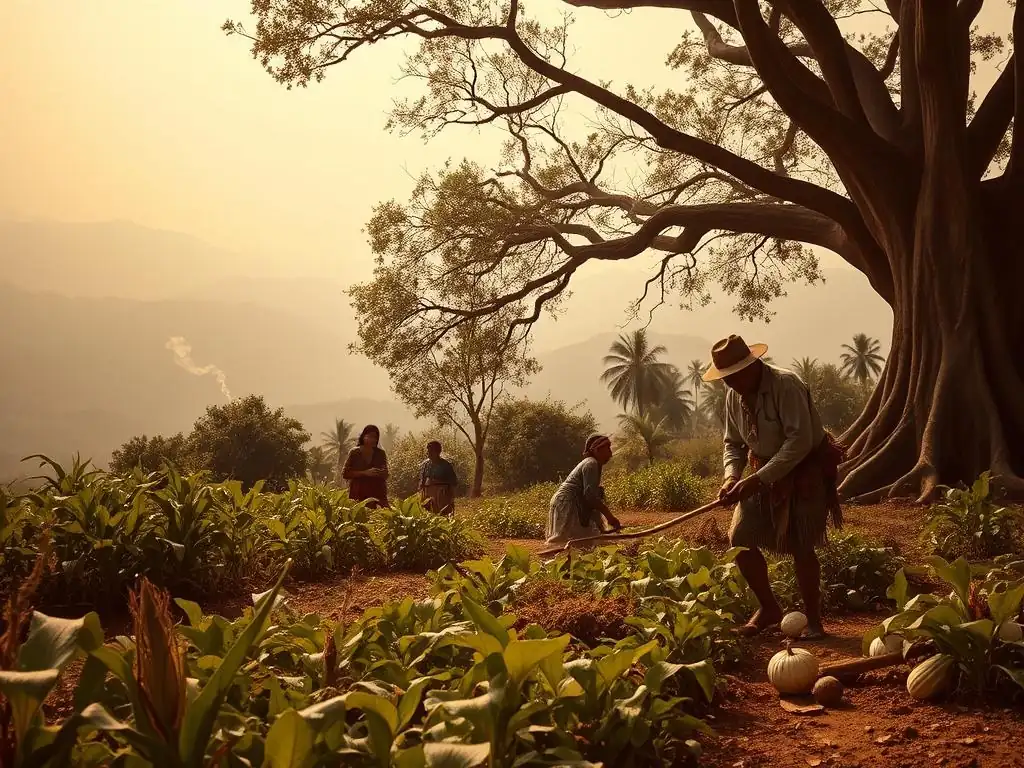
Indigenous practices for sustainability have deep historical roots, reflecting the profound relationship between indigenous peoples and their environments. Long before European colonization, diverse indigenous cultures across the Americas developed sophisticated methods for managing natural resources that not only ensured their survival but also promoted ecological balance and resilience. These practices were deeply intertwined with their cultural beliefs, spirituality, and social structures, which emphasized respect for nature and communal responsibility.
Indigenous peoples approached sustainability holistically, understanding that their well-being depended on the health of the ecosystems in which they lived. This perspective was often expressed through various forms of land stewardship, agricultural practices, and resource management that varied by region and climate. For instance, many tribes utilized controlled burns to manage forests and grasslands, promoting biodiversity and preventing larger wildfires. Similarly, the use of polyculture—growing multiple crops together—ensured a more stable food supply and reduced pest issues without the need for chemical interventions.
Ancient Techniques and Their Relevance
The ancient techniques employed by indigenous communities offer valuable insights for today's sustainability challenges. Here are some of the most significant methods and their modern relevance:
- Agroforestry:
- Description: This practice involves integrating trees and shrubs into agricultural landscapes. Indigenous peoples used agroforestry to enhance biodiversity, improve soil health, and increase crop yields.
- Modern Relevance: With the increasing demand for food and the degradation of arable land, agroforestry has emerged as a sustainable agricultural practice that can mitigate climate change and restore ecosystems.
- Aquaculture:
- Description: Indigenous cultures, such as the Native American tribes of the Pacific Northwest, practiced aquaculture by cultivating fish and shellfish in managed environments.
- Modern Relevance: Sustainable aquaculture can help meet the world's protein needs while reducing overfishing and promoting aquatic biodiversity.
- Traditional Ecological Knowledge (TEK):
- Description: TEK encompasses the understanding and practices developed by indigenous peoples over generations regarding local ecosystems and species.
- Modern Relevance: As environmental degradation accelerates, integrating TEK into contemporary environmental management can enhance biodiversity conservation and ecosystem resilience.
- Rotational Grazing and Land Management:
- Description: Indigenous herders often practiced rotational grazing, moving livestock between pastures to prevent overgrazing and encourage pasture recovery.
- Modern Relevance: This technique is increasingly recognized in sustainable livestock management as it promotes soil health and reduces the need for chemical fertilizers.
- Water Management Systems:
- Description: Many indigenous cultures developed complex water management systems, such as the canals of the Hohokam in present-day Arizona, to efficiently utilize water resources in arid environments.
- Modern Relevance: These ancient systems can inspire modern water conservation practices, especially in regions facing water scarcity.
Case Studies of Indigenous Cultures and Their Sustainable Methods
Examining specific indigenous cultures provides concrete examples of how ancient practices can inform modern sustainability efforts. Here are a few notable case studies:
- The Maya Civilization:
- Sustainable Practices: The Maya utilized a technique known as "milpa," a form of shifting cultivation where farmers rotated plots of land. This practice allowed the soil to recover and prevented depletion of nutrients.
- Impact Today: Modern agroecology often draws from milpa principles, promoting crop diversity and ecological health.
- The Ainu of Japan:
- Sustainable Practices: The Ainu people practiced sustainable hunting and gathering, ensuring that populations of animals and plants were not overexploited. They utilized a system of seasonal rotation to allow ecosystems to regenerate.
- Impact Today: Their methods are being studied for sustainable wildlife management and conservation strategies in contemporary contexts.
- The Navajo Nation:
- Sustainable Practices: The Navajo people traditionally utilized a combination of dryland farming and sheep herding, emphasizing the importance of community stewardship of land and water resources.
- Impact Today: These practices serve as models for sustainable land use in arid regions, blending traditional knowledge with modern conservation strategies.
- The Inca Empire:
- Sustainable Practices: The Incas developed terracing and irrigation systems in the Andes, allowing them to cultivate crops in mountainous terrains while conserving water and soil.
- Impact Today: Their techniques are being revived as solutions for sustainable agriculture in high-altitude regions affected by climate change.
- The Taino of the Caribbean:
- Sustainable Practices: The Taino practiced companion planting, growing crops such as maize, beans, and squash together to maximize yields and enhance soil fertility.
- Impact Today: This method has gained renewed interest in organic farming and permaculture movements due to its ecological benefits.
Indigenous practices for sustainability are not merely relics of the past; they hold immense potential for addressing modern environmental challenges. By valuing and integrating these ancient techniques into contemporary practices, we can work towards a more sustainable future that respects both cultural heritage and ecological integrity.
Modern Movements Embracing Indigenous Practices
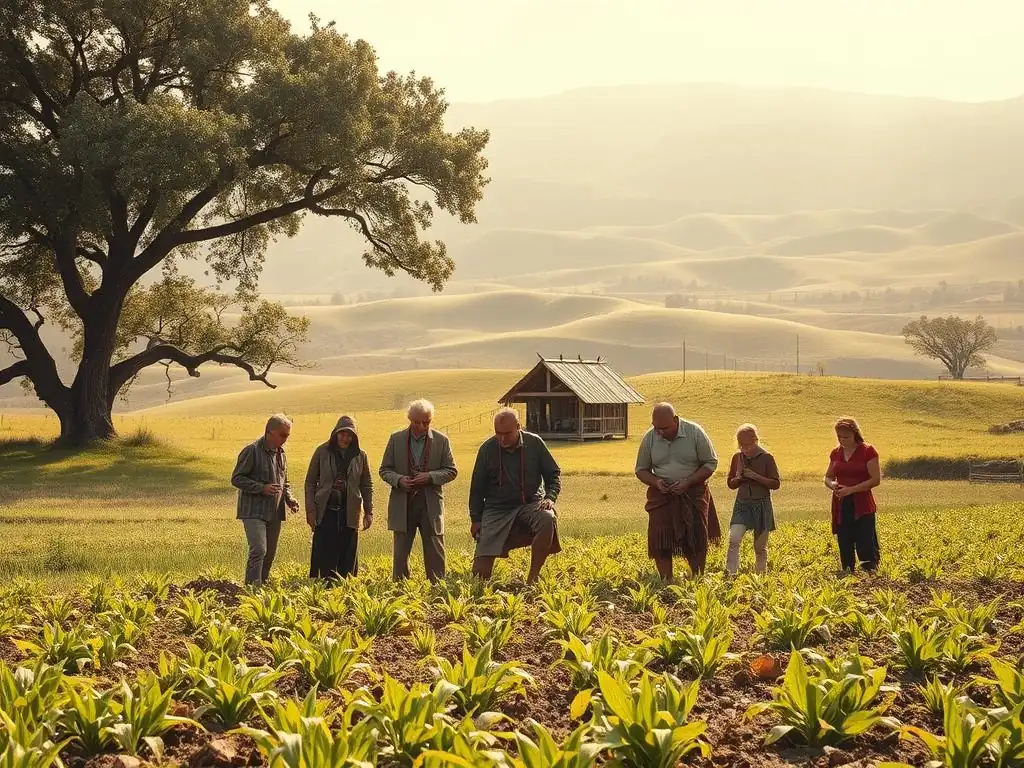
Modern movements that embrace indigenous practices for sustainability are gaining momentum globally as communities seek to integrate ancient wisdom into contemporary ecological strategies. This revival is a response to the urgent need for sustainable solutions in the face of climate change, environmental degradation, and biodiversity loss. Indigenous practices have long been rooted in a profound understanding of local ecosystems, and these movements aim to honor and revitalize these traditions while adapting them to modern contexts.
Grassroots Initiatives Focused on Cultural Preservation
Grassroots initiatives are at the forefront of reviving indigenous practices for sustainability. These local movements are often led by community members who recognize the importance of preserving their cultural heritage while addressing contemporary environmental challenges.
- Cultural Workshops and Education: Many grassroots organizations focus on educating younger generations about traditional practices such as land stewardship, sustainable agriculture, and resource management. For instance, workshops on traditional ecological knowledge (TEK) teach participants about the intricate relationships between plants, animals, and the environment.
- Community Gardens and Food Sovereignty: Initiatives aimed at establishing community gardens often incorporate indigenous agricultural techniques. These gardens not only provide food security but also serve as spaces for cultural exchange and education. By utilizing indigenous methods, such as companion planting and natural pest control, communities can foster biodiversity while reducing reliance on synthetic inputs.
- Revitalization of Language and Traditions: Language plays a crucial role in the transmission of indigenous knowledge. Many grassroots efforts include language revitalization programs that reconnect individuals with their heritage. This not only preserves the language but also the cultural practices associated with it, reinforcing community identity and values.
These initiatives demonstrate that preserving indigenous practices is not merely about maintaining traditions; it is about adapting them to contemporary challenges, ensuring their relevance and effectiveness in promoting sustainability.
Organizations Promoting Indigenous Knowledge for Environmental Sustainability
Numerous organizations are dedicated to promoting indigenous knowledge as a framework for environmental sustainability. These organizations often collaborate with indigenous communities to amplify their voices and share their insights on sustainable practices.
- Cultural Survival: This global nonprofit organization works to defend the rights of indigenous peoples and promote their knowledge of sustainable resource management. They support initiatives that maintain traditional land practices, which are essential for biodiversity conservation and ecosystem health.
- Indigenous Environmental Network (IEN): IEN is a network of indigenous peoples that addresses environmental issues impacting their communities. Through advocacy and education, IEN promotes the integration of indigenous ecological knowledge into policy-making processes, asserting that these practices are vital for achieving sustainability goals.
- First Nations Development Institute: This organization focuses on economic development in indigenous communities, promoting sustainable practices that are rooted in traditional knowledge. Their programs often include training and resource sharing aimed at enhancing food sovereignty and environmental stewardship.
- The Nature Conservancy: While a broader conservation organization, The Nature Conservancy has increasingly recognized the importance of indigenous knowledge in its conservation efforts. They collaborate with indigenous communities globally to integrate traditional practices into land management strategies, demonstrating the effectiveness of these approaches in preserving ecosystems.
Through these organizations, indigenous practices for sustainability are not only preserved but also integrated into broader environmental movements, highlighting the importance of indigenous wisdom in achieving a sustainable future. By recognizing and valuing these practices, modern society can learn to live in harmony with the earth, drawing from the rich heritage of indigenous cultures.
Key Indigenous Practices for Sustainability
Indigenous cultures across the Americas have long demonstrated a profound understanding of the environment and sustainable living. Their practices, rooted in centuries of experience and tradition, offer valuable insights into sustainability today. This section explores key indigenous practices that promote sustainability, emphasizing traditional agricultural techniques and effective water management systems.
Traditional Agricultural Techniques
Traditional agricultural methods employed by indigenous peoples are characterized by their adaptability, respect for the land, and emphasis on biodiversity. These practices not only ensure food security but also maintain ecological balance, demonstrating a holistic approach to agriculture.
Crop Rotation and Biodiversity
One of the cornerstone practices of indigenous agriculture is crop rotation, a method that involves alternating the types of crops grown in a particular area over time. This technique helps to:
- Enhance Soil Fertility: Different crops contribute varying nutrients to the soil. For instance, legumes can fix nitrogen, enriching the soil for subsequent crops.
- Reduce Pest Infestation: By rotating crops, pests that thrive on specific plants are less likely to establish themselves.
- Promote Biodiversity: Diverse planting helps to create a more resilient ecosystem, supporting a wider range of species.
Indigenous groups such as the Hopi and Inca have effectively utilized crop rotation to sustain their agricultural practices. The Milpa system, used by many Mesoamerican cultures, exemplifies this approach by rotating maize, beans, and squash, which together provide complementary nutrients and support each other’s growth.
Use of Native Plants and Seed Saving
The use of native plants is another vital aspect of indigenous agricultural practices. Indigenous farmers often prioritize local flora that is well-adapted to the regional climate and soil conditions. This practice ensures:
- Increased Resilience: Native plants are more resilient to local pests, diseases, and climate variations.
- Cultural Preservation: Cultivating traditional crops preserves cultural heritage and identity.
Seed saving is integral to this practice, allowing communities to maintain the genetic diversity of crops and ensure food sovereignty. For example, the Navajo people have long practiced seed saving for varieties of corn that are suited to their specific environments, fostering both resilience and cultural continuity.
Water Management Systems
Effective water management is crucial for sustainable living, especially in regions prone to drought or water scarcity. Indigenous peoples have developed sophisticated systems that reflect their deep connection to water resources.
Rainwater Harvesting and Sustainable Irrigation
Rainwater harvesting is a traditional practice that captures and stores rainwater for agricultural use. Techniques vary widely, from simple cisterns to more complex systems that integrate with the landscape. The benefits include:
- Maximized Water Use: Collecting rainwater reduces reliance on groundwater and surface water sources.
- Improved Crop Yields: Access to stored water allows for irrigation during dry spells, improving food security.
Indigenous communities in regions such as the Andes have utilized terracing and canal systems to manage water effectively, ensuring that it is used sustainably for crop irrigation.
Sacred Springs and Water Conservation
Many indigenous cultures regard water as sacred, leading to the establishment of practices that promote conservation. Sacred springs are often protected and revered, reinforcing the community's commitment to water preservation. This perspective fosters:
- Community Stewardship: A cultural emphasis on the sanctity of water encourages communal efforts to protect and conserve water sources.
- Sustainable Usage: By treating water as a shared resource rather than a commodity, communities often develop practices that prevent over-extraction and pollution.
For instance, the Aymara people of the Altiplano consider certain springs sacred, implementing measures to protect these vital resources from contamination and overuse.
The indigenous practices for sustainability rooted in traditional agricultural techniques and water management systems provide invaluable lessons for modern societies. By reviving and integrating these practices, we can foster a more sustainable future that honors the wisdom of those who have nurtured the land for generations.
Forest Management and Fire Practices
Indigenous peoples have long practiced sustainable forest management and fire practices that not only support ecological balance but also enhance community resilience. These practices are rooted in a deep understanding of local ecosystems, and they emphasize the importance of maintaining biodiversity, soil health, and water quality. By utilizing traditional ecological knowledge, indigenous communities have effectively managed forest resources for generations, ensuring that both the environment and their societies thrive.
One notable aspect of indigenous forest management is the integration of cultural practices with ecological stewardship. This holistic approach recognizes that the health of the forest is inextricably linked to the well-being of the community, creating a symbiotic relationship that fosters sustainability. As modern movements seek to address climate change and environmental degradation, these indigenous methods offer valuable insights into more sustainable ways of interacting with the land.
Controlled Burns and Ecosystem Health
Controlled burns, also known as prescribed fires, are a critical component of many indigenous cultures' forest management strategies. These intentional fires are used to clear underbrush, reduce the risk of larger wildfires, and promote the growth of certain plant species. By mimicking natural fire cycles, controlled burns help to maintain healthy ecosystems and support the regeneration of diverse flora and fauna.
Research has shown that when conducted correctly, controlled burns can enhance soil fertility by returning nutrients to the earth and creating a more diverse habitat for wildlife. For indigenous communities, these practices not only improve the health of the forest but also provide essential resources such as food, medicine, and materials for cultural practices. As climate change increases the frequency and intensity of wildfires, reintroducing controlled burns as a management strategy can serve as an effective tool for enhancing ecosystem resilience and promoting sustainability.
Community-led Reforestation Efforts
Community-led reforestation efforts are another vital aspect of indigenous practices for sustainability. Many indigenous groups are actively engaged in restoring degraded lands and reestablishing native plant species, recognizing the importance of forests in maintaining ecological balance and cultural heritage. These initiatives often involve collaboration among community members, local organizations, and sometimes governmental agencies, showcasing a collective commitment to environmental stewardship.
One successful example of community-led reforestation is the efforts made by the Xingu River Basin indigenous groups in Brazil. They have been working to replant native species and restore their traditional territories, which have been significantly impacted by deforestation and agricultural expansion. By prioritizing the planting of endemic species, these communities not only revitalize their ecosystems but also ensure the continuation of traditional knowledge and practices related to plant cultivation and land management.
Overall, community-led reforestation initiatives represent a powerful convergence of indigenous knowledge and contemporary environmental movements, demonstrating the effectiveness of grassroots approaches in addressing global sustainability challenges. These efforts highlight the potential for indigenous practices to inform larger-scale environmental restoration projects and contribute to a more sustainable future for all.
Benefits of Integrating Indigenous Practices in Today’s Society
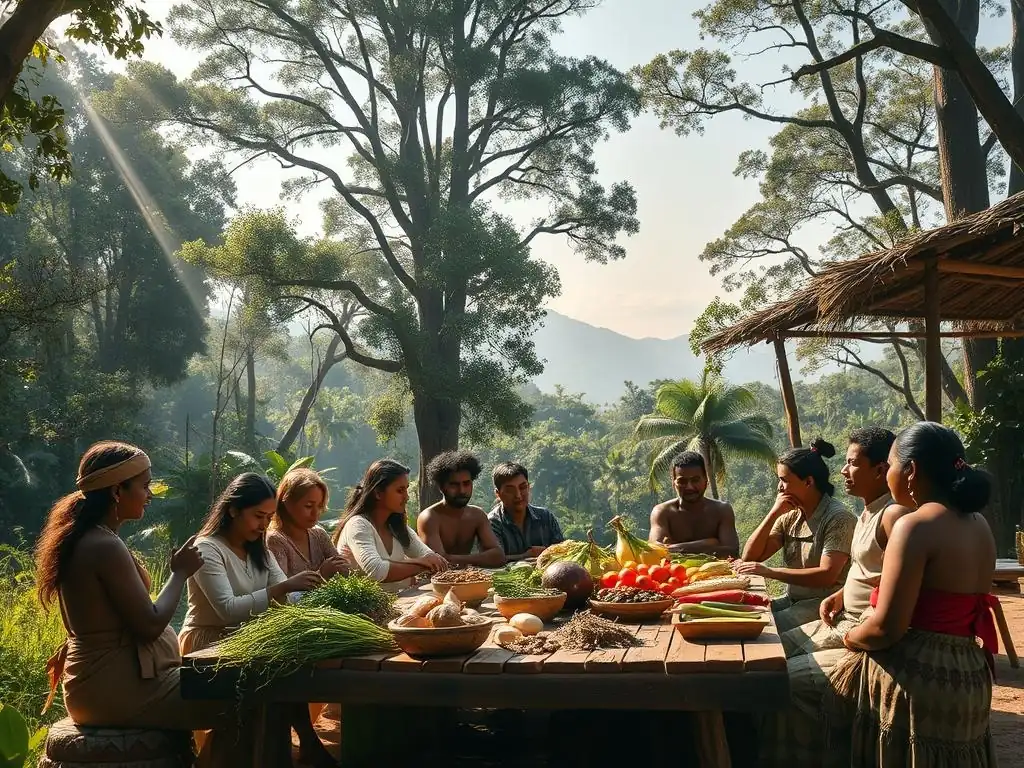
Integrating indigenous practices into modern society offers a wealth of benefits that can enhance environmental sustainability, strengthen social and cultural ties, and create economic opportunities for indigenous communities. These practices, rooted in deep knowledge of local ecosystems and cultural heritage, provide valuable insights into sustainable living and resource management.
Environmental Advantages
Indigenous practices for sustainability are often characterized by a profound understanding of local ecosystems and biodiversity. By employing traditional ecological knowledge (TEK), indigenous communities have developed methods for land and resource management that promote environmental health. Some key environmental advantages include:
- Biodiversity Conservation: Indigenous methods often prioritize the preservation of native species and habitats. For instance, many tribes utilize controlled burns to manage forests, which helps to maintain biodiversity and reduce the risk of catastrophic wildfires.
- Soil Health: Traditional agricultural practices, such as crop rotation and polyculture, enhance soil fertility and prevent erosion. These methods not only sustain food production but also contribute to the overall health of ecosystems.
- Water Management: Indigenous water management techniques, such as the construction of terraces or the use of natural filtration systems, ensure the sustainability of water resources. These practices can help mitigate the effects of droughts and flooding, which are increasingly prevalent due to climate change.
- Climate Resilience: By integrating indigenous practices, societies can enhance their resilience to climate change. For example, traditional knowledge regarding seasonal changes and weather patterns can inform contemporary climate adaptation strategies.
The integration of indigenous practices for sustainability fosters a deeper connection between communities and their cultural heritage. This relationship not only enriches the social fabric of society but also enhances cultural identity. Significant social and cultural impacts include:
- Cultural Revitalization: Engaging with indigenous practices allows for the revival and preservation of traditional knowledge and customs. This revitalization strengthens cultural identity and promotes intergenerational learning.
- Community Cohesion: Collaborating with indigenous communities fosters mutual respect and understanding. Such partnerships can lead to stronger, more cohesive societies that value diversity and promote inclusion.
- Education and Awareness: Implementing indigenous practices in educational systems raises awareness about indigenous cultures and their sustainable practices. This education can inspire future generations to respect and protect the environment.
- Health and Well-being: Traditional practices often emphasize holistic health and well-being, incorporating physical, mental, and spiritual aspects. By embracing these practices, modern societies can promote healthier lifestyles.
Economic Opportunities for Indigenous Communities
Integrating indigenous practices for sustainability can result in significant economic benefits for indigenous communities. These opportunities not only promote self-sufficiency but also enhance community resilience. Notable economic opportunities include:
- Sustainable Agriculture and Agriculture Tourism: Indigenous farming practices can attract eco-tourism, where visitors seek authentic agricultural experiences. This form of tourism can provide additional income streams for indigenous communities.
- Natural Resource Management: Collaborating with indigenous communities on land stewardship projects can create job opportunities and generate revenue through sustainable resource management, such as forestry and fishing.
- Crafts and Artisanal Products: Traditional crafts and products, rooted in indigenous practices, can find markets in contemporary society. This not only provides economic benefits but also promotes cultural heritage through the sale of authentic, handmade products.
- Partnerships with Corporations and NGOs: Engaging indigenous practices in sustainability initiatives can lead to partnerships with corporations and non-governmental organizations (NGOs), opening doors for funding and resources that support indigenous-led projects.
The integration of indigenous practices for sustainability presents an array of benefits for modern society. By recognizing and valuing the wisdom embedded in these practices, we can foster a more sustainable, equitable, and culturally enriched world.
Challenges Facing the Revival of Indigenous Practices
Cultural Appropriation vs. Respectful Integration
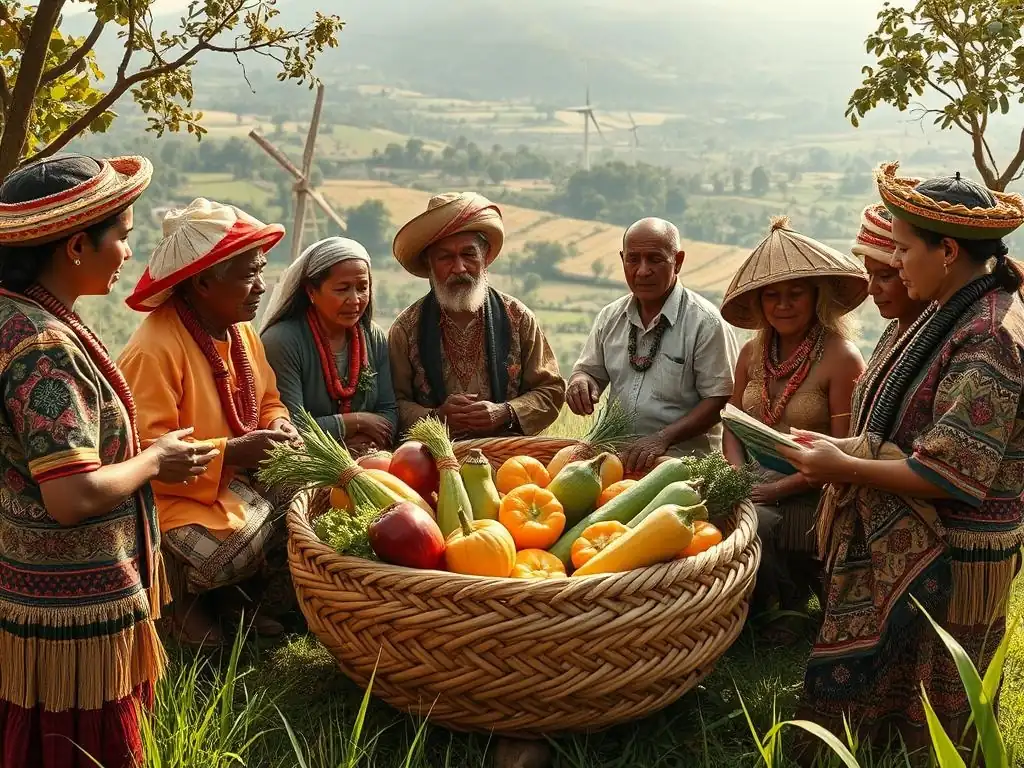
In the context of reviving indigenous practices for sustainability, the distinction between cultural appropriation and respectful integration is crucial. Cultural appropriation occurs when elements of a marginalized culture are taken without permission, often for commercial gain, while respectful integration involves honoring and understanding the cultural significance of these practices.
- Cultural Appropriation Examples:
- Fashion brands using traditional indigenous designs without crediting the source.
- Wellness industries adopting indigenous healing practices without acknowledgment or understanding of their origins.
To combat appropriation, it is essential to engage in dialogue with indigenous communities. This can foster mutual understanding and allow for the sharing of knowledge in a way that respects the cultural heritage involved.
Legal and Political Barriers
Legal frameworks often pose significant challenges to the revival of indigenous practices for sustainability. Many indigenous communities face restrictions on land use, which hampers their ability to implement traditional ecological knowledge effectively.
- Land Rights Issues:
- Indigenous land is frequently threatened by development projects, mining, and agriculture.
- Legal recognition of land rights is often lacking, leading to continued exploitation of natural resources.
Additionally, policies that fail to recognize the value of indigenous practices can hinder sustainable initiatives. Advocacy for legislation that protects indigenous rights and promotes their ecological knowledge is essential for overcoming these barriers.
Generational Knowledge Transfer
The transfer of knowledge across generations is vital for the sustainability of indigenous practices. However, modern challenges such as globalization, urbanization, and loss of habitat have disrupted this transmission.
- Factors Affecting Knowledge Transfer:
- Language Loss: Many indigenous languages are at risk of extinction, taking with them unique ecological knowledge embedded in those languages.
- Erosion of Traditional Lifestyles: As younger generations move to urban areas, the connection to traditional practices is weakened.
To address these challenges, initiatives that promote intergenerational learning are essential. This can include:
- Cultural Camps: Programs designed to teach youth about their heritage, including traditional ecological practices.
- Community Workshops: Encouraging elders to share their wisdom through hands-on activities, reinforcing the importance of their knowledge.
By prioritizing these methods, communities can ensure the continuity and revitalization of indigenous practices for sustainability, benefiting both the environment and cultural heritage.
Conclusion: The Path Forward for Indigenous Practices for Sustainability
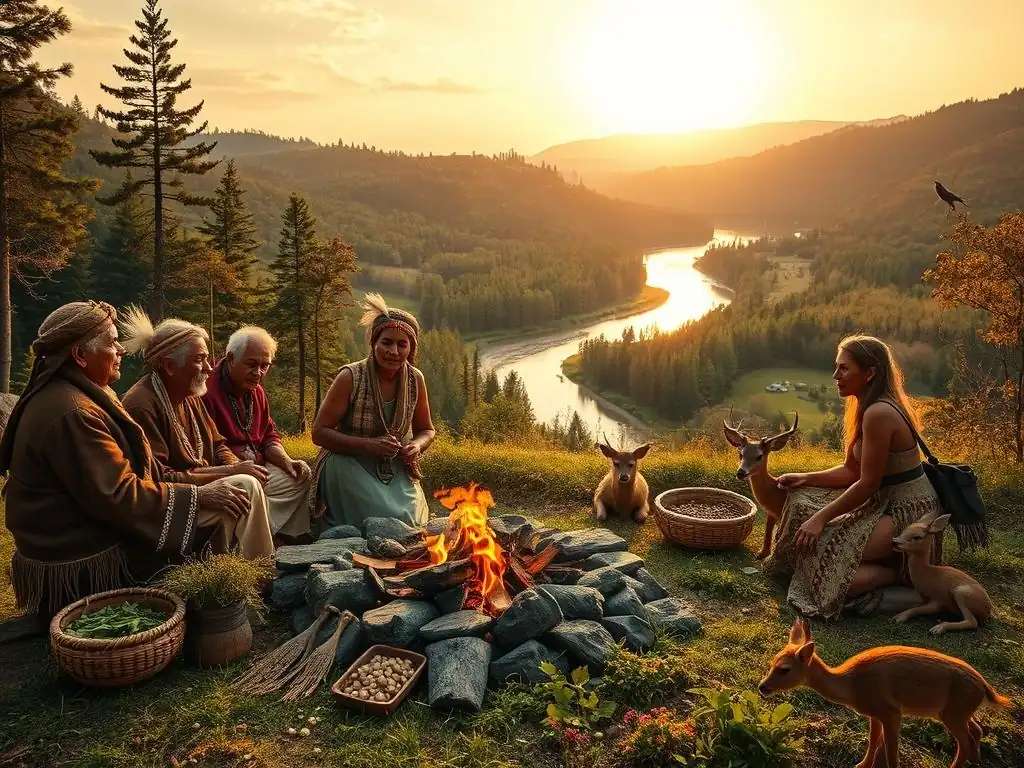
The revival of indigenous practices for sustainability represents a crucial intersection of ancient wisdom and modern challenges. As we face pressing environmental issues, the insights drawn from indigenous cultures offer invaluable guidance. These practices, deeply rooted in a profound understanding of local ecosystems, provide sustainable solutions that can be adapted to contemporary contexts. By recognizing the importance of these traditions, we can foster a more holistic approach to sustainability that honors both the environment and the cultural heritage of indigenous peoples.
To move forward effectively, it is essential to build partnerships between indigenous communities and broader societal structures. This collaboration can help ensure that indigenous practices are not only preserved but also integrated into wider sustainability efforts. The journey ahead requires mutual respect, dialogue, and a commitment to learning from the rich tapestry of indigenous knowledge.
Recommendations for Communities and Policymakers
-
Incorporate Indigenous Knowledge in Policy Planning
Indigenous practices for sustainability should be recognized and integrated into environmental policies. Policymakers must actively engage with indigenous leaders to understand their perspectives and recommendations. This collaboration can lead to policies that are more effective and culturally sensitive.
-
Support Indigenous-Led Initiatives
Funding and resources should be directed towards community-led sustainability projects that utilize indigenous knowledge. These initiatives can serve as models for sustainable practices while empowering local communities.
-
Promote Land Stewardship and Rights
Recognizing and protecting the land rights of indigenous peoples is vital. Sustainable land management practices, grounded in indigenous knowledge, can enhance biodiversity and mitigate the impacts of climate change.
-
Encourage Intergenerational Knowledge Sharing
Communities should create platforms for elders to share their knowledge with younger generations. This can include workshops, cultural events, and mentorship programs that foster a deeper understanding of indigenous practices.
-
Foster Partnerships with Educational Institutions
Collaborations between indigenous communities and educational institutions can facilitate research and curriculum development focused on indigenous sustainability practices. This approach will help disseminate knowledge and promote awareness among students and the public.
The Role of Education in Reviving Indigenous Wisdom
Education plays a pivotal role in the revival and dissemination of indigenous practices for sustainability. By integrating indigenous knowledge into educational curricula, we can cultivate a greater appreciation for these practices and their relevance to contemporary environmental challenges.
-
Curriculum Development
Educational institutions should develop programs that incorporate indigenous perspectives on sustainability. This can include modules on traditional ecological knowledge, sustainable agriculture, and resource management techniques.
-
Field Studies and Experiential Learning
Offering students opportunities for field studies with indigenous communities allows for immersive learning experiences. Engaging with practitioners of indigenous sustainability methods can provide firsthand insights into their effectiveness and cultural significance.
-
Cultural Awareness Programs
Schools and universities should implement programs that promote cultural awareness and sensitivity towards indigenous peoples. These initiatives can help bridge gaps in understanding and foster respect for indigenous wisdom.
-
Community Engagement
Educational institutions can act as facilitators of community engagement, bringing together indigenous leaders, students, and local stakeholders to discuss and collaborate on sustainability issues. This can lead to innovative solutions that honor both modern and traditional practices.
-
Research and Documentation
Encouraging research on indigenous practices for sustainability not only helps preserve this knowledge but also validates its importance in addressing current global challenges. Documentation of these practices can serve as a resource for future generations and policymakers.
The revival of indigenous practices for sustainability hinges on a commitment to education, community engagement, and policy integration. By valuing and incorporating indigenous wisdom into our modern approaches to sustainability, we can create a more resilient and harmonious future for all.
Call to Action: Supporting Indigenous Movements for Sustainability
In the face of climate change and environmental degradation, supporting indigenous movements for sustainability has never been more critical. Indigenous practices for sustainability are deeply rooted in centuries of knowledge, cultural traditions, and a profound connection to the land. By recognizing and amplifying these practices, we can work towards a more sustainable future for all.
The call to action is clear: we must advocate for the rights of indigenous communities, support their initiatives, and learn from their wisdom. This involves not only understanding their historical context but also acknowledging their ongoing struggles against exploitation and marginalization. By engaging with indigenous movements, we can foster a more inclusive approach to sustainability that honors diverse perspectives and knowledge systems.
How Individuals Can Contribute
Individuals can play a pivotal role in supporting indigenous movements through various actions, including:
- Educating Themselves: Understanding the history and contemporary issues facing indigenous communities is essential. This includes reading literature, attending workshops, and participating in discussions that highlight indigenous perspectives on sustainability.
- Supporting Indigenous Businesses: Purchasing products and services from indigenous-owned businesses helps to empower these communities economically. This can range from buying handicrafts to supporting indigenous-led eco-tourism initiatives.
- Advocating for Policy Change: Individuals can influence local and national policies that impact indigenous lands and rights. This involves contacting representatives, signing petitions, and participating in campaigns that aim to protect indigenous sovereignty and promote sustainable practices.
- Volunteering: Engaging with local indigenous groups through volunteer opportunities can provide hands-on support. This could involve assisting in community gardens, participating in restoration projects, or offering skills that benefit indigenous initiatives.
- Promoting Indigenous Voices: Amplifying the voices of indigenous leaders and activists on social media and other platforms helps to raise awareness and brings attention to their causes. Sharing their stories and successes can inspire others to join the movement.
Encouraging Collaborative Efforts Between Cultures
Collaboration between indigenous cultures and broader society is essential for fostering sustainable practices. This can occur in several ways:
- Knowledge Exchange: Encouraging dialogue between indigenous peoples and scientists, policymakers, and environmentalists can lead to innovative solutions that combine traditional wisdom with modern science. This exchange can enhance conservation efforts, land management practices, and community resilience.
- Co-Management of Resources: Establishing partnerships that allow indigenous communities to co-manage natural resources can empower them while ensuring sustainable practices are upheld. Such collaborations can help address issues like deforestation, water management, and wildlife conservation.
- Cultural Awareness Programs: Initiatives that promote cultural exchange can help bridge gaps between indigenous communities and non-indigenous populations. Workshops, cultural festivals, and educational programs can foster mutual respect and understanding, highlighting the importance of indigenous practices for sustainability.
- Joint Research Initiatives: Collaborating on research projects that focus on indigenous knowledge and practices can provide valuable insights into sustainable agriculture, forestry, and biodiversity conservation. This research can be instrumental in informing policy decisions and promoting sustainable development.
By actively participating in these collaborative efforts, we can create a more equitable and sustainable future that honors the contributions of indigenous cultures. Embracing indigenous practices for sustainability is not only an act of solidarity but a necessary step towards a healthier planet.
Frequently Asked Questions
What are indigenous practices for sustainability?
Indigenous practices for sustainability refer to traditional methods and knowledge used by indigenous communities to manage resources in harmony with the environment. These practices emphasize sustainable living and respect for nature.
How have these practices influenced modern sustainability movements?
Modern sustainability movements often draw inspiration from indigenous wisdom, recognizing the importance of ecological balance and community-oriented approaches. This influence helps create more sustainable solutions to contemporary environmental challenges.
What are some examples of indigenous practices that promote sustainability?
Examples include crop rotation, forest management techniques, and water conservation methods. These practices prioritize the health of ecosystems and demonstrate a deep understanding of natural cycles.
How can learning about indigenous civilizations benefit contemporary society?
Understanding the achievements of indigenous civilizations can provide valuable insights into sustainable practices and social structures. This knowledge can help modern societies develop more effective strategies for environmental stewardship.
Why is it important to preserve indigenous cultures?
Preserving indigenous cultures is crucial for maintaining biodiversity and traditional ecological knowledge. These cultures play a key role in fostering sustainable practices that benefit both the environment and future generations.
Final Reflection: Embracing Ancient Wisdom for a Sustainable Future
Reviving indigenous practices for sustainability is not just a nod to the past; it is a crucial step toward a resilient future. As we face unprecedented environmental challenges, the wisdom embedded in indigenous traditions offers invaluable insights that can guide contemporary movements for sustainability. The urgency of climate change and ecological degradation makes it imperative for us to recognize and integrate these practices into our modern frameworks. By doing so, we not only honor the knowledge of indigenous communities but also pave the way for innovative solutions that respect our planet.
The ongoing influence of indigenous practices is evident in the growing recognition of their role in sustainable development. As more people become aware of the interconnectedness of all life and the importance of biodiversity, we see a shift in cultural narratives that prioritize ecological balance.
This shift is not merely theoretical; it is a movement that is gaining momentum globally. > “Indigenous peoples are the original stewards of the land, and their practices are a blueprint for sustainable living.” This quote encapsulates the essence of how ancient wisdom can inform our modern practices, reminding us that sustainability is not a new concept but rather a revival of time-tested methods.
As we reflect on the lessons learned from indigenous practices, I invite you to consider how you can incorporate these principles into your own life. What steps can you take to honor the earth and its resources? Whether it’s adopting more sustainable habits, supporting indigenous communities, or advocating for policies that respect traditional knowledge, every action counts. Let us move forward with a commitment to not only revive these practices but to ensure they thrive in our collective future, fostering a world where both people and nature can flourish together.
Embrace Change: Ignite the Sustainability Movement Today!
Thank you for taking the time to explore the rich tapestry of indigenous practices and their profound relevance in our modern quest for sustainability. By understanding and appreciating these time-honored traditions, you've taken an important step toward a more balanced and harmonious way of living.
Now, let's put this knowledge into action! Here are a few ways you can make a difference:
- Begin your journey towards sustainability today by implementing an indigenous practice in your daily life. Whether it's starting a community garden, practicing permaculture, or utilizing natural materials, each action counts!
- Share your newfound knowledge with friends and family. Host a discussion group to spread the word about the significance of indigenous wisdom in sustainable living.
- Join local organizations dedicated to environmental justice and indigenous rights to actively participate in preserving these vital practices and advocating for their integration into modern sustainability discussions.
What indigenous practice will you choose to incorporate into your lifestyle, and how do you think it can inspire those around you?