
Beyond Machu Picchu: Other Inca Cities That Shaped the Andes' Archaeological Landscape

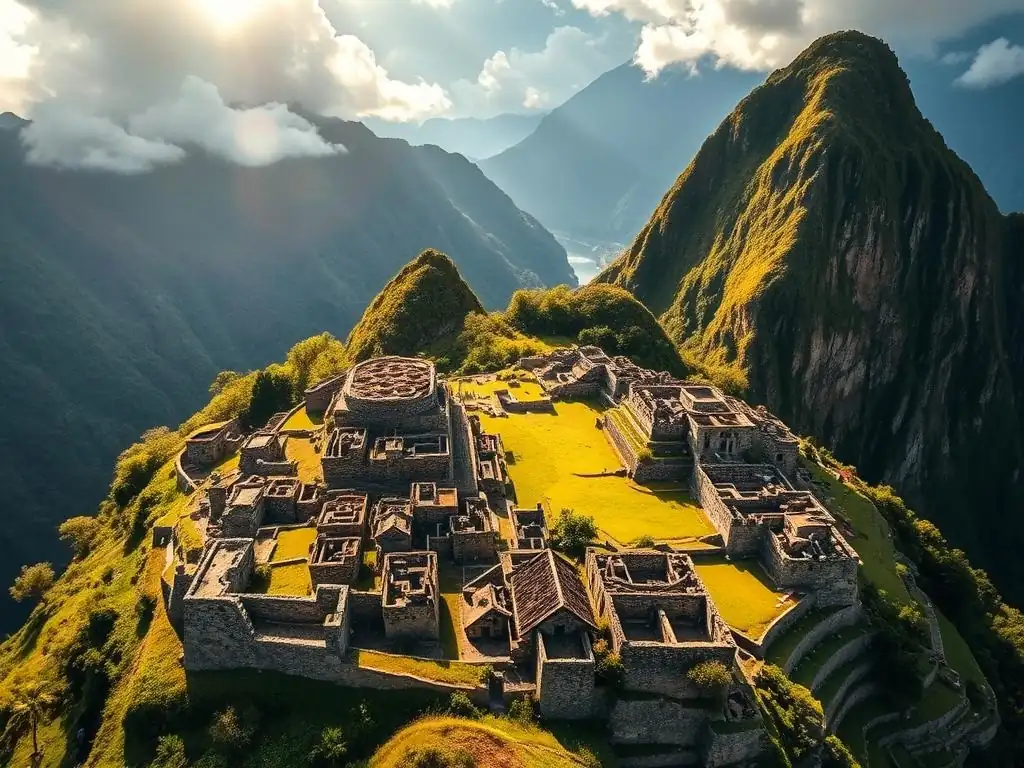
Welcome to Indigenous Civilizations of the Americas—your gateway to uncovering the rich tapestry of indigenous cultures that flourished long before European contact. Here, we delve into the archaeological significance of Inca cities and their profound influence on the Andean landscape. Beyond the iconic Machu Picchu lies a treasure trove of lesser-known sites, each holding secrets of innovation, society, and resilience. Join us as we embark on a journey to explore these remarkable civilizations and their enduring legacies that continue to shape our understanding of history. Discover what lies beyond the surface—your adventure starts here!
Introduction to Inca Cities and Their Archaeological Significance
The Inca Empire, one of the most remarkable civilizations in pre-Columbian America, was a vast network of cities, roads, and agricultural innovations that extended across the Andes mountains. While Machu Picchu is arguably the most famous of these sites, numerous other Inca cities hold profound archaeological significance, offering valuable insights into the complex societies that existed long before European contact. This article will explore the rich tapestry of Inca cities, their cultural importance, and the role they played in shaping the archaeological landscape of the Andes.
Overview of Inca Civilization and Its Impact on the Andes
The Inca civilization flourished from the early 15th century until the Spanish conquest in the 16th century, becoming the largest empire in pre-Columbian America. At its height, the Inca Empire encompassed a diverse array of cultures, languages, and traditions, united under a centralized government based in Cusco, the empire's capital. The Incas are celebrated for their architectural prowess, intricate agricultural systems, and advanced engineering techniques, which included extensive road networks and innovative terracing for farming in mountainous terrain.
Key contributions of the Inca civilization include:
- Architecture: The Incas constructed monumental buildings using precisely cut stones, many of which still stand today.
- Agriculture: Advanced agricultural practices allowed the Incas to cultivate a variety of crops in diverse climatic zones.
- Societal Organization: A well-organized bureaucracy facilitated effective governance and resource distribution across their vast territory.
This rich heritage has left an indelible mark on the Andes, with archaeological sites serving as a testament to the ingenuity and resilience of Indigenous cultures.
Importance of Inca Cities in Understanding Indigenous Cultures
Inca cities are not merely remnants of the past; they are pivotal to understanding the social, political, and economic structures that defined Indigenous life in the Andes. Each city served specific functions and reflected the values and priorities of the Inca civilization. By studying these urban centers, archaeologists and historians gain insights into the following aspects:
- Cultural Identity: Cities reveal the cultural practices, religious beliefs, and daily life of the Incas.
- Technological Advancements: The sophisticated engineering and agricultural techniques highlight the Incas' adaptability to their environment.
- Interconnectivity: The layout and location of these cities illustrate the complex networks of trade and communication that existed within the empire.
By investigating the archaeological significance of Inca cities, we can appreciate the depth of Indigenous cultures that thrived in the Americas long before European colonization.
Major Inca Cities Beyond Machu Picchu
Cusco: The Capital of the Inca Empire
Cusco, known as the "navel of the world," served as the political and cultural heart of the Inca Empire. This city was strategically located at the intersection of major trade routes and was designed in the shape of a puma, symbolizing strength and power. The archaeological significance of Cusco lies in its impressive structures, including the Coricancha (Temple of the Sun) and the Sacsayhuamán fortress, which exemplify Inca architectural brilliance.
Ollantaytambo: A Living Inca Town
Ollantaytambo is unique among Inca sites as it is one of the few towns that has retained its original Inca layout and continues to be inhabited. The archaeological site features well-preserved temples, terraced fields, and an impressive fortress. It played a crucial role in the Inca resistance against Spanish invaders and offers valuable insights into Inca urban planning and agricultural practices.
Sacsayhuamán: A Fortress of Stone
Located just outside Cusco, Sacsayhuamán is renowned for its massive stone walls and intricate construction techniques. This site served both a defensive purpose and a ceremonial role, showcasing the military strength and religious fervor of the Incas. The precision with which the stones were cut and fitted together without mortar is a testament to the advanced engineering skills of the Inca builders.
Pisac: The Inca Agricultural Center
Pisac, famous for its extensive terracing, was a crucial agricultural hub for the Incas. The terraces, which ascend the mountainside, are a marvel of engineering, allowing for the cultivation of diverse crops in a challenging environment. The archaeological significance of Pisac lies in its ability to illustrate the Incas' sophisticated agricultural practices and their understanding of the Andean ecosystem.
Through these major Inca cities, we can unravel the archaeological significance of the Inca civilization and appreciate the legacy of Indigenous cultures that shaped the Andes long before the arrival of European settlers. Each site tells a unique story, contributing to our understanding of a rich and diverse cultural heritage.
The Archaeological Landscape of the Andes
The Andes mountain range, stretching over 7,000 km along the western coast of South America, is a treasure trove of archaeological significance. This region was home to numerous indigenous cultures, with the Inca civilization standing out due to its remarkable achievements in engineering, agriculture, and social organization. Inca cities, such as Cusco, Ollantaytambo, and Sacsayhuamán, form an intricate network that reflects the cultural and political landscape of the Inca Empire. These cities were strategically located, not only for defense but also to facilitate trade and communication across vast distances.
The archaeological landscape is characterized by well-preserved ruins, sophisticated agricultural terraces, and extensive road systems that connected various regions. The construction techniques employed by the Incas, such as dry-stone masonry, have allowed many structures to withstand the test of time, making them invaluable for understanding pre-Columbian life. The diversity in elevation and climate across the Andes also gave rise to various ecological niches, enabling the Incas to develop innovative agricultural practices, including the use of terracing and irrigation systems that maximized crop yields in challenging environments.
The Role of Inca Cities in Regional Trade and Communication
Inca cities served as vital hubs for trade and communication throughout the empire, facilitating the exchange of goods, ideas, and cultural practices. The extensive road network known as the Qhapaq Ñan connected these cities, allowing for efficient transportation of resources such as textiles, ceramics, and food products. The strategic placement of cities along these routes enabled the Incas to control trade and maintain political dominance over their territory.
Key cities acted as administrative centers, where taxes were collected and redistributed, reinforcing the central authority of the Inca government. For instance, Cusco, the capital, was not only a political heart but also a commercial center where merchants converged to trade goods from various regions. This interconnected system of cities and roads fostered economic integration and cultural exchange, which were crucial for the expansion and stability of the empire.
Interconnections Between Inca Cities and Their Surroundings
The interconnections between Inca cities and their surrounding environments were essential for sustaining the empire's economy and culture. Each city was strategically located to take advantage of local resources, such as fertile agricultural land and access to water sources. This ecological adaptability was evident in the cities’ layouts, which often included agricultural terraces and irrigation channels that extended into the surrounding landscape.
Moreover, the communication networks established by the Incas allowed for the efficient exchange of information and resources across different regions. The use of messengers, known as chasquis, who could run long distances at remarkable speeds, ensured that news and directives from the central government reached even the most remote areas. This integration of urban centers with their rural surroundings not only supported trade and agricultural production but also fostered a sense of unity and cultural identity among diverse populations within the empire.
Preservation and Study of Inca Archaeological Sites
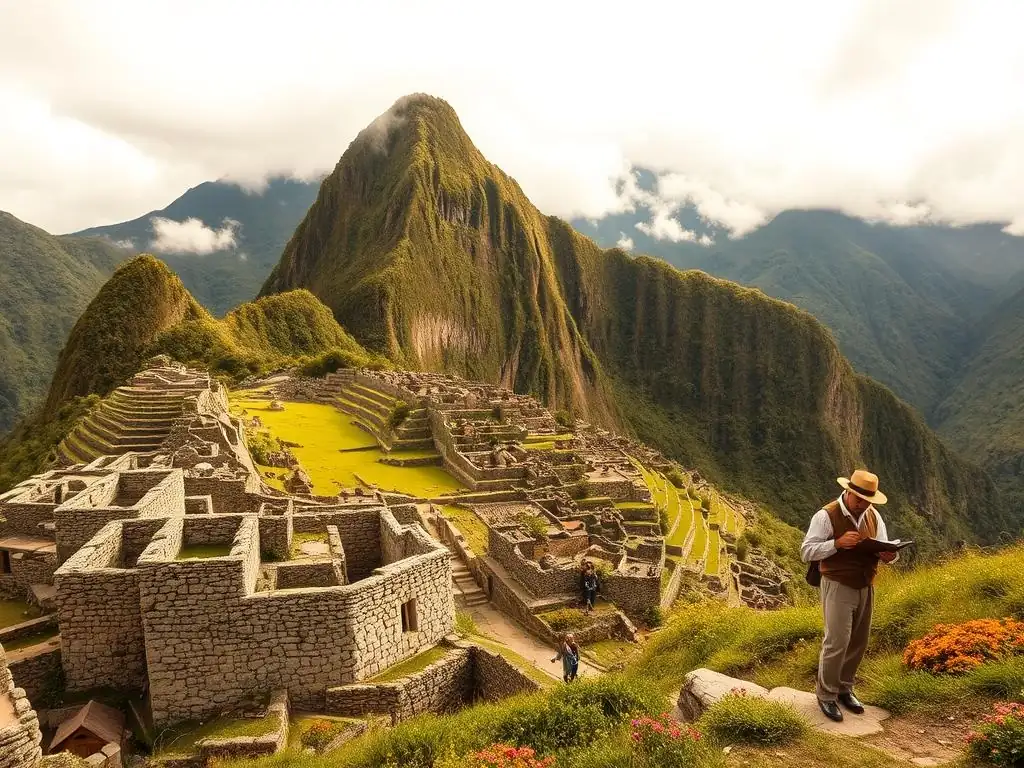
The preservation and study of Inca archaeological sites play a critical role in understanding the historical and cultural legacy of the Inca civilization. Ongoing research initiatives aim to uncover the complexities of Inca society, including their architectural innovations, agricultural practices, and social structures. Many sites are now designated as UNESCO World Heritage Sites, which aids in their protection and promotes awareness of their significance.
Scholars and archaeologists employ various methods, including excavation, remote sensing, and advanced imaging technologies, to analyze the remnants of Inca cities. These studies not only contribute to academic knowledge but also enhance public appreciation for the intricate relationships between the Incas and their environment. Collaborative efforts between local communities and researchers are increasingly emphasized to ensure that the cultural heritage of the Andes is respected and preserved for future generations.
Challenges Facing Inca Archaeological Sites Today
Despite their significance, Inca archaeological sites face numerous challenges that threaten their preservation. The impacts of climate change, including increased rainfall and temperature fluctuations, can lead to erosion and structural damage. Additionally, tourism often puts pressure on these sites, with large numbers of visitors potentially causing physical wear and environmental degradation.
Illegal excavation and looting pose further threats, as valuable artifacts are removed from their historical context, undermining the integrity of archaeological research. The rapid urbanization of nearby areas can also encroach on these ancient sites, leading to habitat destruction and a loss of cultural heritage. Addressing these challenges requires a multifaceted approach involving local communities, governments, and international organizations to develop sustainable practices that balance preservation with public engagement.
Efforts in Conservation and Heritage Management
Efforts to conserve and manage Inca archaeological sites have gained momentum in recent years, driven by both governmental and non-governmental organizations. Conservation strategies often include establishing protected zones around significant sites, implementing visitor management plans, and promoting sustainable tourism practices that minimize environmental impact.
Community involvement is crucial in these efforts, as local populations are often the first line of defense against threats to their cultural heritage. Education and awareness programs can empower communities to take an active role in conservation, fostering a sense of pride and ownership over their historical landmarks. Additionally, international collaborations provide technical support and funding for restoration projects, ensuring that these invaluable sites continue to be studied and appreciated.
Through these combined efforts, the archaeological significance of Inca cities can be preserved, allowing future generations to explore and learn from the rich cultural tapestry that shaped the Andes.
Conclusion: The Enduring Legacy of Inca Cities
The Inca civilization, renowned for its architectural prowess and sophisticated urban planning, left an indelible mark on the Andes region that extends far beyond the famed Machu Picchu. The cities that flourished under Inca rule, such as Cusco, Ollantaytambo, and Sacsayhuamán, showcase a remarkable blend of ingenuity, artistry, and functionality that continues to inspire awe and admiration. These cities were not merely habitation sites; they served as administrative, religious, and cultural hubs that orchestrated the intricate network of the Inca Empire, influencing subsequent societies and modern understanding of indigenous civilizations.
These archaeological wonders reveal the advanced engineering techniques used by the Incas, such as terracing and aqueduct systems, which were crucial for sustainable agriculture and urban life in the challenging Andean environment. The legacy of these cities is not only tangible in their physical structures but also in the cultural practices and traditions that persist among contemporary Andean communities. The enduring significance of Inca cities lies in their ability to connect people with their heritage and foster a deeper appreciation for the rich tapestry of indigenous history in the Americas.
Reflection on the Archaeological Significance of Inca Cities
The archaeological significance of Inca cities is profound, offering insights into the political, social, and economic systems that underpinned one of the largest empires in pre-Columbian America. Each city serves as a testament to the Incas' ability to adapt to their environment, using local materials and resources to create durable structures that have withstood the test of time.
For instance, Cusco, often regarded as the heart of the Inca Empire, exemplifies how urban planning was intricately tied to cosmological beliefs and social order. The city was meticulously designed to reflect the shape of a puma, symbolizing strength and power, with its temples and palaces strategically positioned to align with celestial bodies.
Moreover, the diverse architectural styles found in other Inca cities highlight the cultural exchanges that occurred throughout the empire. These cities were melting pots of indigenous traditions, where local customs blended with Inca innovations, resulting in unique expressions of identity. Archaeologists continue to uncover artifacts and structures that challenge previous understandings of Inca society, revealing a complexity that underscores the importance of these sites in comprehending the broader context of Andean history.
The Future of Inca Archaeological Research and Education
As we advance into the future, the field of Inca archaeological research holds immense potential for discovery and understanding. With the advent of new technologies, such as remote sensing and ground-penetrating radar, archaeologists are uncovering previously hidden structures and landscapes that promise to deepen our knowledge of Inca cities. These tools not only enhance excavation methods but also allow for non-invasive studies of the archaeological record, ensuring the preservation of these cultural treasures for future generations.
Education plays a crucial role in this future, as engaging the public and local communities in the significance of Inca heritage fosters a sense of ownership and stewardship over these sites. Collaborative efforts between archaeologists, educators, and indigenous groups can lead to more inclusive narratives that honor the contributions of the Inca civilization and its descendants.
Moreover, focusing on the archaeological significance of Inca cities in educational curricula can inspire a new generation of researchers and enthusiasts, ensuring that the stories of these extraordinary civilizations continue to resonate. By promoting awareness and appreciation of the rich history embedded in the Andes, we can safeguard the legacy of the Inca cities and celebrate their enduring impact on the cultural landscape of the Americas.
- Introduction to Inca Cities and Their Archaeological Significance
- Major Inca Cities Beyond Machu Picchu
- The Archaeological Landscape of the Andes
- Preservation and Study of Inca Archaeological Sites
- Conclusion: The Enduring Legacy of Inca Cities
- What is the archaeological significance of Inca cities beyond Machu Picchu?
- How did Inca cities influence the Andean landscape?
- What are some other notable Inca cities featured in the article?
- How did these cities contribute to our understanding of Inca culture?
- Why is it important to study Inca cities beyond just Machu Picchu?
Frequently Asked Questions
What is the archaeological significance of Inca cities beyond Machu Picchu?
The archaeological significance of Inca cities lies in their intricate architecture, advanced agricultural practices, and the complex social structures they reveal about Inca civilization.
How did Inca cities influence the Andean landscape?
Inca cities significantly influenced the Andean landscape through their innovative irrigation systems, terracing, and road networks, which enhanced agricultural productivity and connectivity.
What are some other notable Inca cities featured in the article?
The article highlights several notable Inca cities, including Cusco, Ollantaytambo, and Sacsayhuamán, each showcasing unique architectural styles and historical importance.
How did these cities contribute to our understanding of Inca culture?
These cities provide insights into Inca culture by showcasing their religious practices, administrative organization, and the integration of local resources into their urban planning.
Why is it important to study Inca cities beyond just Machu Picchu?
Studying Inca cities beyond Machu Picchu is crucial for a comprehensive understanding of the diversity and richness of Inca civilization, highlighting their achievements and cultural legacy across the Andes.
Final Reflection: Rediscovering the Inca Legacy Beyond Machu Picchu
The exploration of Inca cities and their archaeological significance extends far beyond the iconic Machu Picchu, revealing a rich tapestry of history that continues to resonate today. As we delve into the lesser-known sites, we uncover the intricate social, cultural, and architectural achievements of the Inca civilization that shaped the Andes. This journey reminds us that while Machu Picchu is a marvel, it is merely a fragment of a larger narrative that deserves our attention and appreciation.
The influence of these ancient cities is profound, as they not only reflect the ingenuity of the Inca people but also serve as a testament to the enduring legacy of indigenous cultures in the Andes. Each site tells a story of resilience, innovation, and connection to the land. As we navigate the complexities of modern society, we can draw inspiration from the past. History is not a burden on the memory but an illumination of the soul.
This quote encapsulates the importance of understanding our roots, as the lessons learned from these archaeological treasures can guide us in fostering a deeper respect for cultural heritage and environmental stewardship.
As we reflect on the significance of these Inca cities, I invite you to consider how this knowledge can enrich your own life. Embrace the opportunity to explore not just the well-trodden paths of history but also the hidden gems that await discovery. Let the stories of the Inca inspire you to seek out the layers of meaning in your surroundings and to honor the diverse narratives that shape our world today. Together, we can cultivate a greater appreciation for the past and its relevance in our ongoing journey toward understanding and connection.
Thank you for joining us on this journey through the lesser-known Inca cities that have shaped the magnificent landscape of the Andes. By diving into these historical gems, you’ve uncovered the rich tapestry of Indigenous civilizations that continue to inspire and amaze. Now, it's time to take that inspiration and make the most of it!
Here’s how you can continue exploring:
- Embark on a virtual tour of these incredible sites! Visit our website's gallery section to see stunning images and learn more about their history.
- Share your passion! Discuss your favorite Inca site with friends or on social media to spark interest and awareness about these archaeological wonders.
- Consider planning a trip to visit one of these hidden cities. Imagine walking in the footsteps of the Inca and experiencing the magic for yourself!
What hidden Inca treasure are you most excited to explore on your next cultural adventure?