
The Intersection of Art and Fashion: Indigenous Influences on High Couture

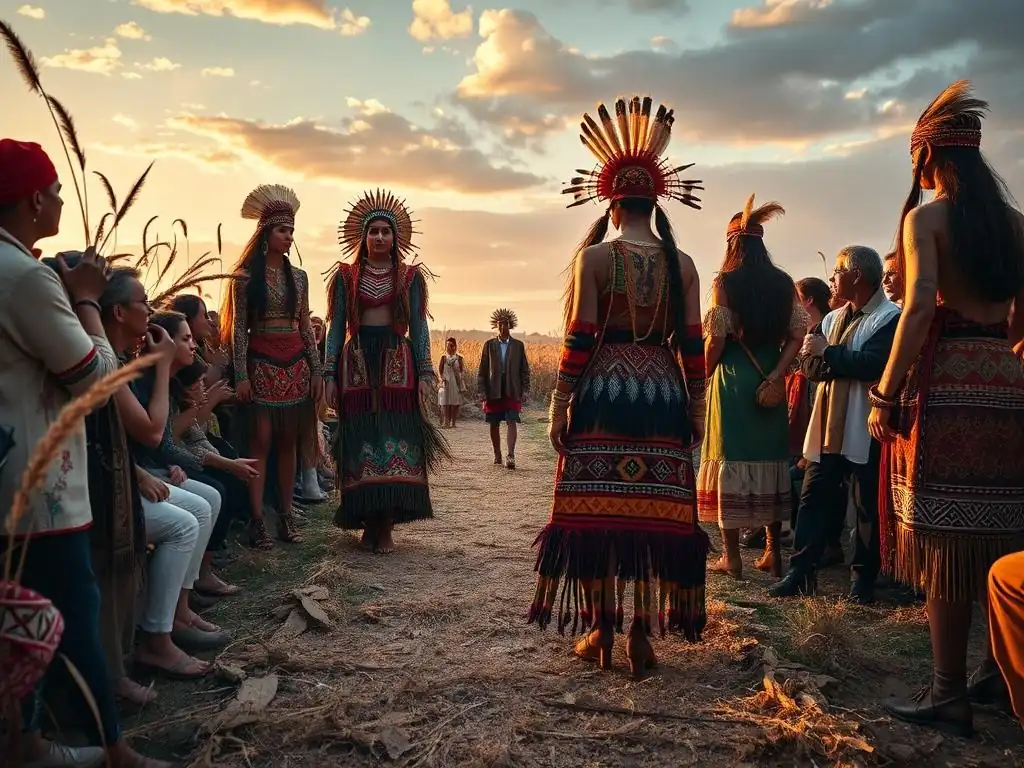
Welcome to Indigenous Civilizations of the Americas, where we embark on a captivating journey through the rich tapestry of indigenous cultures that flourished long before European influence. Dive into our latest article, "The Intersection of Art and Fashion: Indigenous Influences on High Couture," as we unveil the profound impact of indigenous art and fashion influences on modern design.
Discover how these vibrant traditions continue to shape the world of high fashion today, and prepare to be inspired by the incredible legacies that remain woven into our contemporary culture. Your exploration starts here—let’s uncover the stories that have shaped our artistic landscape!
Introduction to Indigenous Art and Fashion Influences
The intersection of art and fashion serves as a vibrant tapestry that reflects the rich heritage and diverse narratives of cultures worldwide. Within this dynamic space, Indigenous art and fashion influences hold a significant place, showcasing the profound impact that Native American and other Indigenous cultures have had on contemporary fashion.
This article delves into how traditional Indigenous aesthetics, symbolism, and craftsmanship not only enrich high couture but also challenge prevailing notions of beauty and identity in the fashion industry. As we explore these influences, we will uncover the stories behind the garments, the artistry involved, and the ongoing dialogue between tradition and modernity, revealing how Indigenous cultures continue to inspire and shape the world of fashion today.
Historical Context of Indigenous Art and Fashion
Understanding the historical context of Indigenous art and fashion is essential to appreciate their influence on contemporary trends. The artistic expressions of Indigenous peoples are deeply rooted in their cultural narratives, spiritual beliefs, and community practices. Over centuries, these expressions have evolved, adapting to changing circumstances while maintaining a strong connection to ancestral traditions.
The Rich Heritage of Indigenous Cultures
Indigenous cultures across the Americas possess a wealth of artistic heritage characterized by unique styles, techniques, and materials. For instance, the intricate beadwork of the Lakota, the vibrant textile patterns of the Andean communities, and the detailed carvings of the Haida reflect not only aesthetic values but also cultural stories and identities.
- Key Elements of Indigenous Art:
- Symbolism: Many Indigenous artworks are imbued with meanings that reflect the relationship between the people, their environment, and their beliefs.
- Materials: The use of natural materials such as feathers, hides, and plant fibers connects the art to the land and its resources.
- Techniques: Traditional methods, passed down through generations, highlight the skills and knowledge embedded in these art forms.
This rich tapestry of heritage not only showcases the creativity and innovation of Indigenous peoples but also serves as a foundation for contemporary designers who seek to incorporate these elements into modern fashion.
Traditional Art Forms and Their Impact on Modern Fashion
The impact of traditional Indigenous art forms on modern fashion is both profound and multifaceted. Designers are increasingly turning to Indigenous motifs, techniques, and narratives to create collections that honor these legacies while appealing to contemporary audiences.
- Fashion Collaborations: Many high-end brands have begun collaborating with Indigenous artists to produce collections that celebrate cultural authenticity.
- Revival of Techniques: Techniques such as weaving, embroidery, and dyeing are being reinterpreted in contemporary designs, breathing new life into traditional practices.
- Cultural Appropriation vs. Appreciation: As Indigenous influences become more prevalent in fashion, a critical conversation emerges regarding cultural appropriation versus genuine appreciation and collaboration.
By recognizing and respecting the origins of these art forms, the fashion industry can foster a more inclusive narrative that celebrates the contributions of Indigenous cultures while encouraging sustainable practices that honor their traditions.
Indigenous Art and Fashion Influences in High Couture
Indigenous art and fashion influences have found a significant place in the world of high couture, creating a rich tapestry of culture and creativity that transcends conventional fashion boundaries. This intersection is characterized by the incorporation of traditional motifs, techniques, and narratives that highlight the unique identities of various Indigenous groups. Designers draw inspiration from Indigenous textiles, patterns, and symbols, melding them with contemporary fashion sensibilities to create collections that honor and respect these cultural heritages.
The impact of Indigenous art on fashion can be seen in the use of vibrant colors, intricate beadwork, and handwoven fabrics that tell stories of ancestral practices and beliefs. These elements not only add aesthetic value but also serve to educate consumers about the histories and traditions of Indigenous peoples. As more designers embrace these influences, there is a growing recognition of the need for ethical sourcing and collaboration, ensuring that Indigenous communities benefit from the fashion industry's global platform.
Case Study: Aurora James and Indigenous Inspirations
Aurora James, a prominent designer and founder of the luxury accessories brand Brother Vellies, has been at the forefront of integrating Indigenous inspirations into high fashion. Her work emphasizes the importance of craftsmanship, sustainability, and cultural storytelling. James draws from her own experiences and heritage, particularly the rich traditions of her Afro-Indigenous roots, to create pieces that resonate on multiple levels.
In her collections, James utilizes materials sourced from artisans in Africa, while also paying homage to Indigenous craftsmanship from the Americas. For instance, her work often features intricate beadwork and leather goods that reflect traditional practices. By spotlighting these techniques, she not only elevates the artistry involved but also creates economic opportunities for Indigenous artisans. James advocates for a fashion industry that is more inclusive and representative of its diverse influences, showcasing the power of Indigenous art in shaping contemporary design narratives.
High Fashion Collections Inspired by Indigenous Aesthetics
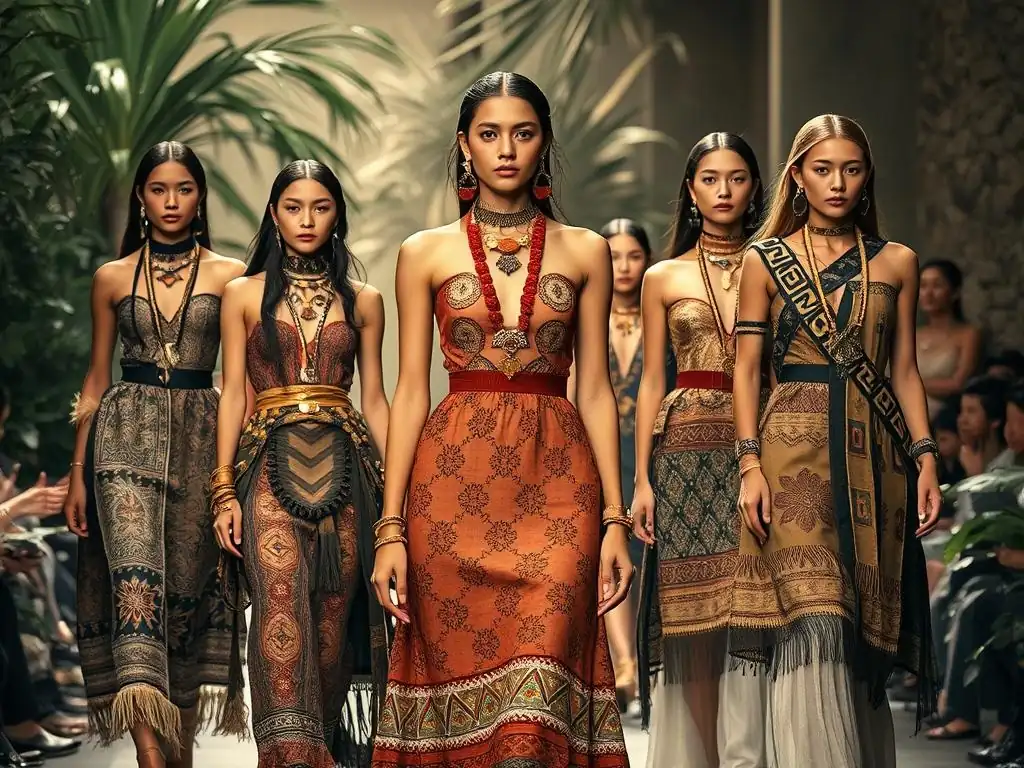
Several high fashion collections have prominently featured Indigenous aesthetics, transforming runway shows into platforms for cultural celebration. Notable designers such as Ralph Lauren, Isabel Marant, and Gucci have drawn inspiration from Indigenous art forms, incorporating tribal patterns, fringes, and unique textiles into their collections. These design choices not only enhance the visual appeal of the garments but also acknowledge the profound influence of Indigenous cultures on global fashion trends.
For instance, collections that utilize Native American-inspired motifs often merge traditional designs with modern silhouettes, creating a dialogue between past and present. This blending of styles fosters an appreciation for the artistic heritage of Indigenous peoples while challenging the boundaries of conventional fashion. Additionally, the emphasis on sustainability in many of these collections reflects a growing awareness of ethical practices, encouraging consumers to consider the cultural significance behind the garments they choose to wear.
The Role of Indigenous Artists and Designers in Fashion
Indigenous artists and designers play a crucial role in the fashion industry, acting as cultural ambassadors who bridge the gap between traditional practices and contemporary design. Their contributions extend beyond aesthetics, as they often engage in advocacy for the rights of Indigenous communities, promoting cultural preservation and ethical representation within the fashion narrative. By leveraging their expertise, these artists infuse collections with authenticity, ensuring that Indigenous stories are told through a respectful and informed lens.
Moreover, their involvement in high fashion creates opportunities for education and dialogue about Indigenous cultures, prompting consumers to engage more thoughtfully with the fashion they wear. As Indigenous designers gain visibility, they challenge stereotypes and foster a deeper understanding of their rich cultural heritage, ultimately reshaping the fashion landscape to be more inclusive and representative.
Spotlight on Emerging Indigenous Designers
Emerging Indigenous designers are making waves in the fashion world, bringing fresh perspectives and innovative designs that celebrate their heritage. These designers are not only creating striking pieces but are also committed to sustainable practices and community empowerment. For example, designers like Bethany Yellowtail and Kendra B. have gained recognition for their unique approaches, blending traditional techniques with modern aesthetics.
Bethany Yellowtail, a member of the Crow Nation, utilizes her designs to tell stories of her culture, often incorporating elements from her Indigenous heritage into contemporary styles. Similarly, Kendra B. focuses on sustainable practices by using ethically sourced materials and traditional artisanship, ensuring that her work supports Indigenous communities.
These emerging talents are vital in shaping the future of fashion, as they bring authenticity and innovation to the industry while advocating for greater representation and respect for Indigenous cultures.
Collaborations Between Indigenous Artists and Fashion Houses
Collaborations between Indigenous artists and established fashion houses are increasingly becoming a trend in the industry, fostering a dialogue that honors cultural heritage while pushing the boundaries of contemporary design. These partnerships provide a platform for Indigenous voices, allowing them to influence mainstream fashion while ensuring their narratives are represented authentically.
One notable collaboration is between the Indigenous artist and designer, Jamie Okuma, and various luxury brands. Her work, characterized by intricate beadwork and textile designs, has been featured in high-profile campaigns, highlighting the importance of Indigenous artistry. Such collaborations not only spotlight Indigenous craftsmanship but also challenge fashion houses to adopt more ethical and inclusive practices.
These partnerships serve as a reminder of the wealth of knowledge and creativity present within Indigenous communities, encouraging a more holistic approach to fashion that values cultural heritage as an integral aspect of design. By bridging the gap between Indigenous artistry and high fashion, these collaborations contribute to a richer, more diverse fashion narrative that celebrates the contributions of Indigenous cultures.
Challenges and Considerations in Representing Indigenous Cultures
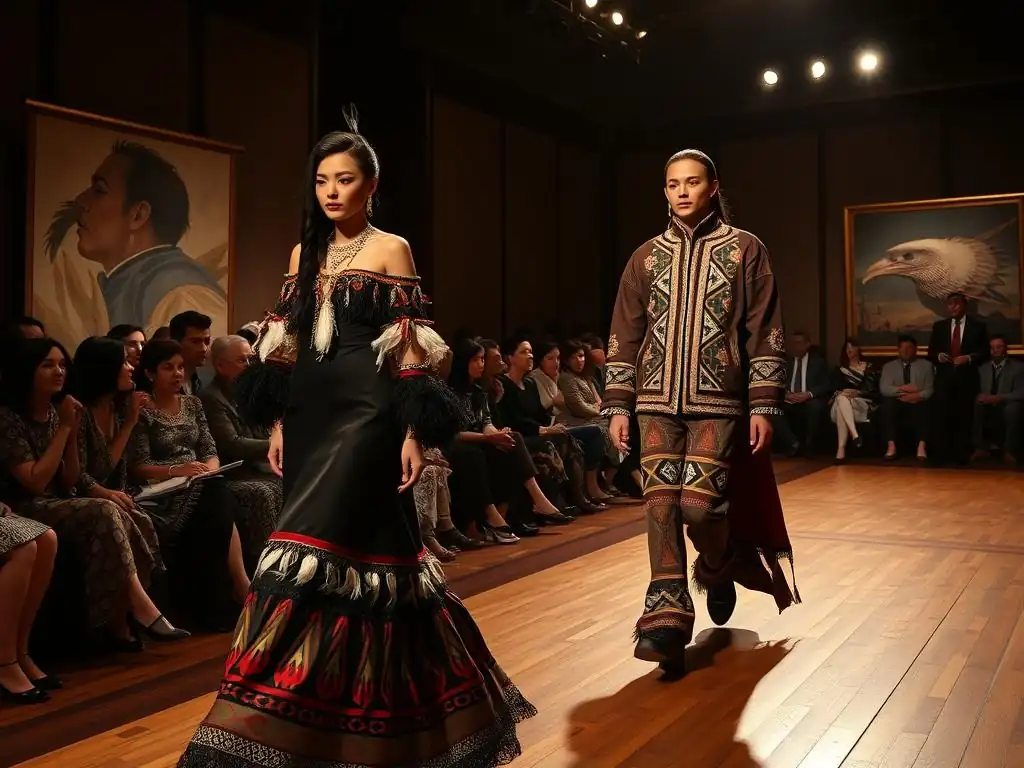
Representing Indigenous cultures in the realm of high fashion comes with a myriad of challenges and considerations that must be approached with sensitivity and respect. One of the foremost challenges is the risk of misrepresentation. Indigenous cultures are not monolithic; they comprise a vast array of languages, traditions, and artistic expressions that vary significantly across different tribes and regions. Fashion designers must be careful to accurately represent these diverse cultures without homogenizing them into a single narrative.
Additionally, the commercialization of Indigenous art and fashion raises ethical questions. Many Indigenous artists and communities have long struggled with the appropriation of their culture, where elements of their traditional attire, patterns, and symbols are used without permission or proper acknowledgment. This often results in the dilution of cultural significance and can perpetuate stereotypes. Fashion brands must navigate these complexities to ensure they honor the cultural heritage they draw inspiration from.
A further consideration is the need for collaboration and dialogue between fashion designers and Indigenous communities. Authentic representation requires input from those whose cultures are being represented. Designers should engage with Indigenous artisans and leaders to foster mutual understanding and respect, ensuring that the stories and meanings behind the art are preserved and conveyed accurately.
Cultural Appropriation vs. Cultural Appreciation
The distinction between cultural appropriation and cultural appreciation is critical in the discussion of Indigenous influences on fashion. Cultural appropriation occurs when elements of one culture are taken and used by another, often without understanding or respecting their original context. This is especially problematic when those who appropriate are in a position of power or privilege, often profiting from the cultures they borrow from while the original cultures continue to face marginalization.
Conversely, cultural appreciation involves recognizing and valuing the contributions of another culture in a respectful and informed manner. It emphasizes understanding the significance of cultural elements before incorporating them into one's work. This can manifest in collaborative efforts that involve Indigenous artists, where the narrative is shared and celebrated rather than exploited.
To promote cultural appreciation, fashion brands should prioritize ethical practices, such as obtaining permission before using Indigenous designs and ensuring that profits from such collaborations benefit the Indigenous communities involved. This shift from appropriation to appreciation can foster a more equitable relationship between Indigenous cultures and the fashion industry.
The Responsibility of Fashion Brands
Fashion brands bear a significant responsibility in how they represent Indigenous cultures. As influential players in the industry, they must recognize the impact of their choices on public perception and cultural narratives. This responsibility encompasses several key areas:
- Ethical Sourcing: Brands must ensure that any Indigenous designs or elements used in their collections are sourced ethically and with proper consent. This involves establishing relationships with Indigenous communities and compensating artists fairly for their contributions.
- Education and Awareness: Fashion brands should educate themselves and their audiences about the cultures they draw inspiration from. This can involve sharing information about the history, significance, and meanings behind Indigenous art and designs, fostering a deeper appreciation and understanding among consumers.
- Representation: The fashion industry must strive for genuine representation of Indigenous voices within its ranks. This means not only featuring Indigenous models and designers in campaigns but also including them in decision-making processes to ensure their perspectives and experiences shape the final products.
By embracing these responsibilities, fashion brands can contribute positively to the representation of Indigenous cultures, helping to combat stereotypes and promote a richer, more nuanced understanding of these vibrant communities.
The Future of Indigenous Art and Fashion Influences
The future of Indigenous art and fashion influences looks promising as more designers and brands are becoming aware of the importance of ethical representation and collaboration. This shift is paving the way for a more inclusive fashion landscape that honors Indigenous traditions while allowing for innovation and creativity. As awareness continues to grow, several emerging trends are shaping this intersection of art and fashion.
Emerging Trends in Indigenous-Inspired High Couture
Emerging trends in Indigenous-inspired high couture reflect a blend of traditional artistry with contemporary design. Designers are increasingly incorporating Indigenous motifs, textiles, and craftsmanship into their collections while respecting the cultural significance behind these elements. Some notable trends include:
- Sustainable Practices: Many Indigenous artisans have long embraced sustainable practices in their craft. As the fashion industry shifts towards eco-consciousness, Indigenous techniques and materials are gaining recognition for their environmental benefits.
- Storytelling through Fashion: Designers are using their collections to tell the stories of Indigenous cultures, incorporating narratives that reflect the histories, struggles, and triumphs of these communities. This storytelling approach adds depth and meaning to fashion pieces, transforming them into wearable art.
- Collaboration with Indigenous Designers: Collaborations between mainstream brands and Indigenous designers are becoming more common, allowing for authentic representation and innovation. These partnerships enable fashion houses to create collections that honor and celebrate Indigenous heritage while reaching wider audiences.
Supporting Indigenous Artisans and Designers
Supporting Indigenous artisans and designers is crucial to ensuring the sustainability and visibility of Indigenous art and fashion influences. This support can take various forms, including:
- Investment in Education and Training: Providing resources and training for Indigenous artists helps empower communities and preserve traditional skills. Fashion brands can contribute by sponsoring workshops and educational programs that focus on Indigenous techniques.
- Creating Platforms for Exposure: Fashion shows, exhibitions, and online marketplaces that highlight Indigenous designers can amplify their voices and increase their visibility in the industry. These platforms create opportunities for Indigenous artisans to showcase their work and reach broader audiences.
- Building Long-Term Partnerships: Establishing long-term relationships with Indigenous artisans fosters greater understanding and respect for their craft. Brands that commit to ongoing collaborations can help ensure that Indigenous cultures are accurately represented in the fashion world while providing artisans with stable income and support.
By prioritizing these actions, the fashion industry can help sustain Indigenous art and fashion influences, ensuring that they continue to thrive and inspire future generations.
Conclusion: Celebrating Indigenous Art and Fashion Influences
The rich tapestry of indigenous art and fashion influences is a testament to the creativity, resilience, and cultural significance of the diverse societies that thrived across the Americas. As we reflect on the intersection of these two fields, it becomes clear that indigenous artistry is not merely a source of inspiration but a powerful narrative that shapes contemporary fashion's identity.
Indigenous designers and artists have increasingly gained recognition in the high couture scene, showcasing their unique perspectives and traditional techniques. This celebration of indigenous art within the fashion industry serves not only to elevate the aesthetic value of garments but also to honor the cultural heritage and stories embedded within each piece.
Moreover, the integration of indigenous motifs, patterns, and materials into modern fashion fosters a deeper understanding and appreciation of the indigenous communities' histories and struggles. It challenges the prevailing narratives that often marginalize these cultures, allowing for a richer dialogue about identity, representation, and authenticity in the fashion world.
As we move forward, it is essential to continue supporting indigenous artists and designers, ensuring that their contributions are acknowledged and respected. By embracing and celebrating these influences, the fashion industry can pave the way for a more inclusive and diverse future, where indigenous voices are heard and celebrated, enriching the global cultural landscape.
Ultimately, the intersection of indigenous art and fashion is not just about aesthetics; it is a vibrant expression of culture, identity, and history that deserves to be recognized and celebrated in its own right. Through collaboration, respect, and an open heart, we can honor the legacy of indigenous civilizations and their enduring impact on contemporary fashion.
- Introduction to Indigenous Art and Fashion Influences
- Historical Context of Indigenous Art and Fashion
- Indigenous Art and Fashion Influences in High Couture
- Case Study: Aurora James and Indigenous Inspirations
- High Fashion Collections Inspired by Indigenous Aesthetics
- The Role of Indigenous Artists and Designers in Fashion
- Spotlight on Emerging Indigenous Designers
- Collaborations Between Indigenous Artists and Fashion Houses
- Challenges and Considerations in Representing Indigenous Cultures
- The Future of Indigenous Art and Fashion Influences
- Conclusion: Celebrating Indigenous Art and Fashion Influences
- What are the main themes covered in the article about Indigenous art and fashion influences?
- How did indigenous cultures influence high fashion?
- What role does indigenous art play in contemporary fashion?
- Are there specific indigenous groups mentioned in relation to fashion?
- How can readers learn more about indigenous influences in fashion?
Frequently Asked Questions
What are the main themes covered in the article about Indigenous art and fashion influences?
The article explores the diverse indigenous cultures of the Americas, highlighting their artistic achievements, fashion influences, and the lasting impact they had on contemporary couture.
How did indigenous cultures influence high fashion?
Indigenous cultures contributed unique design elements, color palettes, and textile techniques that have been incorporated into modern fashion, creating a fusion of traditional and contemporary styles.
What role does indigenous art play in contemporary fashion?
Indigenous art serves as a source of inspiration for designers, allowing them to integrate symbolism and patterns that reflect the rich heritage and storytelling traditions of indigenous peoples.
Are there specific indigenous groups mentioned in relation to fashion?
Yes, the article highlights various indigenous groups, showcasing their distinct art forms and fashion traditions, which have influenced high couture in unique ways.
How can readers learn more about indigenous influences in fashion?
Readers are encouraged to explore the comprehensive resources available on the website, which delve deeper into the intersection of art and fashion within indigenous cultures and their impact on modern design.
Final Reflection: Embracing Indigenous Art and Fashion Influences
In today's world, the confluence of art and fashion serves as a powerful platform for cultural expression and identity. As we explore the intricate tapestry woven by Indigenous influences in high couture, it becomes increasingly clear that these artistic traditions are not merely historical artifacts; they are vibrant, living legacies that continue to shape contemporary aesthetics. The recognition and celebration of Indigenous art within the fashion industry is not just a trend; it is a vital movement that challenges the status quo and invites us to rethink our understanding of creativity and cultural ownership.
The impact of Indigenous art and fashion influences is profound, reshaping our cultural landscape and fostering a deeper appreciation for diversity. As we witness designers drawing inspiration from Indigenous motifs and narratives, we are reminded of the importance of honoring these traditions and the stories they tell. This ongoing dialogue between cultures encourages us to reflect on our own identities and the ways in which we engage with the world around us. Art is the most beautiful of all lies.
– Claude Debussy. This quote resonates deeply as it highlights the transformative power of art, urging us to embrace the beauty and complexity of diverse influences in our lives.
As we conclude this exploration, I invite you to reflect on how you can incorporate the lessons learned from Indigenous art and fashion influences into your own life. Consider the ways in which you can celebrate diversity, challenge cultural appropriation, and support Indigenous artists and designers. By doing so, you not only enrich your own understanding but also contribute to a more inclusive and respectful cultural dialogue. Let us move forward with intention, recognizing the significance of these influences and the responsibility we hold in honoring and preserving them for future generations.
Unleash Your Creativity Through Indigenous Art and Fashion!
Thank you for diving into the vibrant world where art meets fashion in our exploration of Indigenous influences on high couture. Your engagement with this topic highlights the beauty and significance of cultural expression, and we hope you feel inspired to delve deeper and take meaningful action.
Now it's time to channel that inspiration! Here are a few exciting steps you can take to immerse yourself in this dynamic intersection:
- Explore local Indigenous artisans: Visit galleries, markets, or online shops to discover unique pieces that reflect the rich history and culture behind them.
- Share your newfound insights: Use social media to share what you've learned or start a blog to encourage others to appreciate the beauty of Indigenous art in fashion.
- Join a workshop or class: Look for local or online classes that focus on Indigenous art forms, allowing you to create your own pieces that honor these cherished traditions.
What unique perspectives or stories have you encountered on your journey through Indigenous art and fashion that you feel compelled to share?