
Cultural Assimilation or Appreciation? Understanding Indigenous Integration in National Identities

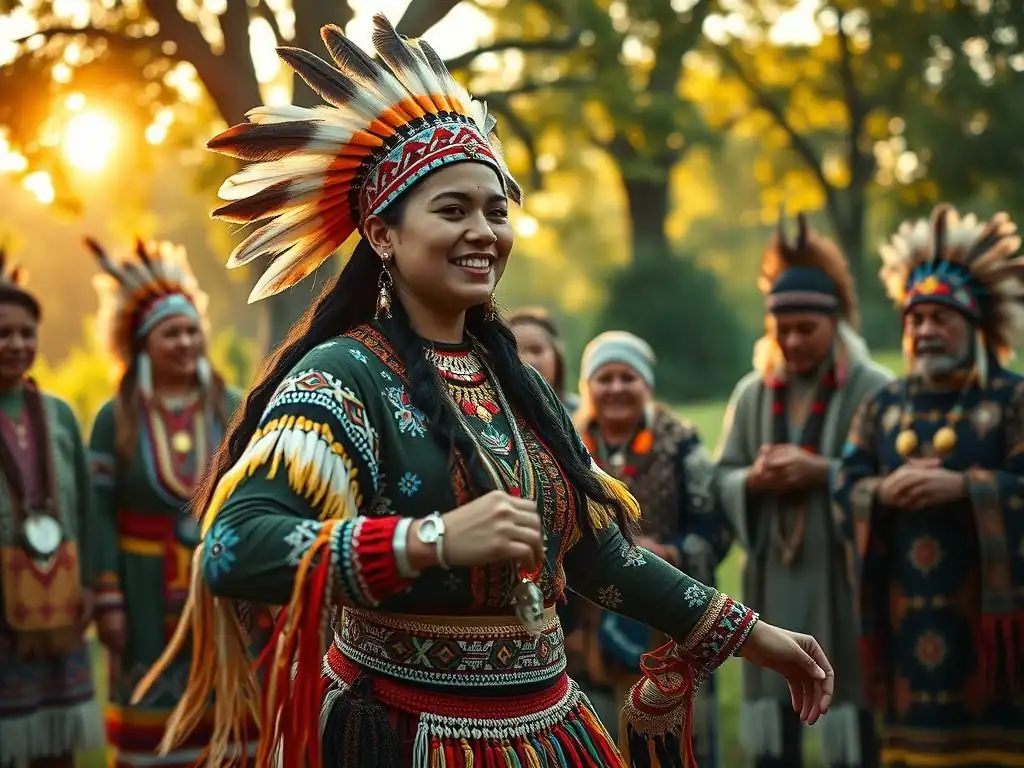
Welcome to Indigenous Civilizations of the Americas, where we invite you to embark on a journey through the rich tapestry of indigenous cultures in America. In our featured article, "Cultural Assimilation or Appreciation? Understanding Indigenous Integration in National Identities," we delve into the intricate dynamics of how these vibrant societies navigated the tumultuous waters of European conquest and influence. Uncover the profound legacies of indigenous achievements and their ongoing impact on contemporary identities.
As you explore, prepare to challenge your perceptions and deepen your understanding of a history that shapes us all. What role does appreciation play in our modern narrative? Dive in to find out!
-
Cultural Assimilation vs. Appreciation: Understanding Indigenous Integration in National Identities
- Introduction to Indigenous Cultures in America
- Historical Context of Indigenous Cultures in America
- Cultural Assimilation: Definition and Implications
- Cultural Appreciation: A Different Approach
- The Intersection of National Identities and Indigenous Cultures
- Challenges Facing Indigenous Cultures Today
- Conclusion: Toward a Balanced Approach to Indigenous Integration
- References
-
Frequently Asked Questions
- What is the main focus of the article "Cultural Assimilation or Appreciation?"
- How did indigenous cultures influence modern American society?
- What are some examples of indigenous achievements highlighted in the article?
- How does the article differentiate between assimilation and appreciation?
- Why is understanding indigenous integration important today?
- Final Reflection: Navigating the Fine Line Between Assimilation and Appreciation
- Embrace and Celebrate Indigenous Cultures Today!
Cultural Assimilation vs. Appreciation: Understanding Indigenous Integration in National Identities
Introduction to Indigenous Cultures in America
The indigenous cultures in America represent a rich tapestry of traditions, languages, art forms, and social structures that flourished long before European colonization. This article delves into the complex dynamics of cultural assimilation and appreciation, exploring how these vibrant societies contributed to the broader narrative of national identities in the Americas.
By examining the significant achievements of indigenous peoples and the profound impacts of European conquest, we aim to shed light on the ongoing relevance of these cultures in contemporary society. Understanding the nuances of integration—whether it is through forced assimilation or genuine appreciation—provides crucial insights into how indigenous identities are recognized and valued today.
Historical Context of Indigenous Cultures in America
The history of indigenous cultures in America is marked by resilience and innovation. From the intricate social structures of the Maya and Aztec civilizations to the nomadic lifestyles of the Plains tribes, these communities developed unique ways of life that were deeply connected to their environments.
Pre-Colonization Achievements of Indigenous Societies
Indigenous societies in America made remarkable advancements across various domains, including:
- Agriculture: The development of sophisticated farming techniques, including the cultivation of maize, beans, and squash (known as the "Three Sisters"), allowed for sustainable food systems.
- Architecture: Monumental structures, such as the pyramids of Teotihuacan and the cliff dwellings of the Ancestral Puebloans, showcase advanced engineering and architectural skills.
- Art and Craftsmanship: Rich traditions of pottery, weaving, and sculpture reflect the aesthetic values and spiritual beliefs of diverse cultures.
- Governance: Complex political systems, such as the Iroquois Confederacy, demonstrated advanced forms of democratic governance and conflict resolution.
These achievements not only highlight the ingenuity of indigenous peoples but also their capacity for adaptation and resilience in the face of environmental and social challenges.
The Impact of European Conquest on Indigenous Cultures
The arrival of European colonizers marked a turning point in the history of indigenous cultures in America. The consequences of this encounter were profound and far-reaching:
- Displacement and Land Loss: The colonization process led to widespread displacement of indigenous populations, as lands were seized for agricultural and settlement purposes.
- Cultural Erasure: Many indigenous languages, traditions, and practices faced extinction due to systematic efforts aimed at assimilation into European ways of life.
- Disease: The introduction of new diseases by Europeans devastated indigenous communities, leading to significant population declines and social disintegration.
- Resistance and Resilience: Despite these challenges, many indigenous groups engaged in acts of resistance, preserving their cultural identities and asserting their rights in the face of colonization.
The historical interplay between indigenous cultures and European colonization invites a deeper understanding of how these societies have been integrated into national identities. By acknowledging both the achievements and the struggles faced by indigenous peoples, we can foster a greater appreciation for their enduring legacy in the Americas.
Cultural Assimilation: Definition and Implications
Cultural assimilation refers to the process through which individuals or groups from one culture adopt the beliefs, practices, and values of another culture, often leading to the gradual loss of their original cultural identity. In the context of Indigenous cultures in America, this phenomenon has profound implications. Historically, colonizing forces have employed assimilation as a strategy to integrate Indigenous peoples into dominant European-American cultures. This has often involved coercive measures, such as the suppression of native languages, traditions, and spiritual practices.
The implications of cultural assimilation extend beyond mere cultural exchange; they can alter social structures, relationships, and community dynamics. Indigenous peoples who assimilate may experience a sense of disconnection from their heritage, leading to identity crises and psychological distress. This process can also result in the marginalization of Indigenous voices and perspectives within broader societal narratives, effectively erasing rich histories and cultural contributions from collective memory.
Understanding Cultural Assimilation in the Context of Indigenous Peoples
To fully understand cultural assimilation as it pertains to Indigenous peoples, one must consider the historical context in which these processes occurred. Following European colonization, Indigenous communities faced significant pressure to conform to European ways of life. This pressure manifested in various forms, including the establishment of residential schools designed to "civilize" Indigenous children by removing them from their families and cultures.
The impact of these assimilation policies has been long-lasting. Many Indigenous individuals grew up disconnected from their cultural roots, leading to challenges in cultural transmission to future generations. The loss of language, traditional practices, and communal ties sparked a crisis within many Indigenous communities, as younger generations struggle to reclaim their cultural identities amidst a backdrop of external pressures.
Consequences of Cultural Assimilation on Indigenous Cultures
The consequences of cultural assimilation on Indigenous cultures are multifaceted and often detrimental. One significant consequence is the erosion of languages. Many Indigenous languages are at risk of extinction due to the preference for dominant languages in education and media. This loss carries with it the disappearance of unique worldviews, knowledge systems, and cultural narratives that are embedded in those languages.
Moreover, cultural assimilation can lead to the commodification of Indigenous identities. Elements of Indigenous cultures, such as traditional dress, art, and music, may be appropriated and commercialized without proper acknowledgment of their significance. This not only disrespects the original cultures but can also lead to economic exploitation, where Indigenous peoples see little benefit from the commercialization of their heritage.
Ultimately, cultural assimilation fosters a homogenized society that often overlooks the importance of diversity. The rich tapestry of Indigenous cultures in America, with their distinct histories and contributions, becomes diminished, leading to a loss of cultural richness that affects all aspects of society.
Cultural Appreciation: A Different Approach
Cultural appreciation, in contrast to assimilation, involves recognizing, respecting, and valuing the diverse cultural expressions of Indigenous peoples without attempting to erase or appropriate them. It emphasizes understanding and learning about Indigenous cultures in a way that honors their history and significance. This approach encourages meaningful interactions that foster mutual respect and collaboration, rather than dominance or erasure.
Cultural appreciation can manifest in various ways, including educational initiatives that promote awareness of Indigenous histories, languages, and traditions. Such initiatives can help build bridges between Indigenous and non-Indigenous communities, fostering a greater understanding of cultural diversity and shared humanity.
Defining Cultural Appreciation in Relation to Indigenous Cultures
Cultural appreciation can be defined as the respectful engagement with and acknowledgment of Indigenous cultures and their contributions to society. It involves a commitment to understanding the complexities of Indigenous identities and histories while honoring their rights and autonomy.
In this context, cultural appreciation means recognizing Indigenous peoples as active agents in their cultural expression rather than as passive subjects of history. It encourages individuals and communities to engage with Indigenous cultures through informed and respectful practices, such as supporting Indigenous artists, participating in cultural events, and advocating for Indigenous rights and sovereignty.
Benefits of Cultural Appreciation for Indigenous Communities
Cultural appreciation offers numerous benefits for Indigenous communities. Firstly, it provides a platform for Indigenous voices to be heard and respected, allowing for the reclamation of cultural narratives that have been marginalized. By fostering a genuine interest in Indigenous cultures, appreciation can promote the revitalization of languages and traditions, enabling Indigenous peoples to pass on their heritage to future generations.
Additionally, cultural appreciation can lead to increased visibility and support for Indigenous issues, including land rights, environmental stewardship, and social justice. By engaging with and valuing Indigenous cultures, non-Indigenous individuals can become allies in the fight for Indigenous rights, thus contributing to a more equitable society.
Cultural appreciation paves the way for a respectful coexistence that celebrates Indigenous cultures in America while acknowledging their vital contributions to the broader societal fabric.
The Intersection of National Identities and Indigenous Cultures
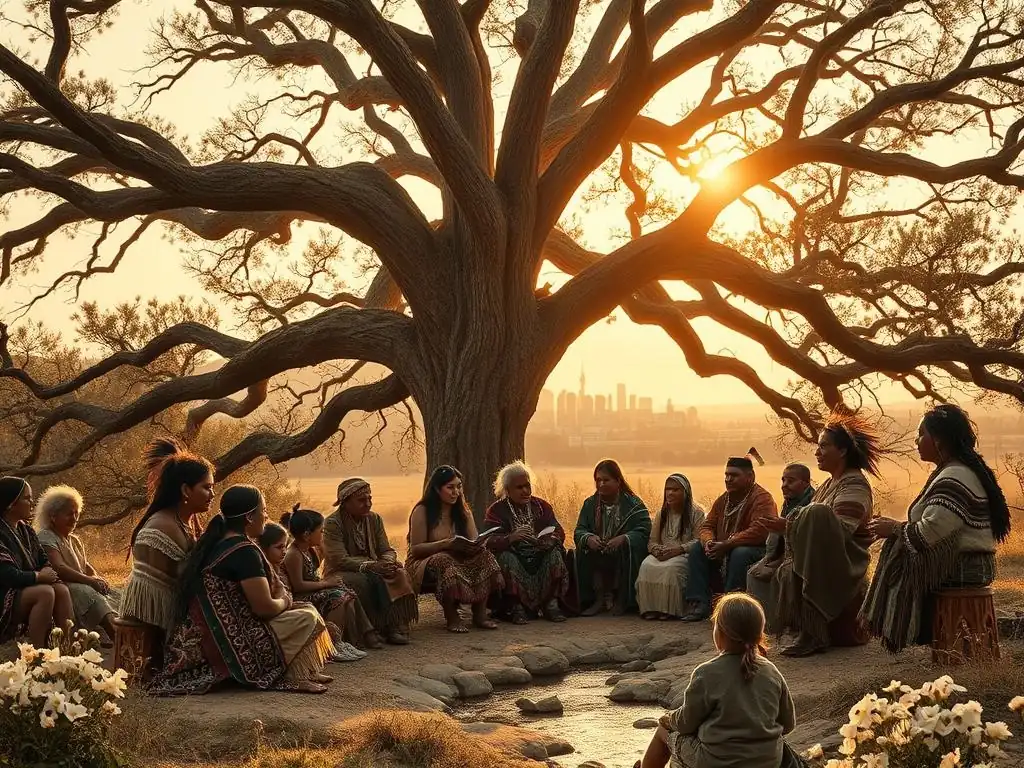
The relationship between national identities and Indigenous cultures in America is a complex and multifaceted one. National identities are often constructed through a narrative that highlights shared history, values, and experiences among a nation’s people. However, this narrative frequently overlooks or simplifies the rich and diverse contributions of Indigenous cultures. The integration of these cultures into national identities is not merely a matter of recognition; it entails a deeper understanding of their historical significance, traditions, and contemporary relevance.
Indigenous cultures in America have significantly influenced the cultural fabric of many nations. From art and language to agricultural practices and governance systems, Indigenous peoples have played a vital role in shaping societal norms and values. Yet, the narrative surrounding national identities often marginalizes these contributions, leading to a homogenized view of history that can erase the complexities and richness of Indigenous experiences.
As nations continue to grapple with their identities, the incorporation of Indigenous perspectives offers a path toward a more inclusive understanding of history. This involves acknowledging past injustices, celebrating Indigenous achievements, and fostering a dialogue that respects cultural diversity while promoting national unity.
How National Identities Are Shaped by Indigenous Contributions
Indigenous contributions to national identities can be observed across various domains, including language, agriculture, governance, and art. For example, many place names in North America originate from Indigenous languages, reflecting their presence and significance in the landscape. This linguistic heritage is a testament to the enduring impact of Indigenous cultures on contemporary society.
Agricultural practices introduced by Indigenous peoples, such as the cultivation of maize, beans, and squash—often referred to as the "Three Sisters"—have shaped food systems and agricultural policies across the continent. These contributions highlight how Indigenous innovations have influenced not only culinary practices but also economic systems and sustainability efforts.
Moreover, Indigenous governance models, which emphasize community involvement and consensus-building, have inspired contemporary political frameworks. These models challenge conventional notions of governance and offer alternative perspectives that prioritize collective well-being over individualism.
In the realm of art, Indigenous artists continue to enrich national identities by infusing contemporary expressions with traditional themes and techniques, fostering a dialogue between past and present. This interplay between Indigenous and national identities underscores the need for a more nuanced understanding of how cultures coexist and contribute to the broader narrative of a nation.
Case Studies of Indigenous Integration in National Identities
Several case studies illustrate the varying degrees of Indigenous integration into national identities across the Americas.
- Canada: The Truth and Reconciliation Commission has made strides in addressing historical injustices faced by Indigenous peoples. Efforts to incorporate Indigenous perspectives into national narratives are seen in the growing recognition of National Indigenous Peoples Day and the inclusion of Indigenous languages in government services.
- United States: The celebration of Native American Heritage Month in November serves as an example of how Indigenous cultures are being recognized within the national framework. However, ongoing issues of representation and visibility in media and education highlight the need for more profound integration beyond mere acknowledgment.
- Mexico: The Zapatista movement has brought Indigenous rights and issues to the forefront of national discourse, showcasing the resilience and agency of Indigenous communities. The integration of Indigenous perspectives in cultural celebrations, such as the Day of the Dead, reflects a blend of traditions that honors Indigenous heritage while shaping national identity.
These case studies reveal the dynamic interplay between Indigenous cultures and national identities, highlighting both achievements and ongoing challenges.
Challenges Facing Indigenous Cultures Today
Despite progress in recognizing Indigenous contributions to national identities, numerous challenges persist. Many Indigenous cultures face the threat of cultural assimilation, where dominant societal norms overshadow and dilute traditional practices, languages, and beliefs. This erosion of cultural identity can lead to a loss of community cohesion and a disconnection from ancestral heritage.
Additionally, economic disparities and systemic inequalities continue to affect Indigenous communities, hindering their ability to sustain cultural practices and transmit knowledge to future generations. The ongoing struggle for land rights and sovereignty further complicates efforts to preserve Indigenous identities, as access to traditional lands is often restricted or contested.
Ongoing Issues of Cultural Assimilation vs. Appreciation
The tension between cultural assimilation and appreciation remains a critical issue for Indigenous peoples in America. Cultural assimilation often manifests as the appropriation of Indigenous symbols, practices, and traditions without a genuine understanding or respect for their significance. This can lead to commodification, where Indigenous cultures are reduced to mere aesthetic elements rather than recognized as living, dynamic systems of knowledge and identity.
Conversely, cultural appreciation involves a respectful engagement with Indigenous cultures that acknowledges their history, significance, and ongoing relevance. This distinction is vital in fostering meaningful relationships between Indigenous and non-Indigenous peoples. Efforts to promote cultural appreciation must prioritize consent, representation, and collaboration, creating avenues for Indigenous voices to be heard and valued.
The Role of Education in Promoting Understanding
Education plays a pivotal role in bridging the gap between Indigenous cultures and national identities. By incorporating Indigenous perspectives into curricula, educational institutions can foster a greater understanding of the complexities surrounding Indigenous histories and contributions.
Programs that emphasize Indigenous knowledge systems, languages, and cultural practices can empower students to appreciate the richness of Indigenous cultures while promoting respect and empathy. Collaborations with Indigenous communities in developing educational materials and programs can further enhance this process, ensuring that Indigenous voices are integral to the narrative.
Through education, future generations can challenge stereotypes, combat discrimination, and advocate for the rights of Indigenous peoples. This transformative approach not only enriches national identities but also contributes to the broader goal of reconciliation and healing between Indigenous and non-Indigenous communities.
Conclusion: Toward a Balanced Approach to Indigenous Integration
The complexities of Indigenous integration into national identities require a nuanced understanding that transcends simple binaries of assimilation versus appreciation. A balanced approach acknowledges the rich tapestry of Indigenous cultures in America, recognizing their historical significance and contemporary relevance. It is imperative to foster an environment that respects Indigenous knowledge, traditions, and rights while promoting dialogue and collaboration between Indigenous communities and broader society.
To achieve this balance, educational institutions, policymakers, and cultural organizations must prioritize inclusive narratives that highlight the contributions of Indigenous peoples to national identity. This involves integrating Indigenous perspectives into curricula, encouraging cultural exchanges, and supporting Indigenous-led initiatives that celebrate their heritage. By centering Indigenous voices, societies can move toward a more equitable representation that honors the past while shaping a shared future.
Moreover, community engagement plays a crucial role in this process. Initiatives that invite Indigenous participation in decision-making can empower communities and ensure that their needs and aspirations are met. Collaborative efforts can help dismantle stereotypes and foster understanding, paving the way for genuine appreciation rather than appropriation. This shift not only benefits Indigenous cultures but enriches the national identity by weaving in the diverse narratives that define the Americas.
The path forward requires a commitment to ongoing dialogue, education, and respect for the autonomy of Indigenous peoples. By striving for a balanced approach, societies can cultivate a more inclusive identity that recognizes the vibrant contributions of Indigenous cultures in America, fostering a legacy of respect and appreciation for generations to come.
References
- Smith, Linda Tuhiwai. Decolonizing Methodologies: Research and Indigenous Peoples. Zed Books, 2012.
- Anderson, Kim. A Recognition of Being: Reconstructing Native Womanhood. Sumach Press, 2000.
- Deloria Jr., Vine. God Is Red: A Native View of Religion. Fulcrum Publishing, 2003.
- Alfred, Taiaiake. Wasáse: Indigenous Pathways of Action and Freedom. University of Toronto Press, 2005.
- National Museum of the American Indian. “Indigenous Perspectives on National Identity.” NMAI Publications, 2020.
Frequently Asked Questions
What is the main focus of the article "Cultural Assimilation or Appreciation?"
The article explores the complex dynamics of Indigenous cultures in America, particularly how these cultures have been integrated into national identities and the nuances between assimilation and appreciation.
How did indigenous cultures influence modern American society?
Indigenous cultures have made significant contributions to agriculture, art, and governance, impacting modern American society through their innovative practices and philosophies.
What are some examples of indigenous achievements highlighted in the article?
The article showcases advanced agricultural techniques, such as maize cultivation, and sophisticated social structures, demonstrating the rich heritage and innovative spirit of Indigenous civilizations.
How does the article differentiate between assimilation and appreciation?
The article emphasizes that assimilation often erases Indigenous identities, while appreciation respects and honors these cultures, allowing for genuine recognition and inclusion within national narratives.
Why is understanding indigenous integration important today?
Understanding indigenous integration is crucial for fostering cultural sensitivity, promoting equity, and ensuring that Indigenous cultures in America are recognized and valued in contemporary society.
Cultural assimilation and appreciation are not merely academic concepts; they are vital discussions that resonate deeply in today's society. As we witness ongoing debates about identity, representation, and the rights of Indigenous peoples, it becomes increasingly clear that understanding the nuances of Indigenous cultures in America is essential for fostering genuine respect and coexistence. The challenges faced by Indigenous communities today highlight the urgent need for a shift from superficial appreciation to meaningful engagement and support.
The impact of cultural assimilation on Indigenous identities has shaped not only the past but continues to influence the present and future of our society. The struggle for recognition and preservation of Indigenous cultures serves as a poignant reminder of the resilience of these communities. As we navigate our collective identity, we must acknowledge the wisdom embedded in Indigenous traditions and the importance of honoring them. In every deliberation, we must consider the impact on the seventh generation.
This quote encapsulates the responsibility we hold to ensure that our actions today do not erase the rich tapestry of Indigenous cultures for future generations.
As you reflect on the themes presented in this article, I invite you to consider your own relationship with Indigenous cultures. How can you contribute to a narrative that values appreciation over assimilation? Whether through education, advocacy, or simply being mindful of the stories we share, each of us has the power to foster a more inclusive society. Let us strive to create spaces where Indigenous voices are not only heard but celebrated, ensuring that their contributions to our national identity are recognized and cherished.
Embrace and Celebrate Indigenous Cultures Today!
Thank you for taking the time to explore the complexities of Indigenous integration in national identities. Your engagement with this topic is vital as we strive for a greater understanding and appreciation of diverse cultures. Now, let’s turn that knowledge into action!
Here are a few meaningful steps you can take:
- Join an Indigenous cultural event in your community to experience rich traditions firsthand.
- Share your newfound insights with friends and family, fostering deeper conversations about the importance of cultural appreciation over assimilation.
- Explore works by Indigenous authors to broaden your understanding of their unique perspectives and contributions.
What actions will you take to ensure Indigenous voices are heard and celebrated in your community? Let’s keep the conversation going!