
The Role of the Council: Collective DecisionMaking in Cahokia's Society

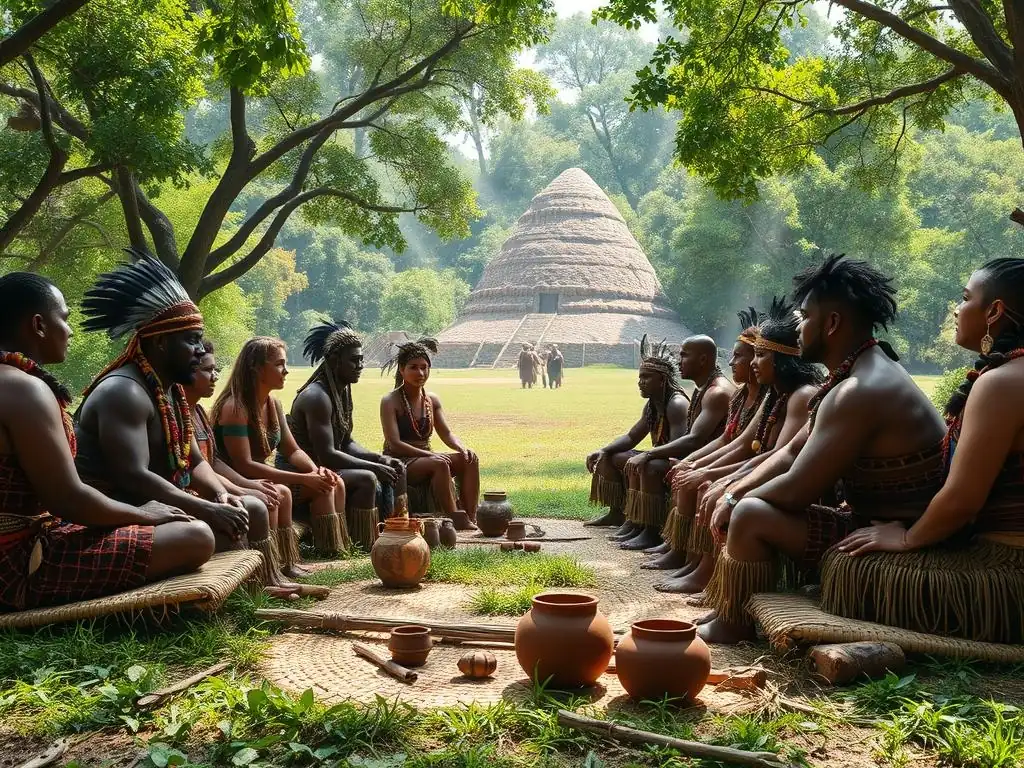
Welcome to Indigenous Civilizations of the Americas, where we invite you to journey through the rich tapestry of indigenous cultures that flourished long before European contact. In this exploration, we delve into the fascinating Cahokia council decision-making process, a cornerstone of collective governance that shaped one of the most influential societies in North America. What can the sophisticated systems of decision-making in Cahokia teach us about leadership and community today? Prepare to uncover the intricacies of their society and discover how these ancient practices continue to resonate through time. Dive in and let your curiosity lead the way!
Introduction to Cahokia's Political Structure
Cahokia, the largest pre-Columbian settlement north of Mexico, flourished from approximately 600 to 1400 CE along the Mississippi River, near present-day St. Louis, Missouri. This remarkable civilization is renowned not only for its monumental earthworks and urban planning but also for its sophisticated political structure that facilitated collective decision-making.
At the heart of this governance model was the Cahokia council, which played a crucial role in maintaining social cohesion and addressing the needs of a diverse population. Understanding the Cahokia council decision-making process provides insight into how power dynamics and communal values shaped the lives of its inhabitants and influenced their interactions with neighboring cultures.
Overview of Cahokia's Societal Organization
Cahokia's societal organization was complex and multifaceted, characterized by a stratified structure that included a ruling elite, skilled craftsmen, and agricultural laborers. The city's political landscape was not governed by a singular authority but rather through a network of councils and leaders who made decisions collectively. This cooperative approach allowed for a more inclusive representation of the community's interests, fostering a sense of belonging and mutual responsibility among residents.
- Ruling Class: Comprised of chieftains and influential figures who held significant power and authority.
- Craft Specialists: Artisans and craftsmen who contributed to the economic and cultural richness of Cahokia.
- Agricultural Workers: The backbone of the society, responsible for food production and sustenance.
This hierarchical structure enabled Cahokia to thrive, as each group played a vital role in the community's overall functioning and resilience.
Importance of Governance in Indigenous Cultures
Governance in indigenous cultures, such as that of Cahokia, held profound significance beyond mere political organization. It was intertwined with spiritual beliefs, social responsibilities, and cultural practices. The decision-making processes within these societies were often communal, reflecting a deep-rooted philosophy of collective well-being and harmony with the environment. Effective governance ensured:
- Resource Management: Sustainable practices that supported the community's needs.
- Conflict Resolution: Mechanisms for addressing disputes and maintaining social order.
- Cultural Preservation: Upholding traditions and practices that defined community identity.
In essence, governance in Cahokia was not just about ruling but about nurturing a vibrant, interconnected society that could adapt to challenges and thrive through collaboration.
Understanding the Cahokia Council
Definition and Purpose of the Cahokia Council
The Cahokia council was a formal assembly of leaders and representatives tasked with discussing and resolving issues pertinent to the community. This council functioned as a decision-making body that emphasized consensus-building and collective input, rather than unilateral decisions made by a single leader. The council's primary purposes included:
- Legislative Functions: Enacting rules and guidelines for the community.
- Conflict Mediation: Addressing grievances among community members.
- Strategic Planning: Discussing long-term goals and initiatives for the society's welfare.
This collective approach to governance highlighted the council's role as a facilitator of democratic participation, encouraging voices from various segments of the population to be heard.
Composition of the Council: Who Were the Members?
The membership of the Cahokia council was diverse and representative of the various societal factions. Typically, the council included:
- Chieftains: Leaders of various clans or factions, bringing their constituents' perspectives.
- Elders: Respected figures who offered wisdom and guidance based on their experiences.
- Craftsmen Representatives: Individuals who articulated the needs and concerns of skilled workers.
- Farmers' Delegates: Voices of the agricultural community, ensuring food security was prioritized.
This diverse composition ensured that decisions were made with a comprehensive understanding of the community's multifaceted realities.
The Role of Elders and Leaders in Decision-Making
Within the Cahokia council, elders and leaders held a pivotal role in the decision-making process. Elders, revered for their wisdom and life experiences, often acted as mediators and advisors, guiding discussions with a focus on the community's historical context and ethical considerations. Leaders, on the other hand, provided direction and advocated for their respective groups, balancing individual interests with the collective good.
- Wisdom and Experience: Elders brought historical knowledge essential for informed decision-making.
- Advocacy and Representation: Leaders ensured that the needs of their constituents were voiced and considered.
This collaborative dynamic between elders and leaders fostered a governance system that prioritized collective welfare and sustainable practices, laying the groundwork for Cahokia's enduring legacy as a complex and thriving civilization.
The Cahokia Council Decision-Making Process
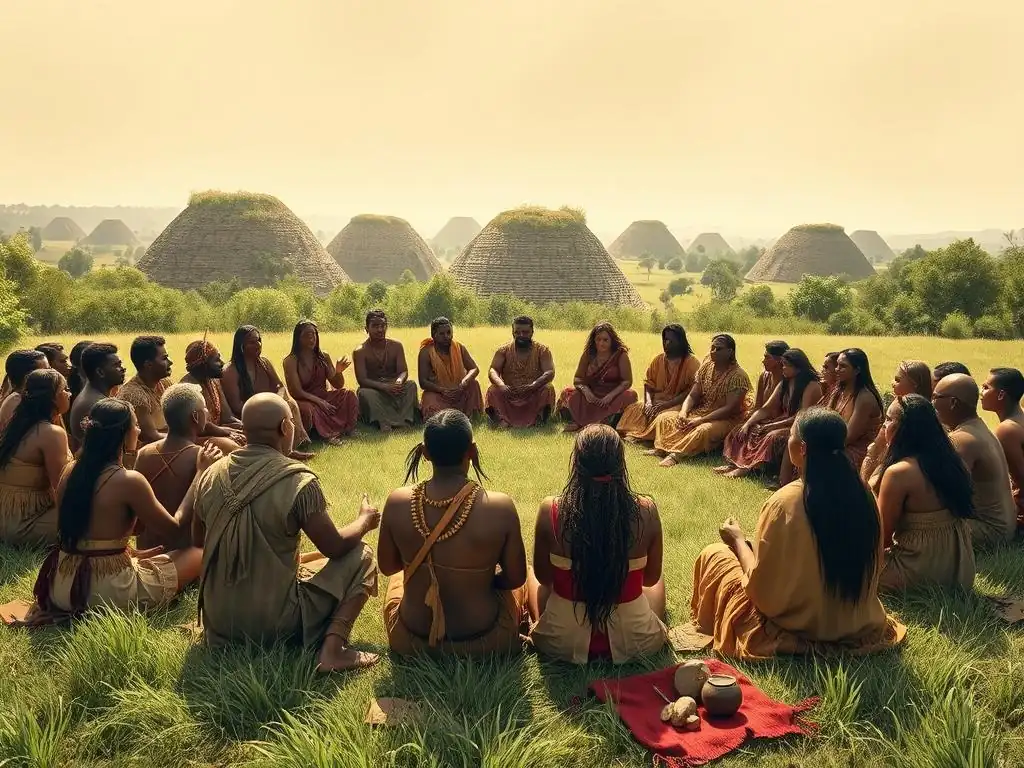
The Cahokia council decision-making process was a sophisticated system that allowed for collective governance among the indigenous peoples of Cahokia, one of the largest pre-Columbian cities in North America. This process was characterized by inclusivity and deliberation, with decisions typically requiring consensus among council members. The council was composed of leaders from various clans and social groups, reflecting the diversity of Cahokian society. This collective approach fostered unity and cohesion, ensuring that varied perspectives were considered before reaching significant conclusions.
Meetings were often held in designated communal spaces, where members would gather to discuss pressing issues such as resource allocation, trade agreements, and conflict resolution. The decision-making process was not only about governance but also about maintaining social harmony and addressing the concerns of the community as a whole. The council’s authority was both respected and legitimized by the consensus-driven nature of its decisions, which often involved lengthy discussions and debate.
Steps in the Decision-Making Process
The decision-making process within the Cahokia council typically followed several key steps:
- Identification of Issues: Community members would voice concerns or propose topics for discussion, ensuring that all relevant issues were brought to the forefront.
- Gathering Information: Council members would gather data and insights related to the issue at hand, often consulting with experts or community members who had relevant knowledge.
- Discussion and Deliberation: A series of discussions would take place, allowing for multiple viewpoints to be expressed. This step was crucial for fostering understanding and empathy among council members.
- Consensus Building: The council aimed to reach a consensus, where all members would agree on a course of action. This required negotiation and compromise, as differing opinions were reconciled.
- Decision Implementation: Once a consensus was reached, the decision was communicated to the community, and actions were taken to implement the decision.
- Review and Feedback: After implementation, the council would monitor the outcomes and gather feedback from the community, which could lead to further discussions if necessary.
This structured approach ensured that the decision-making process was systematic, reflective, and responsive to the needs of the community.
Key Features of Collective Decision-Making in Cahokia
The collective decision-making process in Cahokia was marked by several key features that contributed to its effectiveness and legitimacy. These included:
- Inclusivity: All relevant stakeholders had the opportunity to participate, ensuring that decisions reflected the diverse interests of the community.
- Transparency: Meetings were often open to the public, allowing community members to witness the deliberations and understand the rationale behind decisions.
- Cultural Traditions: The process was deeply rooted in Cahokian cultural practices and beliefs, which emphasized community over individual interests.
- Conflict Resolution: The council played a vital role in mediating disputes and fostering peace within the community, often employing traditional methods of conflict resolution.
Importance of Community Involvement in Governance
Community involvement was crucial in the governance of Cahokia. By allowing community members to actively participate in the decision-making process, the council cultivated a sense of ownership and responsibility among the populace. This engagement ensured that the needs and aspirations of the people were prioritized, leading to decisions that were more likely to be accepted and supported.
Moreover, community involvement helped to strengthen social bonds and trust within Cahokian society. When individuals felt heard and valued, it fostered a spirit of collaboration and mutual respect. This collective effort was essential for maintaining the stability and prosperity of Cahokia, as it encouraged citizens to work together toward common goals.
The Influence of Spiritual Beliefs on Decision-Making
Spiritual beliefs played a significant role in the decision-making process of the Cahokia council. The people of Cahokia held a deep reverence for their spiritual traditions, which often guided their governance practices. Decisions were frequently framed within the context of their cosmology and the natural world, emphasizing harmony with both the spiritual and physical realms.
Leaders often sought guidance from spiritual leaders or shamans, who interpreted the will of the gods or ancestors. This spiritual dimension not only provided legitimacy to the council's decisions but also reinforced the importance of ethical considerations in governance. By aligning their decisions with spiritual beliefs, the council aimed to ensure the well-being of the community and the favor of the divine.
Balancing Individual and Collective Interests
One of the most challenging aspects of the decision-making process in Cahokia was balancing individual and collective interests. While the council aimed to serve the community's best interests, individual desires and needs could sometimes conflict with the greater good. The council's members were tasked with navigating these tensions, often requiring diplomacy and negotiation to find common ground.
To address this balance, the council employed strategies such as prioritizing communal benefits, creating frameworks for resource distribution that recognized individual contributions, and fostering a culture of shared responsibility. By emphasizing the interconnectedness of all members of the community, the council sought to promote decisions that ultimately benefited both individuals and the collective, reinforcing the idea that the well-being of one was tied to the well-being of all.
Case Studies: Notable Decisions Made by the Cahokia Council
Cahokia, one of the largest pre-Columbian cities in North America, had a sophisticated governance structure that heavily relied on collective decision-making through its council. This council was composed of leaders from various clans and social groups within the society, ensuring that multiple perspectives were considered. Several notable decisions made by the Cahokia council not only shaped the city's immediate trajectory but also influenced its long-term development and cohesion.
Examples of Major Decisions and Their Impact
One of the most significant decisions made by the Cahokia council was the establishment of the Grand Plaza, which served as a central hub for social, political, and ceremonial activities. This decision facilitated gatherings, trade, and various cultural events, thereby enhancing communal ties and reinforcing social hierarchies. The construction of monumental earthworks, such as Monk's Mound, was another pivotal decision. This massive structure likely served both as a political center and as a symbol of the authority of the ruling elite.
Additionally, the council's decision to engage in extensive trade networks with neighboring tribes not only brought wealth to Cahokia but also fostered a rich exchange of ideas, goods, and cultural practices. Such economic decisions were critical in establishing Cahokia as a central player in the regional economy, helping to maintain its influence over a vast area.
Analyzing the Outcomes of Council Decisions on Society
The council's decisions had profound impacts on Cahokia's social structure and cohesion. The establishment of communal facilities and ceremonial centers promoted social interactions and reinforced the unity among diverse groups. For instance, large communal feasts organized by the council served to strengthen alliances and resolve conflicts, showcasing the council's role in maintaining harmony.
However, some decisions led to unintended consequences. For example, increased agricultural production due to new farming techniques, while initially beneficial, eventually strained the local resources and contributed to environmental degradation. This highlights the complexity of the council's decision-making process, where the immediate benefits of a decision could overshadow potential long-term repercussions.
Challenges Faced by the Cahokia Council
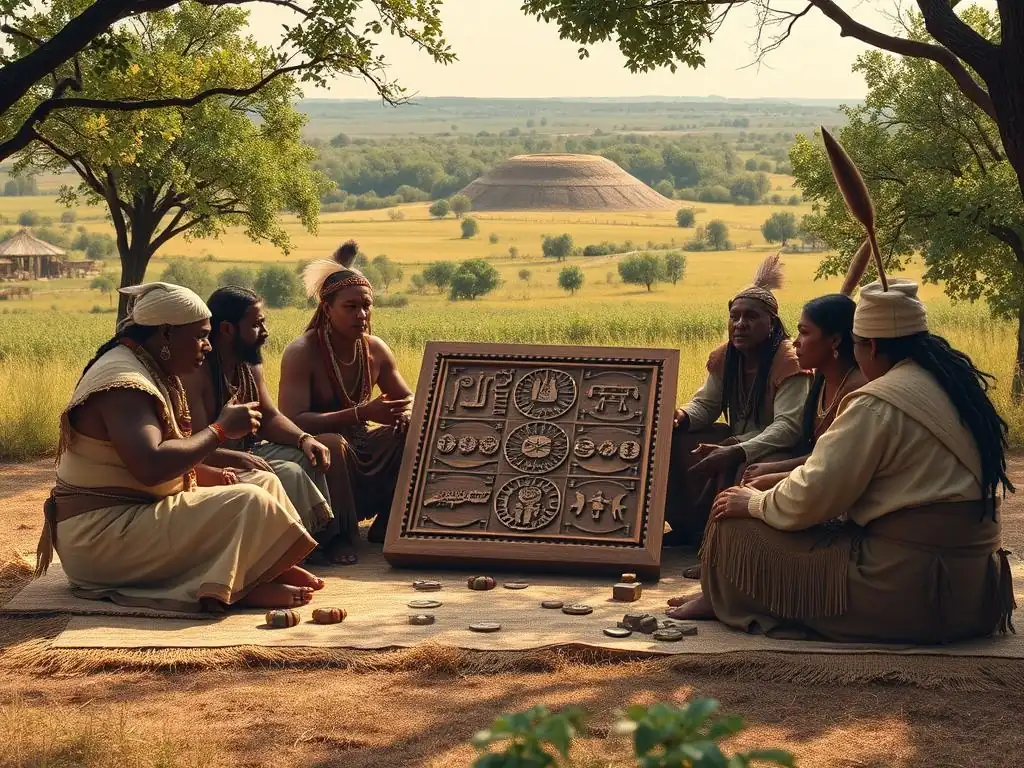
Despite its effectiveness, the Cahokia council faced numerous challenges that tested its leadership and decision-making capabilities. Internal conflicts among different factions and external pressures from neighboring societies were significant hurdles that the council had to navigate.
Internal Conflicts and their Resolution
Internal conflicts often arose due to differing interests among the clans represented in the council. Disagreements over resource allocation, leadership roles, and societal priorities sometimes threatened to fracture the unity of the council. The resolution of these conflicts required skilled negotiation and compromise. The council often employed consensus-building techniques, where lengthy discussions allowed all voices to be heard and facilitated collaborative solutions. Rituals and ceremonies were also utilized to restore harmony, reinforcing the cultural values that underpinned Cahokian society.
External Pressures from Neighboring Societies
Cahokia's strategic location made it a focal point for trade and interaction with surrounding tribes, but it also exposed the council to external pressures. Neighboring societies, seeking to expand their influence or resources, occasionally posed threats to Cahokia's stability. The council had to make strategic decisions regarding alliances, diplomacy, and defense.
For instance, forming alliances with certain tribes allowed Cahokia to bolster its security while also expanding its trade networks. However, such decisions also required careful consideration of potential animosities and the implications of shifting alliances, highlighting the delicate balance the council had to maintain in a complex sociopolitical landscape.
The Legacy of the Cahokia Council's Decision-Making
The Cahokia council's decision-making process has left an enduring legacy that continues to be examined by scholars and Indigenous communities alike. This council was integral in shaping Cahokia's social, political, and economic landscapes, demonstrating a sophisticated form of governance that emphasized collective participation. The council's methods of deliberation and consensus-building served as a model for various Indigenous governance systems that emerged in North America, influencing how communities approached leadership and communal decision-making.
The legacy of the Cahokia council is evident in the way it fostered cooperation among diverse groups within the society. By prioritizing dialogue and shared interests, the council not only maintained social stability but also facilitated the growth of a complex urban center. This approach exemplified a form of governance that was deeply rooted in the values of community, inclusivity, and respect for different perspectives, setting a precedent for future Indigenous governance practices.
Lasting Impact on Indigenous Governance Structures
The decision-making processes established by the Cahokia council have had a profound impact on Indigenous governance structures across various tribes and nations. The emphasis on collective input and consensus is echoed in many contemporary Indigenous communities, where leadership often involves councils or assemblies that prioritize the voices of community members. This model contrasts sharply with hierarchical governance systems and highlights the importance of collaboration and mutual respect within Indigenous cultures.
Research has shown that the principles adopted by the Cahokia council can still be seen in the governance practices of many Indigenous groups today. These groups often utilize similar council structures to address communal issues, manage resources, and resolve conflicts, demonstrating the enduring relevance of Cahokia's governance traditions. The legacy of these decision-making processes underscores the importance of maintaining cultural practices that emphasize communal well-being and shared responsibility.
Lessons Learned from Cahokia’s Collective Decision-Making Process
Cahokia's collective decision-making process provides several valuable lessons for contemporary governance. One key lesson is the importance of inclusivity in decision-making. By allowing various voices to contribute, the Cahokia council was able to create policies that reflected the needs and desires of a broader segment of the population, which in turn fostered loyalty and communal harmony.
Another significant lesson pertains to the role of consensus-building. The Cahokia council's approach demonstrated that achieving consensus, rather than merely majority rule, leads to more sustainable and accepted outcomes. This method not only prevents divisions within the community but also encourages a greater sense of ownership among all members regarding the decisions made.
Moreover, the flexibility and adaptability of the Cahokia council serve as reminders that governance structures must evolve with the changing needs of the community. The ability to respond to new challenges while remaining rooted in cultural values is crucial for the continued relevance of any governance system.
Conclusion: The Significance of the Cahokia Council in Indigenous Governance
The Cahokia council's significance in Indigenous governance cannot be overstated. Its innovative decision-making processes not only facilitated the growth and stability of one of the largest pre-Columbian urban centers in North America but also established governance principles that resonate with many Indigenous communities today. The council's legacy serves as a testament to the effectiveness of collective decision-making and the importance of cultural values in governance.
Reflection on the Role of Collective Decision-Making
Reflecting on the role of collective decision-making in Cahokia reveals a governance system that was both pragmatic and deeply embedded in communal values. This approach allowed the council to navigate the complexities of a diverse society, ensuring that decisions were made with consideration for the collective good. Such reflections can inspire modern governance models to embrace similar collaborative frameworks, promoting unity and social cohesion in diverse populations.
The Relevance of Cahokia's Governance to Modern Indigenous Societies
Cahokia's governance structures remain relevant to modern Indigenous societies, where many communities continue to prioritize collective decision-making. The principles established by the Cahokia council—such as inclusivity, consensus-building, and adaptability—are essential for addressing contemporary challenges effectively. By drawing on the lessons of the past, modern Indigenous governance can navigate the complexities of today's world while honoring their rich cultural heritage and communal values. This enduring connection to Cahokia's governance practices highlights the resilience and adaptability of Indigenous societies in the face of change.
- Introduction to Cahokia's Political Structure
- Overview of Cahokia's Societal Organization
- Importance of Governance in Indigenous Cultures
- Understanding the Cahokia Council
- The Cahokia Council Decision-Making Process
- Key Features of Collective Decision-Making in Cahokia
- Case Studies: Notable Decisions Made by the Cahokia Council
- Challenges Faced by the Cahokia Council
- The Legacy of the Cahokia Council's Decision-Making
- Conclusion: The Significance of the Cahokia Council in Indigenous Governance
- What was the Cahokia council decision-making process?
- How did collective decision-making impact Cahokia's society?
- What role did leaders play in the council's decision-making?
- Were there specific rituals associated with the decision-making process in Cahokia?
- How does the Cahokia council decision-making process compare to other indigenous cultures?
Frequently Asked Questions
What was the Cahokia council decision-making process?
The Cahokia council decision-making process involved a collective approach where leaders and community members gathered to discuss and debate important issues affecting their society.
How did collective decision-making impact Cahokia's society?
Collective decision-making fostered community involvement and ensured that various perspectives were considered, which helped in creating a sense of unity and shared responsibility among the Cahokian people.
What role did leaders play in the council's decision-making?
Leaders were crucial in guiding discussions, providing wisdom and insights, and ensuring that the voices of all community members were heard during the decision-making process.
Were there specific rituals associated with the decision-making process in Cahokia?
Yes, the Cahokia council often incorporated rituals and ceremonies that underscored the spiritual significance of decisions, reinforcing their importance in the community.
How does the Cahokia council decision-making process compare to other indigenous cultures?
While many indigenous cultures practiced collective decision-making, Cahokia's approach was unique due to its complex societal structure and the scale of its urban environment, which influenced how decisions were made.
Final Reflection: The Enduring Legacy of Collective Decision-Making in Cahokia
The intricate decision-making processes of the Cahokia council are not just relics of the past; they resonate profoundly with contemporary society. In an era where divisive politics and individualism often overshadow collaboration, the lessons from Cahokia remind us of the power of unity and collective wisdom. The council's ability to navigate complex societal issues through shared governance serves as a striking testament to the effectiveness of inclusive dialogue in fostering community resilience.
Cahokia's council exemplifies how collective decision-making can shape cultural and social landscapes. The principles of cooperation and consensus-building that characterized this ancient society continue to influence modern governance and community organization. As we reflect on the importance of these values, we are reminded of the words of Margaret Mead: Never doubt that a small group of thoughtful, committed citizens can change the world; indeed, it's the only thing that ever has.
This sentiment echoes the spirit of the Cahokia council, highlighting the ongoing relevance of collaborative efforts in addressing today's challenges.
As we conclude our exploration of the Cahokia council and its decision-making process, I invite you to reflect on the role of collective action in your own life. Consider how you can engage with your community, fostering dialogue and collaboration to tackle shared challenges. By embracing the lessons of the past, we can cultivate a more inclusive and effective approach to decision-making, ensuring that every voice is heard and valued. Let us honor the legacy of Cahokia by committing to a future where cooperation and collective wisdom guide our paths forward.
Embrace Collective Wisdom and Shape Your Community!
Thank you for taking the time to explore the fascinating dynamics of decision-making in Cahokia's society! Understanding how collective power played a crucial role in shaping their civilization can inspire us to harness similar approaches in our own communities.
Now, it’s your turn to make an impact! Here are a few ways you can engage with this knowledge and apply it in your life:
- Connect with local organizations that promote collaborative decision-making. Join their discussions or meetings to learn from shared experiences.
- Start a dialogue within your community about how collective decision-making can address local issues. Consider hosting a workshop or a community forum to facilitate these conversations.
- Share this article with friends and family to spark interest in indigenous governance systems and explore how these ancient practices can inform modern society.
What unique ideas can you implement to foster collaboration and collective growth in your own community?